2027 Most Valuable Online Doctorate in Educational Leadership Degree Programs Ranking in the USA

Co-Founder and Chief Data Scientist
Choosing the right online doctorate program in educational leadership can shape your future career and impact your professional growth. Our article presents the 2027 Most Valuable Online Doctorate in Educational Leadership Degree Programs Ranking in the USA, carefully created by the Research.com team of data scientists.
This ranking helps you find programs that offer real value, combining quality education and flexibility. Reading this article equips you with essential insights to confidently select a program that fits your goals and lifestyle.
Investing in your education can open doors to leadership roles and meaningful change in education. Let us guide you on this important journey.
Key benefits of getting online educational leadership degree in America
- The average salary for educational leadership roles in the US often ranges around $90,000 to $110,000 annually, reflecting rewarding financial prospects for graduates.
- Graduates from top universities, like the University of Southern California, pursue careers as school principals, district administrators, or education consultants, offering diverse leadership opportunities.
- Online degree programs from institutions such as Vanderbilt University provide flexibility and allow working professionals to advance their qualifications without pausing their careers, making education leadership more accessible and convenient.
- 2027 Most Valuable Online Doctorate in Educational Leadership Degree Programs Ranking in the USA
- What can I expect from online educational leadership degree in America?
- Where can I work with online educational leadership degree in America?
What can I expect from online educational leadership degree in America?
The average cost of pursuing an online educational leadership degree in America typically falls between $15,000 and $50,000, depending on the institution and program structure. Graduates from well-regarded universities often reflect on this investment as rewarding, given the career advancements and satisfaction they experience afterward. For example, students enrolled at prominent colleges known for strong education departments, such as those in the Midwest or on the East Coast, frequently find that their tuition correlates with diverse support services and robust networking opportunities.
Many who have navigated these programs describe balancing cost concerns with the value of accreditation and quality faculty engagement. The financial commitment is often seen as a stepping stone to roles like school leadership or district administration, where salaries typically rise substantially. Knowing the range upfront allows prospective students to plan thoughtfully, securing financial aid or employer tuition support to make this essential career development more accessible and fulfilling.
Where can I work with online educational leadership degree in America?
Graduates from online educational leadership programs at universities like the University of Southern California or Penn State often find themselves stepping confidently into roles as school principals or assistant principals across K-12 public and private schools. These positions allow them to directly shape school culture, manage staff, and support student growth, experiences that many describe as deeply rewarding and impactful.
Others pursue careers in higher education, working in leadership roles such as department chairs or deans at community colleges or state universities. Here, graduates draw on their training to coordinate academic programs and foster collaboration among faculty, contributing to a positive campus environment that many alumni recall as intellectually fulfilling and community-oriented.
Many graduates also thrive in district-level administration, becoming superintendents or directors of curriculum. These roles demand strategic thinking and strong community engagement, skills honed through online coursework that emphasizes ethical leadership and data-driven decision-making. The trust and responsibility felt in these positions often inspire a profound sense of purpose.
Additionally, some find their niche in educational consulting firms or government agencies, applying their expertise to influence policy and reform. Graduates frequently share how rewarding it is to help shape leadership standards that elevate education systems across states, demonstrating that an online educational leadership degree in America opens diverse, meaningful career paths.
Graduates of online educational leadership programs in America often find rewarding salary opportunities reflective of their advanced skills. Many step into roles like school principals or district administrators, where pay varies notably but generally aligns with a median around $99,000 annually. Those earning their degrees from well-known schools such as the University of Southern California or Penn State University have shared how their education helped them secure leadership positions with salaries close to or above this median.
While specific government salary data is limited, experience and doctoral-level credentials consistently build pathways to higher earnings. For example, district superintendents, often alumni of prominent programs, report salaries reaching $130,000 or more. Geographic factors strongly influence pay-for instance, a principal in California may earn $120,000, whereas in other states amounts can be lower.
Graduates frequently express satisfaction not just in salary but in the impact their leadership has within schools and communities. Pursuing online educational leadership degrees from respected institutions offers both the flexibility to balance life and study, and the potential to access these fulfilling, well-compensated roles.
- Master's degrees in educational leadership typically cost between $15,000 and $40,000 total, while doctoral programs range from $25,000 to $60,000.
- The median annual salary for school and education administrators was about $98,000 in 2023, with entry-level salaries starting near $65,000.
- Job growth for education administrators is projected at 7% from 2022 to 2032, matching the average growth rate for all occupations.
- Many online programs offer regional and specialized accreditation, including from the Council for the Accreditation of Educator Preparation (CAEP).
- Programs often prepare students for state certification or licensure required for leadership roles, which vary by state.
Completing an online educational leadership degree in America often requires a thoughtful balance between time, work, and personal life. For many graduates from respected institutions like the University of Southern California or Penn State, earning a master's degree typically spans about 1.5 to 2 years when studying full-time. Part-time students, often juggling family and careers, may extend this to 3 or even 4 years, reflecting a flexible pace that suits their responsibilities.
Those pursuing an Education Specialist degree find that it usually adds 1 to 2 years beyond a master's, deepening leadership expertise while managing professional roles. Doctoral programs, such as Ed.D. or Ph.D. in educational leadership offered by universities like Vanderbilt or Northeastern, tend to range from 3 to 6 years. This variation often depends on dissertation progress and the availability of accelerated tracks, as experienced by many alumni.
In every case, students appreciate how online formats allow them to integrate study with real-world leadership challenges, making each milestone feel like a genuine achievement.
Graduates from popular American institutions like Vanderbilt and the University of Wisconsin often reflect on how the online format gave them unparalleled flexibility. Unlike their peers attending on-campus programs, they could balance leadership studies with work and family, accessing lectures asynchronously around their schedules. This flexibility is a hallmark of online educational leadership degrees, especially valued by professionals already embedded in school systems.
On-campus students, meanwhile, frequently share how direct, face-to-face interactions with faculty and classmates during fixed schedules enriched their learning and expanded their professional networks. For instance, graduates from traditional programs at the University of Michigan highlight hands-on field experiences arranged through university partnerships, fostering connections that helped launch their careers.
- Online students appreciate local internships tailored to their communities, making leadership practice immediately relevant.
- Cost savings are notable online, with some students saving up to 30% on expenses by avoiding housing and commuting fees.
- Both delivery methods meet rigorous accreditation standards in America, ensuring quality whether remote or in-person.
Ultimately, the choice often comes down to lifestyle and learning preferences, with online programs offering a practical, accessible path for aspiring leaders ready to grow without pausing their lives.
The average cost of an online educational leadership degree in America often sits near a median total of $42,828, though this figure varies based on residency status and specific program choices. Graduates from well-regarded universities recall balancing tuition fees with additional expenses like technology or textbooks, which while modest, contribute to the overall investment. This median total reflects a realistic picture, with out-of-state students typically facing higher costs around $47,699, while in-state students benefit from tuition closer to $29,754.
For many considering an affordable online doctorate in educational leadership programs USA, understanding these financial expectations shapes their academic journey. Online programs at institutions popular for educational leadership studies, such as state universities, often provide a blend of rigorous curriculum and cost efficiency that previous students have found encouraging. These graduates highlight the flexibility online learning offers, enabling them to apply their studies directly to leadership roles without sacrificing work or personal commitments.
When exploring options, prospective students are wise to research scholarships, federal aid, and employer tuition assistance. Many successful graduates emphasize that leveraging such financial supports helped reduce the economic burden significantly. Additionally, exploring cheapest educational leadership master's programs online can be a strategic step toward manageable costs without compromising quality of education or career prospects.

When pursuing an online educational leadership degree in America, financial aid can transform what feels like an overwhelming cost into an achievable goal. Many graduates from well-known institutions like the University of Southern California or Penn State University have found federal aid through FAFSA to be a cornerstone of their funding. For instance, the Federal Pell Grant offers up to $7,395 annually, easing the burden without the weight of repayment. Federal Direct Loans, too, provide access to manageable borrowing options, which many have relied on to bridge gaps in tuition.
State programs are another beacon, especially for those teaching in public schools or seeking loan forgiveness for educational roles. For example, graduates engaged in K-12 leadership positions often benefit from grants or forgiveness programs unique to their states, reflecting a rewarding synergy between service and support.
Institutional scholarships and assistantships at universities like Texas A&M deliver both financial relief and valuable experience, often covering large portions of tuition.
Finally, employer tuition assistance is a quiet hero for many, with nearly 60% of employers offering scholarships or reimbursements, creating a hopeful path for working professionals to advance without stepping away from their careers.
Enrolling in an online educational leadership degree in America often begins with holding a bachelor's degree from an accredited institution, ensuring a solid academic foundation. For those aiming at doctoral programs, a master's degree in related fields is a common prerequisite. Graduates from universities known for their educational leadership programs, like the University of Illinois or Vanderbilt, recall how this academic groundwork helped them confidently engage with complex leadership theories.
A minimum GPA around 3.0 on a 4.0 scale is frequently expected, reflecting the program's commitment to academic excellence. Many students appreciate that this standard encourages a focused and motivated cohort, enhancing peer learning and support online.
Beyond academics, several years of professional experience in educational roles bring practical perspectives to the classroom. Graduates often share how their backgrounds as teachers or administrators enriched their understanding and connections with course material.
Though some programs require GRE scores, a growing number waive this for experienced candidates, easing the path for working professionals. Letters of recommendation and personal statements provide candidates a chance to express leadership potential and aspirations, making the application process a reflective journey itself.
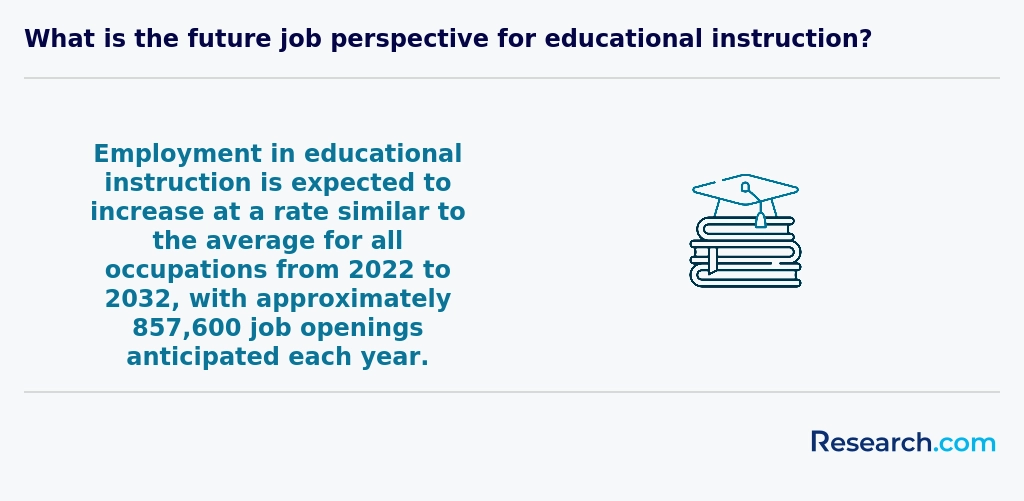
Students pursuing online educational leadership degrees in America typically engage with a curriculum carefully designed to balance theory and practical application. Courses like Foundations of Educational Leadership lay the groundwork by exploring leadership styles and ethical decision-making, essential for anyone aiming to manage a school or district. Graduates from institutions such as the University of Arizona often share how this course helped them gain clarity about their own leadership approach in day-to-day challenges.
Other pivotal courses include Organizational Theory and Change, where learners study how to effectively guide schools through transformation, a skill frequently cited by graduates from Penn State as invaluable during policy shifts and staff restructuring.
Legal knowledge comes through Education Law and Policy, preparing leaders to confidently navigate complex regulations-a topic that graduates from Ohio State University report was eye-opening when dealing with real cases.
Additionally, courses on Data-Driven Decision Making and Finance and Resource Management equip students to use research and budgeting to improve educational outcomes, something alumni from Arizona State University appreciate when managing limited school resources.
Finally, programs emphasize equity with courses focused on Diversity in Education, enabling future leaders to cultivate inclusive environments that reflect America's rich cultural landscape.
Online educational leadership specializations USA typically include focused tracks that prepare students for diverse roles in education. Graduates from programs at recognized institutions like the University of Southern California or Vanderbilt University often choose K-12 School Leadership, equipping themselves to become principals or district administrators. These roles bring a deep sense of fulfillment as leaders impact entire school communities, navigating challenges with confidence cultivated through coursework in school law and curriculum development.
Another frequent choice is Higher Education Administration, popular among graduates from Ivy League and state universities, who take on leadership within colleges and universities. This specialization fosters skills in enrollment management and governance, empowering students to address the complexities of modern higher education with a visionary mindset. Experiencing firsthand the energy on campus while advancing student affairs creates a rewarding leadership journey.
Those drawn to instructional excellence gravitate toward Curriculum and Instruction Leadership. Here, graduates become instructional coaches or curriculum coordinators, a role where the joy of enhancing teaching practices and student outcomes is palpable. Educational technology leadership also draws students eager to integrate cutting-edge digital tools, a reflection of today's rapidly evolving learning environments.
For those exploring American online doctorate educational leadership tracks, understanding these paths is crucial. Many discover their ideal fit through online doctoral educational leadership programs that offer tailored expertise to help turn passion into impactful leadership careers.
Choosing the best online educational leadership degree in America requires a keen focus on accreditation and curriculum relevance. Graduates from well-known public universities attest to the value of programs accredited by bodies like the Council for the Accreditation of Educator Preparation, as this recognition opens doors for licensure and career advancement. Real-life experiences show that aligning course offerings with your ambitions-whether that's K-12 administration or special education leadership-is essential to feeling confident and motivated during your studies.
Cost also plays a significant role. Many learners appreciate that top-notch programs at state universities often come with more affordable tuition than private institutions. For professionals balancing work and study, programs offering flexible schedules and robust online platforms can make all the difference, as numerous graduates recall the relief of interactive discussion boards and recorded lectures easing their busy routines.
Seeking a program with strong outcomes matters too-graduates share how connections with state education departments and solid job placement support have boosted their career trajectories. If you want to explore specific options, consider visiting higher education administration program listings, which highlight some of the top online doctorate programs in educational leadership America offers.

Graduates with an online educational leadership degree in America often find themselves stepping into roles that merge passion with purpose. Many alumni from well-known universities report fulfilling careers as school principals or assistant principals, where they lead with empathy and strategic vision in vibrant K-12 environments. These roles offer a tangible way to influence day-to-day student success and school culture, making the challenges deeply rewarding. For those embracing broader challenges, positions like district superintendent or educational administrator invite leadership across multiple schools, blending policy with hands-on management to shape regional education landscapes. These paths are well aligned with the demand identified in online educational leadership careers USA, where experienced graduate leaders are increasingly sought after.
Others discover opportunities in esteemed colleges, advancing as academic deans or student affairs directors, roles that uniquely impact higher education through strategic planning and student-centered initiatives. A number of graduates further pursue educational consulting or policy advisor positions, contributing to meaningful systemic improvements and legislative advancements. For anyone considering these routes, programs like the widely respected masters of educational leadership online offer flexible, affordable pathways to prepare for a range of leadership roles that resonate deeply with your ambition and drive.
The job market for online educational leadership degree in America reflects steady growth, driven by a rising need for skilled administrators in diverse educational settings. Graduates from popular programs such as those at respected state universities often find themselves prepared for leadership roles like principals or district administrators, balancing their studies with ongoing careers. Many share the rewarding experience of applying online coursework directly to challenges faced in their schools, making their education feel immediately relevant and fulfilling.
Career opportunities for educational leadership graduates in the USA are broadened by factors like state certification requirements and an emphasis on equity and innovation within schools. Graduates from nationally recognized online programs report increased confidence in navigating these complexities, which aligns well with the projected increase in educational leadership positions. The flexibility of online degrees also makes advanced education accessible to those who might otherwise pause their careers.
For those weighing financial considerations, institutions offering the cheapest doctor of education edd online provide a practical alternative without sacrificing quality. This affordability, combined with competitive salaries reported in education administration roles, supports a promising outlook for prospective students looking to advance their careers thoughtfully and realistically.
2027 Most Valuable Online Doctorate in Educational Leadership Degree Programs Ranking in the USA
Investing in your education is a significant decision that can shape your future, and the Research.com team understands the importance of making informed choices. To assist prospective students in selecting the best educational leadership doctoral programs, we have meticulously developed the "2027 Most Valuable Online Doctorate in Educational Leadership Degree Programs Ranking in the USA." Our commitment to quality, credibility, and accuracy is reflected in the extensive research and analysis behind this ranking.
We utilized the following reputable data sources to ensure a comprehensive evaluation of programs:
By exploring this ranking, readers will gain valuable insights into the highest-value online doctoral programs, empowering well-informed decisions about their educational pursuits. For more details on our methodology, please visit our Research.com methodology page.


# 10 position
University of South Dakota
Doctor of Educational Administration and Leadership, PreK-12 Educational Leadership Specialization

# 11 position
Bethel University, Minnesota
Doctor of Leadership (K-12 Education) (Higher Education)




# 15 position
Indiana State University
Doctor of Educational Administration: Higher Education Leadership


Frequently Asked Questions About educational leadership
Online educational leadership degree students in America can maximize their learning by actively engaging with course materials and faculty. Research from the U.S. Department of Education shows that participation in discussion forums significantly improves comprehension and retention. Students should also schedule regular study times to maintain consistency and reduce procrastination. Networking with peers through virtual groups provides diverse perspectives, often leading to enriched problem-solving skills.
Additionally, utilizing university resources like virtual libraries and academic advising enhances understanding. Many programs align coursework with real-world leadership challenges, so applying theory in current professional roles bridges academic and practical experience. According to the National Center for Education Statistics, students who combine study with professional practice perform better academically and professionally.
The field of educational leadership in America is evolving with several emerging niches gaining attention. One rapidly growing area is technology integration leadership, which focuses on guiding schools through digital transformation. According to the National Center for Education Statistics (NCES), over 95% of schools now incorporate technology in classrooms, increasing the need for leaders skilled in this domain.
Another niche is equity and inclusion leadership, dedicated to creating fair learning environments. The U.S. Department of Education emphasizes the importance of culturally responsive leadership to address achievement gaps among diverse student populations.
Additionally, early childhood education leadership is expanding as research shows that quality leadership at this stage significantly influences lifelong learning outcomes. These specialized roles represent promising pathways for educational leadership graduates seeking impactful careers.
After completing an online educational leadership degree in America, preparing for the job market involves strategic steps. First, graduates should acquire relevant certifications such as school principal or superintendent credentials, which are often required by state education departments. According to the U.S. Bureau of Labor Statistics, leadership roles in education are expected to grow by 8% from 2021 to 2031, reflecting steady demand.
Networking is essential; joining professional organizations like the American Association of School Administrators can open doors to job opportunities and mentorship. Additionally, gaining practical experience through internships or fellowships during the degree program helps build a competitive resume.
Strong skills in data-driven decision-making and familiarity with education policy improve employability, as districts increasingly prioritize accountability and improvement metrics.
Employers in the U.S. seek several key skills in graduates of educational leadership degree programs. According to the American Association of School Administrators, strong communication skills are essential, enabling leaders to effectively collaborate with teachers, parents, and stakeholders. Strategic planning ability is also highly valued, as leaders must guide schools through complex educational challenges and policy changes.
Data literacy is increasingly important; leaders who can analyze student performance metrics support informed decision-making. Additionally, skills in conflict resolution and ethical leadership are crucial, promoting positive school climates and equitable practices. These competencies prepare graduates to meet the demands of 21st-century educational environments.
Finding internships in America relevant to an educational leadership degree involves strategic research and networking. Many universities with online educational leadership programs partner with local school districts and education organizations to offer internship opportunities. According to the National Center for Education Statistics, practical experience is critical for leadership roles in education, making internships valuable for career development.
Start by consulting your university's career services and faculty advisors, who often have established connections with K-12 schools, district offices, and educational nonprofits. Professional associations like the American Association of School Administrators also list internships and fellowships.
Additionally, explore online job boards focused on education careers, such as the Education Week TopSchoolJobs platform. Applying early and tailoring your resume to highlight leadership skills and educational theory increases your chances.
Obtaining an online educational leadership degree in America significantly enhances career mobility and advancement opportunities. According to the U.S. Bureau of Labor Statistics, individuals in educational leadership roles-such as principals and instructional coordinators-are projected to see a 5% job growth from 2021 to 2031, faster than the average for all occupations. This degree provides essential skills in administration, policy, and leadership, making graduates competitive for higher-level positions within K-12 schools, districts, and higher education.
Many districts prefer candidates with advanced degrees, as leadership certification often requires a master's or doctorate level. Earning this degree online offers flexibility while maintaining rigorous accreditation, enabling working professionals to gain qualifications without career interruption.
Studying for an educational leadership degree in America equips students with skills that transcend traditional school administration. Programs emphasize understanding diverse educational environments, policy development, and community engagement. This interdisciplinary approach prepares graduates to work collaboratively with stakeholders across sectors such as social services, public health, and business.
According to the American Educational Research Association, leadership curricula often include coursework in organizational theory, ethics, and data analysis, fostering holistic problem-solving abilities. These skills enable leaders to address complex challenges in education and related fields. Online programs additionally offer flexibility, allowing working professionals to apply interdisciplinary concepts in real time.
Choosing between a thesis and a non-thesis online educational leadership degree program in America depends largely on your career goals and learning preferences. Thesis programs typically involve original research and a significant writing project, which prepares students for roles in academia or research-oriented leadership positions.
Non-thesis programs focus more on practical skills and coursework, ideal for professionals aiming to advance in administrative roles within schools or districts. According to the National Center for Education Statistics, over 60% of educational leadership doctoral graduates pursue administrative careers rather than research.
Consider your schedule and interest in research; thesis options often require more time and commitment. Additionally, some states and districts may prefer candidates with research experience for superintendent roles, making a thesis advantageous.
Students based in America who wish to study educational leadership abroad while pursuing online degrees have several options. Many U.S. universities offer online programs in partnership with international institutions, allowing students to earn accredited degrees recognized by American education authorities. According to the Council for Higher Education Accreditation, programs must meet rigorous standards to be valid in the U.S. market.
Some universities also enable students to take part in short-term study abroad components, blended with their primarily online curriculum. This hybrid model adds valuable international perspectives without relocating full-time.
Moreover, American educators increasingly seek global credentials to meet rising leadership demands. The Bureau of Labor Statistics expects a 4% increase in education administration jobs through 2031, emphasizing the importance of flexible, globally-minded programs.
Part-time job opportunities in America that complement educational leadership degree programs often align with roles in K-12 schools, higher education, and district administration. Positions such as teacher assistants, substitute teachers, or academic advisors provide practical experience in educational settings. These roles allow students to apply leadership theories and develop skills in curriculum planning and student management.
According to the U.S. Bureau of Labor Statistics, educational administrators often start with teaching or support roles, which can be pursued part-time.
Additionally, tutoring, program coordination for afterschool activities, and assistant roles in nonprofit education organizations offer valuable leadership exposure. These jobs help students build networks and understand organizational dynamics within American education systems.
Online educational leadership students in America benefit from several networking opportunities designed to foster professional connections. Many programs offer access to virtual forums, alumni groups, and collaborative projects that help build relationships with peers and faculty across the country. According to the American Association of School Administrators (AASA), joining professional organizations is vital, as 70% of educational leaders credit these networks for career advancement.
Students can also attend regional and national conferences, such as those hosted by the Council of Educational Administration and the National Education Association, often at discounted rates. These events provide platforms for sharing research and best practices.
Alumni networks play a significant role in supporting students enrolled in online educational leadership degree programs in America. These networks provide valuable opportunities for professional networking, mentorship, and career advancement. According to the Education Advisory Board, nearly 85% of educational leadership graduates find career growth through connections made in alumni groups.
Students benefit from access to exclusive job postings and invitations to conferences and workshops tailored to educational leaders. Alumni often share real-world insights and leadership challenges, enhancing practical knowledge beyond coursework.
Furthermore, strong alumni networks foster collaboration across school districts and states, which is essential in a field focused on systemic educational improvements. This community support is especially valuable for online learners who may lack traditional campus interactions.
Customizing an online educational leadership degree in America allows students to align their studies with specific career goals. Many programs offer elective courses focusing on areas such as curriculum development, policy analysis, or special education leadership. According to the National Center for Education Statistics, about 70% of doctoral programs in education provide flexible tracks or concentrations.
Additionally, students can often tailor their capstone projects or dissertations to address issues relevant to their professional contexts. Some universities provide options to engage in internships or practical leadership experiences within K-12 or higher education settings. This hands-on approach enhances readiness for roles as principals, superintendents, or academic deans.
Moreover, choosing programs accredited by the Council for the Accreditation of Educator Preparation (CAEP) ensures high standards and recognition, which benefits career advancement. Personalizing coursework and experiences in this way helps students develop leadership skills directly applicable to their intended career paths.
Online educational leadership students in America often face challenges related to balancing work, family, and study commitments. Many are full-time professionals, making time management essential but difficult. According to the National Center for Education Statistics, nearly 60% of online students report struggles with scheduling. Technical difficulties can also hinder progress; not all students are comfortable with digital platforms, and inconsistent internet access affects participation and assignment submission. Additionally, a lack of direct interaction with faculty and peers can lead to feelings of isolation, which some studies link to lower retention rates. Lastly, navigating accreditation and program reputation demands careful research from prospective students.
Graduates with an online educational leadership degree in the United States can pursue several professional certifications that enhance their leadership credentials. Common certifications include the Professional Administrator License, which qualifies candidates for roles such as principals and school district leaders. Additionally, the National Board for Professional Teaching Standards offers National Board Certification in School Leadership, recognized nationwide for excellence in educational administration.
Many states also provide Superintendent Certification, necessary for those seeking district-wide leadership positions. According to the U.S. Department of Education, obtaining such certifications can significantly improve career prospects and earning potential in educational leadership roles across America.
When applying to an online educational leadership program in America, a clear, well-structured application is essential. Begin with a compelling personal statement that highlights your leadership experience in education and your professional goals. According to the National Center for Education Statistics, leadership roles in education are expected to grow by 6% from 2021 to 2031, so demonstrating your readiness is key.
Include strong letters of recommendation from supervisors or academic mentors who can attest to your leadership skills. Ensure your resume reflects relevant work, certifications, and any involvement in educational initiatives. Finally, carefully follow each program's specific application guidelines to avoid common mistakes.
Educational leadership careers in the United States reflect global trends emphasizing the importance of effective school management and policy development. According to the National Center for Education Statistics (NCES), over 100,000 individuals serve as school principals and administrators nationwide, with demand expected to grow by 6% through 2031. Globally, educational leadership focuses on improving academic outcomes and equity, but in the U.S., there is a strong emphasis on leveraging data-driven decision-making and inclusive practices. Online degrees in educational leadership prepare students to address challenges that are shared worldwide, such as diversity, technology integration, and student mental health.
Programs accredited by bodies like the Council for the Accreditation of Educator Preparation (CAEP) ensure that U.S. graduates meet international standards. This global alignment benefits American students aiming for leadership roles domestically or abroad. Furthermore, scholarships and federal aid options are available to support online doctoral candidates, making educational leadership accessible and flexible. The cross-cultural skills gained are valuable in the increasingly interconnected educational sector globally.
Gaining practical experience while studying for an online educational leadership degree in America is essential for career readiness. Many programs encourage students to participate in internships, practicum placements, or residencies within local school districts. These supervised experiences allow students to apply leadership theories in real educational settings.
Additionally, some universities partner with K-12 institutions, enabling remote students to develop skills in budgeting, policy implementation, and staff management. According to the American Association of School Administrators, hands-on experience improves job placement rates by up to 20%.
Virtual simulations and case-study analyses are also common, providing scenario-based learning that enhances decision-making skills. Students should consult their program's specific curriculum to identify available practical components and align them with their professional goals.
Choosing the right concentration within an online educational leadership degree program in America depends on your career goals and interests. Common concentrations include K-12 administration, higher education leadership, and instructional coordination. According to the National Center for Education Statistics, K-12 administration remains the most pursued focus, reflecting strong demand for school principals and district leaders.
Evaluate your professional background and desired work environment. If you aim to lead colleges, a concentration in higher education might be ideal. For those interested in curriculum design or policy, consider instructional leadership.
Review program curricula carefully. Accredited programs often align concentrations with state licensure requirements, which vary. Research how each concentration enhances skills relevant to roles with growing employment, as projected by the Bureau of Labor Statistics.
- Educational Leadership Skills & Courses for Future Leaders https://ace.edu/degree-programs/take-a-class/educational-leadership-skills/
- A Comprehensive Guide - Educational Leadership Degree https://www.educationalleadershipdegree.com/blog/comprehensive-guide-to-pursuing-an-education-leadership-degree/
- Utilize Your Alumni Networks https://www.keg.com/news/ways-to-use-your-alumni-networks-for-the-better
- Alumni Network https://center-for-leadership.org/academy/alumni-network/
- Leadership Alumni Networks Making a Difference https://networkweaver.com/leadership-alumni-networks-making-a-difference/
- Educational Leadership Network (ELN) https://icsei.org/network/educational-leadership-network/
- School Leaders Network https://www.bestpracticenet.co.uk/school-leaders-network
- Creating leadership practices elevating student experience https://k-12leadership.org/blog/creating-leadership-practices-around-embracing-student-experiences/
- Resources for Alumni: College Persistence Support https://www.studentleadershipnetwork.org/for-alumni/
- Remote Educational Leadership Online Jobs https://www.virtualvocations.com/q-remote-educational-leadership-online-jobs.html