
2027 Easiest Online DNP Degree Programs Ranking in the Midwest

Co-Founder and Chief Data Scientist
For students in the Midwest looking to advance their nursing careers, choosing the right Doctor of Nursing Practice (DNP) program can feel overwhelming. Our article presents the 2027 Easiest Online DNP Degree Programs Ranking in the Midwest, developed by the Research.com team of data scientists to guide you toward programs that balance quality and accessibility.
Reading this ranking will help you find programs suited to your needs, making the journey to earning a DNP degree smoother and more achievable. Earning your DNP can open doors to leadership roles and greater impact in healthcare.
Key benefits of getting online DNP degree in the Midwest
- While specific salary data is not available, DNP graduates in the Midwest generally enjoy competitive pay, often earning between $90,000 and $140,000 annually in advanced nursing roles across the US.
- A DNP graduate from the University of Minnesota can pursue diverse careers such as nurse practitioner, clinical nurse specialist, or healthcare administrator, providing flexibility and growth opportunities.
- Completing a DNP degree online through institutions like Rush University allows you to balance work and study, saving time and commuting costs while gaining the same respected credentials as traditional programs.
What can I expect from online DNP degree in the Midwest?
The average cost of an online DNP degree in the Midwest typically ranges from $20,000 to $60,000 for the entire program. This variation depends largely on whether the school is public or private and your residency status. For example, graduates from public universities in states like Illinois or Ohio often share how financial aid, scholarships, and employer tuition reimbursement programs were crucial in managing costs.
Many students pursuing their DNP at respected Midwestern institutions report feeling relieved and motivated after securing funding that made the program affordable without sacrificing quality. They balance coursework asynchronously while working full-time, appreciating the flexibility and support these programs offer.
Because clinical practicum hours must be completed locally, choosing a university with strong ties to your region's healthcare systems-such as those in Michigan or Wisconsin-can reduce additional expenses and simplify logistics. This practical approach keeps your total investment manageable while maximizing your real-world training and career prospects.
Where can I work with online DNP degree in the Midwest?
Graduates of online DNP programs from respected Midwest schools often find vast opportunities in advanced clinical roles. For example, a graduate from a well-known Midwestern university might quickly secure a position as a nurse practitioner in a Chicago hospital or a rural clinic in Iowa, delivering direct patient care where it's most needed. These roles leverage the skills gained during their program and immediately apply them to improving patient outcomes.
Leadership pathways are equally accessible. Many alumni transition into clinical director or nurse executive roles within major healthcare systems in states like Ohio and Minnesota. These positions allow DNP-prepared nurses to influence policy and drive quality improvement initiatives, bringing a sense of accomplishment and impact to their careers.
Midwestern DNP graduates also thrive in academia, becoming faculty or program coordinators at nursing schools within universities such as those in Michigan or Indiana. This fulfills the strong demand for doctoral-prepared educators, providing personal satisfaction while shaping future nursing leaders.
Finally, opportunities in public health agencies across Nebraska or Wisconsin enable DNP holders to tackle community health challenges like rural disparities, offering a rewarding chance to improve health at a population level.
How much can I make with online DNP degree in the Midwest?
Graduates of online DNP programs in the Midwest commonly report starting salaries between $100,000 and $120,000, reflecting their advanced clinical and leadership expertise. For example, graduates from well-known programs at universities like the University of Minnesota or Ohio State University find that their DNP degree opens doors to competitive pay in both urban and suburban healthcare settings.
Many nurse practitioners with DNPs in states like Illinois and Ohio earn upwards of $125,000 annually, especially when working in acute care or psychiatric specialties. Graduates often share how transitioning from bedside nursing to leadership roles in hospitals or private practices significantly increases their earning potential and job satisfaction.
To maximize salary, DNP holders advise focusing on gaining specialty certifications and targeting large healthcare systems prevalent in metro areas such as Chicago or Minneapolis. These institutions typically offer salaries exceeding $130,000 for those combining clinical expertise with administrative responsibilities.
Overall, pursuing an online DNP from a recognized Midwest institution equips graduates with skills that translate into robust salary prospects and long-term career growth within the region's growing healthcare landscape.
- Key benefits of getting online DNP degree in the Midwest
- What can I expect from online DNP degree in the Midwest?
- Where can I work with online DNP degree in the Midwest?
- How much can I make with online DNP degree in the Midwest?
- How do we rank schools?
- 2027 Easiest Online DNP Degree Programs Ranking in the Midwest
- What online DNP degree graduates have to say
- Key Findings
- How long does it take to complete online DNP degree in the Midwest?
- What's the difference between online and on-campus DNP degree?
- What is the average cost of online DNP degree in the Midwest?
- What financial aid is available to online DNP degree students in the Midwest?
- What are the prerequisites for enrolling in online DNP degree program in the Midwest?
- What courses are typically in online DNP degree programs in the Midwest?
- What types of specializations are available in online DNP degree programs in the Midwest?
- How do you choose the best online DNP degree in the Midwest?
- What career paths are available for online DNP degree students in the Midwest?
- What is the job market for online DNP degree in the Midwest?
- Frequently Asked Questions About DNP
- Top Trending DNP Rankings
How do we rank schools?
Investing in your education is a significant decision that can shape your future, and the Research.com team understands the importance of making informed choices. To assist prospective students, we have meticulously crafted the "2027 Easiest Online DNP Degree Programs Ranking in the Midwest." Our commitment to quality, credibility, and accuracy is reflected in the extensive research and analysis conducted to compile this ranking. We utilized the following reputable data sources to ensure a comprehensive evaluation of DNP programs:
By exploring this ranking, readers will gain valuable insights into the easiest online DNP degree programs in the Midwest, helping them make informed decisions about their educational paths. For more details on our methodology, please visit our Research.com methodology page.
2027 Easiest Online DNP Degree Programs Ranking in the Midwest
# 1 position

Maryville University of Saint Louis offers a 36-month Doctor program focused on Nursing and Healthcare. With an open admission acceptance rate of 95%, the program enrolls 7,061 online students. The graduation rate is 66%, and the average total cost is $69,069. The university provides high levels of financial aid, with 99% of students receiving assistance, making it accessible to many prospective students.
# 2 position

Concordia University Wisconsin offers a Doctor-level program focused on Nursing and Healthcare, lasting 24 months. The program has an open admission policy with a 78% acceptance rate. It features a high level of financial aid, available to 100% of students, and serves 2,425 online students. The graduation rate is 68%, and the average total cost is $29,260. This program suits students seeking flexible, affordable advanced nursing education.
# 3 position
Xavier University
Doctor
Xavier University offers a Doctor-level program focused on Nursing and Healthcare, lasting 36 months. The program has an open admission policy with an 86% acceptance rate and a graduation rate of 69%. It serves 2,936 online students and maintains a high level of financial aid, with 100% of students receiving assistance. The average total cost of the program is $30,680.
# 4 position

The University of Michigan-Flint offers a Doctor-level program focused on Nursing and Healthcare. The program lasts 48 months and has a graduation rate of 40%. With an acceptance rate of 70%, it is considered less selective. Nearly all students, 99%, receive high levels of financial aid. The average total cost is $46,897. The program also supports a significant online presence with 4,488 students enrolled remotely.
# 5 position
Indiana State University
Doctor
Indiana State University's Doctor program focuses on Nursing and Healthcare and spans 36 months. It features an open admission policy with an 81% acceptance rate and a graduation rate of 43%. The program supports a large online community of 2,703 students and offers high levels of financial aid, benefiting 98% of enrollees. The average total cost for completing the degree is $30,927.
# 6 position

Pittsburg State University offers a Doctor-level program focused on Nursing and Healthcare, lasting 24 months. The program has an open admission policy with an 89% acceptance rate. It reports a 57% graduation rate and enrolls 3,930 online students. The average total cost is $16,672, and 92% of students benefit from high levels of financial aid.
# 7 position
Marquette University
Doctor
Marquette University offers a 24-month Doctor-level program focused on Nursing and Healthcare. The program features a high graduation rate of 83% and an open admission policy, accepting 81% of applicants. Students benefit from a total average cost of $35,475, with 100% receiving financial aid, indicating a high level of support. This program provides accessible advanced education in health-related fields for prospective students.
# 8 position
Walden University
Doctor
Walden University offers a Doctoral program focused on Nursing and Healthcare, enrolling 52,188 online students. The average total cost for this degree is $36,425. Financial aid coverage is high, with 100% of students receiving support, making it accessible for many learners. Specific data on graduation rate, program length, and acceptance rate are not available, which could be relevant for prospective students evaluating program duration and selectivity.
# 9 position

Purdue University Northwest offers a Doctoral program focused on Nursing and Healthcare, lasting 24 months. The program has a graduation rate of 43%, with an acceptance rate of 72%, indicating less selective admission. About 92% of students receive financial aid, reflecting a high aid level. Currently, 2,495 students are enrolled online. The average total cost of the program is $27,949, making it a considerable investment in advanced healthcare education.
# 10 position
Andrews University
Doctor
Andrews University offers a Doctor-level program focused on Nursing and Healthcare, lasting 48 months. The program has an open admission policy with an acceptance rate of 82%. The graduation rate stands at 72%, and the average total cost is $45,045. A high 99% of students receive financial aid. Currently, 553 students are enrolled online, reflecting the program's accessibility and support for distance learners.
# 11 position
Lewis University
Doctor
Lewis University offers a Doctoral program focused on Nursing and Healthcare with a graduation rate of 67%. The acceptance rate is 71%, indicating less selective admissions. The program serves 5,019 online students, reflecting broad access and flexibility. The average total cost is $23,850. Notably, 100% of students receive financial aid, signifying a high level of support available throughout the program.
# 12 position

Fort Hays State University offers a Doctor-level program focused on Nursing and Healthcare with an open admission policy, accepting about 90% of applicants. The average total cost is $30,400, and 96% of students benefit from high levels of financial aid. The program has a graduation rate of 48%, and it serves a large online student body of 6,604, making it accessible for remote learners.
# 13 position
University of Toledo
Doctor
The University of Toledo offers a 36-month Doctoral program focused on Psychiatric Mental Health Nurse Practitioner, Nursing, and Healthcare. This program has an open admission policy with a 92% acceptance rate, making it accessible to most applicants. About 92% of students receive high levels of financial aid. The program serves a large online student body of 6,936, and the graduation rate stands at 57%, reflecting the program's academic rigor.
# 14 position
University of St Francis
Doctor
The University of St Francis offers a Doctoral program focused on Nursing and Healthcare, enrolling 2,821 online students. The program has a graduation rate of 67%, reflecting solid student success. With an acceptance rate of 65%, admission is less selective, providing broad access to applicants. Tuition averages $31,200, and 100% of students receive financial aid, indicating high support availability for enrolled students.
# 15 position

The University of North Dakota offers a Doctor-level program focused on Nursing and Healthcare, with a duration of 24 months. The program has an open admission policy, accepting 77% of applicants. Approximately 3,333 students are enrolled online. The graduation rate is 60%, indicating a moderate completion success. Financial aid is highly accessible, with 95% of students receiving assistance to support their studies.
# 16 position
Chamberlain University - St. Louis
Doctor
Chamberlain University - St. Louis offers a Doctor-level program focused on nursing and healthcare with an open admission policy, accepting 100% of applicants. The program boasts a perfect graduation rate of 100%, ensuring student success. Tuition averages $24,000, and all students benefit from high levels of financial aid, with 100% receiving support to assist their studies.
# 17 position
Madonna University
Doctor
Madonna University offers a Doctor-level program focused on Nursing and Healthcare. The program has a less selective acceptance rate of 63%, with a graduation rate of 60%. Most students receive high levels of financial aid, as 98% benefit from it. The average total cost for this degree is $32,835. The university also enrolls 1,372 online students, reflecting its accessibility for remote learners.
# 18 position

Missouri State University offers a Doctor-level program focused on Nursing and Healthcare. The program has an open admission policy with a 91% acceptance rate. It enjoys high financial aid availability, with 95% of students receiving support. The graduation rate stands at 58%. The average total cost for completing the program is $294,350. There are 12,351 online students currently enrolled, reflecting significant accessibility for remote learners.
# 19 position
Kent State University
Doctor
Kent State University offers a Doctoral program focused on Nursing and Healthcare. The program has an open admission policy with an 86% acceptance rate, making it accessible for many applicants. It supports a high level of financial aid, with 97% of students receiving assistance. The graduation rate for this program is 64%. Currently, there are 21,270 students enrolled online in this degree program.
# 20 position

Indiana Wesleyan University - Marion offers a doctoral program focused on nursing and healthcare, enrolling 8,000 online students. The program has an open admission policy with an 89% acceptance rate, making it accessible to many applicants. Graduates achieve a 67% completion rate. Notably, all students receive financial aid, reflecting a high level of support for enrolled learners.
What online DNP degree graduates have to say
- "The University of Michigan's online DNP program offered a perfect balance of rigorous academics and flexible scheduling. I was able to advance my career without sacrificing family time. The supportive faculty and practical coursework truly prepared me for leadership roles in healthcare." - Emily
- "Pursuing my DNP at Ohio State online was an empowering journey. The interactive learning environment and real-world applications kept me engaged, while the Midwestern focus on community health enriched my perspective. I feel confident stepping into advanced practice nursing with this degree." - Marcus
- "Studying online at the University of Minnesota allowed me to tailor my schedule around work and life commitments. The comprehensive curriculum and collaborative virtual cohort made learning dynamic and relevant. This program boosted my clinical expertise and professional growth immensely." - Sarah
Key Findings
- Tuition for online DNP programs in the Midwest ranges from $25,000 to $50,000, with public universities generally being more affordable than private schools.
- Early-career DNP graduates typically earn between $90,000 and $110,000 annually; experienced professionals often exceed $130,000.
- The Midwest job market for DNP-prepared nurses is expected to grow by nearly 20% over the next decade.
- Most programs require local clinical hours and offer flexible schedules, including asynchronous classes for working professionals.
- Accreditation from CCNE or ACEN is essential for quality and professional recognition.
- States like Minnesota, Illinois, and Indiana have favorable practice environments, allowing expanded nurse practitioner roles.
How long does it take to complete online DNP degree in the Midwest?
Completing an online DNP degree in the Midwest usually takes between three and four years. For full-time students at schools like the University of Minnesota or Ohio State University, finishing in about three years is common, balancing coursework, clinical hours, and capstone projects. Part-time students often take around four years or longer, especially those managing jobs and family responsibilities.
Graduates often share how choosing programs with flexible schedules made a big difference. For example, enrolling in summer or accelerated courses helped students reduce total time without sacrificing quality. Selecting a specialization can extend the timeline slightly but offers rewarding career growth.
Students who enter with a Master of Science in Nursing may complete the degree faster, while those starting from a Bachelor of Science in Nursing often spend extra time on prerequisite courses. Understanding program credit and clinical hour requirements-typically 30 to 45 credits and 1,000 clinical hours-helps plan effectively.
Taking advantage of program features designed for working professionals leads many Midwest students to successfully balance personal life and education with a positive, confident mindset.
What's the difference between online and on-campus DNP degree?
Online and on-campus DNP programs in the Midwest differ mainly in flexibility and learning style. Online students at schools like the University of Illinois Chicago appreciate being able to juggle work and family without relocating, thanks to asynchronous courses available anytime. This is crucial in areas with limited local nursing schools, allowing Midwest students to access top programs without commuting long distances.
On the other hand, graduates from campuses such as the University of Minnesota value face-to-face interactions and hands-on clinical experiences at affiliated hospitals, fostering stronger mentorship and networking opportunities. Both formats require clinical hours, but online students arrange local preceptors, which can feel empowering as they build professional connections in their communities.
Cost-wise, online tuition often matches on-campus rates-around $850 per credit at UIC-but savings on commuting and housing ease finances. Many online students highlight how virtual discussion boards and recorded lectures help them stay engaged despite fewer in-person interactions, making the program manageable and rewarding in a busy life.
What is the average cost of online DNP degree in the Midwest?
The average cost of an online DNP degree in the Midwest typically centers around $31,200, making it a viable option for many nursing professionals aiming to advance their careers. Public universities in this region often offer lower tuition rates, with in-state students paying approximately $27,949 on average, while out-of-state students can expect about $36,623. Graduates from these programs frequently share how budgeting strategically for tuition alongside living expenses helped them complete their degrees without excessive debt.
Many Midwestern DNP students choose schools known for balancing quality and affordability, such as well-regarded public universities offering flexible online formats. These programs usually require 30 to 45 credit hours, and students find that understanding tuition per credit hour in advance allows them to plan financial aid applications and scholarships effectively.
When comparing affordable online DNP degrees in Midwest institutions, students should scrutinize additional costs like technology fees, clinical experiences, and textbooks. These expenses add up but are often manageable with proper preparation. Some graduates have emphasized how employer tuition assistance programs or federal aid significantly lightened their financial load during the program.
For those interested in the easiest DNP programs, carefully examining tuition policies for in-state and out-of-state rates can unlock more budget-friendly options. Verifying residency rules and leveraging scholarships and financial aid opportunities are crucial steps that helped previous students experience greater peace of mind throughout their studies.
What financial aid is available to online DNP degree students in the Midwest?
Students pursuing an online DNP degree in the Midwest often rely on a mix of financial aids to make their education affordable. Federal loans like Direct Unsubsidized and Grad PLUS Loans, accessible through FAFSA, are common starting points, offering manageable interest rates and repayment plans. Graduates from the University of Minnesota and Ohio State University frequently share how merit-based scholarships from their schools significantly lowered out-of-pocket expenses, with awards ranging from $1,000 to over $10,000 annually.
State-specific grants are also powerful tools. For instance, nursing students in Illinois, Michigan, or Wisconsin often benefit from workforce development grants that encourage graduates to serve in underserved or rural communities-many find this both rewarding and aligned with their career goals.
Employer tuition assistance programs add another layer of support. Numerous healthcare organizations in the Midwest recognize the value of advanced nursing education, helping nurses cover tuition costs. Finally, scholarships from professional bodies like the American Association of Nurse Practitioners provide additional funding, boosting both financial ease and morale.
What are the prerequisites for enrolling in online DNP degree program in the Midwest?
To enroll in an online DNP program in the Midwest, you'll need a Bachelor or Master of Science in Nursing from an accredited school, typically recognized by the CCNE or ACEN. Many graduates from Midwest universities share how confirming this accreditation early eased their application process and boosted confidence.
Holding an active, unrestricted RN license in your state is essential-this ensures you can complete clinical hours without issues. For example, students aiming to attend programs at schools in Illinois or Michigan verified their licensure upfront to avoid delays.
Clinical experience is another key prerequisite; most programs ask for one to two years of nursing practice relevant to your specialty. Graduates highlight how this hands-on experience helped them connect theory with real patient care during their DNP studies at major Midwest colleges.
While some programs still require GRE scores, many Midwest schools have waived this recently, making it easier to apply. Applicants should also prepare strong letters of recommendation, personal statements, and transcripts.
Completing any missing prerequisites like statistics or pharmacology courses beforehand will position you for success and reflect the proactive mindset valued by Midwest DNP programs.
What courses are typically in online DNP degree programs in the Midwest?
Online DNP degree programs in the Midwest typically include courses designed to build both clinical expertise and leadership skills. Graduates from well-known institutions like the University of Illinois and Ohio State University recall courses such as Advanced Pathophysiology, Pharmacology, and Health Assessment, which prepare nurses to manage complex patient conditions confidently.
Courses in Healthcare Policy and Advocacy help students understand legislative impacts on healthcare delivery, enabling them to become effective change agents in their communities. Organizational and Systems Leadership classes teach practical strategies for managing teams and healthcare resources, which graduates find invaluable when stepping into administrative roles.
Midwest programs also emphasize Evidence-Based Practice and Translational Research, equipping nurses to apply the latest scientific findings directly to patient care. Population Health and Epidemiology coursework addresses real-world public health challenges, helping students design inclusive health initiatives.
Online students appreciate the inclusion of Clinical Informatics, which integrates technology and data analysis to optimize care, and the DNP Project-a hands-on experience where they implement practice changes. These courses reflect the region's focus on adaptable leaders ready to improve healthcare systems.
What types of specializations are available in online DNP degree programs in the Midwest?
Online DNP nursing specializations Midwest programs typically offer tracks that align closely with regional healthcare needs. Popular choices include Family Nurse Practitioner (FNP), Psychiatric-Mental Health Nurse Practitioner (PMHNP), and Adult-Gerontology Acute Care or Primary Care. Graduates from universities such as those in Iowa and Illinois often share how the FNP track prepared them to serve both rural and urban populations, addressing physician shortages they witnessed firsthand.
Other common specializations are Nursing Leadership and Administration, which equips nurses to step confidently into policy-making and management roles, and Neonatal Nurse Practitioner, ideal for those passionate about specialized infant care. Many students value programs that offer flexible combinations of clinical practice and leadership, reflecting the complex demands of Midwestern healthcare systems.
Choosing programs known for integrating local clinical placements enhances learning and accreditation compliance, a critical factor students report as an important part of their success. To find suitable options beyond clinical requirements, consider exploring the best DNP programs that match your goals within the Midwest online Doctor of Nursing Practice concentrations.
How do you choose the best online DNP degree in the Midwest?
To choose the best online DNP degree in the Midwest, start by verifying accreditation through CCNE or ACEN. Graduates from popular Midwest universities often share how accreditation boosted their confidence when applying for leadership roles. Evaluate program flexibility-many working nurses appreciate part-time options and local clinical placements arranged by schools, especially in states like Indiana or Missouri. Affordability is key, with many affordable online DNP degrees Midwest costing between $25,000 and $30,000 total tuition, which helps reduce financial stress while studying.
Consider program reputation and faculty expertise by researching schools with strong healthcare system connections, as these networks open doors to job opportunities. Graduates frequently mention the satisfaction of learning from experienced faculty who specialize in Midwest healthcare challenges. Additionally, examine graduation rates; programs enabling completion within three years balance well with work-life demands.
For a broader exploration of related nursing degrees, review options for nursing PhD online nursing PhD online.
What career paths are available for online DNP degree students in the Midwest?
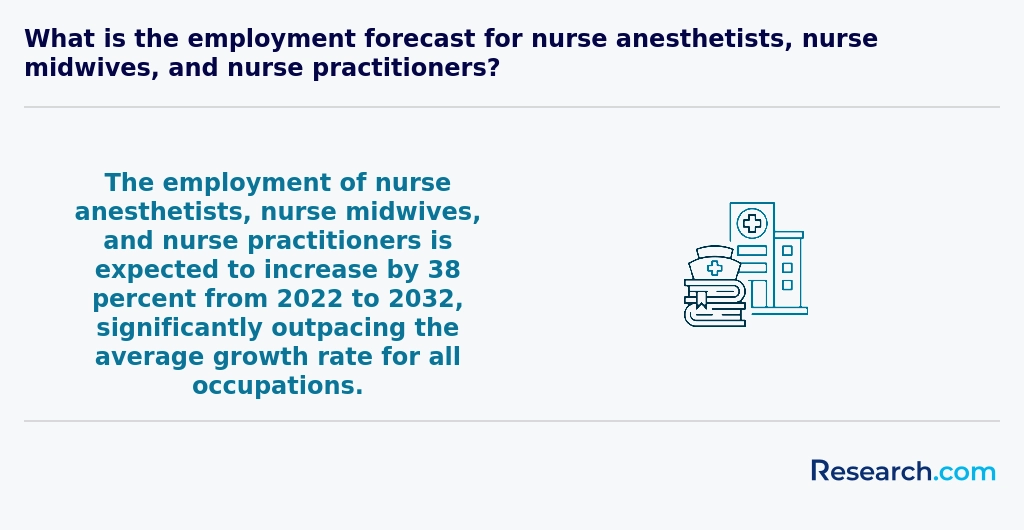
Graduates of an online DNP degree in the Midwest often find rewarding career options in clinical roles such as Nurse Practitioner, Clinical Nurse Specialist, and Nurse Anesthetist. For instance, those studying at well-known institutions like the University of Illinois or Ohio State University report feeling confident stepping into Nurse Practitioner roles, especially in underserved rural communities where their expertise is crucial. Leveraging their skills, many secure Midwest nurse practitioner jobs with DNP credentials, addressing local healthcare gaps effectively.
Leadership positions are another viable path. DNP graduates frequently move into roles like Nurse Executive or Chief Nursing Officer in large health systems found in Chicago or Detroit. These roles allow them to influence healthcare policy and staff management, creating a tangible impact on patient care quality.
For those interested in academia, several Midwest schools emphasize nurse educator roles. Graduates often express enthusiasm about shaping the next generation of nurses, a field seeing growth because many programs seek faculty with doctoral credentials.
Those weighing career decisions are advised to explore the cheapest nurse practitioner programs available, blending affordability with strong career outcomes to maximize long-term benefits when pursuing an online DNP degree career options Midwest.
What is the job market for online DNP degree in the Midwest?
Graduates with online DNP degrees in the Midwest find a robust and growing job market. The demand for advanced practice nurses in states like Illinois, Ohio, and Michigan is fueled by a shortage of primary care providers in rural areas and expanding healthcare initiatives. Many DNP alumni from popular Midwest institutions appreciate how their training prepares them for these in-demand roles, especially in hospitals focusing on evidence-based practice and quality improvement.
Midwest nurse practitioner job market trends show competitive salaries, often ranging from $100,000 to $115,000 annually, depending on location and specialty. For example, graduates feel confident taking positions in metropolitan hospitals or community health centers where their expertise directly improves patient care access. Networking through university-health system partnerships also helps graduates secure internships and residencies that boost career growth.
Students balancing work and study benefit from affordable online programs, which often cost between $15,000 and $30,000 total. Those wanting to specialize may explore related fields by checking out online Psych NP programs, further expanding their career opportunities in the region.
Frequently Asked Questions About DNP
Online DNP degree students in the Midwest can maximize their learning experience by actively engaging with faculty and peers through virtual platforms. Many accredited programs offer synchronous sessions that enhance interaction beyond standard coursework, which can improve comprehension and skill development.
Utilizing local clinical sites for hands-on practicum hours is essential. The American Association of Colleges of Nursing (AACN) notes that practicum experiences shape leadership and clinical expertise, critical for DNP success.
Additionally, Midwest students should leverage university resources like online libraries, tutoring, and career counseling to support their studies effectively. According to the National Center for Education Statistics, engagement with institutional resources correlates with higher graduation rates.
Emerging niches within the Doctor of Nursing Practice (DNP) field reflect the evolving healthcare needs across the Midwest and the broader U.S. One significant area is population health management, where DNP graduates focus on improving health outcomes for large groups through data-driven strategies. Telehealth has also expanded, especially accelerated by the COVID-19 pandemic, creating demand for clinicians skilled in virtual patient care and digital health tools.
Another growing niche is psychiatric-mental health nursing, addressing critical shortages in behavioral health providers in Midwestern rural areas. According to the American Association of Colleges of Nursing (AACN), enrollment in psychiatric-mental health DNP programs increased by nearly 20% between 2019 and 2023 nationally.
Lastly, leadership roles in healthcare systems and policy development are gaining importance as DNP-prepared nurses influence care delivery models, particularly within Midwestern hospitals adapting to value-based care frameworks reported by the Health Resources and Services Administration (HRSA).
After completing an online DNP degree in the Midwest, preparing for the job market involves several critical steps. Start by obtaining state licensure or certification required in your intended practice setting.
Networking is essential; join professional organizations such as the American Association of Nurse Practitioners (AANP) and local Midwest chapters to connect with employers.
Midwest healthcare employers increasingly value clinical experience, so if your program did not include sufficient practicum hours, seek additional clinical opportunities before job hunting.
According to the Bureau of Labor Statistics, advanced practice registered nurse roles are projected to grow 28% nationally from 2021 to 2031, with strong demand in midwestern states.
Finally, leverage university career services and online job platforms focused on nursing roles to access relevant openings and prepare strong resumes tailored to DNP functions.
Employers in the Midwest increasingly seek Doctor of Nursing Practice (DNP) graduates who demonstrate strong leadership and clinical expertise. According to the American Association of Colleges of Nursing (AACN), effective communication and interprofessional collaboration are among the top skills valued in healthcare settings across states like Illinois, Michigan, and Ohio.
DNP graduates must also show proficiency in evidence-based practice to improve patient outcomes. Knowledge of healthcare policy and systems leadership is essential as Midwest employers prioritize candidates capable of influencing practice environments.
Additionally, data management and informatics skills are critical due to expanding technology use in regional hospitals and clinics.
Finding internships in the Midwest for a Doctor of Nursing Practice (DNP) degree involves strategic research and networking. Start by connecting with your online program's clinical coordinators who often have partnerships with local hospitals and healthcare centers. According to the American Association of Colleges of Nursing, over 50% of DNP programs in the Midwest collaborate with regional health systems for clinical placements.
Utilize professional networks such as the Midwest Nursing Research Society and healthcare job boards specific to states like Illinois, Ohio, and Michigan. Many facilities require proof of licensure and immunization records before accepting interns.
Early application and clear communication with potential sites enhance your chances of securing quality internship experiences relevant to your DNP goals.
Obtaining an online Doctor of Nursing Practice (DNP) degree can significantly enhance career mobility and advancement opportunities in the Midwest. The demand for nurses with the highest clinical degree is growing, with the Bureau of Labor Statistics projecting a 45% increase in nurse practitioner roles by 2030.
Midwestern healthcare providers increasingly prefer or require DNP-level credentials for leadership, clinical specialist, and educator positions. According to the American Association of Colleges of Nursing (AACN), states like Illinois, Minnesota, and Ohio show rising enrollment in online DNP programs, aligning with workforce needs.
DNP graduates often advance faster into administrative and policy-making roles, earning median salaries above $115,000 annually, which is higher than the average for master's-prepared nurses in the region. This degree offers flexibility, allowing professionals to maintain employment while earning credentials remotely from regionally accredited Midwestern institutions.
Studying for a DNP degree in the Midwest equips students with the skills needed for interdisciplinary roles by emphasizing collaboration across health professions. Many Midwest programs incorporate courses that focus on leadership, health policy, and systems management, which are crucial for working effectively with diverse healthcare teams.
Midwestern universities often partner with hospitals and community organizations, providing students with practical experiences that enhance teamwork with physicians, pharmacists, social workers, and other specialists. According to the American Association of Colleges of Nursing (AACN), nearly 75% of DNP programs nationally include interdisciplinary training, a trend strongly reflected in Midwest offerings.
Such comprehensive training prepares graduates to lead initiatives that improve patient outcomes by integrating knowledge from different fields, improving care coordination across settings common in states like Minnesota, Illinois, and Ohio.
Choosing between a thesis and a non-thesis DNP program in the Midwest depends largely on your career goals and learning preferences. Thesis-based DNP programs focus on original research, often appealing to those interested in academic or research careers. Non-thesis programs emphasize clinical practice and are designed for professionals aiming to enhance leadership and advanced practice skills without the research component.
Many Midwest universities offer online DNP programs with both options. According to the American Association of Colleges of Nursing, over 60% of DNP graduates in the Midwest pursue non-thesis tracks, reflecting the region's emphasis on clinical leadership roles.
Consider the time commitment: thesis tracks typically require 1-2 extra semesters for research completion, while non-thesis paths often allow for faster graduation. Also, faculty availability and mentorship can differ significantly between the two, impacting your experience in an online format.
Students based in the Midwest interested in pursuing a Doctor of Nursing Practice (DNP) degree abroad face limited direct options, as most international DNP programs require on-campus attendance. However, many Midwestern universities partner with foreign institutions to offer joint or exchange programs, enabling some global study experiences while primarily completing coursework online. The majority of Midwest students choose accredited online DNP programs within the United States to maintain convenience and ensure licensure eligibility. According to the American Association of Colleges of Nursing (AACN), 80% of DNP programs in the Midwest offer online or hybrid formats, which largely meet the needs of working nurses without relocating internationally.
Part-time job opportunities in the Midwest can effectively complement online DNP degree studies by providing relevant clinical experience and skill development. Roles such as nurse educators, clinical coordinators, or part-time nurse practitioners in outpatient clinics offer practical insights aligned with DNP coursework.
According to the Bureau of Labor Statistics, Midwest states have seen a 12% growth in advanced practice registered nurse roles between 2020 and 2023, increasing part-time openings.
Additionally, part-time administrative positions in healthcare organizations help develop leadership and policy skills, crucial for DNP candidates focused on organizational change and patient outcomes.
These roles enhance both financial stability and professional expertise during degree completion.
Online DNP students in the Midwest have several networking opportunities that support professional growth and collaboration. Many universities offer virtual meetups, webinars, and discussion forums to connect students across states. In addition, regional nursing organizations like the Midwest Nursing Research Society provide events tailored to DNP scholars, fostering peer and faculty engagement.
Clinical residencies and in-person intensives, often required by Midwest programs, also allow networking with local healthcare providers. According to the American Association of Colleges of Nursing, over 60% of Midwest online DNP programs include such components, enhancing real-world connections. These activities help build valuable professional networks despite geographic distance.
Alumni networks play a crucial role for online DNP students in the Midwest by providing valuable professional connections. These networks often connect graduates with licensed nurses and healthcare leaders in the region, enhancing job placement and career advancement opportunities. According to a 2023 survey by the American Association of Colleges of Nursing, 65% of DNP graduates from Midwestern programs found their current roles through alumni referrals or networking events. Furthermore, alumni communities offer mentorship, sharing insights on balancing online studies with clinical practice. This ongoing support helps students navigate local healthcare systems and meet regional certification requirements more effectively.
Customizing an online DNP degree program in the Midwest involves selecting concentrations and electives that align with your professional goals. Many universities offer specializations such as family nurse practitioner, psychiatric mental health, or healthcare leadership. This flexibility allows students to tailor their studies toward clinical practice or administration.
The ability to choose part-time or full-time enrollment further personalizes your educational experience, accommodating working professionals. According to the American Association of Colleges of Nursing, Midwest programs often include options for evidence-based practice projects, enhancing practical skills relevant to your career.
Choosing schools with strong Midwest clinical partnerships can also help secure placements matching your area of interest.
Online DNP students in the Midwest commonly face challenges related to balancing rigorous coursework with professional and personal responsibilities. Many students juggle full-time nursing roles while managing family commitments, which can lead to stress and time management difficulties. Access to quality clinical placements also poses a challenge, as some rural or underserved areas have limited opportunities that align with online program requirements.
Additionally, technical issues such as inconsistent internet access or unfamiliarity with online platforms may hinder learning. According to the American Association of Colleges of Nursing (2023), about 35% of Midwest nursing students reported technology-related difficulties during online studies. Students must also navigate varying state licensing and certification rules, which can affect clinical practice and post-graduation employment options.
With an online DNP degree, Midwest graduates can pursue several advanced professional certifications to enhance their clinical and leadership roles. Popular certifications include the Nurse Practitioner (NP) credentials, such as Family Nurse Practitioner (FNP) or Adult-Gerontology Acute Care Nurse Practitioner (AGACNP), both offered by the American Nurses Credentialing Center (ANCC).
Additionally, DNP graduates can seek certification as Clinical Nurse Specialists (CNS) or Nurse Executives, expanding opportunities in specialized care or healthcare management. According to the Midwest Nursing Workforce Center, over 60% of DNP-prepared nurses in the region hold at least one advanced certification.
These credentials typically require passing a national exam that verifies expertise beyond the DNP curriculum. Certification demonstrates a commitment to evidence-based practice, an essential component of DNP education. It also aligns with employer preferences in Midwest healthcare systems, where leadership and advanced clinical skills are in high demand.
Applying to an online Doctor of Nursing Practice (DNP) program in the Midwest requires clear and focused preparation. Start by thoroughly researching prospective programs to understand their unique prerequisites and values. Midwest universities often emphasize clinical experience combined with leadership skills, so highlight your direct patient care and management roles.
Strong letters of recommendation are crucial; seek references familiar with your clinical abilities and professional growth. Craft a compelling personal statement that addresses your motivation, career goals, and reasons for choosing an online Midwest program. According to the American Association of Colleges of Nursing, competitive DNP applicants typically hold a GPA above 3.5 and demonstrate high professionalism.
Lastly, ensure your resume is concise, with quantifiable achievements in nursing practice or healthcare leadership. Meeting technical requirements for online learning platforms also shows readiness for virtual education.
The Doctor of Nursing Practice (DNP) degree is recognized globally as a terminal clinical degree in nursing, emphasizing advanced practice and leadership. In the United States, including the Midwest, the DNP is increasingly valued for its focus on evidence-based care and healthcare policy.
Internationally, some countries are exploring the DNP model to strengthen clinical expertise, but the degree remains most established in the US higher education system. According to the American Association of Colleges of Nursing (AACN), the Midwest has seen a 15% growth in DNP graduates from 2019 to 2023, reflecting national trends.
The global nursing community views the DNP as a pathway to improving healthcare outcomes through clinical innovation and leadership roles. For Midwest students, pursuing an online DNP aligns with these trends, offering career advancement opportunities both locally and in broader healthcare markets.
Gaining practical experience during an online DNP program in the Midwest is essential for clinical competence. Most accredited online DNP programs require clinical practicum hours, typically ranging from 1,000 to 1,200 hours, to fulfill national certification standards set by bodies like the American Association of Colleges of Nursing (AACN).
Students often complete these hours locally, partnering with healthcare facilities near their residence. This flexibility allows working nurses to maintain employment while meeting clinical requirements.
Midwestern universities commonly assist with finding preceptors and clinical sites, ensuring students gain relevant experience in primary care, acute care, or specialty areas.
According to the AACN 2023 report, 85% of Midwest online DNP programs have formal agreements with regional hospitals and clinics to facilitate clinical education.
Choosing the right concentration within an online DNP degree program in the Midwest involves evaluating career goals, personal interests, and regional healthcare needs. Common concentrations include Family Nurse Practitioner, Psychiatric-Mental Health, and Nurse Anesthesia, each offering different clinical opportunities.
Midwestern states often prioritize primary care and rural health, reflecting workforce demands identified by the Health Resources and Services Administration (HRSA). Students should consider how a concentration aligns with these regional needs.
Research program curricula and faculty expertise at accredited schools to ensure quality education. Additionally, examine certification and licensing outcomes related to each concentration, as passing national certification exams is crucial for employment.
Financial aid availability and program flexibility are also important factors, especially for working professionals balancing education with other responsibilities.
Top Trending DNP Rankings
References
- 2025 Best Online DNP Nursing Education Programs https://www.nurseeducator.com/degrees/dnp/
- 5 Ways a DNP Degree Can Change Your Career - Aspen University https://www.aspen.edu/altitude/5-ways-dnp-degree-change-career/
- Aha! moments: Student insights regarding a new DNP program https://npwomenshealthcare.com/aha-moments-student-insights-regarding-a-new-dnp-program-vol2-no1/
- Is Financial Assistance Available to Earn a DNP? https://www.doctorofnursingpracticednp.org/is-financial-assistance-available-to-earn-a-dnp/
- Online DNP Program https://www.chamberlain.edu/academics/nursing-school/doctor-of-nursing-practice
- Leading Forward: DNP Alum Mentors the Next Generation of Nurses | USAHS https://www.usa.edu/blog/leading-forward-dnp-alum-mentors-the-next-generation-of-nurses/
- Will Master's Prepared NP's Have Equal Opportunity in Job Market After DNP Transition? | ThriveAP https://provider.thriveap.com/blog/will-masters-prepared-nps-have-equal-opportunity-job-market-after-dnp-transition
- Groups https://doctorsofnursingpractice.org/groups/
- Career Paths for Nurses With a DNP https://www.allnursingschools.com/dnp/career-paths/
- Advancing Your Nursing Career With a DNP https://www.saintmarys.edu/graduate-studies/nursing/nursing-practice/dnp-article


