2027 Best Business Degree Programs Ranking in North Carolina

Co-Founder and Chief Data Scientist
Choosing the right business degree program in North Carolina can feel overwhelming, but this article is here to help. It features the 2027 Best Business Degree Programs Ranking in North Carolina, created by the Research.com team of data scientists. Their careful analysis makes it easier for you to find programs that truly stand out.
Reading this guide will give you valuable insights to make an informed decision. A business degree opens doors to exciting career paths and personal growth, making your future brighter and full of opportunity.
Key benefits of getting business degree in North Carolina
- Salary for business degree graduates: Graduates in North Carolina can expect competitive salaries, with roles like Business Development Executive earning a mean annual wage of $83,190 and Business Analysts making about $112,950 per year.
- Career paths: Business degree holders from universities such as the University of North Carolina at Chapel Hill often pursue diverse roles in management, consulting, and analysis, providing many opportunities to find a rewarding career.
- Benefits of online degrees: Earning a business degree online from institutions like North Carolina State University offers flexibility and convenience, allowing students to balance work and study while gaining the same valuable skills as traditional graduates.
- 2027 Best Business Degree Programs Ranking in North Carolina
- What can I expect from business degree in North Carolina?
- Where can I work with business degree in North Carolina?
What can I expect from business degree in North Carolina?
When considering the average cost of a business degree in North Carolina, it's helpful to look at both public and private options. Public universities, such as those in the University of North Carolina system, typically offer lower tuition rates for in-state students, averaging around $9,000 to $11,000 per year. This makes pursuing a business degree at these institutions not only valuable but also accessible for many locals. Graduates from these schools often share how their affordable education didn't compromise the quality of learning or opportunities.
On the other hand, private universities like Duke and Wake Forest come with higher tuition costs-often exceeding $50,000 annually-but many students find the investment worthwhile due to smaller class sizes, personalized mentorship, and strong alumni networks. Several business graduates reflect on how these resources helped them secure impressive internships in Research Triangle Park and jumpstart their careers.
Financial aid, scholarships, and cooperative education programs further ease the financial burden, allowing you to focus on gaining practical skills that are highly valued by employers in North Carolina's dynamic economy.
Where can I work with business degree in North Carolina?
With a business degree from universities like UNC Chapel Hill or NC State, you open doors to countless career paths right here in North Carolina. Imagine starting your career in Charlotte, the second-largest banking hub in the U.S., where graduates join firms like Bank of America, thriving in roles such as financial analysis, investment, and risk management. Many alumni share how working in Charlotte's bustling financial sector has boosted their confidence and expanded their professional networks.
Others have found thrilling opportunities in the Research Triangle Park's tech scene, collaborating with companies like IBM and Cisco. Business graduates from Duke or Wake Forest often secure positions in project management or business analysis, blending technical know-how with strategic insight to drive innovation.
If you're drawn to healthcare, your degree can lead you to administrative roles within major systems like Atrium Health. Graduates emphasize how their work improves patient care by enhancing hospital operations, making a real impact daily.
Manufacturing and retail also welcome business professionals, where logistics and supply chain roles at companies such as Volvo Trucks or Lowe's allow graduates to solve complex challenges and grow their careers locally.
Graduates holding a business degree in North Carolina can look forward to promising earnings as they step into the workforce. For example, business analysts-common roles for recent graduates from schools like UNC Chapel Hill or NC State-earn an average annual salary of about $112,950, reflecting the strong demand for analytical skills in the state's thriving tech and finance sectors.
Those who begin their careers as business development executives, a role many graduates from East Carolina University pursue, often see starting salaries near $83,190 per year. This position offers a dynamic environment perfect for building client relationships and advancing rapidly through the ranks.
Many graduates find opportunities in places like the Research Triangle Park, where businesses are eager to invest in fresh talent, providing both competitive pay and valuable experience. Seeing peers land roles with six-figure salaries after gaining a few years of experience demonstrates the real potential that awaits you. Embracing internships and networking locally can turn these salary figures into your personal success story.
- In-state tuition for a business degree at public universities in North Carolina ranges from about $9,000 to $22,000 per year.
- Private universities in the state usually charge over $30,000 annually for business programs.
- Entry-level business graduates earn an average salary of around $53,000 per year, with mid-career professionals making nearly $80,000 annually.
- Experienced business degree holders in managerial or specialized roles can earn more than $100,000, especially in cities like Charlotte and Raleigh-Durham.
- Business and financial operations jobs in North Carolina are projected to grow by about 7% over the next decade, matching the national growth rate.
- Charlotte is the second-largest banking center in the U.S., and the Research Triangle Park area offers many opportunities in management, marketing, and entrepreneurship.
Completing a business degree in North Carolina typically takes around four years if you're studying full-time at schools like the University of North Carolina or North Carolina State University. Many graduates have found this timeline realistic and rewarding, giving them time to immerse themselves fully in business core courses and hands-on projects that build strong professional skills.
Yet, the journey can be personalized. Some motivated students at community colleges begin with a two-year associate degree, then transfer credits to shorten their time. Others may choose accelerated programs that let you finish in as little as three years, perfect for those eager to jump into the business world sooner.
Graduate degrees, such as an MBA, usually range from one to two years full-time, but many students balance work with study, stretching it to three years or more through part-time or online formats. This flexibility has been a game-changer for busy professionals in North Carolina seeking advancement without pausing their careers.
Navigating the realm of business education doesn’t end at choosing a program-it also involves leveraging additional resources and adopting strategies for long-term success. This section delves into proven tips, expert resource recommendations, and actionable strategies that can help you optimize your academic journey and build a robust career foundation in North Carolina. One of the key elements to academic success is staying proactive: attend networking events, participate in internships, and seek feedback not only from professors but also from industry experts. Many students have found that arranging informational interviews and engaging with professional organizations greatly enhances their learning experience. Additionally, exploring related avenues such as the easiest business degrees can offer insights into alternative pathways and flexible program formats that may better suit your lifestyle. Beyond coursework, focus on cultivating soft skills like critical thinking, effective communication, and adaptability. Consider joining study groups or online forums where you can ask questions, exchange ideas, and get real-time advice. Furthermore, research each institution’s career support services and alumni networks, as these connections can provide access to mentorship opportunities, job postings, and industry insights that are crucial in today’s competitive landscape. Remember, success in business isn’t solely defined by academic performance; it’s equally influenced by the ability to adapt, network, and continuously learn in real-world environments. Embracing these supplementary tips and using the wealth of available resources can significantly boost your confidence and success as you embark on your business career.
Choosing between an online and on-campus business degree in North Carolina depends largely on how you want to experience your education. Graduates from the University of North Carolina at Chapel Hill often recall the energy of in-person classes, group projects, and networking events that helped them build connections and sharpen interpersonal skills. This face-to-face environment fosters a sense of community and collaboration that many find motivating and enriching.
On the other hand, students completing online degrees appreciate the flexibility North Carolina's digital programs offer. They can balance work, family, and study more easily, attending classes from home or anywhere in the state. Graduates from North Carolina State University who studied online highlight how this setup allowed them to pursue careers while advancing their education, turning busy schedules into opportunities instead of obstacles.
Cost-wise, online courses may save money on commuting or housing, although some fees might apply. Both paths meet strong accreditation standards, so your education's quality won't be compromised. Reflect on your lifestyle and goals, and let that guide your choice.
The average cost of a business degree in North Carolina varies depending on whether you attend a public or private institution, as well as your residency status. For many who study at well-known universities like the University of North Carolina at Chapel Hill or North Carolina State University, in-state students typically face total costs around $27,638. This figure includes tuition, fees, and other expenses over the course of the degree.
Graduates often recall balancing financial commitments with their aspirations, appreciating that the investment in a business education in North Carolina unlocks doors to meaningful careers. However, out-of-state students attending the same schools usually see higher expenses, with median total costs near $40,440, reflecting the premium of non-resident tuition rates.
Many students weigh these costs carefully, exploring scholarships, financial aid, and part-time or online options to spread out expenses, which can be a real-life game changer. Whether attending a private college such as Wake Forest University or a public university, the journey is shaped by practical budgeting and the availability of resources. It's helpful to investigate options thoroughly, especially if your focus is managing business degree tuition and fees NC.
For those eager to find a path that balances quality and affordability, consider checking out the affordable business school in North Carolina to make an informed choice that aligns with your goals.

When considering a business degree in North Carolina, one of the crucial factors to think about is the affordability of the programs. The cost of tuition, additional fees, and living expenses can add up quickly, making it essential for prospective students to understand their options and plan accordingly. For those looking to minimize their expenses, exploring an affordable business school in North Carolina can be a strategic move. Many institutions offer competitive pricing, financial aid, and scholarships to help make the pursuit of a business degree more accessible. By weighing the costs against the potential return on investment, which includes enhanced career prospects and higher salary potentials, students can make informed decisions that align with their financial situations and goals.
When pursuing a business degree in North Carolina, numerous financial aid options can make your journey more affordable and inspiring. Many graduates from universities like the University of North Carolina at Chapel Hill and NC State have relied on Federal Pell Grants, which offer up to $7,395 for those who demonstrate financial need-imagine receiving this support without worrying about repayment! This grant is especially helpful if you come from a modest-income family and want to focus fully on your studies.
State programs like the North Carolina Education Lottery Scholarship also play a vital role. Undergraduate business students at public universities can earn up to $4,000 annually, which helps cover tuition and makes attending schools like Appalachian State University more attainable. Many students recount how this scholarship enabled them to dive deeper into leadership activities without financial stress.
Additionally, merit-based scholarships from business schools reward your hard work and ambition. From Wake Forest to East Carolina University, students with strong academic records or leadership skills find these awards a powerful boost. Combine that with federal student loans offering manageable interest rates and flexible repayment, plus federal work-study opportunities where you can gain real-world experience within your campus business department, and you have a full toolkit to fund your education while building your resume.
North Carolina’s top business degree programs distinguish themselves through robust internship pipelines and strategic industry partnerships that bridge classroom learning with real-world experience. Many universities collaborate with leading firms in Charlotte’s financial district, the Research Triangle’s tech startups, and the state’s burgeoning manufacturing sector to offer credit-bearing internships, co-op placements, and capstone projects. These experiential learning opportunities not only deepen students’ practical skills-from financial modeling to supply chain optimization-but also serve as direct recruitment channels, with over 60% of interns receiving full-time job offers upon graduation. Campus career centers and faculty advisors work closely with employers to match students’ career goals and specializations-whether in marketing analytics, entrepreneurship, or healthcare management. For example, partnerships between UNC Chapel Hill and local healthcare organizations enable business students to design data-driven solutions for hospital administration, while NC State’s alliances with tech incubators immerse students in agile project teams. Such collaborations foster mentorship, feedback loops, and professional networking that enrich academic outcomes and boost employability. Students pursuing accelerated graduate paths can leverage these connections further by exploring our fast track mba programs, which combine compressed timelines with intensive internship rotations. By integrating real-world assignments into coursework, North Carolina’s business programs ensure that graduates step into the workforce not only with theoretical knowledge but with proven achievements and industry endorsements.
To enroll in a business degree program in North Carolina, you'll need a solid foundation built on academic achievement and personal motivation. Most undergraduate programs, like those at the University of North Carolina system, expect you to have a high school diploma or GED with a competitive GPA-often around 3.0 or higher. Imagine the confidence you'll feel knowing your strong math and English skills, developed through dedicated study, make you a great fit for business challenges ahead.
Many graduates from NC business programs recall submitting not just test scores such as SAT or ACT but also personal statements and letters of recommendation that showcased their leadership and real-world experience. These documents tell your unique story and how you can contribute to the campus community.
If you're aiming for an MBA from schools like Duke or NC State, expect to bring a bachelor's degree and valuable work experience, often two to five years, which will deepen your understanding of business concepts. Preparing GRE or GMAT scores can also open doors, showing your readiness to thrive in advanced studies.
Understanding the return on investment (ROI) of a business degree in North Carolina is essential for making an informed decision. On average, graduates from top-tier programs such as UNC Chapel Hill see a payback period of about four to five years, based on a starting salary of $65,000–$75,000 and total tuition costs ranging from $40,000 to $80,000. By comparing these figures, students can estimate net ROI and identify programs that offer the best balance of cost and earning potential. Key factors influencing ROI include: • Tuition and Fees – In-state undergraduates pay approximately $10,000–$15,000 per year at public institutions, while private school tuition can exceed $35,000 annually. • Average Starting Salary – Business analysts and project managers report entry-level salaries between $60,000 and $80,000, with mid-career salaries reaching six figures. • Payback Period – Dividing total cost by starting salary gives a rough estimate of how many years it takes to recoup educational expenses. For students seeking even more budget-friendly options without sacrificing quality, consider exploring the Most Affordable Online Business Degree Programs Ranking in Orange Beach, AL, which highlights programs designed to maximize ROI through lower tuition and flexible delivery. By factoring in scholarships, grant opportunities, and part-time work-study, prospective students can fine-tune their ROI calculations and choose a program that aligns with both their financial and career goals.
When you dive into a business degree in North Carolina, you'll tackle essential courses like accounting-both financial and managerial-that build your ability to interpret numbers and make smart decisions. Economics, including micro and macro, sharpens your understanding of market forces affecting local businesses, whether in bustling Charlotte or the Research Triangle.
Marketing classes immerse you in consumer behavior and digital strategies, skills graduates often recall using in internships at Raleigh startups or retail giants in Greensboro. Management courses cover leadership and strategic planning, giving you tools to motivate teams and solve problems-just like those who've moved on to lead projects in Durham's tech sector.
Beyond core subjects, expect to engage in business law and ethics, operations management, and information systems. These prepare you to navigate legal challenges, optimize supply chains, and leverage technology, reflecting the real-world demands of North Carolina's diverse economy.
Electives let you specialize in exciting areas like entrepreneurship or international business, grounding your studies in practical cases shared by professors with deep local industry ties.
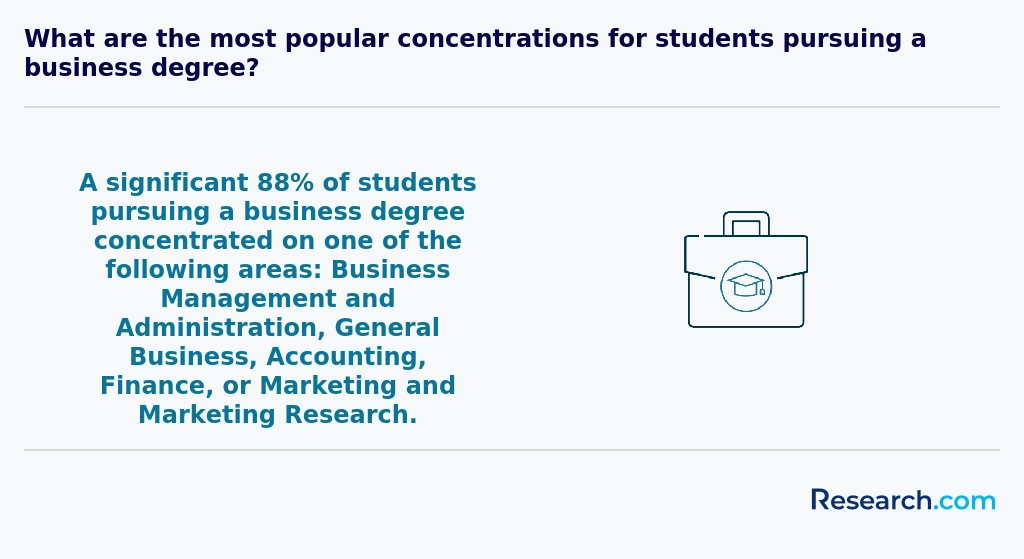
In North Carolina, business degree specializations are designed to equip you with practical skills that align with the region's evolving job market. Graduates from universities like UNC Chapel Hill and NC State often share how pursuing Finance opened doors in Charlotte's bustling banking sector, where real-world financial analysis skills are in high demand. Others find Marketing appealing, especially with the state's growing tech startups needing savvy digital strategists who understand consumer behavior.
If you're drawn to numbers and regulations, Accounting programs prepare you for the CPA exam, a decisive step towards career growth in the state. Meanwhile, Operations and Supply Chain Management graduates frequently highlight their hands-on experiences optimizing logistics for North Carolina's manufacturing hubs, from textiles to pharmaceuticals. Entrepreneurship tracks offer a vibrant path for those eager to dive into business planning and innovation, leveraging connections to local incubators.
Many students also explore Human Resource Management or emerging fields like Business Analytics and Information Systems-fusing technology and strategy. With so many tailored options, these business degree specializations in North Carolina let you find your unique path. If you're curious about ease and accessibility, check out this guide to the easiest business degrees for more insights.
Choosing the best business degree in North Carolina means focusing on more than just prestige-it's about finding a program that connects deeply with your career goals and offers valuable experiences. Graduates from schools like the University of North Carolina at Chapel Hill often highlight how AACSB accreditation guaranteed a rigorous education, while connections to Charlotte's banking industry opened doors to coveted internships. Balancing core classes in accounting and marketing with real-world opportunities, such as partnerships in the Research Triangle's tech sector, turns theory into actionable skills.
Many affordable business schools in North Carolina provide flexible options, allowing students to manage costs without sacrificing quality. Graduates recall how scholarship opportunities and work-study programs helped them handle expenses while gaining experience. Consider how programs that offer online or part-time study suit your lifestyle, especially if you are working while studying.
For those eager to accelerate their path, exploring fast track mba programs can be a game changer, providing a streamlined route through graduate business education. When selecting your program, keep these real-life benefits and the vibrant North Carolina economy in mind-your future self will thank you.

Graduates with a business degree in North Carolina find themselves well-positioned for a range of exciting career paths, thanks to the state's vibrant economy. Those graduating from popular schools like the University of North Carolina at Chapel Hill or North Carolina State University often pursue roles as financial analysts or advisors, especially in Charlotte, the nation's second-largest banking hub. These graduates share how working with major banks has given them real-world experience that fueled their confidence and growth. Other fellow graduates have thrived as marketing specialists, supporting the booming tech companies in Raleigh and Durham, demonstrating how a business degree can open doors to dynamic industries.
Career opportunities in North Carolina business degree job prospects also include human resource management and operations leadership, essential roles in supporting the state's expanding businesses and manufacturing sector. Many graduates appreciate how entrepreneurship is encouraged by local incubators, inspiring them to launch startups right after completing their studies. To explore cost-effective options for earning your degree in this state, consider checking out the Most Affordable Online Business Degree Programs Ranking in Orange Beach, AL, which provides valuable guidance on affordable education pathways.
The business degree job outlook North Carolina offers is strong and diverse, especially for graduates from well-regarded institutions like the University of North Carolina at Chapel Hill or North Carolina State University. Many graduates find rewarding roles in sectors such as banking, technology, healthcare administration, and manufacturing, benefiting from the state's expanding economy. For example, a recent graduate working in Charlotte's finance sector enjoys a dynamic career surrounded by major banking headquarters, while another in the Research Triangle Park thrives in tech-driven business development roles.
North Carolina business degree employment opportunities are bolstered by steady growth in business-related jobs, projected at about 5% over the next ten years. Salaries are competitive, with many enjoying median wages around $70,000, reflecting the demand for skilled professionals. For those seeking flexible study options, exploring online accelerated bachelor degree programs offers a practical path to entering this exciting job market without delay.
2027 Best Business Degree Programs Ranking in North Carolina
Investing in your education is a significant decision that can shape your future, and the Research.com team understands the importance of making informed choices. To assist prospective students, we have meticulously crafted the "2027 Best Business Degree Programs Ranking in North Carolina." Our commitment to quality, credibility, and accuracy is reflected in the extensive research and analysis conducted to compile this ranking.
We utilized the following reputable data sources to ensure a comprehensive evaluation of business programs:
By exploring this ranking, readers will gain valuable insights into the best business degree programs available in North Carolina, helping them make informed decisions about their educational paths. For more details on our methodology, please visit our Research.com methodology page.


# 4 position
University of North Carolina at Chapel Hill
Bachelor of Science in Business Administration


# 10 position
University of North Carolina at Charlotte
Bachelor of Science in Business Administration


Frequently Asked Questions About business
Business degree students in North Carolina can maximize their learning experience by engaging with the state's diverse economic sectors, including finance, technology, and manufacturing. Participating in internships through local companies such as Bank of America and Red Hat provides practical skills and professional networking opportunities. According to the North Carolina Department of Commerce, the state's business services sector employs over 600,000 people, underscoring ample job-related learning prospects.
Utilizing resources like university career centers and business clubs helps students develop leadership and teamwork skills. Additionally, enrolling in cooperative education programs, common at many North Carolina institutions, offers hands-on experience alongside academic coursework.
The business field in North Carolina is evolving with several emerging niches gaining popularity among students and employers alike. One notable area is data analytics, where professionals analyze large datasets to inform business decisions. North Carolina's growing tech sector, particularly in the Research Triangle Park, drives demand for such skills.
Another expanding niche is sustainable business, focusing on environmentally responsible practices. With increasing attention on climate change, companies in North Carolina are seeking leaders who can balance profit with sustainability.
Healthcare management also stands out, due to the state's significant healthcare industry. Business graduates with expertise in healthcare administration find numerous opportunities in hospitals and medical centers.
Finally, e-commerce and digital marketing are rising sharply, influenced by the shift toward online retail and services nationwide, including North Carolina's vibrant small business scene. These niches offer promising paths for future business graduates.
After completing a business degree in North Carolina, preparing for the job market involves a combination of practical experience and networking. Internships are critical; many universities in the state facilitate placements with companies in key industries such as finance, technology, and healthcare. According to the North Carolina Department of Commerce, business sectors in the state grew by 3.4% in 2023, highlighting ample opportunities for graduates.
Additionally, joining professional associations like the North Carolina Business Education Association can help build connections. Developing skills in data analysis and digital marketing is also valuable, as local employers increasingly seek these competencies. Lastly, leveraging university career services for resume building and interview preparation boosts job prospects.
Employers in North Carolina highly value business degree graduates who exhibit strong analytical and problem-solving skills. According to the North Carolina Department of Commerce, candidates who can interpret data and make informed decisions tend to stand out. Communication skills are also crucial, as many roles require clear collaboration with diverse teams and clients.
Additionally, leadership and adaptability rank among the top attributes sought by employers, given the dynamic nature of today's markets. Proficiency in technology, especially in business analytics and financial software, is increasingly important.
Understanding ethical practices and demonstrating a customer-focused mindset are also emphasized in North Carolina's growing industries. These competencies prepare graduates to contribute effectively in sectors such as finance, technology, and manufacturing.
Finding internships in North Carolina relevant to a business degree involves leveraging local resources and industry connections. Start by exploring university career centers, as many schools in the state have partnerships with regional companies in finance, marketing, and management. According to the North Carolina Department of Commerce, retail trade and financial services are among the largest employment sectors, offering numerous internship opportunities for business students.
Utilizing online job platforms like Handshake and local job boards can also help identify openings. Networking events hosted by organizations such as the North Carolina Chamber of Commerce provide valuable connections to employers. Additionally, students should consider companies headquartered in the state, such as Bank of America and Duke Energy, which frequently offer business-focused internships.
In North Carolina, earning a business degree significantly enhances career mobility and advancement opportunities. Employers increasingly prefer candidates with formal education and relevant skills, which a business degree provides through courses in management, finance, and marketing. According to the North Carolina Department of Commerce, sectors like finance, technology, and healthcare are growing rapidly, offering diverse roles for business graduates.
Data from the Bureau of Labor Statistics shows business-related jobs in North Carolina are projected to grow by 7% through 2031. Graduates often access higher starting salaries and management track roles compared to those without degrees.
Business degrees also enable networking through internships and alumni connections, crucial in the state's competitive job market. Institutions like UNC Chapel Hill and NC State University have strong ties with regional employers, aiding graduates in securing promotions and career shifts within the expanding local economy.
Studying for a business degree in North Carolina provides a strong foundation for interdisciplinary roles by integrating core business principles with knowledge from fields such as technology, healthcare, and sustainability. Many programs emphasize critical thinking, communication, and problem-solving skills, which are crucial for collaborating across diverse industries.
North Carolina's economy is diverse, ranking as the ninth-largest in the US, with key sectors including finance, biotech, and information technology (source: U.S. Bureau of Economic Analysis, 2023). Business degrees often include opportunities for internships and partnerships with companies like Bank of America and Novozymes, enhancing real-world interdisciplinary experience.
Some universities encourage combining business studies with minors or certificates in areas like computer science or environmental science, preparing graduates for multifaceted career paths in a competitive job market.
When choosing between a thesis and a non-thesis business degree program in North Carolina, consider your career goals and academic interests. Thesis programs focus on original research and are ideal if you plan to pursue a doctorate or academic work. Non-thesis options emphasize practical skills through coursework and internships, appealing to those aiming for immediate employment or career advancement.
North Carolina hosts top business schools like UNC Chapel Hill and NC State, where non-thesis programs often incorporate experiential learning. According to the North Carolina Department of Commerce, business sectors are growing by 3.2% annually, valuing applied skills.
Cost, time commitment, and faculty mentorship availability also differ and should influence your decision.
Students in North Carolina seeking to study business abroad have diverse options through partnerships many local universities maintain with international institutions. For example, schools like the University of North Carolina at Chapel Hill and North Carolina State University offer exchange programs with business schools in Europe, Asia, and Latin America. These programs allow students to earn credits toward their North Carolina degrees while gaining global experience.
Additionally, some North Carolina business programs include faculty-led study tours and internships overseas, broadening professional networks and cultural understanding. According to the Institute of International Education, business is one of the top fields for U.S. students studying abroad, reflecting strong interest in global commerce skills.
North Carolina's growing economy, particularly in tech and finance, benefits from graduates with international exposure, making study abroad a strategic choice for business students.
Part-time job opportunities in North Carolina that complement business degree education are diverse and often offer valuable practical experience. Students frequently find roles in retail management, which build skills in customer service, sales, and inventory control-core components of many business curricula. According to the North Carolina Department of Commerce, retail trade employs over 500,000 workers statewide, showcasing ample opportunities.
Additionally, internships or part-time positions in finance firms in cities like Charlotte, a major banking hub, allow students to apply concepts in accounting and financial analysis directly. The Bureau of Labor Statistics notes that Charlotte ranks as the second-largest banking center in the US, underscoring potential access for business students.
Other common roles include administrative assistants or marketing interns in small to medium enterprises, helping students gain insights into organizational operations and promotional strategies in real business environments.
Business students in North Carolina benefit from diverse networking opportunities that enhance their academic and professional growth. Universities like the University of North Carolina at Chapel Hill and North Carolina State University offer strong alumni networks and frequent business events. According to the North Carolina Department of Commerce, the state hosts over 1 million private-sector businesses, creating a rich environment for internships and professional connections.
Many schools encourage participation in student organizations such as the American Marketing Association and Finance clubs, which host networking mixers and guest speaker sessions. Additionally, cities like Charlotte and Raleigh, hubs for finance and technology, provide students access to industry conferences and job fairs to build meaningful contacts.
Alumni networks play a crucial role for business degree students in North Carolina by providing valuable connections that support career development. Many universities in the state, such as the University of North Carolina and Duke University, have extensive alumni communities actively involved in mentoring and job placement. Access to these networks can increase the chances of internships and full-time positions within North Carolina's growing sectors like finance, technology, and manufacturing.
According to the North Carolina Department of Commerce, industries such as financial services employ over 300,000 residents, highlighting the importance of local professional networks. Alumni often host events, share job leads, and offer advice, giving students a practical edge in competitive markets.
Students pursuing a business degree in North Carolina can customize their education by selecting from diverse concentrations, such as finance, marketing, supply chain management, or entrepreneurship. Many universities, including the University of North Carolina system and private institutions, offer flexible electives that allow alignment with specific career goals. Additionally, internship opportunities within North Carolina's robust business sectors-such as banking in Charlotte or technology in the Research Triangle-provide practical experience tailored to students' interests.
North Carolina employers reported in a 2023 labor market analysis that skills in data analytics and digital marketing are increasingly vital, encouraging students to choose relevant courses. Furthermore, some programs offer certificate options or minors to complement the primary business curriculum, enhancing career readiness.
Business students in North Carolina often face several challenges during their studies. One common issue is balancing rigorous coursework with internships or part-time jobs, as gaining practical experience is crucial for future employment. According to the North Carolina Department of Commerce, the state's competitive job market in sectors like finance and technology puts pressure on students to build strong resumes early.
Additionally, many students struggle with adapting to rapidly changing business technologies and digital tools, which are increasingly emphasized in curricula. Access to affordable resources and networking opportunities can also be limited, affecting career readiness.
Financial constraints remain significant; tuition and living expenses have risen steadily, increasing student debt concerns highlighted by the NC State Education Assistance Authority.
Graduates with a business degree in North Carolina have access to several professional certifications that can enhance their career prospects. Popular certifications include the Certified Public Accountant (CPA), which is essential for accounting professionals in the state. The project management field is served by the Project Management Professional (PMP) certification, recognized nationwide. Additionally, the Certified Management Accountant (CMA) credential is valuable for those focusing on financial management and strategy.
According to the North Carolina Department of Commerce, certifications like CPA and PMP can increase earning potential by up to 20%. Many universities in North Carolina offer preparatory courses tailored to these certifications to support graduate success.
To write a winning application for a business program in North Carolina, start by thoroughly researching each school's admission requirements and values. Highlight your academic achievements, relevant work experience, and leadership skills clearly. Business programs in North Carolina often seek candidates who demonstrate strong communication abilities and a clear understanding of their career goals.
Personalize your statement of purpose by linking your interests to the state's economic sectors, such as finance in Charlotte or technology in the Research Triangle. According to the North Carolina Department of Commerce, these industries drive regional growth and offer networking opportunities. Be concise and focused in your essays, and provide concrete examples.
Strong letters of recommendation and competitive GMAT or GRE scores also enhance your application. Deadlines vary, so submit early to avoid last-minute issues.
The global perspective on a business career emphasizes adaptability, cultural awareness, and innovation. In the U.S., particularly in North Carolina, business graduates benefit from proximity to international trade hubs like Charlotte, the second-largest banking center in the country. According to the North Carolina Department of Commerce, the state's economy is diverse, with strong sectors in finance, technology, and manufacturing, which encourages global business skills.
Business degrees now often include courses on global markets, international finance, and cross-cultural communication, preparing graduates for roles that require understanding worldwide economic trends. The rise of multinational corporations in North Carolina boosts demand for globally competent professionals.
Gaining practical experience while studying for a business degree in North Carolina is crucial for career success. Many universities in the state offer internship programs that connect students with local companies, especially in finance, technology, and manufacturing sectors. According to the North Carolina Department of Commerce, internships increase job placement rates by 25% after graduation. Students can also participate in cooperative education (co-op) programs, which allow paid work experience integrated with academic study. Additionally, business schools often host case competitions and consulting projects with real companies, providing practical exposure. Leveraging these opportunities enhances skills and expands professional networks in North Carolina's diverse business environment.
Choosing the right concentration within a business degree program in North Carolina involves aligning your interests with the state's economic landscape. Key sectors in North Carolina, such as finance, technology, and manufacturing, influence demand for specializations like finance, information systems, and supply chain management. According to the North Carolina Department of Commerce, finance and tech jobs have grown by over 8% in recent years, highlighting strong career prospects.
Students should evaluate concentrations based on personal strengths and local job market trends. Additionally, seeking programs with strong industry connections in North Carolina can enhance internship and employment opportunities.
- 2027 Best Online Business Degree Programs Ranking in South Carolina
- 2027 Best Online Business Degree Programs Ranking in Virginia
- 2027 Best Online Business Degree Programs Ranking in Tennessee
- 2027 Best Online Business Degree Programs Ranking in West Virginia
- 2027 Best Online Business Degree Programs Ranking in Maryland
- 2027 Best Online Business Degree Programs Ranking in Pennsylvania
- 2027 Best Online Business Degree Programs Ranking in Ohio
- 2027 Best Online Business Degree Programs Ranking in Mississippi
- 2027 Best Online Business Degree Programs Ranking in New Jersey
- 2027 Best Online Business Degree Programs Ranking in Indiana
See What Experts Have To Say About Studying Business
Read our interview with Business experts


David W. Stewart
Business Expert
Emeritus President's Professor of Marketing
Loyola Marymount University

David Souder
Business Expert
Senior Associate Dean for Faculty and Research
Michigan State University

- Total Cost & Scholarships At P&Q's Top-Ranked Business Schools https://poetsandquantsforundergrads.com/financing/total-cost-scholarships-at-pqs-top-ranked-business-schools/
- Jobs after studying business administration: opportunities at a glance | JobTeaser https://www.jobteaser.com/en/advices/jobs-after-studying-business-administration-opportunities-at-a-glance
- Skills Employers Look for in Business Graduates – EU Business School https://www.euruni.edu/blog/skills-employers-look-for-in-business-graduates/
- A guide to finding an internship https://www.ipag.edu/en/blog/guide-finding-internship
- Know more about thesis vs non- thesis: what is the difference? https://studyfans.com/en/blogs/816
- 8 Best Places to Study Abroad for Business [+ How to Choose] https://www.semesteratsea.org/study-abroad-for-business/
- Networking Tips for Business Students and MBA Candidates - Cyprus West University https://www.cwu.edu.tr/networking-tips-for-business-students-and-mba-candidates/
- Is a thesis always mandatory in a master's degree program? - EFMU: The Euler-Franeker Memorial University and Institute https://euler.euclid.int/is-a-thesis-always-mandatory-in-masters-degree-program/
- Online Degree vs. Traditional: Choosing the Right Path https://beal.edu/online-degree-vs-traditional/
- Guide to Business Internships | Higherin https://higherin.com/career-guides/business/business-internships