2027 Best Business Degree Programs Ranking in Mankato

Co-Founder and Chief Data Scientist
Choosing the right business degree program in Mankato can be overwhelming. To help, this article presents the 2027 Best Business Degree Programs Ranking in Mankato created by the Research.com team of data scientists. Their analysis aims to guide you toward programs that truly stand out.
Reading this ranking can simplify your decision-making, offering clear insights into which programs offer the best opportunities. Earning a business degree opens doors to rewarding careers and personal growth, making your educational journey both valuable and exciting.
Key benefits of getting business degree in Mankato
- Salary for business degree graduates: Business graduates in Mankato can expect competitive salaries, with roles like Business Development Executives earning an average annual wage of $83,190 and Business Analysts around $112,950, offering strong financial growth potential.
- Career paths: Graduates from Mankato-area colleges often pursue diverse careers such as business analysis or development, leveraging local industry connections to build rewarding and stable professional lives.
- Benefits of online degrees: Earning a business degree online from Mankato institutions provides flexibility to balance work and study, often allowing graduates to quickly apply skills in real-time and accelerate career advancement.
- 2027 Best Business Degree Programs Ranking in Mankato
- What can I expect from business degree in Mankato?
- Where can I work with business degree in Mankato?
What can I expect from business degree in Mankato?
The average cost of earning a business degree in Mankato, particularly at Minnesota State University, Mankato (MSU), is quite reasonable compared to national standards. Graduates typically report paying around $8,000 to $10,000 per year in tuition for in-state students, which includes access to the College of Business's comprehensive programs. This affordability allows students to focus on gaining practical experience without being overwhelmed by debt.
Many students balance costs by applying for internships that MSU facilitates through local businesses, which also help offset living expenses in Mankato's affordable community. One graduate shared how early involvement in real-world projects boosted both their resume and confidence, making the cost feel like an investment rather than a burden.
Out-of-state tuition is higher but still competitive, often around $14,000 annually. Students who budget carefully benefit from the city's low cost of living, which adds to the overall value of their education.
In short, the cost of a business degree in Mankato is manageable, especially when paired with hands-on learning and local industry connections that graduates find invaluable after finishing their studies.
Where can I work with business degree in Mankato?
With a business degree from Minnesota State University, Mankato, graduates find a variety of career paths within the city's diverse economy. Many secure positions at the Mayo Clinic Health System, working in healthcare administration or finance, where they manage complex operations and contribute to a growing sector. Manufacturing firms like Leprino Foods and Pentair offer roles in supply chain management and business analytics, ideal for graduates who enjoy blending business insight with technology.
Local banks such as First National Bank Minnesota present opportunities in financial analysis and loan underwriting, providing a stable career path for those interested in finance. Retail and hospitality companies also hire business grads for leadership and marketing roles, useful for those who prefer customer-facing or management positions.
Internship programs at Minnesota State University, Mankato help connect students to these employers, making the transition smoother. Graduates often recall how this hands-on experience gave them the confidence to thrive locally. For entrepreneurial spirits, the Mankato Startup Hub supports launching new ventures, proving that business degrees here open doors beyond traditional jobs.
Graduates with a business degree from schools like Minnesota State University, Mankato, can expect practical earnings starting around $50,000 to $55,000 in entry-level roles such as administrative services management. With gaining experience and specialization, salaries become notably more attractive. For example, a business development executive typically earns a mean annual wage of about $83,190 nationally, which aligns closely with regional figures once adjusted for Mankato's cost of living.
Those pursuing roles as business analysts-a common path for savvy graduates-can anticipate even higher incomes, with a national mean annual wage near $112,950. This level of salary reflects advanced skills and experience that graduates from Mankato's business programs often achieve after a few years in the field. Real-world successes from alumni show steady salary growth tied to certifications like CPA or project management credentials, which significantly boost earning potential.
Business graduates should focus on gaining relevant experience in Mankato's diverse industries-education, healthcare, retail, and manufacturing-to maximize these salary opportunities, combining steady local demand and a comfortable cost of living. This approach makes pursuing a business degree here a practical investment in your financial future.
- Tuition for business degrees at public universities in Mankato ranges from $8,000 to $10,000 per year for in-state students.
- Starting salaries for recent business graduates are typically between $45,000 and $55,000 annually.
- Mid-career business professionals in Mankato earn around $75,000 or more, with higher pay for managerial and specialized roles.
- The local job market includes industries like manufacturing, healthcare, retail, and finance, with steady demand for business skills.
- Programs often include internships and networking opportunities, and offer flexible options such as online and evening classes.
Completing a business degree in Mankato typically takes about four years for full-time students, particularly those enrolled at institutions like Minnesota State University, Mankato. Graduates often describe balancing a 120 to 128 credit hour load through fall and spring semesters, sometimes adding summer courses to stay on track or even accelerate their progress.
For students juggling work or family, part-time study is a practical route but usually extends completion to five or six years. Many working professionals at local colleges appreciate flexible scheduling options like evening or online classes, which allow steady progress without sacrificing income or personal time.
Some motivated students share stories of finishing in as little as three years by enrolling in summer sessions and taking heavier course loads. However, this demands consistent dedication and smart time management, something facilitated by academic advisors familiar with Mankato's semester system.
Those pursuing an MBA at the graduate level often plan for about two years full-time, with options to stretch to three or four years part-time, maximizing both learning and life balance in Mankato's supportive academic environment.
Choosing between online and on-campus business degrees in Mankato boils down to your lifestyle and learning preferences. On-campus programs at Minnesota State University, Mankato, offer hands-on experiences-imagine attending lively classes, forming study groups, and joining career fairs on campus. Graduates often praise the real-time interactions with professors and peers, which help build strong local networks and make internships easier to access.
Alternatively, online programs provide flexibility that suits working adults or parents balancing responsibilities. Picture a student finishing assignments after work hours, enjoying recorded lectures, and participating in virtual discussions from home. While graduates value this convenience, some wish for more spontaneous conversations and face-to-face connections.
- In terms of cost, on-campus students should budget for housing and commuting-around $8,000 to $12,000 yearly in Mankato-plus tuition. Online students often save on these but can expect similar tuition fees, with the advantage of part-time schedules to manage work and study.
Both paths teach essential skills like marketing and management following recognized standards, making either a smart step toward a business career in Mankato's community.
The average business degree cost Mankato students face is about $32,162 for the full program, which reflects a median total cost including tuition, fees, books, and living expenses. At Minnesota State University, Mankato-the primary institution offering business degrees in the city-graduates often share that while tuition alone may seem manageable, it's the combination of living costs and materials that bring the overall expense to a more significant figure. In practical terms, this means budgeting carefully beyond just tuition to cover essentials like housing and textbooks.
Business students at Minnesota State frequently mention that smart financial planning and seeking available scholarships are key to keeping costs under control. The university offers various scholarships specifically for business majors, which many find helpful in easing the financial burden. Practical steps include applying early for aid and exploring part-time work options, which align well with managing both studies and expenses efficiently. Living locally or choosing more affordable housing options can also greatly affect the total cost of a business degree in Mankato.
For students weighing their options, it's valuable to understand how this investment compares nationally, but also to focus on minimizing out-of-pocket costs through resources available on campus. Many graduates recommend researching career outcomes, as strong earnings potential-especially linked to a solid business foundation-pays off long-term. One can learn more about finance career prospects and plan accordingly by exploring finance degree jobs.
Each year, fees like technology and campus services add up to around $1,200-$1,500, while textbooks may cost $1,000 or more. Living expenses around Mankato also contribute materially to this total, typically amounting to $10,000 to $12,000 annually. This realistic budgeting framework helps students and families visualize what they'll need to navigate three to four years of business education successfully.
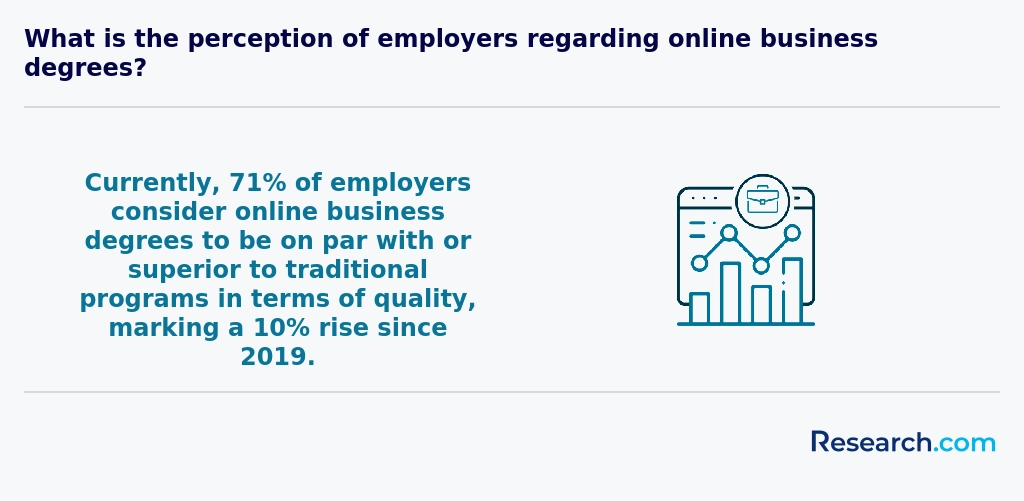
Accreditation is a critical factor when evaluating business degree programs in Mankato, MN, as it ensures that your education meets rigorous academic and industry standards. The three primary regional and specialized accrediting bodies for business schools are: • AACSB (Association to Advance Collegiate Schools of Business): Widely regarded as the gold standard, AACSB accreditation signifies excellence in faculty research, curriculum innovation, and student learning outcomes. • ACBSP (Accreditation Council for Business Schools and Programs): Focuses on teaching excellence and continuous improvement, making it ideal for institutions emphasizing practical, skills-based learning. • IACBE (International Accreditation Council for Business Education): Prioritizes student outcomes and ethical practices, supporting programs that integrate values-driven leadership into their curriculum. In Mankato, Minnesota State University, Mankato’s College of Business holds AACSB accreditation, reflecting its commitment to advanced research and global engagement. South Central College’s business department, accredited by ACBSP, emphasizes hands-on projects and close industry partnerships. When comparing programs, verify accreditation status through the U.S. Department of Education’s database to confirm transferability of credits and employer recognition. Accredited programs not only enhance your resume but also offer access to specialized scholarships, internships, and alumni networks. Employers frequently list accredited institution graduates as preferred candidates, particularly for leadership and consulting roles. Additionally, graduates from accredited schools often qualify for expedited admission into graduate-level offerings-both traditional MBAs and easy to get into mba programs-ensuring a smooth transition for those aiming to advance their qualifications.
When pursuing a business degree in Mankato, start by completing the FAFSA to access federal aid like Pell Grants, which many students find invaluable because they don't require repayment. Graduates from Minnesota State University, Mankato often share how these grants significantly lowered their tuition burden during tough financial times.
Next, apply for the Minnesota State Grant, a need-based program that local students attending Mankato colleges rely on to reduce annual costs by thousands of dollars. This kind of aid is especially helpful for families budgeting carefully for in-state tuition.
Merit-based scholarships are another common lifeline. Business students with solid academic records or leadership roles frequently receive awards through their university's business department, easing out-of-pocket expenses. Many graduates credit such scholarships for enabling them to focus more on studies and internships instead of part-time jobs.
Don't overlook private scholarships from organizations like the Mankato Chamber of Commerce, which often target future local business professionals. And if you work, check if your employer offers tuition assistance, a practical option that many Mankato students successfully use to cover part of their costs.
Finally, consider federal Stafford Loans for supplementary funding, knowing you'll repay with manageable interest rates. Meeting early with your college's financial aid office can uncover personalized strategies to stack these resources effectively, keeping your financial stress low and your goals clear.
In addition to selecting a top-ranked program, it is essential for prospective business students in Mankato, MN, to build a strong foundation for academic and career success with actionable tips and strategies. Begin by setting clear short-term and long-term goals-whether that’s excelling in coursework or identifying internship opportunities early on-to maintain focus and momentum throughout your studies. Engage actively with campus career services, join business clubs, and attend networking events to foster relationships that could lead to future job opportunities. Balancing practical experience with academic learning is key, so consider participating in real-world projects and case studies, which not only help apply classroom theories but also enhance your resume. Moreover, consider exploring additional resources such as our guide on Business Administration degree options to gain insights into specialized curricula and career pathways. Adopting effective time management, seeking mentorship from faculty, and continuously adapting to market trends will further empower your educational journey and professional growth. These practical strategies are designed to help students thrive in a competitive environment and secure a promising future in the dynamic business landscape.
To enroll in a business degree program in Mankato, you'll need at least a high school diploma or GED. Graduates from local colleges often recall that having solid grades in core subjects like math and English made a noticeable difference when applying. A GPA near 2.5 to 3.0 is a typical benchmark, but aiming higher can boost your chances, especially at competitive schools.
Most students applying to institutions in Mankato, like those attending well-known universities, find that submitting SAT or ACT scores is common, though some schools now offer test-optional policies. It helps to check each school's requirements to avoid surprises and stay prepared.
You'll also need key application materials: a completed form, official transcripts, and sometimes letters of recommendation or a personal essay stating your business interests. Graduates often describe how crafting a clear career statement helped them stand out.
If you're transferring or aiming for a graduate business program, expect to show prior college credits and usually a solid GPA around 3.0. MBA hopefuls often benefit from having two to five years of work experience, which aligns with real-world business demands.
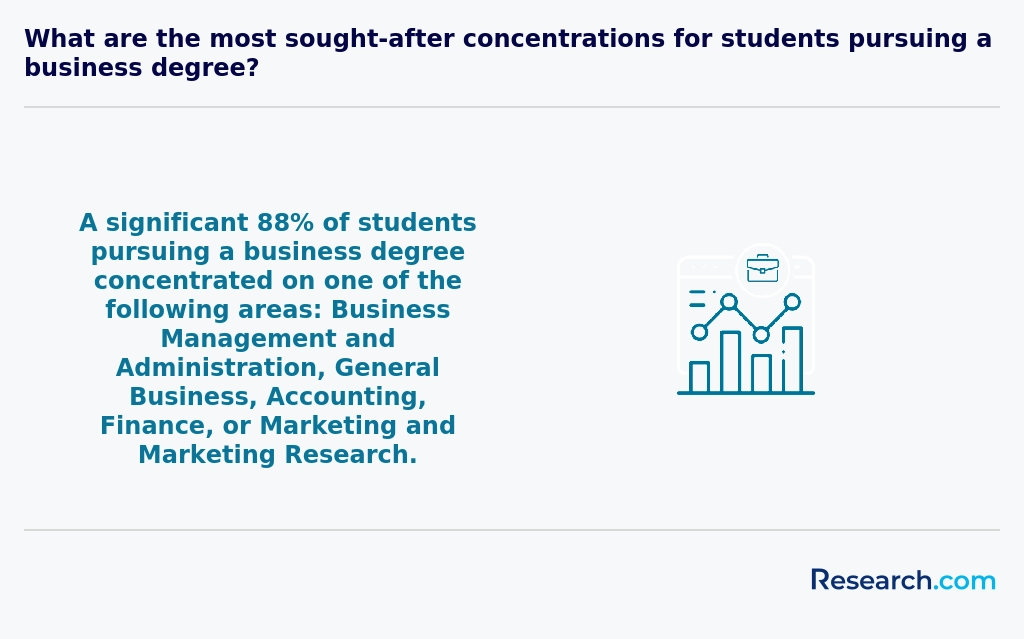
When evaluating business degree programs in Mankato, MN, affordability is a crucial factor to consider. Prospective students can explore various options to make their education more accessible, such as scholarships, financial aid, and part-time job opportunities. For those looking for more affordable alternatives, considering the cheapest business schools in Minnesota can be a good starting point. By weighing the costs against the potential benefits, including increased earning potential and career advancement opportunities, students can make informed decisions about their educational investments. It's also essential to factor in additional expenses such as textbooks, transportation, and living costs when calculating the total cost of attendance.
Business degree programs in Mankato, especially at Minnesota State University, Mankato, focus on core courses like principles of management, financial accounting, marketing, and economics. Graduates often recall how management classes taught them to lead teams effectively in group projects, while accounting courses prepared them to interpret financial data clearly, a skill they use confidently in internships.
Specialized courses depend on your chosen concentration. For example, students pursuing finance dive into investment analysis, gaining practical skills for managing real portfolios during hands-on assignments. Marketing students experience digital marketing strategies, often crafting campaigns for local businesses, which boosts excitement and confidence.
Analytical skills come next, with business statistics and data analysis classes sharpening your ability to make data-driven decisions. Business students often describe the challenge as rewarding, helping them stand out in job interviews.
Finally, communication and ethics are key. Courses in business communication and ethics prepare you to handle workplace interactions professionally and ethically, essential qualities in today's business world. Many graduates emphasize how this training eases their transition into real-world roles.
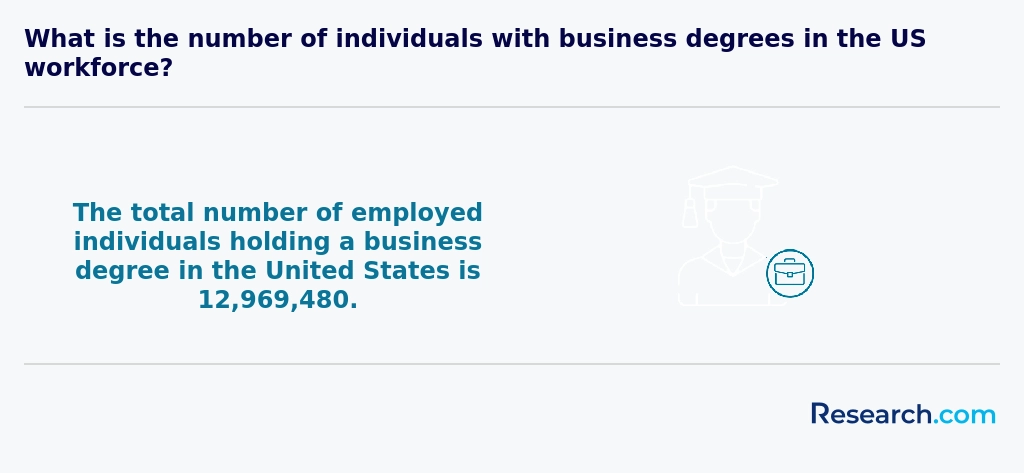
Students pursuing a business degree in Mankato often choose from several practical specializations tailored to the job market. Common paths include accounting, ideal for those drawn to finance and tax preparation, and marketing, which covers digital strategies and consumer behavior. Graduates from Minnesota State University, Mankato, frequently share how the management track sharpened their leadership skills, preparing them for roles in human resources or project oversight.
Finance remains a strong choice, teaching skills in investment and corporate money management, while supply chain and operations specialization fits well due to Mankato's regional distribution hub. Many students find entrepreneurship appealing because it directly supports their goals of starting or growing businesses.
For those considering career flexibility, graduates note programs now include emerging fields like data analytics and sustainable business practices, matching employer expectations. If you want to explore diverse job prospects in your business studies, research how your specialization aligns, like in a real estate appraiser job market. Choosing among these top business majors in Mankato Minnesota helps shape a targeted, career-ready education.
Begin by focusing on accredited programs like those at Minnesota State University, Mankato, a top accredited business school in Mankato MN recognized for its AACSB accreditation. Graduates often praise how this accreditation boosted their confidence in the value of their degrees when entering the job market. Next, weigh affordability carefully-local students appreciate that tuition here is lower than many options, fitting well within budgets without sacrificing quality. Incorporate living costs and fees to get a full picture of expenses. Explore programs that match your career goals and offer flexibility; many students balance evening or hybrid classes alongside work, making steady progress without stress.
Look for curricula offering practical experience through internships or local business connections, essential for gaining real-world skills. Graduates mention how these experiences made job hunting less daunting. To manage work-study balance, check out innovative part-time MBA degrees available in Mankato, which adjust to busy lifestyles. Finally, verify graduation and employment rates to ensure strong outcomes, making your investment worthwhile.
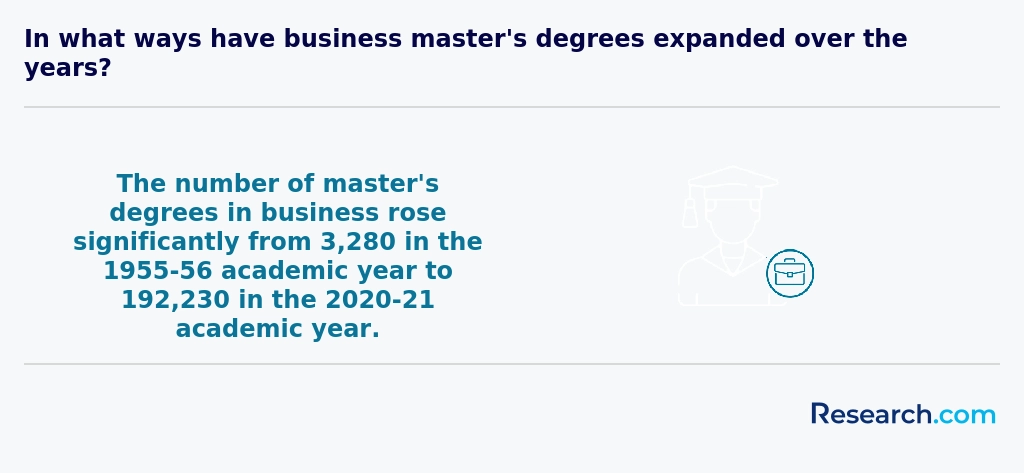
Graduates with a business degree in Mankato find practical career paths aligned with the local economy. Many start in healthcare administration, managing the business side of hospitals and clinics, benefiting from Mankato's strong healthcare sector. Others enter financial services, including banking and investment advising, a popular choice among business graduates from universities like Minnesota State University, Mankato. Retail and supply chain management roles provide hands-on experience supporting regional commerce while entrepreneurship opportunities thrive thanks to local support programs.
For those exploring job prospects for Mankato business graduates, real-world examples from peers show how internships and networking at Mankato colleges lead directly to roles as marketing coordinators or financial advisors in regional firms. Graduates appreciate the versatility their degree offers in adapting to job market needs, whether it's a corporate position or launching a small business. To explore alternative career options, students can also check out top paying trade jobs that complement their skill sets.

The job market for business degree holders in Mankato offers tangible opportunities, especially for graduates from Minnesota State University, Mankato, where many find roles in expanding sectors like healthcare administration and financial services. Business degree job opportunities in Mankato are shaped by a steady local economy, with midsize companies frequently hiring for marketing and operations management positions. Graduates appreciate how their practical coursework and internship experiences open doors to managerial roles at local nonprofits and government offices.
Starting salaries for business graduates here typically range from $45,000 to $55,000 annually, reflecting regional cost-of-living advantages while providing solid growth potential. Many recent graduates describe their first-year jobs as fulfilling entry points, gaining valuable skills that position them well for promotions.
To maximize prospects, students often take advantage of networking opportunities connected with local employers through their programs. For those considering cost and flexibility, exploring online accounting degrees Florida can supplement their skillset while attending on-campus classes. Mankato business graduate employment outlook remains positive thanks to a diverse economy and robust educational support.
2027 Best Business Degree Programs Ranking in Mankato
Investing in your education is a significant decision that can shape your future, and the Research.com team understands the importance of making informed choices. To assist prospective students in Mankato, we have meticulously developed the "2027 Best Business Degree Programs Ranking in Mankato." Our commitment to quality, credibility, and accuracy is reflected in the thorough research and careful analysis that underpin this ranking.
We utilized the following reputable data sources to ensure a comprehensive evaluation of business degree programs:
By exploring this ranking, readers will gain valuable insights into the best business degree programs available in Mankato, helping them make well-informed decisions about their academic and professional futures. For more details on our methodology, please visit our Research.com methodology page.


Frequently Asked Questions About business
Business degree students in Mankato can maximize their learning experience by engaging with local internships and networking opportunities. The region hosts a variety of businesses across industries like manufacturing and retail, offering practical experiences that complement classroom learning. According to the Minnesota Department of Employment and Economic Development, the Twin Cities metro area, including Mankato, has a robust small business sector that students can explore.
Additionally, students should take advantage of collaborative projects and business competitions often available through local universities. These activities build practical skills and foster connections important for future careers. Utilizing campus resources such as career counseling and workshops also enhances professional development.
Emerging niches within the business field reflect growing trends in technology, sustainability, and data management. In Mankato, students pursuing business degrees increasingly focus on areas such as digital marketing, supply chain analytics, and sustainable business practices. According to the U.S. Bureau of Labor Statistics, roles in data analysis and digital marketing are expected to grow by over 15% through 2030 nationwide, a trend mirrored locally by businesses in Minnesota.
Local employers value expertise in financial technology (fintech) and healthcare administration, both expanding sectors in Mankato's economy. Understanding these niches can position graduates for competitive roles in evolving markets.
After completing a business degree in Mankato, preparing for the job market involves a combination of practical experience and strategic networking. Internships with local companies, such as those in manufacturing and retail sectors prevalent in Mankato, provide valuable insights and connections. According to Minnesota's Department of Employment and Economic Development, Mankato's business-related jobs are expected to grow by about 5% over the next decade, mainly in management and sales roles.
Students should also develop strong communication and technology skills, as employers seek candidates proficient in data analysis and digital marketing. Engaging with Mankato Area Chamber of Commerce events and job fairs can increase visibility with potential employers. Additionally, leveraging career services from local universities can enhance resume quality and interview preparations.
Employers in Mankato highly value business degree graduates who demonstrate strong communication and teamwork skills. According to local workforce reports, over 70% of hiring managers prioritize candidates who can effectively collaborate across departments and present ideas clearly. Analytical thinking is another key skill, with businesses increasingly relying on data-driven decisions. Proficiency in technology, especially spreadsheets and business software, is often required. Additionally, adaptability and problem-solving abilities are essential due to the dynamic economic environment in Southern Minnesota. Employers also appreciate graduates with leadership potential, reflecting a need for individuals who can manage projects and motivate teams successfully.
Finding internships in Mankato relevant to a business degree involves leveraging local resources and university connections. Minnesota State University, Mankato, offers a Career Services Center that connects students with regional employers in finance, marketing, and management sectors. According to the university's data, about 65% of business students secure internships through these campus resources.
Local companies such as Land O'Lakes and local banks frequently offer opportunities. Online platforms like Handshake also list internship openings targeted at Minnesota students. Networking events and business clubs on campus can further aid in making connections with internship providers.
Additionally, the Mankato Chamber of Commerce provides valuable resources and contacts for internship seekers.
Earning a business degree in Mankato significantly enhances career mobility and advancement opportunities. The region's diverse economy, including healthcare, manufacturing, and retail sectors, values professionals with strong business skills. According to the U.S. Bureau of Labor Statistics, business-related jobs in Minnesota are projected to grow 5% from 2022 to 2032, reflecting steady demand.
Graduates with business degrees often qualify for management, marketing, and financial roles, which typically feature higher salaries and faster promotion tracks. Local employers, such as those in Mankato's expanding corporate hubs, prioritize candidates with formal business education and practical experience.
Additionally, Mankato's networking events and university career services help graduates connect with potential employers, facilitating professional growth.
Studying for a business degree in Mankato offers a strong foundation for interdisciplinary roles by integrating knowledge from various fields. Programs often combine business core subjects such as finance, marketing, and management with courses in communication, technology, and analytics.
Colleges in Mankato emphasize practical skills by partnering with local businesses, enabling students to apply classroom theory to real-world challenges. This experiential learning supports adaptability essential for interdisciplinary work.
According to the Minnesota Department of Employment and Economic Development, business occupations in the Mankato area are expected to grow by approximately 7% through 2028, highlighting the demand for versatile professionals.
Overall, the curriculum's breadth and connections to the local economy help prepare students to navigate diverse roles effectively.
Choosing between a thesis and a non-thesis business degree program in Mankato depends on your career goals and learning preferences. A thesis option focuses on research, requiring students to develop and defend an original study, which is ideal for those interested in academic or specialized research careers. Non-thesis programs typically emphasize practical skills, with more coursework and possibly internships, suiting professionals aiming to enter or advance in the business world quickly.
The Minnesota State University in Mankato offers both options, reflecting wider trends in U.S. business education where roughly 60% of business master's students prefer non-thesis paths for flexibility and faster completion.
Consider your long-term plans carefully; for graduate school or research roles, a thesis may be beneficial, while non-thesis routes often align better with immediate employment needs. Consulting with academic advisors and reviewing program specifics at local institutions can clarify what best matches your interests and strengths.
Students based in Mankato seeking to study business abroad have access to a variety of options through local universities offering study abroad programs. Minnesota State University, Mankato, for example, provides structured exchanges and faculty-led trips to countries such as Spain, Italy, and China. These programs often include internships or business projects, helping students gain international experience relevant to global markets.
Additionally, many Mankato business students use partnerships facilitated by their home institutions to join global business courses, often earning credits toward their degree. According to the Institute of International Education, about 10% of Minnesota State students participate in study abroad programs, reflecting growing interest.
Financial aid and scholarships are frequently available to assist with costs, making these global learning experiences more accessible for Mankato residents.
Students pursuing business degrees in Mankato can enhance their education by engaging in various part-time job opportunities that align with their field. Positions such as retail sales associates, customer service representatives, and administrative assistants provide practical experience in communication, management, and organizational skills.
Mankato's growing economy includes sectors like retail, healthcare, and finance, offering roles where students can apply theoretical knowledge. According to the Minnesota Department of Employment and Economic Development, business and financial operations jobs in the Mankato area are expected to grow by 5% through 2026, highlighting opportunities for hands-on learning.
Additionally, internships with local businesses and nonprofits often accommodate part-time schedules, allowing students to gain relevant experience while completing their studies.
Business students in Mankato benefit from various networking opportunities that connect them with local industries and professionals. Minnesota State University, Mankato, hosts career fairs and business clubs where students meet employers from the region's growing sectors, including manufacturing, healthcare, and retail. The Mankato Chamber of Commerce also organizes regular events, providing access to local business leaders. Additionally, students can join internships and cooperative education programs that strengthen professional ties while gaining practical experience. According to the Greater Mankato Growth report, over 50% of students participating in internships secure job offers before graduation, highlighting the effectiveness of these connections.
Alumni networks offer significant advantages to business degree students in Mankato by providing valuable professional connections. Graduates often engage with local businesses and industries, helping current students secure internships and job opportunities. Networking through these alumni can lead to mentorship, career guidance, and insights into industry trends specific to the Mankato region.
According to the Minnesota Chamber of Commerce, businesses in Mankato frequently collaborate with university alumni, strengthening ties between education and employment. This community engagement boosts students' chances of landing roles within the local economy.
Strong alumni relationships also enable access to exclusive events and workshops that develop skills beyond the classroom, enhancing career readiness.
Customizing a business degree program in Mankato offers students flexibility to align studies with their career goals. Many local institutions provide various concentrations such as finance, marketing, management, and entrepreneurship. Students can select electives that focus on in-demand skills, improving their job prospects in Mankato's growing business sectors.
Internships and cooperative education opportunities are also available through partnerships with local companies, allowing practical experience and networking. Additionally, some programs offer evening and online classes, which help working professionals balance education with their careers.
The Southern Minnesota region's employment rate in business-related fields is above national average, highlighting the benefit of targeted education here. According to the Minnesota Department of Employment and Economic Development, business services jobs in this area grew by 5% from 2020 to 2023.
Business students in Mankato often face challenges related to balancing academic workload with part-time jobs, a common trend noted in Minnesota's student population data from the National Center for Education Statistics. Many also struggle with gaining relevant internship opportunities, as Mankato's local job market is competitive and smaller compared to major metropolitan areas.
Additionally, navigating the cost of education is a significant challenge. While Mankato offers affordable tuition rates compared to national averages, expenses such as textbooks, technology, and living costs still burden many students, according to College Board data.
Students may find it difficult to access specialized business networking events, which are crucial for career advancement, given Mankato's smaller business community relative to larger cities in Minnesota.
With a business degree in Mankato, students can pursue a variety of professional certifications that enhance career prospects. Popular options include the Certified Public Accountant (CPA) for those interested in accounting, which requires passing a national exam and meeting state requirements. Another valuable certification is the Project Management Professional (PMP), recognized nationwide across industries.
Additionally, many graduates pursue the Certified Management Accountant (CMA) credential, focusing on financial management skills. Local employers in Mankato, including firms in the retail and manufacturing sectors, often value these certifications highly, as reported by the Mankato Chamber of Commerce.
These certifications typically require continuing education, ensuring professionals stay current in the rapidly evolving business environment.
To write a winning application for a business program in Mankato, start by clearly demonstrating your passion for business and your career goals. Highlight relevant academic achievements, such as strong grades in math and economics, and any leadership or work experience that shows your commitment.
Many programs in Mankato, including Minnesota State University, emphasize well-rounded applicants who exhibit teamwork and communication skills. Tailor your personal statement to reflect how studying business in Mankato aligns with your future plans, referencing local economic data where applicable. According to the Mankato Economic Development Corporation, the area's strong manufacturing and services sectors offer valuable internship opportunities, which is worth mentioning.
Finally, ensure all application materials are complete, error-free, and submitted before deadlines to improve your chances.
Global perspectives on a business career highlight the increasing interconnectedness of markets and the importance of cultural awareness. For students in Mankato pursuing business degrees, understanding global commerce dynamics is crucial. U.S. employers value graduates with skills in international trade, finance, and cross-cultural communication.
According to the U.S. Bureau of Labor Statistics, employment in business and financial occupations is projected to grow 8% from 2022 to 2032, reflecting robust demand nationwide, including in Minnesota regions like Mankato. Moreover, many Mankato businesses engage in export activities, creating local opportunities for globally minded graduates.
Business programs in Mankato often integrate global case studies and encourage study abroad or internships, preparing students to navigate international markets effectively. This global focus aligns with trends showing 70% of U.S. companies participate in international trade, emphasizing the value of global business expertise.
Students pursuing a business degree in Mankato can gain practical experience through various opportunities linked to local institutions. Minnesota State University, Mankato, for example, offers internships and cooperative education programs that connect students with regional businesses. These experiences are essential for applying classroom knowledge in real-world settings.
Local companies in sectors such as finance, marketing, and manufacturing often collaborate with universities to provide internships. These placements help students build resumes and develop professional networks within Mankato's growing business community. According to the Mankato Area Chamber of Commerce, internship programs have increased by 15% over recent years, reflecting strong demand for practical skills.
Business students may also engage in student organizations and consulting projects that simulate real business challenges. Such activities foster critical thinking and teamwork, key skills for future business leaders.
Choosing the right concentration within a business degree program in Mankato depends on your career goals and local industry demands. Mankato's economy is diverse, with strong sectors in manufacturing, healthcare, and finance, influencing the relevance of concentrations like supply chain management, healthcare administration, and finance. According to the Minnesota Department of Employment and Economic Development, healthcare and financial services jobs are projected to grow by over 10% in the region by 2030.
Consider concentrations that offer practical experience. Many Mankato programs provide internships with local businesses, which can be beneficial for networking and job placement.
Assess your skills and interests carefully, and review course offerings at institutions like Minnesota State University, Mankato, to find a concentration aligning with local market trends.
- 2027 Best Business Degree Programs Ranking in Minneapolis
- 2027 Best Business Degree Programs Ranking in Dubuque
- 2027 Best Business Degree Programs Ranking in Madison
- 2027 Best Business Degree Programs Ranking in Milwaukee
- 2027 Best Business Degree Programs Ranking in Kenosha
- 2027 Best Business Degree Programs Ranking in River Forest
- 2027 Best Business Degree Programs Ranking in Kansas City
- 2027 Best Business Degree Programs Ranking in Chicago
- 2027 Best Business Degree Programs Ranking in West Lafayette
- 2027 Best Business Degree Programs Ranking in Wichita
See What Experts Have To Say About Studying Business
Read our interview with Business experts

David W. Stewart
Business Expert
Emeritus President's Professor of Marketing
Loyola Marymount University

David Souder
Business Expert
Senior Associate Dean for Faculty and Research
Michigan State University


- Business Administration Degree Salary | UE Amsterdam https://www.ue-amsterdam.com/blog/business-administration-degree-salary-how-much-can-you-earn
- Business Administration BBA | Minnesota State University, Mankato https://www.mnsu.edu/academic-catalog/undergraduate/business-administration-bba/
- How to Write a Statement of Purpose for Business School https://www.statementswritingservices.com/blog/how-to-write-a-statement-of-purpose-for-business-school.html
- Top 10 Skills Employers Seek in Business Graduates in 2026 https://www.ibat.ie/blogs/top-10-skills-employers-seek-in-business-graduates-in-2026
- Why Alumni Networks Matter in Business School: 7 Reasons https://europe.ceibs.edu/article/why-alumni-networks-matter-business-school
- Finding Networking Opportunities as a Student | National Society of High School Scholars https://www.nshss.org/resources/blog/blog-posts/how-to-find-networking-opportunities-as-a-student/
- 55 Trending Business Ideas for 2025 and Beyond https://www.uschamber.com/co/start/business-ideas/top-trending-business-ideas
- Is a thesis always mandatory in a master's degree program? - EFMU: The Euler-Franeker Memorial University and Institute https://euler.euclid.int/is-a-thesis-always-mandatory-in-masters-degree-program/
- Business Study Abroad Programs | Go Overseas https://www.gooverseas.com/study-abroad/business
- Top 10 Emerging Business Niches of 2026 & How to Plan for Them https://prometai.app/blog/emerging-niches-business-planning