
2027 Best Business Degree Programs Ranking in Decatur

Co-Founder and Chief Data Scientist
Choosing the right business degree program can shape your future career and open doors to countless opportunities. Our 2027 Best Business Degree Programs Ranking in Decatur was developed by a team of skilled data scientists at Research.com to guide you through this important decision.
This article offers clear insights into the top programs in Decatur, helping you confidently narrow down your options. Whether you're starting out or looking to advance, a business degree can boost your skills and set you on a path to success.
Explore the ranking and find the program that fits your goals and aspirations.
Key benefits of getting business degree in Decatur
- Business degree graduates in Decatur can expect competitive salaries, such as a Business Development Executive earning around $83,190 annually and a Business Analyst making approximately $112,950 a year, giving you strong financial opportunities.
- Graduates from popular local schools often pursue varied careers including business development, analysis, and account management, providing diverse and exciting professional paths to fit your interests.
- Completing a business degree online from a Decatur institution offers flexibility and convenience, allowing you to balance work and study while gaining the same valuable skills as traditional programs.
- 2027 Best Business Degree Programs Ranking in Decatur
- What can I expect from business degree in Decatur?
- Where can I work with business degree in Decatur?
What can I expect from business degree in Decatur?
The average cost of earning a business degree in Decatur typically ranges from $10,000 to $25,000 per year, depending on the institution and program level. Graduates from popular local colleges often share that tuition and fees for associate and bachelor's programs are quite manageable compared to larger cities. For example, many students attending Decatur-based colleges find that investing in their education here provides solid value without excessive debt.
Financial aid and scholarships are commonly available at these institutions, making real-world affordability more achievable. Graduates often recall balancing part-time work and internships offered through their business programs, which helped offset expenses while gaining hands-on experience. Evening and online classes also allow working adults to progress without sacrificing income, aligning well with Decatur's supportive academic landscape.
For students, this cost range fits well with Decatur's steady job market growth in business fields like management and finance. Many graduates confidently start their careers knowing their degree investment is sustainable and opens doors locally and beyond.
Where can I work with business degree in Decatur?
Graduates from business programs at institutions like Millikin University find diverse career opportunities right in Decatur. Many step directly into roles within the manufacturing sector, where companies such as Mueller Co. and Caterpillar Inc. value skills in supply chain management and financial analysis. Imagine managing projects that keep production lines running smoothly-this is a realistic path for business graduates.
Retail is another strong option. Graduates often secure positions with major employers like Target or Walmart, overseeing store operations or developing marketing strategies. One graduate described the satisfaction of applying coursework in customer relationship management to boost local sales and community engagement.
The healthcare industry also welcomes business professionals, especially in administration and finance roles at places like Decatur Memorial Hospital. Managing budgets and coordinating resources there makes a tangible impact on patient care. Students from Richland Community College recall internships that led to full-time roles in this expanding sector.
For those inclined toward entrepreneurship or consulting, Decatur's active small business community provides a vibrant environment to lead and innovate. Many alumni start ventures supported by connections made through the Decatur Chamber of Commerce, turning ideas into thriving enterprises.
In each sector, practical experience combined with local networking makes the business degree a powerful tool to launch a satisfying career in Decatur.
Graduates with a business degree in Decatur commonly find promising salary prospects starting with roles such as Business Development Executive or Business Analyst. According to the latest data, a Business Development Executive earns a mean annual wage of about $83,190, offering a solid foundation as you begin your career. For those who advance into analytical roles, the Business Analyst position stands out with a notably higher mean annual wage of $112,950, reflecting strong demand and rewarding skills in this field.
Students from Decatur's popular institutions like Millikin University or Richland Community College often share success stories of landing these roles soon after graduation, motivated by the region's growing sectors. Seeing a peer start as a Business Development Executive while another secures a lucrative analyst role underscores the practical advantage of gaining relevant experience during college.
By focusing on internships and certifications while studying, you can realistically aim for these earnings and beyond. Practical steps include targeting internships linked to Decatur's business hubs and leveraging college career services to connect locally.
- Business degrees in Decatur are offered from associate to bachelor's levels, with some schools providing graduate certificates and MBA options.
- Tuition costs vary by institution type: public universities charge around $7,000 to $12,000 per year for in-state students, private colleges range from $15,000 to $25,000 annually, and community colleges cost approximately $3,500 to $5,000 per year.
- Starting salaries for business graduates average between $45,000 and $55,000 annually, with experienced professionals earning $80,000 or more in fields like finance, marketing, and management.
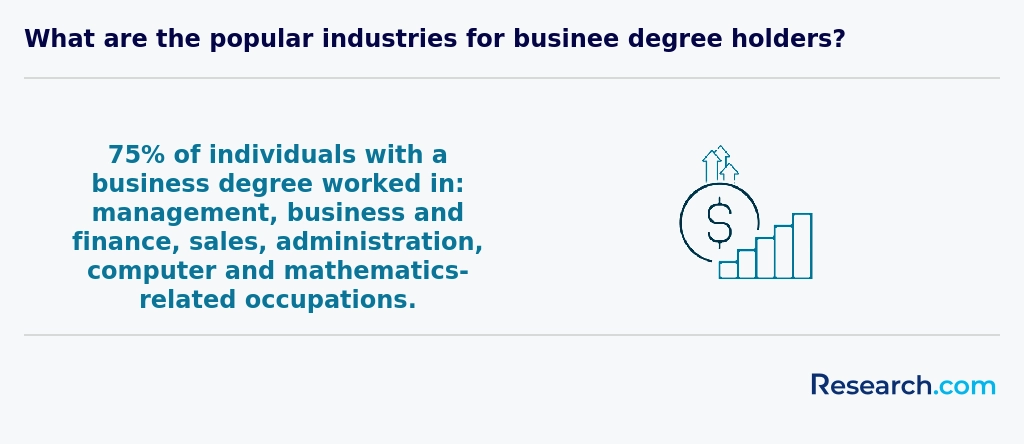
- Key industries hiring business graduates include finance, healthcare administration, retail management, and logistics, with a focus on practical skills and internships.
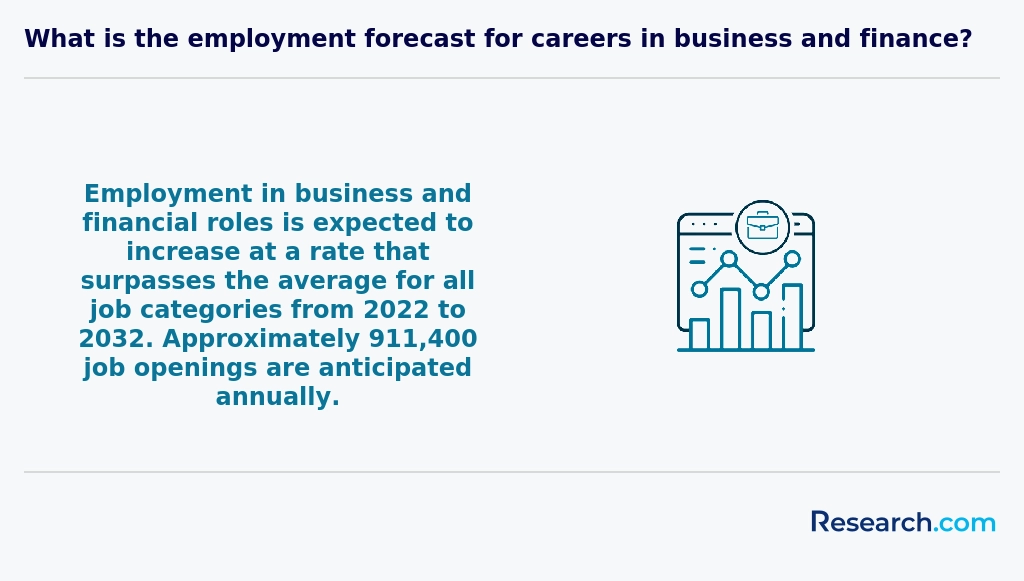
- Employment growth for business-related roles in Decatur is steady, matching national trends and supporting consistent demand for analysts, project managers, and sales professionals.
If you're aiming for a traditional business degree in Decatur, expect about four years of full-time study to earn a Bachelor of Business Administration. Graduates from the University of North Alabama's Muscle Shoals campus often share how pacing themselves over this period helped them build confidence and hands-on skills steadily.
For those considering a quicker route, associate degrees at Calhoun Community College can typically be completed in two years. Many students appreciate this option as a practical way to enter the workforce sooner or transfer credits toward a bachelor's later, which suits those balancing work or family.
Part-time students or working adults may find flexible online or evening classes helpful, though they should prepare for a longer path-sometimes three to four years for an MBA or more for undergraduate degrees. This flexibility often brings peace of mind, letting students juggle responsibilities without giving up on their goals.
Graduates often highlight that understanding these timelines upfront made planning finances and personal commitments in Decatur much easier and less stressful.
Investing in a business degree in Decatur, GA often yields substantial returns when considering average earnings against tuition costs and potential student debt. On average, graduates recoup their tuition within 3–4 years post-graduation, thanks to median starting salaries around $65,000 for entry-level roles and above $80,000 for specialized positions like project management. Factoring in in-state tuition of roughly $11,260 per year, the break-even point can be achieved even sooner for students securing scholarships or federal aid. When evaluating graduate-level programs such as MBAs, prospective students should also weigh program length and cost against long-term salary growth. Many applicants now explore easy mba degree programs online that offer accelerated formats and lower per-credit fees, reducing total debt and shortening the time to degree completion. Comparing net present value (NPV) of different programs can help you identify which institution maximizes lifetime earnings. In addition to salary outcomes, it’s essential to factor in non-monetary benefits like networking opportunities, alumni mentorship, and career services-which can all accelerate ROI by facilitating higher-paying positions sooner. For example, graduates from Georgia State University’s business school report securing management roles six months faster than the national average, effectively increasing overall return. By analyzing both direct costs and projected earnings, students can make an informed decision that aligns financial investment with career goals.
Choosing between online and on-campus business degrees in Decatur starts with understanding how each fits your daily routine. Graduates from local colleges often praise the on-campus experience for its structured schedule and face-to-face networking. Attending classes at fixed times on campus creates a rhythm that helps many stay focused and build strong connections with professors and peers. This is especially valuable in Decatur's business community, where internships and career center resources are more accessible in person.
On the other hand, online programs shine for those balancing jobs or families. Graduates from top online business programs highlight the freedom to watch lectures and complete assignments anytime - even late at night after work. This flexibility cuts commuting and housing costs common for students attending Decatur's traditional universities.
Both options maintain solid accreditation and quality, but your learning style matters. If you thrive on self-direction, online might suit you best. If you prefer in-person support, traditional campuses offer a more hands-on approach.
When evaluating business degree programs in Decatur, GA, one of the critical factors to consider is affordability. The cost of tuition, fees, and other expenses can significantly impact a student's decision. For those seeking affordable options, exploring most affordable business programs in Georgia can provide valuable insights. By understanding the financial aspects of different programs, students can make informed decisions that align with their budget and career aspirations. Additionally, considering factors such as scholarship opportunities, financial aid, and the potential return on investment can help students navigate the process of selecting a business program that meets their needs without breaking the bank.
The average cost of a business degree in Decatur varies based on the type of institution and residency status. For many students attending local public schools, the median in-state total cost hovers around $17,408, a figure that provides a practical baseline for budgeting. Graduates from private universities in Decatur, such as those offering well-regarded business programs, often face higher costs, with median total expenses reaching approximately $35,116 for both in-state and out-of-state students. These numbers reflect the reality most business students have encountered when planning their finances.
When considering the total expenses for business degree programs Decatur students should keep in mind costs beyond tuition. This includes essentials like books and supplies averaging about $1,200 to $1,500 yearly, and housing combined with meal plans, which can range from $8,000 to $12,000 depending on whether you live on or off campus. Additional fees such as technology charges also add to the budget.
Many graduates from popular institutions in Decatur highlight the importance of applying for financial aid early. Tools like the FAFSA open doors to federal grants, loans, and work-study options, making the cost more manageable. For prospective students aiming to strike a balance between quality education and affordability, exploring the most affordable business programs in Georgia close to Decatur is a strategic first step.
Students pursuing a business degree in Decatur should first complete the FAFSA to unlock federal aid options like Pell Grants and Direct Loans. Graduates from local community colleges recall how Pell Grants, offering up to $7,395 annually, significantly eased their tuition burden without adding debt. Direct Loans provided manageable repayment plans, making education feel within reach.
State aid is another practical resource. Business students at Decatur's public universities benefited from Illinois' MAP grants, which cover substantial tuition costs when combined with federal support. One graduate described how applying early to MAP helped stretch their financial resources through the entire program.
Local scholarships add a layer of personalized support, often from organizations invested in Decatur's economic growth. For example, the Decatur Area Community Foundation's scholarships motivated many students facing upfront costs to confidently commit to their business studies.
Work-study programs and employer tuition assistance deliver hands-on learning and income. Several alumni found part-time roles on campus or reimbursement plans with local businesses, blending career development with financial relief.
Finally, contacting financial aid offices at Decatur's colleges uncovered merit scholarships tied to leadership and academic achievement-key factors that made a noticeable difference for many business students.
Pursuing a business degree is both an exciting and challenging venture. To help you thrive, consider implementing these proven strategies: • Embrace effective time management-set clear goals, create a study schedule, and allocate time for coursework, networking, and extracurricular activities. • Leverage campus resources such as tutoring centers, career counseling, and mentorship programs to gain personalized guidance. • Actively participate in internships and real-world projects, which provide practical experience and can be a decisive factor in landing your ideal job. • Build a robust professional network by attending industry conferences, joining student organizations, and engaging with alumni who have successfully navigated the field. • Stay informed about emerging trends and technological advancements in the business sector by following reliable insights and research. If you ever wonder whether is getting business administration degree hard, know that perseverance, continuous learning, and practical application of knowledge will build a strong foundation for success. By integrating these approaches into your academic journey, you can enhance your learning experience and position yourself for a rewarding career in the business world.
To enroll in a business degree program in Decatur, you first need a high school diploma or an equivalent like a GED. Graduates from local colleges often recall how meeting this baseline gave them confidence to tackle the coursework ahead. Many schools also ask for SAT or ACT scores, though some have adopted test-optional policies, easing the path for many applicants.
In addition, you'll typically need to submit official transcripts showing a solid GPA-usually 2.5 or higher. Business students attending Decatur's popular institutions frequently emphasize how a strong GPA helped them qualify for scholarships and eased admission decisions. Proficiency in math is another common prerequisite, as business studies demand comfort with numbers. Completing algebra or higher-level math in high school is often expected.
Applicants should also prepare letters of recommendation and a personal statement. These documents personalize your application and showcase your motivation, much like successful students from Decatur's well-regarded business programs have experienced. Finally, some schools recommend or require introductory classes in economics or accounting to ensure you're prepared for advanced topics.
If you're planning to study business in Decatur, expect a mix of essential courses that build a solid foundation while preparing you for real challenges in the workplace. Popular programs at Decatur colleges include subjects like Financial Accounting and Managerial Accounting, which teach you to understand company finances-something graduates find invaluable when reviewing budgets or pitching ideas in internships.
Courses like Principles of Marketing aren't just theory; many students recall hands-on projects where they developed marketing plans for local businesses, giving them confidence to enter the job market. Business Law classes cover contracts and regulations, helping you avoid common legal pitfalls, a key skill for anyone starting in Decatur's competitive economy.
Economics and Organizational Behavior classes help you grasp how markets function and how to motivate teams. Graduates often point out how Operations Management and Strategic Management courses enabled them to think critically about improving company processes and long-term goals.
This lineup closely matches what employers in Decatur's manufacturing and healthcare sectors look for, making your degree practical and job-ready.
Students pursuing business degree specializations in Decatur can expect to choose from practical, career-focused areas that align with local industry demands. Common options include accounting, emphasizing skills in auditing and tax preparation, which has proven valuable for graduates working in corporate finance roles at nearby companies. Management programs focus on leadership and organizational behavior, equipping students for project management positions often found in Decatur's expanding business sector.
Marketing is another popular concentration, where students learn market research and digital marketing tactics crucial for engaging today's consumers-many graduates land roles in local advertising firms. Finance covers investment analysis and risk management, appealing to those aiming for careers in banks and investment companies around Decatur. Entrepreneurship courses train students on business plan development and innovation, empowering graduates to successfully launch startups within the community.
Those exploring Decatur business degree concentration options also find supply chain management valuable, learning logistics and procurement strategies to help companies optimize operations. Many students from local colleges mention that choosing the right specialization makes their degree more practical and helps them stand out when job hunting. For anyone wondering is getting business administration degree hard, focusing on these targeted specializations can make the pathway much clearer and more manageable.
Start by evaluating your career goals and the type of business degree that fits them-whether a Bachelor of Business Administration or a more specialized degree. For students aiming to stay local, affordable business degrees Decatur offers can be found at public institutions with in-state tuition advantages, which many graduates appreciate for reducing debt. Accreditation is key; programs accredited by AACSB near Decatur, like Austin Peay State University, provide solid curriculum and faculty expertise, giving you confidence in your education.
Look for programs that offer practical internships or cooperative education with local businesses. Graduates report that hands-on experience in Decatur's business community made networking easier and helped secure their first job. Also, consider classes that offer concentration options like finance or marketing, which allow you to tailor your studies to your strengths.
One practical tip is to compare post-graduation salaries; business graduates in Tennessee report median incomes between $45,000 and $60,000 within ten years, which reflects program value. Finally, if flexibility or convenience is a priority, explore easy mba degree programs online as a viable path to boost your credentials without disrupting your life.
Smaller classes and accessible faculty often improve understanding of complex concepts, so see if your chosen school supports this dynamic. By focusing on these aspects, you can confidently choose one of the best business degree programs in Decatur tailored to your needs.

Graduates with a business degree in Decatur find strong career opportunities across several key fields. Many reported smooth transitions into management and administration roles such as project managers or operations managers at local companies, leveraging skills honed at popular institutions like the local colleges known for their business programs. These positions often come with leadership responsibilities and solid salaries, aligning with the practical skills taught on-campus.
Financial services is another top job option for Decatur business graduates. Regional banks and finance firms in the area actively recruit from Decatur's business schools. Graduates have noted entry-level roles in financial analysis or accounting serve as excellent foundations, offering competitive pay and growth. Those looking for more flexibility sometimes explore accelerated bachelors programs to jumpstart their careers efficiently.
Marketing and sales roles also attract Decatur graduates. They benefit from coursework that connects business theory with real local market needs, preparing them for dynamic positions like digital marketing specialists who thrive by adapting to trends. Additionally, entrepreneurship attracts ambitious students ready to build startups with the support of Decatur's small business resources, emphasizing how this city offers diverse business degree career opportunities in Decatur.
Finally, graduates often find rewarding paths in human resources, supply chain, and international business, fields that blend strategic and interpersonal skills. By choosing local programs focused on practical training, students ensure their business backgrounds are relevant and in-demand, boosting their chances for long-term success.
The job market for business degree graduates in Decatur is vibrant, with steady demand driven by the city's role as an economic hub in Macon County. Recent graduates from popular local colleges find opportunities in finance, marketing, and supply chain roles, largely because employers across regional banks, insurance companies, and healthcare providers seek candidates with strong business skills. For example, many graduates land positions in management or financial analysis with starting salaries typically ranging from $65,000 to $85,000, reflecting Decatur's affordable cost of living. This creates a practical pathway to stability and growth after graduation.
To navigate this promising landscape, students should develop skills highly prized by employers here, such as analytical thinking, leadership, and proficiency in business software. Graduates recommend pursuing internships within Decatur's key industries to improve hiring odds. For those uncertain about long-term academic commitments, exploring the easiest subject for phd may be a wise consideration. Overall, the employment outlook for business graduates in Decatur encourages a pragmatic focus on relevant experience and adaptable skills to capitalize on local opportunities.
2027 Best Business Degree Programs Ranking in Decatur
Investing in your education is a significant decision that can shape your future, and the Research.com team understands the importance of making informed choices. To assist prospective students in Decatur, we have meticulously crafted the "2027 Best Business Degree Programs Ranking in Decatur." Our commitment to quality, credibility, and accuracy is reflected in the extensive research and analysis conducted to compile this ranking.
We utilized the following reputable data sources to ensure a comprehensive evaluation of business degree programs:
By exploring this ranking, readers will gain valuable insights into the best business degree programs available in Decatur, empowering them to make informed decisions about their educational paths. For more details on our methodology, please visit our Research.com methodology page.

# 2 position
DeVry University-Georgia
Bachelor of Science in Business Administration

# 3 position
DeVry University-Georgia
Master of Business Administration
Frequently Asked Questions About business
Business degree students in Decatur can maximize their learning by leveraging local resources and opportunities. Engaging with the Decatur Chamber of Commerce provides real-world networking that complements classroom knowledge. According to the U.S. Bureau of Labor Statistics, Decatur's economic growth sectors include manufacturing and financial services, making internships in these fields valuable for hands-on experience.
Students should also consider participating in entrepreneurship clubs or business case competitions hosted by nearby universities. These activities help develop critical thinking and problem-solving skills. Furthermore, utilizing Decatur Public Library's business research databases offers access to market trends and company reports, supporting academic projects.
Finally, attending seminars on business trends in middle Georgia can keep students informed about regional economic developments, enhancing their overall education.
The business field is rapidly evolving, with several emerging niches gaining prominence in Decatur and across the US. One key area is data analytics and business intelligence, as companies increasingly rely on data-driven decisions. According to the U.S. Bureau of Labor Statistics, jobs in this sector are expected to grow by 31% through 2031.
Another growing niche involves sustainable business practices and corporate social responsibility, reflecting rising consumer demand for ethical companies. Decatur businesses are adopting environmentally conscious policies more than ever before, impacting local business education focus.
Additionally, digital marketing and e-commerce skills are highly sought after, with an estimated 20% growth nationwide. Graduates with expertise in these areas can meet the demands of Decatur's expanding online retail sector.
After completing a business degree in Decatur, preparing for the job market involves several strategic steps. First, gaining practical experience through internships or cooperative education programs is crucial. These opportunities, often facilitated by Decatur-area colleges, help build valuable skills and local professional connections. Networking is essential; attending job fairs and industry events in Decatur's business sector can increase employment prospects.
Additionally, enhancing digital skills and obtaining relevant certifications can improve marketability. According to the U.S. Bureau of Labor Statistics, business-related roles in the Decatur region are expected to grow by 7% through 2028, indicating steady demand for qualified candidates. Staying informed about local economic trends is also beneficial.
Employers in Decatur seek business degree graduates who demonstrate strong communication and analytical skills. According to the Greater Decatur Chamber of Commerce, over 70% of local employers prioritize candidates proficient in data interpretation and problem-solving. These skills enable graduates to navigate complex business environments effectively.
Additionally, leadership and teamwork abilities are highly valued. Many businesses in Decatur emphasize collaborative work culture, making interpersonal skills essential. Financial literacy and knowledge of current business technologies also rank among the top desired competencies.
Job market studies indicate that proficiency in digital marketing and project management software can significantly boost employability in Decatur's evolving commercial landscape.
Finding internships in Decatur relevant to a business degree involves leveraging local resources and networks. Decatur's economy features diverse sectors such as finance, manufacturing, and retail, providing ample internship opportunities for business students.
Start by exploring Decatur-based companies, including banks like First Midwest Bank and manufacturers such as Caterpillar, which often offer internships. Additionally, check with nearby universities' career services, such as those at Millikin University, that connect students with local employers.
Utilize online platforms focusing on the Decatur area, including local job boards and LinkedIn, to identify openings. Networking through local business organizations like the Decatur Area Chamber of Commerce can further reveal internship opportunities.
According to the Illinois Department of Employment Security, internships in Decatur's business sector have grown by 8% over the past two years, highlighting expanding student pathways to experience.
A business degree significantly enhances career mobility and advancement opportunities in Decatur. Local employers value graduates with formal business education due to their understanding of management, finance, and marketing principles. According to the Georgia Department of Labor, professionals with a bachelor's in business administration in the Decatur area earn approximately 15% more on average than those with only a high school diploma.
Decatur's growing sectors, including retail and services, require employees who can adapt to evolving business environments. A business degree equips individuals with critical skills like strategic thinking and leadership, which are essential for promotions and lateral career moves. This advantage is reinforced by connections gained through Decatur's university internships and alumni networks, which often facilitate job placements and mentorship.
Studying for a business degree in Decatur equips students with skills that span multiple disciplines, preparing them effectively for interdisciplinary roles. Local institutions often emphasize combining core business knowledge with courses in communication, information technology, and management. This approach reflects the needs of Decatur's diverse economy, including manufacturing, healthcare, and education sectors, as reported by the Decatur Economic Development Council (2023).
Many programs offer opportunities for practical experience through internships and collaborations with local businesses. This hands-on exposure fosters adaptability and problem-solving skills across various industries.
Graduates are therefore better prepared to navigate complex business environments that require understanding of both business principles and technical or social factors.
Choosing between a thesis and a non-thesis business degree program in Decatur depends largely on your career goals and learning preferences. Thesis programs emphasize research, requiring students to complete a significant project, ideal for those considering doctoral studies or research-oriented roles.
In contrast, non-thesis programs focus on coursework and practical skills, appealing to professionals aiming for immediate employment or management positions. According to the National Center for Education Statistics, about 40% of business graduate students nationwide prefer non-thesis options due to their flexibility.
Local schools in Decatur align with these trends, offering both paths to accommodate diverse student needs.
Students based in Decatur seeking to study business abroad have several pathways through existing US higher education frameworks. Many universities with established business programs offer study abroad options in Europe, Asia, and Latin America. These programs often include partnerships allowing students to complete part of their degree overseas, gaining international experience without extended time away from their home campus.
Decatur's local colleges frequently collaborate with sister institutions abroad, providing access to global business perspectives tailored to US students. Additionally, accredited online programs from Decatur institutions sometimes include international residencies or virtual global classrooms, enhancing cross-cultural business understanding.
According to the Institute of International Education, approximately 40% of US business students participate in study abroad opportunities, reflecting growing interest in global commerce skills.
Part-time job opportunities in Decatur can strongly complement a business degree education by providing practical experience and industry insights. Roles such as retail management assistant, bank teller, or marketing intern align well with core business skills like customer service, financial literacy, and strategic communication.
The Decatur metropolitan area, with its growing small and medium business sector, offers internships in local companies where students can develop project management and entrepreneurship skills. According to the U.S. Bureau of Labor Statistics, part-time jobs in sales and office administration are expected to grow steadily, benefiting business students aiming to enhance their resumes.
Additionally, positions in nonprofit organizations and community outreach programs in Decatur give valuable exposure to nonprofit management and fundraising, important niches within business studies.
Business students in Decatur have access to a variety of networking opportunities crucial for career growth. Local colleges and universities frequently host industry events, career fairs, and guest lectures featuring business leaders from the region. For example, conferences at local institutions like Decatur Campus of Richland Community College connect students with over 100 regional employers annually, according to recent school reports.
Additionally, Decatur's strong business community includes chambers of commerce and professional groups such as the Decatur Area Chamber of Commerce, which offers student membership options and monthly networking events. These platforms allow students to build relationships with entrepreneurs and established professionals.
Students can also engage with alumni networks, internships, and cooperative education programs, which often lead to job placements within Decatur's growing sectors like manufacturing and logistics, per Decatur Economic Development data from 2023.
Alumni networks offer significant advantages to business degree students in Decatur by providing vital professional connections. Graduates often gain access to mentorship opportunities, internships, and job referrals within the local business community. In Decatur, businesses value graduates connected through strong alumni ties, enhancing employment prospects after graduation. According to the National Association of Colleges and Employers (NACE), 70% of jobs are found through networking, underscoring alumni networks' importance.
These networks also facilitate collaboration on projects and access to industry events in the Decatur area, promoting practical knowledge and career growth. This local engagement supports career advancement in the region's diverse economy.
Customizing a business degree program in Decatur allows students to align their education with specific career goals. Many local institutions offer concentrations such as marketing, finance, or entrepreneurship, enabling focused skill development. Decatur's business community emphasizes sectors like manufacturing and retail trade, reflected in course offerings and internship opportunities.
Students can often select electives, participate in cooperative education (co-op) programs, or engage in research projects related to Decatur's economic landscape, enhancing practical experience. According to the National Center for Education Statistics (NCES), flexibility in curriculum is key to preparing graduates for the region's evolving job market.
Advisors typically assist students in tailoring coursework to fit roles in local firms or larger corporations in nearby Atlanta, which boosts career readiness and networking prospects.
Business students in Decatur often face common challenges typical to U.S. higher education, including balancing coursework with part-time jobs and internships. Decatur's average undergraduate business tuition ranges around $9,000 annually, which can be a financial strain for many students, according to the National Center for Education Statistics.
Another challenge is adapting to the rapidly changing business environment, especially in areas like digital marketing and data analytics, where local employers expect practical skills. Additionally, competition for quality internships in Decatur's business community remains high, limiting real-world experience opportunities.
Time management and networking are also frequent hurdles, as students must build connections in a smaller city market. Many rely on regional business events to develop these skills and professional relationships.
With a business degree in Decatur, you can pursue several professional certifications that enhance your career prospects. Popular options include the Certified Public Accountant (CPA) for those interested in accounting and finance. The Project Management Professional (PMP) certification is valuable for careers in managing projects across industries.
The Certified Management Accountant (CMA) is another respected credential, focusing on financial management and strategy. Additionally, the Chartered Financial Analyst (CFA) certification suits individuals aiming for investment and financial analysis roles.
Local employers in Decatur often value these certifications, as they demonstrate expertise and commitment to the field.
Writing a winning application for a business program in Decatur requires clear presentation of your academic achievements, professional goals, and relevant experience. Highlight any coursework or work related to business, finance, or management. Decatur-area schools may emphasize leadership skills and community involvement, so include specific examples. According to the U.S. Department of Education, schools in Georgia value well-rounded candidates with practical experience. Ensure your personal statement is concise, focused, and tailored to why you want to study business in Decatur. Strong letters of recommendation from professional or academic contacts can enhance your application's impact. Finally, pay attention to application deadlines and review requirements carefully.
Business careers in Decatur reflect broader global trends that emphasize adaptability and cross-cultural communication. Graduates with business degrees increasingly need a solid understanding of international markets, as 70% of U.S. companies report global operations or partnerships, according to the U.S. Census Bureau.
In Decatur, local companies benefit from diverse supply chains and digital commerce platforms, making global business knowledge valuable. Professionals familiar with international trade laws, global finance, and multicultural management enjoy a competitive edge.
Many business programs in Decatur now include global case studies and encourage study abroad opportunities, preparing students for the interconnected economy.
According to the National Association of Colleges and Employers, skills in global business contribute to higher starting salaries and faster job growth.
Gaining practical experience while studying for a business degree in Decatur is essential for career readiness. Many local colleges and universities collaborate with Decatur-area businesses to offer internship opportunities. These internships provide hands-on experience in fields such as marketing, finance, and management, allowing students to apply classroom knowledge in real-world settings.
Students can also participate in cooperative education (co-op) programs, which combine academic study with paid work terms in local companies. Additionally, Decatur's Chamber of Commerce and business development groups frequently host networking events, workshops, and mentorship programs.
Business students can further enhance their skills by joining campus clubs focused on entrepreneurship or business strategy. According to the U.S. Bureau of Labor Statistics, internships improve employment prospects by up to 20% upon graduation, making such experiences valuable for Decatur students entering the competitive job market.
Choosing the right concentration within a business degree in Decatur involves evaluating your career goals and local industry demands. Popular concentrations include management, marketing, finance, and entrepreneurship, which align with Decatur's growing sectors like logistics and healthcare. According to the Decatur-Morgan County Chamber of Commerce, companies in these fields are actively hiring skilled professionals.
Consider your strengths and interests first. For example, if you enjoy data analysis and numbers, finance might be a good fit. If you prefer working with people and brand strategy, marketing could be better.
Researching program offerings at Decatur institutions and connecting with academic advisors can also clarify which concentration suits your goals best.
- 2027 Best Business Degree Programs Ranking in Montgomery
- 2027 Best Business Degree Programs Ranking in Macon
- 2027 Best Business Degree Programs Ranking in Gainesville
- 2027 Best Business Degree Programs Ranking in Mobile
- 2027 Best Business Degree Programs Ranking in Savannah
- 2027 Best Business Degree Programs Ranking in Birmingham
- 2027 Best Business Degree Programs Ranking in Orlando
- 2027 Best Business Degree Programs Ranking in Lakeland
- 2027 Best Business Degree Programs Ranking in New Orleans
- 2027 Best Business Degree Programs Ranking in Baton Rouge
See What Experts Have To Say About Studying Business
Read our interview with Business experts

David Souder
Business Expert
Senior Associate Dean for Faculty and Research
Michigan State University


Ingrid S. Greene
Business Expert
Clinical Assistant Professor of Management
Loyola Marymount University

- 101 Niche Business Ideas https://membership.io/blog/101-niche-business-ideas
- Online and Traditional Business Degrees Comparison | Free Essay Example https://studycorgi.com/online-and-traditional-business-degrees-comparison/
- Online Business Degree Programs | University of Phoenix https://www.phoenix.edu/online-business-degrees.html
- Business degree: What to study and how to find a job https://brive.com/blog/studies/business-degree-guide-to-study-and-find-a-job/
- Decatur Location | DeVry University https://www.devry.edu/about/campus-locations/georgia/decatur.html
- BUSINESS MANAGEMENT ENGLISH (THESIS / NON-THESIS) - Lisansüstü Eğitim Enstitüsü https://lee.nisantasi.edu.tr/en/business-management-english-thesis-non-thesis/
- Undergraduate Business Major Prerequisites | OnlineMBA.com https://www.onlinemba.com/resources/undergraduate-business-major-prerequisites/
- 10 Best Pieces Of Advice For Business Majors https://poetsandquantsforundergrads.com/students/10-best-pieces-of-advice-for-business-majors/
- Financial Aid - Richland Community College https://www.richland.edu/paying-for-college/financial-aid/
- Guide to Business Internships | Higherin https://higherin.com/career-guides/business/business-internships


