
2027 Best Business Degree Programs Ranking in Auburn

Co-Founder and Chief Data Scientist
Choosing the right business degree program is an important step toward a successful career. In Auburn, there are many options, and it can feel overwhelming to decide which one fits your goals best.
This article features the 2027 Best Business Degree Programs Ranking in Auburn, created by the Research.com team of data scientists. Their expert analysis helps you identify programs that stand out in quality and opportunity.
By exploring this ranking, you'll gain insight and confidence to make an informed choice. A business degree can open doors to exciting possibilities, and this guide is here to support your journey.
Key benefits of getting business degree in Auburn
- Salary potential: Graduates with a business degree can earn competitive wages, like Business Analysts who make an average annual salary of $112,950 and Business Development Executives earning about $83,190 per year.
- Career paths: A business graduate from Auburn University can explore diverse roles in management, marketing, or finance, allowing you to tailor your career to your passion and strengths.
- Online degree benefits: Earning a business degree online offers flexibility and convenience, letting you balance work and study smoothly while gaining the same valuable skills as traditional students.
- 2027 Best Business Degree Programs Ranking in Auburn
- What can I expect from business degree in Auburn?
- Where can I work with business degree in Auburn?
What can I expect from business degree in Auburn?
The average cost of pursuing a business degree in Auburn, particularly at Auburn University's Harbert College of Business, aligns closely with state university tuition rates, making it a financially accessible option for many in-state students. Graduates often recall balancing tuition with scholarships and financial aid, which made the investment feel manageable amid other life expenses. One student might describe how the affordability allowed them to focus more on internships and networking than on part-time jobs, amplifying their real-world readiness.
Unlike pricier private schools, Auburn's business program offers strong value without compromising quality. The tuition supports access to influential centers like the Supply Chain Innovation Center, where hands-on projects turn theory into practice. This approach fosters both enthusiasm and confidence, as students witness their work impacting local industries. For those considering graduate studies, the MBA's flexible pricing also reflects a commitment to leadership training without overwhelming financial burdens.
In the end, the cost is not just a number but a gateway to opportunities tied directly to Auburn's vibrant business ecosystem.
Where can I work with business degree in Auburn?
Graduates from Auburn University's business programs routinely find themselves navigating diverse career landscapes that extend far beyond traditional roles. Instead of settling for predictable office jobs, many alumni engage with Auburn's vibrant finance sector, stepping into roles like financial analysts or relationship managers at local branches of major banks, where their decisions directly influence community growth.
Others leverage Auburn's unique healthcare partnerships to emerge as vital players in hospital administration, blending business skills with a sense of purpose that resonates deeply with those driven by impact. Imagine coordinating operations at a healthcare facility, where every choice improves patient care behind the scenes.
The entrepreneurial spirit in Auburn is palpable. Graduates often share exhilarating stories about launching start-ups nurtured by local business incubators and chambers of commerce. These environments cultivate confidence and creativity, making the sometimes-daunting path of entrepreneurship feel attainable and exciting.
Even retail and hospitality sectors buzz with opportunity, especially around Auburn University's sporting events, where business graduates manage dynamic teams, orchestrating seamless customer experiences that spark pride and community connection.
Graduates with a business degree from Auburn University often find themselves navigating a salary landscape that challenges typical expectations. For instance, a business analyst in Auburn can earn an impressive mean annual wage of $112,950, reflecting the high value local employers place on analytical skills and strategic thinking.
Meanwhile, business development executives command a strong average salary of $83,190 per year, demonstrating that entrepreneurial and growth-driven roles within Auburn's diverse economy are highly rewarding. These figures alone might surprise many new graduates who anticipate starting at lower entry-level wages.
Picture a recent Auburn business graduate stepping into a role as a business analyst: the $112,950 annual salary not only provides financial comfort but also opens pathways to leadership positions, reinforcing the tangible benefits of the university's business curriculum tailored to local industries.
This compelling earning potential highlights how Auburn's blend of academic rigor and connection with regional businesses turns a degree into a gateway for significant economic opportunity and personal fulfillment in a city where the cost of living is favorable.
- Auburn University's Harbert College of Business offers undergraduate and graduate programs in finance, marketing, accounting, and management.
- Tuition for Alabama residents is about $11,400 per year, while non-residents pay around $29,000 annually, excluding housing and other expenses.
- Entry-level salaries for business graduates typically range from $50,000 to $60,000 per year.
- With experience, business graduates can earn an average salary of $80,000 or more within five to ten years after graduation.
- Internships and cooperative education opportunities are emphasized to enhance job readiness and career prospects.
- The local job market offers roles such as financial analysts, marketing managers, accountants, and human resources specialists across manufacturing, education, technology, and service sectors.
In Auburn, completing a business degree most commonly takes about four years when enrolled full-time, a timeframe echoed by graduates from Auburn University's Harbert College of Business. These students often describe a balanced experience-intense yet achievable within a traditional college timeline. However, this isn't a fixed rule. Some accelerated programs allow driven students, especially those transferring credits or returning professionals, to finish in as little as two or three years, bringing a sense of accomplishment much sooner.
Meanwhile, part-time learners balancing jobs and studies at local institutions like Southern Union State Community College often find themselves investing five years or more, an extended journey that many embrace for the flexibility it provides. Graduate business degrees, such as the MBA, usually require one to two years post-bachelor's, with executive formats catering to those eager to advance quickly without pausing their careers.
Real-life factors like internships or prerequisite courses can sometimes stretch timelines, but Auburn students often value these experiences for the practical skills and confidence they build, knowing these years are an investment in their future success.
Many Auburn business students recall the dynamic energy of walking through Auburn University's campus, where real-time discussions and spontaneous study groups ignite new ideas. The face-to-face interactions shape not only knowledge but also enduring professional connections. Imagine a traditional classroom buzzing with collaborative projects that spark motivation and deepen understanding-this is the essence of on-campus learning.
Alternatively, online business students often describe the freedom of fitting coursework into hectic schedules; whether balancing work or family, Auburn's online programs offer unmatched flexibility. Studying asynchronously means no rigid schedules, but it demands self-discipline and time management. One graduate mentioned how this format sharpened their independence and problem-solving skills, as they navigated virtual forums instead of hallways.
Tuition differences also come into play: on-campus programs hover around $11,000 yearly for residents, while online courses at Auburn may cost about $450 per credit, making both paths competitive yet distinct. The choice hinges on whether you crave immersive community engagement or adaptable learning tailored to personal pace.
When evaluating the true value of a Business degree in Auburn, AL, prospective students should consider both the upfront costs and the long-term financial gains. On average, a bachelor’s degree in business from Auburn University carries a tuition and fees investment of approximately $40,926 per year for in-state students, with additional expenses for textbooks and living costs. By contrast, graduates report mean starting salaries between $58,000 and $65,000, with mid-career earnings often surpassing $85,000. This wage growth underscores a strong return on investment (ROI) within five to seven years post-graduation. Beyond salary figures, ROI is also influenced by program format and duration. Accelerated online options can reduce total costs by enabling part-time work or earlier entry into the workforce. Students who complete internships and co-op placements often secure full-time offers before graduation, effectively shortening the payback period on their educational investment. In Auburn, 76% of business graduates report job placement within six months, compared to the national average of 65%, highlighting the local market’s demand for qualified candidates. When comparing fields of study, it’s helpful to benchmark business degree ROI against other accessible programs. For example, those weighing alternative pathways may explore our analysis of the 10 easiest construction management degrees, which outlines program length, average costs, and expected starting salaries in construction management-a field with its own robust growth projections. Finally, prospective students should factor in less tangible returns, such as professional networks, mentorship opportunities, and skill development, which often translate into faster promotions and entrepreneurial success. By calculating total educational expenses against projected earnings and career progression timelines, students can make data-driven decisions that maximize both their personal and financial outcomes.
The average cost of a business degree in Auburn typically centers around a median total investment of $51,558, with in-state students paying closer to $12,890. These figures reflect more than just tuition-they encompass mandatory fees, books, room and board, and other living expenses that create the full picture of what it truly costs to earn a degree.
Graduates from Auburn's well-known business programs often recall the challenge of balancing finances with educational goals, yet many emphasize the value they received for their investment. In-state students frequently appreciate the accessibility of tuition fees, which are notably competitive compared to national averages. Out-of-state students, meanwhile, weigh the higher costs against the reputation and networking opportunities that come with attending Auburn University or other local colleges.
Considering the average cost of business degree in Auburn invites reflection on long-term return rather than just immediate expense. Many students find that aligning their educational choices with career goals, such as aiming for internal auditor positions available locally, enhances both financial and professional outcomes.
Prospective students often explore flexible options or financial aid assistance to mitigate costs, remembering that the best degree investment includes planning beyond tuition. This mindful approach ensures a business degree in Auburn can be a transformative, affordable stepping stone toward a thriving career.

Financial aid for business students in Auburn often feels like a hidden lifeline that many graduates recall with gratitude. At Auburn University's Harbert College of Business, for example, merit-based scholarships transform dreams into tangible achievements, rewarding leadership and academic excellence with awards ranging from $1,000 to full tuition. Imagine the relief of a student balancing studies and part-time work, empowered by a scholarship that alleviates financial stress and affirms their effort.
Federal Pell Grants also play a pivotal role, offering up to $7,395 annually for eligible undergraduates. Many Auburn business students describe the grant as a crucial stepping stone, providing funds that don't require repayment and easing the burden of tuition costs that can reach $10,000 per year for in-state learners. The availability of Direct Subsidized and Unsubsidized Loans offers another dimension of support, helping students manage living expenses while focusing on their education without overwhelming debt.
Work-study opportunities add practical value beyond finances. Students often share how part-time campus jobs not only bring income but also foster real-world skills and community connections. Meanwhile, local scholarships from Auburn's business chambers ignite a sense of belonging and encouragement unique to this vibrant economic area.
To make the most out of their educational investment, prospective students should also consider the affordability of business degree programs in Auburn, AL. When exploring options, it's essential to weigh the costs against the potential returns, including career opportunities and salary expectations. For those seeking an affordable business school in Alabama, several factors come into play, such as tuition fees, additional expenses, and available financial aid. By understanding these elements, students can make informed decisions that align with their financial situation and career aspirations, ultimately leading to a successful and fulfilling professional journey.
Enrolling in a business degree program in Auburn is far more than checking boxes-it's about demonstrating readiness through key academic and personal milestones. Graduates from Auburn University and Auburn University at Montgomery often recall how foundational courses in algebra and economics prepared them for the real-world challenges of business, underscoring the expectation that applicants have solid coursework in these subjects before diving deeper into their majors.
Standardized test scores remain a valuable benchmark, where a combined SAT score between 1100 and 1300 can reflect a competitive edge. Yet, some students share that their personal statements, vividly describing their ambition to innovate in Alabama's growing industries, truly distinguished their applications. This highlights the importance of articulating genuine motivation and professional goals tailored to Auburn's vibrant business community.
Letters of recommendation, especially for graduate paths like the MBA, provide another layer-offering insight into one's dedication and character from trusted mentors. Together with careful financial planning-considering Auburn's average tuition and potential fees-these prerequisites paint a realistic roadmap for those ready to embark on their business education journey in Auburn.
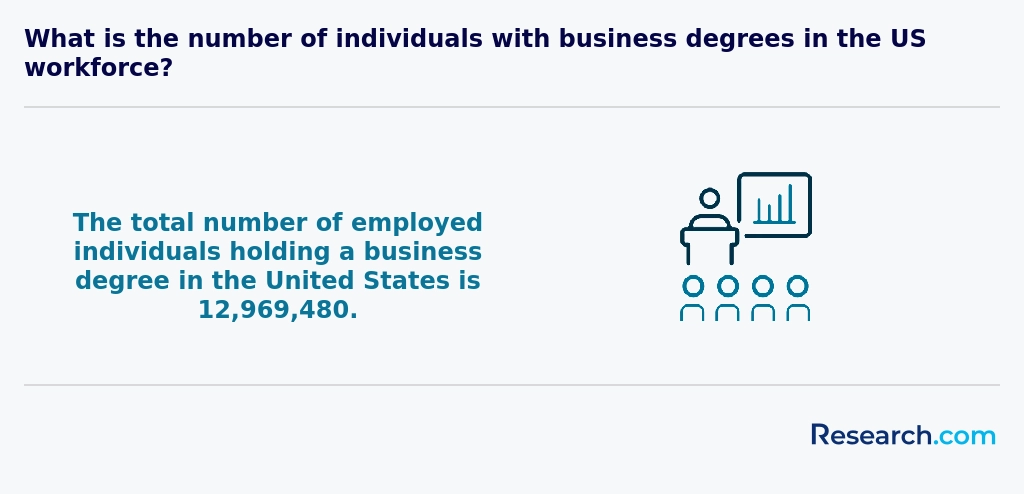
Many aspiring business professionals can greatly benefit from implementing proven strategies to maximize their academic and career achievements. Industry experts emphasize the importance of actively engaging with faculty, leveraging career services, and seeking out mentorship opportunities as early as possible. By establishing strong connections within the business community, students not only enhance their learning experience but also open doors to internships and post-graduate employment opportunities. In addition to classroom learning, experts advise students to stay abreast of emerging trends through continuous education and participation in professional workshops. For example, engaging in real-world projects and case studies helps students bridge the gap between theory and practice. Furthermore, taking advantage of networking events and alumni associations can provide invaluable insights into the latest industry developments and best practices, ultimately shaping a robust professional trajectory-especially when exploring career paths with business administration degree. Finally, setting clear long-term goals and periodically reassessing them can lead to better academic planning and career decisions. This proactive approach not only builds confidence but also reinforces the ability to adapt to the dynamic business landscape, ensuring that the investment in education yields substantial returns over time.
Students at Auburn's renowned business schools often find themselves immersed in foundational courses like Principles of Management and Financial Accounting, which provide a hands-on look at handling real-life organizational challenges and financial statements. Graduates recall how Marketing Fundamentals classes sparked their curiosity by connecting textbook theories with local business case studies, making the material feel immediate and relevant.
As coursework advances, students dive into finance-heavy subjects such as Corporate Finance and Investment Analysis, where they develop sharp decision-making skills through simulations resembling real market conditions. Business Law classes open a window into the legal complexities professionals regularly navigate, reinforcing the importance of compliance in Alabama's business environment.
Many recall strategic management projects demanding creative solutions to supply chain issues, much like those faced by manufacturers in Auburn's economic landscape. Communication-focused classes shine in cultivating leadership and teamwork-skills graduates emphasize as vital when collaborating in today's dynamic workplace.
Electives empower students to explore entrepreneurship and international business, reflecting Auburn's blend of local roots and global ambitions, making the curriculum not just educational but deeply motivating and practical.
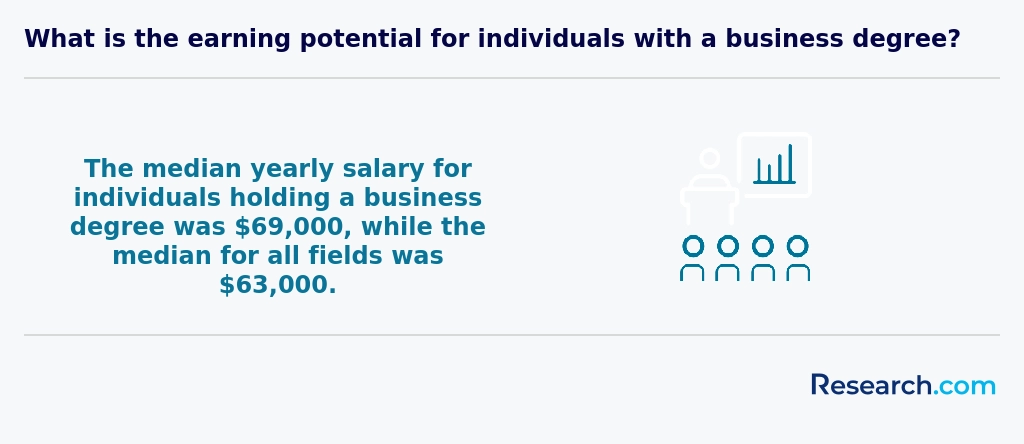
Choosing a business degree specialization in Auburn often means navigating beyond the typical fields like finance or marketing. Graduates from Auburn's well-regarded universities reflect on how diving into specializations such as supply chain management or accounting opened doors directly linked to regional economic strengths. The influx of small and medium-sized enterprises in Auburn adds a unique flavor to management studies, allowing students to experience real-world leadership challenges that traditional textbooks rarely capture.
Consider finance students who connect their coursework to local banking networks, transforming abstract investment theories into actionable strategies. Marketing majors engage with Auburn's vibrant retail landscape, making digital campaigns resonate in ways textbooks don't fully explain. These firsthand experiences highlight the varied perspectives business students gain, affirming why exploring diverse business degree specializations in Auburn Alabama sharpens one's edge in competitive markets.
For those curious about pathways that translate to high-paying business jobs, the broad spectrum of specializations underscores Auburn's commitment to preparing graduates who don't just follow trends - they create them.
Choosing the best business degree in Auburn means looking beyond mere rankings and tuition figures. Graduates from Auburn University's Harbert College of Business often reflect on how the AACSB accreditation elevated their resume, opening doors in local industries such as manufacturing and finance. Imagine attending classes in a thriving economic region where internships are not just an option but a pathway into meaningful employment.
Many students grapple with selecting a major. Does finance truly ignite your passion, or is marketing where your energy shines? Auburn's business degree programs excel in diverse concentrations, making it essential to deeply assess your interests against the program's strengths and faculty expertise. This reflection transforms your education from a checkbox into a purposeful journey.
Cost considerations also reshape choices for those seeking affordable Auburn business degree options. Keep in mind that the advertised tuition is only a part of the financial story; housing, books, and transport add layers. Exploring flexible learning formats and online classes can ease these burdens while enhancing your experience. For those curious about balancing investment and outcome, checking out mba salary potential might spark new perspectives.
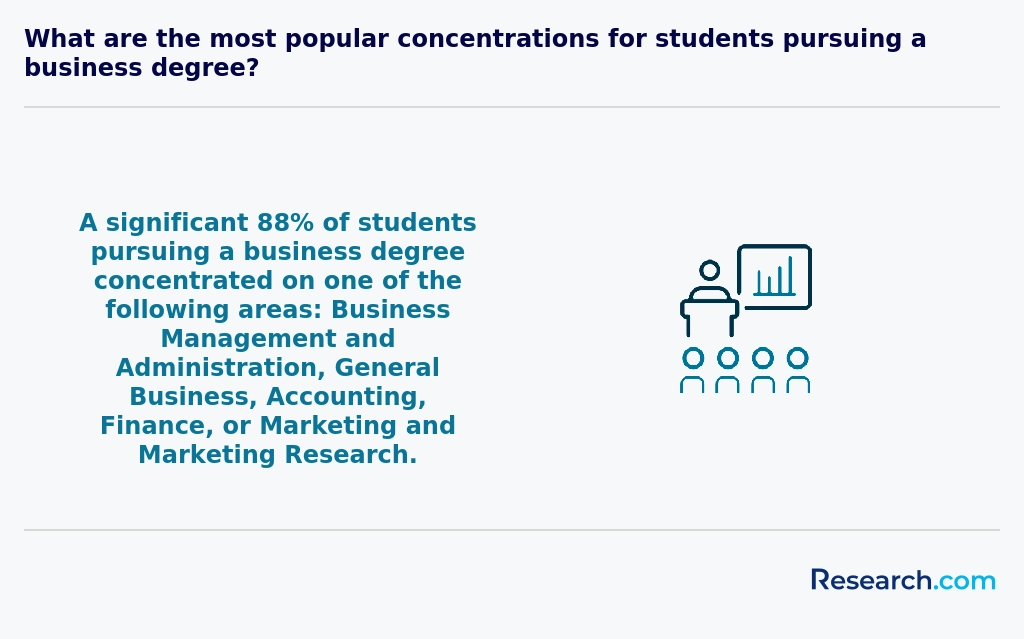
Business degree career options Auburn graduates pursue often defy traditional expectations, blending local industry strengths with broader ambitions. At Auburn's leading universities, graduates find themselves stepping confidently into roles like financial analyst, marketing coordinator, and operations manager, fueled by hands-on experiences and vibrant campus networks. These opportunities reflect Auburn's unique economy, where manufacturing giants and growing startups intersect, creating fertile ground for careers in supply chain management and entrepreneurship.
Graduates remark that the dynamic environment at Auburn's colleges encourages them to think beyond standard corporate paths, embracing roles that maximize creativity and innovation. The finance degree earnings potential remains a strong motivator, particularly as students witness firsthand the tangible impact of financial decisions in local businesses. This real-world immersion solidifies graduate confidence, transforming theoretical knowledge into career-ready skills.
Exploring job opportunities with Auburn business degree holders reveals thriving sectors such as human resources and sales management, where personal connections and alumni support prove invaluable. These career paths resonate deeply with students eager to carve out meaningful, resilient professional lives in Auburn's evolving marketplace.

Business graduates in Auburn find themselves at a distinct advantage within a dynamic job market shaped by strong local industries. The business degree job opportunities in Auburn extend across sectors like financial services, automotive manufacturing, and technology startups, all thriving thanks to the city's strategic location and economic diversity. Graduates from Auburn University frequently speak of leveraging internship programs and networking events that connect them with these flourishing industries, turning theoretical knowledge into tangible career growth.
The Auburn business degree employment outlook reveals salaries typically between $45,000 and $55,000 for entry-level positions, aligning well with national averages while promising upward mobility. These figures, paired with Auburn University's competitive tuition, make the city an attractive option for those seeking a affordable business school in Alabama. Graduates often describe a rewarding sense of opportunity as they transition into roles in retail management or financial analysis, encouraged by the region's 5-7% projected rise in business and financial jobs. This real-world scenario reflects a growing, relatable optimism among aspiring business professionals in Auburn.
2027 Best Business Degree Programs Ranking in Auburn
Investing in your education is a significant decision that can shape your future, and the Research.com team understands the importance of making informed choices. To assist prospective students in Auburn, we have meticulously crafted the "2027 Best Business Degree Programs Ranking in Auburn." Our commitment to quality, credibility, and accuracy is reflected in the extensive research and analysis conducted to compile this ranking.
We utilized the following reputable data sources to ensure a comprehensive evaluation of business degree programs:
By exploring this ranking, readers will gain valuable insights into the top business degree options available in Auburn, enabling them to make informed decisions about their academic and professional future. For more information on how the ranking was created, please visit our Research.com methodology page.

Frequently Asked Questions About business
Business degree students in Auburn can maximize their learning experience by engaging actively in both academic and practical opportunities. Auburn University offers numerous internships with local companies, allowing students to apply classroom knowledge in real-world settings. Research from the Auburn University Harbert College of Business highlights that over 70% of business students participate in internships, which greatly enhance job prospects after graduation.
Students should also take advantage of networking events and business-related student organizations, such as the Auburn Student Business Association. These groups build leadership skills and industry connections.
Finally, leveraging campus resources like career services and tutoring can support academic success and professional growth.
Emerging niches within the business field are shaping the future of education and employment in Auburn, reflecting broader U.S. trends. One notable area is data analytics and business intelligence, where companies seek professionals who can interpret large datasets to guide decision-making. According to the U.S. Bureau of Labor Statistics, jobs in this sector are expected to grow by 25% through 2031.
Another growing niche is sustainable and green business practices, driven by increasing environmental concerns. Auburn businesses are beginning to integrate sustainability strategies, requiring graduates with expertise in ethical management.
Additionally, e-commerce and digital marketing are expanding rapidly due to online retail growth. Auburn's local economy benefits from this trend, supporting demand for skills in social media, SEO, and digital advertising.
Lastly, entrepreneurship with a tech focus is gaining prominence, supported by Auburn's increasing startup activity and regional innovation initiatives. These niches offer new opportunities for business students interested in future-proof careers.
Preparing for the job market after earning a business degree in Auburn involves multiple strategic steps. Networking through Auburn University's career fairs and local business events offers valuable connections in the region's growing sectors such as manufacturing and finance. According to the Alabama Department of Labor, business-related roles in Auburn have seen a steady 3% annual growth over the past five years.
Internships remain crucial; many Auburn programs encourage or require them to provide hands-on experience and build professional contacts. Developing strong communication, analytical, and digital skills enhances employability in competitive markets.
Graduates should also consider leveraging Auburn's career services, which offer resume workshops and interview preparation tailored to current employer needs in the Southeast United States.
Employers in Auburn highly value business degree graduates who demonstrate strong communication and analytical skills. According to the Auburn Chamber of Commerce, 78% of local employers prioritize candidates with proficiency in data analysis and problem-solving.
Leadership and teamwork abilities are also critical, as many Auburn businesses operate in collaborative environments requiring effective project management. The U.S. Bureau of Labor Statistics emphasizes that employers seek graduates who can adapt quickly and think strategically in changing markets.
Technical skills, particularly familiarity with financial software and Microsoft Excel, are increasingly important. Overall, a combination of interpersonal, analytical, and technical competencies improves job prospects for Auburn business graduates.
Finding internships in Auburn relevant to a business degree involves several practical steps. Start by exploring opportunities offered through Auburn University's Harbert College of Business, which features a dedicated Career Center connecting students with regional employers. According to the National Association of Colleges and Employers (NACE), internships can significantly increase job prospects after graduation.
Local companies, including manufacturing, finance, and tech firms, often recruit interns to gain hands-on experience. Websites like Handshake and LinkedIn are valuable for Auburn students to find listings tailored to their skills and interests. Networking events and business-focused student organizations can also provide internship leads.
In Auburn, earning a business degree significantly enhances career mobility and advancement opportunities. According to the U.S. Bureau of Labor Statistics, business-related roles such as management analysts and financial managers are projected to grow faster than average through 2030, particularly in Alabama's growing economic hubs like Auburn. A business degree provides essential skills in leadership, communication, and strategic thinking, which employers in Auburn's diverse industries-ranging from manufacturing to technology-highly value.
Graduates from local institutions often benefit from Auburn's strong alumni networks and partnerships with regional employers, aiding job placement and career progression. Data from the Alabama Department of Commerce reveals that professionals with business degrees in Auburn commonly experience salary increases and quicker promotions compared to non-degree counterparts.
Studying for a business degree in Auburn equips students with skills that extend beyond traditional business disciplines, preparing them for interdisciplinary roles. Many Auburn programs integrate coursework in areas such as economics, information technology, and communications, enabling students to connect business principles with other fields.
For example, Auburn University's Harbert College of Business offers opportunities to learn data analytics and supply chain management, which are vital in multiple industries. According to Auburn's institutional data, over 40% of business graduates engage in interdisciplinary projects during their studies, enhancing problem-solving abilities.
This multifaceted training aligns with workforce trends requiring professionals to collaborate across departments, thus boosting employability in diverse sectors.
Choosing between a thesis and a non-thesis business degree program in Auburn depends on your career goals and learning preferences. A thesis track typically suits students aiming for research roles, doctoral studies, or specialized fields. It involves conducting original research and writing a detailed paper, which can enhance critical thinking and analytical skills.
The non-thesis option generally focuses on coursework and practical experience, appealing to those seeking immediate entry into the workforce or managerial roles. Students often complete internships or capstone projects instead of a formal thesis.
At Auburn University, business programs offer both tracks, with the thesis path requiring roughly 6-9 additional credit hours of research, according to the university's graduate catalog. Local economic data from Auburn's Chamber of Commerce indicates strong demand for practical business skills, supporting the popularity of non-thesis programs among professionals.
Ultimately, selecting a format aligned with your career plans and learning style is essential.
Students in Auburn seeking to study business abroad have access to multiple opportunities through partnerships and exchange programs. Auburn University, a key institution in the region, offers programs that allow students to spend a semester or full year at international partner schools in Europe, Asia, and Latin America.
These programs typically involve institutions accredited similarly to Auburn's Harbert College of Business, ensuring transferability of credits. According to the university's 2023 study abroad report, about 10% of business students participate in such programs annually.
Additionally, students can explore internships abroad with global companies facilitated by university career services, providing valuable international experience alongside academic coursework.
Students pursuing business degrees in Auburn have access to various part-time job opportunities that align well with their academic goals. Positions in local banks, such as Auburn Bank, offer practical experience in finance, customer service, and management. According to the Auburn Chamber of Commerce, retail management roles within stores in the Tiger Town area provide valuable insights into operations and sales strategies.
Additionally, internships or assistant roles at Auburn's small businesses give hands-on exposure to marketing, accounting, and entrepreneurship. The growing downtown district features companies seeking part-time staff for project management and business analysis support. Working in these roles not only supports financial needs but also enhances resumes with skills sought by employers nationwide.
Business students in Auburn benefit from multiple networking opportunities designed to connect them with local and regional professionals. The Auburn University Harbert College of Business, one of the key institutions in the area, offers career fairs and industry-specific mixers that frequently attract employers from Alabama's thriving manufacturing, finance, and technology sectors.
Student organizations such as the Auburn Business Club and the Beta Gamma Sigma honor society provide forums for leadership development and peer networking. Additionally, Auburn's proximity to the Columbus metropolitan area offers access to chamber of commerce events and entrepreneurial meetups.
According to the National Association of Colleges and Employers, over 85% of Auburn business graduates secured internships through on-campus recruiting events, highlighting the strength of these connections.
Alumni networks provide valuable support to business degree students in Auburn by offering access to a broad community of professionals who have graduated from local institutions. These networks facilitate mentorship opportunities, career guidance, and potential job placements, which are crucial for emerging professionals in the competitive business field. According to the Auburn Chamber of Commerce, 68% of recent business graduates found jobs through connections made via alumni relations.
Strong alumni ties often lead to internships and real-world project collaborations, enhancing practical experience. Networking events hosted by Auburn's business schools also allow students to build relationships with successful alumni working in industries such as finance, marketing, and entrepreneurship.
The availability of alumni resources encourages knowledge-sharing and professional growth, helping students transition smoothly into the workforce.
Students pursuing business degrees in Auburn have various options to customize their programs to align with their career goals. Many institutions offer flexible curricula that allow choosing concentrations such as finance, marketing, supply chain management, or entrepreneurship. Elective courses and internship opportunities with local industries enhance practical skills. Auburn's proximity to a growing business environment, supported by the Auburn Chamber of Commerce, offers valuable networking.
Advisors and faculty often guide students in selecting courses tailored to regional job markets, which include manufacturing and automotive sectors. Additionally, some programs incorporate project-based learning, helping students apply theory to real-world problems.
Business students in Auburn often face challenges balancing rigorous coursework with extracurricular commitments. Many report difficulty managing time effectively due to demanding schedules that include internships, networking events, and group projects. According to the National Survey of Student Engagement, nearly 40% of business undergraduates nationwide experience stress related to workload, a trend also common in Auburn's universities.
Another challenge is adapting to rapidly changing business technologies. Students must stay current with software like Excel, Tableau, and CRM platforms to remain competitive. Access to updated resources can sometimes be limited by campus budgets.
Additionally, Auburn students encounter competitive environments when seeking internships in local industries, which can impact practical learning and post-graduate employment. Those pursuing specialties such as finance or marketing may find it especially difficult due to fewer local opportunities compared to major metropolitan areas.
A business degree from Auburn prepares students for various professional certifications that can enhance career opportunities. Popular certifications include the Certified Public Accountant (CPA) for accounting professionals, requiring passing the Uniform CPA Exam and meeting state experience requirements. Another widely recognized credential is the Project Management Professional (PMP), valued across industries for skills in managing complex projects. The Certified Management Accountant (CMA) credential focuses on financial management and strategic assessment, often pursued by business graduates. Additionally, the Chartered Financial Analyst (CFA) certification appeals to those interested in investment and finance roles. Auburn's strong business network supports access to these certifications through local resources.
Writing a winning application for a business program in Auburn requires careful preparation. Start by clearly demonstrating your academic achievements, including your GPA and relevant coursework. Auburn University, for example, values a strong foundation in quantitative skills like math and economics, essential for business studies.
Highlight practical experience such as internships or work in local businesses, which show your commitment and real-world understanding. Auburn's business programs often look for candidates who can connect theory to practice.
Craft a compelling personal statement that explains your career goals and why Auburn's business program fits your ambitions. Be concise, focused, and specific.
Finally, secure strong recommendation letters from professors or employers who know your potential in business fields.
Global perspectives on a business career emphasize adaptability and cultural awareness. For students in Auburn pursuing business degrees, understanding international markets is vital. The U.S. Bureau of Labor Statistics notes that global trade and technology increasingly shape business roles, requiring skills beyond local practices.
Business programs in Auburn often include coursework on international business strategies, preparing graduates for diverse environments. According to Auburn University's Harbert College of Business, employers seek candidates proficient in cross-cultural communication and global economic trends.
Emerging fields like sustainable business and digital transformation reflect worldwide priorities, influencing curriculum and career opportunities regionally and beyond.
Students pursuing a business degree in Auburn can gain practical experience through internships offered by local companies, including branches of major firms and startups. Auburn's strong ties with industries such as manufacturing and finance provide varied opportunities for hands-on learning. Internships often count toward course credit, helping students apply classroom theory to real-world challenges.
Additionally, many Auburn universities host student-run business organizations and consulting projects. These enable participants to work on live cases, develop business plans, and engage with community clients. According to the Auburn Chamber of Commerce, over 60% of business students secure internships before graduation.
Career services also promote networking events and job fairs connecting students with employers, enhancing practical skill-building during degree programs.
Choosing the right concentration within a business degree program in Auburn involves evaluating your career goals, personal interests, and local job market trends. Popular concentrations include finance, marketing, management, and logistics, reflecting Auburn's strong ties to industries such as manufacturing, transportation, and technology. According to the Auburn Chamber of Commerce, sectors like logistics and supply chain management are growing steadily in the region, which may influence your decision. Additionally, reviewing curriculum details and internship opportunities offered by Auburn-area universities can help align your education with practical experience. Consulting academic advisors and industry professionals is also beneficial for informed choices.
- 2027 Best Business Degree Programs Ranking in Montgomery
- 2027 Best Business Degree Programs Ranking in Birmingham
- 2027 Best Business Degree Programs Ranking in Macon
- 2027 Best Business Degree Programs Ranking in Mobile
- 2027 Best Business Degree Programs Ranking in Savannah
- 2027 Best Business Degree Programs Ranking in Gainesville
- 2027 Best Business Degree Programs Ranking in New Orleans
- 2027 Best Business Degree Programs Ranking in Baton Rouge
- 2027 Best Business Degree Programs Ranking in Orlando
- 2027 Best Business Degree Programs Ranking in Lakeland
See What Experts Have To Say About Studying Business
Read our interview with Business experts

Ingrid S. Greene
Business Expert
Clinical Assistant Professor of Management
Loyola Marymount University


David Souder
Business Expert
Senior Associate Dean for Faculty and Research
Michigan State University

- Professional Business Certifications to Boost Your Career in 2025 https://www.business.com/articles/best-business-certifications/
- 3 reasons why Auburn business graduates stand out to employers | Bham Now https://bhamnow.com/2025/01/29/3-reasons-why-auburn-business-graduates-stand-out-to-employers/
- BUSINESS MANAGEMENT ENGLISH (THESIS / NON-THESIS) - Lisansüstü Eğitim Enstitüsü https://lee.nisantasi.edu.tr/en/business-management-english-thesis-non-thesis/
- Business degree: What to study and how to find a job https://brive.com/blog/studies/business-degree-guide-to-study-and-find-a-job/
- A 2016 Global Perspective on Business and Career Planning https://careerproinc.com/blogging/a-2016-global-perspective-on-business-and-career
- How to Use Your MBA for Career Growth While You’re Still Studying - International Career Institute USA https://icieducation.com/blog/how-to-use-your-mba-for-career-growth-while-youre-still-studying/
- 7 Practical Graduate Business Certificates to Round Out Your Resume https://www.umassglobal.edu/blog-news/7-practical-graduate-business-certificates-round-out-your-resume
- How to Find a Job with an International Business Degree - Hunter Recruiting https://www.hirecruiting.com/newsroom/how-to-find-a-job-with-an-international-business-degree/
- Enterprise project challenge https://barclayslifeskills.com/help-others/lessons/enterprise-project-challenge/
- Jobs after studying business administration: opportunities at a glance | JobTeaser https://www.jobteaser.com/en/advices/jobs-after-studying-business-administration-opportunities-at-a-glance


