
2027 Best Business Degree Programs Ranking in Alabama

Co-Founder and Chief Data Scientist
Choosing the right business degree program is a big step toward a successful career. For students in Alabama, finding the best fit can feel overwhelming.
This article presents the 2027 Best Business Degree Programs Ranking in Alabama, developed by the Research.com team of data scientists. Their careful analysis helps you identify programs that offer strong education and valuable opportunities.
By exploring this ranking, you'll gain insights that support smart decisions and open doors to rewarding futures in business.
Investing in your education today creates possibilities for tomorrow.
Key benefits of getting business degree in Alabama
- Business degree graduates in Alabama can expect competitive salaries, with Business Analysts earning a mean annual wage of $112,950 and Business Development Executives making around $83,190 annually, reflecting strong earning potential.
- A business graduate from the University of Alabama might pursue diverse career paths such as marketing, finance, or management, offering exciting opportunities to grow in dynamic industries.
- Completing a business degree online from universities like Auburn University provides flexibility and convenience, allowing students to balance work and study while gaining valuable skills from a respected institution.
- 2027 Best Business Degree Programs Ranking in Alabama
- What can I expect from business degree in Alabama?
- Where can I work with business degree in Alabama?
What can I expect from business degree in Alabama?
The average cost of earning a business degree in Alabama varies significantly depending on the type of institution you choose. Public universities like the University of Alabama at Birmingham offer in-state tuition rates that are much more affordable, often making it feasible for local students to manage costs without excessive debt. Graduates from these schools often share that the reasonable tuition, combined with scholarships and financial aid packages, helped them focus on gaining practical experience through internships instead of worrying about finances.
Conversely, private universities in Alabama typically come with higher tuition fees but provide enhanced networking opportunities and access to tailored career services. Business graduates from such programs frequently mention how these connections eased their transition into roles in finance or tech sectors thriving in Alabama's economy. For working adults, many institutions offer flexible online or hybrid programs, which can reduce indirect costs like commuting and allow students to continue earning while they study.
Ultimately, by exploring both public and private options and applying for scholarships designed specifically for business students, prospective learners in Alabama can find financial paths that align with their goals and circumstances, turning their business education into a valuable investment in their future.
Where can I work with business degree in Alabama?
Graduates with a business degree in Alabama often find rewarding roles in Birmingham's thriving financial sector, including at firms like Regions Financial Corporation. Many from the University of Alabama at Birmingham (UAB) share how internships in banking or financial analysis paved the way for positions as loan officers or marketing managers. These roles leverage both technical skills and personal relationships, offering a dynamic work environment.
Manufacturing cities like Huntsville attract business graduates into operations and supply chain management at major automotive plants such as Mercedes-Benz and Honda. Auburn University graduates frequently highlight leadership roles in logistics, where problem-solving and organizational abilities are essential.
Healthcare business roles are expanding too. Business graduates often join hospital administration teams at UAB Medicine or Baptist Health, managing budgets and medical supply chains. Practical experience during studies opens doors to these settings where business acumen directly improves patient care services.
State and local government agencies also provide career paths in budgeting and program management, with practical projects through universities like Samford University supporting these transitions.
Entrepreneurship flourishes in Alabama's startup hubs, especially for graduates keen to launch ventures in Birmingham or Huntsville, leveraging support from local economic development programs.
Graduates with a business degree in Alabama often find diverse salary opportunities depending on their chosen career path. For example, a Business Development Executive earns a mean annual wage of about $83,190, reflecting a solid entry into managerial roles. Business Analysts, especially those who graduated from well-known programs at universities like the University of Alabama or Auburn University, report mean annual wages near $112,950, highlighting the benefits of specialized skills in data-driven decision-making and strategy.
Many graduates share positive experiences of landing these roles shortly after completing internships during their studies, which help them apply classroom knowledge in real-world contexts. Starting salaries for business roles in Alabama typically range from $45,000 to $55,000, but advancing to positions like Business Analyst or Business Development Executive can boost income significantly.
Alabama's lower cost of living enhances the value of these wages. Graduates find that even salaries in the $80,000 range afford a comfortable lifestyle in cities like Birmingham or Huntsville. Leveraging business degrees from respected Alabama colleges unlocks these opportunities, with practical internships and networking often key to securing higher-paying positions.
- In-state tuition at public universities for business degrees in Alabama ranges from $10,000 to $12,000 per year, while private schools often charge over $20,000 annually.
- Entry-level salaries for business graduates in Alabama typically range between $45,000 and $55,000 depending on the field and location.
- Experienced business professionals can expect salaries to increase to between $70,000 and $90,000 within five to ten years after graduation.
- Major cities like Birmingham, Huntsville, and Mobile offer many job opportunities in sectors such as banking, aerospace, manufacturing, and healthcare management.
- Accredited business schools in Alabama are available, with some recognized regionally and nationally for their quality programs and internship options.
Completing a business degree in Alabama usually takes about four years for full-time students attending universities like the University of Alabama or Auburn University. Many graduates find this timeline manageable as it balances general education and focused business courses efficiently. For example, students often share how spreading coursework over eight consecutive semesters made their journey steady and rewarding.
Community colleges such as Jefferson State offer associate degrees in business that can be completed in roughly two years. These options are ideal for those seeking a cost-effective and quicker start in the field or planning to transfer credits toward a bachelor's degree later.
Accelerated programs in Alabama are increasingly popular among motivated students who want to finish sooner. Taking summer classes and heavier course loads allows completion in less than four years, saving both time and tuition expenses.
Part-time students, juggling work or family, may need five to six years, but many appreciate the flexibility of online or evening classes offered by local institutions to fit their busy lives.
Choosing between an online and on-campus business degree in Alabama depends largely on your lifestyle and goals. Online programs, popular among working professionals, offer flexibility to complete courses from anywhere, making it easier to balance family or job commitments. Graduates from online tracks at universities like the University of Alabama appreciate the freedom, yet emphasize the need for self-discipline and effective time management to stay on track.
In contrast, on-campus students at places such as Auburn University benefit from face-to-face interactions with professors and peers, which many find invaluable for networking and receiving immediate feedback. These students often enjoy hands-on experiences through career fairs and industry partnerships available on campus, fostering confidence for real-world business environments.
Cost is also a practical factor. Online degrees in Alabama can reduce expenses related to commuting and housing, while still providing a comparable curriculum in core business disciplines. Graduates from both pathways report that local employers increasingly value accredited online degrees equally, as long as students engage fully with their chosen format.
To navigate the complex landscape of business education in Alabama, prospective students must consider several key factors, including the cost of attendance, available financial aid, and potential return on investment. One crucial aspect to evaluate is the affordability of business degree programs, as it directly impacts the student's financial stability and career prospects. For instance, students can explore options like an affordable business school in Alabama, which can offer a high-quality education at a lower cost. By comparing the tuition fees, additional costs, and financial aid packages offered by different institutions, students can make informed decisions about their educational investment. Moreover, understanding the potential salaries and job market demand for business graduates in Alabama can help students assess the long-term value of their degree and make strategic choices about their career paths. Ultimately, finding a balance between affordability, quality, and potential return on investment is essential for students pursuing a business degree in Alabama.
The average cost of a business degree in Alabama is approximately $34,930 in total, with in-state students typically paying closer to $12,156. This makes public universities in Alabama an attractive option for those looking to minimize expenses while gaining a quality education. Graduates from well-known schools recall that careful budgeting allowed them to manage tuition, housing, and additional fees without excessive debt.
Many students find that attending local public institutions offers the best balance of affordability and opportunity. Beyond tuition, there are costs such as books, technology fees, and living expenses that can add around $10,000 per year. Graduates often recommend exploring scholarships and financial aid early, as these options significantly reduce the burden. The average cost information can help students realistically assess their finances for earning a business degree in Alabama.
Private universities typically have higher tuition, but they also offer more scholarships and financial aid packages that can make a difference. When planning expenses, factoring in these possibilities is essential. Students who researched and applied to multiple sources of aid felt more confident and optimistic about managing their educational investment.
For those searching for an affordable business degree in Alabama, exploring options thoroughly is key. Consider the public school system's value and the potential benefits of scholarships. You might find excellent choices by visiting affordable business school in Alabama listings to compare costs and programs before committing.

Alabama’s top business degree programs distinguish themselves by integrating hands-on experience directly into the curriculum, ensuring graduates enter the workforce with practical skills and industry connections. Many universities partner with local corporations, nonprofits, and startups to offer structured internships, consulting projects, and capstone courses that mirror real business challenges. Key experiential components include:
- Semester-long internships with companies in Birmingham, Huntsville, and Mobile, allowing students to apply classroom theory to marketing campaigns, financial analysis, or supply-chain logistics.
- Capstone consulting projects at the Culverhouse College of Business, where teams advise real clients on growth strategies, risk management, and digital transformation.
- Entrepreneurial incubators at Auburn University that provide seed funding, mentorship, and workspace for student-led ventures.
- The Samford University Business Clinic, which offers pro-bono advisory services to small businesses across Alabama, sharpening students’ problem-solving and client-management skills.
- Immersive academic travel programs that expose students to international markets and cross-cultural negotiation, preparing them for global careers. These immersive experiences not only boost resumes but also foster professional networks-often leading to full-time job offers upon graduation. For ambitious students seeking accelerated advancement, many alumni seamlessly transition into short mba programs immediately after completing their undergraduate degree, leveraging their practical insights and internship contacts to excel in condensed graduate curricula.
Students pursuing business degrees in Alabama can access a variety of financial aid options to help manage costs, which often range from $10,000 to $12,000 annually at public universities. Many graduates recall how Pell Grants, offering up to $7,500 per year, significantly eased their financial burdens, allowing them to focus more on coursework at schools like the University of Alabama's Culverhouse College of Business.
State-funded aid, such as the Alabama Student Assistance Program (ASAP), provides grants specifically to Alabama residents, often prioritizing business majors. High-achieving students often capitalize on the Academic Scholarship Program, which rewards strong GPA and ACT/SAT scores with renewable scholarships, lessening loan reliance.
Additionally, business schools frequently offer scholarships based on merit, leadership, or community service. Graduates have shared how these awards, sometimes covering thousands of dollars, made a tangible difference during their studies.
Work-study roles and internships on or near campuses supply not only income but valuable business experience, a dual benefit widely appreciated by former students striving to build strong resumes before graduation.
Understanding the return on investment (ROI) for a Business degree in Alabama means weighing total program costs-tuition, fees, and living expenses-against expected post-graduate earnings. With average in-state tuition around $12,000 per year and a four-year sticker price of approximately $60,000 (including room, board, and mandatory fees), graduates entering roles such as Project Manager (median salary $80,220) can expect to break even in about 5 years. Business Analysts, earning a median $108,790, often recoup their investment in as little as 4 years, even when assuming average student debt of $30,000. Maximizing ROI also involves leveraging internships, career services, and industry partnerships. Alabama universities frequently partner with local businesses in Birmingham, Huntsville, and Mobile to offer paid internships that both offset tuition costs and accelerate employment. For students considering flexible, cost-effective online alternatives, comparing in-state ROI with programs elsewhere can be enlightening-explore the Most Affordable Online Business Degree Programs Ranking in Miami, FL to identify strategies for reducing educational expenses while maintaining strong career outcomes.
To enroll in a business degree program in Alabama, you need a high school diploma or GED, which all universities like the University of Alabama and Auburn University require. Successful applicants often share that submitting strong high school transcripts, especially with solid math and English grades, sets them apart. Many schools ask for SAT or ACT scores, though some have adopted test-optional policies recently - checking the current requirements on the school's website is crucial to avoid surprises.
Graduates from Auburn recall that demonstrating quantitative skills through prior coursework in economics or computer science helped their applications. Some programs also request letters of recommendation or personal statements, which offer a chance to express your passion for business and career goals.
For transfer students, formal articulation agreements between Alabama community colleges and four-year institutions ease credit transfer, saving time and money. Additionally, programs like the MBA might ask for relevant work experience or a competitive GPA, so planning early helps you meet these criteria confidently.

Students pursuing business degrees in Alabama typically start with foundational courses like principles of management, financial accounting, and business statistics. These classes build essential skills that graduates from universities such as the University of Alabama consistently find valuable for understanding basic business operations and financial tracking.
As they progress, many benefit from courses in organizational behavior and marketing principles, which prepare them to handle team dynamics and develop customer-focused strategies. Graduates often share how these classes helped them confidently manage real group projects and internships.
Courses in corporate finance and business ethics are common, teaching learners how to manage company resources wisely while making decisions aligned with ethical standards. This combination equips students from colleges like Auburn University with the practical skills needed for industries in Alabama's growing economy.
Operations management and strategic management classes give students experience optimizing workflows and planning long-term goals, skills praised by those who completed capstone projects tied to local businesses.
Business students in Alabama can select from various specializations that match both local economic strengths and national trends. Popular focuses include accounting, where graduates learn financial reporting and tax preparation and find rewarding careers with a median wage around $65,000. Finance is another top choice, emphasizing investment analysis and corporate finance, ideal for those targeting Alabama's growing banking and insurance sectors. Marketing students develop skills in digital marketing and brand management, perfectly suited for Alabama's expanding online economy. Management programs teach leadership and strategic planning, essential for roles in industries like manufacturing and healthcare found across the state. Supply chain and logistics specialization aligns with Alabama's strong automotive and aerospace industries, offering hands-on knowledge in operations and distribution. Entrepreneurship programs encourage innovation and small business growth, reflecting the fact that over 98% of Alabama businesses are small enterprises. Those exploring the easiest business degrees in Alabama might appreciate the accessible pathways offered by institutions like the University of Alabama and Auburn University; one can learn more about easiest business degrees.
Choosing a specialization from Alabama business degree concentration options helps students focus their skills on thriving sectors, boosting their career confidence and job prospects after graduation.
When choosing the best business degree in Alabama, first focus on accreditation to ensure quality education. Graduates from universities like The University of Alabama often praise AACSB-accredited programs for their rigorous curriculum and strong employer recognition. Selecting a program with relevant specializations, such as finance or marketing, can significantly boost your career readiness.
Look for affordable business colleges in Alabama offering in-state tuition near $10,000, which helps manage costs without sacrificing education quality. Many students find value in schools that provide internships or local company partnerships, especially in cities like Birmingham or Huntsville, where the business market is growing fast.
Consider delivery formats that fit your lifestyle; online and hybrid options offer flexibility for working professionals. Graduates suggest exploring career services and networking opportunities, which can make a real difference in job placement. For those wanting to advance quickly, examining short mba programs is a practical strategy to enter the workforce sooner.
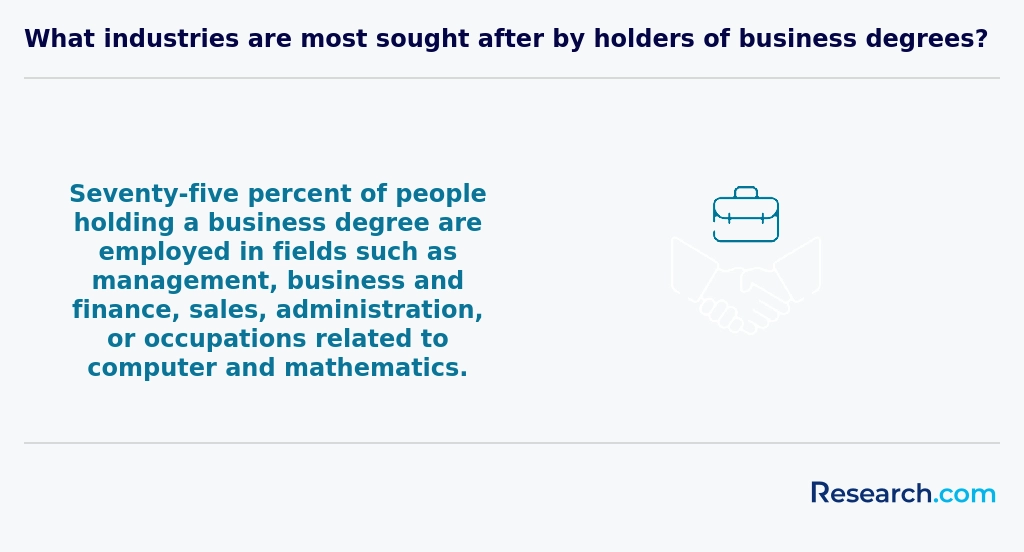
Graduates with a business degree in Alabama find diverse career paths that match their skills and interests. Opportunities span management, marketing, finance, accounting, and human resources - all sectors thriving in Alabama's evolving economy. For instance, graduates from well-known programs at the University of Alabama or Auburn University often secure positions as business managers or operations supervisors in manufacturing or healthcare companies statewide.
Marketing roles are especially promising, with an emphasis on digital and data-driven strategies. Business students sharpen their skills through internships in Birmingham's retail hubs, gaining real-world experience in brand development and customer engagement. These practical experiences help create a competitive edge in Alabama's job market where business degree career opportunities in Alabama are steadily expanding.
Finance careers are abundant in Birmingham's financial district, where many graduates start as financial analysts or accountants. The practical approach to education at these institutions ensures students are job-ready, often leading to roles offering salaries aligned with Alabama's cost of living. Entrepreneurship also appeals to business graduates, many benefiting from local business incubators and support initiatives tailored for startups. For those considering accessible education options, the Most Affordable Online Business Degree Programs Ranking in Miami, FL offers valuable insights to balance cost and career goals.
Human resources specialists also enjoy strong demand, facilitating key functions like recruitment and employee training across diverse Alabama businesses. Overall, the Alabama business degree job prospects empower graduates to build rewarding professional careers with tangible regional benefits.
The business degree jobs in Alabama continue to expand thanks to the state's diverse economy and strong corporate presence. Graduates from well-known schools like the University of Alabama and Auburn University often find rewarding roles in industries such as manufacturing, finance, and healthcare. Many share positive experiences of landing internships through university partnerships with companies in Birmingham, Huntsville, and Montgomery, which significantly boosts their job prospects.
In Alabama's competitive job market, hands-on experience and local networking are essential. Business graduates frequently highlight how involvement in campus organizations and local Chambers of Commerce events helped them connect with employers eager for skilled professionals. For those balancing work and study, programs including sought-after one year masters programs online provide flexible paths to enhance skills and enter the workforce faster.
The Alabama business degree job market rewards candidates with practical knowledge in supply chain management, marketing, and finance. Salaries remain competitive regionally, with many graduates reporting satisfaction in securing positions that offer growth and stability within the state's thriving sectors.
2027 Best Business Degree Programs Ranking in Alabama
Investing in your education is a significant decision that can profoundly impact your career and future. The Research.com team recognizes the importance of making well-informed choices when selecting a business degree program. To provide prospective students in Alabama with a trustworthy and accurate resource, we have carefully developed the "2027 Best Business Degree Programs Ranking in Alabama." Our dedication to quality, credibility, and precision is demonstrated through thorough research and rigorous analysis.
We utilized the following reputable data sources to ensure a comprehensive evaluation of business programs:
By exploring this ranking, readers will gain valuable insights into Alabama's top business degree programs, enabling them to make confident and informed decisions about their educational paths. For a detailed explanation of our process, please visit our Research.com methodology page.


Frequently Asked Questions About business
Business degree students in Alabama can maximize their learning experience by combining academic study with practical opportunities. Many universities, such as the University of Alabama and Auburn University, offer strong internship programs that connect students with local industries, including manufacturing, healthcare, and finance-key economic sectors in the state.
Engaging in internships helps students apply classroom knowledge in real-world settings and build professional networks. According to the Alabama Department of Commerce, business services contribute significantly to the state's economy, creating ample job prospects for graduates.
Additionally, students should participate in business clubs, case competitions, and networking events to enhance leadership and teamwork skills. Utilizing campus career centers for resume reviews and job placement support also improves career readiness in Alabama's competitive market.
The business field in Alabama is evolving, with several emerging niches gaining attention among students and professionals. One key area is digital marketing, driven by increased internet use and e-commerce growth statewide. According to the Alabama Department of Labor, jobs in marketing analytics and social media management have grown by over 12% in recent years.
Another promising niche is supply chain management. With Alabama's strong manufacturing and automotive industries, expertise in logistics and operations management is increasingly sought after. The state's ports and distribution centers contribute to rising demand in this sector.
Financial technology (FinTech) is also expanding, supported by Alabama's emerging tech hubs. Students focusing on data analysis and cybersecurity within finance will find growing opportunities. As noted by the Alabama Technology Council, FinTech startups have increased by 18% in recent years.
Preparing for the job market after completing a business degree in Alabama involves a strategic approach. Graduates should focus on gaining practical experience through internships or co-op programs offered by many Alabama universities. These opportunities help build valuable skills and professional networks.
It is also essential to develop proficiency in key areas such as data analysis, financial modeling, and digital marketing, which are highly sought in Alabama's growing sectors like finance and healthcare. According to the Alabama Department of Labor, business-related occupations in the state are projected to grow by 8% through 2030.
Additionally, students should engage with career services and attend job fairs, often hosted by institutions or local chambers of commerce. Networking with alumni and local business leaders can provide insights into regional market trends and job openings. Continuous learning through certifications can also enhance employability in competitive fields.
Employers in Alabama prioritize a combination of technical and interpersonal skills when hiring business degree graduates. According to the Alabama Department of Labor, strong communication skills are essential, enabling graduates to effectively collaborate with colleagues and clients across diverse industries.
Analytical abilities also rank high, as companies increasingly rely on data-driven decision-making. Proficiency in financial literacy and understanding business operations are crucial for roles in Alabama's key sectors, including manufacturing and finance.
Additionally, employers look for adaptability and problem-solving skills, reflecting the dynamic nature of Alabama's regional economy. Leadership experience and teamwork are often highlighted in job postings, emphasizing graduates' readiness for management roles.
Finding internships in Alabama relevant to a business degree involves several practical steps. Start by exploring partnerships between Alabama universities and local businesses, as many schools maintain internship programs with companies in Birmingham, Huntsville, and Montgomery. The Alabama Department of Commerce notes that industries such as finance, manufacturing, and technology offer growing internship opportunities.
Use university career centers, which often list internships specifically for business students and provide resume assistance. Online platforms like Handshake and Symplicity are used by many Alabama colleges to connect students with employers.
Networking through local chambers of commerce or business associations, such as the Birmingham Business Alliance, can also help discover roles not advertised publicly.
In Alabama, earning a business degree significantly enhances career mobility and opportunities for advancement. According to the U.S. Bureau of Labor Statistics, business-related jobs in Alabama are projected to grow steadily through 2030, especially in management, finance, and marketing sectors. Graduates with business degrees often qualify for higher-paying roles, with median salaries for business managers in Alabama around $98,000 annually, as reported by the Alabama Department of Labor.
Employers in Alabama value formal business education for leadership and analytical skills that drive organizational success. Many companies prefer candidates holding at least a bachelor's degree in business for promotions. Furthermore, networking opportunities through Alabama's business schools connect students to local industries like automotive manufacturing and financial services, supporting career progression.
Studying for a business degree in Alabama equips students with skills to navigate multiple disciplines. Alabama's universities emphasize integration of business fundamentals with fields like technology, healthcare, and logistics. This reflects the state's diverse economy, which includes manufacturing, aerospace, and financial services.
Programs often incorporate courses in data analysis, communication, and management, fostering adaptability across sectors. For example, the Alabama Department of Commerce highlights that industries seek graduates who understand both business strategies and technical applications.
This interdisciplinary approach prepares students to work collaboratively across departments, making them valuable in roles requiring broad expertise.
Choosing between a thesis and a non-thesis business degree program in Alabama depends largely on your career goals and learning preferences. Thesis programs typically require conducting original research, which suits students aiming for academic careers or doctoral studies. Non-thesis programs focus more on practical skills and coursework, ideal for professionals seeking immediate industry application.
In Alabama, universities like the University of Alabama offer both options, with thesis tracks often requiring fewer total credit hours but more independent study. According to the National Center for Education Statistics, about 60% of business graduate students in the U.S. prefer non-thesis programs reflecting job market demands.
Consider also your readiness for research work and time availability. Thesis programs often extend study duration, while non-thesis degrees may allow faster completion.
Students in Alabama pursuing business degrees have several opportunities to study abroad through partnerships established by many state universities. The University of Alabama and Auburn University, two of the state's largest institutions, offer exchange programs and international study tours that allow business students to gain global experience.
These programs often include placements in European, Asian, and Latin American countries, where students can immerse themselves in diverse business environments. According to the Institute of International Education, Alabama ranks well in sending students abroad, particularly in business disciplines, with many participants reporting enhanced career readiness after completion.
Financial aid and scholarships specifically for study abroad in business are frequently available, reducing barriers for Alabama students.
Part-time job opportunities in Alabama that complement business degree education often emphasize practical skills like customer service, finance, and management. Retail and sales roles in major Alabama cities such as Birmingham and Huntsville provide valuable experience in marketing and communication. According to the Alabama Department of Labor, business and financial operations jobs in the state are projected to grow by 7% through 2030, suggesting strong demand for related part-time roles.
Internships or assistant positions at local banks, small businesses, or nonprofit organizations offer hands-on experience with budgeting, accounting, and data analysis. Additionally, opportunities in administrative support within Birmingham's growing tech and manufacturing sectors provide exposure to project management and organizational skills essential for business students.
Business students in Alabama benefit from various networking opportunities through universities, professional organizations, and local business communities. Many institutions, such as the University of Alabama and Auburn University, host career fairs, guest lectures, and alumni networking events. These platforms connect students with industry professionals and potential employers.
The Alabama Business Council and local chambers of commerce often collaborate with colleges to provide internships, workshops, and mentorship programs. According to the Alabama Department of Commerce, small businesses and startups in the state generate significant employment, offering ample networking channels for business students.
Moreover, organizations like the American Marketing Association (AMA) and Beta Gamma Sigma honor society have active chapters in Alabama, giving students access to nationwide professional connections.
Alumni networks provide valuable resources for business degree students in Alabama by offering connections to local industries and experienced professionals. Many universities in Alabama have active alumni groups that host networking events, mentorship programs, and job fairs tailored to business fields.
These networks can improve job placement rates; for example, Auburn University's business alumni network is known for facilitating internships and employment opportunities within Alabama's top companies, such as Regions Bank and Alabama Power. According to the Alabama Department of Labor, strong professional connections significantly increase a graduate's chances of securing local positions.
Moreover, alumni often share insights about industry trends and career advancement, helping current students stay informed and competitive in Alabama's growing sectors like finance, manufacturing, and technology.
Customizing a business degree program in Alabama allows students to align their education with specific career goals. Many Alabama universities offer concentration options such as finance, marketing, management, or entrepreneurship within their business curricula. For example, the University of Alabama's Culverhouse College of Business provides specialized tracks that cater to local industries, including automotive and aerospace sectors prominent in the state.
Students can also choose electives, internships, and capstone projects focused on Alabama's economic environment. Experiential learning, such as partnerships with companies in Birmingham and Huntsville, enhances practical skills and networking opportunities.
Most Alabama business programs are AACSB-accredited, ensuring quality and recognition in the job market. Tailoring your degree in this way increases relevance and competitiveness in Alabama's evolving business landscape.
Business students in Alabama often face challenges balancing rigorous coursework with part-time jobs, as financial constraints are common. According to the National Center for Education Statistics, roughly 40% of undergraduate students in Alabama work while enrolled, which can impact study time and academic performance.
Another challenge involves adapting to rapidly evolving business technologies. Many programs now emphasize data analytics and digital marketing, requiring students to stay current with new tools and software.
Additionally, limited local internship opportunities in certain regions of Alabama can hinder practical experience, which is crucial for future employment. Students must often compete for internships in urban centers like Birmingham and Huntsville.
Lastly, navigating student loan debt remains a concern, with Alabama student borrowers averaging about $30,000 in undergraduate debt, per the Institute for College Access & Success.
A business degree in Alabama can open pathways to various professional certifications that enhance career prospects. Common certifications include the Certified Public Accountant (CPA) for those focusing on accounting, and the Project Management Professional (PMP) credential for management roles. Both are widely recognized across Alabama's growing sectors such as finance, manufacturing, and healthcare.
Additionally, the Certified Management Accountant (CMA) is valued for expertise in financial analysis and strategic management. According to the Alabama Department of Labor, financial services and professional business sectors are among the fastest-growing industries statewide, increasing demand for these credentials.
Certifications like the Certified Business Analysis Professional (CBAP) and the Six Sigma Green Belt are also pursued to improve process efficiency and business strategy skills. These options complement the business degree by offering practical skills tailored to Alabama's evolving economy.
To write a winning application for a business program in Alabama, begin by thoroughly researching the specific schools you want to apply to, such as the University of Alabama's Culverhouse College of Business or Auburn University's Harbert College of Business. These institutions often value strong academic records, so highlight a competitive GPA and relevant coursework in economics, mathematics, or business.
Craft a clear and focused personal statement demonstrating your motivation for studying business and how your goals align with Alabama's growing economy, which is supported by sectors like manufacturing and finance, according to the Alabama Department of Commerce.
Include relevant work experience and leadership roles, as programs typically favor practical skills alongside academics. Lastly, secure strong recommendation letters that emphasize your analytical abilities and commitment to success in the business field.
The global perspective on a business career emphasizes adaptability and a deep understanding of diverse markets. For students in Alabama pursuing business degrees, this means acquiring skills that prepare them for international trade, digital innovation, and cross-cultural communication. According to the U.S. Bureau of Labor Statistics (BLS), demand for business-related roles such as management analysts and financial managers continues to grow, reflecting global interconnectedness.
Alabama's economy, with strong sectors like manufacturing and aerospace exports, benefits from professionals who understand global supply chains. The Alabama Department of Commerce notes that nearly 70% of the state's exports go to international markets, highlighting opportunities for business graduates aware of global trends.
Studying business in Alabama can offer a foundation to engage in worldwide business environments, combining local insights with global awareness.
Gaining practical experience while studying for a business degree in Alabama involves several strategic approaches. Many universities in Alabama offer internships through partnerships with local companies, allowing students to earn credit while working in real business environments. For example, the University of Alabama's Culverhouse College of Business connects students with firms in industries such as finance, marketing, and supply chain management.
Additionally, students can join business-related student organizations like DECA or Enactus, which emphasize applied projects and competitions. According to Alabama's Department of Labor, sectors such as manufacturing and healthcare are rapidly growing, providing diverse internship opportunities.
Job shadowing and cooperative education programs are other practical options, combining coursework with paid or unpaid work experience. Utilizing the campus career center can also help students find relevant positions. These hands-on experiences strengthen resumes and build professional networks important for Alabama's business market.
Choosing the right concentration within a business degree program in Alabama requires understanding both your career goals and the local market demands. Popular concentrations include finance, marketing, management, and supply chain, each aligning with different industries prevalent in Alabama such as manufacturing, healthcare, and aerospace. According to the Alabama Department of Labor, sectors like professional services and technology are expanding, suggesting concentrations in analytics or information systems might offer growth opportunities.
Reflect on your strengths and interests, and consider the program's curriculum and faculty expertise. Research internship and job placement rates in Alabama to gauge practical outcomes. Consulting resources like the National Center for Education Statistics can also help compare programs statewide.
- 2027 Best Online Business Degree Programs Ranking in Mississippi
- 2027 Best Online Business Degree Programs Ranking in Tennessee
- 2027 Best Online Business Degree Programs Ranking in South Carolina
- 2027 Best Online Business Degree Programs Ranking in North Carolina
- 2027 Best Online Business Degree Programs Ranking in Missouri
- 2027 Best Online Business Degree Programs Ranking in Indiana
- 2027 Best Online Business Degree Programs Ranking in Texas
- 2027 Best Online Business Degree Programs Ranking in Virginia
- 2027 Best Online Business Degree Programs Ranking in West Virginia
- 2027 Best Online Business Degree Programs Ranking in Ohio
See What Experts Have To Say About Studying Business
Read our interview with Business experts

David Souder
Business Expert
Senior Associate Dean for Faculty and Research
Michigan State University

Ingrid S. Greene
Business Expert
Clinical Assistant Professor of Management
Loyola Marymount University

David W. Stewart
Business Expert
Emeritus President's Professor of Marketing
Loyola Marymount University

- What is the future of bachelor’s degrees in business? https://www.amba-bga.com/insights/what-is-the-future-of-bachelors-degrees-in-business
- How to Write a Statement of Purpose for Business School https://www.statementswritingservices.com/blog/how-to-write-a-statement-of-purpose-for-business-school.html
- Professional Business Certifications to Boost Your Career in 2025 https://www.business.com/articles/best-business-certifications/
- Business degree: What to study and how to find a job https://brive.com/blog/studies/business-degree-guide-to-study-and-find-a-job/
- Business Administration Degree Salary | UE Amsterdam https://www.ue-amsterdam.com/blog/business-administration-degree-salary-how-much-can-you-earn
- Global Perspectives: International Opportunities for Business School Students - SBS Swiss Business School https://sbs-uae.org/global-perspectives-international-opportunities-for-business-school-students-3/
- General Business - Applied Technology Division - Central Alabama Community College https://www.cacc.edu/programs/general-business
- Business Education https://www.lawsonstate.edu/learn_at_lawson/programs_and_divisions/business_and_information_technologies_programs/business_education.aspx
- Skills Employers Look for in Business Graduates – EU Business School https://www.euruni.edu/blog/skills-employers-look-for-in-business-graduates/
- A 2016 Global Perspective on Business and Career Planning https://careerproinc.com/blogging/a-2016-global-perspective-on-business-and-career


