2027 Most Valuable Accounting Degree Programs Ranking in the USA Territories

Co-Founder and Chief Data Scientist
Choosing the right accounting degree program is a big step toward a rewarding career. For students in the USA Territories, finding valuable programs can feel overwhelming.
This article presents the 2027 Most Valuable Accounting Degree Programs Ranking in the USA Territories, carefully developed by the Research.com team of data scientists. It is designed to help you discover which programs offer the best opportunities and outcomes.
Reading this guide will empower you to make informed decisions and take confident steps toward a bright future in accounting.
Key benefits of getting accounting degree in the USA Territories
- Salary Potential: Graduates with an accounting degree can earn impressive salaries, such as a Staff Accountant making a mean annual wage of $90,780 or $43.65 per hour, highlighting strong financial rewards.
- Diverse Career Paths: An accounting graduate from the University of Puerto Rico, for example, can pursue roles like Tax Preparer, Associate Auditor, or Accounts Payable Clerk, offering varied and stable job opportunities.
- Online Degree Benefits: Earning an accounting degree online from a school like the University of the Virgin Islands provides flexible scheduling and access to quality education, ideal for balancing work and studies without sacrificing progress.
- 2027 Most Valuable Accounting Degree Programs Ranking in the USA Territories
- What can I expect from accounting degree in the USA Territories?
- Where can I work with accounting degree in the USA Territories?
What can I expect from accounting degree in the USA Territories?
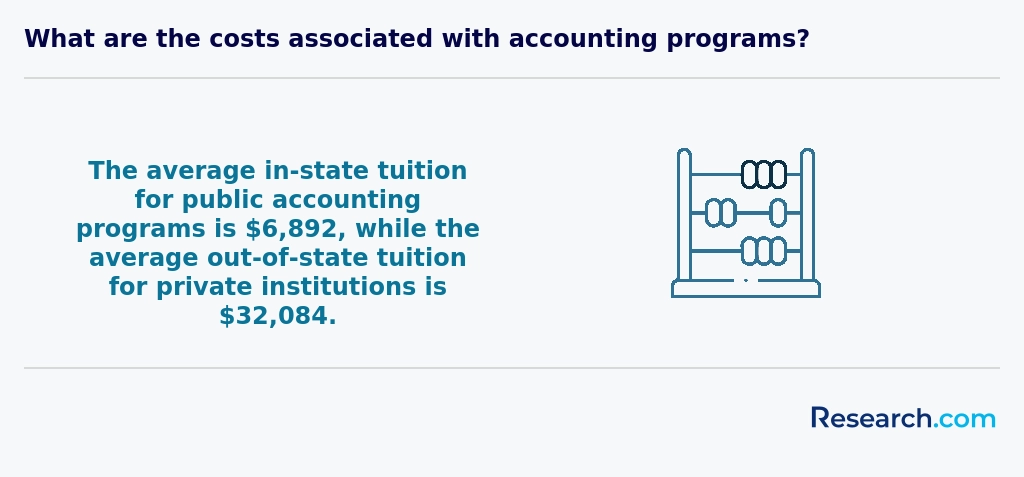
Graduates from accounting programs in the USA Territories often reflect on the accessibility and value of their education, especially compared to mainland costs. For instance, students at the University of Puerto Rico report that tuition generally ranges from $4,000 to $6,000 per year for in-state residents, making a full degree significantly more affordable than many stateside options. This affordability helps ease financial pressures, allowing students to focus on mastering courses like auditing and taxation without overwhelming debt.
In Guam and the U.S. Virgin Islands, college tuition for accounting degrees similarly remains moderate, commonly falling between $3,500 and $7,000 annually. Graduates emphasize the benefit of localized programs that combine rigorous financial training with community-centered internships, all at a manageable cost.
Living expenses in these territories tend to be lower than major U.S. cities, which further reduces the overall investment required. Many accounting students describe a strong sense of support and opportunity, knowing their degree aligns with U.S. CPA requirements while fostering connections within their unique island economies.
Where can I work with accounting degree in the USA Territories?
Graduates with an accounting degree from institutions like the University of Puerto Rico or Guam Community College find diverse career paths waiting within their home territories. Many step confidently into roles in government agencies, where managing public funds and ensuring fiscal transparency offer both challenge and satisfaction. One graduate shared how working in the Government of Guam's Department of Administration allowed them to impact budgeting decisions that benefit the whole community.
In Puerto Rico, private sectors such as manufacturing and finance eagerly seek accounting professionals to navigate complex tax compliance and financial reporting. Graduates often describe the rewarding nature of helping local businesses grow while adhering to both territorial and federal tax laws. This fusion of local awareness and technical expertise is a unique advantage when working in these territories.
For those intrigued by detail and investigation, forensic accounting is a growing field that offers excitement and a tangible sense of purpose. Students from popular programs often find consulting firms or public auditor offices keen to tap their skills in uncovering financial irregularities. This hands-on experience in familiar economic environments fosters pride and a deeper connection to the communities they serve.
Graduates with accounting degrees from well-regarded institutions like the University of Puerto Rico often find their earning potential influenced by the local economy. In the USA Territories, typical roles such as Staff Accountant can expect a mean annual wage around $90,780, which is competitive even compared to mainland figures. Positions like Bookkeeper, Tax Preparer, Associate Auditor, and Accounts Payable Clerk offer mean annual wages near $49,580, providing solid entry points into accounting careers.
Many graduates share experiences of starting with roles such as Tax Preparers or Bookkeepers in local firms or government agencies, appreciating the steady salaries paired with benefits like health insurance and retirement plans. These foundational jobs build the expertise necessary to advance toward higher-paying roles. For instance, a graduate from a Guam college mentioned how gaining practical experience accelerated their promotion to Staff Accountant within a few years.
While salaries in the territories might differ slightly from the mainland, obtaining an accounting degree locally remains a valuable investment. The qualifications open doors to stable careers in auditing, finance management, and tax-related services, all offering rewarding financial and professional growth.
- Accounting degrees in the USA Territories are offered by accredited institutions in Puerto Rico, Guam, the U.S. Virgin Islands, American Samoa, and the Northern Mariana Islands.
- Tuition at public universities in Puerto Rico ranges from $4,000 to $6,000 annually for in-state students, while private schools charge between $10,000 and $15,000 per year.
- Other Territories often have smaller campuses where yearly tuition is typically under $5,000 for resident students.
- Entry-level salaries for accounting graduates range from $35,000 to $45,000, with Puerto Rico averaging around $40,000.
- Mid-career accountants in the Territories can earn between $55,000 and $70,000, depending on experience and industry.
- CPA certification is important for improving employment and salary prospects, but exam and education requirements vary by Territory.
Completing an accounting degree in the USA Territories typically takes about four years of full-time study, much like on the mainland. Graduates from institutions such as the University of Puerto Rico system, University of Guam, and University of the Virgin Islands often describe their experience as a rewarding journey filled with manageable challenges. They usually complete around 120 to 130 credit hours that combine core accounting subjects, general education, and electives, which creates a well-rounded academic foundation.
Some students share how taking summer classes or heavier course loads helped them finish in three years, accelerating their path toward a career. Others balancing part-time study and work extend their degree to five or six years, reflecting the flexibility these universities offer. Such real-life choices highlight the balance between ambition and personal circumstances that many Territory students navigate successfully.
Those aiming for CPA licensure often continue their studies beyond the bachelor's degree, embracing extra coursework or a master's program. This preparation, while lengthening total study time, often brings a strong sense of accomplishment and confidence, knowing they are fully equipped to meet local professional demands.
Graduates from universities in Puerto Rico and Guam often describe the choice between online and on-campus accounting degrees as one of balance and personal priorities. Online programs provide the flexibility to study around busy schedules, which is especially valuable for those juggling family or part-time jobs. A graduate from a Guam-based online program shared how she managed coursework late at night after work, appreciating the freedom to learn without the daily commute to campus.
Conversely, on-campus students at territorial colleges emphasize the richness of in-person interactions. One graduate recalled vibrant classroom discussions at a Puerto Rico university, where immediate feedback and networking with professors and peers deepened their understanding. The structured environment helped maintain focus and discipline, something that can be challenging when studying remotely.
In both cases, the path leads to accredited qualifications recognized locally, but on-campus students might find easier access to internships through established local business connections. Yet, the evolving quality of online programs-now featuring live labs and real-time sessions-has narrowed this gap, making both routes viable depending on a student's lifestyle and learning preferences.
The average cost of an accounting degree in the USA Territories reflects a balance between accessibility and quality education, with median total tuition around $18,000. For in-state students, this expense can be significantly lower, often near $5,780, making regional public universities in Puerto Rico or Guam appealing options. Graduates from these institutions often share how they managed their expenses wisely while gaining valuable experience in accounting, preparing them for both local and mainland job markets.
Many accounting students in the territories appreciate the comparatively affordable tuition that private colleges offer, although costs here can rise closer to $12,000 or more annually. This affordability allows students to invest in their future careers without overwhelming financial strain. One graduate recalled balancing a part-time job with studies to cover additional costs like books and transportation, common financial elements that go beyond tuition. Such stories demonstrate how planning and resourcefulness contribute to successful degree completion within realistic budgets.
The total tuition and fees for accounting degrees in USA territories vary, but the opportunity to receive federal financial aid eases the burden for many families. Public institutions participating in federal programs make education accessible while providing quality coursework required for the profession. Prospective students should consider the full financial picture, including living expenses and potential aid, when evaluating programs.
For those exploring quicker paths, it's worth noting that starting with a fastest online associates degree can also serve as a practical step toward a bachelor's accounting degree, reducing initial costs and time invested.
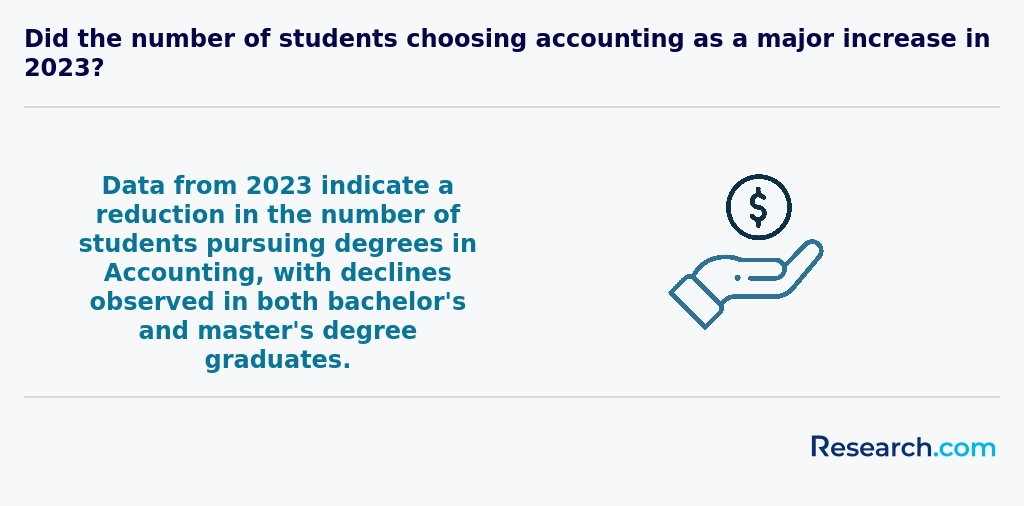
Students pursuing accounting degrees at institutions like the University of Puerto Rico often find relief through federal aid programs such as Pell Grants, which can cover up to $7,395 annually. Graduates recall how this support made the difference between managing tuition costs and facing overwhelming debt. Additionally, Federal Supplemental Educational Opportunity Grants offer extra funds for those with exceptional financial need, although availability varies by campus and territory.
Many students in Guam and the U.S. Virgin Islands benefit from the Federal Direct Student Loan program, which provides subsidized and unsubsidized loans on competitive terms. This has allowed numerous accounting majors to focus on their studies without the constant stress of immediate payment.
Territorial scholarships, like those from Puerto Rico's Department of Education, target residents attending accredited accounting programs, easing financial burdens further. Institutional scholarships at local colleges also play a critical role, often rewarding academic merit or financial necessity, as shared by several recent graduates from the University of the Virgin Islands.
Work-study initiatives stand out by offering practical experience in accounting roles while funding education, blending learning with earning in a way that resonates deeply with students balancing multiple responsibilities.
To embark on an accounting degree in the USA Territories, students must demonstrate a solid foundation acquired through high school or an equivalent credential like the GED. Graduates from institutions such as the University of Puerto Rico often recall how strong skills in math, English, and social studies were vital in meeting entry requirements. These core subjects are not just academic hurdles but essential tools for grasping accounting principles later on.
Standardized tests like the SAT or ACT remain influential, despite some schools' test-optional policies. Many successful students from Guam or the U.S. Virgin Islands share that achieving a balanced SAT score above 1000 opened doors and boosted their confidence during admissions. Academic transcripts reflecting a GPA of at least 2.5 to 3.0 on a 4.0 scale also signal readiness for the demanding coursework ahead.
- Completion of prerequisite math courses such as Algebra and Statistics is routinely required, grounding students in analytical thinking.
- Some programs, including prominent ones in Puerto Rico, recommend introductory business or economics classes to build relevant context.
- Letters of recommendation or personal statements often serve as opportunities for applicants to articulate their passion for accounting and future career goals.
Reflecting on these prerequisites reveals they prepare students not only in knowledge but also in mindset-balancing discipline with enthusiasm, just as many graduates attest from their transformative academic journeys across the territories' respected colleges.
Accounting degree programs in the USA Territories typically blend foundational and specialized courses that reflect both national standards and local economic nuances. Graduates from institutions like the University of Puerto Rico and the University of Guam often recall core classes such as Financial Accounting, where they learned to prepare clear financial statements essential for businesses, and Managerial Accounting, which sharpened their skills in using accounting data to guide management decisions.
Auditing courses bring a practical understanding of ethical responsibilities and procedures, a critical element for those pursuing careers in public accounting. Taxation classes stand out because they integrate U.S. federal laws with regional tax rules unique to territories, preparing students for scenarios they'll encounter locally-like navigating Puerto Rico's distinct tax system.
Many students appreciate the inclusion of Accounting Information Systems, which introduced them to the latest software tools, enhancing their readiness for the modern workplace. At colleges popular in the U.S. Virgin Islands, electives like international accounting helped students grasp the global financial environment, increasing their confidence to compete professionally beyond their territory.
Accounting degree specializations in USA Territories provide valuable focus areas that reflect local and global business needs. Graduates from universities like the University of Puerto Rico commonly speak of gaining strong expertise in Financial Accounting, where they learn to master GAAP-compliant financial statements important for local businesses. Managerial Accounting is another popular choice, helping students develop practical skills in budgeting and internal decision-making that resonate well with the fast-paced environments of regional firms.
Many students find the Taxation specialization particularly relevant, as it addresses the unique tax systems blending U.S. federal laws with territorial regulations. This specialization equips graduates to confidently navigate these complexities, often enhancing their prospects in both public agencies and multinational companies operating nearby. For those drawn to investigative work, Auditing and Forensic Accounting offer engaging challenges, teaching how to scrutinize financial documents and uncover fraud - a skillset increasingly in demand across the territories.
Other popular areas, like Accounting Information Systems, combine accounting principles with IT expertise, preparing students for innovative roles in managing financial software. These focused choices help students build the best accounting majors in USA Territories tailored to real economic conditions.
For those exploring options, considering the easiest bachelor degree online might also complement your path with flexibility and accessibility.
Choosing the best accounting degree in the USA Territories hinges on accreditation and curriculum relevance. Graduates from universities in Puerto Rico and Guam often reflect on how programs accredited by the Accreditation Council for Business Schools and Programs (ACBSP) or the Association to Advance Collegiate Schools of Business (AACSB) gave them confidence when preparing for the CPA exam. They emphasize the importance of coursework that aligns with local CPA requirements, combining theory with hands-on internships in bustling urban centers, which helped them feel ready for real accounting challenges.
Affordability is another key factor. Many find that the balance between quality and cost in the region's public colleges makes a huge difference, with tuition typically ranging from $4,000 to $7,000 annually. Those seeking more specialized programs may explore private institutions, but keeping expenses manageable is crucial. Students concerned about costs often look into affordable doctorate programs to plan further education without heavy debt.
Local job markets heavily influence choice, as graduates often recall how studying in a territory with active networking and internship opportunities smoothly transitioned them into rewarding careers. When searching for the best accounting degree programs in USA territories, weigh these factors carefully to find a program that fits your professional aspirations and personal circumstances.
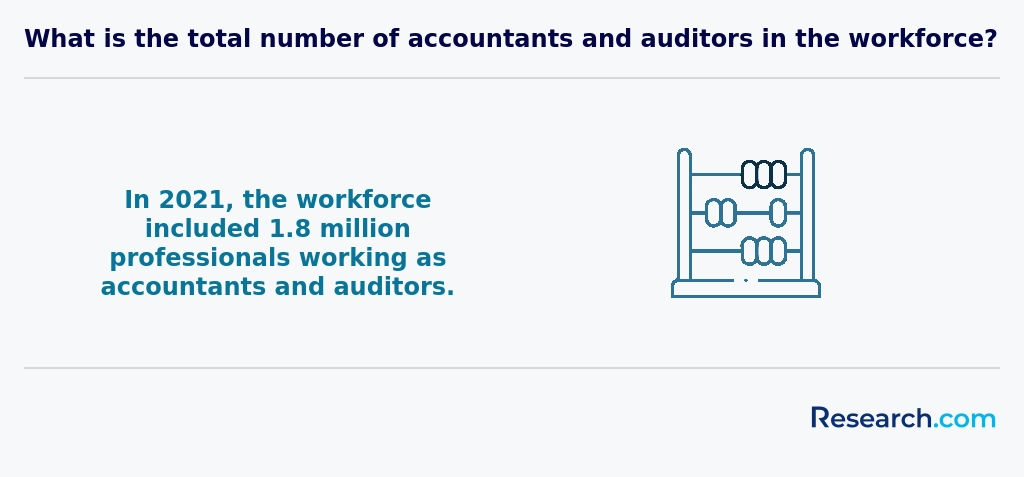
Graduates with an accounting degree in the USA Territories often find rewarding career paths shaped by the unique financial landscapes of Puerto Rico, Guam, and the US Virgin Islands. Many pursue roles as Certified Public Accountants, leveraging local and federal regulations to assist individuals and businesses. Others find fulfillment in government accounting, managing budgets and ensuring transparent reporting for territorial agencies-experiences that graduates from institutions like the University of Puerto Rico often describe as both challenging and deeply impactful. Corporate accounting and financial analysis also attract students eager to support diverse industries, from banking to manufacturing.
For those passionate about justice, forensic accounting offers a meaningful way to combat financial fraud in their communities, while internal auditing roles enhance organizational integrity. Graduates discover that tax advisory and consulting work, where they navigate complex local and federal codes, can be especially satisfying given the dynamic nature of tax laws across territories. Many share how accounting career opportunities in USA Territories helped them secure meaningful jobs despite smaller markets, sometimes even enabling remote work with mainland firms. Exploring options through the cheapest online colleges further expands this accessibility.
Graduates from universities like the University of Puerto Rico and Guam Community College often find the accounting degree job outlook USA Territories to be modest yet steady. Many share that local economies, heavily influenced by government agencies and tourism, provide stable roles, especially for those who earn CPA credentials recognized both locally and on the mainland. These graduates emphasize the value of networking within their communities to uncover opportunities that might not be widely advertised.
Cost-wise, pursuing an accounting degree at these institutions tends to be more affordable compared to mainland universities, which encourages students to invest in their education without overwhelming debt. Graduates frequently highlight how understanding both federal and local tax incentives proves invaluable, particularly for businesses navigating complex regulations. This combination of factors creates a unique job market situation where specialized knowledge and community ties open doors.
For those exploring accounting career opportunities in USA Territories, the experience often involves balancing traditional roles with consulting opportunities that arise from the distinct economic landscape. Students can also consider best trade jobs related paths if they seek alternative or supplementary career options that support their financial goals.
2027 Most Valuable Accounting Degree Programs Ranking in the USA Territories
Investing in your education is a significant decision that can shape your future, and the Research.com team understands the importance of making informed choices. To assist prospective students in the USA Territories, we have meticulously crafted the "2027 Most Valuable Accounting Degree Programs Ranking in the USA Territories." Our commitment to quality, credibility, and accuracy is reflected in the extensive research and analysis conducted to compile this ranking.
We utilized the following reputable data sources to ensure a comprehensive evaluation of accounting degree programs:
By exploring this ranking, readers will gain valuable insights into the most valuable accounting degree programs available, aiding them in making well-informed educational decisions with confidence. For more details on our methodology, please visit our Research.com methodology page.
# 1 position
Universidad Ana G. Mendez-Gurabo Campus
Master of Science in Accounting
# 2 position
Universidad Ana G. Mendez-Cupey Campus
Master of Accountancy
# 3 position
Universidad Ana G. Mendez-Gurabo Campus
Bachelor of Business Administration in Accounting
# 4 position
Universidad Ana G. Mendez-Carolina Campus
Bachelor in Business Administration with major in Accounting

# 6 position
EDP University of Puerto Rico Inc-San Juan
Bachelor of Science in Accounting


# 8 position
Universidad Ana G. Mendez-Carolina Campus
Master of Science in Accounting
# 9 position
NUC University
Bachelor of Business Administration in Accounting


# 13 position
Universidad Ana G. Mendez-Cupey Campus
Bachelor of Business Administration in Accounting

# 15 position
Pontifical Catholic University of Puerto Rico-Ponce
Bachelor in Accounting


# 18 position
University of Puerto Rico-Aguadilla
Bachelor of Business Administration (Accounting Concentration)


Frequently Asked Questions About accounting
Accounting degree students in the USA Territories can maximize their learning experience by engaging with local institutions accredited by recognized bodies such as the Middle States Commission on Higher Education. Hands-on experience through internships with local firms in Guam, Puerto Rico, or the U.S. Virgin Islands is highly recommended, as these opportunities offer practical knowledge of regional tax regulations and financial practices.
Additionally, students should participate in online courses and webinars provided by national accounting organizations like the American Institute of CPAs (AICPA). Combining local and national resources helps bridge practical skills with comprehensive industry standards.
Networking with professionals and joining local accounting chapters can further enhance career prospects and learning outcomes.
The accounting field in the USA Territories is evolving with several emerging niches attracting attention. One significant area is forensic accounting, which involves investigating financial fraud and disputes. This specialty is growing due to increased regulatory scrutiny and corporate governance demands.
Another developing niche is in sustainability accounting. Companies are now focusing on environmental, social, and governance (ESG) reporting, requiring accountants skilled in measuring and reporting non-financial performance.
Additionally, tax accounting remains critical, especially with unique territorial tax laws in places like Puerto Rico and Guam. Understanding local tax codes offers specialized career opportunities.
Experts recommend looking into technology accounting roles, such as data analytics and blockchain auditing, as digitization impacts financial reporting practices.
Graduates with accounting degrees in the USA Territories should focus on building practical skills to enhance employability. Gaining proficiency in accounting software like QuickBooks or Sage is essential as many local businesses prefer candidates familiar with these tools. According to the U.S. Bureau of Labor Statistics, the demand for accountants in U.S. territories is expected to grow steadily through 2030, especially in sectors like government and tourism.
Networking is key; attending local industry events or joining organizations such as the American Institute of CPAs (AICPA) can open doors to job opportunities. Internships or part-time roles during studies significantly improve job market readiness.
It is also advisable to pursue CPA certification, which increases credibility and salary potential. While requirements vary by territory, most candidates must complete 150 credit hours of education and pass the Uniform CPA Exam.
Language skills, especially English and Spanish, often provide an advantage due to the bilingual nature of many workplaces in the territories.
Employers in the USA Territories prioritize several key skills in accounting degree graduates. Strong proficiency in Generally Accepted Accounting Principles (GAAP) is essential, as these standards govern accounting practices across the territories. Additionally, employers seek candidates with solid analytical abilities to interpret financial data accurately.
Communication skills are highly valued, enabling accountants to explain complex financial information clearly to clients and management. Familiarity with local tax regulations and compliance requirements is critical because tax codes can differ from those in the mainland US.
Technological competence, especially in accounting software like QuickBooks and SAP, is increasingly important. The U.S. Bureau of Labor Statistics notes a steady demand for accountants with these skills in territories such as Puerto Rico and Guam.
Finding internships in the USA Territories relevant to an accounting degree involves leveraging local resources and networks. Many universities in these regions, such as the University of the Virgin Islands and the University of Guam, offer connections with local accounting firms and government agencies. Students should actively engage with campus career services, which often maintain partnerships with employers seeking interns in finance and accounting.
The U.S. Department of Labor recognizes that internships are critical for practical experience. In the Territories, businesses often prefer candidates familiar with U.S. tax laws and financial regulations. Utilizing platforms like USAJobs.gov for government internships can also be fruitful, especially for roles in territorial departments of finance or treasury.
Professional organizations like the American Institute of CPAs (AICPA) provide resources and job boards that include opportunities in the Territories. Networking at local chapters or events can increase chances of placement. Additionally, check local Chambers of Commerce for internship announcements.
An accounting degree significantly enhances career mobility and advancement opportunities in the USA Territories. Holding this degree opens doors to various roles such as auditor, financial analyst, and tax advisor across both public and private sectors. According to the U.S. Bureau of Labor Statistics, finance-related occupations in these territories show steady growth, reflecting demand for qualified accountants.
The degree establishes credibility and provides necessary technical skills, which are often prerequisites for certifications like the CPA, a key driver for career progression. Employers in territories such as Puerto Rico and Guam increasingly prefer candidates with formal accounting education, valuing their expertise in local and federal tax law compliance.
Moreover, accountants with a degree can pursue higher positions, including managerial and executive roles, due to their strong analytical and financial skills. Data from local educational institutions confirm that graduates with accounting degrees tend to have higher employment rates and salaries compared to those without specialized education in this field.
Studying for an accounting degree in the USA Territories offers unique preparation for interdisciplinary roles by combining core accounting knowledge with regional business practices. Programs often integrate coursework in finance, management, and taxation tailored to local economies, such as Puerto Rico's evolving manufacturing sector and Guam's service industries. This broad foundation equips students to navigate diverse professional environments.
Additionally, many institutions emphasize skills in data analysis and information systems, addressing the growing demand for accountants who can collaborate with IT and marketing teams. According to the U.S. Bureau of Labor Statistics, accounting jobs in these territories are expected to grow steadily, highlighting the need for versatile professionals.
Choosing between a thesis and a non-thesis accounting degree program in the USA Territories depends on your career goals and learning preferences. Thesis programs usually require original research, suitable for students interested in academic or research careers. Non-thesis programs focus more on practical skills and coursework, ideal for those aiming to enter the workforce quickly. In the USA Territories, programs often align with U.S. standards, ensuring Accredited accounting degrees meet CPA eligibility requirements. According to data from the Puerto Rico Education Council, over 60% of accounting students choose non-thesis options for faster entry into public accounting roles.
Students from the USA Territories seeking to study accounting abroad often consider options within the mainland United States. Since these territories are under U.S. jurisdiction, residents can enroll in U.S. accredited institutions without visa restrictions common for international students. This access allows students to pursue a wide variety of accounting programs with diverse specializations.
The Caribbean and Puerto Rico also offer accredited accounting degrees that meet U.S. accounting standards, providing convenient alternatives near home. Additionally, online degrees from accredited mainland universities have grown in popularity, offering flexibility and accessibility.
According to the National Association of State Boards of Accountancy, accounting graduates from these territories must meet specific credit and examination requirements to qualify for CPA licensure in their jurisdiction, ensuring a standardized professional pathway.
Part-time job opportunities that complement accounting degree education in the USA Territories often include roles such as bookkeeping assistants, tax preparers, and payroll clerks. These positions provide practical experience with key accounting tasks and exposure to regional tax codes and financial regulations. According to the U.S. Bureau of Labor Statistics, demand for accounting-related jobs is steady across Territories like Puerto Rico and Guam, supported by local businesses and government agencies.
Interning with local CPA firms or in government finance departments can also enhance understanding of public sector accounting. Many employers in these jobs offer flexible schedules suitable for students.
Gaining hands-on experience through such roles significantly improves job prospects after graduation in the Territories' competitive accounting job market.
Accounting students in the USA Territories have access to various networking opportunities tailored to their unique regional context. Local campuses often collaborate with territorial CPA societies, such as the Puerto Rico Society of CPAs, which host events, seminars, and mentoring programs. These platforms connect students with practicing accountants and potential employers. Additionally, universities participate in internships with regional firms, providing practical exposure and connections in industries vital to the territories' economies.
Online professional networks are also growing, allowing students to join accounting groups and access job postings relevant to the territories. According to the National Association of State Boards of Accountancy (NASBA), these engagements can be key for licensing and career progression.
Alumni networks offer valuable support for accounting degree students in the USA Territories by connecting them with experienced professionals and industry leaders. These networks often provide mentorship opportunities, enabling students to gain insights into local accounting practices and regulations. According to the Association of Certified Public Accountants in Puerto Rico, active alumni engagement improves internship placements by up to 30%, enhancing practical experience.
Through networking events and online platforms, alumni help students build essential professional relationships that can lead to job referrals and collaborations. Many universities in the territories maintain strong alumni communities, which assist graduates in navigating the unique economic and business landscapes of the region.
Students pursuing accounting degrees in the USA Territories can tailor their programs by selecting electives aligned with their career goals. Many local institutions offer courses in taxation, auditing, and financial management, allowing specialization in areas such as public accounting or corporate finance. Additionally, students may opt for internships within regional businesses or government agencies, gaining practical experience relevant to local economic environments.
Some programs also provide options to focus on international accounting standards, important for territories engaged in cross-border trade. According to the National Association of State Boards of Accountancy, 150+ accounting credits combined with specific coursework support CPA exam eligibility, a key credential for career advancement in the territories.
Accounting students in the USA Territories often face several unique challenges compared to their counterparts in the continental United States. Limited access to accredited institutions offering specialized accounting programs is a key issue, restricting choices for quality education. According to the U.S. Department of Education, fewer than 10 colleges in the territories provide fully accredited accounting degrees, which may affect students' preparedness for certifications like the CPA exam.
Another challenge involves limited internship and job placement opportunities locally, as smaller economies restrict practical experience availability. Additionally, students sometimes encounter difficulties accessing updated study materials and technology due to logistical costs and delays in the territories.
Finally, financial aid options may be more limited or complex, since some federal programs have different eligibility criteria in the territories. These factors collectively impact the educational journey of aspiring accountants in these regions.
An accounting degree from the USA Territories opens doors to several key professional certifications that enhance career prospects. The most recognized among these is the Certified Public Accountant (CPA) credential. CPA requirements vary by territory but generally include education, experience, and passing the Uniform CPA Exam administered by the American Institute of CPAs (AICPA).
Other popular certifications include the Certified Management Accountant (CMA) and the Certified Internal Auditor (CIA), which focus on management accounting and auditing, respectively. According to the National Association of State Boards of Accountancy, CPA license holders in territories like Puerto Rico often benefit from reciprocal agreements with U.S. states.
These certifications validate expertise and improve job opportunities in government, business, and finance sectors within the territories and beyond.
Applying to an accounting program in the USA Territories requires careful preparation to stand out. First, focus on meeting all academic prerequisites, including coursework in math and business fundamentals. Many programs emphasize strong GPA and standardized test scores such as the SAT or ACT. Highlight relevant experience such as internships or part-time work in finance or bookkeeping.
Additionally, craft a clear personal statement explaining your motivation for pursuing accounting and how studying in the Territories fits your career goals. Accredited schools in the Territories, including the University of Guam and University of Puerto Rico, follow rigorous standards recognized by the Association to Advance Collegiate Schools of Business (AACSB).
Finally, secure strong recommendation letters from teachers or employers who can attest to your analytical skills and work ethic. According to the U.S. Department of Education, over 70% of accounting graduates in the Territories find employment within six months, underscoring the field's demand.
The global perspective on an accounting career highlights its importance in an interconnected economy. Accounting professionals are essential for transparency, compliance, and financial reporting across nations. In the USA Territories, such as Puerto Rico and Guam, accounting degrees align with U.S. standards, preparing graduates to work locally or internationally.
According to the U.S. Bureau of Labor Statistics, employment for accountants is expected to grow about 7% nationally between 2022 and 2032, reflecting stable demand worldwide. For students in the territories, strong ties with U.S. markets increase opportunities for global roles.
Additionally, professional certifications like the CPA (Certified Public Accountant) hold international recognition, enhancing career mobility. This makes an accounting degree a valuable asset for those seeking careers beyond their home territory while maintaining compliance with U.S. accounting principles.
Gaining practical experience while studying for an accounting degree in the USA Territories is essential for career readiness. Many students pursue internships with local government offices, businesses, and accounting firms, which are common options available through universities. For example, the University of Puerto Rico offers structured internship programs connecting students with real-world accounting tasks.
Students can also participate in cooperative education (co-op) programs that combine classroom learning with paid work experience. Additionally, joining student-run accounting clubs or volunteering for nonprofit organizations helps build skills while contributing to the community.
According to the U.S. Bureau of Labor Statistics, hands-on experience improves job prospects in accounting by 20% in regions including USA Territories.
Choosing the right concentration within an accounting degree program in the USA Territories involves understanding your career goals and the regional job market. Common concentrations include auditing, taxation, managerial accounting, and forensic accounting. Each offers different career paths and skills. For example, taxation is often in high demand due to complex local and federal tax laws applicable in territories like Puerto Rico and Guam.
Consider programs accredited by recognized bodies such as the Accreditation Council for Business Schools and Programs (ACBSP), which ensures quality education.
Consult labor statistics from the U.S. Bureau of Labor Statistics and local workforce reports to identify growth areas and salary expectations that suit your ambitions.
Finally, speak with academic advisors and professionals working in the territories to gain firsthand insights into each concentration's practical relevance.
See What Experts Have To Say About Studying Accounting
Read our interview with Accounting experts

Yaw M. Mensah
Accounting Expert
Professor and Interim Vice Dean for Strategic Partnerships
Rutgers Business School

John Wermert, Ph.D., CPA
Accounting Expert
Associate Professor of Accounting
Middle Tennessee State University

- Accountants of the Future https://www.deloitte.com/us/en/programs/center-for-controllership/blogs/future-of-accounting-profession.html
- Accounting Career: Outlook and Overview https://www.devry.edu/blog/accounting-career-outlook.html
- CPA Exam Requirements by State https://www.becker.com/cpa-review/requirements
- Requirements for Certified Public Accountant Licensure and Exam https://dlca.vi.gov/boardcertifications/steps/cparequirements/
- Accountant Salary | State-by-State Accounting Salaries https://www.allbusinessschools.com/accounting/salary/
- Why Is Accounting So Hard? Understanding Challenges and Misconceptions https://www.glasscubes.com/why-is-accounting-so-hard-understanding-challenges-and-misconceptions/
- Accounting Scholarships and Grants | Accounting.com https://www.accounting.com/resources/financial-aid/
- How to Meet Accounting Degree Requirements for Career Success - ICMS https://www.icms.edu.au/degree-discovery/how-to-meet-accounting-degree-requirements/
- Guide to Transition into an Accounting Career https://teach.com/online-ed/business-degrees/online-masters-accounting/how-to-transition-to-an-accounting-career/
- Accounting Abroad: Benefits and Opportunities : ThisWayToCPA : AICPA https://www.thiswaytocpa.com/education/articles/make-the-most-of-your-education/accounting-abroad-benefits-and-opportunities/