
2027 Most Valuable Accounting Degree Programs Ranking in Oklahoma

Co-Founder and Chief Data Scientist
Choosing the right accounting degree program can shape your future career in Oklahoma's growing job market. To help you navigate your options, this article presents the 2027 Most Valuable Accounting Degree Programs Ranking in Oklahoma, created by the Research.com team of data scientists. It offers a clear, data-driven look at which programs deliver the best value and opportunities.
Reading this article will empower you to make an informed decision, opening doors to rewarding careers in accounting. Pursuing a degree in this field can lead to stability, growth, and personal satisfaction.
Key benefits of getting accounting degree in Oklahoma
- Graduates with an accounting degree in Oklahoma can expect strong earning potential, with jobs like Staff Accountant offering a mean annual wage of $90,780 and hourly pay of $43.65, providing financial stability and growth.
- Career paths for accounting graduates include roles such as Bookkeeper, Tax Preparer, Associate Auditor, and Accounts Payable Clerk, showing diverse opportunities to find a fulfilling position in various industries.
- Choosing an online accounting degree from an Oklahoma university offers flexibility and convenience, allowing graduates to balance work and study while gaining credentials that employers highly respect.
- 2027 Most Valuable Accounting Degree Programs Ranking in Oklahoma
- What can I expect from accounting degree in Oklahoma?
- Where can I work with accounting degree in Oklahoma?
What can I expect from accounting degree in Oklahoma?
The average cost of pursuing an accounting degree in Oklahoma often surprises students who expect exorbitant tuition fees. Graduates from institutions like the University of Oklahoma or Oklahoma State University frequently share how accessible the tuition felt compared to national averages, reflecting Oklahoma's commitment to affordable quality education. While exact expenses vary, many find that the total cost-including tuition, fees, and materials-generally falls between $10,000 and $25,000 per year for public universities, making it a realistic investment in their futures.
Beyond price tags, these graduates emphasize how hands-on learning opportunities and strong industry connections amplify the value of this investment. Picture a student at the University of Tulsa eagerly navigating an internship with a local firm, applying classroom theory to tangible challenges, all while knowing the financial burden remains manageable. The relatively moderate expenses paired with practical experience empower many to feel confident stepping into the workforce well-prepared, despite the demands of required additional coursework to meet the CPA exam standards in Oklahoma.
Where can I work with accounting degree in Oklahoma?
Accounting graduates in Oklahoma often find themselves stepping into a spectrum of vibrant career paths that defy the old stereotype of number crunchers confined to desks. Many graduates from the University of Oklahoma or Oklahoma State University recall landing roles in Big Four public accounting firms like Deloitte or PwC, where every audit or tax project feels like solving a real-world puzzle that directly impacts the business world.
Others are drawn to corporate accounting positions at energy giants such as Devon Energy or Chesapeake Energy, where their work influences major financial decisions and shapes the regional economy. Imagine navigating budgeting challenges in a Tulsa headquarters, knowing your role drives growth for communities.
Government agencies also recruit, offering positions that ensure transparency with public funds-graduates describe this pride in contributing to their state, from the Tax Commission to the State Auditor's Office. For those who seek versatility, careers in banking, insurance, or education open doors to dynamic roles where accounting expertise fuels financial strategy or mentorship.
In Oklahoma, an accounting degree doesn't just open doors; it opens diverse worlds where skills meet impact daily.
Graduates from accounting programs in Oklahoma, such as those at Oklahoma State University Institute of Technology, often find themselves pleasantly surprised by their earning potential early in their careers. Entry-level roles like bookkeeper, tax preparer, associate auditor, or accounts payable clerk typically offer mean annual wages around $49,580, providing a solid financial footing to recent graduates. These figures challenge the common belief that starting salaries in accounting are always modest.
Staff accountants, another frequent position for degree holders, enjoy a considerably higher mean annual wage of $90,780 or about $43.65 per hour, reflecting the value of specialized skills and onsite experience. Graduates recalling their first year in these roles often mention the satisfaction of financial independence and the confidence gained from being entrusted with key company tasks.
Choosing to study accounting in Oklahoma, where metropolitan areas like Tulsa and Oklahoma City offer rising salaries, combines accessible education with strong employment opportunities. This balance has elevated many alumni from local programs into rewarding careers faster than expected, making the investment in an accounting degree a compelling personal and financial decision.
- Oklahoma offers accounting degrees at public universities, private colleges, and community colleges covering financial, auditing, tax, and managerial accounting.
- Annual tuition for in-state students at public universities ranges from $3,500 to $7,000, while private colleges charge between $15,000 and $25,000 per year.
- Entry-level accountants in Oklahoma typically earn between $48,000 and $55,000 annually, with experienced professionals making $70,000 to $85,000 or more.
- The job market for accountants in Oklahoma is expected to grow around 6% through 2031, matching the national average.
- Many Oklahoma universities include CPA exam preparation within their accounting programs, which can improve job prospects and salaries.
Completing an accounting degree in Oklahoma most often means dedicating about four years for a bachelor's if you're a full-time student-something graduates from the University of Oklahoma or Oklahoma State University can readily attest to. This timeframe reflects the typical credit-hour requirement of 120 to 130 credits, blending general education with focused accounting courses. Imagine balancing coursework while getting involved in campus clubs or internships-many find this period intense yet rewarding.
For those attending community colleges like Tulsa Community College, an associate degree might take just two years, providing a quicker path into entry-level roles or a foundation for further study. Several recent graduates describe how part-time or online options flexible enough to fit around work schedules extended their timelines, but made the journey feel manageable rather than rushed.
Graduate students pursuing a master's or an MBA with accounting often find themselves investing an additional 1-2 years. This extra time not only sharpens expertise but is essential for meeting CPA exam requirements, a milestone many successful Oklahoma students eagerly chase after.
When planning for an accounting degree in Oklahoma, understanding the cost implications is crucial. Prospective students should consider not only the tuition fees but also additional expenses such as textbooks, living costs, and any potential travel costs for internships or seminars. To navigate these financial considerations, students can explore various resources, including scholarships, grants, and federal financial aid programs designed to support students in higher education. For instance, those looking for affordable options can explore the most affordable accounting programs in Oklahoma, which can help in making informed decisions about their educational journey. Financial planning is key, and students should weigh the potential return on investment, considering the average salary for accounting graduates in Oklahoma and the projected growth in the field. By diligently researching and planning, aspiring accountants can set themselves up for success, both academically and professionally, in Oklahoma's vibrant accounting sector.
Choosing between online and on-campus accounting degrees in Oklahoma often reveals surprising contrasts beyond just location. Graduates from the University of Oklahoma or Oklahoma State University recall the energizing buzz of on-campus life-face-to-face discussions, instant feedback from professors, and the camaraderie of classmates meeting in real time. These experiences build not only knowledge but lasting professional networks tied closely to Oklahoma's local job market.
Meanwhile, online students appreciate the freedom to study asynchronously, fitting coursework around jobs or family. This flexibility, common among working professionals, lets them engage deeply without sacrificing other life commitments. Yet, the sense of physical community and spontaneous conversations found at campus events can be missed, which some Oklahoma alumni say influenced their confidence in teamwork situations.
The accounting curriculum itself remains consistent, accredited across formats and designed to prepare all students for the CPA exam. But the daily rhythms differ: one offers structure and immersive campus resources; the other, convenience and cost savings on housing or commuting fees. Both demand discipline, yet cater to distinctly different learning styles shaped by personal circumstances and aspirations.
The average cost of an accounting degree in Oklahoma presents a compelling narrative that often defies initial expectations. While many assume high tuition is the norm, graduates from universities such as the University of Oklahoma or Oklahoma State University often report manageable expenses thanks to affordable in-state tuition rates, which contribute to a median total tuition and fees accounting programs Oklahoma of about $10,234. This figure highlights how accessible an accounting education can be here, especially when compared to out-of-state totals hovering around $39,614.
Imagine a student balancing coursework and part-time work in Tulsa or Norman, relieved knowing that the financial load is reasonable enough to pursue a degree without overwhelming debt. Public institutions in Oklahoma typically charge between $4,000 and $6,000 yearly for in-state tuition, encouraging many to invest in their education without sacrificing financial stability. Private institutions, however, often exceed $15,000 annually, with some students choosing them for specialized accounting tracks despite the higher cost.
These cost dynamics challenge the conventional wisdom that earning a degree must come with crippling expenses. Many find ways to reduce costs further through scholarships and state-specific financial aid programs tailored for Oklahoma residents. Those aiming to explore the most affordable accounting programs in Oklahoma will discover options that blend quality education with financial feasibility, making the dream of a career in accounting achievable.
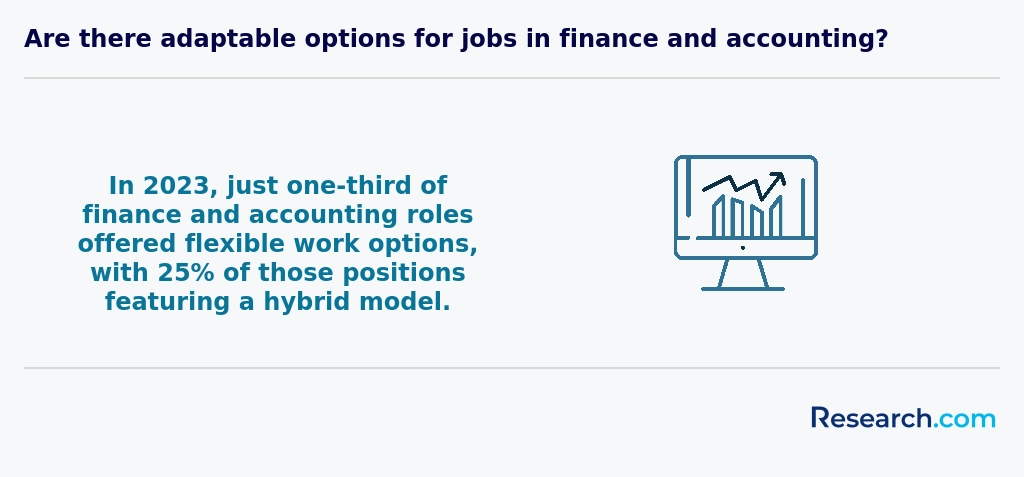
Understanding the return on investment (ROI) of an accounting degree is essential for prospective students weighing tuition costs against future earning potential. In Oklahoma, the average annual tuition for in-state public universities stands at approximately $6,892, while private institutions charge up to $32,084. Fully online bachelor’s programs can cost around $10,000 per year, offering flexibility and savings on living expenses. Key ROI metrics:
- Average Starting Salary: $47,440 for bookkeepers; $86,740 for staff accountants (BLS data).
- Median Student Debt: $20,000–$25,000 for bachelor’s recipients in Oklahoma.
- Estimated Payback Period: • Public In-State Bachelor’s: 2.5–3 years • Private Bachelor’s: 3.5–4 years • Online Bachelor’s: 2–2.5 years Strategies to maximize ROI:
- Pursue scholarships and state grants (e.g., OTAG) early to reduce debt burden.
- Opt for accelerated or combined bachelor’s/master’s pathways, many of which can be found through our Low Cost Online Master’s in Accounting Degree Programs Ranking in Massachusetts.
- Target AACSB-accredited programs, which boast higher CPA pass rates and employer recognition.
- Gain paid internships or co-op placements; every $1,000 earned during study can cut your payback period by 1 month. By focusing on cost-effective delivery formats, funding opportunities, and early career experiences, students can significantly shorten their ROI timeline, ensuring that their investment in an Oklahoma accounting degree translates into lasting financial and professional rewards.
Students pursuing an accounting degree in Oklahoma often find financial aid is both practical and accessible, easing the burden of an $8,500 average annual tuition at public institutions. Graduates from the University of Oklahoma and Oklahoma State University frequently recall how applying for FAFSA unlocked Pell Grants, which for many covered up to $7,395 annually without adding to their debt. This direct aid transforms the daunting cost into a manageable reality.
State-specific grants such as the Oklahoma Tuition Aid Grant (OTAG) further brighten the path for residents. Imagine an accounting student balancing coursework and part-time jobs, relieved to receive between $1,000 and $2,500 each year from OTAG, enough to offset tuition costs substantially. This targeted assistance turns ambition into attainable success.
Institutional scholarships, too, become a beacon of hope for those excelling academically or contributing actively to campus life. Oklahoma's accounting students often share stories of how these awards recognized their dedication, lifting financial pressures and affirming their career choices.
Beyond aid, work-study and part-time roles provide vital experience and earnings, empowering students to invest in both their education and future confidently, reinforcing Oklahoma's commitment to nurturing accounting professionals.
As technology continues to reshape industries worldwide, the field of accounting is undergoing a rapid transformation that promises to open new avenues for graduates and seasoned professionals alike. Today’s accounting curriculum is increasingly integrating data analytics, artificial intelligence, and blockchain technology to keep pace with evolving financial systems. These innovations not only enhance accuracy and efficiency but also broaden the scope of traditional accounting roles, creating dynamic opportunities for those ready to adapt. For instance, the automation of routine tasks has paved the way for accountants to engage in more strategic and analytical functions, positioning them as key advisors in business decision-making. This shift is particularly beneficial for emerging professionals who are exploring diverse pathways within the industry. By staying informed about these changes, students and alumni can better align their skills with market demands, ensuring long-term career success. In addition, mentorship programs and professional networks are increasingly emphasizing digital literacy alongside core accounting competencies. To learn more about how these developments can influence your career trajectory, consider exploring additional insights on accounting professions. Embracing these trends not only helps professionals remain competitive but also fosters an environment where continuous learning and adaptability are the foundations for a sustainable career in accounting.
To enroll in an accounting degree program in Oklahoma, you must first meet specific academic foundations that set the stage for success in this demanding field. Graduates from popular universities in Oklahoma often recall how crucial it was to have completed high school with solid coursework in algebra, geometry, and English. These subjects weren't just boxes to check-they built the critical thinking and communication skills essential for accounting.
Many students share how having a GPA around 2.5 to 3.0, alongside preparing for or submitting ACT or SAT scores, made their applications stand out. Even at schools with test-optional policies, submitting a good score often felt like a confidence boost, reflecting readiness in an evolving admissions landscape.
For those aiming higher, such as a Master's in Accounting, holding an undergraduate degree with a 3.0+ GPA became a gateway. Graduates describe how meeting these standards wasn't simply about compliance but about feeling prepared to tackle complex concepts. Oklahoma's blend of public and private universities balances affordability with rigorous entry requirements, encouraging students to view prerequisites not as hurdles but as fundamental stepping stones.

Oklahoma’s top accounting programs report first-time CPA exam pass rates ranging from 55% to 68%, well above the national average of 52%. These rates reflect rigorous exam preparation embedded in core coursework-courses such as Advanced Auditing and Ethics often include simulated exam questions and timed practice sessions. Faculty-led review workshops and partnerships with local CPA societies further bolster student readiness, ensuring graduates meet the 150-semester-hour education requirement and state ethics exam mandates for licensure. Many programs provide dedicated CPA exam advisors and funded review materials, which translate into shorter time-to-licensure. On average, graduates sit for all four exam sections within six months of completing their degree, compared to the national median of nine months. This accelerated timeline can significantly impact career earnings; for instance, professionals who secure their license promptly often command the average salary of accountant and unlock advanced leadership roles within two years of graduation. By prioritizing exam success, these Oklahoma degree programs not only enhance employability but also demonstrate strong alignment with industry standards. Prospective students should inquire about each school’s CPA support services, pass-rate transparency, and alumni licensure outcomes to select a program that delivers both academic excellence and concrete career results.
Accounting degrees in Oklahoma demand more than just a surface-level grasp of numbers. Graduates from universities like the University of Oklahoma often reflect on how courses such as Financial Accounting and Managerial Accounting laid the groundwork for understanding real business challenges they face today. These classes aren't just about ledger entries; they translate directly into skills needed to evaluate a company's financial health or advise on cost management in local industries.
Core classes like Intermediate Accounting and Auditing dive deeper, exposing students to Oklahoma-specific tax regulations and compliance rules, which graduates find crucial when navigating state and federal levels simultaneously. This practical relevance fuels their confidence during CPA exam prep and early career roles.
Graduates frequently emphasize how courses in Accounting Information Systems and Business Law broadened their perspective-showing that modern accounting intertwines with technology and legal frameworks, especially vital in Oklahoma's evolving economic landscape. The blend of traditional principles and modern tools empowers students to step into the finance sector with assurance and adaptability.
Accounting degree specializations in Oklahoma challenge the notion that all accountants follow the same path. Instead, students can tailor their education to distinct fields such as auditing, taxation, forensic accounting, management accounting, and government and nonprofit accounting. Graduates from universities like the University of Oklahoma and Oklahoma State University often remark on how these options helped them find their personal niche, whether it was uncovering financial fraud or crafting strategic business budgets.
For example, a graduate focusing on auditing might vividly recall the confidence gained by mastering compliance regulations, vital in both public accounting and corporate finance. Another might appreciate the deep dive into tax codes, navigating complex laws that safeguard clients' finances. Such specializations offer students from Oklahoma a chance to engage with real-world challenges while preparing for certifications like the CPA exam, which aligns neatly with coursework.
These Oklahoma accounting degree program options speak directly to a diverse student body aiming to thrive in local and national markets. This flexibility ensures every graduate feels uniquely prepared for dynamic opportunities within accounting professions.
Choosing the best accounting degree in Oklahoma requires more than just comparing tuition fees or reputation. Graduates from the University of Oklahoma and Oklahoma State University often reflect on how AACSB accreditation shaped their confidence and employability in ways they hadn't anticipated. It's easy to overlook how a program's curriculum focus-be it forensic accounting or auditing-can transform your daily work environment after graduation, especially within Oklahoma's energy and agriculture-driven economy. When considering affordable accounting schools Oklahoma offers, remember that lower cost doesn't always mean lower value, especially if internships and local firm partnerships provide you with real-world skills integral to your future career.
Think beyond immediate expenses; graduates who valued strong alumni networks and career services discovered easier entry into the workforce with competitive salaries aligned with the average salary of accountant in Oklahoma. Flexible scheduling or online classes also made a big difference for those balancing work and study, turning the learning journey into a rewarding experience rather than a sacrifice.
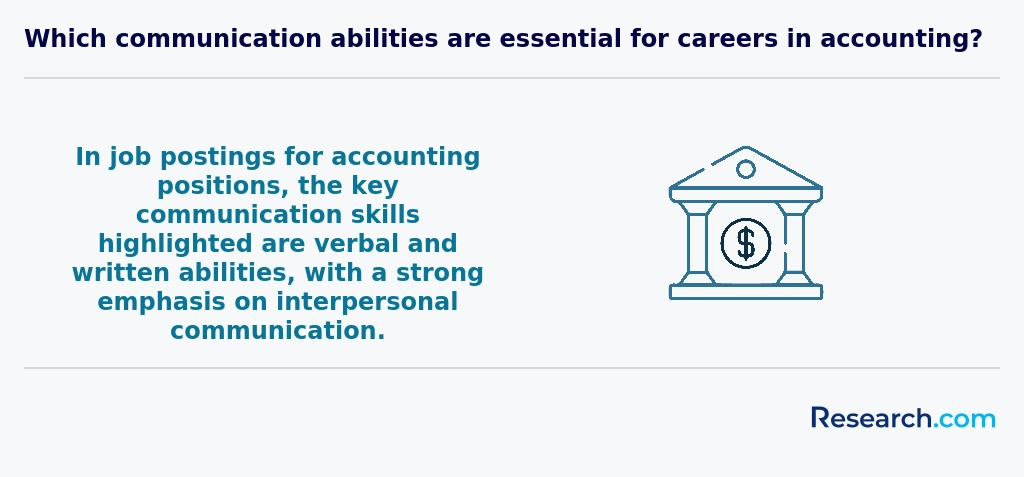
Graduates with an accounting degree in Oklahoma encounter a diverse array of career paths that challenge the stereotype of accountants as mere number crunchers. Many find themselves thriving in dynamic roles like Certified Public Accountants (CPAs), auditors, or tax advisors, directly impacting businesses across fields such as energy and agriculture. Those who studied at universities like the University of Oklahoma or Oklahoma State University often share how their education prepared them to navigate complex financial landscapes with confidence and adaptability. This practical readiness underscores why understanding job prospects for accounting graduates Oklahoma is crucial when choosing your path.
Beyond traditional roles, the field invites specialization. For instance, graduates explore forensic accounting to unravel fraud or become internal auditors managing risk, roles that bring analytical challenges and a sense of purpose. The pursuit of CPA licensure, supported by thorough university programs, opens doors to higher earning potential and professional fulfillment in both public and private sectors.
Many students also weigh options like management accounting or government accounting, leveraging state economic diversity to match their ambitions. To find cost-effective graduate options, consider consulting the Low Cost Online Master's in Accounting Degree Programs Ranking in Massachusetts, illustrating that affordable continued education can enhance these rewarding career opportunities.
The accounting job market Oklahoma 2027 is more dynamic than many expect, especially for graduates from institutions like the University of Oklahoma and Oklahoma State University. These schools offer not just education but direct pathways into local industries, where graduates find themselves quickly employed in diverse roles from public accounting firms to corporate finance teams. A graduate might start as an internal auditor in Tulsa's energy sector, appreciating the balance of competitive salaries near $66,000 and local living costs that stretch their paycheck further than in larger metro areas.
Oklahoma accounting degree employment outlook shows sustained growth fueled by the state's diverse economy, from manufacturing hubs to government agencies. Graduates frequently mention that earning the CPA license after graduation transforms their opportunities, often leading to leadership roles just a few years into their career. For many, the cost-effective tuition within these programs contrasts sharply with national averages, making Oklahoma both an affordable and smart choice for aspiring accountants focused on long-term success.
Students who explore college majors and careers often discover that the Oklahoma job market rewards persistence and professional licensure. These factors combine to create a compelling case that challenges the notion accounting success only awaits in bigger states or costly cities.
2027 Most Valuable Accounting Degree Programs Ranking in Oklahoma
Investing in your education is a significant decision that can shape your future, and the Research.com team understands the importance of making informed choices. To assist prospective students in Oklahoma, we have meticulously developed the "2027 Most Valuable Accounting Degree Programs Ranking in Oklahoma." Our dedication to quality, credibility, and accuracy is demonstrated through rigorous research and comprehensive analysis in compiling this ranking.
We utilized the following reputable data sources to ensure a thorough and trustworthy evaluation of accounting programs:
By examining this ranking, readers will gain valuable insights into the most valuable accounting degree programs in Oklahoma, empowering them to make well-informed decisions about their educational investments. For more details on our methodology, please visit our Research.com methodology page.


# 5 position
Southeastern Oklahoma State University
Bachelor of Business Administration in Accounting


Frequently Asked Questions About accounting
Students pursuing accounting degrees in Oklahoma can maximize their learning experience by combining strong academic performance with practical opportunities. Many Oklahoma universities offer accredited programs aligned with CPA (Certified Public Accountant) requirements, helping students meet eligibility for licensure. Engaging in internships with local firms, especially in Oklahoma City and Tulsa where many corporate headquarters reside, provides valuable real-world insights.
Participating in student organizations like the American Institute of CPAs (AICPA) Oklahoma chapter can expand networking and professional development. Oklahoma's cost of living and education expenses tend to be lower than the national average, allowing students to focus on studies and gain experience simultaneously. Utilizing campus resources and state-specific accounting regulations further prepares students for success.
The accounting field in Oklahoma is evolving with several emerging niches offering promising career opportunities. One key area is forensic accounting, which combines accounting skills with investigative techniques to detect financial fraud. According to the Oklahoma Society of Certified Public Accountants, demand for forensic accountants has risen alongside increased regulatory scrutiny.
Environmental accounting is gaining traction as businesses seek to measure and report their environmental impact. This niche aligns with growing sustainability efforts at the corporate level.
Additionally, technology-driven roles, such as data analytics and cybersecurity accounting, are expanding rapidly. The Bureau of Labor Statistics notes that these specialties are crucial as companies rely more on data for strategic decisions.
These emerging areas present potential avenues for students pursuing accounting degrees in Oklahoma.
After earning an accounting degree in Oklahoma, preparing for the job market involves several strategic steps. First, gaining practical experience through internships or part-time roles is essential. Oklahoma has a growing demand for accountants, with the U.S. Bureau of Labor Statistics projecting a 7% employment increase in the state through 2031.
Next, consider obtaining professional certifications such as the CPA, which is highly valued by Oklahoma employers. Meeting the Oklahoma State Board of Accountancy's requirements, including 150 credit hours and passing the CPA exam, can enhance job prospects significantly.
Networking in local professional organizations like the Oklahoma Society of CPAs can provide valuable connections and job leads. Finally, sharpening technology skills, especially in accounting software widely used in Oklahoma firms, will improve competitiveness in the state's job market.
Employers in Oklahoma seeking accounting degree graduates emphasize a blend of technical and soft skills. Proficiency in Generally Accepted Accounting Principles (GAAP) and familiarity with tax regulations remain fundamental. According to the Oklahoma Society of Certified Public Accountants, 85% of hiring managers prioritize strong analytical and problem-solving abilities in candidates.
Additionally, knowledge of accounting software such as QuickBooks and Microsoft Excel is critical, with 72% of firms requiring these skills. Communication skills also rank highly, as accountants must explain financial data clearly to clients and teams. Attention to detail and ethical standards are equally essential due to regulatory compliance demands in Oklahoma's business environment.
Finding accounting internships in Oklahoma requires a proactive approach. Start by exploring career services at Oklahoma universities offering accounting degrees, such as the University of Oklahoma or Oklahoma State University. These offices often list local internship opportunities and host job fairs connecting students with firms.
The Oklahoma Society of CPAs is another valuable resource that frequently posts internships and entry-level positions tailored to accounting students in the state. Networking events and mentorship programs offered through this organization can provide direct access to employers.
Target companies within Oklahoma's key industries like energy, agriculture, and finance, as they regularly hire accounting interns. According to the U.S. Bureau of Labor Statistics, Oklahoma's employment for accountants and auditors is projected to grow steadily through 2030, which increases intern availability.
Students should also leverage online platforms focused on Oklahoma-based listings and apply early, as competitive internships fill quickly.
In Oklahoma, earning an accounting degree significantly enhances career mobility and advancement opportunities within the state. According to the U.S. Bureau of Labor Statistics (2023), Oklahoma employs over 7,000 accountants and auditors, with a projected job growth of 6% through 2031. A degree is often a minimum requirement for roles such as staff accountant or financial analyst and is essential for certification as a CPA, which greatly improves earning potential and leadership prospects.
Employers in Oklahoma value graduates from accredited programs, which provide strong foundations in tax law, auditing, and financial reporting relevant to local industries like energy and agriculture. This education equips professionals to move into managerial and specialized roles more rapidly than those without a formal accounting background.
Studying for an accounting degree in Oklahoma equips students with critical skills that support interdisciplinary roles across various industries. Programs commonly integrate courses in business management, finance, and information technology, fostering a comprehensive understanding of how accounting interacts with other fields. According to the Oklahoma State Regents for Higher Education, many institutions emphasize practical experience through internships and case studies that require coordination with marketing, law, and data analytics teams.
Graduates are prepared to collaborate with professionals in diverse sectors such as healthcare, government, and energy, which are prominent in Oklahoma's economy. This multidisciplinary approach enhances problem-solving and communication skills, essential for adaptive career paths.
When choosing between a thesis and a non-thesis accounting degree program in Oklahoma, consider your career goals and learning preferences. Thesis programs emphasize research and writing, ideal for students aiming at academic careers or advanced certifications like the CPA. Non-thesis tracks focus on practical, coursework-based learning suited for professionals entering the workforce quickly.
According to the National Center for Education Statistics, many Oklahoma universities offer both options, allowing flexibility. In 2023, nearly 40% of accounting grads statewide chose non-thesis programs for faster completion. Cost and time commitments also differ, with thesis programs often requiring more time for research projects.
Assess the faculty expertise, resources, and internship opportunities at each school, as Oklahoma's top programs emphasize practical skills and networking within the local accounting industry.
Students based in Oklahoma who wish to study accounting abroad have multiple pathways through partnerships and exchange programs. Many Oklahoma institutions with accounting programs, such as the University of Oklahoma and Oklahoma State University, offer study abroad opportunities in countries with strong financial markets like the United Kingdom and Canada. These programs typically last one semester and allow students to earn credits toward their degree.
Additionally, students can explore international internships and certificate programs that enhance global accounting standards knowledge, improving their career prospects. It is crucial to verify accreditation and credit transfer policies to ensure these experiences align with Oklahoma's educational requirements.
Oklahoma offers several part-time job opportunities that complement accounting degree education, allowing students to gain practical experience while studying. Positions such as accounting clerk, bookkeeping assistant, and tax preparation aide are common roles on campus or in local firms. These jobs develop essential skills in data entry, ledger management, and tax code application, relevant to future certification exams.
According to the Oklahoma Employment Security Commission, accounting and auditing clerks earned a median wage of approximately $18 per hour in 2023. Internships at regional CPA firms or state agencies are also valuable for exposure to real accounting practices and networking.
Many universities in Oklahoma, including the University of Oklahoma and Oklahoma State University, have partnerships with local businesses offering student placements specifically designed to enhance accounting study outcomes.
Accounting students in Oklahoma benefit from numerous networking opportunities that enhance their career prospects. Many universities in the state, such as the University of Oklahoma and Oklahoma State University, host accounting clubs and chapters of national organizations like Beta Alpha Psi. These groups provide regular events, guest lectures, and access to industry professionals.
Statewide events, such as those organized by the Oklahoma Society of Certified Public Accountants (OKCPA), offer workshops, conferences, and networking mixers specifically tailored to accounting students. Participation helps students build connections with experienced accountants and potential employers.
Internships in Oklahoma businesses also play a vital role in networking, with over 10,000 accounting-related jobs in the state reported by the Bureau of Labor Statistics as of 2023. These opportunities aid students in gaining practical experience and professional relationships.
Alumni networks play a crucial role for accounting degree students in Oklahoma by providing valuable professional connections. Oklahoma's accounting graduates benefit from strong ties to local firms, government agencies, and nonprofits, enhancing job placement opportunities.
These networks often host events and mentorship programs, helping students gain insights into Oklahoma's job market, including the state's demand for Certified Public Accountants (CPAs). According to the Oklahoma Society of CPAs, its alumni connections have helped increase statewide accounting employment by 3% annually in recent years.
Moreover, alumni networks offer guidance on licensure requirements and continuing education, which are vital for accountants to maintain CPA status in Oklahoma.
In Oklahoma, students can customize their accounting degree to align with specific career goals by selecting elective courses that focus on areas like auditing, taxation, or forensic accounting. Many universities offer specialized tracks or concentrations, allowing students to tailor their education to the demands of industries prevalent in the state, such as energy and agriculture. Additionally, Oklahoma schools often provide opportunities for internships and cooperative education, giving practical experience that enhances employability. According to the Oklahoma State Regents for Higher Education, incorporating professional certifications preparation, like CPA exam review courses, can further improve job prospects within the state's competitive accounting market.
Accounting students in Oklahoma often face several challenges that can impact their academic success. One common difficulty is mastering complex accounting principles and staying updated with evolving tax laws and financial regulations, which are critical in the profession. According to the Oklahoma State Board of Accountancy, students must also prepare intensely for the Certified Public Accountant (CPA) exam, known for its high standards and low pass rates nationwide.
Another challenge is balancing coursework with work or family responsibilities, as many students in Oklahoma are non-traditional or part-time learners. Additionally, limited access to internships and professional networking opportunities in rural areas can affect practical experience and job placement after graduation. These factors combined make completing an accounting degree demanding yet rewarding.
An accounting degree in Oklahoma opens doors to several respected professional certifications that enhance career prospects. The most recognized is the Certified Public Accountant (CPA) license, which requires meeting education and exam requirements set by the Oklahoma Board of Accountancy. Earning the CPA credential can significantly increase job opportunities and earning potential.
Other certifications include the Certified Management Accountant (CMA) and Certified Internal Auditor (CIA), both valuable in corporate accounting roles. The CMA is offered by the Institute of Management Accountants, while the CIA credential is governed by the Institute of Internal Auditors.
Additionally, Oklahoma offers pathways to certifications like Enrolled Agent (EA) for those specializing in taxation, administered by the IRS. These certifications complement an accounting degree and can help professionals stand out in Oklahoma's competitive job market.
Writing a winning application for an accounting program in Oklahoma requires careful preparation and clear presentation of your qualifications. Admissions committees typically look for strong academic records, especially in math and business courses. Highlight your GPA and relevant coursework to demonstrate your foundational knowledge.
Many Oklahoma universities, such as the University of Oklahoma and Oklahoma State University, emphasize the importance of professional goals in the personal statement. Explain why you are passionate about accounting and how their program aligns with your career ambitions. Including references to local industry opportunities can strengthen your case.
Additionally, some programs require letters of recommendation from teachers or employers familiar with your skills. Choose recommenders who can speak to your analytical abilities and work ethic.
Meeting application deadlines and submitting all required documents, including standardized test scores if requested, is essential. According to the Oklahoma State Regents for Higher Education, accounting remains a growth field in the state, with a 7% job increase projected by 2030, underlining the value of a well-crafted application.
The global perspective on an accounting career highlights increasing demand for professionals with strong analytical, ethical, and technological skills. In the United States, including Oklahoma, accounting remains a stable and growing field. According to the U.S. Bureau of Labor Statistics, employment for accountants and auditors is projected to grow 7% from 2022 to 2032, faster than the average for all occupations.
Oklahoma has seen consistent growth in accounting jobs, driven by businesses expanding in sectors such as energy, agriculture, and manufacturing. Local universities align their accounting programs with globally recognized standards like the CPA designation, which is respected internationally.
Furthermore, technology and globalization require accountants to navigate complex international financial regulations and reporting standards, especially for companies engaged in cross-border trade. This makes an accounting degree from Oklahoma not only valuable locally but also relevant in a global context.
Gaining practical experience while studying for an accounting degree in Oklahoma is essential to enhance employability and apply theoretical knowledge. Many Oklahoma universities encourage students to participate in internships offered through partnerships with local businesses, government agencies, and accounting firms. For example, the Oklahoma Society of CPAs provides resources for students seeking internships in the state.
Students can also join campus organizations like accounting clubs or honor societies that often facilitate networking events and workshops with professionals. Additionally, cooperative education (co-op) programs are available at some institutions, allowing students to alternate semesters of study with paid work experience.
According to recent data from the Bureau of Labor Statistics, Oklahoma's demand for accountants is steady, making real-world experience valuable for job placement. Volunteering for tax assistance programs such as VITA (Volunteer Income Tax Assistance) also offers practical skills and community involvement during studies.
Choosing the right concentration within an accounting degree program in Oklahoma involves understanding your career goals and the local job market. Common concentrations include forensic accounting, tax accounting, and auditing. For example, Oklahoma has a growing demand for forensic accountants due to increased corporate fraud investigations, according to the Bureau of Labor Statistics (BLS) regional data from 2023.
Students should also consider certification paths, such as CPA or CMA, which may align better with certain concentrations. Tax accounting is highly relevant in Oklahoma's diverse economy, especially in oil, agriculture, and small business sectors. Researching each concentration's curriculum and internship opportunities within Oklahoma can further clarify which area fits your interests and the state's needs.
- 2027 Most Valuable Accounting Degree Programs Ranking in Arkansas
- 2027 Most Valuable Accounting Degree Programs Ranking in Colorado
- 2027 Most Valuable Accounting Degree Programs Ranking in Louisiana
- 2027 Most Valuable Accounting Degree Programs Ranking in Alabama
- 2027 Most Valuable Accounting Degree Programs Ranking in Minnesota
- 2027 Most Valuable Accounting Degree Programs Ranking in Illinois
- 2027 Most Valuable Accounting Degree Programs Ranking in Kentucky
- 2027 Most Valuable Accounting Degree Programs Ranking in Georgia
- 2027 Most Valuable Accounting Degree Programs Ranking in Indiana
- 2027 Most Valuable Accounting Degree Programs Ranking in Idaho
See What Experts Have To Say About Studying Accounting
Read our interview with Accounting experts

Yaw M. Mensah
Accounting Expert
Professor and Interim Vice Dean for Strategic Partnerships
Rutgers Business School

John Wermert, Ph.D., CPA
Accounting Expert
Associate Professor of Accounting
Middle Tennessee State University

- Guide to Transition into an Accounting Career https://teach.com/online-ed/business-degrees/online-masters-accounting/how-to-transition-to-an-accounting-career/
- 8 Accounting Niches You Should Consider | Accountancy | Bingparse https://www.icslearn.co.uk/blog/accountancy/8-accounting-niches-you-should-consider/
- 5 Niches for Accountants to Consider - Samera Global https://sameraglobal.com/5-niches-for-accountants-to-consider/
- Master’s Program in Accounting and Auditing (Thesis/Non-Thesis, Turkish) https://www.isikun.edu.tr/en/academic/graduate/accounting-auditing/masters-program-accounting-and-auditing-thesis/non-thesis
- 6 accounting niches for your new firm https://www.becker.com/blog/career/accounting-niches-for-your-firm
- Accountant Salary | State-by-State Accounting Salaries https://www.allbusinessschools.com/accounting/salary/
- Professional Networking in Accounting - Accounting.com https://www.accounting.com/resources/networking-tips-for-landing-a-job/
- How to Meet Accounting Degree Requirements for Career Success - ICMS https://www.icms.edu.au/degree-discovery/how-to-meet-accounting-degree-requirements/
- Inside the world of accounting internships: What to expect : ThisWayToCPA : AICPA https://www.thiswaytocpa.com/work-experience/articles/internships/inside-world-accounting-internships-what-expect/
- Accountant Cover Letter Example https://www.careertoolbelt.com/professions/accountant/cover-letter-example/


