2027 Most Valuable Accounting Degree Programs Ranking in Michigan

Co-Founder and Chief Data Scientist
Choosing the right accounting degree program can shape your future career and financial success. For students in Michigan, making this decision might feel overwhelming among many options.
This article introduces the 2027 Most Valuable Accounting Degree Programs Ranking in Michigan, carefully developed by the Research.com team of data scientists. It aims to help you confidently identify which programs offer the best value for your time and investment.
By exploring this ranking, you'll discover programs that boost your opportunities and prepare you for a rewarding career. Taking this step could be your pathway to professional growth and stability.
Key benefits of getting accounting degree in Michigan
- Salary for accounting degree graduates: Graduates in Michigan can expect competitive salaries, with Staff Accountants earning a mean annual wage of $90,780 and Bookkeepers earning around $49,580. These figures reflect strong earning potential and job stability in several accounting roles.
- Career paths: An accounting degree from a well-known Michigan university opens doors to diverse roles such as Tax Preparer, Associate Auditor, and Accounts Payable Clerk, offering flexible and rewarding career options. Many graduates proudly build successful careers in both corporate and public sectors.
- Benefits of online degrees: Online accounting programs from reputable Michigan schools allow students to balance work and study comfortably while gaining the same valuable credentials. This flexible approach suits busy learners seeking advancement without sacrificing existing commitments.
- 2027 Most Valuable Accounting Degree Programs Ranking in Michigan
- What can I expect from accounting degree in Michigan?
- Where can I work with accounting degree in Michigan?
What can I expect from accounting degree in Michigan?
The average cost of pursuing an accounting degree in Michigan varies depending on the institution, but students often find it a valuable investment in their future. For example, graduates from the University of Michigan and Michigan State University typically report a total tuition cost ranging from $30,000 to $50,000 for a bachelor's degree. Many students appreciate that this investment includes access to AACSB-accredited programs, ensuring a quality education recognized nationwide.
Graduates from Wayne State University often share how financial aid, scholarships, and work-study opportunities help manage expenses, making the cost more manageable. The cost reflects not just classroom learning but hands-on experience through internships with local firms in Detroit's booming economy, which many find invaluable as they transition into rewarding accounting careers.
Despite the costs, former students describe their education in Michigan as empowering-providing the skills and networks needed to open doors to high-paying roles in automotive, healthcare, and finance industries across the state.
Where can I work with accounting degree in Michigan?
Graduates with an accounting degree from universities like the University of Michigan or Michigan State University find themselves welcomed into vibrant career paths across the state. Many step confidently into roles in public accounting firms-from industry giants to local agencies-where they thrive by auditing, preparing taxes, and providing insightful consulting. Imagine starting your career at a firm in Detroit, applying classroom knowledge to real-world financial challenges while collaborating with seasoned professionals.
Others pursue rewarding careers within corporate accounting departments in bustling cities like Grand Rapids, managing budgets and refining internal controls to help businesses grow. These positions offer the chance to become an essential financial strategist behind successful companies.
Some graduates embrace fulfilling opportunities in government agencies or healthcare, where their skills directly impact public policy and patient care finances. Working for Michigan's Department of Treasury or at a major hospital means stability and meaningful contributions that uplift communities.
Many find joy in the non-profit or education sectors, using their expertise to ensure transparent, efficient fund management that supports inspiring missions.
Graduates with an accounting degree from Michigan's well-regarded universities, such as the University of Michigan or Michigan State University, often step into promising careers with solid earning potential. For example, staff accountants typically earn a mean annual wage of about $90,780 in Michigan, reflecting strong demand and competitive salaries in this profession. Many accounting grads start in roles like accounts payable clerks or tax preparers, where the mean annual wage is around $49,580, providing a reliable foundation as they gain experience.
Imagine beginning your career assisting local businesses with bookkeeping or tax prep, contributing to their financial health while earning nearly $50,000 a year. As experience builds, graduates often advance to positions with higher pay and greater responsibility-staff accountants who have leveraged their education and internships often share stories of reaching nearly $91,000 annually.
This trajectory illustrates the vibrant opportunities awaiting Michigan accounting graduates eager to thrive in industries across the state, from Detroit's automotive sector to Grand Rapids' growing financial services. Pursuing your accounting degree here opens the door to fulfilling work with steadily rising rewards.
- Public universities in Michigan charge between $13,000 and $16,000 per year for in-state accounting students, while private colleges may cost over $35,000 annually.
- Community colleges and regional campuses offer more affordable accounting programs, often costing under $5,000 per year.
- Entry-level accountants in Michigan earn about $53,000 annually, with salaries increasing to $70,000-$85,000 for mid-career professionals.
- Senior accountants and managers typically earn over $90,000 per year in Michigan's strong job market.
- The employment of accountants and auditors in Michigan is expected to grow by approximately 6% over the next decade.
- Many programs include CPA preparatory courses, with CPA licensure requiring 150 credit hours and passing the Uniform CPA Exam.
Completing an accounting degree in Michigan offers flexible and exciting pathways tailored to your ambition and lifestyle. Many graduates from universities like the University of Michigan or Michigan State University share how a full-time bachelor's degree typically takes about four years. This steady pace allows you to deeply connect with your courses and campus life, growing both academically and personally.
Some driven students choose an accelerated path, combining summer sessions and heavier semesters, finishing in as little as three years. Imagine wrapping up your studies sooner, eager to launch your career or dive into advanced learning sooner than expected!
If you're aiming to become a Certified Public Accountant, you'll appreciate that Michigan's 150-credit-hour requirement encourages a thoughtful educational journey-often leading to a fifth year or a master's program. Graduates value this extra time to build real-world skills and confidence, setting them apart in competitive job markets.
Many students find that balancing their studies with part-time work or internships is completely doable in Michigan, especially with financial aid options helping to ease tuition costs. This balance transforms challenges into rewarding growth experiences on your way to success.
Earning an accounting degree is only the first step toward becoming a licensed professional in Michigan. To sit for the Certified Public Accountant (CPA) exam, candidates must complete at least 150 semester credit hours, which typically includes a bachelor’s degree in accounting plus additional coursework in ethics, business law, and advanced financial topics. Michigan’s Board of Accountancy mandates a minimum of 30 credit hours in accounting subjects (such as auditing, taxation, and financial reporting) and 24 credit hours in general business. The Uniform CPA Exam consists of four sections-Auditing and Attestation (AUD), Financial Accounting and Reporting (FAR), Regulation (REG), and Business Environment and Concepts (BEC)-all of which must be passed within an 18-month rolling window. Applicants should apply through the Michigan Department of Licensing and Regulatory Affairs (LARA), submit official transcripts, and pay examination fees. Once all exam sections are cleared, candidates must complete an ethics exam approved by the Michigan Board. In addition to exam requirements, licensure in Michigan requires one year (2,000 hours) of supervised experience under a licensed CPA. This practical training hones skills in areas like audit procedures, tax research, and financial analysis. After licensure, CPAs must fulfill 40 hours of continuing professional education (CPE) annually to maintain their license and stay current with evolving standards and regulations. Beyond the CPA, Michigan accounting graduates often pursue complementary credentials such as the Certified Management Accountant (CMA) or Certified Internal Auditor (CIA) to expand career opportunities in corporate finance and risk management. For students seeking cost-effective pathways that still meet these rigorous educational requirements, exploring our Inexpensive Accounting Degree Programs Ranking in Conway, AR can reveal programs that balance affordability with accreditation and CPA exam preparation.
Choosing between an online and on-campus accounting degree in Michigan means embracing the learning style that best fits your life and goals. Online programs offer incredible flexibility, allowing you to study anytime, anywhere-perfect for busy individuals balancing work or family. Graduates from Michigan's online programs appreciate this freedom, often sharing how it empowered them to advance their careers without pausing their daily responsibilities.
On the other hand, on-campus degrees at institutions like the University of Michigan's Ross School of Business shine with dynamic, face-to-face experiences. Students thrive in lively classrooms, collaborating on projects and building strong networks that open doors in Michigan's accounting community. Many graduates recall how these personal connections and real-time feedback boosted their confidence and professional readiness.
Cost also plays a role: on-campus tuition can be higher due to campus facilities, while online programs frequently offer more affordable options without sacrificing quality. Accredited online degrees provide the same rigorous preparation for the CPA exam, ensuring you're equally prepared to succeed professionally.
Pursuing professional certifications is a critical step in maximizing the value of your accounting degree in Michigan. Most graduates aim to earn the Certified Public Accountant (CPA) credential, which requires completing 150 semester hours of coursework, passing the Uniform CPA Examination, and meeting state-specific experience requirements. Many Michigan programs integrate CPA exam preparation into their curriculum, offering specialized courses in auditing, taxation, and ethics to ensure candidates are exam-ready upon graduation. Beyond the CPA, other in-demand credentials include the Certified Management Accountant (CMA), the Certified Internal Auditor (CIA), and the Enrolled Agent (EA). Each designation opens unique career pathways: CMAs often advance into corporate finance and strategic management roles, CIAs specialize in risk assessment and internal controls, and EAs focus on tax representation before the IRS. When selecting a program, verify whether it offers targeted exam prep workshops, mentorship from certified faculty, and partnerships with local firms for practical experience. Earning these certifications not only enhances your technical expertise but also has a direct impact on compensation and career trajectory. For detailed insights into earning potential and growth trends, explore our analysis of average acountant salary data. By aligning your academic path with professional licensure requirements, you’ll position yourself for greater job security, higher earnings, and leadership opportunities across public, corporate, and government sectors.
The average cost of a accounting degree in Michigan reflects a rewarding investment in your future, blending opportunity with accessible tuition rates. In-state students at public universities, such as Michigan State University or the University of Michigan, often complete their accounting programs with a median total cost around $16,240. Graduates from these institutions recall the balance of quality education and manageable expenses, which helped them confidently launch their careers.
Out-of-state students face higher tuition fees, with a median total cost nearing $44,693, yet many find the diverse experiences and networks they build during their studies well worth the investment. Private colleges in Michigan, popular for their specialized programs and extra resources, have costs that can range but still offer strong pathways toward professional success in accounting.
Students pursuing an accounting degree appreciate that beyond tuition, budgeting for textbooks, living expenses, and CPA exam preparation is key to a smooth journey. Embracing these costs with a clear understanding empowers them to focus on excelling academically and personally. To explore options tailored to your needs, consider visiting resources like the affordable accounting school in Michigan, which highlights institutions combining value with excellence.
By understanding the average cost of accounting degree programs in Michigan, future accountants can approach their education with confidence and enthusiasm, knowing they're making a smart, achievable choice toward a vibrant career.

To maximize the return on investment in an accounting degree, prospective students in Michigan should consider not only the tuition costs but also the potential career outcomes and growth opportunities. When evaluating accounting programs, it's essential to look beyond the initial investment and focus on the long-term benefits, including salary potential, job security, and opportunities for advancement. For those seeking an affordable option, considering an affordable accounting school in Michigan can be a strategic move, as it can provide a high-quality education at a lower cost, thereby increasing the potential return on investment. By carefully weighing these factors, students can make informed decisions that set them up for success in their accounting careers.
Many accounting students in Michigan find financial aid a powerful ally in their educational journey. Graduates from the University of Michigan often share how Pell Grants-offering up to $7,395 annually-eased their path, making tuition more manageable without the stress of repayment. Others at Michigan State University highlight how state-specific awards, like the Michigan Competitive Scholarship and Michigan Tuition Grant, unlocked opportunities, especially for those attending private colleges.
Merit-based scholarships from these respected universities and support from professional bodies such as the Michigan Association of CPAs provide additional encouragement, rewarding hard work and leadership. Federal student loans with favorable terms offer a safety net, assuring students that funding challenges won't halt their dreams.
Work-study programs also stand out, allowing students to gain hands-on experience in accounting while earning money-building confidence and resumes simultaneously. Together, these resources create an inspiring foundation, showing that pursuing an accounting degree in Michigan is not only achievable but also supported every step of the way.
To enroll in an accounting degree program in Michigan, students typically need a high school diploma with solid skills in math and English. This foundation builds confidence, as many successful graduates from the University of Michigan recall how early classes in algebra and geometry sharpened their ability to analyze numbers-a crucial part of their accounting journey.
Standardized test scores like the SAT often play a role at competitive schools like Michigan State University, where scores between 1070 and 1290 open doors to exciting academic opportunities. Meanwhile, community colleges such as Oakland Community College welcome students with flexible entry paths, making the dream of earning an accounting degree accessible.
Beyond basics, students often find taking introductory courses in accounting, economics, or business enriches their experience and readiness. Many graduates vividly remember how these classes unlocked their understanding of real-world finance, making every future lesson more meaningful and motivating as they prepare for careers that make a difference.
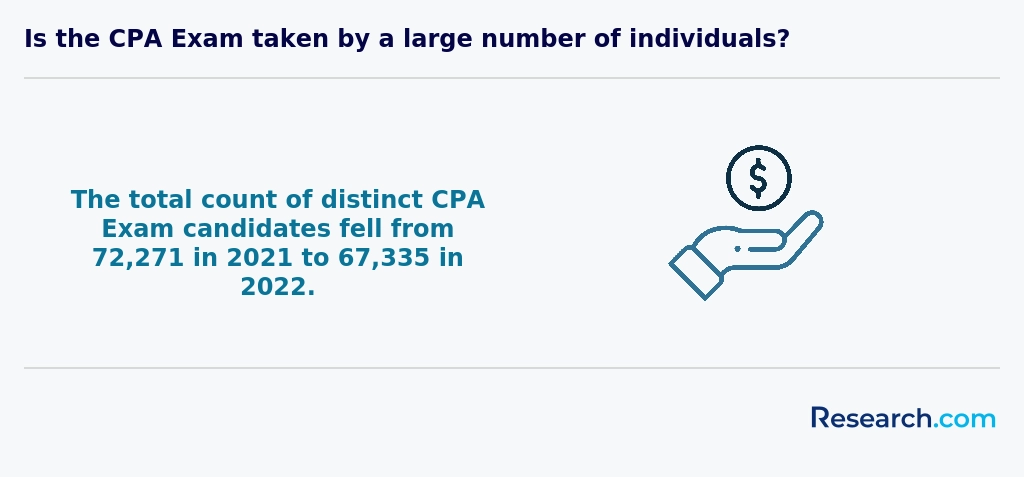
In today’s rapidly evolving financial landscape, accounting professionals are increasingly expected to integrate modern technologies into traditional practices. Innovations such as cloud computing, data analytics, artificial intelligence, and blockchain are reshaping how accounting data is managed and reported. This evolution not only impacts the curriculum of accounting degree programs in Michigan but also enhances graduates’ readiness for future job markets. Students and professionals alike can benefit from gaining a foundational understanding of these emerging tools and how they translate into improved decision-making and efficiency. For example, many institutions now offer specialized coursework and labs aimed at mastering these technologies, which further prepares graduates for dynamic roles in modern finance. As graduates enter the workforce, they are encouraged to leverage these skills to explore diverse accounting careers that prioritize digital transformation and innovative financial management solutions. Embracing these trends not only broadens one’s expertise but also serves as a strategic advantage in a competitive, technology-driven industry.
Accounting degrees in Michigan offer an inspiring blend of courses that equip students with essential skills for a thriving career. Graduates from respected universities like the University of Michigan and Michigan State University often highlight how core classes such as financial accounting, managerial accounting, and intermediate accounting helped them confidently prepare financial statements and guide critical business decisions.
Students gain hands-on experience through auditing courses that teach them to confidently examine financial records, ensuring accuracy and compliance. Taxation classes shine a light on the complex world of federal and state tax codes, empowering future accountants to navigate filing procedures and tax planning with ease.
Popular programs also dive into business law and ethics, accounting information systems, and cost accounting-subjects that transform students into well-rounded professionals ready to tackle real-world challenges. Many enjoy the additional analytical rigor from economics, statistics, and finance courses, which broaden perspectives and amplify their problem-solving skills.
These vibrant learning experiences build a strong foundation, preparing Michigan accounting students to thrive in dynamic workplaces and pursue certifications like the CPA with confidence and pride.
Students pursuing an accounting degree in Michigan find exciting opportunities through diverse specializations tailored to their ambitions. At renowned institutions like the University of Michigan and Michigan State University, graduates often highlight how focusing on public accounting prepares them for dynamic careers in auditing, tax preparation, and consulting within trusted firms. This specialization is ideal for those aiming to become CPAs, a credential highly respected across Michigan's thriving economy.
Others choose powerful paths such as management accounting, gaining skills to influence internal business strategies in corporations or government agencies. Graduates share how these concentrations open doors to meaningful roles, especially in Michigan's automotive and manufacturing sectors. Forensic accounting also attracts students eager to combine their passion for finance with justice, working alongside legal teams to uncover financial fraud in a state known for its active regulatory environment. Exploring Michigan accounting degree concentration options allows students to embrace their strengths and step confidently into fulfilling careers.
Many students also pursue tax accounting or auditing, while some integrate IT skills through information systems auditing, reflecting evolving industry demands. These concrete experiences motivate students to thrive in the world of accounting careers.
Choosing the best accounting degree programs in Michigan means focusing on accreditation, cost, and practical experience to shape your future. Graduates from AACSB-accredited schools like the University of Michigan and Michigan State University often share how the strong curriculum and real-world internships gave them confidence and valuable skills. Imagine engaging in dynamic internships with top firms in Detroit or Grand Rapids, gaining experiences that textbooks alone can't provide.
Affordability plays a key role, too. Many students weigh options between well-regarded public universities with reasonable tuition and private colleges offering unique opportunities. Planning for a master's degree or extra credits ensures eligibility for CPA certification, making informed investment in your education essential. Those who prioritize schools balancing classroom learning and career support enjoy smoother transitions into Michigan's vibrant accounting job market.
With a median salary reflecting Michigan's competitive standing, understanding the local acountant salary potential adds motivation. Pursuing affordable accounting degrees Michigan 2027 can open doors to rewarding careers where precision meets opportunity.
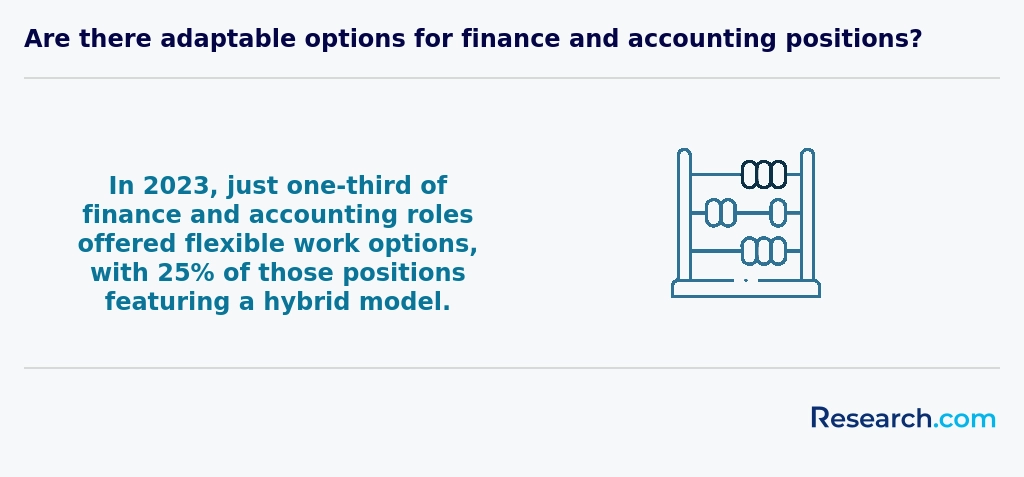
Graduates with an accounting degree in Michigan enjoy a wealth of career paths filled with opportunity and growth. From starting as bookkeepers or payroll administrators to becoming accounting managers or controllers, the journey reflects steady advancement fueled by experience and expertise. Many graduates from respected Michigan universities find themselves thriving as certified public accountants (CPAs), auditors, financial analysts, or tax specialists, driven by the state's strong corporate and regulatory landscape.
Job prospects for accounting graduates Michigan are vibrant, spanning traditional roles and emerging areas like forensic accounting and governmental financial management. Graduates often recall how their education at top schools in the state prepared them for diverse industries such as automotive, healthcare, and finance, especially within dynamic hubs like the Detroit metropolitan area.
Connecting with local professional groups such as the Michigan Association of CPAs and exploring resources like the Inexpensive Accounting Degree Programs Ranking in Conway, AR empowers students to transform ambition into success in Michigan's competitive accounting landscape.
Graduates holding an accounting degree in Michigan enjoy a vibrant and promising job market fueled by diverse industries such as automotive manufacturing, finance, healthcare, and government services. Popular universities in cities like Detroit, Grand Rapids, and Ann Arbor equip students with practical skills, often through internships, that open doors to entry-level roles like staff accountant or auditor. These early career experiences build confidence and a deep understanding of real-world business challenges.
As these graduates advance, Michigan's accounting job outlook offers steady growth at a pace of around 7% through 2030, ensuring long-term career stability. Many find rewarding positions as senior accountants or accounting managers, particularly with firms valuing Certified Public Accountant licensure. The competitive salaries, averaging about $67,000 annually statewide and higher in metro areas, motivate many to pursue continuing education opportunities available locally.
For students weighing costs and benefits, institutions in Michigan provide solid value, with tuition ranging from $10,000 to $40,000. Financial aid and scholarships ease this investment, empowering graduates to thrive in a state rich with Michigan accounting degree employment opportunities. Exploring the highest paying certificates can further enhance career prospects and earning power.
2027 Most Valuable Accounting Degree Programs Ranking in Michigan
Investing in your education is a significant decision that can shape your professional future, and the Research.com team understands the importance of making well-informed choices. To assist prospective students in Michigan, we have carefully developed the "2027 Most Valuable Accounting Degree Programs Ranking in Michigan." Our dedication to quality, credibility, and accuracy is demonstrated through rigorous research and analysis behind this ranking.
We utilized the following reputable data sources to ensure a comprehensive evaluation of accounting degree programs:
By exploring this ranking, readers will gain valuable insights into the most valuable accounting degree programs in Michigan, helping them make informed decisions about their educational investments. For more details on our methodology, please visit our Research.com methodology page.


Frequently Asked Questions About accounting
Accounting degree students in Michigan can maximize their learning experience by engaging in internships and cooperative education programs offered by local firms and businesses. According to the Michigan Department of Labor and Economic Opportunity, internships increase employment opportunities by 40% for accounting graduates. Participating in student chapters of professional organizations such as the Michigan Association of CPAs provides valuable networking and mentorship options.
Choosing programs accredited by AACSB or ACBSP ensures curriculum quality aligned with current industry standards. Leveraging resources at Michigan universities, including career services and tutoring centers, can also boost academic success. Additionally, staying updated with Michigan's evolving tax laws and business regulations helps students apply theory to real-world contexts effectively.
The accounting field in Michigan is evolving, with several emerging niches gaining importance. One significant area is forensic accounting, where professionals investigate financial fraud and support legal cases. Demand for these experts is rising due to increased regulatory scrutiny and corporate compliance needs.
Another growing niche is environmental accounting, reflecting Michigan's focus on sustainable business practices. Accountants in this field assess environmental costs and help companies meet green regulations.
Additionally, technology-driven roles like data analytics and cybersecurity accounting are expanding. These specialists analyze large financial data sets and protect sensitive information, which is crucial for Michigan's diverse economy.
According to the Michigan Association of CPAs, jobs in these areas have grown by over 10% in recent years.
After earning an accounting degree in Michigan, students should focus on gaining practical experience to improve employability. Internships with local firms, including Detroit's Big Four or mid-sized companies, provide valuable real-world skills and networking opportunities.
Michigan's unemployment rate for accountants has historically been below the national average, reflecting steady demand for financial professionals, as reported by the Bureau of Labor Statistics in 2023. To stand out, graduates should also pursue certifications like the CPA, which is highly regarded in Michigan's finance industry.
Building proficiency in accounting software such as QuickBooks and Microsoft Excel enhances job readiness. Joining professional organizations like the Michigan Association of Certified Public Accountants (MICPA) offers networking and continuing education resources essential for career growth.
Employers in Michigan seek accounting graduates with strong technical skills, particularly proficiency in accounting software such as QuickBooks and Microsoft Excel. A 2023 survey by the Michigan Association of CPAs highlights that 85% of firms prioritize candidates skilled in data analysis and financial reporting. Understanding Generally Accepted Accounting Principles (GAAP) remains fundamental, ensuring accuracy and compliance in financial statements.
Beyond technical abilities, communication and critical thinking rank highly. Accountants must explain complex financial data clearly to clients and colleagues. Adaptability is also essential due to evolving tax laws and financial regulations in Michigan's diverse economy.
Finding internships in Michigan relevant to an accounting degree involves targeted research and resourcefulness. Start by exploring university career centers at Michigan institutions like the University of Michigan or Michigan State University, which typically have partnerships with local accounting firms. According to the Michigan Society of CPAs, internships are crucial for practical experience and networking.
Joining professional organizations such as the Michigan Association of Accounting Professionals can open doors to internship listings and mentorship. Additionally, websites like Handshake and local job boards often feature internship opportunities specifically in accounting.
Companies in Detroit, Grand Rapids, and other business hubs frequently offer paid internships, providing valuable exposure to accounting practices in industries prevalent in Michigan, such as automotive and manufacturing.
An accounting degree significantly enhances career mobility and advancement opportunities in Michigan's competitive job market. According to the Bureau of Labor Statistics, Michigan employs over 30,000 accountants and auditors, with a steady 6% growth projected through 2030. Earning a degree not only meets the minimum educational requirements but also prepares graduates for professional certifications such as the CPA, which is highly valued by employers in the state.
The degree equips students with critical skills in financial analysis, tax preparation, and auditing, making them eligible for diverse roles in both private and public sectors. Michigan's strong manufacturing and automotive industries particularly demand skilled accountants to manage complex financial operations.
Furthermore, graduates from accredited Michigan programs often gain access to extensive alumni networks and internship opportunities, which enhance employability and upward mobility. The Michigan Department of Labor reports that certified accountants in the state earn a median annual wage above $75,000, significantly higher than non-degree holders, underscoring the value of formal education in this field.
Studying for an accounting degree in Michigan equips students with skills that extend beyond traditional number-crunching. Michigan universities often integrate interdisciplinary coursework, including finance, information technology, and business law, preparing graduates for diverse roles across industries.
This cross-disciplinary approach reflects the demands of Michigan's evolving economy, which includes manufacturing, automotive, and technology sectors. According to the Michigan Department of Labor and Economic Opportunity, professionals with combined expertise in accounting and data analytics are highly sought after.
Furthermore, many programs emphasize teamwork, communication, and problem-solving-key competencies for interdisciplinary collaboration. This broad foundation enables graduates to adapt readily to roles such as financial analysts, compliance officers, or business consultants.
When choosing between a thesis and a non-thesis accounting degree program in Michigan, consider your career goals and learning style. Thesis programs typically focus on research and preparation for doctoral studies or specialized roles in accounting. They require completing a substantial research project, which can take more time but develops critical analytical skills.
Non-thesis programs emphasize coursework and practical skills, making them suitable for students aiming to enter the workforce quickly or pursue certifications like CPA. According to the Michigan Association of CPAs, over 70% of new accountants in the state possess practical experience, highlighting the value of applied learning.
State universities such as the University of Michigan and Michigan State University offer both options, allowing flexibility based on individual preferences and professional aims.
Students based in Michigan seeking to study accounting abroad have various options through partnerships between Michigan institutions and foreign universities. Several Michigan universities offer study abroad programs or exchange agreements allowing accounting majors to gain international experience while earning credits toward their degree. These experiences often last a semester or a summer term.
Popular destinations include Canada, the United Kingdom, and Australia, where students can immerse themselves in different business laws and accounting standards. According to the Institute of Management Accountants, international experience is increasingly valued by employers in Michigan's strong automotive and finance sectors.
Students must ensure that foreign coursework aligns with accreditation and CPA exam requirements overseen by the Michigan Board of Accountancy. Many Michigan schools provide advising to help navigate these options efficiently.
Students pursuing accounting degrees in Michigan can benefit from several part-time job opportunities that complement their education. Positions such as bookkeeping assistants, tax preparers, and accounting clerks are commonly available at local businesses, providing practical experience in financial record-keeping and regulatory compliance. According to the U.S. Bureau of Labor Statistics, Michigan has a growing demand for accounting and auditing clerks, with an average hourly wage of $20.25 as of 2023.
Internships at accounting firms and corporate finance departments also offer invaluable insights into real-world accounting practices. These roles enhance skills in software like QuickBooks and Excel, essential for career advancement.
Additionally, roles in university finance offices or non-profits offer flexible schedules that align well with academic commitments. Such work experience not only bolsters resumes but aligns closely with the skill set required for Michigan's CPA licensure process, which values practical accounting exposure.
Accounting students in Michigan benefit from strong networking opportunities through numerous professional organizations and university partnerships. The Michigan Association of Certified Public Accountants (MICPA) offers student memberships, events, and mentorship programs, connecting students with over 7,000 CPAs statewide. Many universities also host chapters of the American Institute of CPAs (AICPA) Student Community, fostering peer and professional connections.
Additionally, Michigan's major cities like Detroit and Grand Rapids provide frequent career fairs and workshops specifically for accounting majors. Local firms often collaborate with schools, offering internships that lead to valuable industry contacts.
These resources improve students' job placement rates and practical knowledge in a competitive market.
Alumni networks play a crucial role for accounting degree students in Michigan by offering valuable connections within the local industry. Many universities in Michigan maintain active alumni groups that provide mentorship, job leads, and internship opportunities. According to the Michigan Association of CPAs, strong professional relationships often lead to higher employment rates among recent graduates.
These networks also offer access to events, workshops, and continuing education, helping students stay updated on accounting standards and regulations. In a state where Detroit and Grand Rapids host numerous accounting firms, alumni connections can open doors to both large and midsize employers, improving career prospects.
Customizing an accounting degree program in Michigan allows students to align their education with specific career goals. Many universities in Michigan offer concentrations such as forensic accounting, tax accounting, or auditing. Students can choose electives or certificate programs that focus on these specialized fields. For example, Eastern Michigan University provides options to tailor coursework according to industry demands.
Internships and cooperative education experiences through partnerships with Michigan companies, like those in Detroit's growing financial sector, offer practical skills. According to the Michigan Department of Labor and Economic Opportunity, accounting roles are expected to grow by 7% through 2030, emphasizing the importance of relevant experience.
Students also benefit from pursuing CPA preparation courses incorporated into degree programs, essential for Michigan licensure. Combining local professional certifications with academic knowledge can significantly enhance employability.
Accounting students in Michigan often face a variety of challenges shaped by both academic demands and local economic conditions. One significant difficulty is mastering the complex accounting principles and regulations, which require strong analytical skills and attention to detail. According to the Michigan Society of CPAs, many students struggle with the volume of technical topics covered in a typical accounting curriculum.
Another challenge is passing the Uniform CPA Exam, which has a pass rate of about 50% nationally, making preparation time-consuming and stressful. Additionally, Michigan's competitive job market means students must gain relevant internships and practical experience to stand out.
Financial concerns also affect students since tuition and living costs in Michigan range widely, putting pressure on those with limited resources. Finally, balancing rigorous coursework with part-time work or family responsibilities remains an ongoing obstacle for many.
With an accounting degree in Michigan, graduates can pursue several important professional certifications that enhance career prospects. The most popular is the Certified Public Accountant (CPA) license, which requires meeting specific education, experience, and exam criteria set by the Michigan Board of Accountancy. Michigan ranks among states with strong CPA demand, reflecting its sizable manufacturing and finance sectors.
Other valuable certifications include the Certified Management Accountant (CMA), which focuses on financial management and strategy, and the Certified Internal Auditor (CIA), ideal for those interested in audit roles. These certifications can increase earning potential and open opportunities in diverse industries.
To write a winning application for an accounting program in Michigan, start by highlighting your strong foundation in mathematics and analytical skills. Many Michigan institutions, such as the University of Michigan and Michigan State University, emphasize GPA and prerequisite coursework in accounting, finance, and business.
Include relevant experience like internships or part-time jobs in accounting to show practical skills. According to the Michigan Association of CPAs, real-world experience significantly improves admission chances. Also, tailor your personal statement to explain why you chose accounting and how it fits your career goals.
Finally, ensure your letters of recommendation come from academic or professional references familiar with your quantitative abilities and work ethic.
Accounting careers in Michigan offer access to a profession that is increasingly globalized. The U.S. Bureau of Labor Statistics notes that accountants and auditors nationwide, including Michigan, often engage with international standards like IFRS alongside U.S. GAAP. This dual knowledge is essential for working in multinational corporations or firms with cross-border clients.
Michigan's economy, with major industries such as automotive and manufacturing, creates demand for accounting professionals skilled in global financial practices. According to Michigan State University data, students trained in both domestic and international accounting principles improve their employability.
Understanding global perspectives helps accounting graduates adapt to evolving compliance requirements and taxation systems. This ability is vital as more companies in Michigan expand internationally or face foreign investments.
Gaining practical experience while studying for an accounting degree in Michigan is essential for career readiness. Many universities offer internship programs, allowing students to work with local firms, nonprofits, or government agencies. For example, Michigan's large automotive sector creates numerous opportunities in corporate accounting and auditing roles.
Students can also join campus organizations such as the Michigan Association of Accountants or Beta Alpha Psi, which often host networking events and workshops.
Additionally, cooperative education (co-op) programs combine classroom learning with paid work experience, available at schools like Michigan State University.
According to the Michigan Department of Labor, accounting internships improve job placement rates by up to 30% for graduates.
Choosing the right concentration within an accounting degree program in Michigan depends on your career goals and interests. Popular concentrations include auditing, taxation, forensic accounting, and financial accounting. Each offers distinct career paths; for example, tax specialists are in high demand due to Michigan's complex state tax codes and the presence of numerous corporate headquarters.
Michigan students should consider programs that align with CPA licensure requirements, as the state requires 150 credit hours for certification. Concentrations offering robust audit and regulatory content may better prepare you for this exam.
Labor market data from the Michigan Department of Labor show strong growth in forensic accounting and financial analysis, reflecting broader economic trends. Researching job placement rates and employer connections at specific Michigan colleges can further guide your choice.
- 2027 Most Valuable Accounting Degree Programs Ranking in Indiana
- 2027 Most Valuable Accounting Degree Programs Ranking in Illinois
- 2027 Most Valuable Accounting Degree Programs Ranking in Minnesota
- 2027 Most Valuable Accounting Degree Programs Ranking in Kentucky
- 2027 Most Valuable Accounting Degree Programs Ranking in Delaware
- 2027 Most Valuable Accounting Degree Programs Ranking in Connecticut
- 2027 Most Valuable Accounting Degree Programs Ranking in Arkansas
- 2027 Most Valuable Accounting Degree Programs Ranking in Georgia
- 2027 Most Valuable Accounting Degree Programs Ranking in Alabama
- 2027 Most Valuable Accounting Degree Programs Ranking in Louisiana
See What Experts Have To Say About Studying Accounting
Read our interview with Accounting experts

John Wermert, Ph.D., CPA
Accounting Expert
Associate Professor of Accounting
Middle Tennessee State University

Yaw M. Mensah
Accounting Expert
Professor and Interim Vice Dean for Strategic Partnerships
Rutgers Business School

- How to Meet Accounting Degree Requirements for Career Success - ICMS https://www.icms.edu.au/degree-discovery/how-to-meet-accounting-degree-requirements/
- Harnessing the Power of an Alumni Network | Friend & Grant Accountants https://www.friendandgrant.co.uk/blog/how-to-harness-the-power-of-alumni-networks/
- What Jobs Can You Get with an Accounting Degree? https://www.mountunion.edu/academics/undergraduate-degrees/accounting/what-jobs-can-you-get-with-an-accounting-degree
- Accounting https://www.lakemichigancollege.edu/academics/business-communication/accounting
- 5 accounting certifications without a degree | Becker https://www.becker.com/blog/career/5-accounting-certifications-you-can-earn-without-a-degree
- 15 Accounting Careers: Undergraduate & Graduate Paths https://www.baypath.edu/news/bay-path-university-blogs/post/15-accounting-careers-undergraduate-graduate-paths/
- 8 Accounting Niches You Should Consider | Accountancy | Bingparse https://www.icslearn.co.uk/blog/accountancy/8-accounting-niches-you-should-consider/
- Accounting Degree Programs in Michigan | Accounting.com https://www.accounting.com/states/michigan/
- Accounting Degree Requirements You Should Know | DeVry University https://www.devry.edu/blog/accounting-degree-requirements.html
- Why International Career Mobility is Key to Attracting the Next Generation of Professional Accountants https://www.ifac.org/knowledge-gateway/discussion/why-international-career-mobility-key-attracting-next-generation-professional-accountants