
2027 Most Popular Accounting Degree Programs Ranking in Miami

Co-Founder and Chief Data Scientist
Choosing the right accounting degree program can be overwhelming, especially with so many options in Miami. This article introduces the 2027 Most Popular Accounting Degree Programs Ranking in Miami, created by the Research.com team of data scientists to guide you through the selection process.
By exploring this ranking, you will gain clear insights into the most respected programs available, helping you make an informed decision.
Pursuing an accounting degree opens doors to rewarding career opportunities and financial stability. Let this guide support your journey toward a successful future in accounting.
Key benefits of getting accounting degree in Miami
- Graduates with an accounting degree in Miami can expect strong earning potential, with roles like Staff Accountant offering a mean annual wage of $90,780 and an hourly wage of $43.65, reflecting solid financial rewards for your education.
- Accounting degree holders from universities in Miami often find diverse career options such as Bookkeeper, Tax Preparer, or Associate Auditor, providing flexibility to pursue the path that fits their interests and strengths.
- Online accounting degrees from reputable Miami institutions offer the benefit of studying at your own pace and balancing work or family, making it easier to earn a respected degree without sacrificing your lifestyle.
- 2027 Most Popular Accounting Degree Programs Ranking in Miami
- What can I expect from accounting degree in Miami?
- Where can I work with accounting degree in Miami?
What can I expect from accounting degree in Miami?
The average cost of an accounting degree in Miami largely depends on whether you attend a public or private institution, with public universities typically charging between $10,000 and $20,000 annually for in-state students, while private colleges can range from $25,000 to $40,000 per year. Graduates often reflect on the investment as worthwhile, especially given the city's unique blend of multinational business opportunities and local internships that provide invaluable hands-on experience.
For many, the financial commitment is balanced by access to cutting-edge technology training, including software like QuickBooks and SAP, directly relevant to Miami's dynamic accounting landscape. One graduate from a well-known Miami university shared how practical projects and local firm collaborations made the tuition feel like an investment in their future rather than just an expense.
Considering Miami's growing demand for accountants-especially those fluent in international standards and cross-border regulations-the tuition cost can be viewed not just as a price tag but as a gateway to a robust career in a city where finance meets global trade.
Where can I work with accounting degree in Miami?
Graduates with an accounting degree from Miami's top schools frequently find themselves amid bustling offices of major multinational firms like Deloitte or PwC, navigating audits and tax projects that shape entire industries. These experiences aren't just theoretical-they reflect vibrant real-world challenges where analytical thinking turns into tangible business impact. For many, stepping into mid-sized public accounting firms means direct client exposure, fostering confidence beyond what textbooks offer.
Others transition into corporate roles within Miami's thriving tourism and real estate sectors, managing budgets or financial reporting in companies that drive the local economy. Imagine starting your day reviewing payroll compliance for a hospitality giant, then analyzing financial trends that influence Miami's skyline development-these scenarios are typical for those equipped with specialized accounting skills gained at universities like the University of Miami or FIU.
Government roles add another dimension, requiring a nuanced understanding of public-sector standards that graduates often find both challenging and rewarding. Here, meaningful contributions happen daily as accountants ensure taxpayer funds support community growth. Meanwhile, nonprofit finance roles allow graduates to blend numbers with passion, managing donor funds that make Miami's philanthropic heartbeat stronger.
Graduates from Miami's leading schools such as the University of Miami or Florida International University often wonder, "How much can I really make with an accounting degree here?" The data offers a compelling perspective. For example, a typical Staff Accountant in Miami reports a mean annual wage near $90,780, well above the national average for entry-level roles. This isn't just a number-it represents real opportunity for recent grads eager to validate their years of study with a solid paycheck.
Meanwhile, those who dive into related roles like Bookkeeper, Tax Preparer, or Associate Auditor start around $49,580 annually. It may feel modest initially, but imagine the recent FIU graduate who begins here, gaining pivotal experience, and steadily climbing towards higher earning tiers.
What most graduates don't realize is how Miami's business ecosystem amplifies these figures. Being in this financial hub means demand for skilled accountants remains high, pushing salaries upward especially for certified professionals. Visualize yourself leveraging local internships with firms downtown, turning coursework into income, and stepping confidently into roles that pay well above what generic job stats suggest. It's a journey where persistence meets real financial reward.
- Annual tuition for in-state students at public schools in Miami ranges from $6,000 to $7,500, while private colleges charge between $15,000 and $25,000 per year.
- Early-career accountants in Miami typically earn between $50,000 and $55,000 annually.
- Mid-career accountants with experience and certifications can earn between $70,000 and $85,000 per year.
- Senior accountants and managers may earn over $100,000, depending on industry and company size.
- The accounting job market in Miami is expected to grow by about 6% over the next decade.
- Miami offers strong internship and networking opportunities, especially in finance, international trade, and real estate sectors.
Completing an accounting degree in Miami often takes about four years when studying full-time, especially at well-known institutions like Florida International University or the University of Miami. Many graduates recall the challenge of balancing a full course load while gaining hands-on experience in internships, which deepened their understanding and made those four years feel rewarding rather than overwhelming.
However, the timeline isn't always fixed. Some students accelerate their studies through credit transfers from Miami Dade College or by enrolling in accelerated bachelor's programs, trimming their journey closer to three years. Others who face financial constraints or choose part-time study find themselves extending their degree path, demonstrating how personal circumstances play a key role in the timeline.
Graduate degrees add another layer-typically one or two more years for those pursuing a master's or an MBA with an accounting emphasis. Reflecting on this, many graduates emphasize how Miami's flexible online or hybrid courses enabled them to maintain a career or family life while progressing academically.
Graduates in Miami, FL, often bolster their credentials with professional certifications, the most recognized being the Certified Public Accountant (CPA) license. To become a CPA in Florida, candidates must complete 150 semester hours of college education-including at least 30 upper-level accounting credits and 36 business-related credits-approved by the Florida Board of Accountancy. After meeting the educational prerequisites, applicants must pass all four sections of the Uniform CPA Examination: Auditing and Attestation, Business Environment and Concepts, Financial Accounting and Reporting, and Regulation. Many Miami graduates enroll in specialized review courses or join study groups through local chapters of the AICPA or Florida Institute of CPAs to improve pass rates. Typical timelines range from six to twelve months of dedicated exam preparation, depending on individual schedules and work commitments. Upon passing the exam, candidates submit proof of education, exam scores, and ethics exam results to obtain full licensure. Beyond the CPA, other valuable certifications include the Certified Management Accountant (CMA) offered by the Institute of Management Accountants and the Certified Internal Auditor (CIA) credential from the Institute of Internal Auditors. These designations emphasize cost management, strategic planning, and internal auditing skills, broadening career opportunities in corporate finance and risk management roles. For recent graduates concerned about tuition and preparatory course costs, exploring affordable program options can be a smart strategy. You may find helpful insights in our Low Cost Accounting Degree Programs Ranking in San Diego, CA, which highlights cost-effective pathways and scholarship opportunities that can inform your budget planning.
Many Miami students pursuing accounting degrees wrestle with the choice between online and on-campus formats, but this decision often goes beyond convenience. Imagine a traditional student at a Miami university like Florida International University, attending lively lectures and collaborating in computer labs on complex accounting software, feeling the energy of peer interaction and instant feedback from professors. This immersive environment fosters a tangible sense of community and professional networking within Miami's accounting scene that online platforms can struggle to replicate.
Conversely, a graduate from an online program at a private Miami college might cherish the freedom to study after work or between family commitments, appreciating how courses mold around their busy lifestyle. Their experience often includes dynamic video conferences and discussion boards, which, while flexible, lack the spontaneity of in-person conversations that spark unexpected insights.
Tuition disparities also color these choices. Traditional public universities in Miami average around $10,000 annually, while private institutions may exceed $20,000. Online degrees can trim costs but require reliable technology and self-discipline. Ultimately, each path shapes a distinct educational journey attuned to personal priorities in Miami's diverse academic ecosystem.
To make an informed decision about which accounting program to attend in Miami, FL, it's essential to consider several factors, including accreditation, curriculum, internship opportunities, faculty expertise, and networking opportunities. Prospective students should research these aspects thoroughly, as they can significantly impact the quality of education and future career prospects. For instance, understanding the differences between various accounting programs, such as those offered by popular accounting colleges, can help students choose a program that aligns with their interests and career goals. By carefully evaluating these factors and exploring different program options, students can set themselves up for success in the accounting field and make the most of their educational investment.
The average cost of earning an accounting degree in Miami hovers around $43,595, a figure that many students encounter when balancing tuition, fees, and living expenses. This number reflects a median total cost, blending both in-state and out-of-state tuition plus associated expenses.
Graduates from institutions like Florida International University often share how managing costs while attending a public university allowed them to focus on building valuable connections in the Miami business community without overwhelming debt. Meanwhile, students at private universities, known for more exclusive programs, describe paying toward the higher end of the spectrum but feeling that the investment in specialized resources and networking opportunities was worth it.
Reflecting on the average cost of accounting degree programs in Miami, students frequently consider that tuition may only be part of the story. Books, study materials, and especially room and board can significantly influence the total expenses for Miami accounting degrees 2027 and beyond. Those living off-campus note that housing costs easily rival tuition, shaping how they budget year-to-year.
For those weighing options, it's insightful to explore how varied the paths to an accounting degree can be in Miami's educational landscape. Prospective students might find useful information by looking at popular accounting colleges, helping them match programs to their financial and career goals while keeping the total cost within a manageable range.

Many accounting students in Miami quickly discover that funding their education involves tapping into a blend of financial aid opportunities. Graduates from Florida International University recall how Pell Grants-offering up to $7,395 for the 2023-2024 year-provided crucial relief without the looming worry of repayment. At Miami Dade College, students often rely on Federal Work-Study programs, balancing part-time campus jobs that not only ease financial pressure but also build vital professional skills.
The FAFSA is the entryway to these aids, yet it's surprising how few fully leverage state-specific programs like Florida's Bright Futures Scholarship, which rewards academic excellence and opens doors at local institutions. Merit-based scholarships awarded by Miami universities recognize leadership and community involvement, fueling motivation beyond textbooks.
Graduates also highlight employer tuition reimbursements-especially for those working in Miami's expanding financial sector-as a practical way to continue learning without shoulder the full cost. This multi-layered support system challenges the myth that a quality accounting education here must break the bank.
Embarking on an accounting degree in Miami, FL, is only the beginning of a promising career journey. To maximize your success, it's essential to combine rigorous academic efforts with proactive career development strategies. Start by engaging with on-campus resources and professional networking events, which can significantly expand your connections in the industry. Participating in internships and real-world projects not only reinforces classroom learning but also makes your resume stand out in a competitive job market. Equally important is setting clear career goals early on-identify the specialization that aligns with your strengths and interests, be it tax accounting, auditing, or forensic analysis-and seek mentorship from experienced professionals. Reflect on the experiences of alumni who have navigated similar paths and consider joining student organizations and career workshops that continuously build your skills. For more comprehensive insights and program comparisons, check out the ranking of the most popular accounting degrees to guide you toward accredited programs that foster both academic excellence and industry readiness. By integrating these strategies into your educational plan, you’ll be well-equipped to thrive academically and professionally, transforming your degree into a launchpad for a successful accounting career.
To enroll in an accounting degree program in Miami, you must first secure a high school diploma or GED, a requirement that graduates often recall as the essential first step. Many students from Miami-Dade College and University of Miami recall how excelling in math and business-related classes during high school set a strong foundation, easing their transition into rigorous college accounting courses.
Standardized tests like the SAT or ACT still play a role for some institutions, though an increasing number have embraced test-optional policies, reflecting a shift toward evaluating potential beyond scores. Graduates often mention how well-crafted application essays and recommendation letters showcased their passion and readiness, making a difference in competitive admissions.
Prerequisite coursework in economics, accounting basics, and business statistics often determines your ability to keep pace. Many students found that completing foundational courses offered by these universities helped fill gaps and boost confidence.
Proficiency in tools like Microsoft Excel is more than a checkbox; it becomes a powerful ally in mastering accounting concepts. Alumni emphasize how these skills made challenging assignments manageable and their educational journey enjoyable.
- High school diploma or equivalent (GED)
- Competitive academic record, especially in math
- Standardized test scores (SAT/ACT), depending on institution
- Prerequisite coursework in related subjects
- Additional application materials like essays and recommendations

In Miami, FL, accounting graduates often pursue certifications to validate expertise and accelerate career growth. The Certified Public Accountant (CPA) license is the gold standard, requiring candidates to complete 150 semester hours, pass the Uniform CPA Examination, and fulfill one year of professional accounting experience under a licensed CPA, as mandated by the Florida Board of Accountancy. Beyond the CPA, specialized credentials can open niche career paths:
- Certified Management Accountant (CMA): Focuses on financial planning, analysis, and strategic decision-making-ideal for corporate finance roles.
- Certified Internal Auditor (CIA): Emphasizes internal controls, risk assessment, and governance, preparing graduates for positions in auditing departments and consulting firms.
- Enrolled Agent (EA): Authorized by the IRS to represent taxpayers before the agency, perfect for tax consulting and compliance services. Each certification entails distinct requirements for education, examination, and work experience. For example, the CMA demands two years of relevant professional experience, while the CIA involves passing a three-part exam covering internal audit practices, risk management, and business acumen. Candidates should weigh costs, study resources, and exam timelines when planning their certification journey. Earning professional credentials not only boosts credibility but also correlates with higher salary potential. Industry surveys indicate that CPAs in Miami earn up to 15% more than non-certified peers, while CMAs and CIAs command competitive salaries in their respective specialties. To explore how these certifications translate into real-world career opportunities, consider learning more about what can i do with a degree in accounting and charting a path that aligns with your professional ambitions.
Accounting students in Miami quickly discover that their curriculum extends far beyond just numbers. At institutions like the University of Miami or Florida International University, graduates often recall how core courses such as Financial Accounting and Managerial Accounting transformed their understanding of business decisions and financial storytelling.
Rather than abstract theory, these classes challenge students with real-world applications-imagine analyzing a company's financial health to advise executives or uncovering inefficiencies in internal processes. Auditing classes, meanwhile, feel like detective work for many, teaching students to verify financial data with a critical eye.
Taxation courses bring complex federal and state regulations to life, equipping students to navigate the maze of compliance that shapes Miami's vibrant business landscape. Accounting Information Systems introduces essential technologies, a skill set graduates say is vital for modern workplaces.
Beyond fundamentals, Miami's programs integrate business law and economics, revealing the interconnected nature of legal frameworks and market forces that influence accounting decisions. This multifaceted approach helps graduates enter the workforce feeling confident and ready to tackle financial challenges head-on.
Exploring accounting degree specializations in Miami reveals a rich palette beyond traditional bookkeeping. Graduates from prominent local colleges often highlight tax accounting as their launchpad, tackling Miami's unique cross-border economic landscape that demands savvy understanding of international tax regulations. This specialization transforms abstract tax codes into powerful tools for navigating complex financial ecosystems.
Auditing is another path many embrace, drawn by the thrill of ensuring corporate transparency in a city flush with startups and global firms. Picture a graduate confidently scrutinizing financial records at a bustling Miami audit firm, contributing to the ethical backbone of numerous industries.
Miami accounting program concentration options extend to forensic accounting, where students feel energized by unraveling financial crimes amid Miami's vibrant business network. Management and governmental accounting also attract those who see themselves steering organizations and public funds with strategic insight and responsibility.
For those curious about the broader scope, international accounting taps into Miami's role as a global trade nexus. Prospective students curious about the ranking of the most popular accounting degrees will find these specializations are not just academic tracks but vibrant career launching pads shaped by Miami's dynamic economy.
Choosing the best accounting degree in Miami isn't just about picking the school with the fanciest campus; it's about matching your ambitions with programs that offer tangible value. Graduates from Florida International University often highlight the advantage of AACSB-accredited programs, which open doors to advanced career paths and CPA exam eligibility. But affordability shapes many decisions too-community colleges in Miami provide approachable tuition rates, aligning with the growing demand for affordable accounting degrees Miami 2027. One graduate recalls balancing evening classes and internships thanks to flexible program schedules, illustrating how Miami's educational landscape supports real-world constraints.
Don't overlook the power of internship opportunities within Miami's vibrant financial scene. Hands-on experience gained through these programs has transformed theoretical learning into confidence and practical skills. When reflecting on what matters most in the city's best accounting degree programs in Miami, consider accreditation, cost, and your personal commitments. If you wonder about career outcomes beyond the classroom, see what can i do with a degree in accounting for insights that challenge conventional wisdom about accounting education.
Graduates with an accounting degree in Miami often discover career possibilities that extend far beyond traditional expectations. For many students attending well-regarded universities and colleges in Miami, the city's strategic position as a financial gateway to Latin America turns routine accounting jobs into dynamic roles involving international tax laws and cross-border financial analysis. These accounting career opportunities in Miami offer a rare chance to blend cultural insight with technical expertise.
Other graduates find themselves drawn to Miami's flourishing forensic accounting and compliance sectors, where they tackle real-world challenges such as financial fraud and regulatory adherence in finance and real estate. Imagine beginning your career at a big four firm's Miami office, auditing multinational clients while feeling the pulse of a global economy at your fingertips.
The job prospects following an accounting degree in Miami also include roles as auditors, tax accountants, and financial analysts within both public accounting and corporate finance. Students often reflect on how studying locally offers a pragmatic balance between educational costs and strong salary potential, values supported by resources like the Low Cost Accounting Degree Programs Ranking in San Diego, CA, which showcase similar cost-to-benefit relevance.
The accounting job market in Miami offers a unique blend of opportunity and challenge for graduates from local institutions like the University of Miami and Florida International University. Many recent graduates share a sense of optimism fueled by Miami's diverse economy and its role as a financial gateway to Latin America. This city's demand for accountants extends beyond traditional roles, with openings in startups and international trade sectors, a contrast to more conventional markets.
Employment prospects here often reflect an alignment with emerging financial complexities and regulatory changes, encouraging grads to pursue certifications like the CPA or CMA to stand out. Miami's cost of living and tuition rates make the prospect of earning a degree more accessible compared to other metropolitan areas, adding practical value to the investment.
Graduates report that their education prepares them well but also stress the need to adapt quickly to specialized niches such as tax advisory and cross-border consulting. Many explore flexible routes, including top paying 6 month certificate programs, to sharpen skills.
Miami accounting degree employment prospects are intertwined with the city's evolving economic fabric, creating a dynamic but attainable career landscape for those ready to engage with its challenges.
2027 Most Popular Accounting Degree Programs Ranking in Miami
Investing in your education is a significant decision that can shape your future, and the Research.com team understands the importance of making informed choices. To assist prospective students in Miami, we have meticulously crafted the "2027 Most Popular Accounting Degree Programs Ranking in Miami." Our commitment to quality, credibility, and accuracy is reflected in the extensive research and analysis conducted to compile this ranking.
We utilized the following reputable data sources to ensure a comprehensive evaluation of accounting degree programs:
By exploring this ranking, readers will gain valuable insights into the most popular accounting degree programs available in Miami, enabling them to make well-informed decisions about their educational and professional futures. For more details on our methodology, please visit our Research.com methodology page.


Frequently Asked Questions About accounting
Accounting degree students in Miami can maximize their learning experience by engaging with local businesses and accounting firms through internships. Miami's diverse economy, including tourism and international trade, offers practical exposure to various accounting practices. According to the Miami-Dade County Economic Development report, internships increase job placement rates by up to 20% for graduates.
Utilizing Miami's rich network of professional organizations, like the South Florida Chapter of the Florida Institute of CPAs, provides students with valuable networking and mentorship opportunities. Participating in exam prep courses tailored to the CPA exam requirements in Florida can also enhance success rates. Additionally, students should take advantage of Miami's bilingual environment to develop skills in accounting for multinational corporations.
The accounting field is rapidly evolving, especially in Miami, where emerging niches are shaping career opportunities. One such niche is forensic accounting, which involves investigating financial fraud and disputes. Miami's status as a financial hub has increased demand for these specialists, according to the Florida Institute of CPAs.
Another growing area is sustainability accounting, focusing on environmental impact and corporate social responsibility reporting. Businesses in Miami are adopting these practices to meet regulatory and consumer expectations.
Additionally, technology-driven roles in data analytics and blockchain auditing are becoming crucial. The U.S. Bureau of Labor Statistics projects a 7% growth rate for accountants, with tech skills in high demand.
After earning an accounting degree in Miami, preparing for the job market involves several strategic steps. First, gaining relevant experience through internships or part-time roles is crucial. Local firms in Miami often seek candidates with practical skills, and internships provide hands-on exposure.
Next, obtaining professional certifications like the Certified Public Accountant (CPA) license significantly enhances employability. Miami's growing financial sector values CPAs highly due to rigorous state requirements.
Networking through Miami's professional organizations, such as the South Florida Chapter of the Florida Institute of CPAs, can open job opportunities. Additionally, updating technical skills in accounting software like QuickBooks or SAP is beneficial.
Staying informed about Miami's economic landscape, which includes industries like tourism and international trade, helps target job applications effectively.
Employers in Miami highly value accounting degree graduates who demonstrate strong analytical skills and proficiency in accounting software such as QuickBooks and Microsoft Excel. According to the Florida Department of Economic Opportunity, these technical abilities are crucial for managing financial records and ensuring compliance with tax regulations.
Communication skills are also essential, as accountants often collaborate with clients and other departments. Miami's diverse business environment emphasizes bilingual abilities, especially Spanish fluency, to better serve the community.
Additionally, attention to detail and ethical judgment rank highly, reflecting the need for accuracy and integrity in financial reporting. Practical experience through internships or co-op programs greatly enhances a graduate's employability in Miami's competitive market.
Finding internships in Miami relevant to an accounting degree requires a strategic approach. Many local firms and corporations, including branches of the Big Four accounting companies, offer summer or semester-long internships. According to the Miami-Dade Beacon Council, the financial sector in Miami has grown, increasing the demand for skilled interns.
Students should leverage their university career centers, which often maintain partnerships with local businesses. Networking events, job fairs, and accounting associations like the Miami chapter of the American Institute of CPAs provide valuable connections.
Online platforms like Handshake and LinkedIn also list internship opportunities specific to Miami. Early application is essential as competition is high. Pursuing internships can significantly improve practical skills and employability upon graduation.
In Miami, earning an accounting degree significantly enhances career mobility and advancement opportunities. According to the Bureau of Labor Statistics, the demand for accountants and auditors in Florida is projected to grow by 7% through 2031, faster than the national average. This growth creates a strong job market for degree holders in the Miami metropolitan area.
An accounting degree provides essential knowledge and skills that qualify graduates for diverse roles, including tax preparation, auditing, and financial analysis. Local employers often seek candidates with formal education due to the complex regulatory landscape in Florida, especially in sectors like finance, real estate, and international trade.
Furthermore, Miami's growing economy and status as a global business hub mean that professionals with accounting degrees can advance into management and specialized positions more quickly. Certifications like CPA, often pursued alongside an accounting degree, further increase earning potential and leadership prospects in this competitive market.
Studying for an accounting degree in Miami offers students a strong interdisciplinary foundation by integrating skills from finance, business, law, and information systems. Miami's diverse economy and status as a financial hub encourage programs to include coursework that spans multiple fields, preparing graduates for complex roles. For example, many Miami institutions emphasize knowledge in tax law, data analytics, and international business, reflecting local market needs according to the Miami-Dade College curriculum overview.
The U.S. Bureau of Labor Statistics predicts a 7% growth in accounting-related jobs nationally through 2032, highlighting the demand for versatile professionals. Miami's unique blend of industries, including tourism and trade, further promotes interdisciplinary approaches in accounting education. This equips students to adapt to varied environments, working alongside professionals in marketing, IT, and management to solve multifaceted problems effectively.
When choosing between a thesis and a non-thesis accounting degree program in Miami, consider your career goals and learning preferences. Thesis programs often appeal to students interested in research, teaching, or pursuing a PhD. These programs require you to conduct original research and write a detailed academic paper.
Non-thesis programs typically focus on practical skills and coursework, which suits students aiming to enter the workforce more quickly as accountants or auditors. In Miami, which hosts numerous CPA firms and multinational companies, practical experience is highly valued.
According to the Florida Board of Accountancy, thesis options may better prepare you for advanced theoretical knowledge, while non-thesis routes often offer internships and professional networking opportunities.
Students based in Miami who wish to study accounting abroad have several pathways through U.S. universities with established international partnerships. Many Miami institutions, such as Florida International University, offer study-abroad programs in countries like Spain, Italy, and China, where students can complete accounting coursework or internships. These programs often focus on global financial standards, enhancing students' understanding of international accounting practices.
Considering Miami's diverse population and strong ties to Latin America, some programs emphasize accounting in Hispanic markets. According to the National Association of State Boards of Accountancy, global experience can improve CPA exam success rates. Financial aid and scholarships are sometimes available to support study-abroad expenses.
Miami offers various part-time job opportunities that complement accounting degree education effectively. Many students find internships or assistant roles in local accounting firms, gaining hands-on experience in bookkeeping, tax preparation, and auditing. These roles help develop practical skills aligned with academic knowledge.
Additionally, part-time positions in corporate finance departments or small business accounting offices in Miami provide exposure to financial reporting and budget analysis. According to the U.S. Bureau of Labor Statistics, accounting-related jobs in Miami are expected to grow by 5% from 2022 to 2032, highlighting demand for skilled workers.
Freelance bookkeeping and tax advising for local entrepreneurs also present flexible opportunities relevant to accounting studies, enhancing resume value while studying.
Accounting students in Miami enjoy numerous networking opportunities due to the city's vibrant financial sector and strong ties to the Latin American market. Local universities often host job fairs and industry panels, connecting students with professionals from top firms like PwC, Deloitte, and KPMG. Miami's Chapter of the American Institute of CPAs (AICPA) organizes regular events, workshops, and mentorship programs tailored to accounting students and young professionals. Additionally, Miami's annual accounting conferences provide students with valuable chances to meet established accountants and recruiters. According to the Miami Downtown Development Authority, networking events have increased by 15% over the past five years, reflecting growing local engagement.
Alumni networks play a crucial role for accounting degree students in Miami by providing valuable professional connections. In a competitive job market like Miami's, where accounting employment is expected to grow by 10% through 2028 according to the U.S. Bureau of Labor Statistics, access to a network can offer a significant advantage.
Students benefit from mentorship opportunities, internships, and job placements facilitated by former graduates working in local firms or corporations. These connections often provide insights about industry trends specific to South Florida's diverse economy.
Moreover, alumni events and online groups help students build relationships that support career development and continuing education within the accounting field.
Customizing an accounting degree program in Miami involves selecting electives and concentrations that align with your career goals. Many Miami institutions offer specializations such as tax accounting, audit, forensic accounting, and financial analysis. Choosing internships or cooperative education opportunities in Miami's growing financial sectors helps gain practical experience. Additionally, some programs allow flexible scheduling, including evening and online classes, ideal for working professionals.
According to the U.S. Bureau of Labor Statistics, Miami's accounting job market is expected to grow by 7% through 2030, emphasizing the value of targeted skills. Engaging with local CPA firms and industry groups can also provide networking chances and tailored career advice.
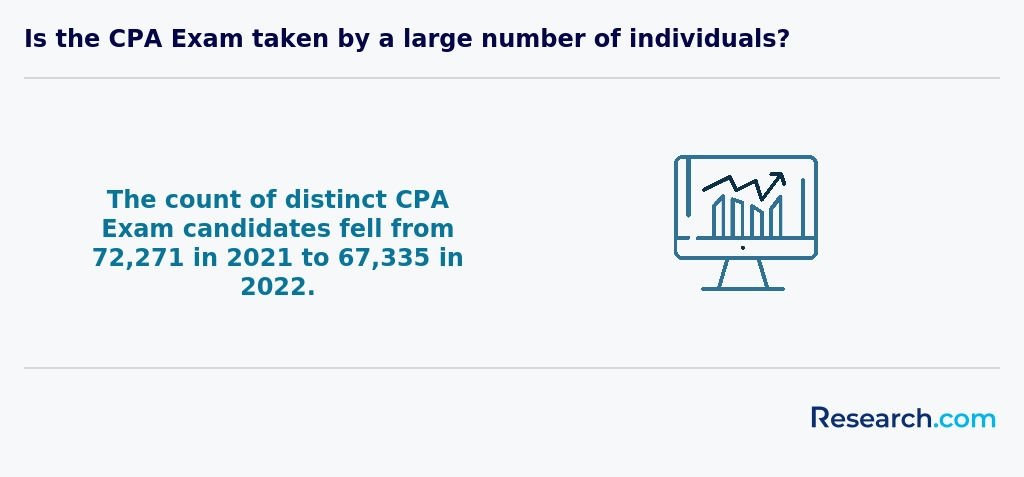
Accounting students in Miami often face several challenges unique to their academic and professional environment. One common difficulty is managing the rigor of accounting coursework, which demands strong analytical and mathematical skills. According to the National Association of State Boards of Accountancy, Miami has seen an increase in CPA exam candidates, intensifying competition.
Additionally, many students balance part-time jobs due to Miami's high living costs, which can affect study time and academic performance. Language diversity also plays a role, as Miami colleges serve a large Hispanic population, where some students may require additional support in mastering accounting terminology in English.
Internship opportunities, crucial for practical experience, can be limited by the local market size, which requires students to be proactive in networking. Overall, succeeding in Miami's accounting programs requires strong time management and resilience.
With an accounting degree in Miami, graduates can pursue several key professional certifications to enhance their careers. The most recognized credential is the Certified Public Accountant (CPA), which requires passing a rigorous exam and meeting state-specific experience criteria. In Florida, candidates must complete 150 semester hours of education and one year of supervised experience.
Another valuable certification is the Certified Management Accountant (CMA), focusing on financial management and strategy. This is ideal for accountants aiming for corporate roles.
The Certified Internal Auditor (CIA) is also popular for those interested in auditing and internal controls. Miami's growing business sector offers strong demand for all these certifications, according to the Florida Department of Economic Opportunity.
When applying to an accounting program in Miami, it is crucial to present a clear and well-organized application. Start by highlighting your academic performance, especially in math and business-related courses, as these are core to accounting studies. Miami-Dade College and Florida International University report that strong GPA and relevant coursework improve admission chances significantly.
Next, craft a compelling personal statement that explains your motivation for choosing accounting, your career goals, and why Miami is your preferred location. Use specific examples that reflect your interest in the city's strong financial and international business environment.
Additionally, gather strong letters of recommendation from teachers or professionals familiar with your work ethic. Miami programs often value practical experience, so mentioning internships or relevant jobs can strengthen your application. According to the National Association of Colleges and Employers, applicants with internships have up to a 20% higher acceptance rate.
The global perspective on an accounting career highlights its growing importance in a worldwide economy. Accounting professionals with U.S. degrees are increasingly valued for their expertise in international financial reporting standards (IFRS) and U.S. Generally Accepted Accounting Principles (GAAP). In Miami, a city known for its diverse business environment, accountants often work with multinational corporations and Latin American markets, enhancing cross-border financial transparency.
According to the Bureau of Labor Statistics, the demand for accountants in the U.S. is projected to grow 7% from 2021 to 2031, reflecting steady career opportunities. Miami's local economy, driven by trade, tourism, and finance, supports this trend by requiring skilled accounting professionals familiar with global financial regulations and multicultural client needs.
Gaining practical experience while studying for an accounting degree in Miami is essential for building a strong career foundation. Many Miami universities, such as Florida International University, offer internship programs that connect students with local businesses and accounting firms. These internships give hands-on experience with tax preparation, auditing, and financial reporting.
Additionally, students can join organizations like the Miami chapter of the American Institute of CPAs (AICPA) to network and access volunteer opportunities. Miami's diverse economy, including tourism and international trade, provides varied environments to apply accounting skills in real-world settings. According to the Bureau of Labor Statistics, accounting internships can improve job prospects significantly.
Choosing the right concentration within an accounting degree program in Miami involves understanding your career goals and current job market trends. Common concentrations include auditing, tax accounting, forensic accounting, and managerial accounting. Miami's diverse business environment, including its strong international trade and tourism sectors, makes tax and forensic accounting especially relevant.
Students should consider concentrations aligned with growing demand. According to the U.S. Bureau of Labor Statistics, roles in forensic accounting are expected to grow faster than average through 2031. Additionally, Miami hosts several large accounting firms and multinational corporations, influencing which skills are most sought after locally.
Research each concentration carefully, evaluating curriculum focus and certification opportunities such as the CPA, which is often critical in Florida's job market.
- 2027 Most Popular Accounting Degree Programs Ranking in Fort Lauderdale
- 2027 Most Popular Accounting Degree Programs Ranking in Tampa
- 2027 Most Popular Accounting Degree Programs Ranking in Jacksonville
- 2027 Most Popular Accounting Degree Programs Ranking in Tallahassee
- 2027 Most Popular Accounting Degree Programs Ranking in Montgomery
- 2027 Most Popular Accounting Degree Programs Ranking in Atlanta
- 2027 Most Popular Accounting Degree Programs Ranking in Birmingham
- 2027 Most Popular Accounting Degree Programs Ranking in New Orleans
- 2027 Most Popular Accounting Degree Programs Ranking in Greensboro
- 2027 Most Popular Accounting Degree Programs Ranking in Jackson
See What Experts Have To Say About Studying Accounting
Read our interview with Accounting experts

Yaw M. Mensah
Accounting Expert
Professor and Interim Vice Dean for Strategic Partnerships
Rutgers Business School

John Wermert, Ph.D., CPA
Accounting Expert
Associate Professor of Accounting
Middle Tennessee State University

- Mastering the Art of Networking: A Guide for Accounting Students https://www.wscpa.org/blog/607cb669-8d98-427e-8c9b-06129d9297e8:mastering-the-art-of-networking-a-guide-for-accounting-students
- Are accounting students overloaded and under-supported? https://www.studentvoice.ai/blog/accounting-students-challenges-with-workload-and-support/
- What Jobs Can You Get with an Accounting Degree? https://www.mountunion.edu/academics/undergraduate-degrees/accounting/what-jobs-can-you-get-with-an-accounting-degree
- How to Find Your Ideal Accounting Niche - INAA https://www.inaa.org/how-to-find-your-ideal-accounting-niche/
- Accountant Cover Letter: Key Elements, Examples & More https://internshala.com/blog/accountant-cover-letter/
- Why CA Firms Can't Afford to Overlook Alumni Networks: A Key Strategy for Growth and Success https://hoopstr.ai/corporate-resource-center/blog/why-ca-firms-need-to-adopt-corporate-alumni-programs-for-growth-and-success-in-a-changing-industry
- 8 Accounting Niches You Should Consider | Accountancy | Bingparse https://www.icslearn.co.uk/blog/accountancy/8-accounting-niches-you-should-consider/
- Inside the world of accounting internships: What to expect : ThisWayToCPA : AICPA https://www.thiswaytocpa.com/work-experience/articles/internships/inside-world-accounting-internships-what-expect/
- Accounting and Auditing (Non-Thesis) | Beykoz Üniversitesi https://www.beykoz.edu.tr/icerik/5029-accounting-and-auditing-without-thesis
- How Long Does It Take to Get an Accounting Degree? https://www.miamiherald.com/careers-education/how-long-does-it-take-to-get-an-accounting-degree/


