2027 Most Popular Accounting Degree Programs Ranking in Columbia

Co-Founder and Chief Data Scientist
Choosing the right accounting degree program can shape your future career and open doors to exciting opportunities. This article presents the 2027 Most Popular Accounting Degree Programs Ranking in Columbia, carefully crafted by the Research.com team of data scientists. It aims to guide you through the top programs worth your consideration.
By exploring this ranking, you'll gain clear insights to make an informed decision with confidence. An accounting degree offers strong career prospects and a chance to build valuable skills in a growing field.
Start your journey toward a rewarding profession today.
Key benefits of getting accounting degree in Columbia
- Salary for accounting degree graduates: Graduates can expect competitive wages, such as a mean annual salary of $90,780 for Staff Accountants and around $49,580 for roles like Bookkeepers and Tax Preparers, providing financial stability and growth potential.
- Career paths: An accounting graduate from a popular Columbia university can pursue diverse roles including auditing, tax preparation, and financial analysis, opening doors to rewarding and varied career opportunities.
- Online degree benefits: Earning an accounting degree online from a reputable Columbia institution offers flexibility and convenience, allowing students to balance studies with work or family commitments while gaining the same respected credentials.
- 2027 Most Popular Accounting Degree Programs Ranking in Columbia
- What can I expect from accounting degree in Columbia?
- Where can I work with accounting degree in Columbia?
What can I expect from accounting degree in Columbia?
The average cost of earning an accounting degree in Columbia generally ranges from $25,000 to $50,000 for a full undergraduate program, depending on the institution and residency status. Graduates from popular universities in Columbia often reflect on the financial investment as a pivotal step toward a rewarding career, noting how scholarships and internship stipends helped alleviate the burden. For many, the value goes beyond tuition-hands-on internships embedded in the curriculum offer more than experience; they create a sense of belonging in the local accounting community.
Consider a student balancing part-time work and accelerated coursework at a well-known college in Columbia. The tuition costs may feel steep initially, but the strong network of faculty with CPA credentials and active industry connections makes that investment tangible. These alumni often recount how practical training and small class sizes transformed abstract accounting principles into clear, real-world applications, making every dollar spent on their degree feel justified.
Ultimately, prospective students should think of cost not just as dollars spent but as an entry ticket to Columbia's vibrant accounting industry and its expanding job opportunities.
Where can I work with accounting degree in Columbia?
Graduates with an accounting degree in Columbia find themselves welcomed by a surprisingly broad range of employers, far beyond the traditional public accounting firms like Deloitte, PwC, and EY. Imagine stepping out of the University of South Carolina with ambition, quickly landing a role not just in auditing but navigating financial strategy within a manufacturing or healthcare company, such as BlueCross BlueShield of South Carolina. These roles bring daily challenges and growth, as you balance financial reporting and compliance-experiences that former graduates often describe as deeply rewarding and intellectually stimulating.
Yet, the path isn't limited to the private sector. Many graduates discover stability and purpose working for government agencies managing public funds in Columbia's municipal offices or the South Carolina Department of Revenue. The appeal here lies in meaningful community impact combined with job security, pension benefits, and chances to grow through public service.
Some accounting alumni embrace roles within non-profits or academia, supporting grant oversight and regulatory compliance at local universities and colleges. These positions allow a unique blend of financial skill with mission-driven work, connecting numbers to positive societal change.
Emerging fields like forensic accounting or tax advisory challenge graduates to apply expertise in innovative ways, often demanding extra credentials but offering exciting career growth. Reflecting on these diverse possibilities, Columbia accountants are not just number crunchers but versatile professionals shaping the region's economic and social fabric.
Graduates from accounting programs in Columbia often find themselves pleasantly surprised by the financial rewards awaiting them. For instance, those stepping into roles like staff accountants can anticipate a mean annual wage of around $90,780, which is notably above many regional averages. Imagine a recent graduate from the University of South Carolina, confidently starting a career and receiving a salary that supports not only living expenses but the chance to invest in further certifications or personal goals.
Entry-level positions such as bookkeepers, tax preparers, associate auditors, or accounts payable clerks typically offer mean annual wages near $49,580. While these may initially feel modest, they represent a crucial foundation. Many graduates from Columbia College have leveraged these roles to gain essential experience and quickly move up the ladder.
The Columbia market's competitive salaries encourage reflection on the value of strategic career moves and continuing education. Rather than settling, graduates feel motivated knowing that with skill-building and certifications, their earning potential can soar well above starting figures, reinforcing the rewarding path of an accounting career in Columbia.
- Tuition for accounting degrees in Columbia ranges from about $15,000 to $20,000 per year at public universities for in-state students.
- Private institutions typically charge over $30,000 annually for accounting programs.
- Entry-level accountants in Columbia earn around $50,000 per year, with mid-career salaries between $65,000 and $80,000.
- Senior and specialized accounting roles, including forensic accounting, can pay over $90,000, especially with CPA certification.
- Employment for accounting and auditing is expected to grow 5-7% in the next decade in Columbia.
- Most local accounting programs have accreditation from AACSB or ACBSP, which employers value.
In Columbia, completing an accounting degree is often seen as a straightforward four-year journey, especially at well-known institutions like the University of South Carolina. Many graduates fondly recall the intense energy of those years, balancing core accounting classes with electives and general education. But is this timeline always realistic?
For some students, especially those juggling part-time jobs or family responsibilities, the path extends beyond four years. Graduates from Midlands Technical College, for example, who started with an associate degree found that transferring credits affected their timeline-sometimes shortening it, sometimes stretching it with extra courses. Meanwhile, those aiming for a master's degree, offered flexibly by both public and private universities in Columbia, experience a varied pace ranging from one to two years, adjusting study hours around life's demands.
Ultimately, the time to graduate depends on choices made along the way: full- or part-time enrollment, internships that build experience but add semesters, and even scheduling quirks. This dynamic reality challenges the neat "four-year" label and invites students to personalize their journey.
When considering an accounting program, it's essential to look for institutions that are well-regarded and have a history of producing successful graduates. If you're interested in exploring the best options, you can visit our page on in demand accounting schools to find out more about the top programs available. By choosing a reputable accounting program in Columbia, MO, students can set themselves up for success in a field that is both challenging and rewarding. With a strong foundation in accounting principles and practices, graduates can pursue a variety of career paths, including public accounting, corporate finance, and more. Additionally, many accounting programs in Columbia, MO, offer specializations and concentrations that can help students stand out in a competitive job market. By doing your research and selecting a high-quality accounting program, you can take the first step towards a successful and fulfilling career in accounting.
The choice between online and on-campus accounting degrees in Columbia reshapes not only how you learn but how you live your student experience. Graduates from the University of South Carolina often speak of the energized campus life-the spontaneous study sessions at the Thomas Cooper Library, face-to-face mentorship, and career fairs that spark instant networking. This direct engagement tends to build confidence and a palpable sense of belonging, critical for budding accountants.
Contrast this with online graduates from institutions like Midlands Technical College, who celebrate the freedom to tailor coursework around demanding jobs or family needs. They save on daily commutes and expensive meals, transforming downtime into productive study hours. Even so, their stories often highlight the challenge of cultivating the same camaraderie and hands-on experience that on-campus labs or internships provide.
Ultimately, deciding isn't just about convenience or cost-it's about how you want to immerse yourself in the accounting world and prepare for the CPA journey. Columbia's educational landscape offers distinct paths, calling for thoughtful reflection on personal learning styles, professional ambitions, and life circumstances.
Choosing an accredited accounting degree program in Columbia, MO is crucial for ensuring quality education and eligibility for certification exams. Regional accreditation by the Higher Learning Commission (HLC) guarantees that your credits will transfer smoothly and that employers recognize the rigor of your coursework. Additionally, specialized accreditation from the Association to Advance Collegiate Schools of Business (AACSB) or the Accreditation Council for Business Schools and Programs (ACBSP) signals that a program meets high standards in faculty qualifications, curriculum design, and student outcomes. Most Missouri programs align their curriculum with the 150-credit-hour requirement mandated by the Missouri State Board of Accountancy, which is essential for sitting the Uniform CPA Examination. Look for courses that integrate CPA-style questions into core classes-such as auditing, taxation, and accounting information systems-to build exam readiness from day one. Programs that report high first-time CPA pass rates often offer dedicated prep workshops, mock exams, and partnerships with review providers like Becker or Wiley. Beyond accreditation, strong academic advising and faculty mentoring play a key role in supporting your CPA journey. Seek programs that assign professional advisors who can map out your course sequence, track licensure requirements, and connect you with alumni who have recently passed the CPA. Engaging with student chapters of state CPA societies also provides networking opportunities and access to exam scholarships. Finally, make sure your chosen program offers clear pathways to internships and externships at public accounting firms, corporate finance departments, or government agencies. Practical experience not only enhances your resume but also reinforces exam concepts by applying them to real-world scenarios. For insights into how an accredited degree accelerates your career and to explore top accountant degree jobs, visit our comprehensive guide.
The average cost of an accounting degree in Columbia is shaped by distinct financial realities that challenge simple assumptions. With a median total cost around $43,282, students quickly learn that this figure represents much more than tuition alone. Graduates from prominent Columbia universities and colleges often reflect on the balance between this investment and the rich academic environment they experienced, which included hands-on learning and access to metropolitan resources that justify the expense.
For in-state students, the median total cost is significantly lower, approximately $20,331, highlighting the benefit of being a local resident. However, even this amount incorporates not only tuition but also living expenses and educational materials, often an eye-opener for those new to the financial demands of higher education. Many find that understanding the total expenses for accounting degree programs Columbia entails helps them plan smarter and seek scholarships or financial aid avenues more aggressively.
The journey through an accounting degree here is often described as an investment toward a rewarding career. Graduates recall the valuable internships and networking opportunities within the city, which they view as critical to their success beyond academics. Whether aiming for roles in auditing or finance, motivated students weigh these costs against the potential career returns, including discovering internal auditor job openings that validate their commitment.

Many accounting students in Columbia discover that navigating financial aid is more manageable than expected when they tap into multiple resources simultaneously. Graduates from prominent institutions like the University of Missouri or Columbia College often recount how Pell Grants formed the foundation of their funding, covering thousands of dollars yearly without the burden of repayment. These need-based grants, capped at $6,895 for 2023-2024, can significantly reduce out-of-pocket expenses.
Beyond federal aid, state scholarships provide an extra boost, particularly for those attending public universities. These merit-based awards recognize academic dedication and leadership, making the pursuit of accounting feel both valued and attainable. Many students appreciate how internal scholarships offered by the universities themselves reward persistence and involvement in business-related activities.
It's not uncommon for accounting students to combine these with private scholarships from organizations like the AICPA, which specifically target aspiring accountants, amplifying financial support while fostering professional identity. Work-study programs also stand out, allowing students at colleges such as Stephens College to engage in part-time roles tied to finance, enriching their resume and easing financial stress.
When evaluating accounting programs in Columbia, MO, understanding Return on Investment (ROI) is crucial to making an informed choice. Prospective students should compare total program costs-including tuition, fees, and living expenses-with average starting salaries for graduates. For example, a Bachelor’s in Accounting from the University of Missouri may cost approximately $27,500 per year (in-state), while graduates report starting salaries near $58,000. This translates to a payback period of roughly one to two years, making accounting one of the fastest-recovering investments in higher education. Beyond salary figures, graduates can boost their ROI by pursuing internships, leveraging on-campus resources, and preparing for professional credentials like the CPA. CPA licensure often results in a salary premium of 10–15%, shortening the break-even timeline. Additionally, alumni networks and mentorship programs in Columbia’s institutions can help secure higher-paying roles within the first year of graduation, further enhancing ROI. For those exploring cost-effective pathways, it’s worth comparing programs nationally and regionally. In particular, our analysis highlights several budget-friendly alternatives: Affordable Accounting Degree Programs Ranking in Washington provides insight into institutions that balance quality instruction with lower tuition, offering transferable strategies for Columbia students aiming to maximize their investment.
Meeting prerequisites for an accounting degree in Columbia goes beyond just checking boxes; it's about proving your readiness for a demanding academic journey. Most students enrolling in programs at well-known colleges in Columbia share they had to present a high school diploma or equivalent, with a GPA around 2.5 to 3.0, which often reflects their dedication and consistency over time. It's common for admissions to expect SAT or ACT scores, although some schools now offer test-optional policies. Yet, graduates often recall how strong math and verbal scores opened doors and boosted their confidence, preparing them for the analytical challenges ahead.
Foundational knowledge in subjects like algebra, statistics, and economics is vital. Students from popular Columbia institutions frequently mention how prior exposure to these areas eased their transition. Letters of recommendation and personal essays aren't mere formalities either-they provide a chance to express your passion for accounting, making your application stand out authentically.
Non-native English speakers face the additional step of proving proficiency through exams like TOEFL, a hurdle many describe as empowering once overcome. Such prerequisites, when seen from this perspective, feel less like obstacles and more like meaningful milestones on the path to becoming a confident accounting professional in Columbia.

Accounting degrees in Columbia typically immerse students in courses that go beyond mere number crunching to build critical business acumen. Graduates from prominent institutions like the University of Missouri or Columbia College often reflect on how foundational classes such as Financial Accounting offered them a real-world lens-decoding balance sheets as if they were business puzzles rather than dry reports.
Managerial Accounting pushes this further, inviting students to step into the shoes of decision-makers wrestling with budgets and cost challenges in local enterprises. This hands-on approach ignites a sense of confidence, preparing students for tangible leadership roles rather than academic abstraction.
Advanced courses-like Intermediate and Advanced Accounting-challenge students in Columbia to grapple deeply with complex topics, including revenue recognition and asset valuation, which are vital for CPA success. Graduates frequently describe these as rigorous but validating, sharpening analytical skills essential for auditing and corporate finance careers.
Supplementing accounting basics, courses in business law, taxation, and ethics ground students in how their future responsibilities connect to broader societal and legal frameworks, making the learning journey feel relevant and purposeful in Columbia's vibrant economic landscape.
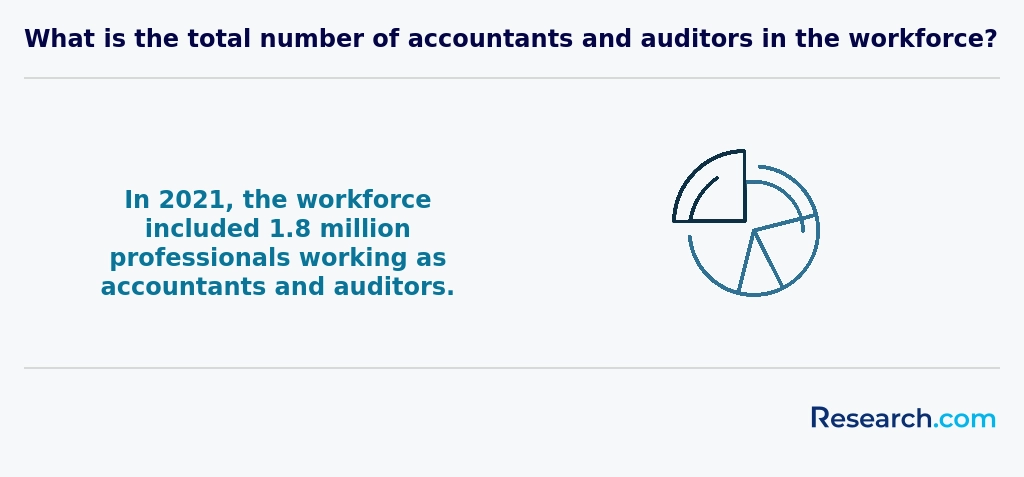
Accounting degree specializations in Columbia often extend beyond the traditional roles to shape versatile professionals. Graduates from well-known programs at local universities frequently reflect on how specializations like auditing sharpen their skills in scrutinizing financial records, a crucial ability for internal or external auditors who safeguard corporate integrity. Other students dive into taxation, tackling the intricacies of U.S. tax law and emerging with the confidence needed to advise clients or corporations on complex tax strategies.
For those intrigued by puzzles of financial fraud, forensic accounting offers an engaging path, demonstrated by alumni who successfully navigated coursework emphasizing investigative techniques and legal evidence preparation. Managerial accounting graduates express satisfaction in their ability to influence company decisions through budgeting and strategic planning, experiences often highlighted in places renowned for the best accounting programs with specializations Columbia offers. Meanwhile, governmental accounting attracts students motivated to serve the public sector, managing budgets and ensuring accountability at various government levels.
Prospective students weighing these options in Columbia are encouraged to explore how local institutions customize their programs and why some also consider options outside the state, such as Florida business degree programs, to broaden their horizon.
Choosing the best accounting degree in Columbia means looking beyond just reputation. Graduates from popular universities often emphasize the real difference accreditation makes-AACSB accreditation isn't just a fancy label; it guarantees curriculum quality that prepares you for the CPA exam and a stronger career path. Consider programs intertwining financial accounting fundamentals with modern tools like data analytics-graduates recall how this skill set gave them confidence during internships with local firms, opening doors in Columbia's competitive market.
Cost is unavoidable, yet it shouldn't be your sole driver. Affordable accounting degrees Columbia costs range widely, but investing smartly in a program with strong internship programs and local business connections often yields better salary outcomes-around $70,000 median, according to local labor stats. Many graduates stress that hands-on experience, more than just class time, shaped their practical know-how and helped transition smoothly into high-value roles.
Finally, when uncertain whether to pursue an accounting or explore broader options, check resources on is business administration a good degree for how different paths unfold in Columbia's economic landscape.
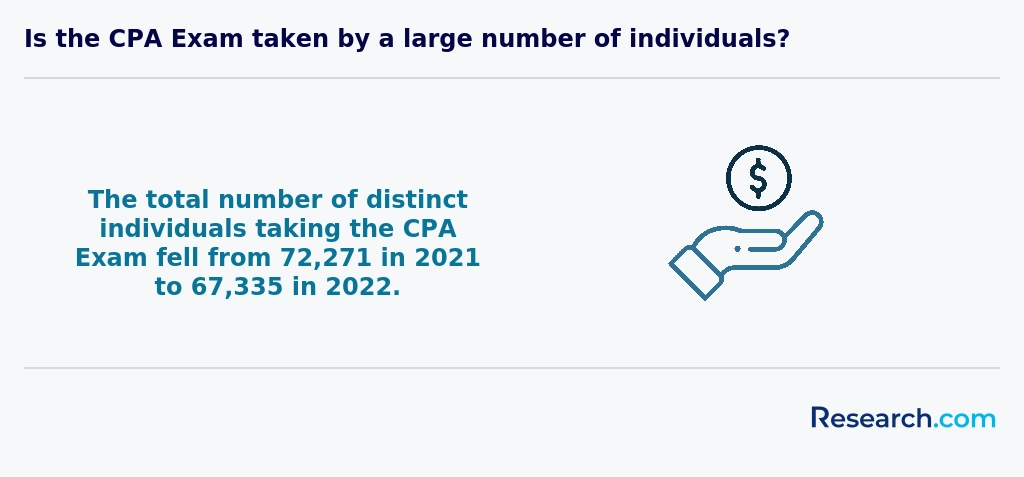
Graduates who earn an accounting degree in Columbia discover a rich array of career paths that challenge conventional expectations of accounting as a narrow field. Instead of being confined to number-crunching, many graduates from Columbia's prominent universities find themselves thriving as Certified Public Accountants (CPAs), auditors, or financial consultants-each role distinctly vital yet dynamically different. For example, a graduate from one of Columbia's leading colleges shared how transitioning from public accounting to forensic accounting opened unexpected doors into investigative financial work, mixing analytical skills with real-world impact.
Corporate accounting positions are equally varied, with roles such as internal auditor or budget analyst in sectors ranging from manufacturing to retail. These opportunities often come alive at Columbia-based companies eager for fresh talent, encouraging new graduates to apply the skills required for risk management and financial strategy beyond traditional bookkeeping. Embracing these roles reveals the broad potential behind accounting careers in Columbia, far beyond a simple office desk.
This diversity also extends into government roles, where graduates contribute to public trust by handling tax administration or municipal financial oversight. By pursuing Columbia accounting degree job opportunities, many find rewarding careers that blend civic responsibility with professional growth-all while benefiting from a salary structure that competes robustly with national averages.

The accounting degree job outlook Columbia graduates face is far from static; it reflects a vibrant economic region where diverse sectors fuel steady employment. Those who earned their accounting credentials at notable Columbia universities often share stories of landing positions within public accounting firms or government roles shortly after graduation. The region's multifaceted economy supports opportunities in corporate finance, auditing, and nonprofit financial management, offering a stable foundation for career advancement.
Salaries in Columbia may initially trail the national average, but the median annual wage around $65,000 still provides a competitive income that grows significantly with experience and certification. Graduates frequently remark on how gaining credentials like the CPA opens doors and accelerates career trajectories, proving valuable beyond the classroom. For students seeking broader career flexibility, considering an online business administration degree job prospects alongside accounting can enhance their potential in the evolving market.
By choosing Columbia's reputable accounting programs, students tap into a growing job market where specialization in areas such as forensic or tax accounting leads to rewarding and secure roles. This Columbia accounting salary and employment scenario challenges the traditional expectation that only coastal megacities offer financial success in accounting careers.
2027 Most Popular Accounting Degree Programs Ranking in Columbia
Investing in your education is a significant decision that can shape your future, and the Research.com team understands the importance of making informed choices. To assist prospective students in Columbia, we have meticulously developed the "2027 Most Popular Accounting Degree Programs Ranking in Columbia." Our commitment to quality, credibility, and accuracy is reflected in the extensive research and analysis conducted to compile this ranking.
We utilized the following reputable data sources to ensure a comprehensive evaluation of accounting degree programs:
By exploring this ranking, readers will gain valuable insights into the most popular accounting degree programs available in Columbia, empowering them to make well-informed decisions about their educational and professional futures. For a detailed explanation of our ranking process, please visit our Research.com methodology page.

Frequently Asked Questions About accounting
Accounting degree students in Columbia can maximize their learning experience by engaging actively in internships, a critical step for practical exposure. According to the Columbia Department of Labor, internships can increase job placement rates by 30% for accounting graduates.
Students should also take advantage of networking opportunities through local chapters of professional bodies like the American Institute of CPAs (AICPA). These connections often lead to mentorships and job offers.
Additionally, mastering accounting software such as QuickBooks or SAP, commonly used in the Columbia job market, enhances employability. Many colleges provide free or discounted access to these tools.
Participating in study groups and utilizing campus tutoring centers improves understanding of complex topics like tax law and auditing standards.
Lastly, monitoring updates in US accounting regulations through resources like the Financial Accounting Standards Board (FASB) helps students stay current and competitive.
The accounting field is rapidly evolving, with several emerging niches gaining prominence in Columbia's job market. One significant area is forensic accounting, where professionals investigate financial fraud and cybercrime. This niche is growing due to increased regulatory scrutiny and digital financial transactions.
Another expanding specialty is environmental accounting, focused on sustainability and corporate social responsibility reporting. Companies in Columbia are increasingly required to disclose environmental impact, creating demand for accountants skilled in this area.
Additionally, data analytics and artificial intelligence integration in accounting processes are reshaping the profession. Accountants who can analyze large data sets and leverage technology have a competitive edge. According to the Bureau of Labor Statistics, jobs for accountants and auditors in the U.S. are expected to grow 7% from 2022 to 2032, with niche skills driving this growth.
After completing an accounting degree in Columbia, it is essential to build a strong professional profile to enter the job market successfully. Gaining practical experience through internships or part-time positions during studies can increase employability. According to the Bureau of Labor Statistics, accounting jobs in the U.S. are projected to grow by 7% from 2021 to 2031, emphasizing the demand for skilled candidates.
Networking is also crucial. Joining local accounting associations such as the IllinoisCPA or attending career fairs in Chicago can provide valuable contacts.
Additionally, obtaining certifications like the CPA (Certified Public Accountant) enhances job prospects significantly.
Employers seeking accounting degree graduates in Columbia prioritize a mix of technical and soft skills. Strong knowledge of Generally Accepted Accounting Principles (GAAP) and proficiency with accounting software such as QuickBooks or SAP are essential. According to the Bureau of Labor Statistics, 89% of accounting employers value candidates who can handle complex financial data accurately.
Additionally, analytical skills and attention to detail stand out because accounting requires precise reporting and problem-solving. Communication skills are also critical, as accountants often present financial information to non-experts.
Lastly, familiarity with tax laws and regulations specific to Georgia enhances a graduate's competitiveness in Columbia's job market.
Finding internships in Columbia related to an accounting degree involves a strategic approach. Start by exploring campus career services at local universities such as the University of Missouri, which often maintain partnerships with regional businesses. Additionally, networking through accounting associations like the Missouri Society of CPAs can provide valuable internship leads. Online job platforms like Handshake and LinkedIn also list internship opportunities tailored to accounting students.
The U.S. Bureau of Labor Statistics notes that practical experience is crucial for accounting careers, making internships vital for skill development and job placement. Students should apply early, tailor resumes to accounting roles, and prepare for interviews to enhance success.
In Columbia, an accounting degree significantly enhances career mobility and advancement opportunities. According to the Bureau of Labor Statistics, accounting professionals with a bachelor's degree typically see 10-15% higher employment growth compared to non-degree holders. Employers prefer candidates with formal education due to the complex regulatory environment and technical skills required.
Graduates often access a wide range of roles, from tax preparation to auditing and financial analysis, making the degree versatile. The Certified Public Accountant (CPA) credential, often pursued after earning an accounting degree, is highly valued and can lead to senior positions and higher salaries.
Networking through university programs also helps graduates connect with local firms in Columbia, increasing job prospects. Overall, the degree acts as a foundational step toward long-term professional growth in the accounting sector.
Studying for an accounting degree in Columbia equips students with skills that extend beyond traditional accounting tasks. Many programs integrate courses in finance, information technology, and business law, supporting interdisciplinary learning. According to the National Center for Education Statistics, over 70% of accounting majors in the US take electives in related fields, enhancing their adaptability.
Columbia's academic institutions emphasize practical skills like data analysis and regulatory compliance, preparing graduates for roles in financial consulting, auditing, and management. This broader knowledge base helps students collaborate across departments, increasing their value in dynamic workplace environments.
Moreover, internships and cooperative education opportunities commonly included in these programs foster real-world experience, further bridging accounting expertise with other business functions.
When choosing between a thesis and a non-thesis accounting degree program in Columbia, consider your career goals and learning preferences. Thesis programs typically focus on research and writing, ideal for students planning to pursue doctoral studies or careers in academia. They require significant time to conduct original research and prepare a comprehensive paper.
Non-thesis programs emphasize practical skills and coursework. These are suitable for students aiming to enter the workforce promptly, especially in public accounting or corporate finance. According to the American Accounting Association, over 60% of accounting graduates in the U.S. select non-thesis options for faster completion and direct job readiness.
Cost and duration also matter: thesis programs may take longer and demand more resources. Check if the school offers support systems for research, which can impact your experience. Ultimately, weigh if deep research or practical application aligns better with your career path in Columbia's accounting job market.
Students based in Columbia interested in studying accounting abroad have several notable options within the US higher education system. Many universities offer specialized accounting degree programs recognized by the Association to Advance Collegiate Schools of Business (AACSB), a hallmark of quality in business education. For example, schools in major cities like Chicago, New York, and Atlanta provide programs ranging from bachelor's degrees to Master of Accounting (MAcc) degrees.
International students often benefit from institutions with robust support services for global learners, such as language assistance and visa guidance. Additionally, scholarships and assistantships may be available to ease financial burdens. According to the National Center for Education Statistics, accounting remains one of the most popular majors due to strong job prospects, with a projected 7% employment growth through 2031.
Students pursuing accounting degrees in Columbia often seek part-time jobs that enhance their skills and resume. Common opportunities include working as bookkeeping assistants, tax preparers during tax season, or administrative aides in finance departments. These roles provide practical experience with financial software and basic accounting principles.
Additionally, internships at local accounting firms or corporate finance offices are valuable, even if part-time. According to the U.S. Bureau of Labor Statistics, roles related to accounting and auditing are expected to grow by 7% through 2031, making relevant work experience crucial.
Positions as payroll clerks or financial clerks also complement accounting studies well, offering exposure to payroll processes and financial reporting. These jobs typically pay between $15 and $22 per hour in Columbia, helping students support themselves while gaining important industry insights.
Accounting students in Columbia benefit from diverse networking opportunities designed to connect them with professionals and employers. Many universities host chapters of national organizations such as Beta Alpha Psi, which focuses on accounting, finance, and information systems students. Membership in these groups allows students to attend workshops, career fairs, and guest lectures featuring industry leaders.
Columbia's proximity to New York City further expands access to large accounting firms, such as the Big Four, which often recruit directly from local campuses. According to the National Association of Colleges and Employers (NACE), about 72% of accounting graduates in the region secure internships through campus networking events.
Additionally, schools offer alumni networking platforms, mentoring programs, and collaboration with local CPA societies, enhancing real-world connection opportunities early in students' careers.
Alumni networks play a crucial role for accounting degree students in Columbia by providing valuable connections within the local and national accounting industries. These networks foster mentorship opportunities, helping students gain practical advice from experienced professionals. According to the National Association of State Boards of Accountancy (NASBA), strong alumni ties often facilitate internships and job placements, enhancing career prospects.
In Columbia, many universities maintain active accounting alumni chapters that organize events, seminars, and networking sessions, allowing students to build relationships before graduation. This early involvement can lead to higher employment rates, with the Bureau of Labor Statistics indicating that networking significantly improves job search success among accounting graduates.
Customizing an accounting degree program in Columbia to align with career goals involves selecting specific concentrations and electives. Many universities in Columbia offer options such as auditing, taxation, forensic accounting, or financial management, allowing students to focus on their preferred career path.
Students may also pursue internships or cooperative education experiences to gain practical skills and industry contacts in local firms. According to the National Association of State Boards of Accountancy (NASBA), practical experience is crucial for CPA licensure, which many graduates aim to achieve.
Elective courses in data analytics or information systems are increasingly popular, reflecting industry trends toward technology integration in accounting. Furthermore, some programs enable part-time or online study, providing flexibility for working professionals.
Accounting students in Columbia face several typical challenges during their studies. One major difficulty is mastering complex topics such as tax law, auditing, and financial reporting. These subjects require strong analytical skills and attention to detail. Time management can also be a struggle, as students balance coursework, internships, and sometimes part-time jobs.
Additionally, the pressure of preparing for the Certified Public Accountant (CPA) exam adds stress. According to the National Association of State Boards of Accountancy, the average CPA exam pass rate in Columbia hovers around 50%, making thorough preparation essential.
Students may also find that staying current with rapidly changing accounting regulations requires ongoing effort throughout their academic careers.
With an accounting degree, graduates in Columbia can pursue several respected professional certifications to advance their careers. The most common and valued credential is the Certified Public Accountant (CPA), which requires passing a rigorous exam and meeting experience criteria, often involving 150 credit hours of education.
Other notable certifications include the Certified Management Accountant (CMA), focusing on financial management and strategic assessment. According to the Institute of Management Accountants, CMA holders may earn up to 25% more than non-certified peers.
The Certified Internal Auditor (CIA) is another option, valuable for those interested in internal auditing and risk management roles. These certifications improve employability and earning potential significantly in Columbia's competitive accounting job market.
Writing a winning application for an accounting program in Columbia requires clear focus and preparation. Start by ensuring your academic records highlight strong performance in mathematics, economics, and business-related courses. Many Columbia institutions look for a minimum GPA of 3.0, but higher scores improve your chances of acceptance.
Next, craft a personal statement explaining your passion for accounting and career goals. Emphasize any practical experience, such as internships or volunteer work in finance. According to the National Association of State Boards of Accountancy, clear communication skills and ethical standards are crucial for accountants, so reflect these qualities in your writing.
Finally, secure strong letters of recommendation from teachers or professionals familiar with your skills. Submitting standardized test scores like the SAT or ACT may also be required, depending on the school. Paying attention to deadlines and application requirements is essential for success.
Accounting is a globally recognized profession that offers diverse career opportunities for graduates in Columbia and beyond. According to the U.S. Bureau of Labor Statistics, employment of accountants and auditors is projected to grow 7% from 2022 to 2032, reflecting steady demand worldwide.
In the United States, accounting careers are increasingly shaped by international standards such as IFRS (International Financial Reporting Standards) and GAAP (Generally Accepted Accounting Principles), which are essential for multinational corporations. This global alignment enhances the mobility and value of accounting credentials earned in Columbia.
Professional certifications like CPA (Certified Public Accountant) also hold significant global prestige, offering graduates broader career prospects in auditing, tax, and consulting sectors across various countries.
Students pursuing an accounting degree in Columbia can gain practical experience through internships at local firms, businesses, or government agencies. Many universities in the area have partnerships with companies that offer paid or unpaid internships, providing valuable real-world skills. According to the National Association of Colleges and Employers, 60% of accounting students in the U.S. secure internships before graduation, boosting job prospects.
Another option is to participate in cooperative education programs (co-ops), which alternate periods of study with full-time work assignments. Additionally, engaging in university-sponsored accounting clubs or volunteer tax preparation services can build hands-on experience and professional networking.
Choosing the right concentration within an accounting degree program in Columbia depends on your career goals and interests. Common concentrations include auditing, taxation, and financial accounting. Each offers unique skills valuable in different sectors.
Audit focuses on examining financial statements and compliance, essential for careers in public accounting firms. Taxation prepares students to navigate federal and state tax laws, a critical skill for roles in corporate tax departments and government agencies. Financial accounting covers reporting and analysis, often leading to positions in corporate finance.
According to the American Institute of CPAs, Columbia has a growing demand for tax professionals due to complex local and federal regulations. Consider your long-term plans and internship options offered by your school to decide.
- 2027 Most Popular Accounting Degree Programs Ranking in Saint Louis
- 2027 Most Popular Accounting Degree Programs Ranking in Conway
- 2027 Most Popular Accounting Degree Programs Ranking in Memphis
- 2027 Most Popular Accounting Degree Programs Ranking in Chicago
- 2027 Most Popular Accounting Degree Programs Ranking in Madison
- 2027 Most Popular Accounting Degree Programs Ranking in Indianapolis
- 2027 Most Popular Accounting Degree Programs Ranking in Louisville
- 2027 Most Popular Accounting Degree Programs Ranking in Nashville
- 2027 Most Popular Accounting Degree Programs Ranking in Saint Paul
- 2027 Most Popular Accounting Degree Programs Ranking in Minneapolis
See What Experts Have To Say About Studying Accounting
Read our interview with Accounting experts

Yaw M. Mensah
Accounting Expert
Professor and Interim Vice Dean for Strategic Partnerships
Rutgers Business School

John Wermert, Ph.D., CPA
Accounting Expert
Associate Professor of Accounting
Middle Tennessee State University

- How Is Accounting Higher Education Preparing the Future ... https://run.unl.pt/bitstreams/00df48b8-e024-4711-a8e3-529769165df8/download
- Inside the world of accounting internships: What to expect : ThisWayToCPA : AICPA https://www.thiswaytocpa.com/work-experience/articles/internships/inside-world-accounting-internships-what-expect/
- Accounting Work Experience in London | Guaranteed work experience https://www.kbmtr.co.uk/accounting-work-experience.php
- Accounting Career: Outlook and Overview | DeVry University https://www.devry.edu/blog/accounting-career-outlook.html
- Work Experience https://www.streets.uk/work-experience/
- Expectations of accounting students in relation to their ... https://sevenpubl.com.br/anais7/article/download/4780/8840/19578
- Tuition & Cost | Columbia College https://www.columbiasc.edu/tuition-aid/tuition-cost
- Applying for Accounting Graduate School | Accounting.com https://www.accounting.com/resources/graduate-application-guide/
- Tips for University Graduates Looking to Land Their First Accounting Job https://www.elby.ca/blog/2022/04/27/tips-for-university-graduates-looking-to-land-their-first-accounting-job/
- How to Meet Accounting Degree Requirements for Career Success - ICMS https://www.icms.edu.au/degree-discovery/how-to-meet-accounting-degree-requirements/