
2027 Best Accounting Degree Programs Ranking in the West

Co-Founder and Chief Data Scientist
Choosing the right accounting degree program can shape your future career and open doors to exciting opportunities. Our 2027 Best Accounting Degree Programs Ranking in the West, created by the Research.com team of data scientists, is designed to help you navigate this important decision.
By exploring this comprehensive ranking, you'll discover programs that align with your goals and offer strong support for your success. Earning an accounting degree can boost your confidence, enhance your skills, and set you on a rewarding professional path. Dive in to find the perfect fit for you.
Key benefits of getting accounting degree in the West
- Salary for accounting degree graduates: Graduates can expect rewarding salaries, such as $90,780 per year for staff accountants and approximately $49,580 for roles like bookkeepers and tax preparers. These figures reflect strong earning potential and job stability in the West.
- Career paths: An accounting degree opens doors to diverse roles including auditing, tax preparation, and accounts payable positions, offering flexibility and growth for graduates from popular Western universities.
- Online degree benefits: Online accounting programs provide convenience and flexibility, enabling graduates from well-known institutions to balance studies with work while gaining credentials that employers value equally to traditional degrees.
- 2027 Best Accounting Degree Programs Ranking in the West
- What can I expect from accounting degree in the West?
- Where can I work with accounting degree in the West?
What can I expect from accounting degree in the West?
The average cost of earning an accounting degree in the Western United States varies widely depending on the institution and program format, but students often find that investment rewarding. For example, graduates from well-known public universities such as those in California or Washington typically report tuition costs ranging from $10,000 to $25,000 annually for in-state students, while private colleges may be higher. Many students appreciate how these programs offer scholarships, financial aid, and flexible payment plans, making the dream of becoming a skilled accountant more attainable.
Graduates recall balancing part-time jobs or internships offered by their universities, which not only eased financial pressures but also provided invaluable hands-on experience. Whether attending a top public university in Oregon or a competitive private college in California, students feel empowered by the strong return on investment-leading to prosperous careers in dynamic markets like San Francisco and Seattle. The blend of quality education and real-world opportunities fuels their confidence every step of the way.
Where can I work with accounting degree in the West?
Graduates with an accounting degree from renowned Western institutions like the University of California, Berkeley or the University of Washington discover a world of dynamic career paths waiting for them. Many start at top accounting firms in vibrant cities such as San Francisco or Seattle, gaining valuable experience in auditing and tax services while working alongside talented professionals. These roles often guide them toward earning the highly respected CPA license, a key to unlocking further career growth.
Others find exciting opportunities in major tech companies like Apple and Microsoft, where accounting skills help drive financial strategy and innovation. Imagine working in a cutting-edge environment, analyzing budgets that influence groundbreaking projects. Government agencies across the West also seek passionate graduates, offering fulfilling positions in budgeting and financial compliance that impact communities every day.
Nonprofit organizations and universities provide a meaningful path too, where accounting expertise supports important causes and educational missions. Graduates often share how rewarding it is to make a difference while building strong careers.
In the West, an accounting degree truly opens doors to diverse, rewarding opportunities full of growth and purpose.
Graduates from well-regarded institutions in the Western U.S., like the University of California system or Oregon State University, often start their accounting careers with promising salaries. For example, staff accountants typically earn a mean annual wage of about $90,780, reflecting the solid demand for their skills in California, Washington, and Oregon.
Many new graduates land roles as bookkeepers, tax preparers, or accounts payable clerks, where they see average annual earnings near $49,580. These entry points offer excellent opportunities to build expertise and set the stage for dynamic career growth in vibrant local economies such as San Francisco and Seattle.
Success stories from alumni emphasize that experience and certifications, like the CPA, can significantly boost these figures, enabling professionals to move into senior roles with higher pay. The financial rewards for those who stay committed are tangible, with positions growing more lucrative as accounting professionals become essential partners in business decisions across the tech and finance sectors thriving in the West.
- Tuition at Western public universities for an accounting bachelor's degree ranges from $8,000 to $15,000 per year for in-state students, while private schools charge $30,000 to $50,000 annually.
- Additional costs such as books, supplies, and living expenses can add several thousand dollars yearly.
- Entry-level accountants in the West earn between $50,000 and $60,000 per year after graduation.
- Mid-career accountants with CPA certification can make between $70,000 and $90,000 annually, with senior roles exceeding six figures in major cities.
- Accounting and auditing jobs are expected to grow by about 7% nationwide through 2031, with strong demand in tech, healthcare, finance, and government sectors.
- CPA licensure requires completing 150 semester hours, often leading students to pursue a master's degree or extra coursework beyond a bachelor's degree.
Completing an accounting degree in the West usually takes about four years when attending full-time, a manageable and exciting journey for many students at universities like the University of California system or Oregon State University. Graduates often reflect on how these years lay a strong foundation through courses in finance, taxation, and auditing, preparing them for rewarding careers ahead.
Many find a clear path by enrolling in a traditional Bachelor of Science or Bachelor of Arts in Accounting, absorbing essential knowledge steadily while enjoying vibrant campus life. For those aiming higher, like becoming a Certified Public Accountant (CPA), pursuing an additional one to two years for a master's degree at places such as Washington State University becomes a motivating next step.
Some students embrace accelerated programs offered by colleges around California and Washington, combining bachelor's and master's studies to efficiently meet CPA education requirements in about five years total. These options inspire confidence and flexibility, helping students balance ambition and real-life demands.
Earning a professional certification after completing an accounting degree is a pivotal step toward advancing your career and maximizing your earning potential. The Certified Public Accountant (CPA) credential remains the gold standard for accounting professionals, requiring candidates to fulfill 150 semester hours of education, pass the Uniform CPA Examination, and meet state-specific experience requirements. Many graduates opt to sit for the CPA exam shortly after earning their bachelor’s degree, leveraging review courses and study groups offered by universities and professional organizations. In addition to the CPA, the Certified Management Accountant (CMA) designation-administered by the Institute of Management Accountants-focuses on financial planning, analysis, control, and decision support, providing a specialized edge for roles in corporate finance. Beyond the CPA and CMA, there are several niche certifications that can set you apart in a competitive job market. For example, the Certified Internal Auditor (CIA) is ideal for those pursuing careers in risk management and audit, while the Certified Information Systems Auditor (CISA) targets professionals overseeing IT controls and cybersecurity. For graduates interested in financial record-keeping and small business accounting, pursuing a recognized bookkeeping credential can be equally transformative. Research.com recently identified the best bookkeeping certification program to help aspiring bookkeepers gain technical proficiency and industry credibility. Maintaining these certifications requires ongoing professional development, ensuring that you stay current with evolving regulations, technologies, and best practices. Most certifying bodies mandate Continuing Professional Education (CPE) credits each reporting period-ranging from 20 to 40 hours annually-covering topics such as ethics, tax law updates, and data analytics. By strategically selecting certifications aligned with your career goals and committing to lifelong learning, you solidify your expertise, enhance job security, and unlock higher-level opportunities across public accounting, corporate finance, government agencies, and nonprofit sectors.
Accounting graduates from Western institutions like the University of Washington often praise on-campus programs for the vibrant classroom energy and face-to-face mentorship they experience. Engaging directly with professors and peers fosters immediate feedback and dynamic discussions, making complex accounting concepts easier to grasp. The campus environment also excels in offering built-in networking opportunities-from student organizations to local internship programs crucial for practical experience and CPA licensure.
Conversely, online accounting students in the West, including those enrolled at schools such as Arizona State University's online campus, value the flexibility to learn anytime, anywhere. This format empowers busy professionals and parents to balance education with work and family life. Virtual lectures, recordings, and discussion boards create an adaptable learning space while maintaining academic rigor and accreditation standards recognized by employers.
Both paths in the West lead to respected accounting degrees, but the choice depends on your lifestyle, learning preferences, and career ambitions. Knowing this, many find inspiration in their tailored journeys, embracing whichever method best aligns with their dreams and responsibilities.
When considering an online accounting degree, it is crucial to select a program that aligns with your career aspirations and provides the necessary skills for success in the field. For prospective students in the West, evaluating online programs requires careful consideration of factors such as accreditation, curriculum, and faculty expertise. One key aspect to look into is the availability of specialized courses or tracks that cater to specific interests within accounting, such as taxation or forensic accounting. To find the most suitable online accounting program, students can explore resources like the fastest! online accounting schools in Colorado, which provide insights into program duration, flexibility, and graduate outcomes. By choosing the right online accounting program, students can ensure they receive a high-quality education that prepares them for the challenges and opportunities in the accounting profession.
The average cost of obtaining an accounting degree in the West reflects a range of options that can suit many different budgets and ambitions. On average, the total expenses for accounting degree programs Western US fall near $46,187 for out-of-state students, while in-state students can often expect to pay closer to $12,204. These figures embrace tuition alongside essential costs like books and living expenses, making budgeting straightforward and transparent.
Many graduates from public universities in the West, such as those attending California or Colorado state schools, share how focusing on in-state tuition unlocked an affordable education without compromising quality. Meanwhile, students choosing prestigious private institutions find value in comprehensive scholarship packages that help balance costs while offering strong career preparation. For example, graduates from schools within the University of California system appreciate how their investment paves the way to rewarding accounting careers.
Choosing the right path means understanding that while the sticker price may seem high in places like Southern California, practical planning and leveraging financial aid can make the dream of earning an accounting degree a reality. Exploring options like the fastest! online accounting schools in Colorado can also help students find flexible, cost-efficient routes to success.
With thoughtful decisions, many students feel empowered to pursue their passion for accounting in the West, turning the average cost of an accounting degree in the West into an investment that opens doors to a fulfilling future.

While the rankings and analysis above provide an excellent overview of undergraduate and associate accounting degrees, many prospective students also wonder about the benefits of advancing their studies with a master's degree. Advanced degree programs in accounting often offer deeper, specialized knowledge in areas such as forensic accounting, international standards, and advanced tax strategy, which can give graduates an edge in a competitive job market. Moreover, graduate-level coursework frequently integrates practical case studies and real-world applications, enhancing both technical skill sets and critical thinking abilities. For those eager to climb the professional ladder faster, the advanced curriculum and networking opportunities available in master's programs can open doors to high-level positions and better salary prospects. Recent trends indicate that obtaining a master’s degree may significantly boost long-term career growth and earning potential-especially in fields demanding sophisticated analytical and strategic skills. Prospective students interested in exploring these benefits in detail might consider discovering more about careers with master in accounting as part of their decision-making process. This advanced study not only strengthens technical competencies but also provides a robust framework for leadership roles in the ever-evolving landscape of finance and accounting.
Students pursuing accounting degrees in the Western United States often find numerous financial aid opportunities that make their education more affordable and attainable. At universities like the University of California, Berkeley, and the University of Washington, many graduates recall how federal Pell Grants provided up to $7,395 annually, significantly easing their tuition burden during challenging times.
Federal student loans with flexible, income-driven repayment plans offer peace of mind, allowing students to focus on their studies rather than immediate financial pressures. Graduates from Oregon State University often share how these loans enabled them to invest in their future confidently, knowing repayment would align with their earnings.
Scholarships from prestigious organizations such as the American Institute of CPAs Foundation uplift countless aspiring accountants across the West. These funds encourage academic excellence and dedication, turning dreams into reality for many.
State-specific grants in California, Oregon, and Washington also create pathways to success by prioritizing students committed to staying and growing in the region's vibrant business sectors. Additionally, employer tuition reimbursement programs in cities like Los Angeles and Seattle provide working students with crucial support to balance work and study.
Proper accreditation ensures your degree is recognized by state boards and employers, and satisfies the 150-credit-hour requirement to sit for the CPA exam.
- Seek programs accredited by the AACSB (most prestigious), ACBSP, or IACBE.
- Confirm they cover core CPA domains: financial accounting, auditing, taxation, and ethics.
- Look for built-in CPA review courses or exam pass-rate disclosures.
Balancing accreditation with accounting degree online cost helps you choose a program that’s both reputable and budget-friendly.
Enrolling in an accounting degree program in the West is an exciting journey, and meeting the prerequisites is your first confident step toward success. Most universities, including well-known institutions in California and Washington, look for a strong foundation in math and English, as these skills are essential for mastering accounting. Graduates often recall how their solid high school GPA, generally around 3.0 or higher, and coursework in algebra or economics helped them feel prepared from day one.
Many successful students also highlight the advantage of having taken introductory accounting or business classes at community colleges before transfer. This early exposure built their confidence and gave them a sense of the subjects ahead. Submitting clear, strong transcripts and sometimes test scores like the SAT provides a transparent snapshot of your readiness.
Graduate programs in the West often require a bachelor's degree and emphasize experience in core accounting topics. Applicants find that sharing personal stories in essays about their passion for numbers and problem-solving makes their applications stand out, connecting their motivation with the rigorous preparation these respected programs demand.
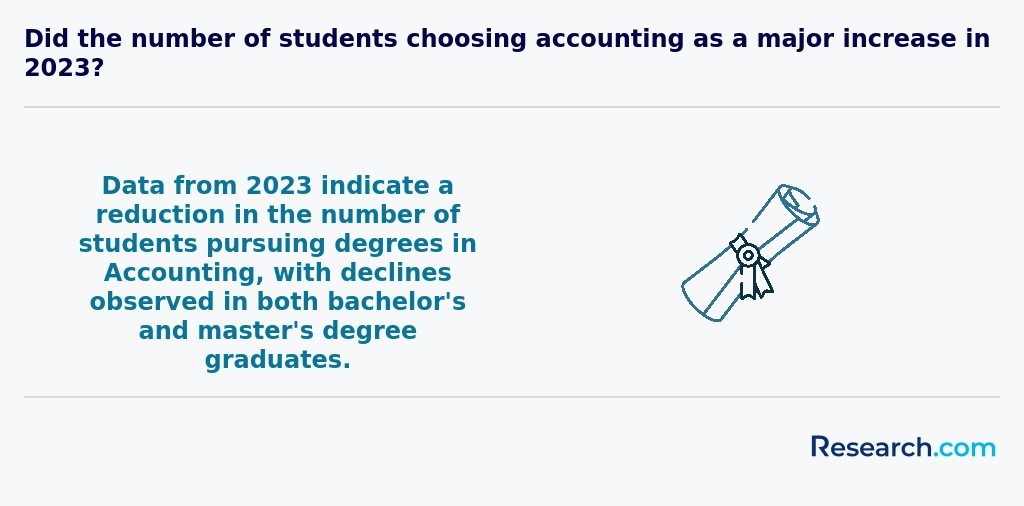
Graduates of accounting degree programs in the West often pursue professional certifications to enhance their credentials and earning potential. The most recognized credential is the Certified Public Accountant (CPA) license, administered by individual state boards of accountancy. To sit for the CPA exam, candidates generally need 150 semester hours of education-equivalent to a bachelor’s plus additional credits or a master’s degree-and must pass a rigorous four-part examination covering Auditing and Attestation (AUD), Business Environment and Concepts (BEC), Financial Accounting and Reporting (FAR), and Regulation (REG). After passing the exam, most states require one to two years of supervised public accounting experience and an ethics exam before licensure. In addition to the CPA, other certifications can differentiate graduates in specialized fields: • Certified Management Accountant (CMA): Offered by the Institute of Management Accountants (IMA), the CMA focuses on financial planning, analysis, control, and decision support. It requires a bachelor’s degree, two years of relevant work experience, and passing a two-part exam. • Certified Internal Auditor (CIA): Administered by the Institute of Internal Auditors (IIA), the CIA is ideal for students interested in risk management and internal controls. Candidates must hold a bachelor’s degree, complete 24 months of internal audit experience, and pass three exam parts. • Certified Fraud Examiner (CFE): Offered by the Association of Certified Fraud Examiners (ACFE), the CFE credential requires a bachelor’s degree, two years of professional experience in fraud-related fields, and passing a comprehensive exam on fraud prevention, detection, and investigation. When selecting an accounting program, ensure it aligns with licensure requirements in your state and offers CPA exam prep courses or partnerships with review providers. For students balancing cost and certification readiness, our Most Affordable Accounting Degree Programs Ranking in Vermont can provide valuable insights into programs that deliver both affordability and strong professional support.
Accounting degrees in the West offer an exciting blend of courses that prepare you to thrive in dynamic financial environments. Many graduates from top Western universities share how mastering Financial Accounting gave them the confidence to interpret real-world financial statements, while Managerial Accounting sharpened their skills to influence business decisions. These core classes lay a powerful foundation for success in the field.
Students often find that diving into Auditing feels like uncovering the story behind the numbers, a crucial skill for those aiming to become Certified Public Accountants. Exploring Federal Income Tax Accounting opens doors to understanding complex IRS rules, empowering future accountants to guide clients with assurance and expertise.
Many Western colleges also enrich their curriculum with courses like Accounting Information Systems and Business Law, connecting theory with the tools and regulations you'll encounter in business every day. Graduates recall how these classes made their study vibrant and practical, aligning perfectly with their career goals in the region's competitive financial landscape.
Accounting degrees in the West offer an exciting array of specializations designed to fit diverse career aspirations. Graduates from well-known universities in California and Washington, for example, often choose concentrations like Financial Accounting to master the art of preparing clear, reliable financial statements that empower investors and regulators. Managerial Accounting, popular among students at top West Coast colleges, equips learners with skills to guide internal business decisions, budgeting, and strategic planning.
Others embrace specializations such as Auditing and Assurance, where graduates find fulfillment in safeguarding financial integrity for both public companies and nonprofits. For those passionate about legal and investigative work, Forensic Accounting shines as a dynamic path, blending finance with fraud prevention - a fast-growing field reflecting the innovative spirit of the West. The best accounting concentration options in the West also include Information Systems Accounting, uniting cutting-edge technology and finance, which resonates strongly with graduates from tech-savvy institutions.
By tailoring their studies, students enhance not just knowledge but career potential. For a deeper look into future opportunities, explore careers with master in accounting.
Choosing the best accounting degree in the West means finding a program that combines quality, relevance, and opportunity. Graduates from top colleges like the University of Southern California or the University of Washington often highlight the value of AACSB accreditation, which guarantees a strong academic foundation and signals credibility to future employers. This is vital when selecting the best accounting degree programs in the West, as it opens doors to exciting career paths and professional respect.
Consider how programs align with the 150-hour CPA education requirement, setting you up for early success on your CPA journey. Many students share how courses tailored to CPA certification gave them confidence and a competitive edge. Cost is another inspiring factor; while public universities offer affordability, don't overlook scholarships and aid that lighten financial stress, enabling you to focus on growth and learning.
Engaging with faculty passionate about forensic accounting, taxation, and auditing transforms your studies into exciting real-world experience. Internships through strong local connections to firms ensure you're not just studying-you're preparing to thrive. For those weighing specialized credentials, exploring the best bookkeeping certification program can further boost your expertise and employability.
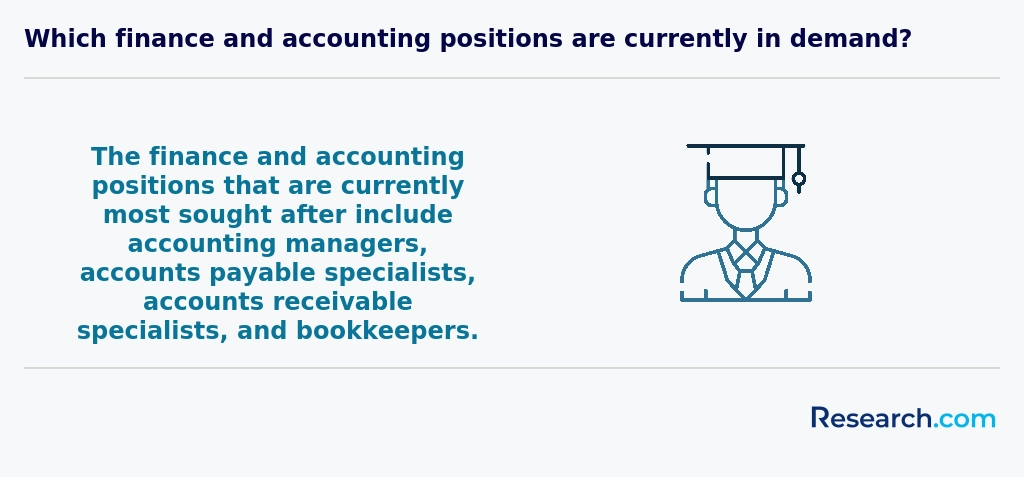
Accounting careers in the Western US offer a vibrant spectrum of opportunities that inspire graduates from universities like the University of California and Washington State University. Many find rewarding roles in public accounting, working in auditing, tax preparation, and consulting, where they support clients ranging from startups in Silicon Valley to established government agencies. Graduates often share how their hands-on experiences navigating California's dynamic economy have fueled their growth and confidence.
Career opportunities with accounting degree West extend far beyond traditional roles. Graduates excited about innovation pursue forensic accounting to uncover financial fraud or dive into management accounting, helping companies optimize internal performance. Others thrive as financial analysts or tax advisors, finding high demand in thriving regions like Oregon's bustling small business communities. For those seeking advanced credentials, holding a CPA or CMA opens doors to leadership roles with greater impact and compensation.
Students exploring their options can also benefit from initiatives highlighted in the Most Affordable Accounting Degree Programs Ranking in Vermont, discovering affordable pathways that lead to bright futures in the West.
The accounting degree job outlook in the West is bright and full of promise. Graduates from universities such as the University of California, Berkeley, and the University of Washington often find themselves stepping into thriving job markets in vibrant cities like San Francisco and Seattle. Many report working with top financial firms and tech companies, gaining hands-on experience in roles involving auditing, tax preparation, and financial analysis.
Professional certifications like the CPA significantly boost career trajectories in the West region accounting career opportunities, with licensed accountants often seeing salary increases that open doors to leadership positions. Entry-level salaries typically start between $50,000 and $65,000 but can quickly grow as expertise and credentials advance. As one graduate shared, the real-world skills gained through internships combined with local industry demand create a fulfilling and stable career path.
For those considering their educational journey, exploring the best accelerated degree college options for working adults makes balancing study and life easier while staying competitive in this rewarding field.
2027 Best Accounting Degree Programs Ranking in the West
Investing in your education is a significant decision that can shape your future, and the Research.com team understands the importance of making informed choices. To assist prospective students in the West, we have meticulously crafted the "2027 Best Accounting Degree Programs Ranking in the West." Our commitment to quality, credibility, and accuracy is reflected in the extensive research and analysis conducted to compile this ranking.
We utilized the following reputable data sources to ensure a comprehensive evaluation of accounting programs:
By exploring this ranking, readers will gain valuable insights into the top accounting degree programs available in the West, helping them make informed decisions about their educational and professional futures. For more details on our methodology, please visit our Research.com methodology page.


Frequently Asked Questions About accounting
Accounting degree students in the West can maximize their learning experience by combining classroom study with practical application. Internships and cooperative education programs offered by universities provide essential real-world exposure. According to the National Association of Colleges and Employers (NACE), 60% of accounting graduates in the U.S. secure jobs through internships. Engaging actively in campus accounting clubs and attending guest lectures from industry professionals adds valuable networking opportunities.
Additionally, students should take advantage of resources like tutoring centers and software training in programs such as Excel and QuickBooks, which are widely used in the industry. Pursuing a Certified Public Accountant (CPA) exam preparation alongside the degree enhances career readiness and aligns with Western state licensure requirements.
The accounting field in the Western United States is evolving rapidly, with several emerging niches gaining prominence. One notable area is forensic accounting, which involves investigating financial fraud and disputes. According to the American Institute of CPAs (AICPA), demand for forensic accountants is expected to grow by 16% through 2030.
Another expanding niche is environmental accounting, where professionals help organizations measure and report their environmental impact, supporting sustainability goals. This aligns with increased attention to corporate social responsibility in California and Washington.
Technology integration is also transforming accounting careers. Skills in data analytics and cybersecurity are increasingly valuable for accountants managing complex digital records. The Bureau of Labor Statistics highlights the rising need for accountants proficient in these areas, especially in tech hubs like Silicon Valley and Seattle.
After completing an accounting degree in the Western US, preparing for the job market requires a strategic approach. First, obtaining professional certifications such as the CPA (Certified Public Accountant) can significantly boost employability, as 77% of employers in the region prefer candidates with this credential, according to the AICPA.
Gaining practical experience through internships or part-time roles during or after the degree is essential. The National Association of Colleges and Employers (NACE) reports that candidates with relevant work experience have a 60% higher chance of receiving job offers.
Networking in local accounting societies and attending career fairs improves job prospects and industry knowledge. Developing strong proficiency in accounting software like QuickBooks and Excel is also critical, as these skills are consistently sought by Western US employers.
Employers in the Western United States increasingly seek accounting graduates with strong analytical skills and proficiency in technology. According to a 2023 report from the American Institute of CPAs (AICPA), 85% of firms prioritize candidates experienced with accounting software like QuickBooks and advanced Excel. Additionally, critical thinking and attention to detail remain essential, as accountants must interpret complex financial data accurately.
Communication skills are also crucial; professionals must clearly explain financial information to clients and managers. The National Association of State Boards of Accountancy (NASBA) highlights adaptability and ethical judgment as vital, especially with evolving regulations and the growing importance of environmental, social, and governance (ESG) reporting in Western firms.
Finding internships relevant to an accounting degree in the Western United States requires strategic planning and resourcefulness. Start by utilizing university career centers, which often have partnerships with local accounting firms and corporations seeking interns. According to the National Association of Colleges and Employers (NACE), over 60% of accounting internships in the U.S. are found through school resources.
Additionally, professional organizations like the California Society of CPAs offer internship listings and networking opportunities. Online platforms such as Handshake and LinkedIn also host numerous accounting internship openings specifically in Western states like California, Oregon, and Washington.
Internship seekers should tailor resumes and cover letters to highlight coursework and relevant skills such as proficiency in QuickBooks or Excel. Early application is crucial since competitive internships often fill months before the academic term.
An accounting degree offers significant advantages for career mobility and advancement within the Western United States. According to the U.S. Bureau of Labor Statistics, employment of accountants and auditors is projected to grow 7% from 2022 to 2032, faster than the average for all occupations. This growth is driven by the need for skilled professionals in finance and regulatory compliance.
Professionals with an accounting degree can access a variety of roles across industries, from public accounting firms to corporate finance departments. Holding a degree often serves as a prerequisite for certifications like CPA (Certified Public Accountant), which further enhance career progression and earning potential.
Data from the National Association of State Boards of Accountancy shows that over 90% of CPAs in the West hold a bachelor's degree or higher in accounting or related fields. This highlights how critical formal education is for credential attainment and professional growth.
Moreover, possessing an accounting degree increases opportunities for lateral moves into management, auditing, tax, or consulting roles, thus broadening career pathways in a competitive job market.
Accounting degrees offered by Western U.S. universities often emphasize interdisciplinary skills, preparing students for diverse career paths. Programs typically integrate coursework in business law, economics, information systems, and finance, allowing graduates to understand accounting's role within broader organizational contexts.
According to the National Association of State Boards of Accountancy, nearly 70% of employers in the West value candidates with cross-disciplinary knowledge for roles that combine accounting with technology or management.
This focus equips students to work effectively in areas like forensic accounting, financial analysis, and corporate strategy, where collaboration across departments is essential. The curriculum frequently supports proficiency with software and data analytics to meet evolving industry demands.
Choosing between a thesis and a non-thesis accounting degree program in the West depends largely on your career goals and learning preferences. Thesis programs typically require original research and a formal paper, which can be ideal if you aim for a PhD, academic career, or specialized research roles. Non-thesis options focus more on coursework and practical skills, better suited for those seeking immediate employment in accounting firms or corporate finance.
According to the National Association of State Boards of Accountancy, 75% of employers in the West prefer candidates with strong practical skills, which are emphasized in non-thesis programs. However, thesis programs can better prepare students for advanced certifications like the CPA or CMA by developing deeper analytical skills.
Consider your time availability as thesis degrees usually extend program length by 6 to 12 months. Additionally, research funding opportunities in Western institutions can affect your decision. For example, University of California campuses often offer thesis students scholarships or stipends.
Students based in the Western United States seeking to study accounting abroad have several notable options within nearby states and internationally recognized programs. Western states like California, Washington, and Oregon feature universities with strong accounting departments accredited by the AACSB, ensuring quality education that meets professional standards.
Many students choose to enroll in programs that offer international exchange opportunities or partnerships with universities abroad, enabling exposure to global accounting practices. Additionally, universities in Canada and Mexico provide accessible options for cross-border education, often requiring fewer visa hurdles for U.S. residents.
According to the National Association of State Boards of Accountancy (NASBA), states in the West are increasingly embracing credits from accredited online programs, broadening the pathways for studying accounting remotely with international perspectives.
Students pursuing accounting degrees in the Western United States can enhance their education with several part-time job opportunities that align well with their studies. Positions such as bookkeeping assistants, tax preparation aides, and accounting clerks are common and provide practical experience with financial software and regulatory compliance. According to the U.S. Bureau of Labor Statistics, entry-level roles in bookkeeping and accounting support are expected to grow 6% from 2022 to 2032, indicating steady demand.
Internships at local CPA firms or finance departments often offer flexible hours, allowing students to apply classroom knowledge in real-world settings. Campus career centers in Western universities frequently connect students with part-time roles that familiarize them with accounting principles, tax codes, and audit procedures.
Moreover, freelance work in payroll services or data entry can build critical skills while generating income. Such roles complement formal education by improving familiarity with industry tools, fostering attention to detail, and developing professional communication.
Accounting students in the Western United States benefit from numerous networking opportunities that support career growth. Universities in this region often host events such as career fairs, guest lectures, and workshops with professionals from top accounting firms including the Big Four: Deloitte, PwC, EY, and KPMG. According to a 2023 National Association of State Boards of Accountancy (NASBA) report, over 75% of graduates in California and Washington secured jobs through networking connections.
Student chapters of professional organizations like the American Institute of CPAs (AICPA) are common across Western campuses, providing access to conferences and mentorship programs. Moreover, internships facilitated by universities strengthen ties with local businesses, enhancing real-world experience and contacts.
Alumni networks play a significant role in supporting accounting degree students in the Western United States. These networks connect current students with graduates who work in diverse accounting fields, offering mentorship and career advice. According to the National Association of State Boards of Accountancy (NASBA), networking is crucial for passing the CPA exam and securing internships in competitive markets like California and Washington.
Strong alumni connections often lead to exclusive internship opportunities and job placements at regional firms. Additionally, many universities in the West host alumni-led workshops and events, helping students build professional skills and stay updated on industry trends. Such engagement boosts students' confidence and employability after graduation.
Customizing an accounting degree in the Western United States allows students to align their education with specific career goals. Many universities offer elective courses in areas such as forensic accounting, tax preparation, or auditing, enabling specialization within the broader degree. Additionally, pursuing internships or cooperative education experiences in local industries, including tech firms and financial institutions, enhances practical skills tailored to career interests.
Students may also choose programs that incorporate CPA exam preparation, boosting their professional certification prospects. According to the National Association of State Boards of Accountancy, over 90% of accountants in the West pursue CPA licensure, making targeted coursework valuable. Selecting minors or double majors in business analytics or finance further broadens career pathways.
Accounting students in the Western United States often face several key challenges during their studies. One major difficulty is managing the rigorous curriculum, which includes complex subjects such as taxation, auditing, and financial reporting. According to the American Institute of CPAs, over 50% of students report high stress linked to understanding constantly evolving accounting standards.
Another challenge is balancing internships and part-time jobs with coursework, as practical experience is essential for passing the CPA exam and securing employment. The National Association of State Boards of Accountancy highlights that on average, students require 1,800 hours of professional experience to qualify for licensure in many Western states.
Additionally, the cost of education in the West can be substantial, with tuition often exceeding $30,000 per year at public universities, creating financial pressure for many students. Finally, adapting to remote or hybrid learning models, increasingly prevalent post-pandemic, poses obstacles in maintaining engagement and understanding complex accounting concepts.
With an accounting degree in the Western United States, you can pursue several respected professional certifications that enhance career opportunities. The most recognized is the Certified Public Accountant (CPA) credential, requiring 150 credit hours of education and passing the Uniform CPA Examination. According to the California Board of Accountancy, Western states have some of the highest numbers of licensed CPAs nationwide.
The Certified Management Accountant (CMA) is another option focusing on financial management and strategy. It requires a bachelor's degree and passing the CMA exam.
Other valuable certifications include the Certified Internal Auditor (CIA) and Chartered Financial Analyst (CFA), which expand career paths in auditing and investment analysis.
Writing a winning application for an accounting program in the West requires careful preparation and clear demonstration of your qualifications. Admissions committees typically look for strong academic performance, especially in math-related subjects like statistics and finance. Including a competitive GPA-often above 3.0-is crucial. According to the National Association of State Boards of Accountancy (NASBA), over 70% of top programs emphasize quantitative skills.
Applicants should also craft a focused personal statement explaining their motivation for studying accounting and career goals. Highlighting relevant internships or work experience adds value.
Strong letters of recommendation from professors or accounting professionals further support your application and attest to your readiness for rigorous study.
Finally, obtaining good scores on standardized tests like the SAT or ACT can enhance your competitiveness, especially at selective programs in the Western U.S.
The accounting profession in the West is marked by strong international demand and diverse career opportunities. According to the U.S. Bureau of Labor Statistics, employment of accountants and auditors is expected to grow by 7% from 2021 to 2031, reflecting steady global business expansion. A degree from a U.S. institution often meets international standards, facilitating work across borders, especially in multinational corporations and accounting firms.
Western accounting degrees emphasize compliance with Generally Accepted Accounting Principles (GAAP), aligning closely with International Financial Reporting Standards (IFRS) used worldwide. This alignment supports graduates pursuing careers in global finance hubs.
Technological advancement also shapes the career outlook by increasing the need for expertise in data analytics and cybersecurity within accounting roles, fostering a competitive edge in the global market.
Gaining practical experience while studying for an accounting degree in the West involves several effective strategies. Many universities offer internships with local businesses, allowing students to apply theoretical knowledge in real-world settings. According to the National Association of Colleges and Employers (NACE), over 60% of accounting students in the Western U.S. secure internships before graduation, significantly boosting employability.
Participating in campus accounting clubs or student-run firms also provides hands-on learning opportunities. Additionally, some programs collaborate with Certified Public Accountant (CPA) firms to offer mentorship and job-shadowing experiences. Volunteering for tax preparation during IRS-sponsored Volunteer Income Tax Assistance (VITA) programs can further sharpen practical skills.
Choosing the right concentration within an accounting degree in the West requires assessing your career goals and market demand. Popular options include auditing, taxation, forensic accounting, and management accounting. The Bureau of Labor Statistics projects a 6% growth for accountants and auditors through 2032, reflecting steady job opportunities.
Students should consider programs that align with California, Washington, or Oregon licensure requirements if they aim to become CPAs. Specializations like forensic accounting are growing due to increased fraud detection needs, especially in the tech and finance sectors.
Reviewing curriculum details and speaking with academic advisors can clarify how concentrations match your interests and local job markets. Professional certifications connected to concentrations often affect employability and salary prospects.
See What Experts Have To Say About Studying Accounting
Read our interview with Accounting experts

John Wermert, Ph.D., CPA
Accounting Expert
Associate Professor of Accounting
Middle Tennessee State University

Yaw M. Mensah
Accounting Expert
Professor and Interim Vice Dean for Strategic Partnerships
Rutgers Business School

- Best Affordable Online Accounting Degrees of 2025 https://www.accounting.com/degrees/accounting/bachelors/most-affordable/
- Master’s Program in Accounting and Auditing (Thesis/Non-Thesis, Turkish) https://www.isikun.edu.tr/en/academic/graduate/accounting-auditing/masters-program-accounting-and-auditing-thesis/non-thesis
- Must-Have Skills for Accounting & Finance Graduates Entering Singapore’s Competitive Job Market https://www.lsbf.edu.sg/blog/accountancy-and-finance/must-have-skills-for-accounting-finance-graduates-entering-singapores-competitive-job-market
- Scholarships for Online Accounting Degrees https://www.oedb.org/scholarships/accounting/
- Inside the world of accounting internships: What to expect : ThisWayToCPA : AICPA https://www.thiswaytocpa.com/work-experience/articles/internships/inside-world-accounting-internships-what-expect/
- How to Choose an Accounting Specialization https://freemannews.tulane.edu/2025/11/03/how-to-choose-an-accounting-specialization
- Accounting Degree https://western.edu/undergraduate/accounting/
- How Long Does It Take to Get an Accounting Degree? https://www.warnerpacific.edu/blog/how-long-does-it-take-to-get-accounting-degree/
- What Jobs Can You Get with an Accounting Degree? https://www.mountunion.edu/academics/undergraduate-degrees/accounting/what-jobs-can-you-get-with-an-accounting-degree
- What Jobs Can You Do With an Accounting Degree? - Intuit Blog https://www.intuit.com/blog/life-at-intuit/intuit-experts/accounting-degree/


