2027 Best Accounting Degree Programs Ranking in Greenville

Co-Founder and Chief Data Scientist
Choosing the right accounting degree program can shape your future career and open doors to countless opportunities. This article presents the 2027 Best Accounting Degree Programs Ranking in Greenville, carefully crafted by the Research.com team of data scientists. It's designed to guide you in making an informed decision about which programs truly stand out.
By exploring these rankings, you'll gain valuable insights that simplify your search. An accounting degree offers strong job prospects and financial stability, making it a smart investment in yourself. Dive in to discover programs that match your goals and ambitions.
Key benefits of getting accounting degree in Greenville
- Salary for accounting degree graduates: Graduates can expect competitive salaries, such as Staff Accountants earning a mean annual wage of $90,780 and roles like Bookkeepers, Tax Preparers, and Associate Auditors earning around $49,580 yearly.
- Career paths: An accounting graduate from a popular Greenville college can explore diverse roles, including auditing, tax preparation, and accounts payable, offering flexibility and growth in finance and business sectors.
- Benefits of online degrees: Earning an accounting degree online in Greenville provides flexibility to balance work and study, often speeding up graduation while maintaining strong connections with local employers.
- 2027 Best Accounting Degree Programs Ranking in Greenville
- What can I expect from accounting degree in Greenville?
- Where can I work with accounting degree in Greenville?
What can I expect from accounting degree in Greenville?
The average cost of pursuing an accounting degree in Greenville varies depending on the institution and program level. At universities like Furman University and the University of South Carolina Upstate, undergraduate tuition typically ranges from $20,000 to $30,000 per year for in-state students. Graduates from these programs often recall manageable financial investment paired with strong returns through internships and career opportunities. Many students appreciate that these costs are balanced by Greenville's growing economy, which supports abundant entry-level positions in accounting and finance.
Graduate programs generally incur higher expenses, usually between $25,000 and $40,000 annually, reflecting advanced coursework and specialized certifications preparation such as CPA or CMA. Alumni emphasize that the practical experience gained through hands-on learning and established local business networks significantly enhances the value of their education despite the expense.
Scholarships, financial aid, and employer tuition assistance are often accessible, helping to offset tuition costs. For Greenville students, the comprehensive educational experience-including academic rigor and professional development-justifies the investment in accounting degrees at well-regarded regional institutions.
Where can I work with accounting degree in Greenville?
Graduates holding an accounting degree in Greenville find themselves well-positioned for diverse career opportunities across key local sectors. Many secure roles in public accounting firms, benefiting from the city's reputation as a hub for regional and national firms where they work as auditors, tax consultants, or accountants. This aligns with employment data showing steady growth in accounting roles within the Greenville metro area.
Students from popular institutions such as Furman University or Greenville Technical College often share how internships with major employers like Fluor Corporation or ScanSource provide hands-on experience in financial analysis and internal auditing, enhancing their readiness for corporate finance departments.
Additionally, government agencies at both city and state levels offer positions like budget analysts and compliance officers, which appeal to graduates eager to apply public budgeting knowledge in a regulatory context. Nonprofit organizations in Greenville also create opportunities, with graduates frequently managing grants and financial reporting, fostering a sense of meaningful community impact.
This variety of pathways ensures accounting graduates in Greenville can find fulfilling roles that suit their skills and ambitions within a thriving, expanding economy.
Graduates with an accounting degree from institutions in Greenville, such as campuses affiliated with local universities, typically enter the workforce with a competitive earning potential. Entry-level positions, including roles like bookkeeper, tax preparer, associate auditor, and accounts payable clerk, commonly offer mean annual wages around $49,580 according to the latest U.S. Bureau of Labor Statistics data. This baseline salary reflects the demand for skilled accounting professionals within Greenville's diverse industries.
More specialized roles such as staff accountants report a higher mean annual wage near $90,780, showcasing the value placed on advanced competencies acquired during studies and internships. Graduates often share that obtaining certifications or gaining hands-on experience in Greenville's economic sectors helps accelerate salary growth. The tangible benefit of working locally is reinforced by Greenville's steady job market expansion, which encourages positive financial outlooks for new graduates embracing careers in accounting.
- The annual cost for a bachelor's degree in accounting in Greenville ranges from $15,000 to $30,000 for in-state students, with private colleges charging over $35,000.
- Entry-level accountants in Greenville earn between $50,000 and $60,000 annually, with experienced professionals making $75,000 to $90,000.
- The accounting job market in Greenville is growing at about 7% over the next decade, driven by industries like manufacturing, finance, and healthcare.
- Internship opportunities are widely available with local firms, providing practical experience to boost employability.
- Most accounting programs in Greenville are accredited by AACSB or regional accreditors, which is important for certification and career advancement.
The typical timeframe for completing an accounting degree in Greenville varies according to the level of study and personal circumstances. Graduates of popular institutions such as Greenville Technical College and Furman University often complete their bachelor's degree within four years of full-time study, aligning with national educational standards. Many describe this period as demanding yet rewarding, especially given the strong local networks and internship opportunities.
Associate degrees, frequently pursued at community colleges in Greenville, generally require about two years. Students have found this path advantageous for quickly entering the workforce or transitioning into a bachelor's program later on.
Graduate programs like the Master of Accountancy typically take one to two years for those advancing their qualifications. Flexible options such as evening and online classes, common in Greenville, can extend completion times but offer crucial work-study balance for many learners balancing jobs and family.
These tailored scheduling options allow students to progress confidently at their own pace while benefiting from Greenville's vibrant accounting community and economic opportunities.
When considering accounting programs in Greenville, SC, affordability is a crucial factor for many students. Prospective students can find a range of options that balance quality education with financial feasibility. For those seeking affordable accounting schools in Greenville, SC, or even exploring affordable accounting schools in south carolina, it's essential to weigh the costs against the benefits, including accreditation, curriculum, and job placement rates. Many institutions, such as Greenville Technical College, offer competitive pricing without compromising on the educational experience, making them attractive options for students looking to pursue a career in accounting without accumulating significant debt. By researching these factors and considering available financial aid, students can make informed decisions that align with their financial situations and career aspirations.
On-campus accounting programs in Greenville, such as those offered by Bob Jones University and Greenville Technical College, provide students with direct interactions through face-to-face lectures, group projects, and instant mentorship. Graduates often recall the value of engaging in lively campus discussions and accessing resources like libraries and career services, which create a structured and immersive learning environment.
In contrast, online programs deliver flexibility that appeals to working professionals or students managing family responsibilities. Greenville students appreciate the ability to study on their own schedule without commuting, which reduces both time and expenses. Many online graduates highlight the convenience of balancing coursework with personal commitments while still meeting rigorous academic standards.
Both pathways maintain comparable accreditation, ensuring quality education recognized by employers. However, on-campus students frequently benefit from richer networking opportunities through campus events, whereas online learners develop virtual connections and often participate in local internships arranged independently, demonstrating adaptability in practical experience acquisition.
The average cost of an accounting degree in Greenville typically amounts to a median total of around $31,641, with in-state students paying approximately $19,195. These figures reflect comprehensive expenses, including tuition, fees, books, and living costs, which are vital considerations when evaluating Greenville accounting degree tuition and fees. Graduates from well-known institutions like Furman University and Bob Jones University often share that while the investment is significant, the quality of education and career opportunities afterward justify the cost.
Students attending Greenville Technical College benefit from a more affordable pathway, with tuition notably lower, often supplemented by scholarships specifically targeting accounting majors. Many accounting students emphasize the value of these financial aids in alleviating their financial burden, making education accessible without compromising quality. Real-life experiences highlight that careful budgeting for living expenses-generally around $8,000 annually-along with additional costs like technology fees and transportation, completes the full picture of accounting program expenses.
Those seeking more detailed options and guidance can explore resources on affordable accounting schools in south carolina to find tailored financial guidance. Such support enables students to navigate the average cost of accounting degree Greenville options thoughtfully and pragmatically, fostering confidence in the investment they make in their future careers.
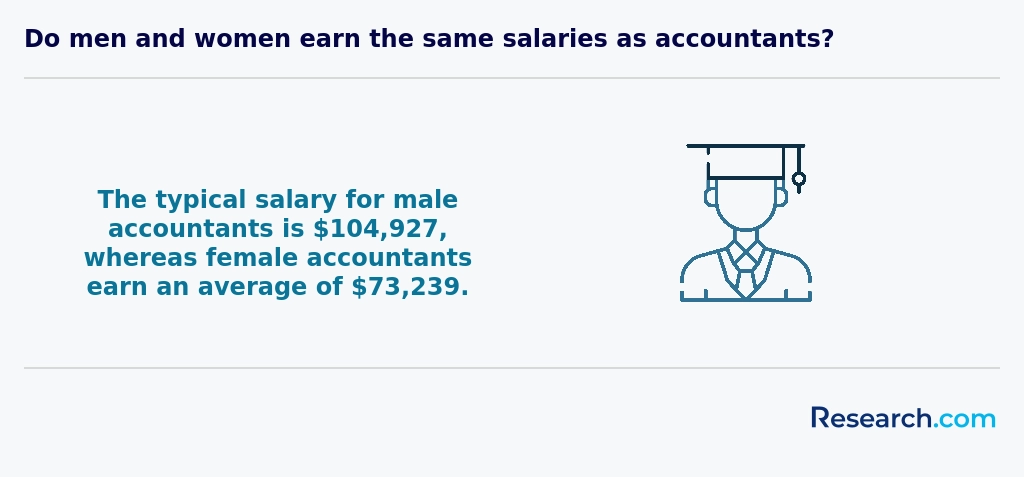
Investing in professional certifications can elevate your accounting career and open doors to advanced roles in Greenville, SC. A CPA, CMA, or even specialized credentials like the CFE not only reinforce your technical expertise but also signal a commitment to ethical standards and continuous learning. Many employers value these certifications, which can lead to higher starting salaries and greater career opportunities. Moreover, emerging career paths such as forensic accounting are gaining prominence; for instance, professionals exploring this niche can find that industry recognition and specialized training make them especially attractive to employers. For more insights on niche opportunities, check out our detailed guide on is there a high demand for forensic accountants?. Whether you choose to pursue additional certifications immediately after graduation or later in your career, integrating professional development with practical experience is key to long-term success in the dynamic field of accounting.
Students pursuing accounting degrees in Greenville benefit from a variety of financial aid options designed to ease the burden of tuition and related expenses. Graduates from local universities often recall how federal student aid, especially Pell Grants and Direct Loans, played a crucial role in managing costs. The Pell Grant, offering up to $7,395 in awards, is particularly impactful for those demonstrating financial need, allowing students to focus more on their studies and less on finances.
State scholarships such as the LIFE and HOPE programs have enabled many accounting majors in Greenville to significantly reduce tuition fees. Recipients from institutions like Bob Jones University and Greenville Technical College frequently highlight how these merit-based awards provided both relief and motivation during their academic journeys.
Local scholarships, including those from the South Carolina Society of Certified Public Accountants, support ambitious students by awarding sums ranging from $1,000 to several thousand dollars. Work-study roles within accounting departments also offer practical experience while helping with expenses, creating a balanced path toward graduation.
Finally, employer tuition reimbursement programs in Greenville's thriving business community give accounting students a hopeful outlook, allowing them to advance their education while maintaining professional commitments.
Greenville’s accounting programs emphasize real-world experience through structured internships, co-ops, and practicum courses that connect students with leading firms and community initiatives. Many local institutions partner with top employers-such as Bon Secours Health System, Milliken & Company, and well-known public accounting firms-to offer semester-long internships that count toward credit and often lead to full-time job offers. • Structured Co-op and Internship Programs: – Furman University’s Accounting Internship Course (ACCT 387) integrates a 300-hour placement at regional businesses, allowing students to apply classroom theories in auditing, tax preparation, and financial analysis. – Greenville Technical College’s Career Services Office coordinates paid internships with local small- to mid-sized accounting practices, averaging 120 placements annually. • Community-Based Practicums: – Volunteer Income Tax Assistance (VITA) clinics run each spring, supervised by faculty, enable students to prepare tax returns for low-income residents and gain proficiency in IRS e-file systems. – Nonprofit partnerships, such as with Habitat for Humanity Greenville, offer hands-on budgeting and financial reporting projects that enhance students’ ethical and analytical skills. • Case Competitions and Simulations: – Bob Jones University hosts an annual Forensic Accounting Challenge, where teams analyze mock fraud cases under time constraints, simulating professional investigative scenarios. – Greenville-area accounting clubs participate in the statewide SC Accounting Challenge, judged by CPA firm partners, to sharpen technical knowledge and presentation skills. Career services and academic advisors work closely to match students’ specialization interests-be it taxation, audit, or managerial accounting-with internship opportunities. To explore similar experiential learning options beyond Greenville, check out our Affordable Accounting Degree Programs Ranking in Dallas, TX, which highlights programs with robust internship integrations and affordable tuition.
To enroll in an accounting degree program in Greenville, prospective students must possess a high school diploma or equivalent, as required by institutions such as Bob Jones University and Greenville Technical College. Graduates often recall how strong performance in mathematics, economics, and business courses during high school proved invaluable, providing a solid foundation that eased their transition into demanding accounting classes.
Some Greenville colleges require standardized test scores like the SAT or ACT, although many have adopted test-optional policies. Nonetheless, submitting competitive scores can boost an application by showcasing quantitative reasoning skills vital for accounting success.
In addition to academic credentials, students frequently complete prerequisite courses such as college-level algebra and introductory accounting before advancing. This progression ensures confidence in handling core concepts, which students often describe as empowering when tackling complex financial analyses.
Graduates emphasize the importance of consulting specific Greenville institutions' admissions guidelines early to align preparation with local expectations, facilitating a smoother journey through their accounting education.
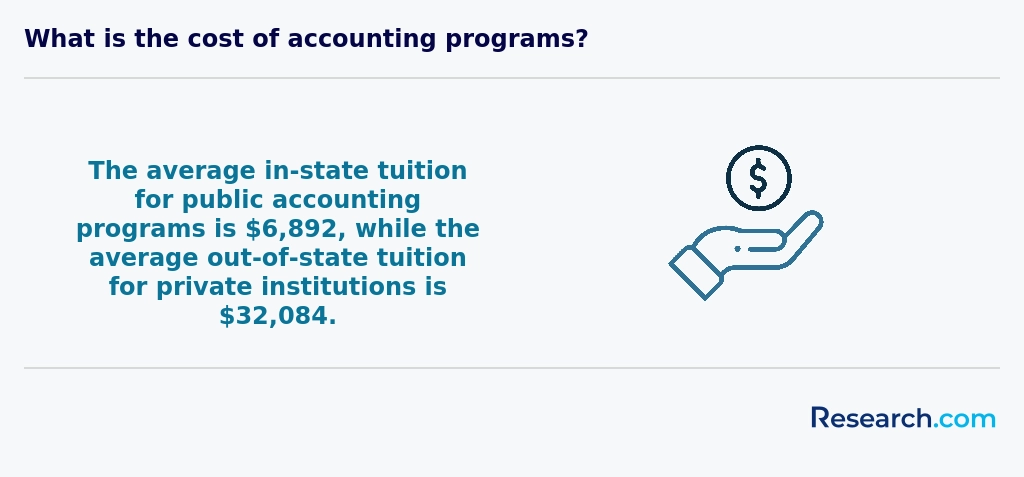
Graduates aiming for professional recognition often pursue CPA licensure-a credential that enhances credibility and salary potential in Greenville’s competitive accounting market. To become a CPA in South Carolina, candidates must meet three core requirements: 1. Education • Complete a minimum of 150 semester hours from a regionally accredited institution. Many students fulfill this via a bachelor’s plus master’s pathway or by enrolling in an accelerated online accounting degree to fast-track credit accumulation. • Ensure coursework covers key domains: financial accounting, auditing, taxation, and ethics. 2. Uniform CPA Exam • Pass all four sections (Auditing & Attestation; Business Environment & Concepts; Financial Accounting & Reporting; Regulation) within an 18-month testing window. • Leverage local review courses-from Furman University’s CPA prep workshops to Greenville Technical College’s exam simulators-to boost pass rates (currently averaging 55–60% regionally). 3. Experience & Ethics • Complete one year (2,000 hours) of supervised accounting work under a licensed CPA. • Submit a professional ethics course approved by the South Carolina Board of Accountancy. Key tips for success:
- Begin exam prep in your final undergraduate semester to reinforce core concepts.
- Join Greenville’s AICPA chapter or local accounting societies for mentorship and networking.
- Track deadlines and application timelines via the South Carolina Board’s online portal. By understanding and planning for these licensure steps early-ideally during your degree program-you’ll position yourself for timely CPA certification and a significant edge in Greenville’s thriving accounting community.
Accounting degree programs in Greenville focus on core subjects essential for a successful career in finance and accounting. Students typically engage deeply with Financial Accounting, learning to accurately record and analyze business transactions, which prepares them for handling real-world financial statements at local firms. Managerial Accounting courses teach cost analysis and decision-making strategies that many Greenville graduates find invaluable when working in business environments.
Federal Income Taxation is another critical area, covering tax regulations affecting individuals and companies, directly relevant to the tax preparation roles available in Greenville's business sector. Auditing coursework offers hands-on techniques for verifying the accuracy of financial records, a skill highly sought after by employers here. Additionally, Accounting Information Systems courses provide practical training with software tools popular in local accounting offices, fostering graduates' confidence in technology-driven workflows.
Business Law and Finance fundamentals round out the curriculum, equipping students with knowledge to navigate legal and economic aspects they will encounter. Graduates from Greenville colleges often highlight how these comprehensive courses made their transition into local internships and jobs smoother and more rewarding.
Accounting degree specializations in Greenville cater to a range of career ambitions, reflecting the dynamic finance and business environment of the region. Graduates from local universities often share how focusing on Taxation equips them with practical skills to navigate complex state and federal tax codes, a vital asset for accountants serving Greenville's expanding business community. Another distinguished concentration is Auditing and Assurance, which prepares students to ensure the integrity and compliance of financial statements-an indispensable function recognized by employers across Greenville's industries.
Students drawn to innovation frequently pursue Forensic Accounting, a specialization that blends investigation with accounting expertise to combat financial fraud. This focus resonates strongly in Greenville, given rising cybercrime concerns, making it worthwhile to explore whether is there a high demand for forensic accountants?. Additionally, Management Accounting prepares learners to optimize internal financial processes, essential for Greenville's thriving manufacturing sector.
Accounting students appreciate the diversity of Greenville accounting concentration options, including Government and Nonprofit Accounting, which trains them for fiscal responsibility in public agencies and nonprofit organizations-a key sector in the region's economy.
When choosing the best accounting degree programs Greenville offers, prioritize AACSB accreditation to ensure your education meets rigorous standards recognized by local employers. Graduates from universities in Greenville often highlight their confidence gained through curricula covering financial accounting, taxation, and auditing, paired with hands-on internships at regional firms. This practical experience proves invaluable when transitioning to full-time roles. Affordable accounting colleges in Greenville provide various financial aid options, which help ease tuition and living expenses without sacrificing quality.
Graduates frequently emphasize the importance of faculty expertise and their connections within Greenville's business community, which have opened doors to mentorships and job placements. Additionally, programs boasting strong CPA exam pass rates prepare students effectively for certification, enhancing career prospects.
Consider class size and flexibility; some students balance work and study by enrolling in hybrid or online courses. For those looking for alternative pacing, exploring an accelerated online accounting degree might also suit their needs, offering a faster route without leaving Greenville's professional environment behind.
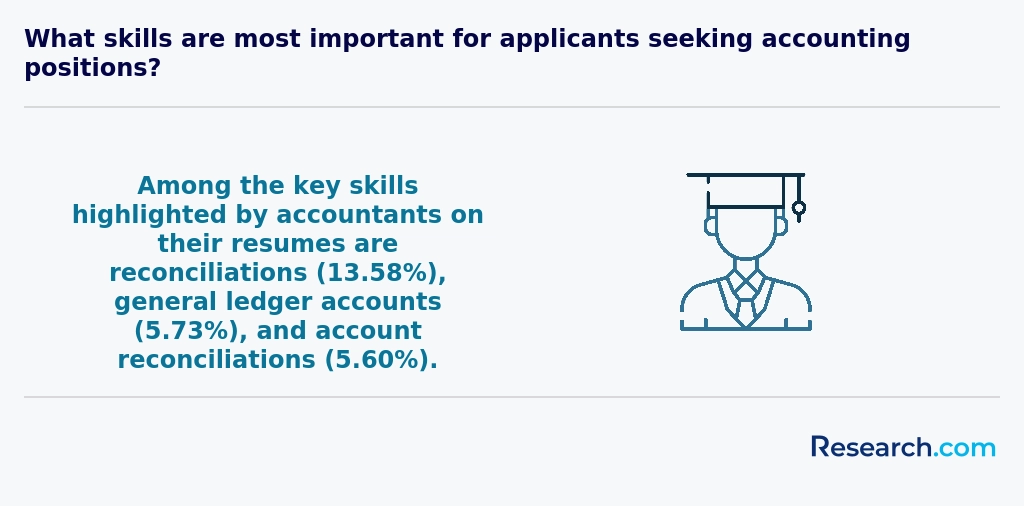
Graduates from popular universities and colleges in Greenville find diverse accounting career opportunities in Greenville, reflecting the city's dynamic economy. Many take the public accounting route, becoming auditors or tax consultants in well-established local firms or national companies. These roles often require the CPA credential, which significantly boosts career prospects and income. Others secure corporate accounting jobs in manufacturing and technology sectors, managing internal finances with responsibilities ranging from budgeting to financial analysis. Students often describe the transition to these positions as rewarding, citing practical internships that prepared them for real-world challenges.
Government accounting also appeals to graduates seeking stable employment and a chance to impact community finances at city or state levels. Furthermore, specialized positions in forensic accounting and tax advisory thrive due to Greenville's growing business needs, offering intellectually stimulating and impactful work. Many graduates appreciate this variety, which suits different interests and skill sets, enhancing long-term career satisfaction.
For students exploring educational options, programs offering strong internships help align academic learning with practical experience, a key factor in securing jobs for accounting graduates in Greenville. For more information on pursuing such opportunities, see the Affordable Accounting Degree Programs Ranking in Dallas, TX.
The accounting degree job opportunities Greenville offers are encouraging for graduates from local institutions such as Clemson University and Furman University. Recent graduates frequently secure entry-level roles like junior accountant or audit assistant within respected companies, gaining valuable hands-on experience alongside seasoned professionals. These graduates often highlight the supportive community and practical training that prepare them well to meet employers' needs in manufacturing, healthcare, and finance.
While the Greenville accounting salary and employment outlook shows an average annual wage near $58,000, slightly below the national mean, many students feel this balance is positive given Greenville's lower living costs and expanding economic environment. Accounting graduates appreciate the city's proximity to Charlotte, NC, which broadens their career options for remote or commuter positions. The vibrant business climate, including growing small and medium enterprises, consistently demands skilled accountants for tax preparation, financial planning, and compliance roles.
For students aiming to accelerate their progress while working, many turn to quickest online programs for working adults that provide flexibility without sacrificing quality. This practical approach helps graduates build careers efficiently within Greenville's evolving job market, fostering optimism and a sense of achievement among aspiring accountants.
2027 Best Accounting Degree Programs Ranking in Greenville
Investing in your education is a significant decision that can shape your future, and the Research.com team understands the importance of making informed choices. To assist prospective students in Greenville, we have meticulously crafted the "2027 Best Accounting Degree Programs Ranking in Greenville." Our commitment to quality, credibility, and accuracy is reflected in the extensive research and analysis conducted to compile this ranking.
We utilized the following reputable data sources to ensure a comprehensive evaluation of accounting programs:
By exploring this ranking, readers will gain valuable insights into the best accounting degree programs available in Greenville, empowering them to make well-informed decisions about their educational paths. For more details on our methodology, please visit our Research.com methodology page.

# 2 position
Strayer University-South Carolina
Master of Science in Accounting

# 3 position
Bob Jones University
Bachelor of Science in Accounting

# 4 position
Strayer University-South Carolina
Bachelor of Science in Accounting
Frequently Asked Questions About accounting
Accounting degree students in Greenville can maximize their learning experience by actively engaging with local internships offered by the city's growing financial and business sectors. Greenville hosts numerous accounting firms and corporate offices where students can earn practical experience, enhancing their classroom knowledge.
Additionally, joining student chapters of national accounting organizations, such as the American Institute of CPAs (AICPA) or Beta Alpha Psi, provides networking opportunities and access to workshops and seminars specifically designed for accounting majors. These experiences are critical given that Greenville's job market reported a 7% annual growth in finance-related roles in 2023 according to the Greenville Chamber of Commerce data.
Taking advantage of Greenville's universities' tutoring programs and study groups can also improve understanding of complex accounting principles. Staying current with software like QuickBooks and Excel, often required in the local job market, further prepares students for career success.
The accounting field is evolving with several emerging niches offering new career opportunities, especially for Greenville students. One growing area is forensic accounting, where professionals investigate financial fraud and legal disputes. According to the Bureau of Labor Statistics, demand for forensic accountants is expected to grow faster than average through 2030.
Another expanding niche is environmental accounting, focusing on the financial impact of sustainability efforts. Greenville's increasing emphasis on green business practices creates opportunities for accountants skilled in this area.
Additionally, technology-driven roles like data analytics and blockchain accounting are gaining prominence, reflecting the integration of advanced software in financial reporting. Greenville institutions are gradually incorporating these topics into their curricula to meet workforce needs.
To prepare for the job market after completing an accounting degree in Greenville, begin by gaining practical experience through internships or part-time roles. Local firms and businesses often offer accounting internships, providing valuable exposure to real-world financial practices.
Networking is crucial; consider joining professional groups like the South Carolina Association of CPAs. Greenville's growing economy, especially in manufacturing and finance sectors, offers diverse opportunities for accountants. According to the U.S. Bureau of Labor Statistics, the employment of accountants in South Carolina is expected to grow by about 7% through 2030, indicating steady demand.
Additionally, obtaining certifications such as the CPA can significantly boost employability in the competitive Greenville market.
Employers in Greenville highly value accounting graduates who demonstrate strong analytical and problem-solving skills. The ability to interpret financial data accurately and provide actionable insights is crucial in the competitive business environment of the region.
Proficiency with accounting software like QuickBooks and Excel is often required, reflecting the local demand for tech-savvy professionals. According to Greenville's Chamber of Commerce, nearly 70% of accounting job listings specify experience with these tools.
Communication skills also rank highly, as accountants frequently must explain complex financial information to clients or management. Attention to detail and ethical standards remain foundational, reflecting the stringent regulatory environment across South Carolina.
Finding internships in Greenville relevant to an accounting degree involves strategic searching and leveraging local resources. Begin by exploring internship opportunities through Greenville-area firms, including CPA offices and finance departments of major companies. The Greenville Chamber of Commerce often lists local internships and networking events that can facilitate connections.
Contacting university career centers, such as those at Clemson University or Furman University, can provide access to internship programs tailored for accounting students. Additionally, websites like Handshake and Indeed frequently list Greenville-specific accounting internships.
According to the South Carolina Department of Employment and Workforce, the accounting sector in Greenville has seen steady growth, with around 2,500 local accounting jobs available as of 2023, indicating strong internship availability in the area.
An accounting degree significantly enhances career mobility and advancement opportunities in Greenville. This credential is highly valued by local employers across industries such as manufacturing, finance, and healthcare. According to the U.S. Bureau of Labor Statistics, accountants and auditors in the Greenville-Anderson area earn a median annual wage above the national average, reflecting strong demand.
Graduates with accounting degrees often qualify for positions ranging from staff accountant to senior financial analyst or controller. Many local firms prioritize candidates who possess both a degree and professional certifications, such as CPA licensure, which an accounting degree helps to attain.
Moreover, Greenville's growing business sector offers diverse pathways for specialization and promotion in accounting roles, emphasizing the degree's role in long-term career growth.
Studying for an accounting degree in Greenville equips students with not only deep knowledge of accounting principles but also skills applicable across various fields. Local higher education institutions integrate courses in finance, business law, information technology, and communication to foster interdisciplinary competencies. This approach aligns with the evolving demands of the US job market, where accounting professionals often collaborate with IT specialists, management teams, and legal advisors.
For example, Clemson University's business programs emphasize data analytics and ethical decision-making, preparing graduates for roles in auditing, consulting, and financial management. According to the Bureau of Labor Statistics, the demand for accounting-related jobs in South Carolina is expected to grow by 7% through 2030, indicating diverse opportunities requiring broad expertise.
When choosing between a thesis and a non-thesis accounting degree program in Greenville, students should consider their career goals and academic interests. Thesis programs typically involve research, ideal for those aiming for doctoral studies or careers in academia and advanced analytics.
Non-thesis options focus on practical skills and internships, preparing students for immediate roles in accounting firms, businesses, or government agencies. Greenville, home to a growing financial sector, offers diverse opportunities for practical experience.
According to the National Center for Education Statistics, about 60% of accounting graduates in South Carolina prefer non-thesis tracks, emphasizing career readiness.
Cost, program length, and faculty expertise in Greenville's institutions also influence this choice.
Students based in Greenville seeking to study accounting abroad have several avenues to explore through exchange programs and partnerships offered by local universities. Institutions such as Clemson University and the University of South Carolina Upstate often collaborate with universities abroad, allowing students to complete part of their accounting degree overseas while earning credits transferrable to their home institution. Such opportunities typically last from a semester to a full academic year. According to NAFSA: Association of International Educators, about 15% of U.S. business students, including accounting majors, participate in study abroad programs, highlighting growing interest in global accounting perspectives.
Additionally, Greenville students can consider international summer internships or certificate programs in accounting that focus on global financial standards like IFRS. While specific local statistics on accounting study abroad participants are limited, Greenville's economic ties to international markets encourage students to seek global experience to enhance career prospects in accounting and finance.
Greenville offers several part-time job opportunities that can complement accounting degree education effectively. Students often find positions as accounting clerks or bookkeeping assistants in local businesses, gaining hands-on experience with financial record-keeping and software like QuickBooks.
Internships with accounting firms in Greenville provide exposure to tax preparation, auditing, and financial analysis, which align closely with academic curricula. According to the South Carolina Department of Employment, around 12% of part-time roles in the area are in finance and administrative support, making it a viable sector for students.
Additionally, on-campus jobs such as payroll assistants or positions within the university's finance office offer practical skills and flexibility for accounting students.
Accounting students in Greenville have access to several valuable networking opportunities. Local universities often host accounting clubs and career fairs that connect students with regional accounting firms and professionals. The Greenville chapter of the South Carolina Association of CPAs provides events and workshops tailored for accounting students seeking internships and job placements. Additionally, Greenville's growing business community, ranked among the fastest-growing metros by the U.S. Census Bureau, offers numerous meetups and seminars focused on finance and accounting. These settings create practical environments for students to build professional relationships early in their careers.
Alumni networks play a significant role for accounting degree students in Greenville by providing valuable connections within the local business community. Many graduates from Greenville's universities join firms in the region, creating a strong network that current students can access for mentorship and job opportunities. According to data from the Greenville Chamber of Commerce, over 60% of local accounting firms report hiring through professional referrals, highlighting the importance of personal connections.
Moreover, alumni often organize networking events and workshops focused on industry trends and certifications like CPA preparation. This support helps students gain insights beyond the classroom. Greenville's growing financial sector, supported by alumni relations, thus creates an advantageous environment for aspiring accountants.
Customizing your accounting degree program in Greenville involves selecting courses and experiences that align with your career goals. Many local institutions offer flexible options such as electives in tax accounting, auditing, or forensic accounting. You can also pursue internships with Greenville-based firms, which provide practical experience and networking opportunities. Certifications like CPA or CMA are popular goals, so focusing on coursework that meets licensing requirements is essential. Greenville's growing business sector, including finance and manufacturing, shapes relevant specialization areas. Academic advisors can help tailor your curriculum to industry demands and personal aspirations, maximizing your degree's value.
Accounting students in Greenville often face several challenges common to the field nationwide, but with local nuances. One major difficulty is mastering complex subjects like tax law and auditing, which require strong analytical skills and attention to detail. Additionally, balancing rigorous coursework with internships in Greenville's competitive finance sector can be stressful.
Many students also encounter difficulty meeting the 150-credit hour requirement needed to sit for the CPA exam, often requiring additional coursework beyond a bachelor's degree. According to the South Carolina Board of Accountancy, Greenville students must plan carefully to meet these requirements within state regulations.
Access to local mentorship and networking opportunities remains limited compared to larger markets, which can slow career advancement. Greenville's smaller pool of accounting firms means fewer hands-on experiential learning options during studies, making it harder for students to gain practical experience prior to graduation.
Graduates with an accounting degree in Greenville have several professional certification options to enhance their careers. The most recognized is the Certified Public Accountant (CPA) credential, which often requires 150 semester hours of education and passing a rigorous exam. Greenville's growing financial sector increases demand for CPAs.
Other certifications include Certified Management Accountant (CMA) and Certified Internal Auditor (CIA), both valued for specialized roles. The CMA focuses on financial management and strategy, while the CIA targets internal audit functions.
According to the South Carolina Board of Accountancy, Greenville-based candidates benefit from local CPA review courses and study groups, which can boost exam success rates. Pursuing these certifications often leads to higher salaries and greater job opportunities in the region.
To write a winning application for an accounting program in Greenville, start by thoroughly researching local schools, such as Clemson University and Furman University, which are known for strong business departments. Highlight your academic achievements, especially in math and economics, as Greenville accounting programs often require a solid quantitative background.
Be sure to include relevant experience, like internships or part-time jobs in finance or bookkeeping, which demonstrate practical skills. Greenville's growing financial sector offers good opportunities to gain such experience. Additionally, write a clear personal statement explaining why you want to study accounting and how it fits your career goals.
Submit all required documents-transcripts, letters of recommendation, and test scores-on time. Use Greenville-specific data, like job growth in accounting roles, to show your awareness of the field's local demand. This research strengthens your application by aligning it with current industry trends.
The global perspective on an accounting career reflects increasing demand for professionals skilled in international financial regulations and standards. In Greenville, students pursuing accounting degrees can benefit from curricula aligned with the Financial Accounting Standards Board (FASB) and the International Financial Reporting Standards (IFRS), which are crucial for firms engaging in global business.
Accounting roles now often require understanding cross-border taxation, compliance, and ethics, emphasizing adaptability. According to the Bureau of Labor Statistics, accounting employment is projected to grow 7% nationally from 2022 to 2032, with Greenville's expanding business sector contributing to local opportunities.
Thus, an accounting degree in Greenville prepares graduates for careers in an interconnected global economy, with local employers valuing internationally aware accounting skills.
Gaining practical experience while studying for an accounting degree in Greenville is essential for career readiness. Many local colleges offer internship opportunities with regional firms, allowing students to apply classroom knowledge to real-world scenarios. According to the South Carolina Department of Employment and Workforce, Greenville's accounting sector has grown by 4% annually, increasing demand for interns.
Students can also engage in cooperative education (co-op) programs, which combine paid work experience with academic coursework. Additionally, joining Greenville accounting clubs or organizations such as the American Institute of CPAs (AICPA) student chapters can build networking skills and practical insights.
Volunteer bookkeeping or tax preparation for nonprofits is another way to gain hands-on experience while benefiting the community.
Choosing the right concentration within an accounting degree program in Greenville requires understanding your career goals and the local job market. Popular concentrations include tax accounting, auditing, forensic accounting, and managerial accounting. Each offers unique skills that match different employer needs in Greenville's growing financial and business sectors.
Research local industry demands by reviewing job postings in Greenville or consulting sources like the South Carolina Department of Employment and Workforce. For example, tax and auditing specialties are in high demand among Greenville's expanding manufacturing and service companies.
Additionally, consider programs accredited by AACSB or ACBSP, as they often offer tailored concentrations aligned with current accounting practices. Speaking with academic advisors and Greenville-area professionals can also clarify which concentration fits your strengths and career ambitions best.
- 2027 Best Accounting Degree Programs Ranking in Atlanta
- 2027 Best Accounting Degree Programs Ranking in Greensboro
- 2027 Best Accounting Degree Programs Ranking in Huntsville
- 2027 Best Accounting Degree Programs Ranking in Nashville
- 2027 Best Accounting Degree Programs Ranking in Birmingham
- 2027 Best Accounting Degree Programs Ranking in Montgomery
- 2027 Best Accounting Degree Programs Ranking in Louisville
- 2027 Best Accounting Degree Programs Ranking in Cincinnati
- 2027 Best Accounting Degree Programs Ranking in Columbus
- 2027 Best Accounting Degree Programs Ranking in Indianapolis
See What Experts Have To Say About Studying Accounting
Read our interview with Accounting experts

Yaw M. Mensah
Accounting Expert
Professor and Interim Vice Dean for Strategic Partnerships
Rutgers Business School

John Wermert, Ph.D., CPA
Accounting Expert
Associate Professor of Accounting
Middle Tennessee State University

- Challenges Faced by Accounting Students https://www.onlineassignment-expert.com/blog/what-are-the-challenges-faced-by-accounting-students
- Master’s Program in Accounting and Auditing (Thesis/Non-Thesis, Turkish) https://www.isikun.edu.tr/en/academic/graduate/accounting-auditing/masters-program-accounting-and-auditing-thesis/non-thesis
- Professional Networking in Accounting - Accounting.com https://www.accounting.com/resources/networking-tips-for-landing-a-job/
- Top 10 Accounting and Finance Skills Employers Want | Tamarack Recruiting | Tamarack Recruiting https://tamarackrecruiting.com/top-10-accounting-and-finance-skills-employers-want-tamarack-recruiting/
- Accounting Abroad: Benefits and Opportunities : ThisWayToCPA : AICPA https://www.thiswaytocpa.com/education/articles/make-the-most-of-your-education/accounting-abroad-benefits-and-opportunities/
- Business Administration: Accounting, BS | Accredited Liberal Arts Christian College in Illinois https://www.greenville.edu/academics/undergraduate-programs/business-administration-accounting-bs
- ACCOUNTING AND AUDITING (THESIS / NON-THESIS) - Lisansüstü Eğitim Enstitüsü https://lee.nisantasi.edu.tr/en/accounting-and-auditing/
- Know more about thesis vs non- thesis: what is the difference? https://studyfans.com/en/blogs/816
- 6 accounting niches for your new firm https://www.becker.com/blog/career/accounting-niches-for-your-firm
- Accounting | Greenville Technical College https://www.gvltec.edu/academics_learning/business-computer/accounting/index.html