2026 Best Online Project Management Programs for Professionals Seeking SaaS Delivery Careers

Co-Founder and Chief Data Scientist
Mid-career professionals aiming to break into SaaS delivery face a critical barrier: selecting an online project management program that balances deep technical insight with flexible pacing. While 65% of adult learners prioritize programs offering hybrid or fully remote options, according to the National Center for Education Statistics 2024 report, many struggle to find courses credentialed to meet employer expectations without sacrificing work commitments.
This tension between curriculum rigor and accessibility can stall career pivots or limit advancement opportunities in a competitive SaaS landscape. This article evaluates the best online project management programs tailored for SaaS delivery roles, focusing on their alignment with employment outcomes, scheduling flexibility, and real-world skill integration to guide strategic enrollment decisions.
Key Things You Should Know
- Recent federal labor statistics indicate a 15% wage premium for candidates with SaaS delivery experience alongside project management skills, pushing professionals to prioritize specialized SaaS-focused programs despite 20-30% higher tuition costs.
- Employers increasingly demand certifications integrating Agile frameworks with cloud-based project management tools, complicating credential selection as traditional PMP alone no longer optimizes employability or salary growth, reshaping candidate upskilling strategies.
- Median program completion times vary by 40% between accelerated and standard offerings, creating a critical time-cost tradeoff for mid-career professionals balancing income disruption against rapid market reentry supported by recent workforce surveys.
What is an online project management program and how does it support SaaS delivery careers?
Online project management programs for SaaS careers target the practical competencies required to handle the rapid and iterative nature of software-as-a-service delivery. Such programs focus on critical skills including agile methodologies, risk assessment, and resource allocation, essential for managing accelerated development cycles and complex cloud-based deployments. For instance, managing a SaaS rollout in a fintech startup demands balancing compliance requirements, user feedback, and release cadence-challenges that structured education prepares candidates to navigate effectively.
These curricula prioritize tools like JIRA, Trello, and Azure DevOps, addressing employer expectations for remote collaboration and iterative product releases. Without this focused training, professionals often face difficulties with scope creep and delays due to insufficient adaptive planning frameworks. Demand for certified project managers who understand SaaS-specific workflows is intensifying; the Project Management Institute's 2024 report highlighted a need for 2.3 million new project professionals annually through 2030.
Decision-makers assessing these programs should weigh accreditation, inclusion of hands-on projects, and alignment with industry standards like Agile or Scrum. Candidates must also consider programs that incorporate scenario-based evaluations depicting SaaS product cycles to minimize costly on-the-job learning curves. For those weighing educational investments, consulting resources such as online construction management degrees offerings can provide comparative insights applicable across project management disciplines.
Overall, understanding how project management supports SaaS delivery roles involves recognizing the balance between theoretical knowledge and software-specific application, which directly impacts employability and long-term career resilience.
How do online project management degrees compare with campus programs for working professionals?
Choosing between online project management degrees versus campus programs for working professionals hinges on a pragmatic assessment of time, networking, and skill application. Online formats offer asynchronous study that aligns with nontraditional work hours and geographic dispersion typical in SaaS and tech sectors, where a 7% employment growth is projected for project management specialists through 2034. This model suits professionals needing to quickly adapt skills amid evolving methodologies while maintaining full-time employment and family responsibilities.
Yet, the benefits of online project management education for career advancement must be weighed against the tangible networking and mentorship advantages provided by campus programs. For instance, mid-career professionals targeting leadership in SaaS delivery projects often gain faster skill development through collaborative, peer-driven scenarios and immediate feedback in onsite cohorts.
Conversely, online curricula frequently simulate cloud-based environments and agile workflows, enabling direct, practical application in industries like healthcare IT across distributed teams without the commuting burden. Hiring managers emphasize program rigor and current industry alignment over delivery mode, stressing certifications and demonstrable skills aligned with SaaS frameworks.
Ultimately, working professionals should evaluate personal learning preferences and strategic objectives. Those seeking flexibility and direct applicability might prioritize online options, while those valuing immersive networking and rapid experiential growth may favor campus programs. For a baseline overview of available degrees, exploring a bachelor degree in project management can clarify options and outcomes.
Which online project management programs are best for aspiring SaaS product and delivery managers?
Top online project management programs for SaaS delivery managers must balance technical frameworks with realistic industry demands, particularly in Agile, Scrum, and Lean methods tailored for software development cycles. PMP certification, recognized by PMI's 2024 Earning Power survey, yields a median 16% higher salary globally, with an even greater premium in tech-heavy roles. However, practical experience in SaaS environments and real-time stakeholder engagement often matter more than credentials alone.
Key factors to evaluate include:
- Curricula that focus on SaaS product lifecycles: feature prioritization, release planning, and continuous integration/deployment tools.
- Instructors with direct SaaS industry expertise capable of guiding rapid iteration and feedback loops.
- Flexible pacing options and cohort networking, critical for working professionals balancing ongoing responsibilities.
For example, professionals in enterprises shifting from waterfall to Agile benefit from programs offering embedded Agile certification and modules on cross-functional team collaboration in cloud settings. In contrast, those aiming for SaaS startups should prioritize fast-paced backlog management and MVP delivery under resource constraints, illustrating the importance of program specificity.
Employers increasingly expect verifiable project delivery outcomes and SaaS-specific skills beyond certifications like PMP, Agile Certified Practitioner, or Scrum Master. Programs that incorporate capstone projects or partnerships with SaaS companies tend to demonstrate stronger ROI. When assessing pathways, consider graduate employment rates in tech and alumni salary growth rather than generic course offerings.
Prospective students seeking a strategic pivot might also explore an MBA in entrepreneurship, which can complement project management credentials with broader business leadership skills relevant to SaaS product leadership roles.
What accreditation and quality standards should online project management programs meet in the U.S.?
Accreditation from regional agencies like the Middle States Commission on Higher Education (MSCHE) or the Higher Learning Commission (HLC) remains a crucial filter for evaluating online project management program accreditation in the U.S., directly impacting federal aid eligibility and educational standards. Programs that also hold programmatic accreditation from the Project Management Institute's Global Accreditation Center (PMI-GAC) demonstrate alignment with industry practices vital for SaaS delivery roles, including agile methodologies and software lifecycle management.
Meeting quality standards for U.S. project management education involves ongoing review by bodies such as the Council for Higher Education Accreditation (CHEA). For the 74% of online graduate students balancing full-time jobs, this means programs must offer flexible, asynchronous formats and project-based assessments reflecting workplace realities rather than theoretical exercises.
Students should scrutinize a program's link to the industry, for example, through internships or capstone projects with SaaS startups, to avoid acquiring outdated skills that limit employability. A practical scenario: cybersecurity SaaS firms expect graduates to handle risk management frameworks alongside agile release cycles-a demand often missed by unaccredited or generalist programs.
Prospective learners need assurance that curricula integrate current PMBOK® Guide editions or Agile Practice Guides, and faculty maintain active certifications like PMP or PMI-ACP, reducing hiring risks and boosting immediate productivity. For a nuanced comparison of options, see the best online schools for construction management, which share accreditation and delivery features relevant to project management.
What degrees and certificates prepare professionals for SaaS-focused project management roles?
Project management roles centered on SaaS demand skills rooted in cloud-native tools and agile delivery, not just traditional theoretical frameworks. Degrees in information technology, computer science, and business administration with agile project management focus align well with employer expectations, especially when integrating cloud computing, DevOps, and continuous delivery practices. Gartner's projection that 75% of software teams will rely on cloud-native SaaS tools by 2026 intensifies the need for proficiency in these areas.
Certifications like Agile Certified Practitioner (PMI-ACP), Certified ScrumMaster (CSM), and AWS Certified Cloud Practitioner improve employability by validating expertise in iterative processes and cloud environments. However, professionals transitioning from waterfall methodologies, for example in healthcare IT, often face productivity lags without hands-on experience in tools like Jira, Git, and Kubernetes that accelerated SaaS delivery demands.
The tradeoff between degrees and certificates is significant: degrees provide comprehensive strategic understanding while certifications offer sharply focused, up-to-date skills. Micro-credentials with modular content cater well to working professionals needing swift adaptation to evolving SaaS ecosystems.
- Employers prioritize demonstrated success in cloud project delivery over credentials alone.
- Programs accredited by AACSB or ABET typically ensure curriculum rigor aligned with industry standards.
- Asynchronous learning and capstone projects that simulate real SaaS deployments enable better portfolio building alongside work commitments.
What core courses and skills do online project management programs teach for SaaS delivery?
Online project management curricula tailored for SaaS delivery emphasize agile methodologies like Scrum and Kanban, critical for iterative releases and continuous integration workflows. These programs prioritize backlog grooming, sprint planning, and release management to meet aggressive deployment timelines. However, students should recognize the steep learning curve in mastering these frameworks under real workplace pressures, where deviations and rapid pivots are routine.
Training extends beyond process proficiency to include risk mitigation strategies focused on cloud-specific vulnerabilities, regulatory demands, and churn risk management. Professionals entering SaaS project management must navigate these operational complexities alongside subscription-based financial models requiring precise budgeting and resource allocation.
Skill acquisition in industry-standard collaboration platforms such as Jira and Azure DevOps is indispensable, as these tools bridge communications between project teams, developers, and DevOps pipelines. Employers increasingly seek candidates who can manage stakeholder expectations and maintain transparency with clients throughout fast development cycles.
Growth projections of approximately 11% annually through 2028, based on HolonIQ's research.com data, confirm robust demand but also hint at intensified competition. Programs incorporating live project simulations and case studies drawn from SaaS startups provide a practical advantage by replicating the unpredictability and rapid iteration employers require. Graduates lacking agile delivery fluency and fluency in cloud tools risk challenges in demonstrating immediate impact on digital transformation initiatives.
What are typical admission requirements, program length, and learning formats for online study?
Admission to online project management programs tailored for SaaS professionals balances formal education with practical credentials, often requiring a bachelor's degree or comparable industry experience. A minimum GPA of 2.5 to 3.0 is typical, with transcripts and evidence of leadership or technical skills through résumés and recommendation letters. Certifications like PMP or Agile can provide an advantage, reflecting employer demand for verified competency in managing dynamic software projects.
Program durations range from 6 to 24 months, depending on degree type and pacing, with most designed for part-time study. Accelerated options may benefit those needing swift credentialing to meet employer expectations in fast-moving SaaS environments, though quicker paths may sacrifice depth in favor of immediacy. Candidates should weigh the value of comprehensive training against the urgency of entering or advancing within the workforce.
Course delivery typically combines asynchronous online content with live interaction through webinars or group work, fostering collaboration that simulates real-world agile team settings. Programs emphasizing certification preparation-such as PMP, PMI-ACP, or SAFe-align closely with industry credentialing trends, essential since over 1.5 million PMP holders globally demonstrate the standard's prevalence in IT-heavy roles.
Success hinges on stable internet access, disciplined weekly study, and self-motivation, with mentorship and career services enhancing transitions to SaaS project roles. Students should critically evaluate curricula mapping clearly to recognized certifications to maximize their employability and maintain relevance amid evolving software delivery methodologies.
How much do online project management programs cost and what financial aid is available?
Investing in SaaS delivery-focused project management education presents significant cost and access tradeoffs that shape potential career outcomes. Certificate bootcamps and micro-credentials, typically priced between $5,000 and $8,000, offer faster, more affordable routes for professionals needing immediate skill upgrades. However, these shorter programs often don't qualify for federal financial aid, pushing many learners to explore employer tuition reimbursement or state workforce grants like those under the Workforce Innovation and Opportunity Act (WIOA).
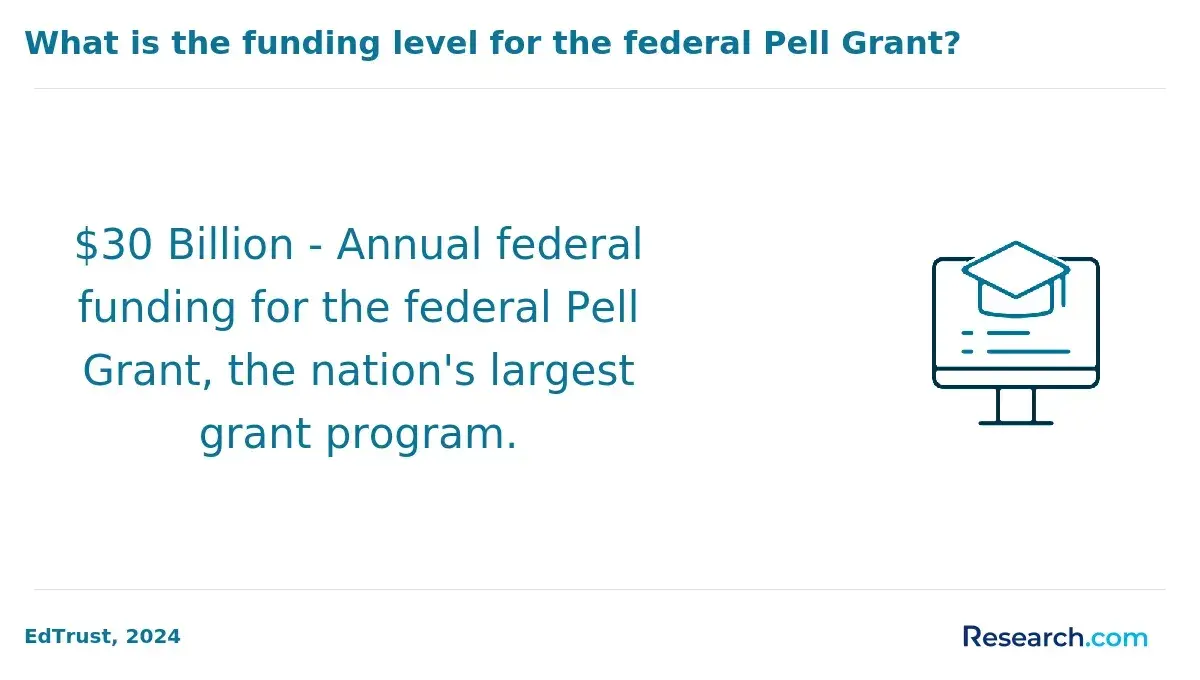
Conversely, comprehensive master's degrees or extended certifications from established universities charge $15,000 to $20,000 or more but provide Title IV eligibility, allowing students to access Pell Grants and Direct Loans. This financial support can ease upfront burdens but requires careful consideration of post-program salary growth and debt repayment obligations, particularly where employer assistance is unavailable.
For example, an IT professional pivoting into SaaS technical program management might leverage employer subsidies to cover a $7,000 certificate program, minimizing initial investment while entering a rapidly expanding job category with over 30% annual growth, per LinkedIn's 2024 Jobs on the Rise report. Without such support, full tuition near $20,000 imposes greater financial barriers, necessitating thorough planning around loan terms and workforce entry timing.
- Certificates and micro-credentials: faster entry, limited aid
- Master's programs: higher cost, federal aid potential
- Employer and state funding can bridge affordability gaps
What SaaS delivery job roles, salaries, and career paths can these programs lead to?
Positions in SaaS delivery accessed via online project management programs reveal a marked salary gradient, from about $70,000 for entry roles like implementation specialists to over $120,000 for senior product managers or agile coaches in tech-centric areas. Transitioning mid-career into this domain demands mastering cross-functional coordination between cloud infrastructure and software lifecycles, emphasizing agile frameworks and scalable project techniques.
Tuition assistance offered by nearly half of U.S. employers underpins the feasibility of pursuing business or technology-aligned degrees, notably lowering the barrier for professionals aiming to certify in SaaS-focused project management. Yet, candidates face a tradeoff between rigorous part-time programs, lasting 12 to 18 months and compatible with full-time jobs, and accelerated certifications that may expedite salary gains but limit deep practical application.
Practical career trajectories often start in SaaS implementation coordination before expanding to leadership over product releases and customer success initiatives. Professionals shifting from traditional IT management must integrate skills in CI/CD pipelines and real-time analytics to align with cloud performance metrics.
Employers frequently require PMP alongside SaaS-specific accreditation, forcing learners to balance broad and specialized credentials. Success heavily depends on selecting programs that prioritize applied SaaS delivery scenarios and adaptability to evolving technology, reflecting actual job demands rather than theoretical knowledge.
Which industry certifications support project management and SaaS delivery advancement after graduation?
Project management certifications tied to SaaS environments must now balance foundational leadership with specialized hybrid skills across Agile, DevOps, and cloud domains. The Project Management Professional (PMP) credential remains a core benchmark for broad industry leadership but lacks focus on the agile scaling and cloud delivery intricacies demanded by SaaS employers. Certifications like Certified ScrumMaster (CSM) and SAFe Agilist sharpen governance in iterative, scaled Agile-essential for managing rapid SaaS release cycles.
Adding technical certifications, such as AWS Certified DevOps Engineer or Google Cloud Professional Cloud DevOps Engineer, signals hands-on capability automating CI/CD pipelines and cloud infrastructure, a combination recruiters prioritize given Gartner's forecast that 80% of project management work will integrate AI and automation by 2030. This dual approach positions candidates to lead agile teams while navigating cloud-native delivery constraints.
Consider a SaaS project manager leading platform upgrades in financial services: success requires merging Agile scaling credentials with cloud DevOps fluency to manage concurrent product iterations and automated compliance. In contrast, healthcare SaaS PMs face critical tradeoffs, needing regulatory compliance credentials alongside Agile to handle data privacy without sacrificing delivery speed.
The time and cost of certification renewal also shape decisions. PMP demands continuous professional development units, while Agile and cloud certifications typically necessitate renewal every 2-3 years, reflecting rapid technological evolution. Candidates should evaluate certifications strategically against employer expectations and sector demands to optimize their professional trajectory.
Other Things You Should Know About Project Management
Programs emphasizing agile methodologies better align with the dynamic, iterative nature of SaaS delivery where rapid iteration and customer feedback are prioritized. Traditional waterfall-focused curriculums can limit exposure to modern practices and reduce readiness for typical SaaS team environments. Professionals should prioritize programs with strong agile and hybrid approach training to meet employer expectations and improve adaptability in SaaS product cycles.
In 2027, the workload of online project management programs for SaaS careers often mirrors real-world pressures, requiring around 15-20 hours a week. These programs balance theoretical learning with practical SaaS application, offering flexibility for professionals to manage personal and work commitments effectively.
Employers prioritize program reputation, curriculum relevance, and graduate outcomes over whether a credential is earned online or on-campus. However, degrees from established universities with recognized project management accreditation hold more measurable value in hiring decisions. Career advancement in SaaS environments often depends on demonstrated skills and relevant experience, so candidates should supplement credentials with practical projects and certifications aligned with SaaS delivery.
Advanced degrees provide strategic understanding and broader business acumen valuable for senior roles but require substantial time and financial commitments. Certifications tend to target specific skills and yield faster returns in employability for mid-level positions. For leadership-track professionals, combining a master's degree with targeted SaaS-relevant certifications offers the strongest practical and strategic advantage in competitive job markets.
References
- Project Management Career Guide - Online eLearning Ireland. https://www.cmit.ie/project-management-career-guide/
- Project Manager Job Market 2026: Trends and Salary https://skillifysolutions.com/blogs/project-management/project-manager-job-market/
- Online Master in Project Management | Rome Business School https://romebusinessschool.com/master-online-in-project-management/
- SaaS Careers: High-Demand Roles in a Growing Industry https://business.dream.jobs/blog/saas-careers-high-demand-roles-in-a-growing-industry
- Project Management Certifications - Starting Only $49 - Affordable Certifications, Free Books! 50% Off Until Early Next Week! https://www.io4pm.org/Accredited_Project_Manager_Certification_APRM_Program.php
- SaaS Sales Careers: A Comprehensive Guide https://techpoint.org/guide-to-saas-sales-careers/
- Explore the Best Project Management Courses Online in 2026 – Affordable and Free Choices - Exam-Labs https://www.exam-labs.com/blog/explore-the-best-project-management-courses-online-in-2026-affordable-and-free-choices
- CTU's Online Project Management Degree Program https://www.coloradotech.edu/degrees/studies/project-management
- Project Management as a Service and Why PMaaS is… https://www.pmsolutions.com/project-management-as-a-service-and-why-pmaas-is-the-future
- Project Management Degree Vs Certification: Which is Best for You? https://pmoglobalinstitute.org/project-management-degree-vs-certification/