2026 Employers Hiring Most Aggressively for Project Management Talent

Co-Founder and Chief Data Scientist
Landing a project management role amid rising competition demands more than generic credentials-it requires timing skills and strategic enrollment. With the U.S. Bureau of Labor Statistics projecting a 12% growth in project management positions over the next decade, candidates who misjudge employer demand cycles risk lengthy job searches and stalled career progress.
Meanwhile, enrollment patterns reveal accelerating adult learner engagement in flexible, competency-based programs offering rapid upskilling opportunities, indicating a shift away from traditional, time-intensive degrees. This article outlines which employers are hiring most aggressively for project management talent and how candidates can align their education and certification strategies to optimize hiring windows and long-term career mobility.
Key Things You Should Know
- Demand for project management roles is growing 15% annually in tech and construction per the U.S. Bureau of Labor Statistics, forcing employers to prioritize candidates with PMP certification despite a 30% higher salary threshold.
- Employers report a 25% productivity loss tied to skill gaps in Agile and hybrid frameworks, pushing recruitment toward professionals with multi-method expertise rather than singular credential focus.
- Median training cost to certify in project management exceeds $4,000 and averages 6-9 months, creating a timing bottleneck that delays role fulfillment amid hiring surges, especially in competitive metro labor markets.
Which employers are hiring project managers most aggressively?
Tech and IT services companies are driving the highest demand for project management roles in North America, focusing on coordinating complex digital transformation initiatives under aggressive timelines. Within computer systems design and related services, project managers must deliver scalable cloud solutions, cybersecurity frameworks, and AI integration projects, commanding median annual wages significantly above the field average. This sector's urgency exemplifies the competitive hiring environment and the premium placed on specialized technical and organizational skills.
Beyond technology, top companies actively recruiting project management professionals in the United States include healthcare systems, construction, and financial services. For instance, healthcare providers often require project managers skilled in navigating multi-phase electronic health record implementations, highlighting the necessity for domain-specific knowledge coupled with Agile or Lean methodology expertise.
Applicants should balance practical proficiency with adaptable methodologies-such as Six Sigma-tailored to their target industry. Employers increasingly prioritize hands-on experience through case studies or internships over purely academic credentials. Those exploring educational options might consider programs like a bachelor of business administration online, where project management foundations intersect with business acumen relevant to sector challenges.
However, logistical constraints such as constrained talent pools and varying salary benchmarks across industries require candidates to weigh certifications against sector growth and compensation outlooks. Recognizing these tradeoffs is essential for strategic decisions in expanding career pathways within project management.
What project management jobs are most in demand?
Demand in 2026 for project management roles in the US centers on direct technical delivery and strategic execution across finance, IT, and construction sectors. Financial project managers within banking and insurance command high wages, around $111,580 median annually in 2024, driven by complex compliance and regulatory demands. Employers seek candidates combining financial expertise with leadership skills able to navigate multifaceted initiatives. This dynamic shapes the top project management job openings in North America, offering relatively stable yet specialized opportunities.
In technology, agile project managers and scrum masters face intricate challenges involving iterative development under tight deadlines and distributed teams. Hiring processes prioritize certifications alongside tangible agile practice, with strong communication critical for coordinating remote stakeholders. Construction project managers remain in high demand because large infrastructure projects require strict budget controls, timeline management, and contractor liaison, often filtering applicants by familiarity with union rules and local permitting.
Pivoting into project management from unrelated fields requires meaningful credentials and the ability to demonstrate measurable project impact, such as enhanced ROI or risk mitigation. Awareness of industry-specific software and regulatory environments provides a competitive edge in hiring. Candidates should also weigh how their educational pathways align with practical workforce expectations, including the viability of online human resource management masters programs when considering broader organizational leadership roles.
What education is needed for project management jobs?
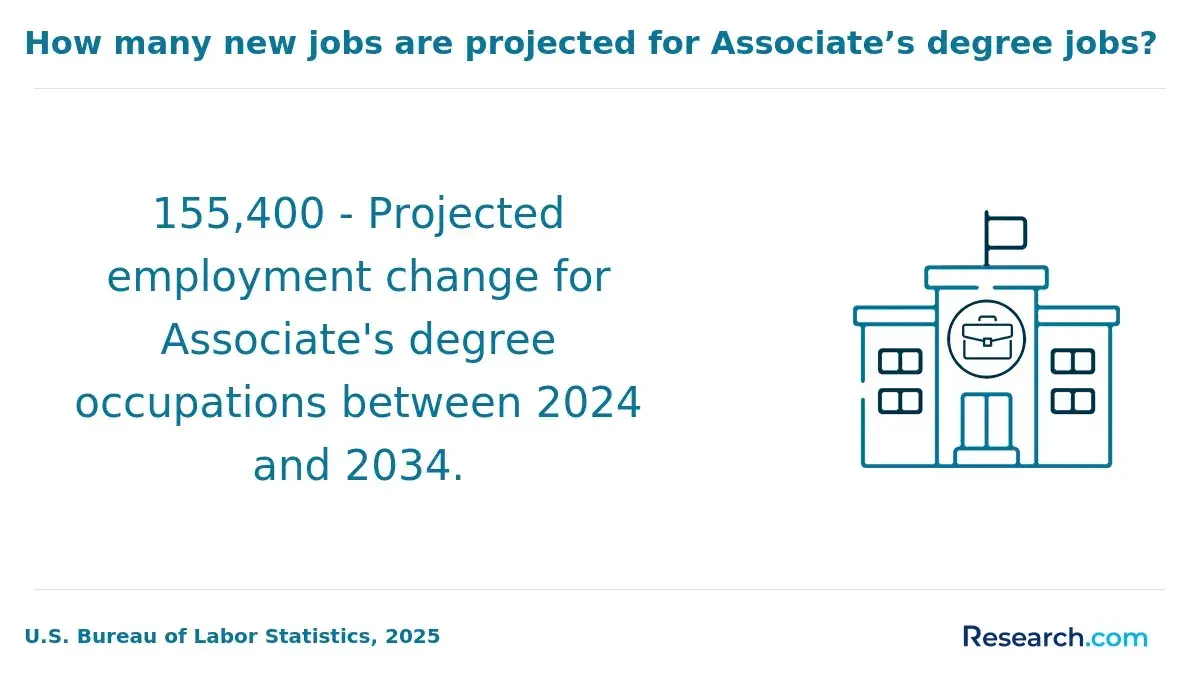
Project management education requirements in the United States increasingly favor candidates who combine at least a bachelor's degree with industry-recognized certifications such as PMP or Agile credentials. In sectors like healthcare and life sciences-project-oriented fields expected to grow rapidly-knowledge of regulatory compliance and clinical workflows often outweighs generic project skills. For example, pharmaceutical project managers must navigate audits and validation standards alongside traditional management duties.
Employers value practical experience validated by formal credentials more than isolated degrees. Candidates without a formal project management degree can still compete by securing targeted certificates and hands-on training, especially in technology or construction where specialized knowledge like IT frameworks or technical risk assessment is essential.
An efficient strategy involves assessing sector-specific demand, balancing cost and time investments against career stage and goals. Students looking to pivot or advance would benefit from a hybrid pathway combining accredited certificates with relevant experience rather than pursuing lengthy full degrees exclusively.
For some, combining a project management focus with complementary qualifications, such as a masters degree in human resource management online, can also enhance leadership prospects in project-driven environments.
Which project management certifications matter most?
PMP certification remains the most sought-after credential in project management certification programs in North America, especially for roles demanding complex, multi-phase oversight with quantifiable outcomes. In manufacturing, where nearly 22 million project-oriented jobs will emerge by 2027, PMP holders are often preferred for their proven ability to manage risk, budget constraints, and stakeholder expectations at scale. For professionals aiming to pivot or advance in this sector, the experience requirements and ongoing professional development tied to PMP represent a significant-but impactful-investment.
By contrast, Scrum Master certification fits agile environments such as technology firms where iterative workflows prevail but holds less value in manufacturing contexts characterized by linear project execution. Entry-level credentials like Certified Associate in Project Management (CAPM) offer foundational knowledge useful early in a career but rarely influence hiring for senior positions without further advancement. Industry-specific certifications like Six Sigma align tightly with operational efficiency goals in supply chain and manufacturing, offering a direct connection to employer priorities in continuous improvement.
Choosing a credential entails balancing cost, time, and employer expectations. For career changers, earning a PMP within 2-3 years optimizes upward mobility. Given the 33% growth projected in manufacturing-related project roles by 2027, candidates who validate rigorous planning and quality assurance will see the clearest advantage. Those seeking practical educational pathways should also consider specialized construction management programs to complement their certification portfolio.
How do online and campus project management programs compare?
The distinction between online and campus project management programs becomes critical in fields demanding hands-on coordination, such as construction or infrastructure. Employers prioritize candidates with proven skills managing complex logistics and regulatory environments-capabilities often cultivated through in-person collaboration, site visits, and internships embedded in campus programs. Construction project management specialists, for example, command a median annual wage of $101,240 in 2024, underscoring the market premium for applied expertise that online-only programs struggle to fully replicate.
Online study expedites credential attainment and suits professionals seeking flexible schedules, but it requires concurrent field experience to achieve parity with campus graduates in terms of employability. Intense job growth projected for 2024-2034 in construction and real estate further sharpens employers' preference for candidates displaying concrete project outcomes over theoretical knowledge alone.
Choosing the right format hinges on professional circumstances and career stage:
- Working professionals benefit from online programs' flexibility but must actively secure practical project roles to supplement learning.
- Early-career candidates aiming for construction roles gain measurable advantages via campus programs offering structured internships and direct industry connections.
- Employers increasingly reward portfolios and hands-on deliverables-areas where campus students typically have stronger credentials.
Online project management education serves as a complement rather than a substitute for experiential learning, particularly in sectors where robust practical training and meaningful networking underpin long-term workforce value.
What should project management curricula include?
Project management education must reconcile the tension between specialized sector knowledge and versatile core competencies to effectively prepare students for a labor market facing a projected 30 million shortfall in professionals by 2035, as identified by PMI's 2025 talent gap update. For example, a candidate skilled exclusively in technology-focused methodologies may find themselves underprepared for regulatory and compliance demands in government contracting roles, which remain high priority for public infrastructure projects.
Programs that integrate experiential learning through simulations of government contracts and real-world case studies teach the regulatory navigation and stakeholder coordination essential in public-sector endeavors. Training must also balance agile and traditional waterfall methodologies to foster adaptability across diverse organizational cultures and project complexities.
Key skill development extends beyond technical proficiency to critical soft skills, including negotiation and ethical leadership, cultivated through collaborative exercises simulating high-stakes environments. Embedded instruction in data analytics and risk anticipation addresses the unpredictable nature of supply chains and performance metrics in sectors like defense and infrastructure.
Educational frameworks must also impart value-based project justification and resource optimization, which are crucial within constrained public-sector budgets and increase candidate employability. Modular curricula combining foundational principles with sector-specific emphases offer practical workforce readiness while preserving cross-industry mobility.
- Advanced scheduling, budgeting, and digital platform proficiency reflective of hybrid and remote project tracking
- Experiential learning through government-sector contract simulations
- Soft skill cultivation for negotiation, conflict resolution, and leadership
- Training in data analytics and decision-making under uncertainty
- Balance of agile and waterfall methodologies for organizational agility
What accreditation should a project management school have?
Accreditation from the Project Management Institute Global Accreditation Center (PMI-GAC) or equivalent regional bodies directly impacts a program's alignment with employer expectations and real-world project management demands. These credentials verify that a curriculum covers the PMI Talent Triangle's competencies: technical expertise, leadership, and strategic business management-a critical distinction in industries with rapidly evolving project requirements and a projected 2.3 million job openings annually through 2030.
Attending a PMI-GAC-accredited school ensures preparation tailored for certifications such as PMP, which consistently correlate with improved hireability and salary prospects. Programs lacking such accreditation often rely on outdated methods or insufficient rigor, leaving graduates less prepared for complex environments.
Consider a professional pivoting into technology consulting: a non-accredited program might omit agile frameworks or strategic communication skills crucial in this sector, reducing practical applicability. In contrast, construction-focused roles typically require programs validated for risk management and compliance emphasis. Prospective students should confirm ongoing curriculum audits and institutional support for recognized certification pathways to maximize investment effectiveness.
Without recognized accreditation, graduates may face barriers in employer recognition despite theoretical knowledge, slowing workforce entry or advancement. In sectors aggressively recruiting through 2026 and beyond, accreditation functions as a decisive quality filter, ensuring education translates to the competencies employers demand.
How much do project management graduates earn?
Starting salaries for project management graduates in the U.S. vary significantly by sector and region, generally ranging from $65,000 to $85,000 annually. Entry-level roles in technology and construction typically offer salaries above $75,000 due to specialized requirements and certifications. Conversely, public-sector positions in nonprofit or government agencies often start near $60,000, constrained by tighter budgets and slower salary growth.
Growth opportunities and compensation are notably stronger in energy, utilities, and sustainability sectors, driven by expanding infrastructure and decarbonization projects. For example, project managers handling renewable energy installations can earn $10,000 to $15,000 more than typical entry-level salaries after three years. Such roles demand familiarity with complex regulations and advanced technical knowledge.
Advancement beyond entry level depends on certified competencies like PMP and expertise in agile methods, risk management, and stakeholder engagement. Employers expect demonstrated leadership on high-value projects to justify annual raises of 6% or more. Without these, graduates risk stagnant salaries and slower career progression.
Prospective students should critically assess where their education will provide the necessary, practical skills aligned with industry demands. Supplemental training targeting specific sectors-such as energy transition or digital project tools-can significantly enhance employability and compensation.
- Entry salaries: $60,000-$85,000 depending on sector
- Higher pay in tech, construction, energy sectors
- Certification and agile expertise critical for growth
- Sector-specific skills increase job security and salary
What is the job outlook for project management careers?
Project management roles will remain highly competitive and essential across diverse industries through 2026. Demand now extends beyond traditional IT and infrastructure, with sectors like retail and e-commerce increasingly seeking project managers who combine technical skills with domain-specific knowledge. Employers prioritize candidates able to handle complex coordination, such as omnichannel logistics that require collaboration across marketing, supply chain, and IT departments.
Entry routes relying solely on generic project management certifications rarely suffice on their own. Practical experience and industry insight substantially raise a candidate's value, especially when they can demonstrate impact on critical metrics like time-to-market, budget control, and risk mitigation in dynamic consumer-facing environments.
Workforce trends highlight an urgent need for continuous upskilling, especially in agile and hybrid methodologies. Project managers who lack adaptability risk falling behind as digital transformation reshapes business priorities. Education programs focusing on applied scenarios relevant to target industries are more likely to produce candidates aligned with marketplace demands.
- Strong cross-functional communication skills are essential in complex projects
- Industry-specific project experience complements foundational certifications
- Ongoing development in agile/hybrid frameworks improves employability
Professionals should carefully evaluate credentials and training not just for credential acquisition but for tangible portfolio-building tied to measurable outcomes. This approach reduces mismatch risk between educational investments and job market realities.
How do you choose a reputable project management program?
Choosing a project management program without verifying its accreditation and graduate outcomes risks misaligned investment and stalled career progress. Programs accredited by PMI's Global Accreditation Center or similar entities ensure adherence to industry standards and practical skill development, which employers evaluate critically.
Curriculum relevance remains a decisive factor. Exposure to methodologies like Agile, Scrum, Lean, alongside foundational frameworks such as PMBOK, differentiates candidates in tech-adjacent fields. For instance, transitioning professionals from creative production must confirm the program's graduates achieve timely placement with competitive salaries-median total pay across relevant sectors hit about $136,000 in 2025, reflecting robust market demand.
Given employment timelines and income targets, transparent alumni placement data within 6-12 months becomes essential for informed decision-making, especially for those minimizing career downtime. Delivery mode also affects outcomes: part-time or executive formats may suit employed professionals needing quick credential upgrades, while immersive full-time courses typically serve career changers better.
Finally, avoiding vendor-dependent curricula in favor of adaptable, vendor-neutral content protects long-term relevance. Employers increasingly expect fluency with diverse tools, not proprietary systems tied to specific providers. Prioritize programs evolving their content alongside industry standards to future-proof skill sets and income potential.
Other Things You Should Know About Project Management
In 2027, top companies hiring aggressively for project management talent include tech giants like Google and Amazon, financial firms such as JPMorgan Chase, and leading construction and engineering firms like Bechtel. These companies focus on large-scale infrastructure projects, tech development, and digital transformation initiatives.
While proficiency in popular project management tools is valuable, employers consistently rank solid understanding of methodologies such as Agile, Lean, or Waterfall higher for long-term adaptability. Software skills can be learned on the job, but methodological expertise shapes how projects are structured and risks mitigated. Candidates should prioritize mastering core frameworks first, then supplement skills with software training relevant to the target industry.
Balancing project management education with full-time work extends the learning timeline but integrates real-world practice, enhancing retention and relevance. However, time constraints often limit program depth and prevent exploration of advanced topics. Professionals should select programs that offer modular, flexible content focused on immediate applicability, rather than comprehensive but time-intensive options that risk incomplete mastery.
Focusing on emerging trends like hybrid methodologies or AI tools without solid foundational skills often backfires, as employers expect competence in proven project management principles first. Emerging skills are valuable but only after foundational expertise is established and demonstrated in practical settings. Candidates should anchor their learning in core competencies, then selectively add trending skills that align with employer demands in targeted sectors.
References
- CEO George Mentz Colorado Springs http://projectmanagementcertification.org/Certified-Project-Manager-International-Master-Project-Manager-Training-Project-Management-Certification-Designation-Qualification-Designation-In.html
- How To Become a Project Manager in 2025: Steps and Education https://productive.io/blog/how-to-become-a-project-manager/
- 11 Essential Project Manager Skills You Should Have | IPM https://projectmanagement.ie/blog/project-management-skills/
- Project Management Employment Statistics in Europe https://zoetalentsolutions.com/project-management-employment-statistics-in-europe/
- Top 5 Project Management Recruitment Agencies in 2026 | South https://www.hireinsouth.com/post/top-project-management-recruitment-agencies-a-comprehensive-guide
- Project Manager jobs | Fresh offers with salary ranges | No Fluff Jobs. https://nofluffjobs.com/project-manager
- Job Outlook for Project Managers https://www.aiuniv.edu/degrees/business/articles/project-manager-job-outlook
- Learn job-ready skills with Google Career Certificates https://grow.google/certificates/project-management/
- Top 5 Universities Offering Online Project Management Courses https://project-management.com/top-5-universities-offering-online-project-management-courses/
- Online Project Management Courses | University of Phoenix https://www.phoenix.edu/online-courses/project-management.html