2026 Best Online Project Management Programs for Professionals Seeking Career Mobility Across Industries

Co-Founder and Chief Data Scientist
Facing a job market where 63% of employers now prefer candidates with flexible, verifiable credentials, professionals seeking advancement in project management must navigate a complex landscape of online programs that vary widely in rigor, industry recognition, and scheduling adaptability.
Many programs promise career mobility but offer limited access for working adults constrained by nonstandard hours or geographic barriers. This mismatch can lead to costly delays or stalled transitions for those aiming to shift across industries or secure leadership roles rapidly. This article evaluates the best online project management programs based on flexibility, accreditation, employer alignment, and practical outcomes to guide informed choices for career mobility.
Key Things You Should Know
- Employer demand for project management certifications rose 34% between 2023 and 2025, yet 62% of hiring managers prioritize practical experience over credentials, creating a strategic tension for career pivoters.
- Programs from research-led universities typically require 18-24 months and $18K-$30K, limiting accessibility for mid-career professionals balancing job and family, often delaying return on investment by 2+ years.
- Transitioning across industries demands mastery of adaptable PM methodologies; however, 48% of graduates in narrow-scope programs report skill mismatches reported in cross-sector roles, impacting long-term mobility.
What are the best online project management programs for professionals seeking career mobility across industries?
Online project management programs that effectively support career advancement and industry mobility prioritize credential-focused preparation and versatile skill development over generic certifications. Formal qualifications like PMI's PMP or CAPM correlate with a 16% median salary increase globally, reflecting employer preferences for proven expertise. Candidates aiming to pivot across sectors benefit most from programs offering applied knowledge in agile practices, risk management, and leadership-skills valued from healthcare to IT and manufacturing.
Choosing programs with sector-relevant case studies or multi-industry projects provides tangible experience aligned with employer demands. For example, risk assessment methods are critical in finance, while adaptive frameworks suit technology projects in flux. Professionals evaluating the best online project management programs for career advancement should weigh fully asynchronous options for flexibility against live instruction models that offer direct interaction, ensuring credentials and alumni career results meet expectations.
Cost considerations are practical gatekeepers. Although some elite programs exceed six figures, many certificates and master's degrees remain under $20,000 with solid return on investment when aligned with targeted industry needs. Reviewing job postings for role-specific certification and educational requirements is a strategic step. Those exploring top online project management courses for industry mobility may also consider specialized construction management courses, which diversify skill portfolios for sector transitions.
How do online project management degrees compare with on-campus programs for working professionals?
Choosing between online project management degrees vs on-campus programs for working professionals hinges on balancing career requirements with learning environment nuances. Online degrees offer unmatched scheduling flexibility, allowing mid-career students to apply new skills immediately while maintaining employment. This advantage favors industries like technology, where remote collaboration and digital proficiency are standard. Conversely, on-campus programs better support fields that rely heavily on face-to-face stakeholder interaction, such as construction or healthcare, by providing immersive cohort experiences and localized internships essential for regulatory compliance.
Employers treat online and traditional credentials as equivalent when programs uphold accreditation and robust curricula. However, demonstrated skills and real-world experience remain decisive. For instance, those targeting government or manufacturing project management often benefit from on-campus access to hands-on workshops. This reflects the comparative benefits of online and on-campus project management education for career mobility, where industry expectations and personal contexts dictate optimal pathways.
The U.S. Bureau of Labor Statistics projects a 6% growth in project management specialist jobs through 2034, with approximately 78,200 annual openings. Navigating this demand means weighing practical tradeoffs:
- Online degrees reduce costs through lower tuition and no relocation expenses, freeing resources for certification exams or technology investments.
- Time zone challenges and digital literacy can impact engagement and learning outcomes in virtual courses.
- Immediate application of project management tools in online programs accelerates skill transfer without career interruption.
- On-campus settings foster team-based experiences critical for sectors requiring direct supervision and extensive collaboration.
For professionals exploring affordable options, resources such as the cheap online business degree listings provide practical guidance aligned with strategic career pivots in project management.
What types of online project management credentials can I earn (certificate, bachelor's, master's, MBA)?
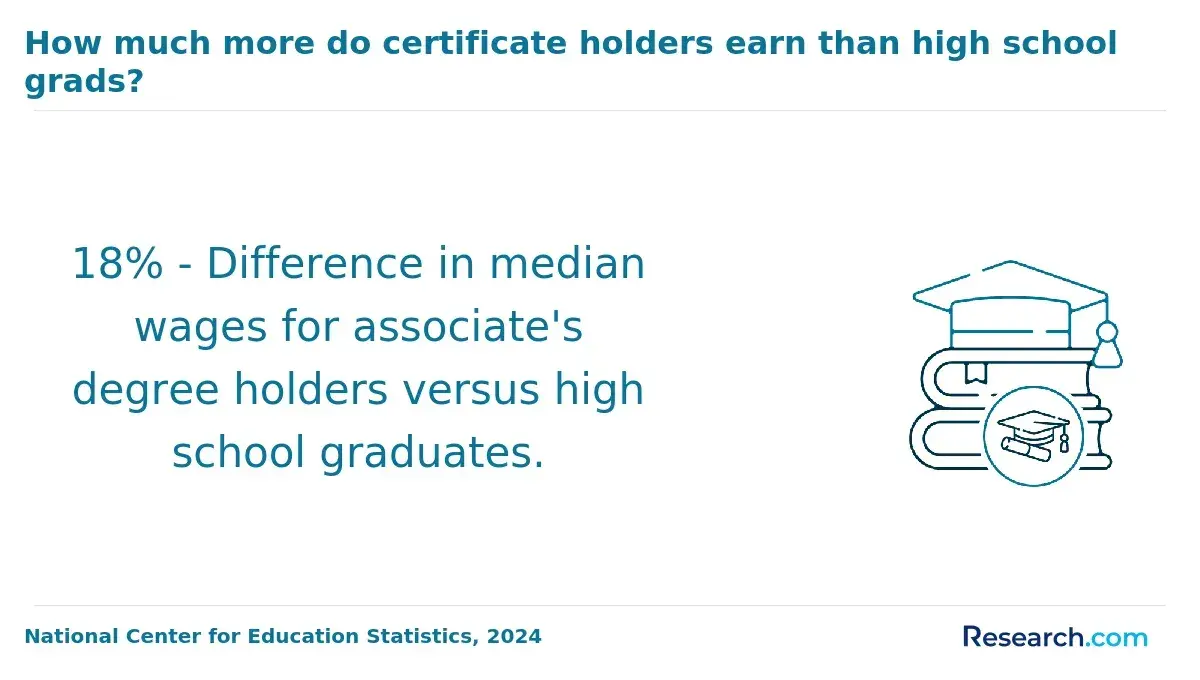
Credentials in project management diverge significantly based on career objectives and industry expectations, with each credential type addressing different competency levels and occupational demands. Certificate programs deliver rapid skill acquisition suited for entry-level roles or specialized certifications like Agile or PMP, but they rarely substitute formal education. For professionals targeting supervisory functions in fields such as construction or healthcare, bachelor's degrees provide foundational theory and compliance with regulated employer prerequisites, often required alongside hands-on experience.
Master's degrees focus on sharpening strategic leadership and analytical skills necessary for senior roles managing extensive budgets and complex stakeholder groups. Meanwhile, an MBA with a project management concentration integrates broad business strategies and project oversight, preparing seasoned professionals-usually with 5+ years of experience-for executive and cross-functional leadership roles in operations or consulting. Choosing the right pathway hinges on aligning credentials with job complexity, industry standards, and long-term ambitions, weighing factors like time investment against potential earnings.
Given the median U.S. salary for project management specialists is $98,580-more than double many occupations-it is critical for candidates to consider how their selected credential influences employability and advancement. Real-world hiring practice favors credentials demonstrating relevant expertise paired with practical experience, emphasizing scalable career progression over nominal qualification.
Those exploring online construction management degrees exemplify a sector where tailored project management credentials enhance both field-specific skills and managerial capacity.
Types of online project management credentials available include certificates, bachelor's degrees, master's degrees, and MBAs with project management concentrations, each serving distinct career phases and strategic goals.
Online project management degree options for career advancement demand a pragmatic assessment of credential value relative to role requirements and industry acceptance, ensuring investment aligns with targeted leadership or supervisory outcomes.
What accreditation and quality standards should online project management programs meet in the United States?
Accreditation standards for online project management programs in the United States decisively impact employability and skill relevance, with regional accreditation ensuring transferability and compliance with federal quality benchmarks. More critical is specialized accreditation through the Project Management Institute's Global Accreditation Center (PMI-GAC), which confirms a curriculum's alignment with industry standards, practical application, and employer expectations. Without PMI-GAC validation, programs risk delivering outdated or theoretical knowledge that limits graduates' effectiveness in managing real-world projects.
For example, sectors such as healthcare and IT expect project managers to proficiently handle risk management, agile frameworks, and regulatory compliance-core components incorporated only in PMI-GAC-aligned programs. Conversely, less rigorous programs may fall short on essential competencies like project documentation, resource allocation, and stakeholder communication, which undermines career mobility across industries. This distinction underscores why quality assurance criteria for US online project management education must prioritize these recognized accreditations.
The tuition disparity between undergraduate and graduate online project management degrees-averaging $14,688 versus $20,513 annually-reflects differences in curriculum depth and credential value. Decision-makers facing budget constraints should focus on accredited foundational programs to ensure relevant skills, while those aiming for leadership roles or cross-sector flexibility benefit from investing in PMI-GAC accredited graduate programs. Those evaluating options may also consider enrolling in a fast online master's in healthcare management as a pathway that intersects project management with healthcare sector demands.
What core courses and specializations do online project management programs typically include?
Core coursework in online project management focuses on integration, scope, scheduling, cost control, quality, risk, and stakeholder communication. These competencies anchor professionals to handle diverse teams and shifting project lifecycles. For instance, managing timelines in construction entails rigorous compliance with safety regulations, while technology roles prioritize agile methods and innovation strategies.
Specialization tracks respond to market-specific needs but come with tradeoffs. Healthcare project management often requires deep knowledge of regulatory frameworks and clinical processes, which can limit adaptability outside that sector. Information technology and general business tracks emphasize agile and lean methodologies, better supporting career pivots in dynamic markets.
Certifications aligned with PMI's PMBOK and Agile frameworks remain critical to meet employer expectations. PMI's 2024 talent gap forecast anticipates a global need for 25 million new project professionals by 2030, emphasizing the urgency for balanced curricula that combine foundational skills with targeted expertise.
When professionals transition sectors-such as from manufacturing to healthcare-they benefit most from programs offering strong fundamentals supplemented with elective healthcare modules rather than narrowly focused IT or construction emphases. Incorporating case studies, simulation projects, and industry-specific tool training enhances immediate job readiness and longer-term career flexibility.
What are the typical admission requirements for online project management programs at different levels?
Entry into online project management programs demands alignment with workforce expectations that vary markedly by degree level. At the bachelor's level, admissions rely on a high school diploma or equivalent, with standardized tests often supplanted by prior work experience or quantitative skills assessments. This baseline suits roles requiring practical coordination without deep strategic oversight, such as in healthcare support or construction sites.
Master's level programs typically require a bachelor's degree with a 3.0 GPA minimum and 2 to 5 years of relevant professional experience. For sectors like technology and finance, admissions prioritize candidates with demonstrated expertise in managing complex projects involving significant budgets. Candidates lacking GRE scores may offset this by showcasing work history and credentials, emphasizing practical competence over theoretical knowledge alone.
Doctoral and executive project management studies focus on advanced leadership capabilities, demanding a master's degree plus documented leadership, research output, or certifications such as PMP. These programs gear professionals for senior roles where strategic decision-making and organizational influence are paramount.
Applicants must provide detailed resumes, strong recommendations, and clear statements of purpose that articulate career plans linked to project management. Importantly, data from the Project Management Institute shows PMP-certified managers earn a median salary 33% above non-certified peers, reflecting the market premium placed on validated expertise rather than academic credentials in isolation.
- High school diploma or equivalent suffices for bachelor's entry, with flexible test requirements.
- Master's level demands relevant work experience and minimum GPA; industry-specific experience is critical.
- Doctoral admission prioritizes leadership demonstrated through certification and published work.
How long do online project management programs take to complete, and what do they cost?
Online project management graduate programs typically span 12 to 24 months, with accelerated tracks enabling completion in about a year. This timeline strongly hinges on enrollment status-part-time versus full-time-and the inclusion of experiential components like internships or capstone projects. For instance, construction project managers may benefit more from hands-on internships, whereas IT-focused roles might prioritize faster theory-to-practice transitions. Professionals balancing work with study should recognize that extended part-time options offer flexibility but may delay immediate value extraction from the credential.
Tuition for accredited programs mostly aligns with a national average of $20,513 annually, per 2025 data from Intelligent.com. This cost framework is economical when compared to traditional on-campus degrees, as it avoids relocation and commuting expenses, and preserves employment income. For example, a registered nurse moving into healthcare project management can study online without income disruption, mitigating opportunity costs.
Cost considerations extend beyond sticker price; some programs incorporate exam preparation and certification pathways, critical for sectors like IT and healthcare where credentials directly influence hiring and salary. Conversely, less expensive options might exclude these components, shifting additional financial and time burdens post-graduation.
- The choice of program length affects career timeline and income continuity.
- Integrated credential support enhances employability but may raise upfront costs.
- Working professionals must weigh immediate versus deferred benefits when selecting programs.
What careers can an online project management degree lead to across different industries?
Online project management degrees function as strategic gateways rather than guarantees, requiring candidates to align educational choices closely with intended industry demands. For example, a finance professional transitioning into healthcare must not only absorb transferable methodologies but also adapt to sector-specific regulatory environments and interdisciplinary coordination challenges.
Core project management principles must be applied within the unique contexts of technology, healthcare, construction, or manufacturing, each imposing distinct operational priorities such as agile sprint leadership, electronic health record compliance, or site safety regulations. Employers focus on candidates who combine practical tool fluency-like MS Project or Jira-with an ability to navigate these nuances effectively.
Key workforce considerations include:
- The predominance of mid-career students balancing full-time employment with online study, necessitating flexible, applicable curriculum designs.
- The ongoing need for continuing education and sector-driven certifications to remain competitive amid evolving industry standards.
- The risk that a generalist degree may not sufficiently address specialized certifications often valued for advancement in regulated fields.
- The importance of securing real-world project management experience concurrently with academic pursuits to demonstrate tangible, results-driven competence.
Decision-making must weigh how well a general online degree complements industry expectations and whether it supports immediate application of project management techniques in real work settings. This practical alignment critically influences employability and career trajectory beyond credential acquisition.
What salary ranges and earning potential can project management graduates expect over time?
Starting salaries for project management graduates typically range from $65,000 to $80,000 annually but vary widely based on industry and geography. The most significant salary increases occur over 5 to 10 years, with mid-level professionals earning $90,000 to $110,000 and senior roles pushing beyond $130,000, especially in tech, healthcare, and engineering sectors.
Industry-specific factors create distinct earning trajectories. For instance, project managers in construction or manufacturing may begin near the lower salary band but can exceed $120,000 through specialization. Conversely, IT and pharmaceutical project managers often reach higher salary ceilings faster due to budget scale and project scope.
Employers give more weight to certifications and demonstrated leadership than to formal education alone. Graduates lacking hands-on project experience face a strategic choice: accept entry-level salaries or invest time in internships or apprenticeships to build credibility. A healthcare administration professional with engineering experience might start around $70,000 but could climb to $105,000 within five years by blending clinical and project expertise.
Salary growth hinges on the ability to manage complex teams and budgets, necessitating continuous skill development. Early limitations in pay reflect practical credential and experience requirements more than educational background, underscoring the importance of strategic credentialing and demonstrated results.
How do industry certifications like PMP and CAPM align with online project management degrees?
Online project management degrees deliver broad theoretical knowledge, but without certification, graduates often face barriers in sectors where employers demand validated expertise in recognized frameworks. Certifications like PMP and CAPM verify applied skills and adherence to industry standards that degrees alone do not fully capture. For instance, a graduate entering IT must pursue PMP certification to demonstrate proficiency within PMI's Talent Triangle, essential for roles driving digital transformation.
The expanding project management workforce-from 40 million to an anticipated 65 million by 2035-is heavily influenced by AI and digital initiatives, pushing employers to expect certifications alongside degrees for evidence of current competency. Certifications also enforce ongoing requirements, confirming that professionals maintain skills in agile, risk, and change management-areas increasingly critical in regulated industries like pharmaceuticals and energy.
Practical tradeoffs arise for recent graduates: PMP requires substantial project leadership experience, making CAPM a necessary entry point. This staged approach-from CAPM after degree completion to PMP as experience grows-enables smoother career mobility and reduces qualification gaps. Without these credentials, degree-holders risk underqualification for senior roles, especially when transitioning between industries.
Key considerations for candidates include:
- Mapping certification timelines with degree completion to avoid delays in eligibility.
- Understanding that certifications reflect proven practical application, not just theoretical knowledge.
- Recognizing sector-specific credential expectations to align education with job market demands.
Other Things You Should Know About Project Management
Online project management programs vary widely in flexibility, but many offer asynchronous coursework to accommodate busy professionals. However, programs with significant group projects and real-time collaboration require carefully balancing work schedules to meet deadlines. Prioritize programs that clearly outline workload expectations upfront and provide options for part-time or self-paced progression to avoid burnout while maintaining career responsibilities.
Employers increasingly accept online project management degrees, especially from accredited institutions with strong reputations, but some still view traditional degrees as more rigorous. Candidates from online programs should supplement their degree with recognized certifications like PMP to improve credibility. Choosing programs with strong industry partnerships and experiential learning components can help bridge perceived gaps in practical experience.
Networking in online programs is often less organic than on-campus but remains critical for career mobility across industries. Programs that facilitate live sessions, cohort-based learning, and active alumni networks provide better access to industry contacts. Prioritize schools offering structured mentorship or career services that connect students with professionals to maximize real-world opportunities beyond coursework.
References
- Free Project Management Certification: The 2026 Guide https://www.woloyem.com/blog/free-project-management-certification-the-2026-guide
- Project Management Certifications Compared: PMP, PRINCE2, and CAPM Explained - CertLibrary Blog https://www.certlibrary.com/blog/project-management-certifications-compared-pmp-prince2-and-capm-explained/
- Best Online International Project Management Courses & Programs | edX https://www.edx.org/learn/international-project-management/
- Learn job-ready skills with Google Career Certificates https://grow.google/certificates/project-management/
- Diverse Applications and Careers With a Degree in Project Management https://www.ucumberlands.edu/blog/diverse-careers-with-a-degree-in-project-management
- How to Become a Project Manager in 2026? https://www.icertglobal.com/blog/how-to-become-a-project-manager-in-2026-expert-guide
- Top Project Management Career Paths: Boost Your Career Path https://tau.edu.zm/blog/top-project-management-career-paths/
- Best Project Management Courses for Working Professionals https://www.bmc.net/blog/management-and-leadership-articles/project-management-courses-working-professionals
- PMP vs. Other Professional Certifications: Which One Is Right for You? https://www.project-management-prepcast.com/pmp-vs-certifications
- Project Management Career Path | AIPM https://aipm.com.au/project-management-career-path/