2026 Best Online Project Management Degrees for Structured Problem-Solving Careers

Co-Founder and Chief Data Scientist
Balancing full-time work, family obligations, and professional growth is a familiar hurdle for many seeking advancement in project management. Employers now expect mastery in structured problem-solving alongside agile leadership skills, yet 63% of adult learners surveyed by the U. S. Department of Education in 2024 report that rigid class schedules deter credential pursuit. This friction delays career transitions and limits access to high-demand roles in project-driven industries. The growth in accredited online degrees, offering asynchronous flexibility with rigorous curricula, has shifted the landscape but raises critical questions about program effectiveness and alignment with workforce needs. This article evaluates top online project management degrees tailored for structured problem-solving careers to help navigate these tradeoffs and select programs optimizing long-term career outcomes.
Key Things You Should Know
- Programs emphasizing structured problem-solving see 18% higher job placement within 12 months post-graduation, but 40% longer average time-to-degree than less rigorous curricula, per National Center for Education Statistics 2024.
- Employers prioritize candidates with PMP certification paired with degree coursework, increasing hiring likelihood by 27%, yet discount online-only degrees lacking integrated experiential components, according to PMI workforce surveys.
- Tuition premiums for accredited online degrees in project management rose 7.5% from 2023-2024, creating access barriers especially for mid-career pivots balancing opportunity costs and upfront investment, per NCES data.
What is an online project management degree and how does it prepare you for structured problem-solving careers?
Obtaining an online project management degree benefits for structured problem solving by equipping students with practical methods to dissect complex projects into defined tasks, allocate resources efficiently, and apply industry-accepted frameworks such as Agile or Lean Six Sigma. This skill set prepares graduates to handle predictable outcomes in diverse fields, from IT rollouts to construction schedules, reducing reliance on ad hoc problem-solving. The Project Management Institute forecasts a need to fill 2.3 million project management roles annually through 2030, reflecting the demand for professionals capable of systematic solutions.
Coursework emphasizes competency in risk assessment, stakeholder communication, and data-driven decisions, directly addressing common issues like budget overruns and scope creep. Working professionals, such as an engineer pivoting to a project lead role, gain mastery of tools like MS Project and Jira through flexible online formats. These programs develop problem-solving skills by focusing on the operational realities of resource leveling and conflict management within recognized frameworks.
The online project management program develops problem-solving skills that require disciplined time management and self-motivation due to its remote nature, which may challenge those accustomed to traditional in-person cohorts. Graduates are positioned to lead projects demanding analytical rigor, especially in sectors like healthcare implementation or renewable energy.
For those considering related pathways, a 2 year construction management degree offers similarly targeted project oversight training relevant in large-scale infrastructure projects.
How do online project management degrees compare with on-campus programs for quality and flexibility?
Employer perceptions in sectors like construction and manufacturing still sometimes favor on-campus learning for the perceived rigor of hands-on experience. Yet, flexible learning options in online project management programs now include virtual simulations and capstone projects that closely replicate these experiences, allowing professionals-such as IT project managers-to integrate agile methods learned online into their current work. This direct skill application accelerates value delivery to employers and enhances workforce adaptability.
Online project management degrees versus on-campus program quality largely converge in curriculum rigor and accreditation standards, but online pathways offer superior scheduling flexibility. This balance is critical for professionals in shift-heavy industries like healthcare or IT who cannot attend rigid daytime classes without disrupting employment. However, accessibility gains must be weighed against reduced in-person networking, which remains essential in roles requiring face-to-face negotiation and relationship-building.
Labor market data from Lightcast cited by the University of Kansas reveals a median U.S. project manager salary near $103,000, signaling that employer focus prioritizes competence and outcomes over educational delivery mode. Prospective students should carefully evaluate programs for industry engagement and opportunities to develop leadership and communication skills through live interactions.
Those navigating these tradeoffs may find value exploring an accelerated business management degree to complement project management studies, further enhancing career mobility across industries.
Which types of project management degrees are available online and who is each best for?
Choosing an online project management degree requires balancing cost, flexibility, and the alignment of program outcomes with career objectives. Bachelor's, master's, and certificate programs cater to distinct professional profiles and ambitions. For example, a construction manager pursuing an online master's project management degree can maintain site leadership while adopting advanced frameworks like Agile to lead larger initiatives. This practical scenario illustrates how mid-career professionals leverage flexible scheduling without compromising work responsibilities.
Key considerations include:
- Bachelor's degrees are suited for early-career individuals or those transitioning into project coordination, focusing on foundational skills like task scheduling and resource management.
- Master's programs target professionals seeking leadership roles, emphasizing strategic methodologies and complex project oversight.
- Certificate programs provide expedited credentialing for specialists needing targeted skill updates, such as PMP exam preparation, often favored by IT professionals and consultants.
Cost significantly influences choice; the average annual expense for a master's online program is about $11,000, nearly half the cost of comparable in-person degrees. This economic advantage is notable for self-funded learners or companies investing in workforce development. Employers commonly prioritize candidates with a master's or relevant certification when filling leadership roles, underscoring the importance of accreditation and curriculum rigor in online offerings.
For those assessing online project management degree options for career goals, it is also essential to consider CAHIIM accredited health information management programs online as complementary routes where project oversight intersects with healthcare administration.
The best online project management degrees for professionals deliver measurable career impact through relevant skill application, recognized credentials, and program structures designed to minimize disruption while maximizing immediate workforce value.
How can you verify that an online project management program is properly accredited and recognized?
Accreditation status often shapes the actual workplace value of a project management degree. Confirming credentials through the U.S. Department of Education and the Council for Higher Education Accreditation (CHEA) databases is essential to ensure a program's institutional and specialized accreditation. Regional accreditors like the Middle States Commission on Higher Education or the Higher Learning Commission guarantee baseline academic and administrative quality recognized nationwide.
Beyond formal accreditation, alignment with industry standards-such as the Project Management Institute's Global Accreditation Center (PMI GAC)-directly impacts employability. In regulated fields like healthcare and government contracting, degrees tied to certification standards smooth the transition into roles that carry regulatory and compliance demands, often resulting in salary premiums.
When assessing recognized online project management programs in North America, candidates should weigh cost versus demonstrated outcomes. For instance, labor market analyses reveal average tuition rates around $595 per credit hour, reflecting approximately a 21% premium over general bachelor's programs. This premium underscores the expectation of specialized skills but demands scrutiny of actual job placement statistics and employer partnerships to validate investment.
Robust online programs incorporate career counseling and practical simulations to sharpen applied skills. Request transparent employment data to verify these claims. For those evaluating intersecting fields, a relevant example is the online bachelor's in construction management, where accreditation and workforce alignment directly influence hiring decisions.
What core courses and skills are taught in online project management programs?
Effective project management education delivers a balanced skillset that directly addresses the complexity of real-world project environments. Core courses focus on technical disciplines such as risk management, cost control, scheduling methodologies-like the critical path method-and quality assurance. These form a structured approach to optimize resources and mitigate risks across industries including construction and IT development.
Alongside technical expertise, programs incorporate stakeholder communication, team leadership, and negotiation skills, recognizing these are decisive in reducing conflicts and aligning divergent interests. For instance, managing software projects often means navigating the tension between developers and product owners to control scope creep and missed deadlines.
Data-driven decision-making is another critical emphasis, training students to apply quantitative analysis for project tracking and forecasting outcomes. This capability proves indispensable in healthcare projects, where improving patient services depends on interpreting performance metrics precisely.
Tradeoffs exist between pursuing deep methodological expertise-such as Agile or Six Sigma-and broader leadership or change management training. Understanding workforce demands specific to a student's target sector helps in selecting a program that aligns skills with market expectations. Graduates who combine technical rigor with adaptable leadership skills tend to achieve stronger employment outcomes; for example, New York University online project management alumni report median earnings of $221,872 according to OnlineU's 2026 rankings.
What are typical admission requirements for online project management degrees at different levels?
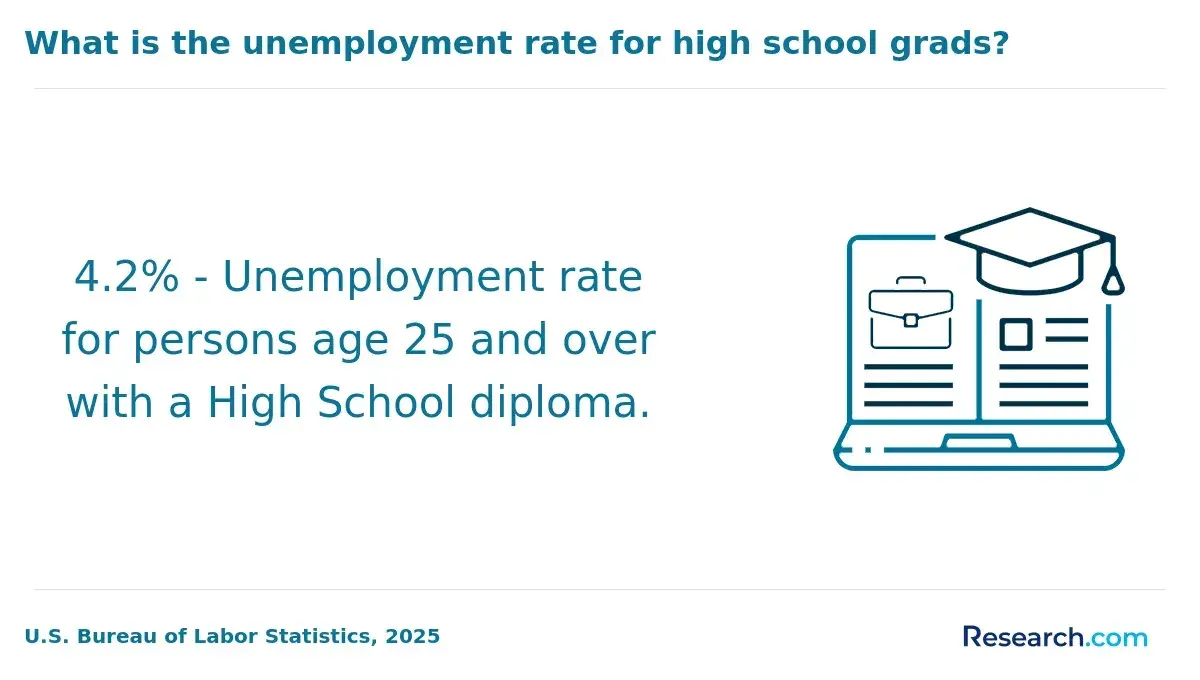
Admission standards for online project management degrees differ notably by level, with each tier reflecting distinct expectations from both academic and workforce perspectives. A bachelor's program typically requires a high school diploma with a GPA of about 2.5 to 3.0 and foundational proficiency in math and English-criteria designed for entry-level competency but without deep professional validation.
Master's programs pivot toward applicants who demonstrate relevant bachelor-level academic rigor (usually a 3.0-3.5 GPA) and practical experience. Many waive GRE or GMAT scores for candidates bringing 3-5 years of project leadership, recognizing that such experience accelerates integration of theoretical frameworks into workplace realities. This effectively filters for mid-career professionals seeking targeted skill augmentation rather than generalist education.
Doctoral admission demands a master's degree and a research proposal closely tied to current project management challenges, emphasizing quantitative analysis and innovative methods. This level supports those aiming at research-intensive roles or academic careers, underscoring professional and intellectual synthesis beyond operational management.
Financial factors critically influence choice, with institutions like Columbia Southern University providing more affordable bachelor's degrees ($8,340/year), potentially easing access for cost-sensitive students. Conversely, workforce outcomes data from City University of Seattle show graduates earning median salaries near $88,228 within four years, suggesting a balance of affordability and return on investment can be decisive for prospective students weighing program selection.
- Bachelor's entry prioritizes foundational academic readiness with moderate GPA standards.
- Master's programs demand relevant experience, often waiving standardized tests accordingly.
- Doctoral candidates must produce research proposals aligned with sector innovations and carry advanced quantitative expertise.
- Cost-conscious decisions should consider both tuition and post-graduate earnings trends when selecting programs.
How long do online project management programs take and what do they usually cost?
The choice between accelerated and traditional online project management bachelor's programs involves clear tradeoffs in time, cost, and workforce integration. A typical full-time program requires four years, with part-time tracks stretching to five or six years-options that hinge heavily on one's employment and caregiving responsibilities. For example, a mid-career software developer might benefit from a two-year accelerated path to gain project management acumen swiftly, while a full-time office manager may prefer spreading coursework to sustain steady income without accruing debt.
Tuition averages around $9,900 annually in competitive online offerings, with graduates earning a median salary near $70,857 within a year-creating a measurable return on investment exceeding seven times the yearly cost. The financial calculus becomes more complex when factoring in hidden expenses such as technology fees, textbooks, and certification exam costs for credentials like PMP.
Working professionals should consider these elements carefully:
- Balancing program length with realistic time commitments and job demands
- Planning for additional out-of-pocket expenses beyond tuition
- Leveraging employer tuition reimbursement when available but aligning coursework with job roles
Ultimately, aligning program pace and financial outlay with personal circumstances and career goals is key to extracting long-term value from an online bachelor's in project management.
What careers can you pursue with an online project management degree in structured problem-solving roles?
An online project management degree equips graduates with foundational frameworks but often falls short of meeting employer demands without accompanying professional certification. For instance, a healthcare project manager must adeptly align clinical workflows with regulatory standards, while a technology project manager navigates agile development and cross-team communication. Such real-world roles require integrating formal education with certification and practical experience.
The competitive landscape includes over 1.58 million globally certified PMP professionals, reflecting an employer preference for recognized credentials alongside degrees, especially in manufacturing, aerospace, and similar fields. Graduates face tradeoffs: degrees demonstrate theoretical mastery, yet without credentials like PMP or CAPM, advancement is often limited to entry or mid-level roles.
Practical market realities suggest candidates prioritize programs featuring hands-on simulations or internships and plan certification pathways alongside degree completion. Employers expect a blend of technology skills, risk mitigation strategies, and applied problem-solving beyond academic knowledge. Neglecting certification typically caps growth potential, emphasizing that an online project management degree alone rarely suffices for senior responsibilities.
What salary ranges and job outlook can project management graduates expect across industries?
Salary outcomes for project management graduates vary significantly with industry sector, experience level, and location, often ranging from $65,000 to over $120,000 annually. Entry-level roles, such as project coordinators in manufacturing or construction, tend to start near $65,000, while seasoned managers in information services or finance can command salaries exceeding $110,000. Specialized sectors like technology and pharmaceuticals generally offer higher compensation due to increased project complexity and strategic impact.
By 2030, employment in project management roles is projected to reach 102 million globally, driven by growth in manufacturing, construction, finance, and information services. This reflects sustained, though sector-specific, demand for professionals who can navigate diverse operational challenges.
Employers prioritize practical skills such as risk and resource management, agile methodologies, and data-driven decision-making. For instance, construction project managers must rigorously enforce safety and scheduling constraints, leading to pay variations based on project scale and geography. In finance, compliance and budgeting expertise elevate mid-career salaries, particularly where certifications are required.
The sectoral tradeoffs are clear: compliance-heavy fields may slow project delivery but reward with higher pay, whereas tech industries offer faster-paced environments with lower entry salaries. Additionally, metropolitan areas typically provide 10-25% higher wages, offset by greater living costs. Continuous certification and education remain essential to access advanced salary tiers within this expanding field.
How do professional certifications like PMP and CAPM align with online project management degrees?
Professional certifications like PMP and CAPM significantly augment the value of online project management degrees by validating skills that academic programs may not fully cover. Unlike degrees that focus on foundational theory, PMP demands documented real-world experience and proficiency in comprehensive processes aligned with PMI standards. This credential remains a crucial benchmark for sectors such as construction, IT, and engineering.
CAPM offers early-career professionals verification of core project management terminology and methodology, providing a practical stepping stone from education to entry-level roles. Employers frequently expect at least one certification alongside a degree, especially given the substantial tuition costs-for example, average undergraduate tuition runs about $14,688 annually, while master's programs average $20,513 per year, according to Intelligent.com's 2025 guide.
Choosing a degree that aligns with certification content can reduce exam prep time, making the process more efficient. For instance, an online master's focused on Agile principles complements the PMI-ACP credential. Exam prep resources embedded within degree programs also minimize redundant study and accelerate certification, which can be pivotal when salary increments depend on credential attainment.
Without certification, the practical credibility of a degree can be limited-particularly in competitive markets like healthcare or technology where employers weigh certifications more heavily than degrees. Students and working professionals should plan certification alongside or shortly after degree completion to optimize employment and advancement prospects.
Other Things You Should Know About Project Management
In 2027, students balancing online project management degrees with full-time work face challenges such as adapting to advances in virtual collaboration tools, managing increasing data and project complexity, and interrupt-driven work environments that make asynchronous study particularly demanding.
Programs that integrate real-world case studies and simulations significantly improve critical thinking and practical skills essential for project managers. Purely theoretical curricula may leave graduates underprepared for complex stakeholder interactions and risk management scenarios faced on the job. Prospective students should favor programs with hands-on project assignments, as these foster problem-solving abilities and better align education with employer expectations, enhancing post-graduation employability.
Students focused on immediate employability and practical skills should prioritize programs aligned with recognized certifications like PMP or CAPM, as these are widely demanded by employers and streamline professional credentialing. Conversely, broader academic programs with extensive theory may be better suited for career advancement toward senior leadership roles requiring strategic insight beyond certification. Balancing these factors depends on career goals: certification alignment accelerates entry and mid-level advancement, broader curricula support long-term leadership pathways.
Shorter degree programs provide faster completion and quicker entry into the workforce but often sacrifice depth in advanced methodologies, strategic leadership, or specialization areas. Longer programs cover these aspects more thoroughly, better preparing graduates for complex, higher-responsibility roles over time. Candidates should assess their career timeline: if rapid certification and early workforce integration are priorities, shorter programs fit best; for sustained career growth and flexibility, comprehensive degrees remain a smarter investment.
References
- PMP vs. Other Professional Certifications: Which One Is Right for You? https://www.project-management-prepcast.com/pmp-vs-certifications
- How to get a PMP certification https://ppi2pass.com/resources/project-management-professional/how-to-get-pmp-certification
- Best Project Management Courses: Your Ultimate Guide 2026 https://www.bmc.net/blog/management-and-leadership-articles/best-project-management-courses
- How To Become a Project Manager in 2025: Steps and Education https://productive.io/blog/how-to-become-a-project-manager/
- Google Project Management Certificate | Google Skills https://www.skills.google/paths/2272
- Trending Project Management Roles in 2026 https://www.icertglobal.com/blog/trending-project-management-roles-in-2026-expert-guide
- Explore the Best Project Management Courses Online in 2026 – Affordable and Free Choices - Exam-Labs https://www.exam-labs.com/blog/explore-the-best-project-management-courses-online-in-2026-affordable-and-free-choices
- Project Management Essentials Certification https://courses.msicertified.com/course/project-management-essentials-certification
- Project Management Employment Statistics in Europe https://zoetalentsolutions.com/project-management-employment-statistics-in-europe/
- Project Management Career Path | AIPM https://aipm.com.au/project-management-career-path/