2026 Best Online Master's in Project Management With Program Management Tracks

Co-Founder and Chief Data Scientist
Facing an urgent need to transition into program management while maintaining a full-time job, many professionals confront rigid schedules and limited program options that extend graduation timelines and stall career growth. The National Center for Education Statistics reports that over 60% of graduate students enroll part-time, signaling a clear demand for flexible, accessible online master's programs tailored to working adults. This trend highlights how enrollment strategies must prioritize asynchronous learning and integrated program management tracks to align with shifting workforce dynamics and employer expectations for candidates with specialized, actionable skills.
This article evaluates the best online master's in project management programs with program management tracks, focusing on flexibility, curriculum relevance, and career impact to guide informed educational choices that accelerate advancement without sacrificing current professional commitments.
Key Things You Should Know
- Programs emphasizing program management tracks show 25% higher employer preference for candidates with cross-project coordination skills, reflecting a 2024 PMI workforce report linking multi-project agility to 15% faster promotion rates.
- Extended completion times caused by integrating specialized program management content increase average debt by 18% compared to standard project management degrees, impacting early-career salary negotiation leverage per NCES data.
- The Bureau of Labor Statistics cites a projected 12% employment growth in program-focused project management roles through 2032, pressuring candidates to weigh immediate workforce entry against advanced credential differentiation.
What is an online master's in project management with a program management track?
Choosing an online master's in project management with program management specialization means preparing to oversee interconnected projects that collectively advance strategic goals-not just handling isolated tasks. For instance, a construction manager may simultaneously direct multiple sites, aligning budgets, timelines, and compliance standards across all projects to fulfill corporate objectives.
Unlike a typical project management degree focusing on individual deliverables, this specialization demands proficiency in resource allocation, portfolio-level risk mitigation, and benefits realization. Employers expect graduates from the best online project management master's degree with program management track to possess advanced leadership and governance capabilities, as well as the ability to communicate effectively with diverse stakeholders.
Such programs often support certification goals like the Program Management Professional (PgMP), valued in industries including IT, healthcare, and government contracts. Tuition varies widely, from approximately $11,529 to $95,697, reflecting differences in program rigor, networking access, and experiential components that influence long-term employability. Balancing coursework with professional duties presents a practical challenge.
Candidates should prioritize programs offering live mentorship and applied project experiences that simulate multi-project coordination. Given varied industry demands, a curriculum grounded in transferable frameworks rather than niche case studies enables career flexibility across sectors. Prospective students comparing cost and outcomes may also consider related degrees, such as a healthcare MBA, depending on their target industry or pivot strategy.
How do online project management master's programs compare with on-campus options for flexibility and quality?
Online project management master's programs offer a distinct flexibility advantage over on-campus degrees, particularly for professionals balancing career and personal commitments. This flexibility-often through asynchronous coursework-supports ongoing income and job responsibilities without requiring relocation or fixed schedules. However, this convenience comes with tradeoffs in networking opportunities, especially for fields reliant on face-to-face collaboration.
The quality differences between online and on-campus project management degrees have narrowed considerably. Leading online programs demonstrate academic rigor and practical learning comparable to traditional formats, with graduates from top-tier schools like New York University reporting median earnings near $221,872 according to OnlineU's 2026 data.
Employers increasingly accept accredited online credentials when coursework includes experiential elements such as agile methodologies and risk mitigation, yet candidates must confirm employer recognition specific to their industries. For example, an IT mid-career project manager can leverage an online master's to transition into program management roles without pausing income or relocating, an option less feasible with on-campus-only programs.
But professionals in sectors like construction or government may find online formats limiting due to fewer built-in networking events and mentorship opportunities, which are critical to advancement in those environments. Ensuring synchronous components and cohort engagement can partly mitigate these shortcomings.
Those evaluating this path should consider how flexibility, program quality, and industry-specific employer expectations align with their strategic goals. For a broader overview of how these credentials fit within business education, examining online degree business administration pathways can provide useful context.
Which accredited universities offer the best online project management master's with program management tracks?
Graduates aiming to pivot into program management from project management should weigh the practical distinctions and market alignment of their studies. Accredited universities offering online master's in project management with program management specialization-such as Northeastern University, George Washington University, and Penn State World Campus-balance foundational skills with strategic oversight essential for managing multiple, interdependent projects.
The projected 6% employment growth and a 2024 median salary near $102,900 for project management specialists indicate a robust labor market, but demand increasingly privileges those versed in portfolio and program-level coordination. For example, an IT professional transitioning to program management benefits from Northeastern's integration of real-world risk mitigation across program layers, while George Washington's track focuses on federal compliance and stakeholder communication critical for government contracting roles.
Tradeoffs exist around program length, cost, and delivery mode. Penn State's fully asynchronous format suits working adults needing flexibility but requires strong self-discipline and tech readiness. Prospective students should evaluate cohort interaction requirements and practicum components that facilitate leadership readiness in complex program workflows.
Selecting strong accreditation, a curriculum aligned to sector-specific challenges, and pathways to certifications like PgMP enhances employability and job performance. For those assessing advanced degrees, reviewing comparative options such as the best online accelerated business degree programs can provide broader context on balancing time, cost, and career impact as part of the decision-making process.
What admissions requirements and prior experience do online project management master's programs expect?
Online project management master's program admission criteria are notably stringent, reflecting the field's demand for both academic competence and practical leadership. In most cases, applicants must hold a bachelor's degree from an accredited institution with a GPA of around 3.0; some programs may permit conditional admission down to 2.7.
However, the pivotal hurdle is prior experience required for project management master's degree candidacy-typically between two to five years of relevant project work. This experience threshold ensures learners are not merely theoretical but have confronted real complexities, such as navigating regulatory frameworks or leading cross-functional teams in industries like technology or healthcare.
Programs targeting mid-career pivots increasingly value professional certifications (e.g., PMP, PgMP), sometimes waiving experience in exchange for demonstrated strategic career achievements. Yet, admissions committees now also assess digital communication proficiency given the rise of online and hybrid learning formats, presenting an additional barrier for candidates without remote leadership backgrounds.
Common pitfalls in admissions include inconsistent documentation of work experience and vague recommendation letters that fail to convey measurable leadership impact. Applicants benefit from compiling detailed project portfolios that clear up ambiguities around project scope and outcomes, especially for roles in complex sectors such as aerospace or federal contracting.
Candidates comparing project management to other disciplines might explore related fields; for example, the online masters in human resource management reveal a contrasting admissions emphasis on interpersonal competencies over technical project experience.
How long do online project management master's programs take, and what do they cost?
Choosing an online project management master's program often boils down to balancing time, cost, and professional demands. Programs range from 18 to 24 months at a paced schedule that suits working professionals, while accelerated tracks condense learning into 12 to 15 months but require considerable time investment. For example, a mid-career construction manager might opt for a 24-month program to apply coursework progressively while managing jobsite duties, ensuring skills gained translate directly to current responsibilities.
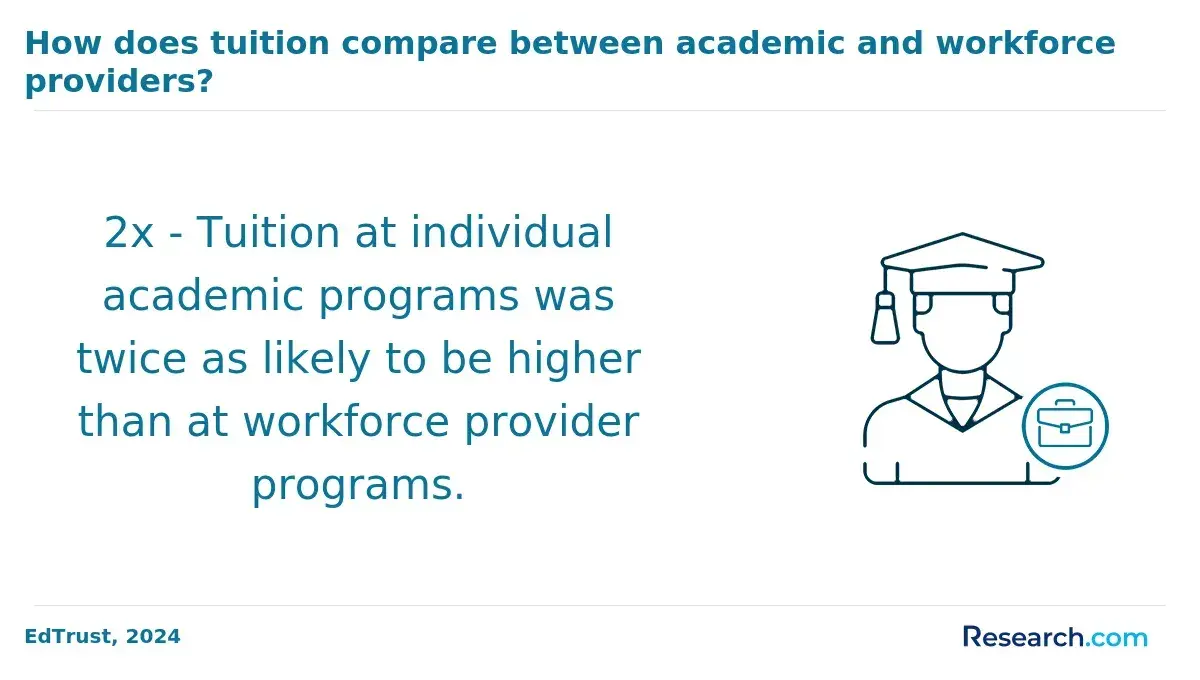
Costs across accredited online options vary widely-from approximately $8,780 to $84,944-reflecting differences in program quality, institution, and delivery. The average in-state expense, near $27,700, generally undercuts on-campus alternatives, though additional expenses like software licenses, textbooks, and occasional travel for residencies must be accounted for.
Employers prioritize candidates who demonstrate immediately applicable competencies; therefore, aligning coursework with recognized certifications such as PMP or PgMP can enhance both skill relevance and cost efficiency by integrating exam preparation. Candidates navigating this pathway should assess how scheduling, curriculum focus, and total investment interact with their professional context.
Key considerations include:
- Suitability of program pace given current job responsibilities.
- Financial tradeoffs between accelerated credentialing versus longer, more manageable programs.
- Value of programs that embed certification prep to reduce redundant study and costs.
What core courses and specialization classes are included in program management tracks?
Program management curricula focus on aligning complex project portfolios with organizational strategy, demanding both technical rigor and business acumen. Core courses emphasize advanced project integration, risk management, and governance frameworks necessary for navigating high-stakes, multi-stakeholder environments.
For example, managing a government infrastructure program requires skills in regulatory compliance and interagency coordination, a scenario distinct from the agile, innovation-driven demands in tech startups. Specialization courses sharpen abilities in contract administration, organizational change, and leadership, balancing tactical project delivery with strategic oversight.
This balance is critical as program managers often juggle day-to-day execution with long-term value realization. Students must also contend with integrating software proficiency in tools like Microsoft Project and Primavera P6 to meet employer expectations for measurable impact. Most online offerings for advanced program management are MS degrees or MBAs with project management concentrations, which blend practical management techniques with financial stewardship responsibilities.
These programs cater to professionals aiming to enhance cross-functional oversight but may pose challenges due to varied pacing and technology integration in remote formats. Selecting programs that deliver a coherent mix of strategy, applied analytics, and technical tools is essential for credible preparation in multi-project orchestration roles. Key competencies include:
- Portfolio optimization aligned with organizational goals.
- Applied risk and performance analytics.
- Multi-unit stakeholder engagement and compliance.
How do accreditation and PMI-aligned standards affect program quality and employer recognition?
Employers decisively value accredited and PMI-aligned programs because they reduce uncertainty about candidates' competencies and training needs. In tightly regulated industries like finance or government contracting, hiring managers often filter applicants by recognized credentials to manage compliance risks and ensure readiness for complex program environments.
Conversely, graduates from nonaccredited programs commonly face extended onboarding periods and skepticism over their ability to deliver on multifaceted project demands, which can directly slow salary growth and role progression. A PMI-aligned master's curriculum, incorporating standards such as the PMBOK® Guide, enhances a graduate's adaptability across sectors like construction, IT, and healthcare by establishing uniform practices.
However, accreditation remains equally critical, as it ensures content rigor and authenticates that academic benchmarks meet professional expectations, which many employers use as a proxy for quality. Admissions metrics reflect academic selectivity tied to outcomes: most programs require a minimum undergraduate GPA between 2.5 and 3.0 on a 4.0 scale.
Lower GPA thresholds may increase program access but can signal variable rigor that affects cohort strength and employer trust. Students must verify both accreditation status and PMI alignment to avoid earning credentials that delay PMI certification eligibility or underdeliver on practical workforce demands.
- Accreditation validates program quality and consistent learning outcomes recognized by employers.
- PMI-aligned standards ensure graduates meet current industry frameworks applicable across markets.
- GPA requirements indicate balance between accessibility and academic rigor influencing peer and employer perceptions.
What careers and leadership roles can graduates pursue in project and program management?
Graduates with an online master's in project management focusing on program management must meet employer expectations that extend well beyond isolated project delivery. Roles such as program manager or PMO lead require orchestrating multiple linked projects while aligning them with strategic business goals and navigating complex stakeholder dynamics.
For instance, a program manager in manufacturing integrates supply chain and R&D initiatives to accelerate product timelines-a task demanding skills that accredited programs emphasize, including governance frameworks and risk management consistent with PMI's standards.
Employers place significant value on competencies in strategic communication, large-scale budget oversight, and quality compliance, all vital for sustaining operational alignment across diverse teams. Candidates transitioning from project management to program roles often encounter real-world challenges like balancing competing stakeholder priorities and managing constrained resources with rigorous adherence to quality standards.
Benefits of accredited curricula include:
- Practical frameworks and case studies that improve efficiency in resource allocation and risk mitigation.
- Instruction aligned with PMI-GAC and AACSB accreditation criteria, which fosters measurable outcomes and adherence to industry standards.
- Preparation to meet employer demand for governance rigor and leadership visibility beyond singular project scope.
This specialized expertise directly impacts career negotiation leverage and positions graduates to lead complex program portfolios across sectors such as IT, healthcare, and construction. However, candidates should weigh the additional strategic and operational demands this pathway entails compared to traditional project management roles.
What salary ranges and job outlook can graduates expect in project and program management?
Starting salaries for graduates with a master's in project and program management range from $85,000 to $110,000, varying by industry and location. Data from the U.S. Bureau of Labor Statistics and the PMI Earning Power Salary Survey 2024 show median project manager salaries near $105,000, with program managers earning 10% to 20% more due to broader strategic responsibilities. Technology and healthcare sectors frequently offer salaries exceeding $120,000, driven by the complexity and regulatory environment of projects.
Employment growth is robust, projected at 10% through 2032, outpacing many other fields. This growth is concentrated in sectors such as IT, pharmaceuticals, and construction where rapid innovation and compliance demands elevate the need for skilled project and program management. Candidates without advanced certifications or practical experience in agile and risk management face heightened competition.
Program flexibility influences outcomes; for instance, Georgetown University's online project management graduate programs boast a 94% graduation rate per OnlineU 2026, indicating reliable credentialing. However, candidates should prioritize curriculum relevance to their target industry rather than completion rates alone.
Effective job seekers tailor strategies across sectors and regions, obtaining recognized certifications like PMP or PgMP, and showcasing leadership managing diverse teams. Salary growth is tightly linked to proven ability to deliver complex projects on budget and schedule, with program management roles demanding strategic oversight. In saturated markets, career progression may slow, but expertise in program management can accelerate entry into leadership tracks.
How should students compare and choose the right online project management master's program?
Choosing an online project management master's program requires prioritizing measurable outcomes and cost-efficiency over prestige alone. With total program costs ranging from around $25,170 at public institutions to upwards of $43,000-$62,000 at private schools, understanding financial aid options, employer tuition assistance, and potential return on investment is essential. This is particularly true for professionals pivoting careers or working within sectors like government or nonprofit, where budget constraints strictly influence educational decisions.
A program's curriculum should align with recognized certifications such as PMP or PgMP and offer tailored electives for industry-specific roles-for instance, healthcare project managers benefit from programs focused on healthcare project delivery. This alignment directly affects employability and salary prospects.
Graduation rates, alumni employment statistics, and post-degree earnings reflect real program value. Accreditation by established bodies like PMI safeguards against weak credentials. Flexibility also matters: asynchronous learning or accelerated paths help working students avoid extended program duration that may impede career momentum.
Support services including career coaching, internship facilitation, and networking opportunities often distinguish comparable programs by providing hands-on project management experience rather than theoretical knowledge alone. Such practical engagement is critical in a job market where employers emphasize demonstrated project outcomes and applied skills.
Other Things You Should Know About Project Management
Selecting the program management track early can help tailor coursework and professional networking around large-scale coordination and strategic oversight. However, postponing this decision until after core project management courses allows students to build foundational skills first and better assess their career goals. Prioritizing early track selection benefits those with clear ambitions in portfolio or program roles, while a delayed choice suits those still exploring which management level aligns with their strengths.
Employers generally see an online master's with a program management focus as evidence of comprehensive leadership training and strategic thinking, beyond what certifications alone provide. Certifications such as PgMP or PMP emphasize proven competence and specialized knowledge but lack the broader academic context. For career advancement in senior roles, pairing a master's with PMP/PgMP certifications yields the strongest marketability, as employers expect both formal education and validated technical credentials.
Program management tracks typically demand more extensive group work, case studies, and strategic analysis assignments than general project management, increasing time commitments. For working professionals, this requires disciplined time management and may limit availability for overtime or personal projects during the semester. Programs that offer flexible pacing or asynchronous options reduce pressure but may extend completion time; therefore, students must prioritize according to their current professional and personal bandwidth.
References
- Project Management Careers in 2024: 8 Strategies for Success https://blog.iil.com/growing-your-project-management-career-in-2024-strategies-for-success/
- PMP Certification Ireland 2026: The Complete Guide https://projectmanagement.ie/blog/pmp-certification-ireland/
- Graduate Project Manager Salary | SEEK Grad (formerly GradConnection) https://au.gradconnection.com/career-advice/role/graduate-project-manager/salary/
- Online Master in Project Management | Rome Business School https://romebusinessschool.com/master-online-in-project-management/
- The Project Manager Salary: What to Expect and How to Earn More https://www.icagile.com/resources/the-project-manager-salary-what-to-expect-and-how-to-earn-more
- Getting a master’s degree in project management: Should you do it? https://blog.planview.com/getting-a-masters-degree-in-project-management/
- PMI Accreditation – What It Means and Why It Matters - Online Masters Project & Programme Management https://projectmanagement-ul.ie/pmi-accreditation-means-matters/
- Online Master's Degree in Project Management | CSU Global | Accredited https://csuglobal.edu/academic-programs/graduate-degrees/masters-degree-project-management-mpm
- 15 Reasons Employers Look for the PMP Certification - PMTI https://www.4pmti.com/learn/employers-look-for-pmp-certification/
- Online Master of Science in Project Management | UW-Platteville https://www.uwplatt.edu/program/master-project-management