2026 Project Management Specializations for Operations Project Careers

Co-Founder and Chief Data Scientist
Mid-career professionals targeting operations project roles often face a critical dilemma: selecting a specialization that aligns with evolving employer demands while avoiding credentials that become obsolete in just a few years. This challenge intensifies as 65% of working adults pursuing further education now prefer flexible, fully online formats, according to the National Center for Education Statistics. Such accessibility reshapes the landscape but narrows viable program options for those needing immediate applicability and verifiable skill transfer.
Employers increasingly prioritize candidates demonstrating expertise in niche operational domains with measurable impact on efficiency and risk reduction. This article examines key project management specializations suited for operations careers to guide strategic educational investments with a clear return in job market relevance and career mobility.
Key Things You Should Know
- Specializing in operations project management narrows skillsets but enhances salary potential by 15% over generalist roles, based on 2024 Bureau of Labor Statistics data, demanding targeted experience that restricts immediate job mobility.
- Employers increasingly require integrated IT and supply chain credentials alongside operations project management, with 68% of postings in 2024 listing multi-disciplinary expertise as mandatory, elevating hiring competition and credential complexity.
- Median certification and specialized training costs rose 12% since 2023, delaying return on investment by an average of 9 months per data from the Project Management Institute, pressuring candidates balancing upskilling with current job demands.
What are operations project management specializations?
Operations project management specializations in the United States require navigating complex trade-offs that general project management training often overlooks. Professionals focused on operational settings must balance sustained process control with agile adaptations to market dynamics. For example, a supply chain operations manager adjusting delivery routes with real-time analytics must do so without undermining cost constraints or workflow stability.
Agile operations project management is increasingly prominent, with 71% of organizations now employing agile methods at least occasionally, nearly doubling since 2020. This expansion demands expertise in iterative frameworks compatible with continuous operational output, emphasizing flexibility within standardized processes-especially in manufacturing, logistics, and utilities sectors where ongoing workflows predominate.
Certification paths emphasizing lean, Six Sigma, and agile practices can provide a useful foundation but rarely suffice alone; hands-on operational experience remains critical. Additionally, candidates exploring career paths in operations project management must assess industry maturity regarding agile or lean adoption, technology platforms in use, and cross-functional coordination complexity to avoid misaligned credentials.
Given these career considerations, prospective students should weigh how operations project management specializations fit within broader educational goals. Those evaluating diversified options might also explore related programs, such as a sports management degree online, which can broaden management perspectives and cross-sector applicability.
Which specialization fits operations project careers?
Data-driven and analytics-focused project management is emerging as the definitive specialization for operations project careers. By 2026, Gartner predicts that 70% of large enterprises will adopt AI-enabled project and portfolio management tools-a shift that requires professionals adept at interpreting data analytics to optimize workflow, resource allocation, and risk assessment in complex operational settings.
Operations project management specializations for career growth must address multi-department coordination, supply chain logistics, and dynamic process optimization. Traditional methodologies fall short when timely decisions rely on AI-generated insights, creating pressure on project managers to integrate analytics fluency with operational expertise.
Consider manufacturing: predictive analytics enable managers to anticipate bottlenecks proactively, while logistics benefit from data visualization tools that streamline transportation routes without compromising delivery schedules. Without this specialization, project leaders risk inefficient responses and lagging performance as manual oversight cannot match AI-driven outputs.
Critical practical skills include mastering AI-embedded project management software that supports automated risk scoring and resource forecasting. Programs emphasizing only classical approaches often limit employability in operations roles demanding agility and innovation.
For those evaluating educational options, this context highlights why the best project management specialization for operations roles integrates technical, analytical, and strategic competencies. Professionals pursuing a strategic pivot can also explore complementary paths such as an accelerated online finance degree, which may enhance financial acumen necessary for complex operational project decision-making.
What education do operations project managers need?
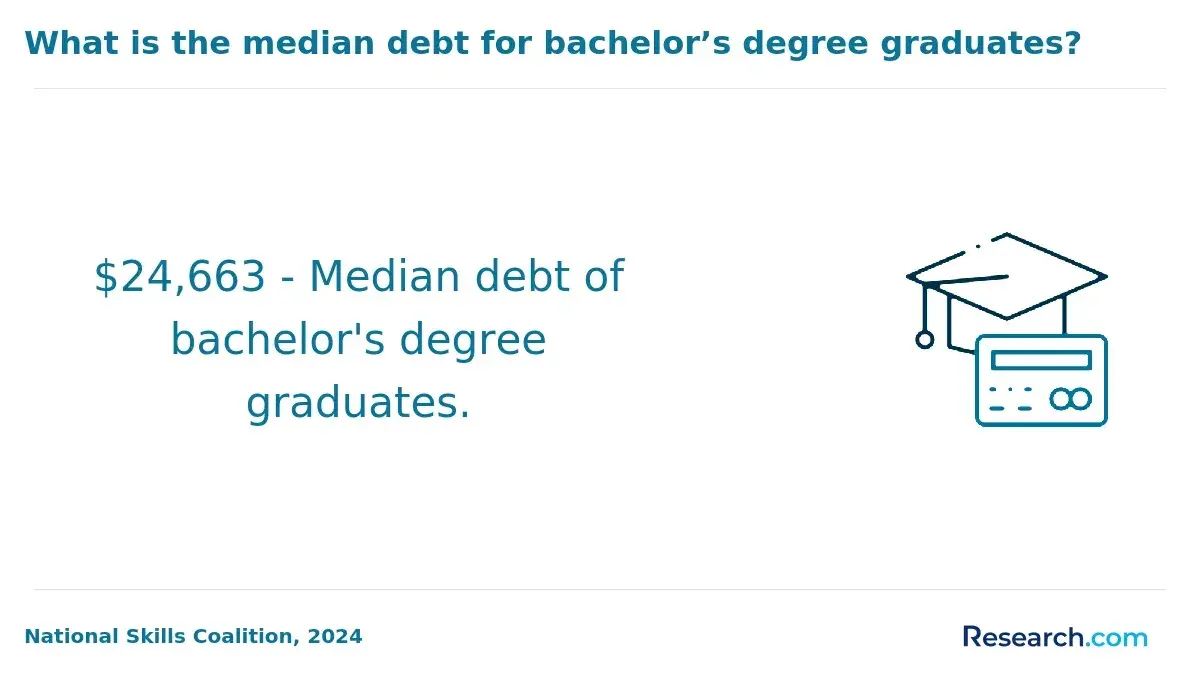
Operations project manager educational requirements increasingly reflect a balance between foundational qualifications and technology fluency. A bachelor's degree in business administration, operations management, or similar fields remains essential for mid-level roles, but employers now place significant weight on certifications like PMP or CAPM, which demonstrate mastery of industry-standard project management frameworks.
Specialized skills in AI integration and process optimization have become non-negotiable. Project managers who adeptly use AI-powered tools improve their chances of on-time, on-budget delivery by 30-35%, according to PMI's 2024 data. In manufacturing or logistics, practical expertise in workflow automation and real-time analytics is often decisive.
For example, a logistics operations manager must combine traditional project controls with AI-driven risk assessment to oversee global supply chains effectively. These multifaceted demands underscore the importance of targeted educational programs blending project management with data science or systems engineering. Skills and certifications for operations project managers vary in their career impact.
Graduate degrees like MBAs focused on operations accelerate advancement but require considerable investment and may not suit all candidates. Alternatively, shorter, hands-on certificates emphasizing agile methods or AI applications can deliver immediate employability gains. Candidates without conventional degrees can still succeed by demonstrating measurable outcomes paired with sector-specific credentials.
Employers increasingly prioritize applied skills in AI utilization, process scaling, and metrics-driven decision-making over credentials alone, reshaping the practical trajectory of education in this field. For those evaluating related pathways, options like a hospitality management degree online offer similarly blended approaches to operational leadership, providing a relevant point of comparison for cross-industry project management roles.
Which project management programs are accredited?
Accredited project management programs in operations signify far more than curriculum validation; they align directly with employer expectations in sectors like manufacturing, logistics, and IT. The PMP certification by the Project Management Institute (PMI) remains a top certified project management course for operations careers because it rigorously tests critical skills in risk management, resource allocation, and operational resilience-areas linked to the projected $244 billion global spending on risk and compliance technologies by 2026.
Choosing an accredited program affects career outcomes in tangible ways. For example, in healthcare or finance operations, IPMA certification's tiered structure allows candidates to specialize in operational resilience at different experience levels, directly influencing employer preference due to practical knowledge in handling disruptions and regulatory complexity. Conversely, unaccredited courses often miss current industry standards and practical tools, limiting access to professional networks or continuing education needed for sustained growth.
Decision-makers should weigh program accreditation alongside cost savings from unaccredited options, recognizing that accreditation serves as a safeguard against outdated content and enhances job placement odds. Those exploring options might compare offerings through resources like the project management degree online for both affordability and market relevance.
How do online and campus programs compare?
Choosing between online and campus programs for pivoting into operations project management reflects a fundamental tradeoff between flexibility and experiential depth. Online programs serve working professionals constrained by location or schedule, relying heavily on asynchronous content and case studies to impart Lean and continuous improvement principles.
However, this format often lacks the immersive simulations and live lab environments that sharpen skills in process optimization, which employers in manufacturing and healthcare industries prioritize for measurable gains such as 15-25% productivity improvements and up to 30% cycle time reductions as per McKinsey's 2024 benchmarking.
On the other hand, campus-based programs embed learners in hands-on workshops supported by industry partnerships, facilitating direct application of Lean leadership techniques in scenarios mirroring actual operational challenges. This face-to-face mentorship and peer collaboration not only accelerate skill mastery but also connect students with local networks, enhancing job placement prospects in specialized roles. In contrast, online students must actively build external connections to bridge this gap.
Professionals in fast-evolving sectors such as logistics or energy may find campus learning crucial for grasping intricate operational dynamics, whereas online pathways provide essential foundational knowledge but can necessitate additional field experience before full leadership readiness. Deciding between these formats requires weighing immediate employability driven by deep practical immersion against program accessibility and theoretical rigor.
What courses are in operations project specializations?
Operations-focused project specializations demand proficiency in resource allocation and risk management amid the competing priorities of cost, speed, and quality. For instance, manufacturing managers apply Six Sigma techniques directly to defect reduction, while healthcare managers prioritize patient flow efficiency and compliance. These nuanced tradeoffs shape critical decision-making frameworks within complex environments.
Quantitative skills such as forecasting and capacity planning underpin data-driven operational decisions. Notably, sustainability and ESG project management represent expanding fields, projected to grow 33% by 2027 according to the World Economic Forum's Future of Jobs Report 2025. This growth reflects heightened regulatory pressure and the need for carbon footprint reduction and stakeholder engagement methodologies integrated within project workflows.
Students should expect immersive experiences involving project simulations, ERP software, and leading cross-functional teams, which sharpen coordination capabilities required by employers. However, prerequisite knowledge in statistics or analytics often filters who can successfully navigate these courses.
Those pivoting careers must evaluate how programs balance theoretical frameworks with applied projects, especially those tailored to industry contexts like retail inventory versus energy management. Programs with direct industry collaboration and capstone projects tend to yield a clearer understanding of operational tradeoffs and increase employability in practical terms.
What are the admission requirements for these programs?
Admission for operations project management specializations in 2026 demands more than formal credentials; it requires demonstrated capacity to navigate complex digital transformation efforts. A bachelor's degree in business, engineering, IT, or related fields remains the standard baseline, but substantive professional experience-often 3 to 5 years-is equally critical, especially for candidates lacking a traditional degree.
Employers prioritize evidence of leadership in projects involving automation or integrated workflows within manufacturing or supply chains, reflecting the intense growth in digital operations spending, projected to exceed $3.9 trillion globally by 2027 according to IDC's 2024 Worldwide Digital Transformation Spending Guide.
Applicants commonly face requirements to document prior project roles with measurable impacts, such as improved operational efficiencies driven by technology adoption. Standardized tests like the GRE or GMAT are relevant mainly to postgraduate tiers; executive certifications often waive them in favor of proven leadership outcomes. Additionally, technical competency assessments-covering process automation platforms and ERP systems-are integral, given the rising emphasis on bridging operational expertise with digital tool fluency.
The admissions process effectively filters for candidates who combine formal education, verifiable results, and readiness to handle cross-functional digital deployment. For example, managing a large-scale automation project necessitates familiarity with both workflow complexity and technology integration, skills not easily substitute by theoretical knowledge alone.
How long and how much do these programs cost?
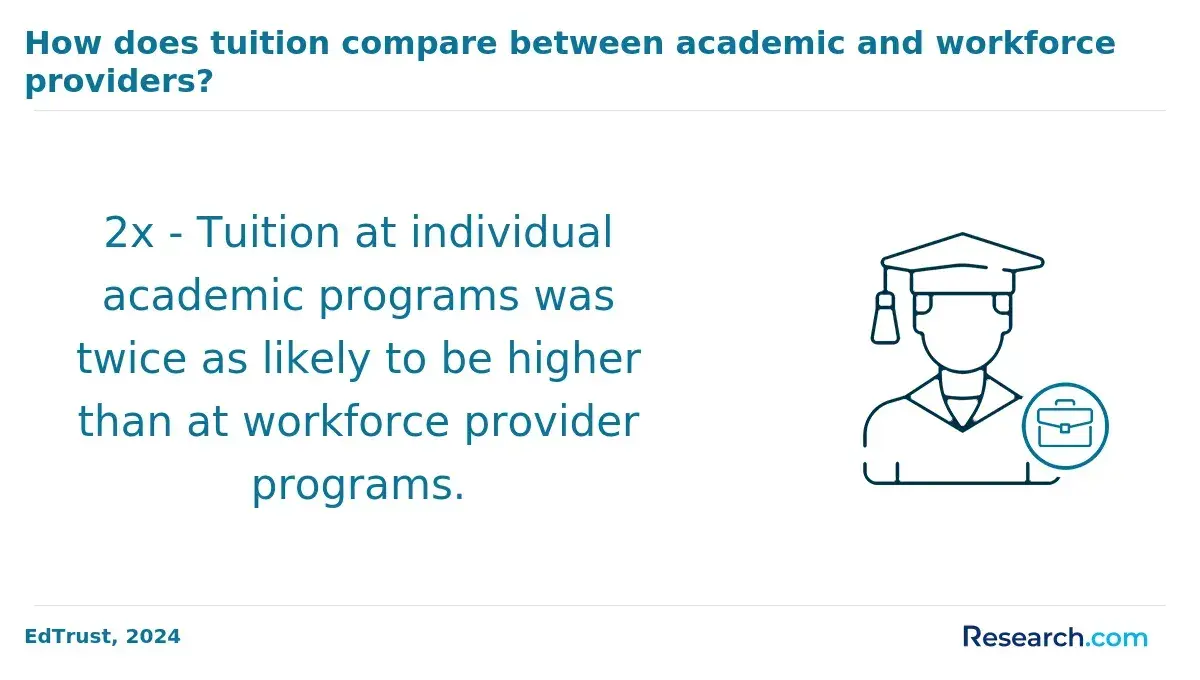
Choosing between certificate and master's programs in operations project management demands an evaluation of time investment, cost, and employer expectations. Certificate options, typically 6 to 9 months part-time and costing $3,000 to $7,000, offer targeted skill upgrades suitable for mid-career professionals needing immediate application of PMO alignment, resource allocation, or portfolio governance.
For instance, a manufacturing project manager opting for a nine-month certificate benefits from rapid implementation of practices linked to a 33% reduction in project failures documented in PMI's 2024 Pulse of the Profession report. Master's degrees, requiring 1 to 2 years full-time with tuition ranging from $20,000 to $50,000, focus on advanced theoretical frameworks and strategic leadership, crucial for managing complex portfolios in industries like healthcare or infrastructure.
These programs correspond with mature PMOs executing 38% more projects meeting original goals, but entail higher opportunity costs and less employer reimbursement. Professionals weighing these paths must consider:
- Immediate skill needs versus long-term leadership ambitions.
- Employer financial support limitations-certificates are often reimbursed while master's degrees rarely are.
- Industry-specific value of credential depth and duration.
Careful alignment of program choice with one's role, schedule, and sector ensures a pragmatic balance between educational investment and measurable career outcomes.
What jobs can operations project graduates get?
Operations project graduates must navigate evolving employer demands that prioritize proficiency in technology-driven operational workflows over traditional credentials alone. Practical examples illustrate this shift: in manufacturing, a supply chain project manager reduces downtime by coordinating cross-team production schedules, while in retail, operations analysts leverage integrated planning tools to optimize inventory and improve cash flow.
These roles require a blend of technical skills-such as ERP software mastery, data analytics, and risk mitigation-with strong stakeholder communication. Graduates often enter as logistics coordinators managing vendor relations and shipments before advancing to positions focused on continuous process improvement and cost control.
Organizations actively investing in digital control towers and advanced planning systems report measurable gains, including 3-5 percentage points in EBITDA improvement and inventory reductions up to 20%, as detailed in McKinsey & Company's global supply chain survey. This data underscores the tangible business impact of managing digitally integrated projects.
Choosing a specialization aligned with industry-specific project methodologies influences access to higher-responsibility roles and related compensation. For example, healthcare, manufacturing, and e-commerce each vary significantly in project scope and expected outcomes. Upskilling through certifications can support credibility but does not substitute demonstrated ability to deliver results in complex project governance environments.
What certifications improve operations project careers?
Success in operations project roles increasingly depends on certifications that integrate change management with leadership skills tailored to complex team dynamics. Projects implementing robust change practices report outcomes 6× more likely to meet objectives. For example, in aerospace manufacturing, certified change managers reduce costly disruptions by anticipating and addressing stakeholder resistance early, accelerating delivery timelines.
Credentials like the Prosci Change Management and ACMP Certified Change Management Professional focus on adaptive leadership essential for navigating evolving operational environments. Complementary certifications such as PMI-ACP and Lean Six Sigma Green Belt offer concrete methods for iterative process improvement and agility, vital in supply chain optimization or technology rollouts.
These certifications differ in practical impact: broad-recognition credentials like PMP or Lean Six Sigma Green Belt often facilitate quicker salary gains and job mobility. Conversely, specialized change leadership certifications create strategic advantages for mid- to senior-level managers who lead cultural transformation but require greater upfront investment in time and cost.
Prospective candidates should balance factors including sector-specific employer demand, availability of tuition support, and alignment with longer-term leadership responsibilities. Matching credential selection to operational project complexity and team scale yields measurable career benefits and positions professionals for shifts in industry expectations.
Other Things You Should Know About Project Management
Employers in operations project management prioritize demonstrated ability to manage complex projects over holding multiple specialization certifications. While certifications can validate knowledge, real-world experience applying methodologies and solving operational challenges has stronger weight during hiring and promotions. Candidates should focus on gaining substantive project leadership roles and outcomes rather than accumulating certifications without corresponding practical achievements.
Balancing education with full-time work requires choosing programs that offer flexible scheduling and prioritize practical application over theoretical depth. Intensive, cohort-based programs with employer recognition often provide better return on time invested than self-paced options lacking peer interaction. Prioritize programs that enable immediate workplace application and allow for phased time commitment to avoid burnout and ensure steady career impact.
Non-traditional training offers rapid skills acquisition but often lacks the depth and employer recognition associated with formal degree specializations. For individuals targeting mid-to-senior level operations project roles, formal education programs structured around applied projects and strategic frameworks deliver stronger evidence of competence. Bootcamps may support entry-level transitions but should be supplemented with experience or formal credentials for sustained advancement.
References
- Project Management vs Operations Management: Key Differences https://www.simpliaxis.com/resources/project-management-vs-operations-management
- Main Responsibilities and Required Skills for Operations Project Manager https://spotterful.com/en/blog/job-description-template/operations-project-manager-responsibilities-and-required-skills
- CourseCareers https://coursecareers.com/blog-posts/operations-vs-project-management-which-career-path-is-right-for-you
- Achieving Success in Your Operations Career: How to Build a Rewarding Professional Path - Mangrum Solutions https://mangrumcareersolutions.com/blog/achieving-success-in-your-operations-career-how-to-build-a-rewarding-professional-path/
- 5 Things You Should Know About Studying a Project Management Degree. MANCOSA https://www.mancosa.co.za/blog/5-things-you-should-know-about-studying-a-project-management-degree/
- Exploring Specializations: Career Paths Within Project Management - Pristine School of Management https://www.psmgt.org.uk/exploring-specializations-career-paths-within-project-management/
- 2-Week Programs vs. Semester Programs: The Cost Comparison https://glo-explore.com/2-week-programs-vs-semester-programs/
- How Much Does it Cost to Study Abroad in 2026? https://www.ciee.org/go-abroad/college-study-abroad/blog/how-much-does-it-cost-study-abroad-2026
- How To Become a Project Manager in 2025: Steps and Education https://productive.io/blog/how-to-become-a-project-manager/
- 10 Best Alternative Career Paths for Operations Professionals https://www.wishupcareers.co/blog/career-alternatives-for-operations-professionals/