2026 Online Project Management Degrees With Project Budgeting Coursework

Co-Founder and Chief Data Scientist
Balancing a full-time job while mastering project budgeting fundamentals often feels impossible for aspiring project managers targeting leadership roles. Since 2019, the National Center for Education Statistics reports a 42% surge in adult enrollment in online degree programs, signaling a clear shift toward flexible education models that accommodate working professionals' schedules without sacrificing learning depth. However, the challenge remains in selecting programs that integrate rigorous budgeting coursework with practical application, ensuring graduates meet employer expectations for financial oversight and resource allocation. This article examines online project management degrees offering budgeting-focused curricula, guiding prospective students to programs that optimize career mobility and skill acquisition amid evolving workforce demands.
Key Things You Should Know
- Employers prioritize candidates with project budgeting coursework due to a 22% projected increase in PM-related financial oversight roles by 2030, making specialized budgeting skills a strong job-market differentiator.
- Programs that integrate real-time budgeting software training produce 15% higher employment rates post-graduation, yet often require longer time-to-completion, forcing candidates to trade off immediate workforce entry against skill depth.
- Tuition costs for online degrees with focused budgeting modules average 18% above general project management degrees, presenting an access barrier that disproportionately affects mid-career professionals seeking rapid reskilling.
What is an online project management degree with a focus on project budgeting?
Specializing in budgeting within an online project management degree with project budgeting coursework shifts a generalist into a precise financial strategist whose performance directly affects operational outcomes. Budget control demands continuous adjustment-construction managers, for instance, juggle unpredictable labor and material costs, while IT project budgets prioritize licensing and hardware expenses. This dynamic financial oversight is not theoretical; employers seek candidates who anticipate spending shifts and mitigate risks without sacrificing deadlines or quality.
The Project Management Institute's 2023 Salary Survey reports U.S. project managers earning a median $102,000 to $134,000, emphasizing employer preference for budgeting skills alongside leadership capabilities. Online project management programs with project budgeting focus in online project management programs integrate software training and case-based risk strategies, yet the demands on quantitative aptitude and self-directed learning are substantial. Students must balance limited in-person networking against the flexibility to manage work-study commitments.
Prospective students should also consider industries where budget overruns critically impact viability and growth, such as manufacturing and healthcare. Those evaluating practical pathways may explore specialized training through programs like construction management degrees, which embed budgeting challenges relevant to sectors facing supply chain volatility and regulatory complexity.
How do online project management degrees compare with on-campus programs for budgeting skills?
Online project management degrees generally match on-campus programs in core budgeting skills but lag in experiential learning essential for mastering complex financial decision-making. Practical, scenario-based exercises and direct mentorship offered on campus develop sharper instincts for dynamic budget adjustments-a key skill since PMI's 2024 Pulse of the Profession reports organizations lose $9 million per $1 billion invested due to poor project financial oversight.
For example, on-campus students often engage in live project budgeting alongside peers and faculty, receiving immediate feedback that helps them understand cost estimation under uncertainty-crucial for industries like construction or healthcare where financial trade-offs are intricate. In contrast, budgeting coursework effectiveness in online project management programs depends heavily on supplemental internships or virtual practicums since peer interaction and real-time challenge remain limited.
Employers prioritize candidates who can link budgeting assumptions directly to project outcomes, so online degree holders seeking equivalent workforce readiness must pursue hands-on experiences beyond coursework. Professionals weighing online versus on-campus options should assess workload flexibility against the need for immersive financial training.
Those considering a career shift can benefit by choosing online degrees featuring robust budgeting simulations and combining these with practical exposure, akin to the benefits seen in hospitality management courses online, where hands-on learning complements theoretical study.
What accreditation and quality standards should online project management programs meet?
Accreditation is a pivotal factor when selecting an online project management program, especially regarding budgeting coursework that spans industries like construction, IT, or healthcare. Employers increasingly scrutinize candidates' educational backgrounds, often favoring degrees that align with recognized standards set by bodies acknowledged by the U.S. Department of Education or the Council for Higher Education Accreditation. Programs accredited by specialized organizations such as the Project Management Institute's Global Accreditation Center (PMI-GAC) tend to integrate practical financial oversight tools and case studies, reinforcing real-world applicability over theoretical instruction.
Choosing a program without verifying its accreditation risks gaps in skills crucial for positions demanding financial acumen, which can stall career pivots or advancement. Prospective students should closely examine how curricula incorporate budgeting applications relevant to their target sectors. For example, a mid-career professional aiming to lead IT projects must ensure software tools and simulations in financial modules mirror industry expectations.
Tuition costs reflect these quality distinctions, with online master's degrees featuring budgeting coursework ranging significantly-from just over $20,000 to more than $75,000-according to U.S. News 2024 data. Lower-priced options may lack faculty current in the field or sufficient industry alignment, impacting the degree's value for salary growth and job placement.
Likewise, evaluating online project management program accreditation standards is essential. Reviewing the quickest online project management degree options can reveal how different programs balance tuition, accreditation, and curriculum relevance for efficient, practical credentialing.
What project budgeting and cost management coursework is typically included in these degrees?
Project budgeting and cost control coursework concentrates on mastery of financial planning tools that directly inform employer expectations. Typically delivered as 4-6 online project management cost estimation classes at the master's level, these courses emphasize applied budgeting strategies relevant across sectors, from IT resource allocation to construction cost containment. Scenario-driven exercises in simulated manufacturing budget overruns or government contract delays develop anticipatory skills crucial for dynamic project adjustments.
Students acquire quantitative tools like earned value management (EVM) and variance reporting to create reliable cost estimates and analyze cash flow. However, these competencies must be contextually adapted; for example, healthcare project budgeting demands attention to regulatory compliance expenses absent in standard IT frameworks. Graduates who demonstrate proficiency in these cost control fundamentals improve their alignment with hiring criteria prioritizing practical skill validation, not just theoretical expertise.
The integration of cost management with project scheduling and scope balancing further enhances decision-making effectiveness, supporting improved delivery outcomes reflected in industry data. This focused financial insight cultivates a practical readiness that few generic business degrees provide. Those considering this pathway may also find value in augmenting their studies with a broader online business administration degree to bolster managerial versatility.
Which degree levels offer online project management programs with budgeting training?
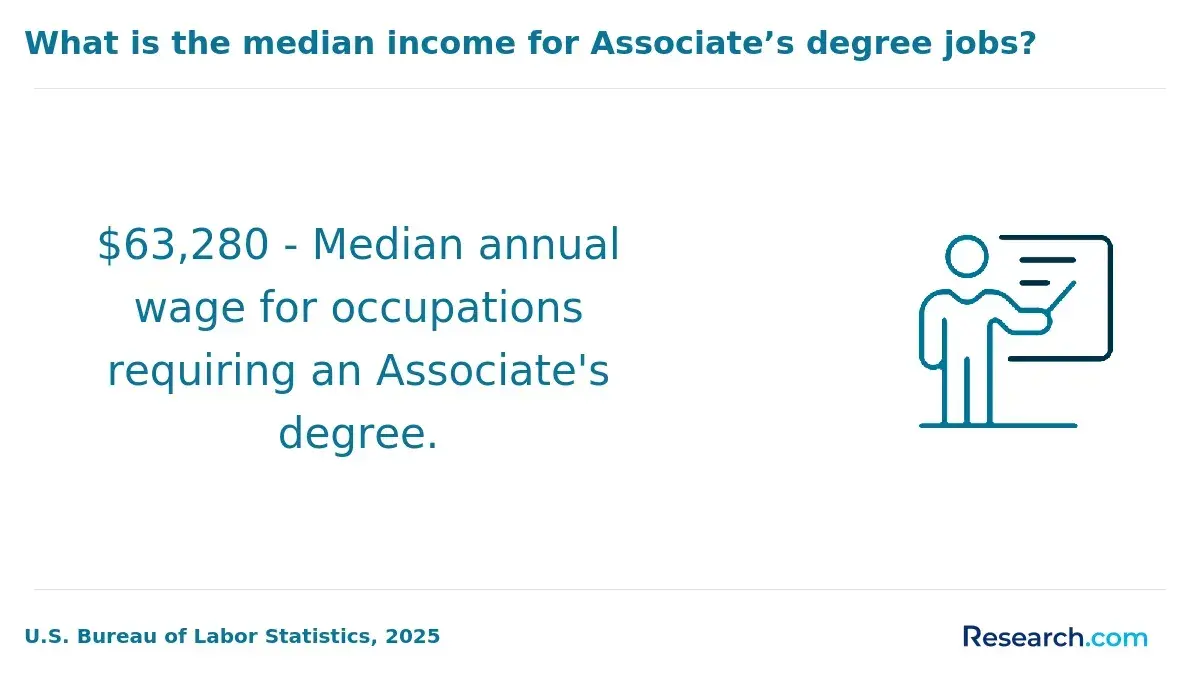
Bachelor's and master's degree programs in project management diverge significantly in budgeting emphasis, reflecting the practical responsibilities graduates face. Associate degrees generally omit in-depth budgeting, focusing on foundational skills that do not prepare students for financial oversight roles common in mid-level positions.
Bachelor's degrees, especially online finance degrees, incorporate budgeting training aimed at managing departmental or mid-sized project budgets, emphasizing cost estimation, resource allocation, and basic financial reporting. Graduates are expected to handle budgets ranging from tens to hundreds of thousands of dollars. Conversely, master's programs-especially those in project management or business administration with a project management focus-address advanced budgeting challenges such as risk-adjusted budgeting, portfolio finance, and sophisticated cost-control methods, positioning graduates to oversee multimillion-dollar budgets or strategic financial planning.
Professionals in regulated industries like healthcare or defense encounter complex budgeting scenarios involving compliance and multiple stakeholders; here, a master's degree provides necessary preparation with exposure to budgeting software and forecasting models tailored to evolving financial environments. Students targeting these sectors or senior financial roles should critically evaluate curriculum depth and applied budgeting training to match industry demands.
Financially, online bachelor's programs average about $595 per credit, which is notably above the national bachelor's average, similarly impacting master's study costs and total student debt. Prospective students must weigh these expenses alongside career expectations to ensure degree level aligns with both immediate job requirements and long-term financial responsibility.
What are typical admission requirements for online project management degrees?
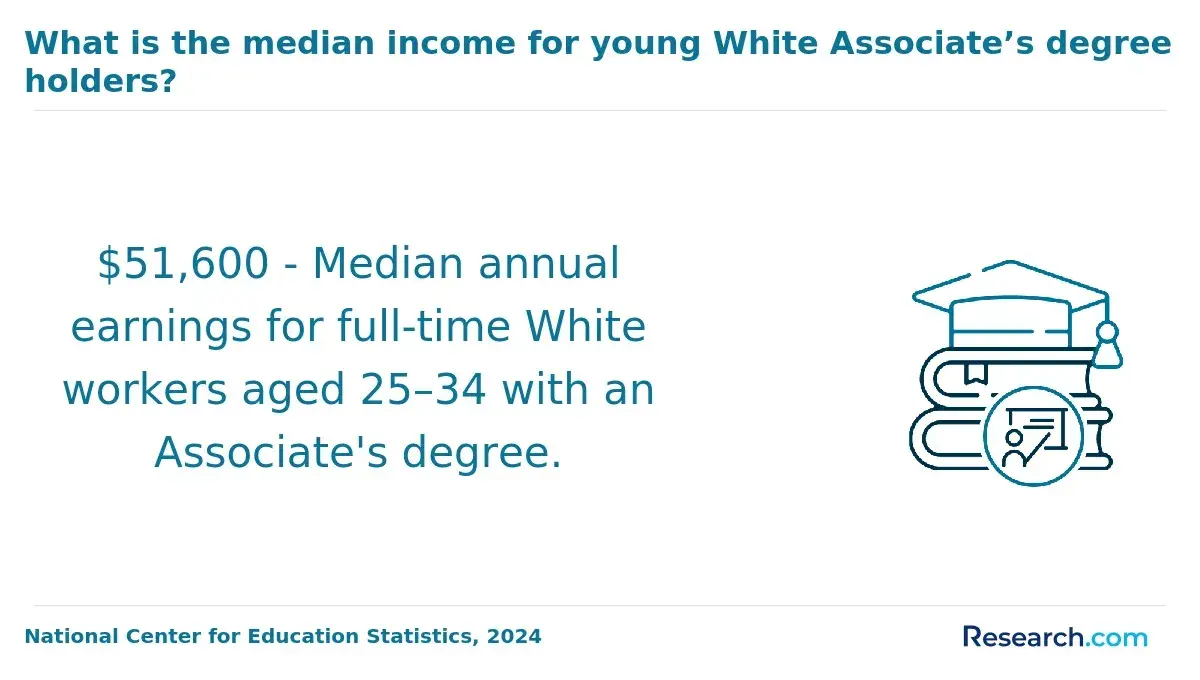
Online project management degrees with an emphasis on budgeting require candidates to have a robust academic background and relevant experience to navigate the complexities of financial controls. Programs typically expect a bachelor's degree from an accredited institution, with a GPA threshold often between 2.5 and 3.0. Some admit applicants holding an associate degree if supplemented by extensive project management experience in fields like IT or construction, where budget accuracy directly impacts outcomes.
Applicants must submit detailed documentation including transcripts, recommendation letters, and a statement of purpose addressing their budgeting experience and career goals. Professionals looking to reposition themselves or deepen expertise benefit from credentials such as CAPM or PMP, which can reduce prerequisite burdens-an important consideration in sectors like healthcare or manufacturing where funding scenarios vary widely.
International students face added requirements, including English proficiency tests like TOEFL or IELTS, to ensure comprehension of specialized financial terminology. Prerequisites often include coursework in statistics, accounting, or finance to verify readiness for advanced quantitative aspects of budgeting.
Choosing a program that integrates real-world project budgeting skills correlates with employability: median salaries for U.S. project managers hover around $103,000 per Lightcast data cited by the University of Kansas. However, candidates should anticipate potential delays due to prerequisite completion or document processing. Bridge courses in cost estimation can mitigate gaps for those without business training, streamlining progression through budget-intensive project management curricula.
How long do online project management degrees take and how much do they cost?
Completing an online project management degree with a focus on project budgeting typically spans 12 to 24 months, depending on enrollment intensity and program format. While accelerated options exist for professionals with experience, most master's programs average about two years to combine foundational project management knowledge with specialized budgeting and cost control skills. This balance is particularly vital in sectors such as construction, IT, and healthcare, where precise budgeting can determine project feasibility and funding.
Cost differences between online and on-campus formats are substantial. For example, Arizona State University charges $18,645 for its online master's in project management, contrasting with $23,868 for in-state and $47,157 for out-of-state on-campus tuition. This gap reflects a broader trend where online degrees can reduce financial strain, appealing to mid-career professionals seeking minimized debt and employer reimbursement pathways.
Employers emphasize practical competencies in budgeting software and financial risk assessment. Online offerings frequently integrate simulations and case studies to match on-campus rigor while providing flexible schedules essential for working adults. However, students must budget for supplemental expenses including textbooks, technology fees, and proprietary software licenses necessary to master industry tools.
Deciding between online and in-person paths requires consideration of access to peer networks and leadership development opportunities typically associated with on-campus cohorts. Nonetheless, for budgeting-focused project management roles, the online route offers time-efficiency and cost-effectiveness that align well with mid-career transitions and long-term employment continuity.
What careers can graduates pursue using project budgeting and financial management skills?
Project budgeting and financial management skills are decisive factors in roles such as project manager, cost estimator, or program controller, especially across industries like construction and IT where cost precision impacts project viability. For instance, a construction project manager must juggle fluctuating labor and materials costs amidst unforeseen site challenges, whereas an IT financial analyst leverages budgeting expertise to contain software development spending.
Employers place high value on this proficiency. Data indicates certified project professionals with strong budgeting acumen earn roughly 16% more than peers without those credentials. This wage premium corresponds with measurable reductions in cost overruns and enhanced capital allocation-key metrics in sectors intolerant of budget volatility.
Advanced financial skills open access to strategic roles such as portfolio managers and senior project controllers who oversee complex financial landscapes across multiple projects. Yet, ascending into these roles requires sustained experience with interpreting financial reports, vendor negotiations, and risk management to maintain budget adherence.
Tradeoffs include the need for continual skill refreshment as budgeting tools evolve and increased cross-department collaboration demands, alongside balancing certification efforts with work duties. Graduates who navigate these hurdles gain a practical edge in competitive job markets as strong budgeting capabilities concretely influence project success and organizational financial health.
What salary ranges and job outlook can project management graduates expect?
Starting salaries for project management graduates with budgeting coursework typically range from $65,000 to $85,000 annually, with mid-career earnings increasing to between $90,000 and $120,000. These figures vary significantly by industry; for instance, technology and construction sectors offer higher wages due to more complex budgeting requirements. The U.S. Bureau of Labor Statistics projects a 7% growth rate in management occupations through 2030, reflecting stable demand for professionals who can balance scope, time, and budget constraints effectively.
Salary outcomes are heavily influenced by the awarding institution. Data from FREOPP, cited by U.S. News, reveal that a master's in business/management with a project budgeting focus from higher-ROI schools like New York University can yield lifetime returns of about $256,000. In contrast, comparable degrees from less selective institutions such as Boston University may result in negative lifetime ROI of roughly -$160,000. This contrast highlights the need to critically assess program reputation alongside cost to avoid unsustainable debt for limited financial return.
Graduates' practical readiness matters for entry into regulated or mature-budget industries like healthcare or engineering. Certifications such as PMP and relevant internship experience have tangible effects on employability and compensation. Students should weigh choices by factoring in:
How can students evaluate and choose a reputable online project management program?
Choosing an online project management program without verifying accreditation and alignment with industry standards risks investing in credentials that employers may undervalue. Regional accreditation confirms academic quality, while affiliation with PMI or comparable professional bodies signals curriculum relevance to real-world practices. For instance, construction-focused candidates should prioritize courses emphasizing cost estimation software and risk forecasting, whereas IT project managers need training in agile budgeting paired with real-time reporting tools.
Graduate employment outcomes provide a tangible measure of program effectiveness. Programs with 70%+ placement in project management roles within six months demonstrate stronger employer recognition. Access to internships and employer-driven projects enhances applied skills beyond theoretical understanding. Faculty expertise is critical-educators must possess active industry experience, particularly in leveraging AI and data analytics for budgeting, to bridge the gap between knowledge and workplace application.
Working professionals must consider course flexibility and technology platforms, favoring asynchronous offerings and mobile-compatible interfaces that integrate with demanding schedules. Budgeting for total program costs requires attention to fees for necessary software and certification exam preparations beyond tuition. Additionally, programs updating curricula to reflect recent trends in data-driven budgeting reduce the risk of graduates encountering skill gaps in a rapidly evolving job market.
Other Things You Should Know About Project Management
Programs with budgeting coursework often include quantitative subjects like financial analysis and cost estimation, increasing the workload compared to general project management tracks. Expect more assignments involving spreadsheets, case studies with financial scenarios, and software tools like MS Project or specialized budgeting software. This requires stronger math and technical skills, so choose a program balancing practical budgeting exercises without overwhelming the core project management curriculum.
Employers evaluate budgeting skills based on demonstrated competency and experience more than the delivery mode of education. An online degree with rigorous budgeting coursework and verified practical projects can stand on equal footing with on-campus training. However, some employer sectors still prefer candidates with face-to-face interaction experience due to perceived collaboration and communication benefits. Candidates should ensure their online program includes real-world budgeting simulations or internships to bridge this gap.
Working professionals must balance flexibility with the intensity of budgeting coursework. Online programs offer scheduling freedom but budgeting classes tend to require consistent, focused time to master complex concepts like cost control and financial risk management. The opportunity cost includes longer study hours and potential delays in career advancement if the workload competes with job demands. It is advisable to select programs with modular or accelerated options to align learning pace with professional responsibilities.
References
- Project Management – Online Degree Pathway (240 Credits) - LCPS - London College of Professional Studies https://lcps.org.uk/product/project-management-online-degree-pathway/
- 7 Finance Degree Jobs to Pursue | DeVry University https://www.devry.edu/blog/finance-degree-jobs.html
- Project Manager Job Market 2026: Trends and Salary https://skillifysolutions.com/blogs/project-management/project-manager-job-market/
- The Project Manager Salary: What to Expect and How to Earn More https://www.icagile.com/resources/the-project-manager-salary-what-to-expect-and-how-to-earn-more
- Exploring the Value of a Project Management Degree https://xmind.com/blog/project-management-degree
- How to Select the Right Project Management Course for Your Needs? - Project Management Articles, Webinars, Templates and Jobs https://www.projecttimes.com/articles/how-to-select-the-right-project-management-course-for-your-needs/
- Online Master in Project Management | Rome Business School https://romebusinessschool.com/master-online-in-project-management/
- Best Career Options to Choose After Graduating in Finance https://www.fuserecruitment.com/blogs/best-career-options-to-choose-after-graduating-in-finance/
- Project Management Employment Statistics in Europe https://zoetalentsolutions.com/project-management-employment-statistics-in-europe/
- Project Budgeting & Cost Management Training Course https://oxford-management.com/course/project-budgeting-cost-management