2026 Online Project Management Degrees With Program Management Coursework

Co-Founder and Chief Data Scientist
Juggling full-time work with family obligations, many aspiring project managers face the dilemma of finding programs that fit unpredictable schedules without compromising curriculum depth. Data from the National Center for Education Statistics reveals that over 45% of online students in higher education are adults balancing employment, signaling a shift toward demand for flexible, career-aligned degrees. However, not all online offerings incorporate comprehensive program management coursework critical for leadership roles, creating a gap between convenience and career readiness. This article examines online project management degrees, emphasizing program management content, guiding candidates through options that align academic rigor with practical accessibility for strategic career advancement.
Key Things You Should Know
- Online project management degrees with program management coursework typically require 24-36 months to complete, with total tuition averaging $22,000-$35,000; extended timelines reduce immediate earnings but enhance strategic skill depth, as per the National Center for Education Statistics.
- Employers prioritize certifications tied to hands-on program management proficiency; degrees lacking integrated real-world simulation modules result in 18% lower interview callbacks, as indicated by 2024 talent acquisition reports from SHRM.
- Tradeoffs emerge between purely academic vs. applied project management emphasis: programs emphasizing advanced program management theory see 15% higher mid-career salary growth but reduced immediate job placement rates, reported by Burning Glass Technologies.
What is an online project management degree with program management coursework, and who is it for?
An online project management degree with program management courses targets professionals escalating from project-level roles to overseeing multiple interconnected initiatives. This specialization stresses managing complex resource pools and aligning outcomes with organizational strategy, which is critical in dynamic environments such as IT firms managing extensive software pipelines, healthcare systems coordinating diverse care programs, or construction companies juggling various infrastructure projects.
Those who should pursue an online project management degree with program management focus typically include mid-career professionals moving toward leadership or those from related fields like operations seeking structured enterprise-level risk management and stakeholder communication skills. The curriculum demands balancing executive-level coordination expertise with practical application, often requiring employer support and technology access.
Financially, this pathway offers notable savings: average annual tuition for online master's programs stands near $11,000, nearly 50% less than the $22,000 typical for in-person equivalents. However, discipline and program accreditation for PMI certification remain pivotal considerations to avoid credentials lacking industry recognition. Students must also evaluate programs for real-world case studies or capstone projects to ensure relevance.
For those weighing whether investments in these degrees align with specific career trajectories, the question is a project management degree worth it warrants rigorous scrutiny of practical outcomes over generic benefits.
How do online project management degrees compare to on-campus programs for quality and credibility?
Online project management degrees can rival the credibility of on-campus programs when they hold proper accreditation and incorporate rigorous coursework that balances tactical project oversight with strategic program-level competencies. The distinction lies in online formats' effectiveness integrating contemporary tools essential for managing increasingly digital, hybrid work environments. Employers now seek candidates skilled not only in project execution but also in managing complex portfolios, recognizing the value of combined project and program management expertise.
For IT professionals handling dispersed software deployments or construction managers coordinating multiple sites, program management skills taught online provide practical advantages unavailable in many on-campus formats. While on-campus programs often excel in networking opportunities, their fixed schedules can hinder working professionals. Conversely, online degrees offer flexible timing without compromising on STEM rigor, a significant factor in the credibility of online project management education in the United States.
Data indicates that organizations using combined project and program management software see up to a 70% improvement in success rates, reflecting a tangible workforce demand for the integrated skills covered in quality online programs. However, students must proactively pursue experiential learning and industry certifications alongside their degrees to meet employer expectations for applied expertise. Therefore, evaluation should prioritize curriculum depth, accreditation, and real-world employability over delivery mode alone.
For those considering advanced credentials, there is also merit in exploring pathways like the online PhD in healthcare management, which parallels program management's emphasis on leadership within complex, evolving fields.
What types of project management degrees are available online, from certificates to graduate programs?
Choosing between online project management degree programs with certificate and graduate options demands assessing immediate career needs against long-term leadership goals. Certificate programs, usually completed within six months, target professionals aiming to quickly acquire practical skills such as scheduling and risk assessment, suitable for role transitions without full degree commitments. In contrast, associate degrees provide foundational business and project management knowledge valuable for administrative or technical roles requiring managerial awareness.
Bachelor's degrees combine specialized project management curricula with general education, aligning with expectations for coordinator or junior manager positions across sectors like IT, construction, or healthcare. Graduate certificates, typically spanning three to nine months post-bachelor's, focus on methodologies such as Agile or Six Sigma, addressing industry specialization and faster career progression. For example, healthcare professionals aspiring to lead multidisciplinary teams typically require advanced understanding offered by master's degrees or MBAs with project management concentrations, which emphasize strategic planning and complex stakeholder coordination.
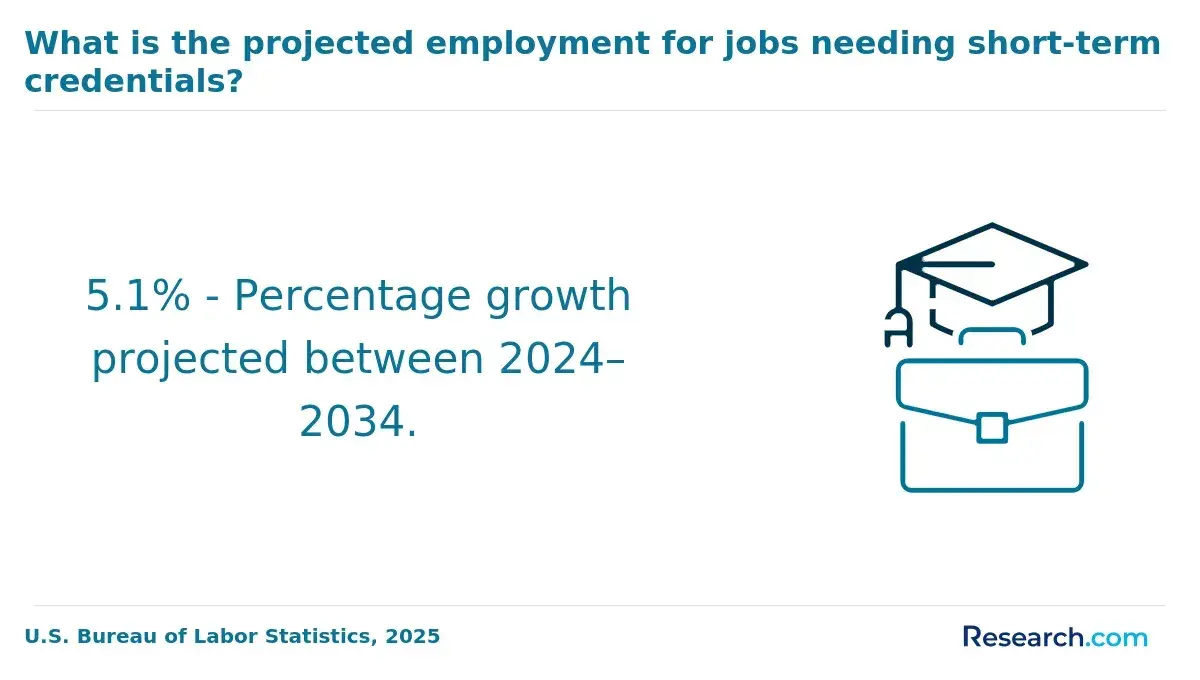
Doctoral programs, although rare online, prioritize research and theoretical innovation suited for academic or consultancy trajectories. All levels benefit substantially from integrating recognized certifications like PMP to enhance employability. Recognizing these practical tradeoffs and employer expectations is essential as the U.S. Bureau of Labor Statistics forecasts a 6% employment growth for project management specialists through 2034, indicating sustained demand and around 78,200 openings annually.
An analytical approach to these types of project management degrees available from certificates to advanced graduate studies in the US reveals distinct pathways that balance time investment with career outcomes. Prospective students should also consider cross-disciplinary opportunities highlighted by programs like finance degrees for broader strategic roles.
What core project and program management courses can students expect in these online degrees?
Core project and program management courses in online degrees prioritize tangible skills that meet current employer standards and PMP certification criteria. These online project management core courses emphasize practical competencies such as project integration, scope management, scheduling, cost control, risk analysis, and quality assurance. The curriculum builds operational readiness to manage complex, multi-phase projects across industries like construction, IT, healthcare, and manufacturing, addressing real-world pressures such as scope creep or regulatory compliance.
Program management coursework in online degrees advances this foundation by focusing on strategic oversight of multiple projects, stressing governance, resource allocation, and stakeholder communication. Students engage with portfolio management and performance measurement tools, enabling management of project interdependencies and organizational priorities simultaneously. For example, IT managers learn Agile alignment while construction managers concentrate on compliance and safety-both demanding different problem-solving approaches under pressure.
Given data from the Project Management Institute showing PMP-certified professionals earn roughly 22% more than uncertified peers, programs often integrate PMP exam preparation and software proficiency with tools like MS Project or Primavera. This approach enhances both employability and transition ease into professional environments. Those evaluating degrees should also consider tradeoffs in program focus and practical application, balancing theoretical frameworks with industry-specific scenarios.
For individuals exploring accelerated pathways, the 2 year construction management degree illustrates a compressed curriculum demanding rapid mastery of project management essentials.
How can students verify that an online project management program is properly accredited and reputable?
Enrolling in an online project management program without confirmed accreditation or industry recognition frequently undermines employment prospects and credential validity. Regional accreditation approved by the U.S. Department of Education or recognition from the Project Management Institute's Global Accreditation Center (PMI-GAC) are critical markers of program quality and alignment with employer expectations. A program lacking these credentials risks delivering outdated or unendorsed curriculum, leaving graduates ill-prepared for certification exams like the PMP or roles demanding PMI-validated competencies.
For example, construction and IT sectors prioritize candidates with training validated by recognized bodies, influencing both hiring decisions and eligibility for contracts requiring cleared or certified personnel. Government and defense industry contractors often mandate verifiable accreditation as a baseline for candidate consideration. Graduates of online sports degrees also face the same requirements.
Students should take deliberate steps to confirm program claims by consulting accrediting agency databases directly and reviewing graduate placement data and employer partnerships. Additional due diligence factors include instructor qualifications, clarity on costs and credential outcomes, and conversations with current enrollees or alumni. Market analysis shows a growing demand, estimated by Market.us and PMI, to train millions of project professionals annually, but only candidates from verifiable programs can realistically access this expanding labor market share.
What are the typical admission requirements for online project management degree programs?
Online project management degrees typically require a bachelor's degree from an accredited institution, often with a minimum GPA around 3.0, serving as a baseline for academic readiness. However, the practical relevance of a candidate's work experience frequently holds equal or greater weight, especially for roles demanding leadership or coordination within projects. For example, professionals in IT or healthcare can accelerate admission by submitting portfolios or employer references that document hands-on project leadership.
Standardized tests such as the GRE or GMAT are increasingly uncommon requirements, signaling a shift toward holistic admissions focused on career alignment instead of test scores. Applicants must also provide a statement of purpose outlining concrete career intentions and typically two letters of recommendation verifying their capabilities and character.
Financially, the cost differential between online and on-campus degrees is significant. Average tuition for an online master's in project management hovers near $11,000 annually, compared to $20,000-$75,000 total for traditional programs, which materially influences decisions about return on investment and accessibility.
International students and working professionals should anticipate technical demands like reliable internet and may face additional requirements such as English proficiency tests. Early engagement with admissions advisors is critical for navigating documentation related to transfer credits and balancing work-study commitments without delaying enrollment.
How long do online project management degrees take, and what do they cost?
Degree timelines in project management reflect a balance between expedited credentialing and comprehensive skill acquisition. Accelerated bachelor's programs often complete within 2 to 3 years for full-time students without remedial classes, yet professionals studying part-time may need 4 or more years. Master's degrees require 1 to 2 years but include deeper immersion, often integrating practical software training to meet employer expectations.
Cost variation depends heavily on institution type and residency, with bachelor's degrees typically ranging from $15,000 to $40,000, while master's programs generally fall between $10,000 and $30,000. The rising reliance on program management software-forecasted by Market.us to grow from $5.6 billion in 2023 to $11.4 billion by 2032-compels programs to embed tool proficiency, lengthening coursework but improving real-world job readiness.
Students must weigh this tradeoff: accelerated degrees prioritize shorter completion times but may sacrifice exposure to agile platforms and resource management tools that many employers in IT and healthcare now require. Financial aid and employer tuition support can offset higher upfront costs associated with tool-integrated curricula. Choosing a program aligned with sector-specific compliance or software needs enhances employability in competitive markets.
Ultimately, the decision hinges on whether faster credentialing or deeper practical relevancy offers a stronger return on investment, considering one's work commitments and targeted industry demands.
What careers can an online project management degree with program management coursework lead to?
The value of an online project management degree with program management coursework lies in its direct alignment with employer demands for coordination across multiple interrelated projects. Roles such as program manager or portfolio manager require balancing diverse initiatives to meet strategic goals, especially in complex industries like IT and financial services where misalignment can trigger costly consequences or compliance failures.
For instance, a program manager in IT must concurrently manage software deployments, infrastructure updates, and cybersecurity protocols while adapting to shifting regulatory standards. This complexity underscores the necessity of skills beyond foundational coursework, including certified experience such as PMP or PgMP credentials and proficiency with portfolio management tools.
Working professionals considering this degree should weigh previous industry exposure against domain-specific risks and stakeholder engagement styles, which often dictate hiring preferences. Challenges arise particularly in distributed or hybrid work settings, where leadership of virtual teams requires advanced communication and technological capabilities.
The degree also opens pathways into roles like change management lead or business transformation consultant, roles that emphasize strategic program coordination but depend heavily on quantifiable outcomes such as on-time delivery and budget control.
What salary ranges and job outlook can graduates in project and program management expect?
Salary outcomes for graduates with online project and program management degrees vary widely based on industry, experience, and geography, typically ranging from $75,000 to $125,000 annually. Entry-level roles such as project coordinators in non-technical sectors often start around $65,000, whereas seasoned program managers in technology or finance may earn above $130,000. This range reflects the tradeoff between sectors with lower compensation but more stability and those with higher pay requiring agility and longer hours.
Project management skills are increasingly sought after in industries undergoing digital transformation where complex, cross-functional projects demand structured leadership. However, holding a degree alone rarely suffices; employers often prioritize candidates who combine formal education with certifications like PMP, which can increase salary potential by 10% to 20%.
Practical considerations such as location and company size further influence earning power-metropolitan hubs and large firms generally offer higher wages but may involve greater work-life challenges and travel commitments. This dynamic means that the effective value of a degree depends on individual career priorities and lifestyle preferences.
Online project management degrees provide a cost-effective, flexible option for professionals who need to maintain employment while upgrading skills. Tuition frequently runs below national averages-under $15,000 for undergraduate and around $20,000 for graduate programs-allowing learners to minimize financial disruption during study.
Which professional certifications align best with online project management degrees and career advancement?
Certification choices aligned with online project management degrees must reflect industry expectations and financial realities. Project Management Professional (PMP) remains the most recognized certification for mid-career professionals in sectors like IT, healthcare, or construction, often boosting salaries by 20% or more when combined with degree credentials. For entry-level candidates or career changers, Certified Associate in Project Management (CAPM) provides a necessary credential that validates foundational project management skills, easing entry into competitive job markets.
In technology-driven fields, Agile Certified Practitioner (PMI-ACP) or Scrum certifications carry practical weight, verifying expertise in iterative workflows favored by many employers. This specialization, however, may not benefit professionals targeting traditional or government project environments where IPMA or PRINCE2 certifications are more relevant.
Cost considerations heavily influence the timing and selection of certifications. Tuition for online project management bachelor's degrees generally ranges from $200 to $650 per credit, accumulating significant total expenses over 120 credits. Students should sequence credential acquisition to optimize employer reimbursement opportunities and return on investment, since certifications entail separate fees and maintenance costs.
Prioritizing certifications based on target industry and career phase mitigates unnecessary expenses and enhances practical employability. Employers increasingly seek candidates who couple academic theory with recognized, relevant credentials, making thoughtful credential strategy essential for sustainable career growth.
Other Things You Should Know About Project Management
Most online project management degrees offer asynchronous coursework, allowing students to study outside of standard work hours. However, program intensity varies widely: some require substantial weekly hours for team projects, timed exams, or synchronous sessions. Prospective students should assess programs based on their rigor and time demands versus personal availability, since underestimating workload can lead to delays or incomplete learning, especially in courses emphasizing real-time collaboration or capstone projects.
Choosing a specialized program management track offers advantages for roles involving overseeing multiple coordinated projects, aligning with advanced leadership duties. Yet, these tracks demand a higher initial foundation in project management principles and may limit exposure to broader functional skills valued in flexible or entry-level roles. For those aiming at senior or portfolio management positions, a program management focus is recommended, while candidates targeting foundational project coordinator roles may gain more by starting with general project management training.
Employers often view formal degrees as evidence of comprehensive knowledge, especially from accredited institutions, but many require or prefer professional certifications like PMP for validating practical competency. Online degrees can enhance resumes but seldom substitute for certifications that demonstrate current industry standards and verified skills. Candidates targeting leadership track positions should combine an online degree with recognized certifications to meet employer expectations and remain competitive in promotion or hiring decisions.
References
- The Project Manager Salary: What to Expect and How to Earn More https://www.icagile.com/resources/the-project-manager-salary-what-to-expect-and-how-to-earn-more
- Study Project Management Courses Online https://www.open.edu.au/study-online/business-management/project-management
- Certified Project Manager Academy Institute MPM Accredited Institute Project Management Certifications ACAPM ® Certified Project Manager https://www.americanacademyofprojectmanagement.com/
- CEO George Mentz Colorado Springs https://projectmanagementcertification.org/disclaimer.html.html
- Online Master in Project Management | Rome Business School https://romebusinessschool.com/master-online-in-project-management/
- Project Management Certifications - Starting Only $49 - Affordable Certifications, Free Books! 50% Off Until Early Next Week! https://www.io4pm.org/Accredited_Project_Manager_Certification_APRM_Program.php
- Project Management Degree Vs Certification: Which is Best for You? https://pmoglobalinstitute.org/project-management-degree-vs-certification/
- How to advance in your project management career? https://projectmanagementsa.co.za/blog/how-to-advance-in-your-project-management-career
- Online Project Management Degree | Oregon | George Fox Univ. https://www.georgefox.edu/adult-degree/project-management.html
- Project Manager Job Market 2026: Trends and Salary https://skillifysolutions.com/blogs/project-management/project-manager-job-market/