2026 Best Online Project Management Degrees for SaaS Delivery Careers

Co-Founder and Chief Data Scientist
Facing the pressure to master SaaS delivery complexities while balancing work and personal commitments, many aspiring project managers struggle to identify flexible, credible online degrees that align with evolving employer expectations. The National Center for Education Statistics reports a 12% growth in adult learners enrolling in fully online bachelor's programs since 2022, reflecting a shift toward accommodating nontraditional schedules but also intensifying competition for high-impact curricula.
This trend indicates that program accessibility alone no longer suffices; students must critically evaluate how specific degrees integrate practical SaaS-focused competencies and industry-standard tools. This article evaluates the best online project management degrees tailored for SaaS careers, helping readers make informed choices based on real-world applicability, scalability, and career mobility.
Key Things You Should Know
- Graduates from online project management programs with SaaS concentration face a 15% average salary premium within two years, per 2024 BLS data, but program specialization narrows employer recruitment pools, limiting geographic mobility.
- Employers increasingly require demonstrated familiarity with Agile and DevOps frameworks in project management roles, making degrees without integrated practical SaaS delivery components less competitive, according to the 2024 PMI Job Growth Report.
- Cost and program duration significantly impact mid-career pivots: median tuition for accredited online degrees ranges from $18,000 to $40,000 with completion times varying from 12 to 36 months, affecting earn-while-learn feasibility.
What is an online project management degree for SaaS delivery, and who is it best for?
Online project management degree for SaaS delivery careers demand close alignment between technical fluency and leadership in fast-paced software release environments. Unlike generic project management programs, these curricula focus intensely on managing cloud-native projects and coordinating distributed teams operating across multiple time zones. This specialization requires proficiency with tools like Jira and Git and the ability to mediate between product owners and engineering groups balancing rapid iterations with quality control.
Employers increasingly seek professionals who can both lead cross-functional teams and understand the technical nuances essential to continuous integration and deployment pipelines. Recent market data shows a 14% surge in IT and software development project management job openings, reflecting rising demand for these hybrid skills. For working professionals transitioning from traditional roles, the challenge lies in acquiring cloud infrastructure knowledge and mastering asynchronous collaboration workflows.
Those without a software background should anticipate a steep technical learning curve, often necessitating supplementary coursework or practical experience through internships or capstones. Programs lacking these experiential components risk graduates being unprepared to quantify delivery metrics or manage iterative frameworks effectively. For aspiring SaaS professionals, selecting the best online project management programs for SaaS professionals means prioritizing hands-on, industry-relevant training over purely theoretical study.
For a broad overview of educational options aligned with such outcomes, resources like online business schools provide valuable guidance on accessible, specialized degree paths.
Which accredited online project management programs are best for SaaS delivery careers?
Project management programs tailored for SaaS delivery careers must move beyond foundational principles to embed software-specific lifecycle knowledge, particularly Agile, Scrum, and DevOps methodologies that define SaaS release cycles. Selecting accredited online project management degrees for SaaS professionals requires scrutiny of program relevance-candidates should prioritize curricula recognized by bodies like the PMI Global Accreditation Center (PMI GAC) and verified by faculty with active SaaS delivery experience. Such alignment equips graduates to navigate challenges like continuous deployment pipelines and cloud technology governance, which are often underemphasized in generic project management tracks.
Without targeted exposure to SaaS-specific constraints, graduates risk misalignment with employer expectations, especially around vendor management and remote team coordination common in distributed SaaS environments. Hiring managers increasingly expect practical competencies demonstrated through case studies or internships embedded within programs. This is vital as the U.S. Bureau of Labor Statistics forecasts a 6% growth in project management roles by 2032, fueled largely by software and information services sectors.
Prospective students assessing best online project management programs for SaaS delivery roles should confirm the following:
- Program accreditation by PMI GAC or regional bodies.
- Curriculum integration of Agile, Scrum, and DevOps frameworks.
- Faculty with SaaS or software delivery backgrounds.
- Opportunities for applied learning including internships or case studies.
For those pursuing cost-effective education pathways, evaluating options through resources such as this online business degree guide can provide valuable financial context alongside program quality considerations.
How do online project management degrees compare with on-campus options for SaaS-focused students?
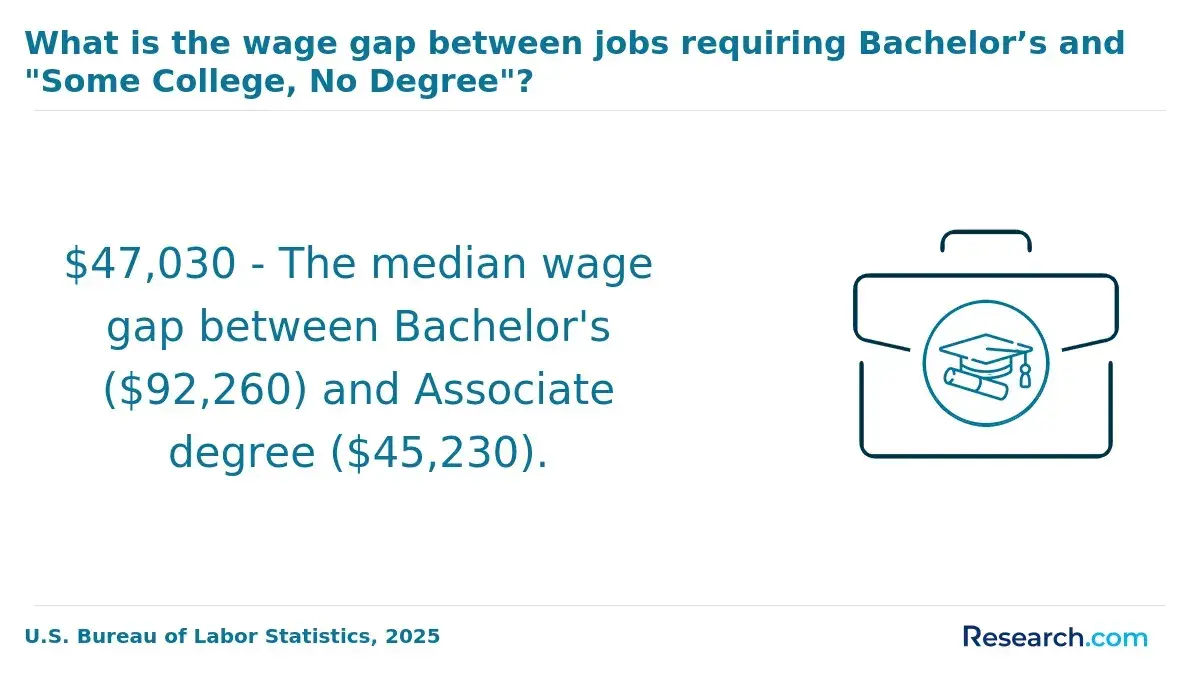
Online project management degrees versus on-campus programs reveal a clear operational tradeoff for SaaS students focused on balancing employment with education. For example, City University of Seattle alumni report median earnings of $88,228, placing online bachelor's graduates in the 94th percentile nationally per OnlineU's 2026 data. This challenges traditional assumptions that on-campus attendance inherently unlocks superior salary prospects or employability.
Advantages of online project management education in SaaS careers include flexible scheduling that permits parallel professional experience, which employers prioritize over classroom presence. Working on real SaaS initiatives during study cultivates hands-on expertise with Agile, Scrum, and collaborative cloud tools-skills vital for managing distributed teams and complex delivery workflows across time zones.
At the same time, online pathways lack spontaneous networking and mentorship typical of campus environments-elements that can accelerate career progression in collaborative SaaS settings. Students must therefore actively pursue virtual communities or industry events to bridge this gap. Employer preferences for regionally accredited credentials also remain a factor, reinforcing the need to verify program recognition.
Professionals targeting swift advancement within SaaS project roles often find the online format's blend of rigorous curriculum and real-world integration strategically beneficial. Conversely, on-campus study may better support those pursuing leadership pathways reliant on direct campus engagement or specialized electives unavailable online. For practical decision-making, real return on investment and applied skills typically outweigh the on-campus versus online dichotomy.
Prospective students evaluating the cheapest online master's in project management options can consult resources to identify programs aligning with their goals and employer expectations.
What accreditation and quality standards should SaaS-focused project management programs meet?
Accreditation standards for SaaS-focused project management degrees go beyond general program approval; they ensure curricula deliver practical competencies tailored to SaaS's unique demands. Bodies like the Accreditation Council for Business Schools and Programs (ACBSP) and Project Management Institute's Global Accreditation Center (PMI-GAC) set benchmarks including agile methodologies, SaaS-specific risk mitigation, and communication with technical stakeholders. Employers emphasize these credentials because they align with the rapid delivery cycles and continuous iteration that characterize SaaS product development.
Quality criteria for online project management programs in SaaS delivery require integration of applied technical knowledge, such as cloud collaboration tools and software lifecycle management, rather than just theory. Programs missing hands-on labs or case studies on SaaS deployment risk graduating candidates unprepared for critical challenges like iterative releases and crisis resolution. This practical focus shapes readiness for real SaaS environments where responsiveness and technical fluency matter.
Cost remains a limiting factor: online bachelor's degrees in project management average about $595 per credit, roughly 21% above the national average for online bachelor's programs. Candidates must balance this premium against potential outcomes including verified employer satisfaction and graduate employment rates-data points essential to gauge return on investment. Programs lacking transparency here may indicate weaker industry ties or outdated content, affecting employability in SaaS roles that demand agility and practical expertise.
Prospective students weighing the best path can explore pathways like the fastest online project management degree options, which might better align with workforce entry timing without compromising the quality criteria for online project management programs in SaaS delivery.
What courses and specializations prepare online students for SaaS delivery roles?
Online programs targeting SaaS delivery roles must prioritize skills in agile frameworks, cloud architecture, and stakeholder alignment, reflecting real-world demands where iterative releases and continuous integration dominate. Candidates without fluency in scrum, Kanban, and DevOps typically struggle to advance in SaaS project leadership, especially as organizations increasingly rely on multi-tenant cloud platforms and API-driven integrations to manage risk and complexity.
Practical experience with tools like Jira, Confluence, and cloud providers (AWS, Azure, Google Cloud) is a non-negotiable requirement for employers focused on performance monitoring and data-driven decision-making. For instance, a student completing a cloud services module gains an edge managing vendor constraints and technical dependencies compared to traditional project managers.
Demand projections from PMI's 2024 report estimate a shortfall of 25 million project professionals by 2030, disproportionately impacting IT and SaaS sectors. This labor gap demands curricula that extend beyond foundational Project Management to embed software-specific risk assessment and compliance frameworks such as SOC 2 and GDPR.
Students should evaluate programs offering capstone projects simulating full SaaS product launches, as these mirror cross-functional coordination challenges intrinsic to customer success and product lifecycle roles. Prioritizing programs emphasizing hands-on continuous delivery pipelines and change management over purely theoretical content aligns better with employer priorities in SaaS project leadership.
What are the typical admission requirements for online project management degrees in the U.S.?
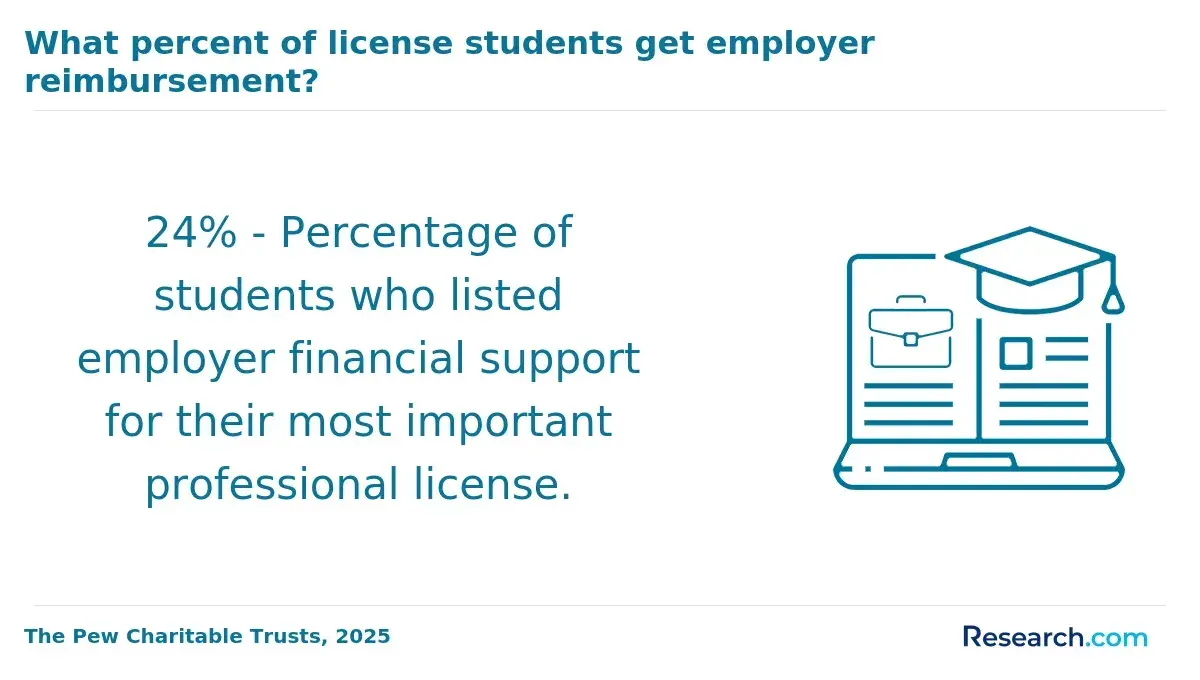
Applicants pursuing online project management degrees in the U.S. face a selective process reflecting employer demand for leadership beyond academic credentials. A bachelor's degree from an accredited school with a 2.5 to 3.0 GPA minimum forms the baseline, but admissions increasingly weigh professional experience managing projects, especially in SaaS and agile environments, above test scores like the GRE or GMAT. Practical leadership aptitude-documented through detailed resumes and letters of recommendation-often determines acceptance more than quantitative exam results.
Standardized tests remain common, but many programs waive them for candidates demonstrating five or more years in project or product roles, reflecting the real-world premium on industry-relevant skills. Non-native English speakers must address communication capabilities via TOEFL or IELTS, ensuring remote leadership proficiency. Digital literacy and time management assessments further gauge suitability for the demanding online format, with missing recommendations or test submissions frequently leading to rejection.
This screening aligns with outcomes such as those seen in New York University's online project-management MBA graduates, whose median earnings exceed $220,000, demonstrating how admissions rigor filters for candidates likely to leverage advanced credentials into high-salary SaaS positions. Prospective students should carefully evaluate the tradeoffs: extensive documentation and professional experience increase application complexity but also correlate with stronger workforce outcomes in technical project leadership roles.
How long do online project management degrees take, and what do they cost?
Completing an online project management bachelor's degree generally requires about four years of full-time study, totaling roughly 120 credits. While accelerated paths and credit transfers can shorten this timeline, employers especially in SaaS delivery expect candidates to combine formal education with industry certifications and relevant experience for tangible career impact.
Cost varies significantly, with tuition ranging from $10,000 to $35,000 annually, influenced by institution type and residency status. At an average credit cost near $595, the total expense can approach $71,400 without aid. Many working professionals must carefully balance the financial investment with time commitments, often choosing between part-time programs that extend up to six years or full-time accelerated options demanding intense weekly workloads.
Consider a full-time employee in SaaS delivery who opts for a part-time schedule: paying roughly $15,000 annually over six years results in a $90,000 total cost but preserves consistent income flow. This slower path delays full credential acquisition, potentially limiting immediate upward mobility in competitive markets.
- Four years standard, accelerated or transfer options available
- Tuition between $10,000 and $35,000 per year, averaging $595 per credit
- Part-time extends duration and total cost but maintains job stability
- Employers value certifications alongside degrees for SaaS roles
Aligning study schedule, financial resources, and credential timelines with career goals is essential to optimize the practical returns from project management education, especially in fast-evolving SaaS environments.
What SaaS delivery jobs can you get with an online project management degree?
Securing roles in SaaS delivery through an online project management degree requires more than academic credentials; it demands fluency in agile frameworks, cloud deployment, and iterative client-focused release cycles. For instance, a SaaS product manager must coordinate cross-functional teams to deliver continuous updates while ensuring uptime and regulatory compliance-a task requiring advanced organizational and technical planning skills.
Key employer expectations include practical experience with tools like Jira, Confluence, and DevOps pipelines, alongside budget and risk mitigation capabilities. Candidates often face a skills gap between theoretical training and the rapid innovation typical of SaaS environments. Supplementing a degree with certifications such as Agile Scrum Master or SAFe can bridge this divide, emphasizing verifiable delivery outcomes over just coursework.
Workforce data show significant demand, illustrated by Southern New Hampshire University Online's 3,283 graduates in its online MBA in project management, reflecting sustained hiring appetite. Yet, navigating multi-team communications and client feedback loops highlights the need for adaptability beyond entry-level competencies.
- Strong organizational and cloud project planning skills are essential.
- Measurable delivery results outweigh academic credentials alone.
- Certifications add practical relevance to theoretical foundations.
Understanding these practical tradeoffs helps prospective students evaluate whether a purely academic pathway aligns with the fast-paced SaaS project environments employers prioritize.
What is the salary potential and job outlook for SaaS project management careers?
Salaries for SaaS project management roles vary substantially based on experience, company size, and geography, with median annual pay typically ranging from $85,000 to $135,000. Entry-level positions start near $75,000 but can exceed $110,000 within three years, especially in regions like the West Coast where demand and skill requirements elevate compensation. Practical expertise in SaaS delivery and relevant certifications significantly impact earning potential.
The labor market for SaaS-focused project managers is expanding at an estimated 12% growth rate through 2030, driven by corporate cloud adoption and the shift toward subscription-based software models. Success in these roles hinges on understanding complex SaaS product lifecycles, coordinating cross-functional teams, and mastering agile frameworks that support continuous delivery rather than traditional waterfall methods.
Certifications such as the Google Project Management Professional Certificate provide important foundational credentials but are generally insufficient alone. Employers expect candidates to demonstrate hands-on knowledge of cloud platforms, basic coding, and effective stakeholder communication. This combination directly influences career trajectory and salary advancement.
Ongoing education and rapid adaptation to new tools and methodologies remain essential. Without consistent upskilling, professionals risk stagnation in salary and limited mobility within this increasingly competitive field.
How can you choose a reputable online project management program aligned with SaaS careers?
Choosing an online project management program demands scrutiny beyond surface credentials. Employers in SaaS environments typically favor candidates with formal certifications like PMP or PMI-ACP combined with demonstrated familiarity managing iterative product releases and cross-functional tech teams. This specialization is critical, as generic project management programs often fail to address industry-specific practices such as Agile frameworks, DevOps integration, and cloud collaboration tools.
Verify that your chosen program holds regional accreditation recognized by the U.S. Department of Education to ensure credential legitimacy and employer acceptance. Programs that incorporate preparation for PMP or PMI-ACP certification usually provide measurable salary benefits-PMP-certified professionals, for instance, earn approximately 16% more globally and over 30% more within the U.S., according to the Project Management Institute's 2024 salary survey.
Decide based on program design that suits your work-life reality. SaaS project roles depend heavily on real-time collaboration, so cohort-based or synchronous classes often translate better to workplace demands than purely asynchronous formats. Curriculum with SaaS-specific case studies or capstone projects significantly enhances skill transferability compared to generic project work.
Review career services critically: effective pipelines into cloud software firms or tech employers can distinguish programs that simply grant certificates from those enabling meaningful employment transitions. Finally, weigh tuition costs and time commitments against tangible salary increases to determine if the investment aligns with your financial and professional goals.
Other Things You Should Know About Project Management
Online project management degrees demand consistent weekly effort akin to a part-time job, often requiring 10-15 hours outside of live sessions for readings, projects, and group work. Balancing this with a full-time SaaS delivery role requires disciplined time management and may limit immediate work availability for complex projects. Students should prioritize programs with asynchronous content and flexible deadlines to maintain performance at work while still mastering core competencies necessary for career advancement.
Employers value certifications like PMP or Agile-specific credentials as proof of practical skills and industry standards adherence, often favoring them for mid-level roles. However, online degrees provide broader strategic understanding and leadership preparation, essential for senior positions or roles involving cross-functional coordination. The best career move combines a recognized certification with an online degree to demonstrate both tactical proficiency and strategic perspective valued in SaaS project management.
Networking is often limited in fully online project management degrees compared to on-campus options, impacting access to peer insights and industry connections needed in SaaS roles. Prospective students should evaluate programs that integrate live cohort interactions, mentorship, or partnerships with SaaS companies to bridge this gap. Prioritizing programs with active alumni networks and virtual industry engagement increases exposure to hiring managers and peers, critical for successful transitions or growth in SaaS project management careers.
References
- Online Degree vs. Traditional: Choosing the Right Path https://beal.edu/online-degree-vs-traditional/
- Project Management Standards: Overview, comparison and certifications https://www.2dc.one/entrepreneur-magazine/project-management-standards-everything-you-need-to-know/
- A Guide to SaaS Project Management https://www.ganttic.com/blog/saas-project-management
- How to Become a Project Manager: Degree, Certifications https://www.business.com/articles/how-to-become-a-project-manager/
- How To Become a Project Manager in 2025: Steps and Education https://productive.io/blog/how-to-become-a-project-manager/
- 15 Best e-Learning Platforms for 2026 | Top e-Learning SaaS https://rtoresources.eskilled.com.au/blog/15-best-elearning-platforms-complete-guide/
- I Ranked the Best SaaS for Project Management in 2026 https://project-management.com/project-management-saas/
- SaaS Training: Courses and Programs You Can Try https://academyocean.com/blog/post/saas-training-courses-and-programs-you-can-try
- The 9 Best Project Management Qualifications in 2025 | Project Management https://www.icslearn.co.uk/blog/management/the-9-best-project-management-qualifications/
- Inside Online Master’s in Project Management: Review Top Programs https://www.onlinemastersdegrees.org/best-programs/business/project-management/