2026 Project Management Specializations for Agile Project Careers

Co-Founder and Chief Data Scientist
Facing a shift to agile delivery models, many project management professionals struggle to identify which specialized skills will secure advancement and adaptability amid evolving employer demands. With 67% of employers increasing investment in agile frameworks, according to a 2024 PMI workforce trends report, the urgency to align one's expertise with targeted specializations grows. However, flexible enrollment formats dominate the growing educational landscape, with the National Center for Education Statistics noting a 35% rise in adult learners choosing online options since 2023, revealing a preference that influences timing and program selection. This article examines key agile project management specializations, enabling informed decisions that optimize career trajectory within this competitive sector.
Key Things You Should Know
- Agile certifications with niche focuses on digital transformation deliver 27% higher mid-career salaries but extend upskilling time by six months on average, creating a tradeoff between earning delay and income gain, per PMI 2024 data.
- Employers increasingly prioritize candidates with hybrid agile-specializations integrating data analytics skills, with 62% of hiring managers citing this blend as critical for leadership roles, driving uneven workforce demand across industries.
- Access to affordable, accredited agile specialization programs varies widely by state, with cost disparities reaching up to 40%, affecting career pivot feasibility, especially for mid-career professionals balancing opportunity costs, according to NCES 2024 surveys.
What are the most in-demand project management specializations for agile-focused careers?
Agile project management specializations in the United States must now balance technical agility with leadership that spans diverse teams and functions. Certified Scrum Masters and Agile Coaches continue to dominate demand due to their role in driving iterative delivery and improving responsiveness-particularly in sectors like software development and fintech. According to Zippia's 2026 statistics, 52% of organizations have adopted at least one Agile framework, signaling widespread shifts favoring expertise in Scrum, Kanban, and Lean Agile principles.
For candidates targeting top agile project management career tracks in North America, hybrid skills are increasingly valuable. Combining Agile Project Manager capabilities with knowledge in data analytics or DevOps enhances opportunities, especially in tech-heavy environments where managing distributed teams and complex collaboration tools is routine. Agile Transformation specialists equipped with knowledge of SAFe or LeSS frameworks address resistance in large organizations, particularly in healthcare or multinational settings.
Practical pathways for entering these roles often involve tradeoffs between broad agile certification and deeper specialization. Quality Assurance roles focusing on continuous integration demand agility in testing strategies amid fast deployment cycles. Prospective students should evaluate programs with real-world rigor in mind and consider pursuing the cheapest online business degree options to manage costs while acquiring versatile skills that meet employer expectations.
How do agile project management careers differ from traditional project management roles?
The differences between agile and traditional project management careers are rooted in contrasting operational philosophies and workforce expectations. Agile project management demands continual stakeholder interaction, iterative planning, and adaptability to changing requirements. This often suits technology and product development fields where rapid delivery and team autonomy are prioritized. In contrast, traditional project management typically relies on fixed schedules and linear phases validated through upfront planning, frequently seen in sectors like healthcare or construction.
Key skills required for agile project management roles include proficiency in frameworks such as Scrum, Kanban, or SAFe, alongside soft skills like emotional intelligence, servant leadership, and conflict resolution. Agile professionals must evolve from command-style supervision to facilitation and team coaching, supporting rapid decision-making within short sprint cycles. This transition represents a significant mindset and competency shift compared to traditional roles that emphasize scope, budget, and schedule control through predictive methods like Waterfall.
For individuals evaluating educational pathways, understanding these distinctions is pivotal. Those aiming to pivot into agile roles should seek practical experience in sprint planning and retrospective facilitation rather than purely theoretical training. Additionally, the rising industry demand-evident in over one million SAFe certifications by 2023-reflects employer preference for candidates versed not only in technical frameworks but also in cross-functional communication.
Students should weigh costs and benefits, particularly when assessing construction and project management degree programs. Resources like the construction management degree cost are valuable for understanding financial commitments aligned with career objectives in fields where traditional practices prevail.
What education and experience do you need to become an agile project manager?
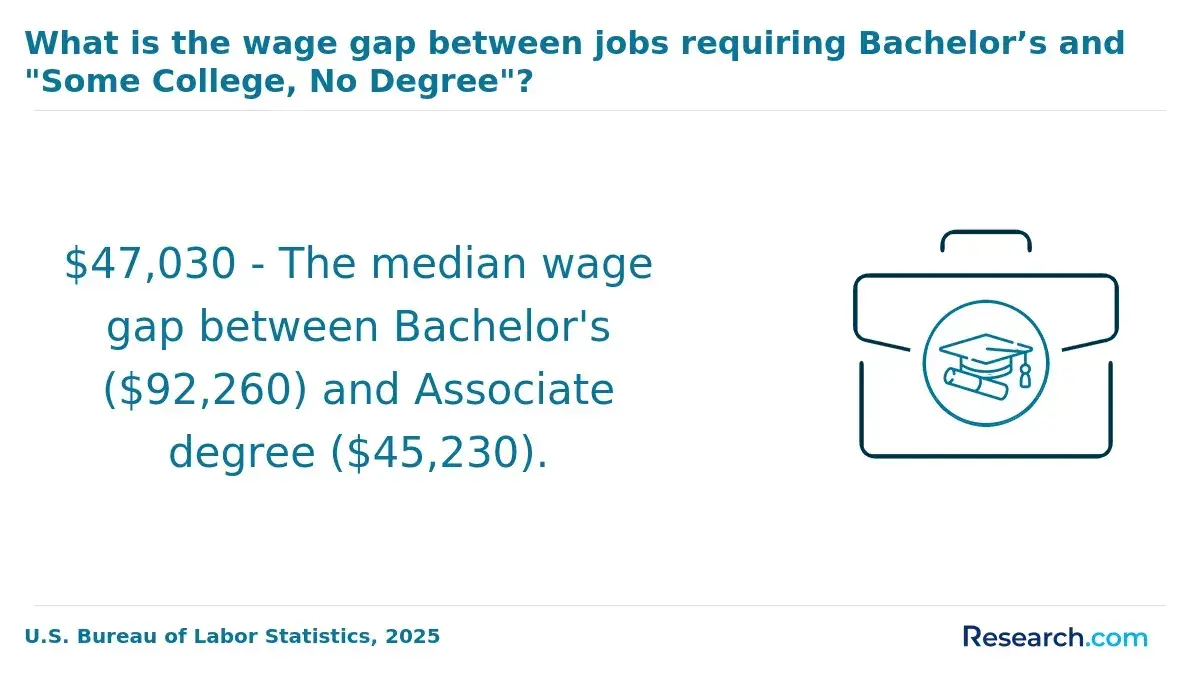
Effective agile project managers combine practical experience with knowledge of multiple delivery frameworks, reflecting current employer expectations. The education requirements for an agile project manager demand more than theoretical study; formal credentials such as a bachelor's degree in business, technology, or related fields remain foundational, ideally paired with applied training in Agile frameworks like Scrum or Kanban. However, certifications alone do not substitute for the hands-on experience necessary to manage iterative workflows and stakeholder collaboration within dynamic environments.
Hiring trends indicate that approximately 80% of project managers integrate project portfolio management practices, requiring agile project managers to operate across agile and traditional waterfall models simultaneously. For instance, a healthcare IT rollout demands coordinating clinical stakeholders with software teams while balancing regulatory deadlines and agile sprint cycles, illustrating the critical need for hybrid delivery expertise.
Experience needed for agile project manager roles typically includes 2-3 years for entry-level positions supporting agile projects and 5+ years for senior leadership managing cross-functional teams and portfolios. Educational pathways emphasizing experiential learning-such as internships or cooperative projects-are more valuable than theoretical coursework alone, given the complexity of large-scale agile implementations.
Complementary skills in risk management, data-driven decision-making, and communication frameworks are essential to meet fast-evolving industry demands. Prospective students aiming to pursue a bachelor of project management online should prioritize such applied competencies alongside formal education to increase employability and practical readiness.
Which degrees, certificates, or bootcamps best prepare you for agile project roles?
Employers increasingly favor targeted Agile certifications such as Certified ScrumMaster (CSM), PMI Agile Certified Practitioner (PMI-ACP), and SAFe Agilist over generic degrees due to their demonstrated impact on practical skills and business outcomes. For example, software companies scaling Agile across distributed teams prioritize candidates with PMI-ACP certification, valuing its assurance of applied Agile fluency. Meanwhile, sectors like construction and manufacturing blend degrees with Agile credentials to balance traditional processes and flexibility.
The market for agile project management certificates and degrees in North America reveals a clear divide: degrees in project management, business administration, or IT provide foundational understanding but often lack immediate practical applicability. Shorter, intensive bootcamps-recognized as some of the best bootcamps for agile project careers in the United States-offer hands-on learning tailored for rapid skill acquisition, though they may fall short on comprehensive strategic frameworks needed for senior leadership roles.
Strategic career movement demands candidates weigh employer preferences, time, and financial investment. Combining a degree with certifications or supplementing bootcamps with industry credentials maximizes credibility and operational readiness. According to ZipDo's 2026 report, project management certifications yield around 80% ROI, emphasizing their tangible value.
Professionals navigating these options might also consider alternatives such as a one year online MBA entrepreneurship program to develop broader management skills while maintaining agility in project execution.
How do online project management programs compare with campus options for agile training?
Choosing between online and campus agile training hinges on the need for direct team collaboration versus flexible scheduling. Campus programs embed students in live, iterative project cycles where conflict resolution and adaptability are practiced in real time-skills highly prized by software and IT employers. For instance, an agile coach leading distributed teams depends on conflict-navigation experience gained through in-person cohort collaboration rather than theoretical online modules.
Online options offer accessibility for working professionals and remote learners, particularly in sectors like finance and healthcare, but often lack immediate peer feedback and physical interaction. This can reduce opportunities to develop subtle communication skills and build networking relationships essential for long-term career growth and mentorship.
Employer surveys consistently rank practical agile experience above theoretical knowledge. Campus environments enable simulated sprint planning and retrospectives that better replicate workplace dynamics, increasing readiness for applied challenges. Conversely, online credentials provide foundational knowledge and certification exam preparation, widening access but with tradeoffs in career readiness.
Zippia's 2026 data shows that 64% of Agile projects succeed versus 49% of Waterfall initiatives, making Agile delivery in software and IT 15 percentage points more successful on average. Ultimately, the choice depends on balancing direct collaboration needs against personal constraints and industry demands, recognizing that effective learning prioritizes applied practice over theory alone.
What core courses and skills are covered in agile-focused project management programs?
Agile-oriented project management education equips students with focused skills that align closely with real-world operational demands, emphasizing iterative delivery, team dynamics, and adaptive planning over rote methodology. Core competencies include frameworks like Scrum and Kanban, paired with practical tools such as sprint planning and backlog grooming, which directly translate to managing shifting priorities in volatile environments. This practical emphasis addresses a common gap in many programs: balancing theoretical Agile principles with tangible leadership experience that employers prioritize for immediate team impact.
Beyond framework mechanics, proficiency in digital collaboration platforms like Jira and Trello is essential in environments where tool adoption dictates workflow efficiency. Agile risk management moves away from traditional upfront mitigation models to ongoing, iterative assessments-a necessary adaptation in domains such as healthcare, where regulatory changes demand rapid course corrections, and software, where accelerated feedback loops shorten product cycles.
Data from the World Economic Forum's Future of Jobs Report 2025 highlights project management as a rapidly growing skill set, reflecting broader adoption beyond tech sectors. However, students must weigh the practical challenges of acquiring cross-industry soft skills critical for shifting organizational cultures and sustaining career momentum in roles where decision-making agility is non-negotiable.
How can you verify accreditation and program quality for agile project management studies?
Institutions offering agile project management credentials must prioritize accreditation types that directly impact employability and industry standing. Accreditation from bodies recognized by the U.S. Department of Education ensures baseline academic quality, but sector-specific endorsements, such as from Agile Alliance, Scrum Alliance, or SAFe partners, are essential to align with current enterprise demands. For instance, employers increasingly seek professionals certified in frameworks like SAFe, LeSS, or Nexus, especially as agile adoption expands in sectors like finance and manufacturing.
Programs that focus on hands-on case studies involving large-scale agile deployments demonstrate stronger applicability than those centered on generic theory, which often fails to prepare graduates for real-world complexities. Hiring managers value transparency about instructor qualifications and expect a balance between agile methodology and leadership training to foster cross-team collaboration in complex projects.
Logistical tradeoffs-such as fully online versus hybrid formats-affect accessibility and networking opportunities critical to career transitions. Fast-tracked certifications lacking rigorous assessment rarely carry weight with employers, who prefer documented competencies consistent with industry evolution. Reviewing post-graduation employment rates for scaled agile roles is a practical benchmark of program impact.
What are typical salaries for agile project managers and specialized agile roles?
Salary ranges for Agile project managers vary significantly, influenced primarily by the complexity of their roles and industry demands. In the U.S., base earnings typically span from $85,000 to $130,000, with specialized roles such as Scrum Masters starting near $75,000 and senior Agile coaches exceeding $120,000. The highest compensations are common in technology, finance, and healthcare sectors, where managing rapid workflows and multiple teams demands advanced Agile and portfolio management proficiencies.
Data from the U.S. Bureau of Labor Statistics indicates that about 80% of Agile project managers now oversee portfolios comprising multiple projects, raising expectations for skills that go beyond core Agile methodologies. This shift favors professionals capable of cross-team coordination and strategic resource distribution, which employers associate with reduced project delays and improved delivery consistency.
For example, Agile project managers in software development who handle several teams tend to earn between $110,000 and $130,000 due to iterative delivery priorities and flow management challenges. In contrast, manufacturing roles adopting Agile are currently lower-paid initially but are poised for quicker salary growth as the frameworks mature.
Certification paired with portfolio management expertise distinctly enhances employability and salary progress. Conversely, lacking these credentials often results in slower wage increases and limited upward mobility. Prospective students aiming for higher salaries may also explore sports management online programs.
What is the job outlook for agile project management across tech and non-tech industries?
Agile project management roles are evolving beyond traditional IT sectors due to increasing demand for adaptive leadership combined with data fluency. The market anticipates a 12.8% CAGR in project management software through 2035, driven by AI and analytics integration, reshaping employer expectations for skills that merge Agile methods with predictive tools.
Real-world application of agile principles now extends into construction and retail, where variable regulations and supply challenges require leaders capable of balancing flexibility with compliance. For example, construction project managers must adapt sprint cycles not only to evolving supply chains but also to changing legal frameworks, a scenario highlighting the operational complexity in non-tech environments.
Employers prioritize candidates with hybrid competencies including:
- Agile methodology mastery alongside analytics platform proficiency
- Risk assessment skills integrated with stakeholder communication tools
- Ability to translate complex data into actionable project plans
This shift demands continuous upskilling beyond static certifications, emphasizing familiarity with AI-powered project tools. Hiring remains most competitive in metropolitan areas anchored by tech, finance, and manufacturing hubs, where demonstrated success in agile delivery and data-driven optimizations is critical. Remote opportunities grow yet remain limited where on-site presence is mandated by regulation.
Professionals considering this path should weigh the tradeoff between acquiring broad analytical capabilities and the need for industry-specific contextual understanding, especially in highly regulated or dynamic sectors where agility must integrate with compliance and risk management.
Which agile and project management certifications most strengthen your career prospects?
Certifications combining agile methodology fluency with leadership skills yield the most significant professional leverage in project management roles. Purely technical credentials such as Certified ScrumMaster (CSM) or PMI Agile Certified Practitioner (PMI-ACP) validate agile knowledge but often fall short if candidates lack competencies in stakeholder engagement or risk anticipation, key areas that employers increasingly value.
For instance, healthcare project managers handling interdisciplinary teams benefit from pairing PMI-ACP with certifications that emphasize communication and risk management, like PMI Risk Management Professional (PMI-RMP). This blend equips them to deliver clearer executive reporting and to proactively address organizational uncertainties.
Tradeoffs must be weighed carefully: narrowly focused certifications restrict advancement to operational levels, whereas those integrating hybrid delivery frameworks and leadership better align with evolving industry demands and increase placement rates by up to 30%. Comprehensive certification paths that validate:
- Prioritization and risk sensing
- Stakeholder and executive communication
- Hybrid agile delivery fluency
reflect the multidimensional expertise required for complex project ecosystems across sectors such as fintech and healthcare. Employers documented in workforce analyses spanning 2024-26 consistently prefer credentials that demonstrate this breadth over purely process-driven qualifications.
Other Things You Should Know About Project Management
Holding several agile certifications can demonstrate commitment but does not guarantee better job prospects or faster advancement. Employers prioritize demonstrable skills and relevant experience over accumulating certificates. Candidates should focus on one or two certifications recognized within their target industry and complement these with hands-on agile project experience to maximize marketability.
In 2027, focusing on a specific agile methodology is crucial due to the varied demands of industries seeking specialized skills. Agile practices like Scrum, Kanban, and Lean require tailored expertise, enabling professionals to meet distinct project needs and enhance career prospects effectively.
Specialized agile programs provide focused skills relevant to agile frameworks but may limit exposure to traditional methodologies used in hybrid or transitioning environments. Broader project management education offers versatility across various project types but may require supplementary agile-specific training later. Professionals targeting industries with strict agile adoption should prioritize agile-specific programs, while those expecting variability in project types benefit from comprehensive project management degrees with added agile modules.
Employers increasingly expect agile project managers to understand multiple frameworks, not just Scrum or Kanban. Specializing too narrowly can restrict job opportunities and career growth in organizations adopting hybrid agile models. Job seekers should research employer preferences in their sector and select specializations that demonstrate flexible agile knowledge aligned with evolving organizational practices to remain competitive and adaptable.
References
- 10 Exciting Career Paths in Project Management & Agile https://www.vibrantpublishers.com/blogs/operations-and-project-management/10-exciting-career-paths-in-project-management-agile
- PMP Certification vs. Other Project Management Certifications: Which is Right for You? - ShriLearning https://shrilearning.com/pmp-certification-vs-other-certifications/
- Certified Project Manager Academy Institute MPM Accredited Institute Project Management Certifications ACAPM ® Certified Project Manager - Academy of Project Management Institute https://americanacademyofprojectmanagement.com/Agile-Certification.html
- Best Project Management Bootcamps | ComputerScience.org https://www.computerscience.org/bootcamps/rankings/project-management/
- Do You Need an Agile Project Management Certification? https://www.agilesherpas.com/blog/agile-project-management-certification
- Best Agile Project Management Certification https://www.knowledgetrain.co.uk/agile/agile-project-management/agile-project-management-course/what-is-best-agile-project-management-certification
- Agile Project Management Ireland: Courses & Careers 2026 https://projectmanagement.ie/blog/agile-project-management-ireland-courses-careers-2026/
- Learn About Agile Project Management-Free Course | HP LIFE https://www.life-global.org/course/380-agile-project-management
- What Qualifications Do You Need to be a Project Manager? https://www.simpliaxis.com/resources/what-qualifications-do-you-need-to-be-a-project-manager
- Agile for non-tech teams: How Agile for non-software projects works https://lucid.co/blog/agile-for-non-technical-teams