2026 Project Management Specializations That Best Match IT and Technical Delivery Careers

Co-Founder and Chief Data Scientist
Facing a saturated job market where technical roles demand more than generic project oversight, many IT and technical delivery professionals struggle to identify specializations that truly enhance their value and employability. The dilemma intensifies as employers increasingly prioritize candidates with advanced skills tailored to digital transformation and agile ecosystems.
National Center for Education Statistics data shows a 45% surge in enrollment for flexible, online project management programs since 2021, reflecting a shift toward accessible, career-focused education amidst busy work schedules. This article pinpoints the project management specializations best aligned with IT and technical careers, guiding strategic academic choices that foster career advancement.
Key Things You Should Know
- Specializations in Agile and DevOps project management now correlate with 34% faster delivery times in IT, though they require ongoing certification renewals every 2-3 years, increasing long-term career investment.
- Employers prioritize candidates with hybrid technical-project management credentials, with 62% of IT leadership roles demanding cross-domain expertise, indicating a shift toward integrated skill sets over siloed certifications.
- Programs emphasizing AI-driven project risk assessment cost 20-30% more but reduce average project overruns by 18%, presenting a tradeoff between upfront credential expenses and longer-term budget reliability.
What project management specializations best align with IT and technical delivery careers?
Specializing in agile, cloud computing, or cybersecurity project management defines distinct career trajectories and operational challenges for IT professionals. Agile project management expertise, particularly in Scrum and SAFe, is indispensable for fintech and SaaS startups where iterative delivery and DevOps collaboration accelerate deployment cycles under compressed timelines. Conversely, cloud computing project management prioritizes orchestrating complex multi-cloud vendor ecosystems-critical in large enterprises driving digital transformation with cloud architects earning upwards of $150,000 annually. These managers must minimize migration downtime while navigating compliance and resource allocation nuances.
Cybersecurity project management demands proficiency in technical risk assessments and security frameworks such as NIST or ISO 27001, especially for finance, healthcare, and defense sectors with strict data protection mandates. This specialization involves harmonizing security engineer teams with compliance functions to maintain rapid incident responses in sensitive environments.
Choosing a specialization without accounting for certification lifecycles, hands-on experience prerequisites, and alignment with personal career goals risks extended retraining or underemployment in specialized technical ecosystems. Practical decision-making also involves recognizing industry vertical fit: agile excels in rapid innovation settings, cloud management suits large-scale IT infrastructures, and cybersecurity serves regulated, high-stakes domains.
For those seeking advanced credentials to bolster these technical delivery project management pathways, exploring options like a doctorate of healthcare administration can provide strategic depth, especially in regulated industries.
How do IT-focused project management roles differ from general project management jobs?
IT project management roles demand more than general project oversight; they require deep technical fluency and specialized risk management aligned with complex technology landscapes. The differences between IT project management and general project management become evident in environments such as cloud migrations, where managers must address infrastructure vulnerabilities, data sovereignty, and software integration challenges that seldom appear in non-technical projects. This specialization involves navigating compliance standards and continuous security protocols alongside coordinating diverse technical teams.
Technical project management roles versus general project management positions also diverge in workforce dynamics. For instance, the cybersecurity sector faces acute talent shortages, with an estimated 3.5 million unfilled jobs by 2025, compelling IT project managers to optimize scarce resources through agile incident response and real-time threat monitoring. Employers expect these managers to balance traditional controls with ongoing risk mitigation strategies, a demand less pronounced in generalist roles.
Beyond managing schedules and budgets, IT-focused professionals must handle vendor evaluations, software licensing, and technical debt, adding logistical complexity. These operational demands influence educational pathways, often requiring advanced certifications or degrees that combine technical acumen with strategic leadership. Prospective students should carefully consider how these factors impact employability and long-term trajectory.
Choosing an educational program that aligns with this blend of technical and leadership skills is crucial. For those evaluating options, programs like the best MBA in operations management can provide valuable frameworks to complement IT project management expertise.
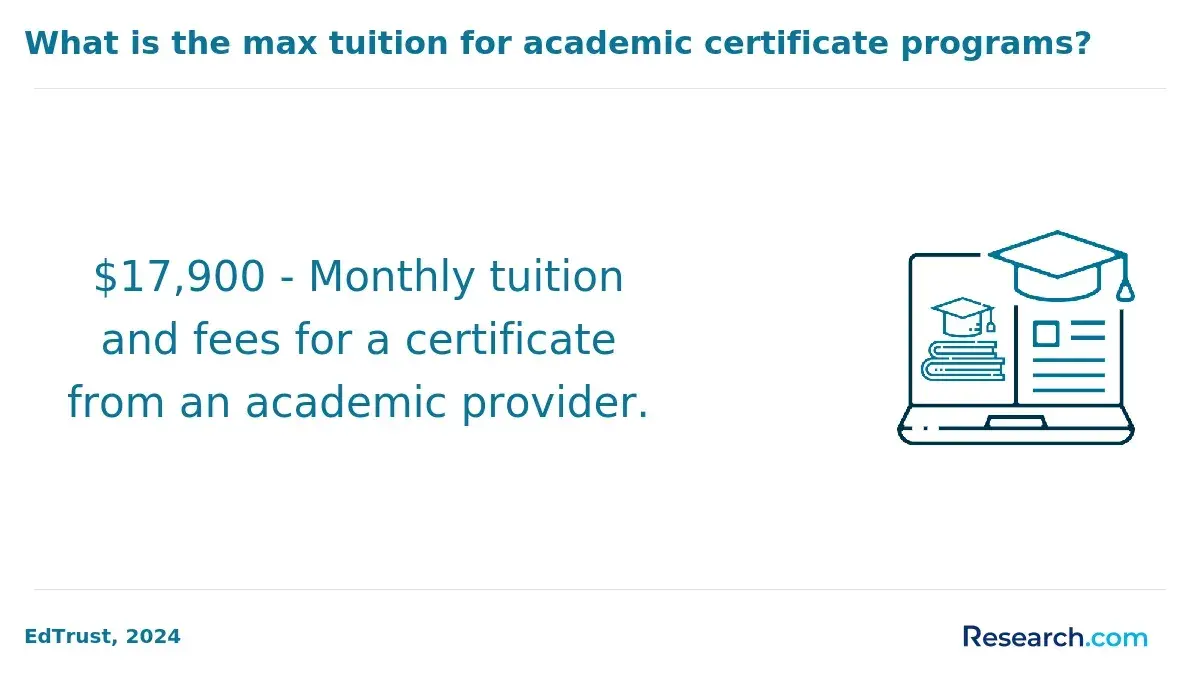
Which degrees and certificates prepare you for technical project and program management?
Technical project and program management careers demand a careful blend of deep technical knowledge and formal leadership skills-gaps that purely technical degrees often leave open. Degrees in computer science, information technology, and software engineering serve as foundational assets, particularly in complex projects like cloud migration where understanding systems architecture enables credible decision-making alongside managing teams. This mixture is essential in meeting employer expectations for managing multidisciplinary teams, budgets, and timelines.
In addition to the best degrees for technical project management careers, professional certifications such as the Project Management Professional (PMP) and Agile Certified Practitioner (PMI-ACP) provide structured methodologies crucial for risk management, stakeholder communication, and iterative delivery. Without such credentials, candidates often stall in technical roles without progressing to leadership positions that require demonstrated mastery of program management in IT delivery.
Tradeoffs involve weighing the added time and cost of dual qualifications against quicker workforce entry. One strategic approach integrates technical majors with project management minors or certificates, compressing credentialing into a typical four-year degree timeline. Those aiming for regulated sectors should consider certifications with an emphasis on compliance, such as Certified ScrumMaster (CSM) or programs offered by the National Institute of Standards and Technology (NIST). Additionally, boot camps focused on DevOps project coordination offer fast-track alternatives for agile environments.
For students exploring varied educational pathways, resources like accredited online health information management degree CAHIIM can provide insight into program structures that marry technical and project management competencies.
What should you look for in an IT project management program's accreditation and reputation?
Programs with IT project management program accreditation standards from entities like PMI's Global Accreditation Center carry real implications for employability and curriculum rigor. Accreditation ensures adherence to evolving industry demands; for instance, a cybersecurity firm charged with protecting high-value assets prefers candidates from programs emphasizing risk frameworks relevant to actual project scale and regulatory context.
Reputation is often measured by alumni employment outcomes. Universities with strong STEM or data analytics recognition generate networks that facilitate recruitment pipelines, critical given the U.S. Bureau of Labor Statistics reported median wages of $108,020 for data scientists-reflecting the premium on analytics-embedded project management skills. Graduates who bridge IT project management with these competencies secure roles commanding higher compensation.
Evaluating accredited IT project management programs requires dissecting their integration of real-world problem solving and tooling. Compliance and patient data security dominate in healthcare, while fintech demands agility and regulatory reporting expertise. Thus, program relevance directly affects readiness for specific sectors, influencing hiring decisions.
Beyond accreditation, flexibility, instructor expertise, and partnerships offering internships or capstone projects critically impact student outcomes. Such elements shorten time-to-impact in work environments across diverse IT delivery landscapes.
Prospective students considering a strategic career move should also explore how program choices compare with alternative paths, such as a sports management degree online, which may differ substantially in market demand and practical applicability.
How do online and campus-based technical project management programs compare for working adults?
Choosing between online and campus-based technical project management programs hinges on balancing flexibility with hands-on skill development. Online formats accommodate professionals maintaining full-time jobs, such as IT managers and network engineers, by allowing coursework around irregular schedules. However, this convenience often comes at the cost of less in-person collaboration, which is critical for roles demanding real-time troubleshooting and infrastructure competency.
Campus programs, by contrast, offer immersive access to labs, direct faculty guidance, and peer collaboration, benefiting those targeting rapid application of complex technical skills. For example, network engineers aiming for roles involving hardware and systems administration-fields with a median wage near $96,800 annually-stand to gain more from this experiential environment.
Employer support and geographic realities further influence format suitability. Metropolitan tech hubs frequently provide tuition assistance favoring on-site attendance for accelerated learning, while remote or contract workers must often rely on online options. The decision often rests on prioritizing immediate workplace relevance and networking opportunities against the need for schedule flexibility.
Aligning program choice with career objectives is crucial: select online pathways for incremental credentialing and campus-based programs for concentrated technical leadership preparation. Employers increasingly prioritize certificates that prove practical skills, making experiential learning a decisive advantage in infrastructure and systems administration roles.
What core courses and skills are included in IT and technical project management curricula?
Technical project management curricula prioritize aligning established frameworks like Agile and Waterfall with domain-specific demands, such as software development or IT system deployment. This ensures students grasp not only scheduling and scope control but also risk assessment and budgeting uniquely shaped by IT cost models. For example, in cybersecurity initiatives, mastery of risk mitigation directly influences how teams allocate resources and schedule security protocol rollouts.
Essential skills include advanced proficiency with tools like Jira and MS Project, paired with contextual knowledge of software development lifecycles to translate technical requirements into actionable deliverables. Managing change control and scope creep is emphasized through scenario-based practice, reflecting common setbacks that can derail complex IT projects.
Effective communication is framed as cross-functional coordination among developers, operations, and stakeholders-mirroring workforce expectations for versatile leadership across technical teams. Additionally, coursework incorporates regulatory frameworks such as ITIL and GDPR, relevant to sectors like healthcare and financial technology, shaping compliance-driven project parameters.
Employers seek candidates who demonstrate technical agility alongside data-driven reporting skills to justify project adjustments to stakeholders unfamiliar with granular technicalities. Given the median annual wage for project management specialists reported by the U.S. Bureau of Labor Statistics at $100,750, prospective students should weigh programs that balance operational efficiency, leadership competencies, and regulatory literacy.
What are the typical admissions requirements and timelines for technical project management programs?
Technical project management programs typically require a bachelor's degree in IT, engineering, computer science, or a related field, combined with 2 to 5 years of relevant work experience. This baseline ensures applicants possess foundational technical skills and practical insights critical for cohort learning and applied coursework. Alternatives like specialized certifications or bridging courses can substitute formal degrees but often lengthen program timelines or demand simultaneous foundational training.
Admissions processes customarily include resume reviews, recommendation letters from supervisors or industry experts, and occasionally personal statements emphasizing problem-solving in delivery environments. Application deadlines commonly align with academic terms or corporate training cycles, with fall and spring intakes predominant. Rolling admissions in executive or online tracks may delay access to hands-on labs crucial for mastering technical competencies.
For instance, a software development manager shifting to Agile delivery roles must time applications to match certification preparation and practical lab availability, which typically last six to twelve months depending on program pacing.
Projected labor demands underscore urgency: PMI estimates a need for nearly 88 million project-management-oriented professionals by 2027, intensifying competition for programs focused on IT and Agile delivery specialties. Prospective students face a tradeoff between accelerated paths that may lack deep mentorship and longer tracks offering immersive hands-on training tailored to niches like cybersecurity or cloud infrastructure delivery. Early commitment and realistic workload balancing are essential to align study with certification and employment goals.
How long do IT project management programs take, and what do they cost overall?
IT project management credentials require a deliberate assessment of time, cost, and career objectives. Short certificate programs, ranging from $1,500 to $5,000, typically span 6 months to a year and target working professionals seeking immediate framework knowledge such as Agile or PMP preparation. These are practical for those needing quick credentialing but offer limited depth and flexibility.
By contrast, associate and bachelor's degrees extend from 1 to 2 years and cost between $15,000 and $60,000 depending on institution type and residency. These options build broader technical foundations paired with project management concepts, suitable for candidates pursuing versatile roles beyond entry-level functions. Time investment and higher tuition often reflect increased long-term employability and adaptability in complex environments.
Employers emphasize certifications aligned with PMI standards, which require experience prerequisites and exam fees starting at $500. Anticipated industry growth of 33% by 2027 signals sustained demand for certified professionals, yet realistic timelines for credential attainment exceed short course lengths, suggesting a combined strategy of on-the-job practice plus formal learning.
Advanced specializations in program and portfolio management add 6-12 months and $3,000 to $10,000, underscoring ongoing education's necessity in keeping pace with large-scale enterprise needs. Budgeting for renewal cycles and continuous upskilling is often overlooked but essential for career resilience in evolving IT landscapes.
What are the main career paths, job titles, and industries for technical project managers?
The varied roles within technical project management reveal the necessity of domain-specific knowledge combined with cross-functional leadership. In fintech, for example, a technical project manager must tightly integrate compliance mandates with accelerated software release schedules, a balancing act that contrasts with a manufacturing environment where IoT deployments must align with supply chain logistics. Such distinctions affect daily operational priorities and skill sets substantially.
As the project management software market is forecast to nearly quadruple from $10.56 billion in 2026 to $39.16 billion by 2035, employers increasingly demand proficiency in tools that improve workflow efficiency and interdepartmental coordination. Advanced familiarity with Agile, DevOps methodologies, cloud infrastructures, and data analytics has become baseline rather than exceptional. Professionals lacking these capabilities risk obsolescence, especially since evolving governance requirements continuously reshape operational expectations.
Those pursuing a career pivot or advancement in project management should weigh the pragmatic tradeoffs: deep technical fluency is critical but must be complemented by effective communication to translate complex technical requirements into actionable roadmaps. Upskilling on emerging platforms and adapting to diverse industry standards differentiate candidates who can sustain long-term workforce relevance.
- Technical roles span IT, software development, product operations, and technical operations across technology, finance, healthcare, and manufacturing sectors.
- Job titles commonly include Technical Project Manager, Product Operations Manager, Delivery Manager, Release Manager, and IT Program Manager.
What salary ranges, job outlook, and certification options exist for IT project managers?
IT project management salaries vary significantly, reflecting differences in industry focus, experience, and geographic location. Median annual salaries commonly range between $90,000 and $135,000, but individuals in senior or technically complex roles often exceed $140,000, reaching up to $180,000, particularly in software development and cybersecurity sectors. The labor market projects steady growth with a 6% increase in leadership and senior delivery roles over the next decade, translating to roughly 78,200 new openings annually.
Certification decisions profoundly affect both employability and compensation. The Project Management Professional (PMP) credential remains the most broadly recognized for traditional waterfall methodologies, while Agile certifications like Certified ScrumMaster (CSM) or PMI-ACP deliver targeted advantages in environments demanding iterative delivery. Candidates face a critical cost-benefit analysis of certification investments, balancing preparation time and financial expense against employer requirements and tuition reimbursement options.
For example, IT project managers overseeing cloud infrastructure projects often pair PMP with AWS Certified Cloud Practitioner credentials to demonstrate comprehensive technical and leadership capabilities. Employers increasingly expect evidence of managing cross-functional teams, resource allocation, and compliance integration, with these competencies influencing salary outcomes. Transitioning professionals who formalize their project management skills through certification stand to move beyond technical execution toward strategic delivery roles, aligning with evolving market demands and higher wage potential.
Other Things You Should Know About Project Management
While not an absolute requirement, prior technical experience provides a significant advantage in IT project management. It enables clearer communication with development teams and more accurate risk and resource assessments. Employers prioritize candidates who can bridge technical details with strategic objectives; without this background, project managers often face longer onboarding and higher reliance on technical leads, which can hinder independent decision-making.
Certifications like PMP or Scrum Master are often baseline expectations rather than differentiators in technical project management. Their primary value lies in demonstrating a standardized knowledge of processes and methodologies, which helps with initial hiring. However, employers expect certified candidates to combine this with proven practical experience to handle complex technical projects independently. For career advancement, certifications should complement a track record of successful deliveries rather than replace it.
Agile specialization offers flexibility and faster iteration, which suits software development environments with evolving requirements. However, it demands stronger facilitation skills and continuous stakeholder engagement, increasing workload and complexity for project managers. Waterfall, while less adaptable, provides clearer structure and predictability preferred in highly regulated or hardware-related projects. Choosing an approach should depend on the industry context and employer emphasis; technical project managers must balance methodological expertise with adaptability to varying workflows.
References
- Essential Tech Skills for Modern Project Management in 2025 https://www.icertglobal.com/blog/essential-tech-skills-for-project-management
- Is A Project Management Course Worth It? | IPM https://projectmanagement.ie/blog/is-a-project-management-course-worth-it/
- The Best Online Degrees for Working Adults [Complete Guide] https://beal.edu/best-online-degrees-for-working-adults/
- Project Manager Job Market 2026: Trends and Salary https://skillifysolutions.com/blogs/project-management/project-manager-job-market/
- IT Project Management: Avoid Mistakes Get PMP Certification https://www.ut.ca/blog/it-project-management
- What is a IT Project Manager? - Career Insights | Teal https://www.tealhq.com/career-paths/it-project-manager
- Project Manager – more project or people manager? https://sii.pl/blog/en/project-manager-more-project-or-people-manager/
- Online Project Management Courses | University of Phoenix https://www.phoenix.edu/online-courses/project-management.html
- The Project Manager Salary: What to Expect and How to Earn More https://www.icagile.com/resources/the-project-manager-salary-what-to-expect-and-how-to-earn-more
- EdTech Books https://edtechbooks.org/eme_6606/project_management