2026 Best Online Project Management Degrees for Government Project Careers

Co-Founder and Chief Data Scientist
Federal agencies increasingly demand project managers who can navigate complex regulatory environments while delivering scalable solutions on tight deadlines. Yet, many professionals struggle to find programs that offer the flexibility and relevance needed to pivot into government careers without sacrificing current employment. Recent data from the National Center for Education Statistics shows a 40% surge in online enrollment among working adults pursuing advanced degrees, underscoring a shift toward flexible formats that accommodate career transitions.
However, program quality and alignment with government sector requirements vary widely, complicating candidate decisions. This article evaluates top online project management degrees tailored to government careers, helping readers identify pathways that balance accessibility, accreditation, and sector-specific skills.
Key Things You Should Know
- The median salary for government project management roles rose 6.5% in 2023 per the U.S. Bureau of Labor Statistics, pressuring candidates toward degrees with direct applicability to federal compliance and risk frameworks.
- Employers prioritize certification integration and real-world case study experience over brand-tiering; agencies report 72% of hires prefer candidates with applied learning modules reflecting federal acquisition standards.
- Online degrees averaging $22,000-$35,000 present a tradeoff: faster completion reduces opportunity cost, but less synchronous interaction correlates with 18% lower post-grad employment rates in critical government sectors per NCES data.
What is an online project management degree and how does it prepare you for government projects?
An online project management degree benefits for government careers by equipping candidates to navigate the distinct compliance, budgeting, and multi-agency coordination challenges unique to public-sector projects. Unlike private-sector counterparts, federal IT projects, for example, demand adherence to procurement rules and transparency mandates while delivering under rigid budget constraints-a failure that can result in legal and reputational consequences.
The U.S. government invests more than $90 billion annually in IT initiatives, which creates sustained demand for professionals who can manage these complex projects with precision. Programs focused on public-sector applications blend foundational theory with practice-oriented skills, including:
- Using resource allocation and milestone tracking tools that meet government auditing standards
- Developing contract management proficiency within federal and state regulatory frameworks
- Applying quantitative methods tailored to risk mitigation in bureaucratic environments
- Leading diverse, distributed teams typical of government workforces
Understanding how an online project management degree prepares you for public sector projects requires assessing curriculum relevance to government protocols and access to instructors experienced in public administration. Working professionals face tradeoffs between general project management knowledge and the specialized logistical demands of navigating regulatory approvals and multi-vendor contracts.
Those pursuing a strategic pivot should also consider degrees or complementary credentials such as a health information technology associate degree online to enhance sector-specific employability where government roles intersect with IT modernization and healthcare data initiatives.
Which types of online project management degrees best support federal, state, and local government careers?
Degrees with a government or public sector project management focus distinctly improve readiness for federal, state, and local government roles by emphasizing regulatory compliance, public budgeting, and stakeholder communication. Programs that include coursework on interagency collaboration and federal acquisition protocols deliver tangible value for managing multi-agency projects and public resources. For example, coordinating disaster response across jurisdictions demands mastery of compliance and clear chain-of-command practices.
Technical project management programs offering specialized certificates in government contracting or homeland security further sharpen skills critical to federal environments, including cybersecurity mandates and government reporting standards. Such specialized tracks contrast with broader project management degrees focused on Agile or Scrum, which often lack sufficient coverage of waterfall or hybrid methodologies and statutory frameworks emphasized by government employers.
The U.S. Bureau of Labor Statistics projects a 6% growth in project management specialist employment from 2024 to 2034, including approximately 78,200 annual openings-many driven by government sector replacement demands. This context makes program selection vital, especially for aspirants targeting the best project management programs for state and local government positions, where employers prioritize experience with public-sector compliance and budgeting accuracy.
Students evaluating online project management degrees for federal government careers should weigh accreditation, curriculum alignment with government standards, and access to internships or capstones involving public agencies. Certifications aligned with federal benchmarks, such as PMP with a public-sector focus, serve as critical differentiators to reduce adjustment periods and enhance competitiveness.
Prospective learners pursuing accelerated study paths can consult project management degree online fast options, but must balance speed with program rigor to ensure comprehensive coverage of government-specific project controls.
How do you choose an accredited online project management program that employers in government respect?
Employers in government sectors prioritize candidates with accredited online project management degrees for government careers that demonstrate recognition by regional oversight agencies, such as the Higher Learning Commission or Middle States Commission on Higher Education. Accreditation from industry-specific bodies like the Project Management Institute Global Accreditation Center (PMI-GAC) further signals a program's alignment with federal standards and operational complexity.
Choosing government-recognized online project management programs that integrate compliance with FAR (Federal Acquisition Regulations) or other risk management frameworks addresses a critical skills gap. For instance, a government contractor versed in these areas gains immediate advantage as these curricula focus on applied competencies rarely covered in generic project management degrees, which can leave candidates underprepared for federal procurement environments.
Graduate employment outcomes also weigh heavily in evaluating programs. NC State's review of national job postings reveals an average estimated salary of $111,623 for U.S. project manager roles, underscoring how credential recognition correlates with earning potential. Programs offering internships or partnerships with government agencies can substantially boost practical readiness.
Flexibility remains essential for working professionals in government roles, making asynchronous models with structured milestones preferable. Confirming that programs guide students toward PMP certification is imperative since this credential remains a cornerstone for federal project management employment. For those researching affordable alternatives, consulting online business schools can provide valuable insights into cost-effective options.
What are the admission requirements and application steps for online project management degrees?
Admission standards for online project management degree admission criteria in the United States often reflect workforce expectations rather than academic formality alone. Programs typically require a bachelor's degree with a GPA near 3.0 and 1-3 years of professional experience in project-based roles, signaling readiness for applied leadership challenges. Alongside transcripts and a current resume emphasizing project leadership, applicants submit personal statements aligned with project management principles. GRE or GMAT requirements tend to be waived for those holding advanced credentials such as PMP certification or extensive work experience.
The application process for government project management degrees online introduces additional complexity, notably the need for professional references who can validate relevant skills, plus supplemental materials like writing samples or project portfolios. Veterans and government employees often benefit from flexible credit evaluations, including military transcripts. Choosing programs with curricula focused on federal contract management and agile government methods enhances employability within public sector roles.
OnlineU's 2026 data demonstrate a substantial salary premium for graduates of top programs like New York University, with median earnings exceeding $220,000, underscoring the advantage of selective application strategies. Candidates weighing various pathways should also consider programs listed among accelerated business programs that offer streamlined paths to certification and faster workforce integration.
- Bachelor's degree and relevant project experience required
- GRE/GMAT often waived with PMP or professional credentials
- Government-focused degrees favor public sector regulations and agile methodologies
- Robust professional references and project portfolios strengthen applications
- Top-tier programs correlate with significantly higher earning potential
How do online project management programs compare with campus programs for government-focused students?
Campus-based project management programs provide a crucial advantage in government-focused careers through direct networking and experiential learning, elements that online formats rarely replicate organically. Government agencies value trust and collaborative experience, often formed through internships or partnerships facilitated by on-campus engagement, which strongly influences hiring decisions in federal and state roles.
NC State's labor market data reports 299,012 openings for project manager positions nationwide in the past year, illustrating a competitive environment where practical experience and relationships can differentiate candidates. On-campus students benefit from embedded capstone projects and client collaborations that ensure real-world exposure aligned with public sector requirements.
Online learners must proactively offset these limitations by leveraging virtual project simulations, industry networking platforms, and securing local internships matching government protocols. This approach demands higher self-direction and strategic outreach through professional organizations like the Project Management Institute (PMI) or alumni networks.
Employers emphasize candidates' ability to handle government-specific project challenges alongside technical proficiency. Choosing accredited programs aligned with federal contracting standards is essential, but without bridging the experiential gap, even credentialed online graduates may face slower employment outcomes despite program quality.
What courses and specializations should a project management degree include for public sector work?
Degrees tailored for public sector project management must go beyond general methodologies to address government-specific complexities in procurement, compliance, and risk management. Graduates need mastery of public budgeting and financial controls since mismanagement of taxpayer funds not only risks audits but also undermines public trust. Proficiency in stakeholder engagement is equally necessary to manage political sensitivities across multiple governmental and community layers.
Programs incorporating supply chain logistics relevant to infrastructure projects and technology integration better prepare students for the operational realities in government roles. Data analysis skills specifically aimed at policy impact evaluation are essential for aligning projects with legislative objectives and demonstrating measurable outcomes.
Online master's programs present a pragmatic cost-benefit tradeoff: averaging approximately $11,000 annually, they are roughly half the cost of in-person equivalents, enabling current government employees to upgrade skills without extended leave or financial strain.
Consider a project manager handling federal grant distribution. Without deep understanding of compliance frameworks and agile adaptability to policy shifts, they risk costly legal errors and project delays. Employers prioritize candidates familiar with integrated project delivery in complex regulatory environments-especially those who hold public-sector-specific certifications-because these skills reduce organizational risk and enhance execution efficiency.
- Government procurement and compliance focus
- Specialized public budgeting and auditing standards
- Stakeholder engagement across political and community sectors
- Supply chain logistics for infrastructure projects
- Data analysis for policy evaluation
How long do online project management degrees take, and what do they typically cost?
Online project management degree timelines reveal significant tradeoffs between program length, depth of learning, and workforce reentry timing. Accelerated bachelor's degrees typically target working adults by condensing curricula into roughly two years, allowing faster return to employment but potentially limiting deeper skill development. Part-time master's programs spanning two to three years better accommodate professional schedules and often build more comprehensive competencies valued in complex project environments, especially within government sectors.
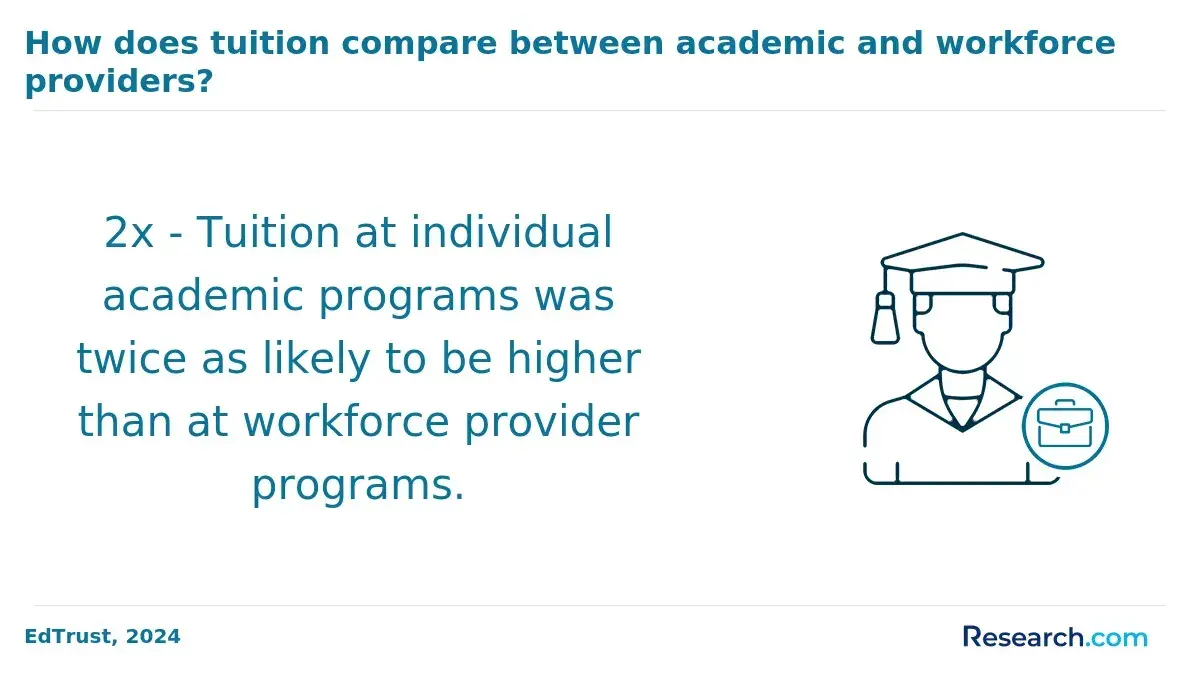
Cost remains a decisive factor, with tuition ranging from $15,000 at public in-state institutions to upwards of $60,000 at private or out-of-state universities. Beyond tuition, students must budget for ancillary fees, textbooks, and certification exam costs, which can substantially increase total investment. Financial outlay often correlates with career outcomes: graduates from reputable programs, such as those tracked by OnlineU for City University of Seattle, report median salaries around $88,228, positioning alumni within the top national percentiles.
Pragmatic choices depend on aligning program duration and cost against immediate career goals and longer-term income potential. For professionals eyeing government project roles, where regulatory complexity demands skilled project managers, longer and more rigorous programs typically provide a comparative advantage despite longer time commitments. In contrast, shorter certifications or associate degrees, sometimes completed in a year, may allow quicker entry but often lack the breadth needed for advancement in highly technical or regulated environments.
- Accelerated bachelor's programs: ~2 years, quicker workforce return, less depth
- Part-time master's programs: 2-3 years, greater skill depth, fit for working professionals
- Associate/certification: ~1 year, limited preparation for advanced roles
- Tuition: $15,000-$60,000 plus extra costs
- Median post-degree salary: around $88,000 for quality programs
What entry-level and advanced government project management roles can these degrees lead to?
Government project management roles clearly favor candidates with a bachelor's degree as the baseline credential, with 63.8% of U.S. project management jobs requiring this level of education. Entry-level positions-such as project coordinator or junior program analyst-typically emphasize foundational skills like tracking milestones, managing compliance, and facilitating stakeholder communication within federal, state, or local agencies. In contrast, only 13.9% of openings explicitly require a master's degree, reflecting that advanced degrees are reserved for leadership roles with greater complexity and responsibility.
Senior government project managers, for example in defense acquisition, must integrate advanced risk mitigation and inter-agency coordination abilities, dealing with stringent federal regulations and contractor oversight. These roles often demand a master's degree paired with demonstrated delivery success. This creates a clear divide: a bachelor's degree grants access to a broad set of positions, while graduate education opens pathways to portfolio management and strategic alignment with policy objectives.
Employers consistently value a combination of formal education and certifications like PMP or CAPM, but the academic threshold remains crucial. Candidates without a bachelor's often face a significant barrier to entry, while those aiming for senior roles should weigh the return on investment of graduate study against gaining extensive field experience.
What salary ranges and job outlook can project managers expect in government settings?
Government project managers operate within frameworks demanding regulatory compliance and navigating slower procurement cycles, which impacts project tempo and planning. Unlike private sector roles focused heavily on speed and innovation, government positions require formal credentials-commonly PMP certification-and familiarity with federal acquisition regulations, reflecting practical tradeoffs between stability and bureaucracy.
Salary negotiations in this sector vary widely: entry-level roles in smaller agencies often start between $70,000 and $85,000, while senior project managers at large federal departments can earn upwards of $130,000 annually. Location, agency size, and clearance requirements influence compensation, framing financial expectations for candidates considering this path.
Workforce data shows over one million project management specialists across sectors, including government, underscoring the role's prevalence but also the competitive landscape shaped by federal hiring freezes or budget constraints. Experience within government systems or contracting environments often differentiates candidates, underscoring the pragmatic value of understanding public sector procurement and political context.
The projected stability through 2032 is tied to long-term government priorities such as infrastructure modernization, cybersecurity, and public health initiatives. However, professionals must weigh certification costs and extended hiring timelines against job security and the specialized knowledge required for succeeding in this environment.
Which certifications and security clearances are important for government project management careers?
Securing positions in federal government project management hinges on holding both industry-standard certifications and the required security clearances, a reality that shapes candidate eligibility and hiring speed. The Project Management Professional (PMP) credential remains a baseline requirement across many contracts, but increasingly, Agile certifications like Certified ScrumMaster (CSM) or Agile Certified Practitioner (PMI-ACP) focus on iterative development methodologies prevalent in government digital transformation initiatives.
Applicants must also navigate clearance requirements: at minimum, a Secret clearance is typical, with Top Secret or TS/SCI necessary for defense, intelligence, or cybersecurity projects. The clearance process is lengthy and contingent on clean legal and financial backgrounds, often causing multi-month delays that can exclude candidates from critical roles despite strong academic credentials.
Choosing to pursue PMP or Agile certifications before employment involves significant time and financial costs-averaging around $595 per credit for online bachelor's degrees in project management versus the national average of $490 for bachelor's programs-highlighting tradeoffs candidates must weigh against potential hiring advantages. Employers prefer candidates who arrive with both certifications and active clearances to minimize onboarding delays and project risks.
These constraints imply practical strategies:
- Prioritize early alignment of education with clearance eligibility and certification pathways to reduce time-to-hire
- Realistically assess the clearance timeline when targeting sensitive government projects
- Consider that lacking recognized credentials can cap advancement regardless of degree quality
Other Things You Should Know About Project Management
Government employers prioritize demonstrated skills and relevant experience over program delivery mode. However, online degrees from regionally accredited institutions with rigorous curricula are viewed as credible. Students should verify that the program includes hybrid options or synchronous components, as these better replicate in-person collaboration environments valued by government agencies. Purely asynchronous programs without live interaction can limit networking opportunities, which remain critical for advancement in government project roles.
Many online project management programs offer general frameworks and industry best practices but vary in depth on government-specific compliance issues. Prospective students should prioritize programs that integrate public sector regulations, federal acquisition requirements, and government ethics training directly into the curriculum. Without focused content on these areas, graduates may face gaps that require additional on-the-job learning, impacting early effectiveness in government project roles.
Mid-career job changers need degrees that emphasize applied skills and government case studies over purely theoretical content. Programs offering capstone projects tied to public sector challenges provide practical experience aligned with government expectations. Additionally, degrees with strong alumni networks in government can improve job placement. Prioritize programs designed for experienced learners with flexible pacing, so the degree complements existing skills without redundant foundational coursework.
References
- Top 5 online courses for Project Managers https://zoetalentsolutions.com/top-5-online-courses-for-project-managers/
- How to Become a Project Manager in 2026? https://www.icertglobal.com/blog/how-to-become-a-project-manager-in-2026-expert-guide
- How to land your first job as an entry-level project manager https://www.ziplines.com/blog/how-to-land-your-first-job-as-an-entry-level-project-manager
- Program Manager / Contract Program Manager (CPM) - Security Clearance Required (Future Need) in San Jose, California, United States of America | Program/Project at ICF https://careers.icf.com/us/en/job/R2503012/Program-Manager-Contract-Program-Manager-CPM-Security-Clearance-Required-Future-Need
- How to Choose the Right Project Management Certification: A Guide for Career Growth https://www.transformed.com.au/project-management/project-management-certification-australia/
- Best Project Management Courses: Your Ultimate Guide 2026 https://www.bmc.net/blog/management-and-leadership-articles/best-project-management-courses
- Verification Required https://www.jobsgopublic.com/careers/project-management
- PMP for Federal Government - Project Management Academy Resources https://projectmanagementacademy.net/resources/blog/federal-government-and-the-pmp/
- Career Paths for Federal Program and Project Management Guide https://www.opm.gov/policy-data-oversight/career-paths-for-federal-program-and-project-management-guide/credentials-and-certifications/
- Google Project Management Certificate | Google Skills https://www.skills.google/paths/2272