2026 Best Online Project Management Programs for Professionals Seeking Program Management Careers

Co-Founder and Chief Data Scientist
Mid-career professionals often face a critical dilemma: advancing into program management roles while balancing full-time work, family commitments, and financial constraints. With 62% of adult learners citing flexibility as their top priority, according to the National Center for Education Statistics, the availability and structure of online project management programs significantly influence enrollment decisions and career trajectory.
Employers increasingly demand agile, credential-backed skills, yet traditional programs often lack the modular pacing or real-world applicability necessary for immediate workplace integration. This article evaluates top online project management programs based on accessibility, curriculum relevance, and outcomes, helping professionals select education paths that align with demanding schedules and evolving industry standards.
Key Things You Should Know
- Programs with PMI accreditation show 22% higher employer preference but often require 12-18 months completion, raising opportunity costs for mid-career pivots, per 2024 PMI workforce reports.
- Specialized tracks in Agile or technical project management yield 15% salary premiums but limit generalist roles, demanding strategic alignment with targeted industry sectors, as indicated by 2024 Glassdoor analytics.
- Post-pandemic demand surges in cybersecurity and infrastructure project managers push intensive bootcamp models offering 6-month certifications at 40% lower cost but with reduced academic recognition, per Department of Labor data.
What is an online project management degree and how does it prepare program managers?
Choosing an online project management degree shapes a candidate's readiness by embedding industry-specific methodologies such as Agile, Lean Six Sigma, and PMBOK frameworks into the curriculum rather than offering a generic business education. These programs prepare professionals for program management careers through focused training on risk management, budgeting, stakeholder communication, and resource allocation, tailored to sectors like IT, healthcare, and construction.
Real-world application is integral; for instance, IT managers learn to oversee fluctuating software development cycles, while healthcare managers navigate complex regulatory compliance. Online project management degree benefits for program managers extend to mastering critical software tools like Microsoft Project, JIRA, and Smartsheet, combined with soft skills in negotiation and conflict resolution.
Cost is a significant factor-the average online bachelor's in project management runs about 22% higher per credit than other bachelor's degrees. This premium reflects the specialized content and targeted career preparation but demands thorough financial planning. Employers increasingly value programs aligning academics with certification prep such as PMP and offering practical mentoring or internship opportunities to bridge theory and workplace demands.
Prospective students should also consider options such as the cheapest online business management degree programs if budget constraints are paramount, recognizing tradeoffs in specialization and program focus.
How do accredited online project management programs compare to on-campus options for professionals?
Choosing between accredited online project management programs vs on-campus programs involves weighing practical workforce outcomes and professional contexts. Online programs often provide flexible access to skill acquisition that aligns with sectors like IT and finance, where employers value current certifications and adaptable learning schedules over physical presence.
Conversely, on-campus options generally offer richer peer interaction and direct mentorship crucial for fields like construction or manufacturing, where face-to-face leadership development and networking remain critical. The Project Management Institute forecasts a surge in demand, with 25 million needing training by 2030 and 2.3 million newcomers annually, highlighting the strategic value of accessible education.
Online project management degrees offer mid-career professionals a way to re-skill quickly without geographic constraints or career breaks. Real-world applications such as case studies and simulations are increasingly integrated into accredited online programs, yet spontaneous team dynamics and negotiation skills often develop more naturally on campus.
For roles in federal or government contracting, confirming program coverage of relevant standards is essential. Such content is traditionally stronger in on-campus curricula but is emerging online as well. Employers now increasingly rely on digital platforms to evaluate candidates, making certification demonstrated through accredited online education combined with industry credentials a competitive equalizer.
Consider your industry's demands and learning style carefully. Prioritize programs that emphasize applied project tools aligned with your career objectives. For detailed pathways that match accelerated learning with practical rigor, see online project management degree accelerated.
What types of online project management degrees and certificates best support program management careers?
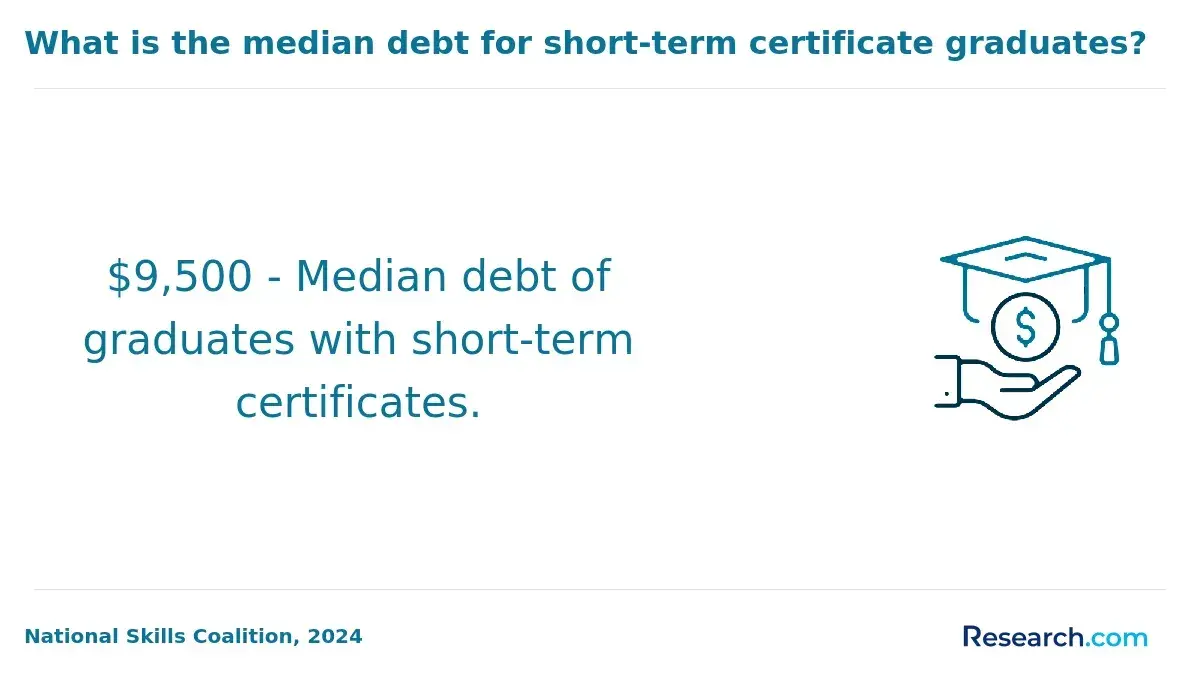
Advanced master's degrees in project management deliver critical expertise for overseeing complex programs, where leadership, strategic alignment, and cross-project integration become essential. Managing multiple intertwined projects demands knowledge beyond foundational skills to include resource optimization, risk mitigation at scale, and portfolio-wide benefits management-areas typically underrepresented in certificate programs.
Online project management degrees for program managers with a strategic focus are particularly valuable in industries such as technology, healthcare, and construction, where employer expectations include demonstrated academic depth paired with practical leadership capabilities. For instance, graduates from New York University's online project management master's program report median salaries around $221,872.
Certificates like the Program Management Professional (PgMP) credential offer immediate recognition and supplement existing project management experience but fall short in delivering the broad, integrative skills essential for program leadership. These credentials often omit critical coursework on portfolio and benefits management, which are daily priorities for senior managers.
Early-career professionals aiming to pivot into program management typically benefit more from enrolling in master's programs that include applied capstone projects and leadership simulations. Established managers, meanwhile, can enhance employability by combining certifications with part-time advanced degrees. This dual approach aligns with hiring trends that favor candidates who demonstrate both rigorous academic preparation and industry-recognized certification.
Prospective students seeking to expedite their education may explore fast-track project management degree online options for accelerated credentialing without sacrificing core competencies.
Which accreditation and quality indicators matter most for online project management programs?
Accreditation aligned with the Project Management Institute (PMI) remains a critical factor in selecting online project management programs in the United States. PMI-endorsed curricula provide direct preparation for the PMP certification, which correlates with a 22% higher median salary worldwide, according to PMI's 2024 salary survey. Employers notably prefer candidates holding PMP or equivalent credentials.
Consider an IT infrastructure professional seeking a pivot into program management: enrollment in a program that integrates PMI-aligned coursework addressing project lifecycle, risk management, and stakeholder communication is essential. Programs lacking this alignment risk leaving graduates underprepared on skills critical to employer demand. This underscores key accreditation standards for online project management programs United States providers must meet.
Top quality indicators for project management certification programs include graduate employment rates, employer partnerships, and embedded PMP exam preparation. Programs offering simulations and exam prep expedite certification, unlocking higher-paying roles more swiftly. Conversely, theoretical-only curricula without hands-on components diminish practical readiness and hiring appeal.
From a cost-benefit angle, balancing program length, tuition, and credential value matters. Short, inexpensive certificates without accreditation or PMP focus may lower upfront costs but rarely yield the salary premium or leadership-track opportunities typical of fully accredited master's options. Prospective students evaluating pathways should consider this tradeoff carefully.
For a broader view of accelerated healthcare management education as a complementary leadership pathway, see options for a fast online master's in healthcare management.
What core courses and specializations do top online project management programs typically include?
Online project management programs that align strictly with the PMI's PMBOK Guide knowledge areas optimize practical readiness for industry demands. Core subjects-project integration, scope, time, cost, quality, human resources, communications, risk, and procurement-are foundational but insufficient alone. Employers expect proficiency not just in theory, but in applying scheduling and resource tools like Microsoft Project or JIRA.
Students face a strategic choice between broad exposure and targeted specialization. Agile methodologies address essential software development workflows, while program management preps graduates to handle complex portfolios in healthcare or government contracts. Consulting roles typically require deeper negotiation and stakeholder engagement skills beyond general project frameworks.
Programs grounded in sector-specific case studies enhance decision-making skills that generic curricula often overlook. For instance, managing supply chains in manufacturing or navigating compliance in finance demands contextual knowledge, a factor directly tied to employability given BLS data projecting 7% growth for project management specialists by 2034.
Candidates must weigh certification prep (PMP, CAPM) against tailored specializations; lacking either risks blending into a crowded field. A pragmatic orientation towards current employer standards and niche market needs ultimately shapes the return on educational investment.
What are the typical admissions requirements for online project management programs for working adults?
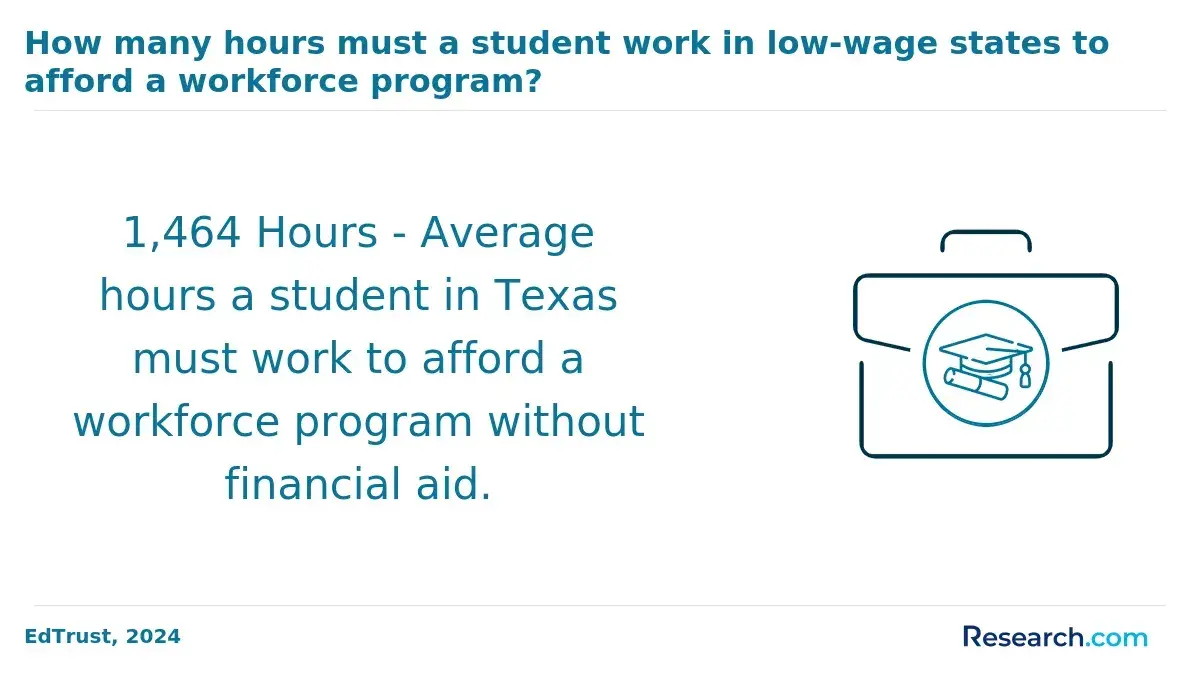
Admissions for online project management programs target candidates who demonstrate relevant professional experience and strategic readiness rather than mere academic credentials. Most programs expect a bachelor's degree, often with two to five years of verifiable work experience managing tasks or teams in sectors like business, engineering, or technology. This experience is critical since employers and admissions committees prioritize applicants who have navigated real-world project challenges over those relying solely on theoretical knowledge.
Applicants must submit a detailed resume showing roles in coordination, budgeting, or stakeholder engagement that confirm applied project management skills. Professional references or supervisor recommendations are often required to validate leadership capacity under workplace pressures. Unlike many graduate fields, GRE scores are infrequently requested except in specialized research or executive tracks.
Proficiency with digital collaboration and project management software tools is a practical gatekeeper: Ravetree's 2026 analysis of PMI 2024 research highlights that 77% of high-performing projects incorporate such tools, which save on average 498 hours annually per employee. Hence, tech literacy is integral to reducing onboarding friction and improving learner outcomes.
- Clear articulation of career objectives tied to specific certifications or project skills is essential.
- Ability to balance online learning alongside ongoing work commitments is closely evaluated.
- Industry-specific experience matters for applied curriculum relevance, particularly in construction, healthcare, or IT.
- Programs favor candidates with demonstrated teamwork and leadership to support cohort dynamics.
How long do online project management degrees take and what do they cost to complete?
Choosing an online project management degree requires weighing duration, cost, and credential outcomes against real workforce demands. Bachelor's programs often span four years and can cost between $40,000 and $100,000, influenced by institution type and transfer credits. In comparison, master's degrees and MBAs with project management focus usually last 1.5 to 2 years full-time but may stretch to 4 years part-time, with tuition ranging from $20,000 to $70,000.
Industries such as construction and IT emphasize credentials aligned with recognized certification standards, sometimes requiring internships or practicum credits that extend program length. Meanwhile, MBAs offering project management specializations tend to be more expensive but can position graduates for broader leadership roles beyond typical project functions.
According to 2026 industry data, median salaries for graduate-level project management credentials range from about $135,798 at Arizona State University to $221,872 at New York University, reflecting substantial variance by program and region. Employers in healthcare and manufacturing often prioritize these advanced credentials for handling complex projects, reinforcing that program choice directly impacts career trajectory.
Professionals should carefully evaluate employer tuition assistance, part-time flexibility, and program accreditation to mitigate financial strain and optimize the return on this educational investment.
What project management and program management roles can graduates pursue with these credentials?
Career trajectories for graduates with project management and program management certifications hinge on specialization and industry context. Program managers, for instance, must navigate competing priorities across interconnected projects, balancing resource allocation and stakeholder communication to meet strategic business goals. This role is less suitable for those seeking narrowly defined tasks and requires adeptness at managing ambiguity and complexity.
Practical workforce realities reveal that Agile-focused credentials offer a measurable advantage in IT and software development sectors. Data from Standish Group, cited in Ravetree's 2026 statistics report, show Agile projects achieve a 64% success rate compared to 49% for waterfall projects. This reflects employer preference for methodologies that mitigate failure risk and support iterative adaptation.
In contrast, industries like construction and manufacturing emphasize waterfall or hybrid methods, where mastery of cost control, compliance, and safety are paramount. Project managers or schedulers in these sectors must prioritize linear workflow and regulatory adherence over flexible iteration.
Healthcare program management involves oversight of multi-disciplinary teams under strict regulatory environments, demanding credentials that integrate Agile and traditional frameworks. Entry roles such as project coordinator often require domain-specific experience and certifications to progress into roles managing larger initiatives with shifting priorities.
- Industry-specific demands shape credential value and role expectations.
- Agile skills correlate with higher project success in IT.
- Waterfall expertise remains critical in regulated physical sectors.
- Cross-functional coordination and compliance define healthcare program roles.
What are the salary expectations and job outlook for project and program management professionals?
Project and program management salaries vary significantly by sector and seniority, with median annual earnings spanning $90,000 to $130,000 and senior technical or healthcare roles exceeding $150,000. Growth expectations of about 12% through 2032 reflect heightened demand for professionals adept at steering cross-functional projects amid organizational complexity. These figures emphasize how specialization and industry context heavily influence salary outcomes and role availability.
The cost of education remains pivotal in assessing return on investment; undergraduate project management-related tuition averages $14,688 yearly, while graduate programs reach $20,513. For career pivots, particularly from non-technical backgrounds, pursuing a graduate certificate can be a more cost-efficient path to secure $20,000+ salary increases compared to a full degree.
Sector differences illustrate practical earning variances: IT project managers overseeing agile teams average $115,000, whereas construction program managers with multimillion-dollar budgets earn $130,000 or more. Entry-level project coordinators in nonprofits typically start near $60,000 despite similar certification requirements, indicating credentials alone don't guarantee lucrative roles.
Selecting accredited programs that align with Project Management Institute-recognized certifications and demonstrate strong career placement is essential to mitigate tuition risk and improve market competitiveness.
How do online programs support industry certifications like PMP and PgMP for advancement?
Online project management programs are strategically designed to meet PMP and PgMP certification requirements, integrating PMI's Talent Triangle® skills: technical, leadership, and strategic business management. Their relevance hinges on industry-specific application, such as IT professionals engaging with simulations on agile hybrid workflows, increasingly vital as AI and remote teams reshape project dynamics.
A 2026 forecast projects the software segment of project management nearly doubling from $5.6 billion in 2023 at an 8.4% CAGR by 2032, underscoring substantial demand for these adaptable skill sets. These programs address the balance challenge between study and work by offering asynchronous content and mobile-optimized platforms. This enables professionals to juggle the 35-60 education contact hours and 4,500-6,000 verified leadership hours required for certification applications without derailing job duties.
Structured exam prep modules reflective of PMP and PgMP exam formats further support timely progression. Mentorship and networking forums enhance practical understanding, assisting with common hurdles such as experience validation or audit processes. Yet, candidates should critically evaluate whether PDUs are systematically tracked, as lapses can delay credential renewals.
In regulated sectors like healthcare or government contracting, frequent content updates mirror compliance complexities, a non-negotiable for employers valuing sector-specific project governance expertise.
Other Things You Should Know About Project Management
Online project management education can be worth the investment if the program offers advanced curriculum aligned with program management competencies, such as portfolio oversight, strategic alignment, and stakeholder management. Candidates should prioritize programs that provide applied learning opportunities and integration with recognized certifications like PgMP. Simply earning a credential without these practical elements may not translate into competitive advantage when targeting senior roles.
Online project management programs often demand rigorous self-discipline as students juggle coursework, group projects, and deadlines alongside full-time work. Professionals must assess whether the program structure allows flexible pacing and asynchronous options. Programs with heavy synchronous components or tightly scheduled milestones increase stress and risk of burnout, which can undermine career and academic progress simultaneously.
For program management careers, industry connections provide direct access to internships, mentorship, and job placement that pure academic prestige alone cannot match. Candidates should prioritize programs with demonstrated employer partnerships and alumni networks active in program management spheres. Without these, graduates may face longer job searches and weaker practical skills alignment, limiting immediate employability.
In 2027, the best online project management programs blend technical know-how with leadership and strategic management expertise. This integration ensures professionals are equipped to handle both the tactical elements of project execution and the broader strategic challenges of program management roles.
References
- Program Management Professional Certification Training Courses in Detroit, MI United States https://www.icertglobal.com/project-management/program-management-professional-certification
- Job Outlook for IT Project Managers | CompTIA Blog https://www.comptia.org/en/blog/job-outlook-for-it-project-managers/
- Study Project Management Courses Online https://www.open.edu.au/study-online/business-management/project-management
- Guide to major project management certifications – Which one to choose in 2026? – Part 1 – ProMan Consulting https://promanconsulting.hu/en/large-project-management-quality-guide-1/
- Explore the Best Project Management Courses Online in 2026 – Affordable and Free Choices - Exam-Labs https://www.exam-labs.com/blog/explore-the-best-project-management-courses-online-in-2026-affordable-and-free-choices
- PMP vs. PgMP: Choosing the Right Certification for Your Project Management Career - iZenBridge https://www.izenbridge.com/blog/pmp-vs-pgmp-choosing-the-right-certification-for-your-project-management-career/
- What is the Best Project Management Certification (2026)? https://www.knowledgetrain.co.uk/project-management/project-management-courses/what-is-the-best-project-management-certification
- Top Project Management Courses for a Global Career https://mybeta.ca/top-project-management-courses-to-build-a-global-career/
- The Project Manager Salary: What to Expect and How to Earn More https://www.icagile.com/resources/the-project-manager-salary-what-to-expect-and-how-to-earn-more
- (Free + Paid) Best Project Management Courses Online In 2026 https://dumpsgate.com/project-management-courses-online/