2026 Project Management Specializations for IT Project Careers

Co-Founder and Chief Data Scientist
Mid-career IT professionals often confront the dilemma of selecting a project management specialization that aligns tightly with evolving enterprise demands while minimizing retraining downtime. With 62% of adult learners in degree programs prioritizing flexible online options, as reported by the National Center for Education Statistics in 2024, the choice extends beyond content to delivery mode and credential portability.
This shift affects how professionals balance upskilling with ongoing work responsibilities, making informed specialization critical for sustained employability. This article examines key project management specializations tailored to IT roles, comparing their practical relevance, accessibility, and impact on career mobility to guide effective educational investment decisions.
Key Things You Should Know
- Emerging specialization in Agile and hybrid methodologies commands 45% higher median salaries per IPMA 2024 data but requires steady upskilling due to volatile frameworks, posing a strategic tradeoff in long-term credential relevance.
- Employers increasingly favor candidates with technical fluency in AI-driven tools alongside foundational project management skills, reflecting Gartner's 2024 survey where 62% prioritize AI literacy for IT PM roles.
- Certification pathways with integrated cloud and cybersecurity modules cost 30-40% more and extend completion time by six months on average, impacting accessibility and timely career transitions per education provider reports.
What are the most in-demand IT project management specializations for technology careers today?
IT project management specializations increasingly center on hybrid agile-waterfall methodologies, risk and compliance oversight, and technical product delivery coordination. A rise from 44% to 57% in organizations employing hybrid agile-waterfall approaches for over half their projects signals that proficient integration of these contrasting methodologies is more than theoretical-it directly impacts a manager's capacity to navigate complex cross-functional teams.
For professionals seeking it project management certifications for technology professionals, focusing on hybrid frameworks offers practical dividends, especially in sectors like healthcare IT where balancing regulatory compliance with iterative deployment cycles is mandatory. This specialization demands nuanced communication skills and judicious resource allocation across upfront design and iterative delivery phases.
Risk and compliance project management expertise is similarly invaluable, given the stringent cybersecurity and privacy laws such as HIPAA and GDPR that increasingly govern software deployment. Embedding regulatory checkpoints and proactive risk mitigation translates directly to fewer operational delays and legal exposures.
Technical product delivery coordination competence remains crucial for infrastructure-heavy industries, demanding a deep understanding of system integrations, APIs, and cloud platforms to minimize rework from misaligned dependencies.
Employers across regulated and evolving startup environments expect managers to balance scope control with agile responsiveness and deliver measurable value. Those evaluating educational pathways should incorporate these realities alongside their personal constraints. Targeted credentials or degrees, including an MBA entrepreneurship online, can bridge gaps between academic knowledge and workforce expectations.
Top project management specializations in it careers demand ongoing adaptation to workforce needs and regulatory landscapes, making practical mastery of these core areas essential for meaningful career progression.
How does IT project management differ from general project management in skills and responsibilities?
IT project management skills versus general project management skills reveal significant operational differences that impact how candidates should prepare for roles in each domain. Unlike general project management, which often centers on timelines and budgets in less technically complex contexts, IT project managers navigate intricate software development cycles, cybersecurity mandates, and legacy system integrations. For instance, a financial services IT upgrade demands hands-on coordination with development teams to address code dependencies and ensure security compliance before deployment-tasks rarely encountered in non-IT projects.
Differences in responsibilities between IT project management and general project management extend to expertise in agile methodologies, continuous integration/continuous deployment (CI/CD), and interpreting AI-driven project insights. Gartner projects that by 2026, 80% of large enterprises will deploy AI-enabled tools to optimize schedules and resources, resulting in faster delivery cycles. This trend increases demand for IT project managers who can leverage AI outputs to avert technical bottlenecks in real time.
Those evaluating educational pathways should note the practical implications: IT project managers manage dynamic technology ecosystems, vendor relationships amid changing cloud licensing, and cross-disciplinary teams including engineers, developers, and testers. Incorporating training in these areas distinguishes successful candidates from others. For prospective students exploring options, identifying programs that teach both technical literacies and strategic adaptation is vital.
Professionals seeking a pivot or gainful advancement might also review alternatives such as the cheapest online construction management degree, which offers different practical applications and market opportunities.
What degrees and certificates prepare you for specialized IT project management roles?
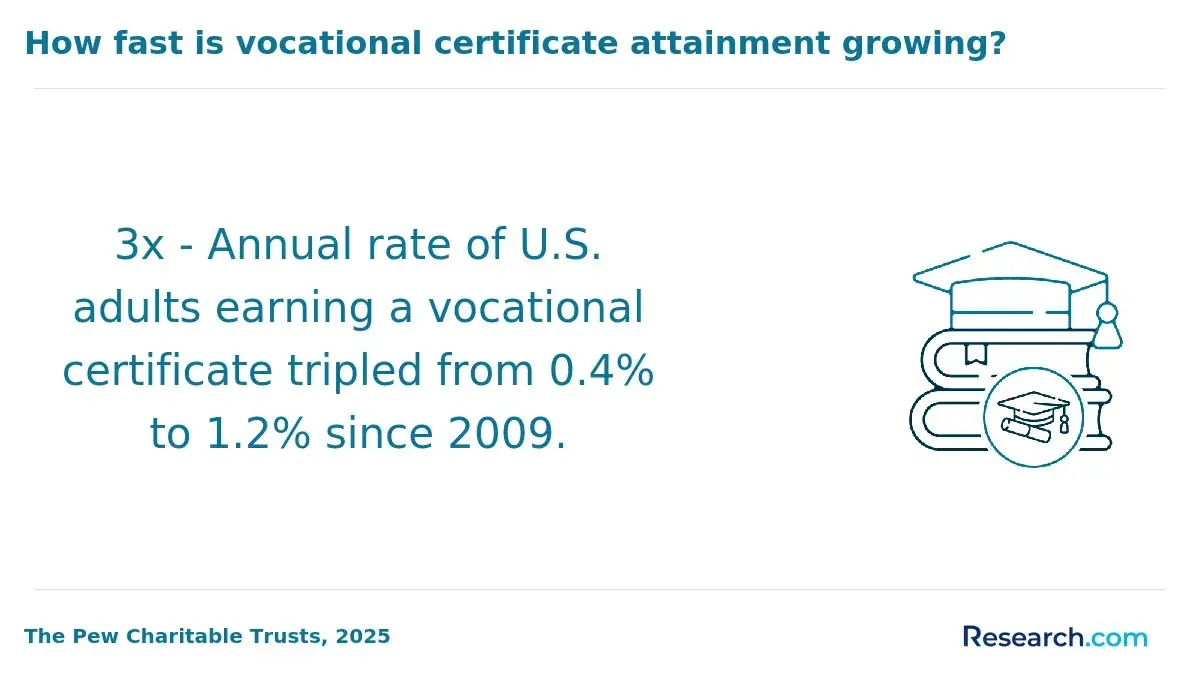
Success in IT project management hinges on combining formal education with targeted certifications that align with employer expectations and workforce realities. Employers prioritize candidates holding bachelor's degrees in IT-related fields such as information technology, computer science, or business administration with a project management focus, alongside specialized certifications. For example, cybersecurity project leadership demands credentials like CISSP or CompTIA Security+, responding to a critical global cybersecurity workforce shortage of 4 million, a gap that intensifies hiring competition and sets a high bar for candidates.
Master's degrees concentrated on IT governance or risk management offer distinct advantages for leading compliance-focused projects in complex sectors like finance and healthcare. Professionals pivoting from technical roles benefit from Agile certifications such as PMI-ACP or SAFe Agilist, which validate skills essential in iterative and DevOps-driven environments.
Combining degrees with practical credentials forms the strongest employment proposition. A mid-career IT professional earning a Project Management Professional (PMP) certificate alongside cybersecurity certifications significantly improves access to lucrative security infrastructure roles governed by regulatory mandates. Yet, certificates rarely replace foundational degrees in federal or large-scale corporate settings, making the educational path a critical component of career strategy for those seeking degrees in IT project management and certifications for specialized roles.
- Degree options: Bachelor's in IT, computer science, business with project management focus; Master's in information systems or project management with IT security emphasis
- Essential certifications: PMP, CISSP, CISM, CompTIA Security+, PMI-ACP, SAFe Agilist
- Key hiring factors: blend of accredited degree plus security or Agile certification preferred by employers addressing cybersecurity workforce shortages
For professionals exploring program options with practical career alignment, considering a sports management online degree can be a strategic example of how to identify accelerated degree paths suited for specific workforce needs and specialized credentials.
How do online IT project management programs compare with campus options for specialization?
Online IT project management specialization comparisons reveal that online programs lead in adaptability to market demands, particularly in cloud technology skill sets. With 82% of enterprises adopting multi-cloud and 78% hybrid cloud strategies, rapid curriculum updates on cloud cost control and hybrid deployment deliver immediate workforce relevance-an agility campus programs seldom match due to slower academic revisions.
Campus vs online project management training benefits diverge notably in networking and regulatory depth. Campus programs excel in offering direct industry connections and deeper specialization, which is critical for sectors like healthcare or finance requiring compliance expertise. In contrast, online delivery typically breaks learning into modular certifications on emergent cloud tools, enabling working professionals to upskill pragmatically while employed.
Employers increasingly prioritize candidates with recent, hands-on experience managing multi-cloud environments. Online courses employing simulated cloud projects or partnerships with cloud vendors enhance practical readiness, whereas campus graduates benefit from structured mentoring and capstone experiences but may suffer if institutional resources lag behind current infrastructure.
Choosing between campus and online options hinges on the learner's immediate career tasks versus long-term positioning. For example, those actively managing hybrid deployments often find online agile delivery essential. Others pivoting careers or needing deep regulatory training may prefer the slower but specialized campus route. Balancing time, learning style, and job market expectations is paramount in advancing IT project management expertise.
For professionals evaluating educational pathways, a carefully selected health information management degree can complement project management training, particularly in regulated environments requiring both compliance and technical project oversight.
What core courses and technical skills are taught in IT project management specializations?
IT project management specializations demand more than familiarity with methodologies like Agile or Scrum; they require balancing deep technical fluency with strategic oversight tailored to complex tech landscapes. For instance, managing AI/ML projects involves grasping data pipelines, model validation cycles, and algorithmic iterations-skills that shift traditional risk management and timeline planning.
This technical grounding directly impacts employability. According to Robert Half's 2026 technology job market data, AI and data science-related roles surged to 49,200 U.S. job postings in 2025, a 163% increase over the previous year. This trend places a premium on project managers capable of navigating hybrid IT infrastructures while managing vendor relationships and compliance with evolving data governance laws.
Prospective students should weigh the tradeoff between coding proficiency and broad systems thinking across industries. Healthcare demands precise data privacy expertise, while finance emphasizes accuracy in regulatory reporting. Programs offering applied capstones or internships aligned with these scopes better prepare candidates to meet sector-specific expectations.
Key practical skills include:
- Mastering tools like Microsoft Project, Jira, and Trello for real-time deliverable tracking
- Understanding software development lifecycles and cloud computing platforms
- Mitigating scope creep in rapidly evolving tech projects
- Coordinating cross-functional and data science teams effectively
The balance between technical depth and leadership breadth directly shapes a graduate's ability to lead complex technology initiatives and secure meaningful roles in a competitive, rapidly evolving job market.
What are typical admission requirements for specialized IT project management programs?
Admission to specialized IT project management programs demands more than academic credentials; it requires candidates to show direct alignment with evolving employer needs and sector-specific challenges. Typically, applicants hold a bachelor's degree in computer science, IT, business, or engineering, paired with two to five years of relevant work experience. This threshold reflects employer expectations for readiness to manage technically complex and digitally driven projects.
Real-world hiring scenarios reveal a growing preference for practical expertise in agile methods, software development lifecycles, and cloud technologies-competencies increasingly critical as organizations prioritize digital transformation initiatives. Programs screen for this through detailed resumes and professional certifications such as PMP, Scrum Master, or ITIL rather than relying heavily on standardized tests like the GRE.
Admissions committees also evaluate applicant experience based on industry context: healthcare-focused tracks expect familiarity with regulatory environments, while finance-oriented programs weigh cybersecurity and compliance knowledge more heavily. Letters of recommendation serve as qualitative verification of leadership and technical aptitude.
Candidates balancing full-time roles face practical challenges, from meeting program rigor to articulating a professional narrative that bridges past project involvement and future leadership capacity. Given projections of accelerating automation and digital initiatives through 2028, demonstrating this linkage can differentiate applicants in competitive pools.
- Bachelor's degree in relevant fields with 2-5 years IT or project coordination experience
- Professional certifications preferred over standardized tests
- Sector-specific knowledge and targeted professional recommendations required
- Emphasis on agile and cloud technology competencies aligning with digital transformation demands
How long do IT project management specializations take and what do they cost?
Choosing an IT project management credential requires balancing time investment, cost, and career focus against employer expectations and industry nuances. Short certifications in Agile or Scrum lasting 3 to 6 months benefit those aiming for rapid entry or role shifts in dynamic fields like software development. However, these credentials often limit access to senior positions that demand comprehensive skills and recognized qualifications such as PMP, which can take 9 to 12 months plus prerequisite experience hours.
In sectors like defense or healthcare IT, employers favor candidates with in-depth certifications reflecting broader technical and procedural understanding. These credentials frequently cost between $3,000 and $5,000, incorporating examinations and retake options, making the financial and time commitment a significant consideration. Candidates must also account for indirect expenses like study time and continuing education to maintain certifications.
Employment data corroborates the value of deliberate credential selection: project management specialists command a median annual wage of $100,750, with projected growth of 6% over the next decade and approximately 78,200 annual job openings, as reported by the U.S. Bureau of Labor Statistics. Prospective students and professionals should weigh faster, affordable certifications against lengthier, costlier programs that align better with positions demanding expansive, accredited skill sets.
Which industry certifications align with IT project management specializations and career advancement?
PMP certification remains the primary credential for IT project managers targeting comprehensive leadership roles, offering a documented salary premium of 20-25% over non-certified peers. This advantage aligns with employers' preference for demonstrated expertise in waterfall and hybrid methodologies, which are critical in infrastructure and software development projects. However, PMP's stringent eligibility-demanding extensive documented project hours and formal training-can be a barrier for early-career professionals or those seeking quick entry into project leadership.
Certified ScrumMaster (CSM) fills a specific agile niche, validating skills in iterative workflows essential for software delivery and DevOps teams. While it can be earned faster than PMP, its recognition is narrower and often secondary to PMP in organizations valuing broad strategic risk and stakeholder management.
For IT project managers overseeing cybersecurity or compliance-heavy projects, particularly in regulated industries like finance or healthcare, combining PMP with CISSP creates a competitive credential mix. This combination signals advanced knowledge in cyber risk and regulatory frameworks but entails higher costs and preparation complexity.
From a workforce perspective, certification investments should be calibrated to an individual's career stage and sector demands. Prioritizing PMP provides versatility for leading diverse IT projects; supplementing with CSM or CISSP adds targeted value aligned with methodological focus or sector-specific requirements.
- Employers pay a 20-25% salary premium for PMP holders versus non-certified project managers.
- PMP certification requires significant documented hours, making it less accessible for early-career professionals.
- CSM is more agile-specific and quicker to obtain but commands narrower employer recognition.
- PMP plus CISSP is often mandatory in regulated environments for IT project managers handling compliance and security projects.
What IT project management career paths, job titles, and work settings can you pursue?
IT project management roles demand nuanced expertise shaped by industry requirements and organizational scale, with titles spanning from technical project manager to program and portfolio manager. The rise of remote and hybrid work models-now involving 71% of large IT projects-forces professionals to refine skills in distributed team leadership, asynchronous communication, and multi-time-zone coordination. For example, managing a cybersecurity upgrade project within a financial services firm requires not only compliance knowledge but also adeptness in virtual stakeholder engagement.
Sector-specific emphasis affects career trajectories: healthcare and government sectors prioritize strict data security and regulatory adherence, whereas startups value agile methodologies and rapid iteration. Practical competence in digital tools and remote workflow risk management increasingly separates viable candidates from less-prepared peers.
Employers weigh direct experience with remote teams alongside certifications, though hands-on exposure to virtual collaboration platforms often proves decisive. Budgets and resource stewardship fluctuate substantially between consultancy roles with client-facing negotiations and internal management positions demanding cross-functional synchronization. Understanding these operational realities helps clarify the tradeoffs faced when selecting educational or certification programs aimed at project management careers.
What salary ranges and job outlook can IT project management specialists expect in the U.S.?
Pursuing IT project management roles in the U.S. involves navigating a salary landscape highly dependent on specialization, experience, and certifications. Entry-level salaries begin near $70,000 annually, but practitioners focusing on agile methodologies, cybersecurity, or cloud-based projects regularly command $85,000 to $140,000. Senior managers overseeing multi-million dollar digital transformation initiatives often surpass $150,000. This range reflects employer demand for professionals who integrate technical depth with strategic coordination capabilities, a combination that differentiates candidates in a competitive market.
The labor market expects robust growth, with projections estimating a 33 percent increase in project-centered roles globally by 2027, translating to approximately 88 million positions. This growth intensifies competition, making continuous skills development and relevant certifications not just advantageous but necessary for securing premium roles. Professionals who fail to specialize risk career stagnation amid more agile, compliance-driven, and technology-integrated environments.
For instance, an IT project manager skilled in both cloud infrastructure and regulatory compliance is more likely to lead complex projects with larger budgets and faster progression. The practical implication is that standard credentials without current, market-aligned expertise may limit employability and upward mobility. Therefore, aligning education with evolving industry demands-from AI integration to multi-stakeholder orchestration-remains a decisive factor in sustaining relevance and command over compensation.
Other Things You Should Know About Project Management
Choosing when to specialize depends on your career goals and market demand. Early specialization can accelerate expertise and make you attractive for niche IT roles, but it may limit exposure to diverse project types, reducing adaptability. A recommended approach is to build broad foundational skills within general project management before focusing on a specialization, ensuring you understand various methodologies and environments before committing to one path.
Employers expect specialized IT project managers to deliver immediate value through deep technical knowledge and domain-specific methodologies, such as Agile in software development or compliance in cybersecurity. General project managers are often relied upon for cross-functional coordination and broad process oversight. This means if you pursue a specialization, you must maintain relevant certifications and practical skills to meet tight delivery timelines and complex stakeholder demands.
In 2027, key skills for IT project management specialization include proficiency in Agile and Scrum methodologies, expertise in cybersecurity measures, and competence in data analytics. Emphasizing adaptability and technological fluency, successful project managers will integrate these skills to effectively manage complex projects and meet evolving industry demands.
Yes, workload and stress vary significantly by specialization. IT project managers in high-demand areas like cybersecurity or software release cycles face frequent urgent deadlines and possible off-hours crisis management. Conversely, specializations involving infrastructure or operations may follow more predictable schedules. Prioritize specializations that align with your tolerance for intensity and desired work-life balance to avoid burnout and sustain career longevity.
References
- Diverse Applications and Careers With a Degree in Project Management https://www.ucumberlands.edu/blog/diverse-careers-with-a-degree-in-project-management
- Project Management Career Path Roles Salary Skills Explained https://www.sterlingnext.com/blog/understanding-project-management-career-path-completely
- The Project Manager Salary: What to Expect and How to Earn More https://www.icagile.com/resources/the-project-manager-salary-what-to-expect-and-how-to-earn-more
- Project Management Degree Vs Certification: Which is Best for You? https://pmoglobalinstitute.org/project-management-degree-vs-certification/
- General versus Project Management https://svprojectmanagement.com/general-versus-project-management
- Learn job-ready skills with Google Career Certificates https://grow.google/certificates/project-management/
- Certifications in IT and Project Management: Elevate Your Career. https://www.expertrain.co.uk/post/certifications-in-it-and-project-management-elevate-your-career
- 5 Simple Steps to Becoming an IT Project Manager as a Non-PM https://www.prioritymanagement.com.au/steps-to-become-it-project-manager/
- The most in-demand IT professions - ECE https://www.ece.fr/en/faq-all-the-answers-to-your-questions/what-are-the-most-sought-after-it-jobs/
- Is a Project Management Course Worth Doing? Knowledge Train https://www.knowledgetrain.co.uk/project-management/project-management-courses/is-it-worth-doing-a-project-management-course