2026 Best Online Project Management Programs for Professionals Moving From Specialist Roles Into Project Leadership

Co-Founder and Chief Data Scientist
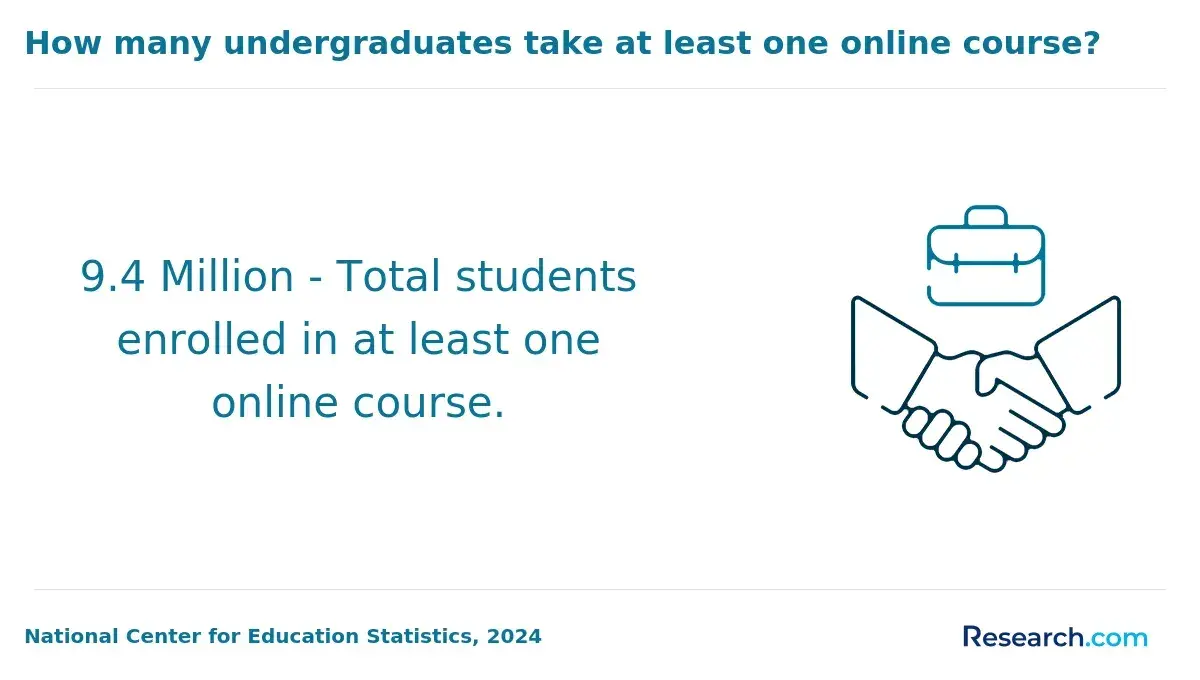
Transitioning from a specialist role to project leadership often demands more than technical expertise; it requires mastering coordination, strategic decision-making, and team motivation under tight deadlines and shifting priorities. Nearly 70% of mid-career professionals pursuing leadership roles now prioritize flexible, online learning options, according to the National Center for Education Statistics, reflecting a growing need for programs that fit unpredictable work schedules without sacrificing rigor.
This shift challenges learners to find project management programs that balance accessibility with recognized credential value and real-world skill application. This article examines top online project management programs tailored to professionals navigating this critical career shift, focusing on practical outcomes, program structure, and employability impact.
Key Things You Should Know
- Certification completion time correlates with salary uplift potential; programs averaging under six months yield 12% faster promotion rates but often sacrifice depth in Agile or hybrid methodologies per PMI workforce data 2024.
- Employers prioritize candidates demonstrating cross-functional leadership over pure technical skills, demanding case-based learning experiences, causing a 35% preference shift noted in McKinsey's 2024 talent survey.
- Cost intensiveness imposes access constraints: programs exceeding $8,000 deter 42% of transitioning specialists, creating a tradeoff between comprehensive credentials and affordability per NCES 2024 tuition reports.
What makes an online project management program ideal for professionals moving into leadership roles?
Effective online project management programs for professionals advancing to leadership recognize that transitioning from individual contributor to manager requires more than task oversight. Advanced training integrates strategic frameworks such as Agile scaling and risk mitigation tailored to sectors like tech product development and healthcare administration. These programs address the critical gap between foundational skills and executive demands by embedding complex methodologies in their curricula.
Flexible pacing and asynchronous content delivery accommodate working professionals, while real-world case scenarios sharpen practical leadership skills. For instance, project managers in construction might engage with regulatory compliance simulations, whereas those in finance focus on portfolio risk and compliance reporting. Programs incorporating scenario-based simulations or capstone projects aligned with recognized certifications enhance readiness and employer trust.
Key features of project management training for emerging leaders extend beyond technical expertise to include soft skills such as conflict resolution, stakeholder engagement, and decision-making under uncertainty-capabilities employers prioritize given their direct correlation with project success and team retention. According to Project Management Institute 2024 salary data, formal education in project management raises salaries by up to 16%, underscoring measurable workforce impact.
Additionally, evaluating career services like mentorship, leadership networking, and recruitment partnerships is essential to avoid accumulating credentials with limited professional advancement. Prospective students seeking growth should consider programs with robust support systems. For a comprehensive overview, reviewing an accelerated online business degree can provide insights into quality program structures and outcomes.
How do online project management degrees compare with campus-based options for working specialists?
Evaluating online project management degrees versus campus programs for working professionals requires weighing tangible tradeoffs between flexibility and experiential learning. Online degrees often provide asynchronous schedules allowing immediate integration of project management frameworks into existing roles-a key advantage for specialists transitioning to leadership without interrupting full-time employment. This modality suits IT professionals prioritizing certifications like Agile or Scrum tied to virtual team leadership.
Conversely, campus-based programs excel in immersive networking and hands-on collaboration, critical in sectors like construction or manufacturing, where real-time site visits and stakeholder engagement build leadership competencies. However, limited schedule flexibility in these programs creates friction for working specialists.
Program quality and relevance dictate employer perception, especially in healthcare systems where applied leadership under pressure and healthcare-specific risk management, ideally with clinical practicum options, carry substantial weight. Selecting flexible project management education options for specialists transitioning to leadership means aligning curriculum with sector-specific leadership demands to secure advantage in a market projecting 2.3 million new roles annually through 2030.
Deciding factors include accreditation, curriculum focus, and modality fit, with neither format guaranteeing success outright. For a broader view of online education pathways, consider exploring options like the online hospitality degree.
Which types of online project management credentials best support a transition from specialist to leader?
The best online project management certifications for leadership transition integrate recognized accreditation with practical leadership skill-building aligned to industry demands. Credentials such as the Project Management Professional (PMP) and Certified Associate in Project Management (CAPM) provide essential frameworks for managing complex projects while fostering competencies in stakeholder communication, risk mitigation, and strategic alignment-skills critical for moving beyond technical roles.
For example, an IT specialist advancing to a leadership position must understand both agile methodologies and budgeting to balance speed with cost-effectiveness. Credential programs that combine agile and traditional frameworks provide a strategic advantage in hybrid sectors like IT, construction, and healthcare.
Employers clearly reward these credentials, with PMI's 2024 salary report revealing certified professionals earn a median 33% higher salary worldwide. However, candidates must weigh the faster, targeted benefits of certifications against longer commitments like master's degrees, which offer broader leadership theory but involve greater time and cost.
Soft skills development remains a decisive factor. Credentials featuring live mentoring or cohort-based experiences more effectively close the leadership gap specialists face, whereas certifications lacking these are less likely to produce impactful leaders. Working professionals seeking practical advancement should also consider education pathways beyond certification; for instance, a bachelor's in project management can provide foundational knowledge for sustained career growth and leadership preparedness.
What accreditation and quality standards should online project management programs meet in the United States?
Accreditation significantly influences outcomes for students pursuing an online project management program in the United States, directly affecting market recognition and professional mobility. Programs lacking accreditation recognized by the U.S. Department of Education or the Council for Higher Education Accreditation often result in credentials with limited applicability, especially in regulated industries like healthcare or construction.
For example, an IT specialist transitioning to project leadership in a medical technology company must prioritize programs aligned with PMI-GAC standards to gain competencies in risk management and regulatory compliance essential to that sector. Quality standards for online project management courses US increasingly include not just institutional accreditation but also specialized approvals that align curriculum rigor with industry certifications such as PMP and Agile.
Flexibility in program delivery is another decisive factor. Data from the 2024 Wiley survey reveals that 69% of working adult learners chose online programs to advance their careers without reducing work hours, underscoring the importance of asynchronous and employer-aligned formats. Meeting these criteria ensures credentials translate into workforce readiness without disrupting ongoing employment.
Prospective students evaluating accreditation and program quality should ensure these factors are met:
- Institutional accreditation recognized by the U.S. Department of Education or CHEA
- Specialized program accreditation such as PMI-GAC
- Curriculum alignment with current industry standards and certifications like PMP and Agile
- Flexible delivery modes that accommodate non-working hour learning
To compare educational pathways with broader financial program options, consider exploring the accelerated finance degree online offerings for alternative accelerated credential models.
What core courses and leadership-focused skills do top online project management programs teach?
Project management education intersects technical proficiency with leadership demands shaped by evolving industry expectations. Employment in information services and publishing tied to this field is expected to grow by 27% through 2030, emphasizing the need for graduates to master risk analysis, cost estimation, scheduling, and quality assurance while adapting these skills into broader project strategies.
Programs blending specialist knowledge with leadership development prepare candidates to handle divergent scenarios-such as steering agile teams in technology startups versus managing compliance-heavy projects across healthcare or finance sectors. This dual focus addresses employer priorities for effective stakeholder communication, conflict resolution, and adaptive decision-making under real-world constraints.
Key tradeoffs in curriculum design arise between theoretical frameworks and practical tools like MS Project or Jira, reflecting immediate workplace requirements. Additionally, integrating modules on portfolio management and strategic alignment positions professionals to influence organizational outcomes beyond isolated project tasks.
Graduates who fail to bridge technical expertise with leadership capabilities risk project silos and coordination failures that hinder organizational goals. Conversely, those who navigate this balance effectively increase employability and reduce operational friction in cross-functional environments.
What are typical admission requirements for online project management programs for experienced professionals?
Online project management programs for experienced professionals pivot selection criteria away from standardized tests toward demonstrated, progressive leadership within relevant sectors. Admissions heavily weigh applicants' documented experience-typically three to five years-in roles involving project oversight, budget handling, team coordination, or cross-functional collaboration.
For instance, an IT specialist aspiring to project leadership must evidence skills managing agile workflows and vendor relations, while professionals in consulting need to show client delivery and stakeholder management capabilities. The decreasing emphasis on GRE or GMAT scores removes common barriers for mid-career entrants, but programs compensate by requiring professional references and detailed personal statements explaining strategic career shifts.
Some demand validations such as PMP certification to confirm foundational knowledge before advancing. Operational realities influence candidate success: balancing rigorous asynchronous coursework with full-time roles demands strong time management and often employer support. Selecting programs with flexible start dates and formats can make transitions manageable.
Employers increasingly expect immediate application of advanced methodologies from candidates, aligning with projections that global project management roles in professional services will expand by 2.3 million by 2030 according to PMI's data. This underlines the value of experience-centered admissions that prioritize proven capacity over theoretical testing.
How long do online project management programs take, and what do they typically cost?
Duration and credential type critically shape outcomes in project management education. Short-term certificate programs, typically 3 to 6 months, offer quicker entry points but often limit advancement in complex roles, while intensive tracks extending to 12 months better align with leadership demands and strategic employer expectations.
For instance, an IT professional preparing for PMP certification benefits from a 6-9 month program to meet industry standards, whereas a marketing specialist may prioritize a focused 3-month agile workflow certificate. Costs range broadly from $1,000 to $5,000, reflecting program depth and provider reputation, with community colleges on the lower end and PMP prep or university bootcamps on the higher.
Employers increasingly demand strategic credentials like PMP, which correlates with median salaries about 33% higher than non-certified peers in the U.S., justifying the more substantial investment for substantial wage premiums. Choosing between shorter, affordable courses and lengthier, intensive programs involves tradeoffs:
- Faster certificates expedite labor market entry but may cap salary and role complexity.
- Longer programs improve preparedness for challenging environments but require greater upfront time and financial commitments.
Financing options, employer tuition support, and program pacing flexibility impact feasibility and access. Prioritizing credentials linked to sector-specific demand and verifiable career gains can maximize return on investment for working professionals navigating project management pathways.
What project management careers can specialists transition into after completing these online programs?
Transitioning into project management from a specialist role involves more than acquiring technical knowledge-it demands mastering leadership, strategic decision-making, and stakeholder communication. For example, a software developer moving into project management must extend beyond coding to skills like risk management and cross-team coordination.
Similarly, a construction field technician promoted to project manager faces new challenges in scheduling, budgeting, and regulatory compliance that require practical, hands-on experience. Employers increasingly prioritize candidates proficient in methodologies such as Agile or Waterfall combined with strong business acumen. Yet, many online programs underestimate the difficulty of managing organizational politics and motivating diverse teams.
Specialists without formal leadership experience should seek programs incorporating applied leadership training and case studies to prepare for real-world workplace dynamics. Budget trends reflect this need, with over 80% of learning and development leaders sustaining or increasing funding for project management skills, signaling employer investment in internal talent development.
However, aligning one's industry expertise with project management demand is critical. For instance, a finance analyst may accelerate advancement by earning certifications in financial project management, addressing niche employer requirements and expanding scope effectively. Decisions about project management training should weigh immediate employability gains against the practical complexities of role transition.
What salaries and advancement opportunities can project management professionals expect after upskilling online?
Certification and advanced online coursework in project management can materially shift compensation trajectories, with median salary increases typically between 15% and 25% within 12 to 18 months post-completion. Moving from specialist to mid-level leadership roles often raises salaries from about $85,000 to over $105,000 annually, while sectors like technology and healthcare reward those skilled in AI-integrated project management with salaries exceeding $120,000 within two years.
However, the practical value of credentials is contingent on simultaneous, demonstrable fluency with digital tools favored by employers. Employers increasingly expect candidates to apply AI-driven analytics and risk assessment to limit delays and cost overruns, metrics that heavily influence promotion decisions.
For example, a marketing specialist who supplements their project management credentials with AI tool expertise can more effectively lead cross-functional teams, accelerating advancement into director-level positions. Yet, firms routinely require three to five years of relevant project experience alongside certification, illustrating the tension between formal qualifications and practical application.
Realistic outcomes vary by organization size and industry; smaller firms may offer slower salary growth but better opportunities for hands-on AI technology integration. Without practical AI skills, project professionals risk stagnating in specialist roles despite online learning efforts. Those who prioritize both recognized certification and continuous AI-tool training tend to realize the most significant gains in salary and leadership potential.
How do industry certifications like PMP and Scrum integrate with online project management study plans?
Certification-focused study plans that align tightly with PMP and Scrum exam frameworks demonstrate tangible benefits in exam outcomes and professional transitions. A 2024 TimesPro analysis highlights that candidates completing PMI-aligned courses see more than a 20 percentage point increase in first-attempt PMP pass rates compared to those in non-aligned tracks.
This advantage is significant for professionals pivoting into leadership roles, such as IT security specialists moving into agile project coordination, who gain from coursework blending Scrum sprint planning with risk management. Employers often prioritize certifications as proof of standardized expertise, especially in sectors like healthcare administration and construction management, where formal credentials are prerequisites for advancement.
However, candidates face tradeoffs between broad project management education and narrowly tailored certification prep. Broad programs cultivate strategic thinking and leadership acumen but require longer time commitments, whereas focused prep accelerates certification readiness at the expense of contextual understanding necessary for complex organizational roles.
Successful study plans mitigate logistical challenges by incorporating case studies, simulated exams, and peer forums supporting flexible pacing. This approach balances workplace demands while embedding industry-standard competencies that translate into employability advantages. Ultimately, aligning study content with PMI standards can make certifications more than credential checks-serving as genuine leverage for career pivoting and growth.
Other Things You Should Know About Project Management
Transitioning into project leadership while studying online requires careful time management, as program workloads often demand significant planning and communication skills practice. Employers expect leaders to demonstrate not only technical knowledge but also active problem-solving under pressure, which online programs simulate through group projects and real-world case studies. Prioritize programs that offer flexible deadlines and asynchronous content, allowing you to align study with peak work periods to avoid burnout.
The best online project management programs in 2027 typically include courses on strategic planning, team management, stakeholder communication, risk management, and leadership principles. These courses are designed to provide a comprehensive transition from specialist to project leadership roles, integrating both technical and soft skills training.
Yes, programs heavily focused on specialized methodologies like Agile or Lean often reduce emphasis on broader leadership skills such as conflict resolution, emotional intelligence, or strategic decision-making. For professionals aiming to move into leadership, prioritizing programs that integrate leadership fundamentals with technical skills yields a more balanced progression. When evaluating programs, weigh how well they develop your ability to manage teams and organizational change alongside project tools.
Employer recognition varies widely; many value established certifications and degrees validated by well-known institutions or those aligned with recognized certifications like PMP. Programs offering integrated exam prep or partnerships with industry bodies have clearer practical outcomes. Prioritize credentials that provide measurable proof of skill competency relevant to your target industry, as this directly impacts hiring and promotion decisions more than generic online diplomas.
References
- How To Become a Project Manager in 2025: Steps and Education https://productive.io/blog/how-to-become-a-project-manager/
- How to Get a Project Management Certification In 5 Steps - University of the Potomac https://potomac.edu/how-to-get-project-management-certification/
- Transitioning into Project Management from a Different Field https://redlearning.org/transitioning-into-project-management-from-a-different-field/
- Project Management Career Path | AIPM https://aipm.com.au/project-management-career-path/
- How to get a PMP certification https://ppi2pass.com/resources/project-management-professional/how-to-get-pmp-certification
- Project Manager Job Market 2026: Trends and Salary https://skillifysolutions.com/blogs/project-management/project-manager-job-market/
- Certified Project Manager Academy Institute MPM Accredited Institute Project Management Certifications ACAPM ® Certified Project Manager https://www.americanacademyofprojectmanagement.com/
- CIPM ® Certified International Project Manager https://www.aapmglobal.org/morecertifications/
- Career paths in project management https://gradireland.com/careers-advice/business-consulting-and-management/career-paths-project-management
- The 9 Best Project Management Qualifications in 2025 | Project Management https://www.icslearn.co.uk/blog/management/the-9-best-project-management-qualifications/