2026 Project Management Salary by State Report

Co-Founder and Chief Data Scientist
Faced with deciding where to pursue project management certification or employment, many professionals confront stark regional salary disparities that complicate strategic career moves. The Bureau of Labor Statistics reported a 12% growth in project management roles nationwide through 2031, but median wages vary widely by state, influencing relocation or remote work decisions.
This wage variation, coupled with uneven cost of living shifts and employer demand, means a credential's value can fluctuate dramatically depending on geographic context. This report analyzes project management salary trends across states to help prospective students and career changers optimize location-based earning potential and align educational investment with realistic market outcomes.
Key Things You Should Know
- States with high tech concentration like California and Washington report median project management salaries exceeding $115K, reinforcing relocation as a measurable income lever but increasing living cost tradeoffs for candidates.
- Employers increasingly prioritize PMP certification paired with domain-specific experience; data from PMI's 2024 Talent Gap Report shows uncertified managers face 20% slower salary growth, affecting long-term career velocity.
- Public university project management programs averaging 2.5 years delay workforce entry vs. shorter certificate tracks, leading to a calculated $30K opportunity cost that shapes choices for professionals balancing upskilling speed and credential depth.
What is project management salary by state?
Salary differences in project management by state reveal a fragmented economic landscape that directly influences compensation and hiring strategies. Nationally, the median annual wage for project management specialists stands at $100,750, but regional factors skew this substantially. High-tech hubs like California's Silicon Valley report salaries exceeding $140,000 to offset steep living costs and competitive demand, while states with limited corporate presence, such as West Virginia, hover near $70,000 to $80,000. Such disparities compel candidates to evaluate relocation tradeoffs or remote work viability against state-specific earning potential and market saturation.
Average project management pay across states often correlates with concentrated industries; for instance, aerospace and pharmaceuticals in Washington or New Jersey drive higher wages due to project complexity and technical requirements. Employers increasingly expect demonstrated expertise in methodologies such as Agile and risk management, linking salary brackets tightly to skill adaptability. This dynamic forces candidates to align their experience and educational investments with regional labor market realities.
Those pursuing strategic career pivots should factor in state-level salary nuances alongside the return on educational commitments. Aligning one's credentials with demand and cost of living improves employability and long-term growth prospects. For working professionals, programs like an MBA operations management online offer flexible routes to gain relevant skills while considering geographic salary variances in project management.
Which states pay project managers the most?
High salaries for project managers in Texas, reaching an average of $101,000 in 2026, come with expectations of managing large-scale, technically complex projects, often in energy and manufacturing. This premium pay reflects not only state economic strength but also employer demand for advanced certifications like PMP and domain-specific expertise.
In contrast, Arkansas offers about $90,000 on average, supporting project managers in logistics and agriculture who must navigate operational agility and cross-functional coordination without the stringent credential requirements found in Texas. Mississippi's average project manager salary of $85,000 indicates tighter budgets and a stronger emphasis on hands-on, scalable project delivery in manufacturing and infrastructure sectors.
These roles require adaptability to resource constraints and effective output measurement. Alaska represents the lower end of the pay scale at $69,762, where geographic isolation and a focus on natural resource extraction necessitate specialized regulatory and environmental compliance knowledge. When analyzing the highest paying states for project managers, candidates need to balance salary advantages against local cost of living and industry stability.
Higher-paying states often demand deeper expertise and certification investments, while lower-paying regions may offer growth through demonstrated project success but require flexibility and familiarity with regional industries. Salary variances force candidates to weigh higher pay against cost of living and industry stability when selecting job markets.
High-paying states demand deeper expertise and certifications, increasing the upfront investment in education and training. Lower-paying regions may offer upward mobility through demonstrated project success but require flexibility and local industry knowledge. Professionals seeking a strategic pivot could explore programs like the best online human resource management masters degree to enhance leadership and operational skills integral to project management roles.
How do project manager salaries vary by industry?
Project manager salaries differ widely by industry and state, influenced by operational intricacies and regulatory requirements. For instance, project managers in construction routinely oversee complex, multi-phase builds demanding detailed risk mitigation and vendor coordination, which often pushes their pay well above the national median. In contrast, healthcare project managers navigate patient safety protocols and compliance within evolving legal frameworks-work underscored by a demand for specialized certifications and often reflected in elevated compensation.
These distinctions demonstrate how regional differences in project management compensation are directly tied to sector-specific challenges. Technology and financial services also show significant salary variation. Tech project managers are tasked with implementing rapidly evolving methodologies like Agile and Scrum, requiring continuous skill updates and translating to higher wages than some traditional sectors.
Financial project managers focus heavily on risk and compliance within tightly regulated environments, with salaries commensurate to their impact on organizational profitability. Construction emphasizes PMP and safety credentials, whereas technology sectors prioritize Agile frameworks, influencing both employability and salary negotiations. Employers value domain-specific project experience, which demands strategic career planning aligned with salary optimization.
Negotiation strategies benefit from highlighting industry-relevant achievements rather than generic project management skills. Additionally, readiness to pursue ongoing certifications linked to the target sector remains a decisive factor. For individuals exploring educational pathways, options like the fastest online master's in healthcare administration can serve as practical avenues to meet healthcare sector demands and related salary expectations within project management trajectories.
What degrees help you become a project manager?
Degrees in business administration, engineering, information technology, or construction management most directly equip candidates for project management roles by integrating industry-specific technical knowledge with foundational skills like budgeting, scheduling, and risk assessment. For example, an engineering graduate in manufacturing project management can bridge communication gaps between technical teams and stakeholders, a practical advantage not commonly offered by degrees in liberal arts or communications.
Individuals holding degrees outside these traditional fields often must offset this gap through certifications such as PMP or CAPM and relevant project experience. Employers in sectors like IT and healthcare emphasize specialized knowledge combined with project management training due to regulatory and technical complexities inherent to those industries.
The 10th-percentile wage for project management specialists was $59,830 in May 2024, reflecting entry-level pay limitations for candidates lacking advanced qualifications or certifications, which impacts career trajectories and salary growth. Prospective students seeking the best college degrees for project management careers in the US should evaluate programs that balance domain expertise with leadership skill development.
Candidates pursuing career pivots must consider degrees aligned with their target industries while gaining practical experience through internships or apprenticeships. Those who combine industry knowledge with organizational capabilities reduce ramp-up time and increase employability. Exploring an online business administration degree can be a strategic choice for broad-based project management skills paired with market relevance.
Is an accredited project management program worth it?
Accredited project management programs offer distinct advantages primarily when targeting regulated industries or roles demanding formal certification. ZipRecruiter data shows U.S. project managers typically earn between $78,500 and $123,000, with top earners exceeding $146,000. Credentials from recognized institutions notably improve placement chances in sectors like construction, healthcare, and government contracting, where compliance with standards such as PMI or PRINCE2 is often mandatory.
Conversely, technology companies and startups frequently prioritize hands-on experience and agile methodologies over formal accreditation, which can reduce the necessity of costly programs for applicants focused on these environments.
Key practical considerations include:
- Financial investment versus salary increase: Accredited programs require upfront costs justified mainly by access to higher-paying, credential-driven roles.
- Time delays: Full-length courses may postpone earning potential compared to accelerated certifications or gaining experience on the job.
- Curricular relevance: Some programs emphasize traditional frameworks and may not address emerging project delivery approaches valued in agile-driven fields.
For professionals pivoting into regulated sectors or leadership positions, accredited credentials signal verified competence to employers. Experienced practitioners aiming at agile workspaces might achieve better ROI by focusing on specialized certifications or practical experience.
Should you choose online or campus project management programs?
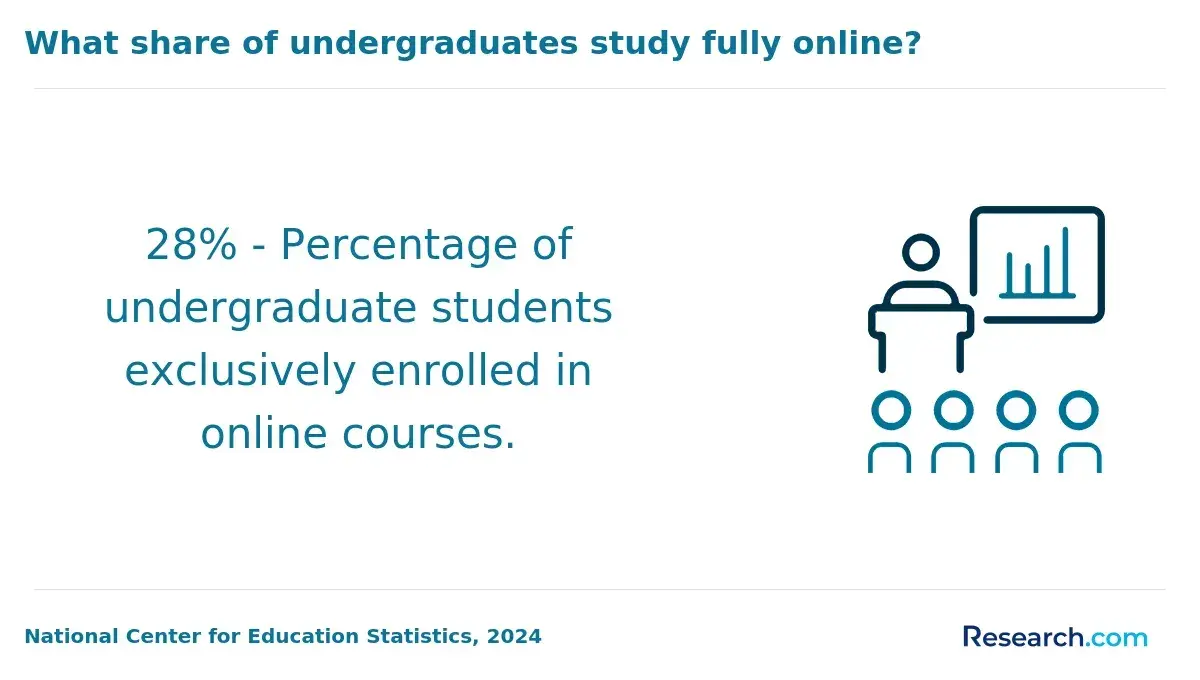
Choosing between online and campus project management programs hinges on how well the format aligns with professional demands and workforce expectations. Online programs grant flexibility crucial for maintaining income-reflecting the national average total compensation of $109,241 noted by Built In-while pursuing credentials without geographic constraints or career interruption.
However, campus settings remain preferable in sectors where hands-on collaboration, immediate instructor interaction, and peer networking directly impact job readiness, such as construction or healthcare administration. Consider an IT professional relocating within a metropolitan area: asynchronous online coursework coupled with occasional live sessions can reduce time-to-completion and avoid relocation costs.
Conversely, a hospital administrator aspiring to lead clinical teams benefits from campus programs offering immersive case studies and simulation exercises that better mirror on-the-job challenges. Employers increasingly evaluate applicants on verified project outcomes and real-world application of skills. Traditional campus degrees often suggest disciplined engagement and enhanced interpersonal abilities, while quality online programs must demonstrate equivalency through rigorous curricula and portfolio requirements.
Additionally, cost analysis favors online options, which tend to be 15-30% cheaper when factoring in housing and commuting expenses. Evaluate your current job schedule flexibility and employer preferences within your target industry. Prioritize programs with accredited project simulations or verified portfolios. Weigh the total time-to-completion impact on your earning trajectory.
What courses are in a project management degree?
Project management education demands more than theoretical knowledge; it requires mastery of frameworks that directly influence complex operational outcomes. For example, construction project managers depend heavily on scope and integration management training to prevent costly overruns caused by scope creep, aligning project deliverables with rigid timelines and budgets.
Similarly, risk management coursework provides essential tools to navigate regulatory pressures in aerospace or pharmaceutical projects, where failure to anticipate compliance challenges can have severe consequences. Core curriculum components include procurement strategies, ensuring students understand contract negotiations and vendor dynamics critical to manufacturing and government sectors.
Quality management classes go beyond basic standards to emphasize continuous improvement, a key differentiator in technology and product development industries. Leadership and team dynamics training prepare candidates to manage diverse stakeholder interests, a skill often cited by hiring managers as crucial when transitioning from technical roles to leadership positions in project environments.
Practical application is another differentiator, with capstone projects and internships simulating real-world complexities, improving employability and salary outcomes. Training with tools like Microsoft Project and Jira underscores employer preference for candidates fluent in Agile and Waterfall methodologies. According to data from Rippling in 2026, the average project manager salary nationally stands at $110,740, reflecting demand for professionals versed in both management theory and digital competencies.
What certifications do project managers need?
Project managers who prioritize the Project Management Professional (PMP) certification benefit from widely recognized validation of leadership and risk management expertise, which employers across industries regard as a baseline for senior roles. In practice, IT project managers aiming for roles with median salaries around $130,000 must consider specialized credentials such as Certified Information Systems Project Manager (CISPM) or Agile certifications; these certificates notably reduce onboarding time and training costs for companies.
Tradeoffs emerge when selecting certifications aligned with industry context: construction and manufacturing professionals gain more from Certified Construction Manager (CCM) or Lean Six Sigma, focusing on operational efficiency and regulatory compliance. Healthcare project managers typically start with Certified Associate in Project Management (CAPM) to establish foundational skills before advancing toward niche credentials like Certified Healthcare Project Manager.
Financial and time investments are nontrivial, with exam fees often between $400 and $600 and preparatory training costing $1,000 to $3,000. Ongoing credential maintenance through continuing education is essential to preserve employability and salary progression-certification lapses can directly constrict job prospects.
Employers increasingly incorporate certifications as hard filters within applicant tracking systems. For career pivoters, actively pursuing relevant certificates alongside documented project experience accelerates access to senior roles and higher pay brackets, but candidates must weigh upfront costs and renewal demands against these long-term benefits.
What jobs can you get with a project management degree?
Project management degrees open access to roles across industries such as construction, IT, healthcare, finance, and manufacturing, each demanding distinct practical skills. For instance, an IT project manager integrates agile methodologies with technical expertise to ensure software delivery aligns with client timelines and requirements. Conversely, construction project managers juggle site progress, adherence to regulations, and subcontractor coordination, managing tight deadlines and budgets.
These differences emphasize that classroom theory alone often falls short without hands-on internships or applied experience embedded in the curriculum. The labor Rippling's 2026 data reports that project manager salaries reach up to $167,970 at the 90th percentile. Yet, entry-level compensation varies considerably by geography and industry sector. Therefore, candidates often need certification like PMP or Scrum Master credentials alongside their degree to position themselves competitively.
Key practical challenges include fluctuating project scope, interdepartmental conflicts, and resource scarcity. Graduates who develop conflict resolution, negotiation, and adaptive scheduling skills navigate these realities more effectively. Aligning academic learning with employer expectations through applied projects or dual-skilling strongly influences employability and career longevity.
What factors affect project management salary growth?
Project management salary trajectories largely reflect the intersection of sector-specific demands and geographic economic factors. For instance, project managers in technology hubs like Silicon Valley typically command higher compensation due to the technical complexity and rapid innovation cycles they navigate, contrasting with peers in less industrialized regions handling public infrastructure projects.
The 5.6% projected job growth by the Bureau of Labor Statistics signals persistent employer demand, especially in sectors like healthcare and construction that increasingly depend on nuanced project oversight. Certification credentials such as PMP or Agile bear practical weight beyond resume decoration.
Employers view these certifications as tangible proof of competence in mitigating risk and enhancing project delivery, often translating into measurable salary premiums. However, the decision to pursue certification must consider candidate experience levels and time investment against immediate labor market returns.
Additional determinants include organizational scale and economic conditions. Large corporations managing complex, concurrent initiatives offer steeper salary growth but require adaptability to shifting priorities and broader skill sets. Smaller firms may provide quicker diversification of responsibilities but tend to deliver more modest salary progression due to capital constraints.
Other Things You Should Know About Project Management
Experience in managing projects can partially offset the absence of formal education, especially in industries valuing demonstrated results. However, employers increasingly expect foundational knowledge reflected by credentials or coursework, as complex methodologies and compliance requirements continue to grow. Candidates without formal training may face limits in advancement and salary negotiation, particularly for senior roles requiring standardized frameworks or cross-functional leadership. Prioritizing a relevant certification or targeted coursework can improve credibility and open higher-paying opportunities more reliably than relying on experience alone.
Workload intensity and scope heavily influence salary potential more than job title alone. Positions managing larger teams or multiple concurrent projects command higher compensation, whereas roles focused on routine or narrowly scoped tasks typically offer less pay. Candidates should assess if their current or prospective workload involves cross-department coordination, budget responsibility, and risk management-elements that strengthen negotiation leverage. Prioritizing roles with broader accountability aligns better with salary growth than accepting jobs with high volume but limited strategic influence.
Specializing in a niche-such as IT, construction, or healthcare project management-can lead to higher salaries within that sector due to domain expertise and tailored methodologies. The tradeoff comes in flexibility and geographic mobility, as industry-specific skills may not transfer seamlessly across sectors or regions. Professionals should weigh the stability and salary premiums of specialization against potential limits on switching industries or states with different demand. A more generalist approach supports broader opportunities but may cap income compared to specialized experts.
In 2027, project management salaries vary significantly across states due to factors like cost of living, demand for project management skills, and industry presence. States such as California and New York typically offer higher salaries, while others like Mississippi and Louisiana might offer lower median salaries for the same roles.
References
- Is A Project Management Course Worth It? | IPM https://projectmanagement.ie/blog/is-a-project-management-course-worth-it/
- Why Getting PMP Certified Is Worth Your Time and Money in 2025 https://agileseekers.com/blog/why-getting-pmp-certified-is-worth-your-time-money
- Is a Project Management Course Worth Doing? Knowledge Train https://www.knowledgetrain.co.uk/project-management/project-management-courses/is-it-worth-doing-a-project-management-course
- Factors Shaping Project Manager Salaries in Hungary: The Role of Certification, Experience, and Other Key Attributes https://www.dmame-journal.org/index.php/dmame/article/view/1526
- Project Management Degree Vs Certification: Which is Best for You? https://pmoglobalinstitute.org/project-management-degree-vs-certification/
- Project Manager Salary: How to Maximize Your Earnings in Tech https://www.dice.com/career-advice/project-manager-salary-starting-average-and-skills-needed-to-boost-it
- How to Pick the Best Project Management Training https://projectmanagementacademy.net/resources/blog/how-to-pick-the-best-project-management-training/
- What Can You Do With A Project Management Degree? https://www.georgefox.edu/adult-degree/what-is-project-management.html
- Is it worth pursuing PMP? https://www.blueoceanacademy.com/is-it-worth-pursuing-pmp/
- New data reveals the best and worst US states for project managers - Project Accelerator News https://www.projectaccelerator.co.uk/new-data-reveals-the-best-and-worst-us-states-for-project-managers/