2026 Online Project Management Degrees With Agile Project Management Coursework

Co-Founder and Chief Data Scientist
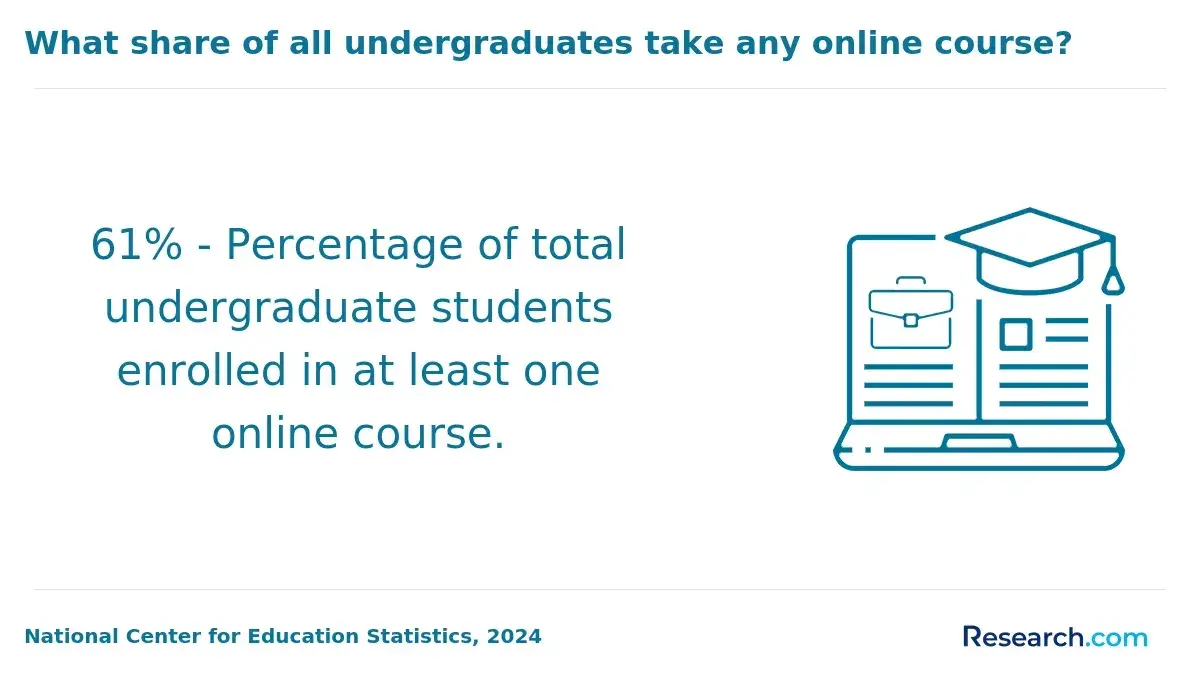
Mid-career professionals often face a dilemma: how to gain up-to-date skills in agile project management without pausing full-time employment or relocating. The surge in online education, with a 12% enrollment increase in accredited graduate programs reported by the National Center for Education Statistics in 2023, reflects an urgent demand for flexible learning models. This trend signals shifting workforce needs, where accessibility and timing are critical for students balancing job responsibilities with skill acquisition.
Selecting the right online project management degree that incorporates agile coursework can directly influence career mobility and relevance in dynamic industries. This article evaluates these programs to guide informed decisions on balancing practical constraints with strategic advancement.
Key Things You Should Know
- Demand for agile project management expertise has surged 45% since 2022 per the PMI Talent Gap report, pressuring degree programs to integrate rigorous agile coursework to meet employer upskilling priorities.
- Employers increasingly favor candidates with proven agile certifications over generic degrees, complicating traditional degree ROI and necessitating curriculum alignment with certification standards to boost graduate employability.
- Accelerated online degree options offering concentrated agile modules reduce time-to-completion by 30%, but often at the expense of comprehensive foundational theory, posing a strategic tradeoff for career pivoters needing broad practice context.
What is an online project management degree with agile-focused coursework and who is it best for?
Online project management degree programs with agile curriculum address a critical gap for professionals navigating fast-evolving work environments. Emphasizing iterative methodologies such as Scrum and Kanban, these programs teach candidates to manage with flexibility and stakeholder engagement rather than traditional linear approaches. For example, a software developer transitioning into a scrum master role gains necessary skills in sprint planning and backlog prioritization to meet employer expectations.
This specialization fits professionals seeking to lead agile teams or pivot into roles requiring rapid responsiveness, such as marketing managers adapting campaign strategies based on real-time data. Traditional project management degrees without an agile focus often leave candidates underprepared for these dynamics.
Considering cost-efficiency, online master's programs averaging about $11,000 annually offer roughly 50% savings compared to typical $22,000 in-person options. This makes agile-focused online degrees accessible for many, but students must ensure they select programs delivering rigorous, applied training beyond surface-level theory to align with real-world employer demands. Evaluating curriculum depth and instructor expertise is essential.
Graduates must demonstrate practical outcomes like cross-functional team facilitation and sprint execution to compete in increasingly agile-driven workplaces. For those weighing affordability alongside quality, resources such as the online business degree cost analyses provide useful benchmarks when assessing options in best online project management degrees featuring agile coursework.
How do online project management degrees compare with campus programs for quality and flexibility?
Choosing between online project management degrees quality comparison and campus offerings hinges on a practical tradeoff: flexibility versus experiential learning. Accredited online degrees typically mirror the curriculum rigor of campus programs, including current Agile project management coursework, accommodating professionals who must balance work and upskilling without geographic disruption. For instance, an IT project coordinator can immediately integrate Agile techniques learned online into ongoing projects, accelerating applied learning.
In contrast, campus programs provide immersive environments for face-to-face mentorship, live team collaboration, and access to career centers or internships, advantages particularly relevant for industries where on-site leadership and teamwork simulate real-world conditions. Fields like construction or manufacturing may benefit disproportionately from this modality.
Employers increasingly accept respected online credentials, especially those aligned with Agile trends, amid a projected 6% employment growth for project management specialists through 2033. When weighing program options, decision-makers should consider:
- Personal learning style and need for structured peer engagement
- Immediate applicability of skills versus immersive, real-time collaboration
- Long-term certification eligibility and job market resonance
Both delivery modes serve different workforce demands. Those looking to pursue advanced interdisciplinary options might explore pathways like the online PhD in healthcare management as an example of evolving educational formats.
The flexibility of online versus campus project management programs thus reflects distinct operational realities that affect professional readiness and career trajectory.
What types of online project management degrees are available and which level should I choose?
Choosing the right level of online project management degree requires balancing practical employability with educational depth. An associate degree primarily targets entry roles or career changers with limited exposure to agile methodologies, usually funneling graduates into administrative or coordinator-level positions. Its value lies in immediate access to the field but lacks the specialized training needed for substantial agile leadership.
The bachelor's degree stands out as the most widely applicable credential. It combines foundational project management principles with agile-focused coursework and familiarizes students with industry-standard tools. This level suits professionals aiming for leadership of small to medium teams in sectors such as IT, healthcare, or construction, where starting salaries often near $95,000 annually. Professionals without prior credentials but with some work experience might find this path the most straightforward for entering agile roles.
Master's degrees emphasize strategic leadership and advanced agile frameworks, preparing graduates for senior roles like program or portfolio management with salaries exceeding $138,730. However, this level demands significant time, financial investment, and prior educational and project management experience. For example, a mid-career IT professional holding a bachelor's might pursue an accelerated master's to expedite a pivot to agile leadership.
Working professionals assessing the types of online project management degrees available should consider not only cost and time but also employer expectations that prioritize agile competence demonstrated through certifications and real-world experience. Prospective students can also explore the cheapest online business management degree options to reduce financial barriers while focusing on agile skill-building.
What agile project management courses and skills are typically included in these online programs?
Online agile project management courses in the US develop critical skills for managing iterative workflows, adapting to shifting priorities, and leading diverse teams with Scrum and Kanban frameworks. These programs teach sprint planning, user story mapping, and continuous delivery techniques necessary for fast-paced tech and regulatory environments. Key skills taught in agile project management programs include stakeholder communication, risk assessment, digital collaboration tools like Jira and Trello, and metrics to measure team velocity and performance.
Students face real-world tradeoffs: healthcare projects necessitate strict compliance and flexibility amid regulatory changes, whereas tech firms demand rapid deployment and iterative testing cycles. Graduates must also demonstrate interpersonal competencies to manage distributed teams and conduct thorough retrospectives. Employers increasingly seek candidates with certified agile credentials such as Scrum Master or Agile Certified Practitioner alongside degree qualifications. Practical experience can shorten onboarding time and elevate project success rates.
Cost considerations are also significant. Online degrees typically halve annual tuition compared to in-person formats-NCES data shows an average $10,995 versus $21,974-allowing professionals to upskill without interrupting income. However, succeeding in remote agile coursework requires strong self-discipline and proactive engagement in virtual simulations and group assignments.
Individuals evaluating a strategic career pivot should consult comprehensive resources like a project manager degree online to assess affordability and program fit based on both practical training and workforce demands.
How can I verify that an online project management degree program is properly accredited and respected?
Accreditation is a critical filter employers use to validate online project management degrees. Regional accreditation from agencies like the Middle States Commission on Higher Education confirms an institution meets rigorous academic standards, which influence credit transfer and hiring decisions. National accreditation focused on project management, including recognition by the Project Management Institute's Global Accreditation Center or the Accreditation Council for Business Schools and Programs (ACBSP), adds targeted industry relevance but should not replace regional accreditation as a baseline.
For example, a software engineering manager seeking project management hires will often prioritize candidates from regionally accredited programs to avoid the operational risk tied to unaccredited credentials, which can hinder career mobility and salary growth. Programs should also align their curriculum with the PMI Talent Triangle, particularly emphasizing Agile methodologies when applicable, since this directly ties to PMP certification eligibility and current employer expectations.
Cost-benefit analysis is essential. Some specialized programs, such as Florida Tech's online master's with an operations research focus, charge upwards of $22,660 for 33 credits at $686.67 each. Students should weigh these expenses against reliable salary uplift data from sources like the National Center for Education Statistics or Bureau of Labor Statistics.
Direct feedback from alumni and professional networks often reveals employer recognition more accurately than marketing materials. Candidates should remain cautious about programs lacking transparent accreditation or outcome data, as these gaps frequently signal limited real-world value despite aggressive recruitment.
What are the typical admission requirements and application materials for online project management degrees?
Admission to online project management degrees often demands a balanced mix of formal credentials and practical experience, with emphasis varying by program level and target student profile. Bachelor's pathways typically require an accredited high school diploma or GED, while master's programs need a relevant bachelor's degree and usually a minimum GPA around 3.0. This academic baseline ensures candidates can engage with advanced, applied concepts critical for managing complex projects.
Employers and programs increasingly recognize professional experience as a valuable asset-especially for mid-career individuals from sectors like IT, construction, or healthcare where agile practices are common. Some admissions processes allow detailed resumes or portfolios in lieu of traditional coursework, focusing on evidence of direct project oversight, resource management, or leadership.
Beyond transcripts and academic records, applications normally require a statement of purpose clarifying how candidates connect their career objectives with project management frameworks. Letters of recommendation aim to capture interpersonal and problem-solving skills crucial for virtual teamwork environments. Tests like the GRE/GMAT are less frequently mandated but may appear for competitive graduate tracks.
The asynchronous format used by many programs suits working students but demands reliable tech proficiency, often assessed upfront. Practical realities also include rising competition: OnlineU data shows Southern New Hampshire University Online alone graduated over 600 project management students recently, indicating growing market interest and selective thresholds for enrollment.
How long do online project management programs take, and what do they usually cost?
Online project management education timelines present a critical tradeoff between speed and program rigor. Bachelor's degrees traditionally span four years but can be compressed to 2-3 years online by leveraging transfer credits and intensive course loads. Conversely, master's degrees focusing on agile project management often require 12 to 18 months full-time, a timeline that expands significantly for part-time students balancing employment.
Costs reflect these structural differences and vary considerably by institution type: public universities charge $7,000 to $15,000 annually for in-state online bachelor's programs, while private nonprofit schools range from $20,000 to $40,000 per year. Master's level study typically costs between $15,000 and $50,000 total, with agile-specialized paths often at the higher end due to curriculum depth and market demand. Certificate programs offer shorter commitment options costing $2,500 to $8,000, suitable for targeted skill enhancement.
Professionals aiming to pivot into agile roles must weigh the value of flexible, cohort-based formats that simulate real-world team dynamics against tuition premiums. For instance, IT managers seeking agile skills should prioritize programs integrating asynchronous coursework with collaborative projects that replicate employer expectations. The analysis underscores that City University of Seattle's alumni earnings median at $88,228 places its program in the 94th percentile nationally, offering a tangible ROI benchmark.
- Degree duration impacts liquidity and workforce reentry timing
- Tuition variation demands careful budgeting aligned with career ROI
- Program design influences skill acquisition relevant to current agile roles
What careers can a project management degree with agile training lead to in different industries?
Agile training within project management degrees directly impacts employability by aligning candidates with industries that demand iterative processes and adaptive responsiveness. For example, in technology firms, agile project managers use Scrum or Kanban to accelerate software releases while maintaining workflow flexibility. Healthcare organizations, meanwhile, apply agile methods to navigate regulatory complexities during electronic health record deployments, requiring project managers capable of balancing compliance with cross-functional coordination.
Financial services emphasize agile approaches for digital transformation and compliance initiatives, where incremental deliveries reduce risk and enhance stakeholder engagement. Manufacturing sectors benefit by compressing product innovation cycles and improving supply chain agility. However, adopting agile skills is not uniformly advantageous-success depends on organizational culture receptiveness and genuine support for collaborative workflows.
The premium on agile credentials is evident: PMI-ACP holders report U.S. salaries of $108,000-$120,000 annually, 20-28% more than counterparts lacking such certification, based on a 2026 PMPwithRay industry compensation analysis. Yet, aspiring candidates must invest strategically in both skill mastery and contextual application, as a software project manager's agile expertise centers on technical facilitation tools, whereas a finance manager prioritizes incremental risk mitigation.
Choosing programs incorporating sector-specific case studies equips candidates for realistic job conditions, preparing them for the nuanced challenges faced across fields.
What salaries and job outlook can graduates with agile project management training expect?
Agile project management training offers a distinct advantage when combined with industry-specific expertise, as demonstrated by roles like business continuity planners earning median salaries around $80,357, according to Colorado State University Global. Yet, urban job markets tend to be more competitive, requiring candidates to bolster agile credentials with certifications such as PMI-ACP and tangible experience to break into higher salary brackets.
Professionals skilled in agile practices are essential in sectors including finance, healthcare, and technology, where adapting quickly to regulatory changes or IT implementations is a necessity. For example, healthcare systems leveraging agile methods to coordinate cross-functional teams minimize downtime and ensure compliance, underscoring the tactical value of combining agile frameworks with domain knowledge.
Key considerations for job seekers include:
- Balancing broad agile training with specialized industry know-how, as employers prioritize candidates who translate agile into practical, domain-relevant solutions
- Geographical impact on compensation, with urban centers offering higher pay but increased living costs
- Ongoing skill development, especially in hybrid agile methodologies and emerging tools to remain competitive
From 2026 to 2031, a steady 4.1% growth and approximately 115,196 annual openings indicate persistent demand. However, roles often extend beyond project tracking to incorporate stakeholder management and strategic risk assessment, shaping long-term organizational resilience and professional progression.
How do professional certifications like PMP and Agile or Scrum credentials align with these degrees?
Employers emphasize certifications like PMP and Agile or Scrum alongside project management degrees because these credentials verify hands-on expertise and familiarity with specific methodologies. For example, PMP certification confirms comprehensive knowledge of traditional project management practices, which complements MBA programs with leadership and foundational modules but does not replace required documented experience. Agile and Scrum certifications target industries reliant on iterative workflows, such as software development and marketing, delivering practical skills rarely embedded fully in degree curricula.
Students balancing an online MBA with certification goals face real challenges. Integrated programs embedding Agile or Scrum concepts can streamline preparation, but candidates still need to fulfill external exam requirements and project hour documentation. This often means aligning internships or job roles strategically during graduate studies to meet certification prerequisites.
Cost considerations complicate decisions: for instance, Southern Utah University's AACSB-accredited online MBA in project management charges $16,632 total tuition at $504 per credit, illustrating significant price variation among accredited degrees. Candidates must evaluate whether investing in a higher-priced degree without direct certification integration yields better employment outcomes compared to pairing less expensive degrees with focused certification paths.
Project management degrees providing extensive risk, procurement, and stakeholder management context add value for PMP applicants, but do not substitute for the credential's experience mandates. Likewise, those targeting Agile-dominant sectors should verify their program's depth in Scrum frameworks or plan for separate certification. This distinction impacts employability and practical readiness in sectors with differing methodology priorities.
Other Things You Should Know About Project Management
Focusing on agile project management in a 2027 online degree program equips students with flexible, iterative methodologies highly valued in industries like IT and software development. This focus enhances adaptability, potentially increasing employability and career advancement in dynamic sectors needing fast-paced project execution.
Online project management degrees with agile coursework tend to demand consistent engagement with interactive projects, case studies, and teamwork simulations that replicate real agile environments. This leads to a heavier ongoing commitment than typical lecture-based degrees, as students must master both theoretical concepts and practical agile tools. Manage your time carefully; asynchronous flexibility exists but does not reduce the volume of team collaboration and iterative assignments expected.
Employer valuation of agile coursework varies by sector. Technology and digital product firms place high importance on agile skills and expect candidates to demonstrate hands-on knowledge of its frameworks. However, industries like finance, healthcare, or government may prioritize traditional project management expertise, viewing agile as supplementary. Evaluate your target industry's standards and tailor your learning to include recognized agile certifications or practical experience to maximize relevance.
Completing an online degree with agile coursework offers foundational knowledge but rarely satisfies all prerequisites for certifications like PMP or Scrum Master. If certification is a priority, choose a degree program explicitly aligned with credential requirements and structured to prepare you for the exam. Otherwise, consider using the degree to gain workplace experience first, then pursue certification when you meet eligibility and practical hours criteria to strengthen your professional profile.
References
- Learn Agile project management | edX https://www.edx.org/learn/agile-project-management
- Onlineu https://onlineu.com
- Project Manager Job Market 2026: Trends and Salary https://skillifysolutions.com/blogs/project-management/project-manager-job-market/
- Project Management Career Paths for Your Future - Project Management Academy Resources https://projectmanagementacademy.net/resources/blog/project-management-career-paths/
- Online Project Management Certification - $99.99 - Project Management Courseware & Training https://www.expertrating.com/certifications/management-and-quality-improvement/project-management-certification.asp
- Certified Project Manager Academy Institute MPM Accredited Institute Project Management Certifications ACAPM ® Certified Project Manager - Academy of Project Management Institute http://americanacademyofprojectmanagement.com/uk.html
- CEO George Mentz Colorado Springs http://projectmanagementcertification.org/Certified-Project-Manager-International-Master-Project-Manager-Training-Project-Management-Certification-Designation-Qualification-Designation-In.html
- Admission Requirements | Master of Project Management | Elmhurst University https://www.elmhurst.edu/academics/departments/business/programs/master-project-management/admission-requirements/
- Top 5 online courses for Project Managers https://zoetalentsolutions.com/top-5-online-courses-for-project-managers/
- Is Your Online Degree Legitimate? How to Verify Private University Approval https://matchtocollege.com/blog/verify-private-university-online-degree-approval