2026 Best Online Project Management Degrees for Healthcare Project Careers

Co-Founder and Chief Data Scientist
Healthcare project managers face the daunting challenge of coordinating complex, multidisciplinary teams under pressure to deliver cost-effective, regulatory-compliant outcomes. With healthcare spending projected to grow annually and organizations increasingly turning to digital transformation, programs must equip students to manage evolving technologies and workflows efficiently.
According to the National Center for Education Statistics, online enrollments among working adults surged over 15% in the last two years, signaling a shift toward flexible, career-compatible learning. This trend demands scrutiny of program structures to ensure timely graduation without compromising rigor or practical skill development. This article evaluates the best online project management degrees tailored for healthcare careers to guide professionals in making informed educational choices aligned with industry demands and personal constraints.
Key Things You Should Know
- Healthcare project management degrees increasingly require healthcare-specific certifications post-graduation, with 62% of employers valuing specialized credentials over generic project management certification, per 2024 PMI workforce studies.
- Programs clustered around direct clinical collaboration skills yield 18% higher average starting salaries but extend completion times by 20%, a critical tradeoff for working professionals balancing upskilling urgency and income.
- Rising tuition inflation outpaces average wage growth in healthcare administration, with a 9% cost increase since 2022, forcing candidates to prioritize public or nonprofit institutions offering targeted project management pathways to reduce debt burden.
What is an online project management degree for healthcare, and who is it best suited for?
Project managers in healthcare must navigate complex regulatory landscapes and interdisciplinary teams, making an online project management degree for healthcare professionals strategically relevant amid growing demand. For instance, managing the implementation of an electronic health record system requires coordinating IT specialists, clinical teams, and compliance officers, which is far more intricate than generic project oversight.
Employers particularly value candidates who demonstrate sector-specific skills such as healthcare risk management, budgeting aligned with reimbursement models, and stakeholder communication that reflects clinical priorities. The best online project management programs in healthcare integrate these competencies, offering curricula that blend traditional project management tools with healthcare-specific workflows and regulations.
According to the U.S. Bureau of Labor Statistics, medical and health services manager employment is projected to grow 7% through 2033, with about 77,000 openings annually. This trajectory underscores the importance of hands-on experience within curricula, such as healthcare-focused case studies or internships, which significantly ease transition into leadership roles and reduce onboarding time for new hires.
Prospective students-whether current healthcare workers seeking leadership roles or professionals pivoting into healthcare project management-should critically assess programs for faculty credentials, relevant practical exposure, and flexibility to balance ongoing work commitments.
Those evaluating educational options might also consider related fields; for example, online construction management courses provide analogous project oversight skills but lack healthcare specificity, which can prolong adaptation in clinical settings.
How do online project management degrees prepare you for healthcare project careers specifically?
Online project management degrees for healthcare professionals deliver targeted skills crucial for navigating the sector's strict regulatory landscape, including HIPAA, FDA mandates, and clinical trial protocols. Unlike general project management programs, these degrees prepare graduates to handle multifaceted compliance demands. For instance, a clinical project manager managing a multi-site drug trial must synchronize diverse teams while meeting exacting regulatory deadlines.
Skills gained from healthcare project management programs extend into healthcare informatics, risk mitigation, and resource distribution within complex medical settings. Graduates learn to engage layered healthcare stakeholders-providers, vendors, and regulators-where missteps can delay treatments or critical supplies. This stakeholder focus matches employer expectations for candidates who can integrate communication strategies with compliance and operational priorities.
Salary benchmarks from Salary.com, as summarized by Ohio University, show pharmaceutical project managers earning an average of $104,427, with clinical project managers at $98,923, demonstrating market demand for these specialized competencies. Programs typically incorporate case-based simulations and interdisciplinary teamwork exercises to replicate healthcare conditions, yet prospective students should scrutinize offerings for real-world data access or internships.
Without practical exposure, graduates risk entering a field where operational pressures and regulatory intricacies override theoretical knowledge. Those weighing educational pathways might also explore alternative fields; for example, comparative analyses of degrees like the best online finance degree highlight different tradeoffs in skill application and career trajectory.
What types of online degrees qualify you for healthcare project management roles?
Healthcare project management roles demand candidates who integrate core project management skills with healthcare-specific knowledge. Degrees that combine methodologies like risk assessment and scheduling with healthcare compliance and informatics produce better-prepared professionals. For example, leading a hospital technology rollout requires understanding clinical workflows alongside agile project execution practices.
Choosing an online healthcare project management degree over a dual-degree path often reduces time to workforce readiness. The average cost for an online bachelor's in project management stands at about $595 per credit, notably higher than the general online bachelor's average of $490 per credit hour, reflecting specialized healthcare curricula designed to meet sector needs.
Employers favor candidates with embedded industry certifications such as CAPM or PMP prep that include healthcare regulations training. Without this context, project managers may struggle to navigate HIPAA or FDA compliance, limiting their effectiveness in healthcare projects.
Practical experience through real-world capstones or practicum placements with healthcare providers is another key differentiator. Graduates lacking such exposure often face longer onboarding in clinical settings due to unfamiliarity with multidisciplinary team dynamics.
The best degrees for healthcare project management careers balance these technical, regulatory, and experiential components. Many prospective students also explore the best CAHIIM-accredited HIM programs online to complement their skillsets by deepening health information management expertise.
How do online project management programs compare with campus programs for healthcare careers?
Deciding between online project management programs versus campus programs for healthcare careers involves weighing crucial practical factors rather than mere format preference. Employers in healthcare project management prioritize verified skills and certifications over whether degrees come from online or traditional campuses. Many working professionals benefit from online options that reduce opportunity costs and allow immediate integration of coursework into daily clinical or administrative projects.
Costs and accessibility markedly differ: a top-ranked online master's program reports financial aid availability to 84% of its students per 2024 industry data, a level rarely matched by campus-based options burdened with on-site attendance expenses. For project managers leading multidisciplinary hospital teams or public health initiatives, online programs offer scheduling flexibility that aligns with fluctuating healthcare demands.
Campus programs retain advantages in face-to-face networking integral to healthcare's institutional culture, but online curricula are narrowing this gap through synchronous collaboration tools, local internships, and virtual mentorship focused on healthcare-specific applications. This balance can influence workforce outcomes, reflecting the real-world tradeoffs in healthcare education pathways.
Prospective students should evaluate their employment status, financial resources, and learning preferences within this context. Those exploring a bachelor of project management or advanced study will find that selecting the right delivery mode hinges on how rapidly and directly skills can be applied in demanding healthcare environments.
What courses and specializations are included in healthcare-focused project management curricula?
Healthcare project management demands an intersection of standard project management principles with sector-specific regulatory, technical, and ethical requirements. Programs that cover project scope, scheduling, budgeting, risk mitigation, and stakeholder communication must adapt these skills to clinical settings and insurance frameworks where patient outcomes and compliance are central.
For instance, implementing an electronic health record (EHR) system requires coordinating between IT, clinical teams, and compliance officers-highlighting the complexity beyond typical IT projects. Specializations in healthcare data analytics and clinical workflow optimization focus on improving both operational efficiency and regulatory adherence.
These programs prepare project managers to navigate tradeoffs such as balancing tight budgets with project scope in environments heavily influenced by reimbursement rules and legislative mandates like HIPAA. Strong emphasis on healthcare finance and policy equips project managers with the perspective needed to align project goals with shifting financial landscapes and funding constraints.
Ethical and leadership components prepare them to handle decisions affecting patient confidentiality and safety while leading interdisciplinary teams. Tuition stability is a practical consideration; for example, Liberty University Online's healthcare administration and project management graduate tuition rose less than 5% over ten years, positioning it as moderately affordable among peer programs in 2025.
What accreditation and quality standards should healthcare project management programs meet?
Healthcare project management programs without recognized regional accreditation and targeted programmatic validation risk leaving graduates ill-prepared for the industry's complex realities. Employers expect candidates skilled in both foundational project management competencies and healthcare-specific regulations such as HIPAA and clinical workflow intricacies.
For instance, managing a hospital IT upgrade requires navigating interdisciplinary teams - from clinical staff to administration - while respecting strict regulatory and timeline constraints. This operational complexity demands curricula incorporating evidence-based methodologies alongside frameworks like Lean or Six Sigma. Programs lacking such integration may produce graduates who falter when facing practical challenges unique to healthcare environments.
Evaluating outcomes data-specifically graduation rates, PMP or CAPM exam pass rates, and job placement statistics-is critical for assessing educational return on investment. Rasmussen University estimates tuition at approximately $34,730 for its healthcare management bachelor's pathway, while median salaries for healthcare project and quality managers range from $70,000 to over $100,000 per year, according to Rasmussen University 2024 data.
Key considerations include:
- Regional accreditation ensures credit transferability and institutional rigor.
- CAHME accreditation offers focused assurance on curriculum relevance to healthcare project roles.
- Transparent outcomes data reduces financial risk by linking educational cost with job market returns.
What are the typical admission requirements for online healthcare project management degrees?
A bachelor's degree from an accredited institution remains a baseline requirement for most online healthcare project management programs, though disciplines relevant to healthcare or business are preferred to align with curriculum demands. Admissions committees frequently require a minimum GPA of around 3.0 and emphasize candidates' documented experience coordinating healthcare projects or managing clinical workflows.
Such practical knowledge is critical because healthcare systems demand that project managers not only understand administrative practices but also regulatory compliance and patient care processes. Application materials typically include official transcripts, resumes highlighting healthcare or project-related experience, and letters of recommendation confirming leadership and organizational capabilities within healthcare contexts.
Some programs may still request GRE scores, but many waive this for applicants with significant professional backgrounds, reducing barriers for experienced candidates. Applicants benefit from articulating a clear statement of purpose that links their career goals with strategic leadership roles within complex healthcare environments. For instance, a registered nurse shifting into project management should demonstrate both clinical insight and an understanding of operational challenges.
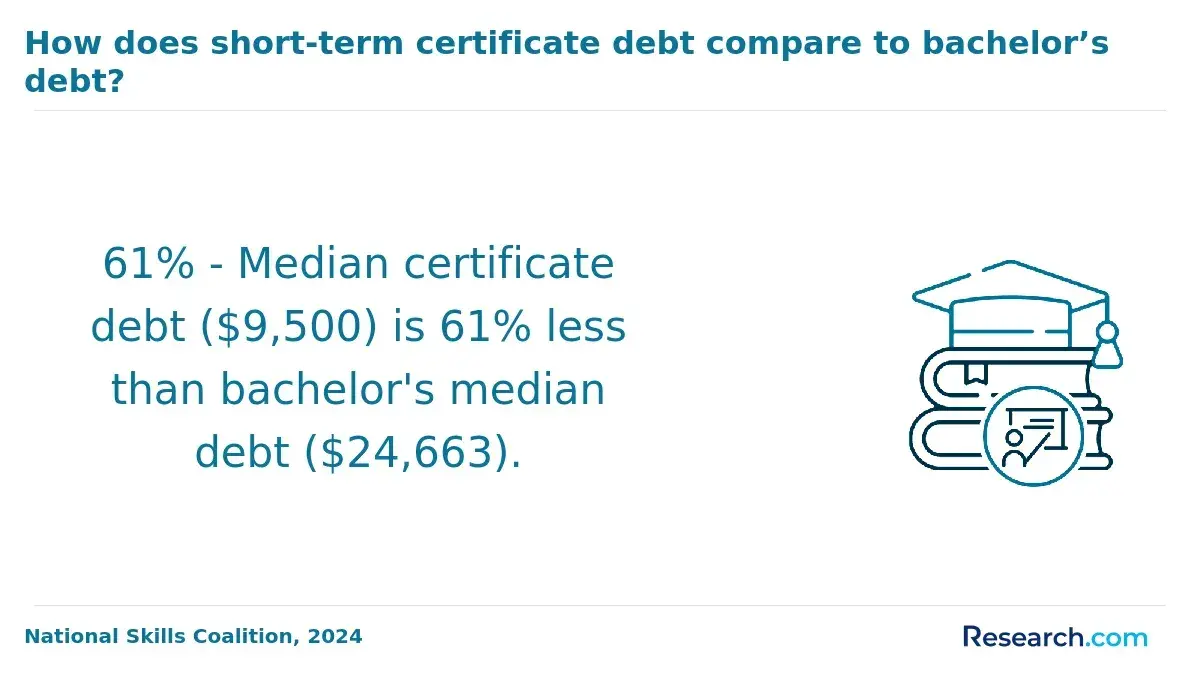
Certificate and microcredential options offer focused alternatives at lower price points, such as The University of Illinois Springfield's Graduate Certificate in Project Management for Healthcare Informatics at $4,401 total. These credentials appeal to working professionals seeking skill upgrades without committing to full degree admissions requirements or extended study periods.
How long do online healthcare project management degrees take, and what do they cost?
Online healthcare project management degrees demand a clear tradeoff between time commitment and career impact, with part-time options spanning up to three years and full-time programs compressing coursework into 12 to 18 months. Working professionals frequently opt for part-time pacing to maintain employment, though extended timelines increase indirect costs and risk curriculum disengagement without disciplined planning.
Tuition costs vary drastically, from roughly $11,529 to $95,697 in leading U.S. institutions, reflecting program reputation, curriculum depth, and network access. For example, a mid-level hospital project coordinator targeting clinical systems leadership might prioritize affordability and regional accreditation over brand name, while aspiring executives in healthcare operations may justify premium investment for broader alumni ties and industry partnerships.
Program structures increasingly offer modular and asynchronous learning to accommodate work schedules, but this flexibility can lengthen completion. Financial aid or employer tuition reimbursement often offsets sticker prices, though eligibility and repayment plans require scrutiny.
Success hinges on realistic pacing, milestone setting, and proactive employer communication to align workload adjustments with academic demands. Without these operational strategies, students risk extended study durations and amplified opportunity costs.
- Typical duration: 18-36 months part-time, 12-18 months full-time
- Tuition range: approximately $11,500 to $96,000, depending on institutional prestige and resources
- Importance of matching program cost and intensity to career trajectory and employer support
- Flexibility through asynchronous modules vs. potential for prolonged completion time
What jobs, salaries, and career advancement options exist in healthcare project management?
The demand for healthcare project managers is shaped by complex regulatory environments and interdisciplinary coordination, requiring more than general project management skills. A healthcare IT project manager, for example, must navigate HIPAA compliance while aligning clinicians, IT staff, and compliance officers, demands that emphasize the value of specialized education and certifications combining healthcare domain expertise with project management rigor.
Employers weigh candidates' healthcare knowledge heavily, often preferring those with formal credentials due to the sector's specific challenges, such as budget constraints and diverse stakeholder management. Without healthcare-specific project management experience, professionals frequently encounter slower career progression or limited leadership opportunities, illustrating the practical tradeoff between generalized project skills and sector specialization.
Workforce projections from the Project Management Institute show an acute global shortage requiring 25 million new project professionals by 2030, with healthcare as a key contributor. This shortage presents robust job security, yet it places a premium on targeted training programs linked directly to healthcare employers. Organizations respond by investing internally in upskilling amid rising demand.
For prospective students evaluating this pathway, choices must balance program practicality and employer connections. Degrees with solid frameworks for real-world application and exposure to clinical workflows directly impact salary growth and job placement in roles such as clinical project manager, healthcare IT project manager, or program director.
Which certifications and professional credentials strengthen a healthcare project management career?
Project managers who rely solely on general certifications like the Certified Associate in Project Management (CAPM) or Project Management Professional (PMP) may find their credentials fall short of meeting healthcare-specific operational demands. Healthcare roles call for specialized credentials such as Certified Professional in Healthcare Quality (CPHQ), Lean Six Sigma Green Belt, or Certified Healthcare Project Manager (CHPM), which target quality assurance, compliance, and process optimization unique to clinical environments.
Consider a project manager leading an electronic health record (EHR) implementation. Combining healthcare informatics expertise with PMP certification enables navigation of intricate technical and organizational challenges within hospitals. Such credential blends reduce project failure risk and build stakeholder confidence by demonstrating familiarity with healthcare regulations and quality control.
The decision to pursue multiple certifications involves balancing delayed workforce entry against a $70,000-to-$110,000+ salary range, according to 2024 labor market data from BestHealthDegrees. Candidates must assess whether their intended sector values broad project management techniques or prefers focused healthcare quality and informatics skill sets.
Employers increasingly favor professionals who pair Lean methodology with healthcare quality credentials, particularly for projects targeting efficiency and regulatory adherence. These certifications also facilitate advancing from clinical roles into management by validating process leadership. Successful credentialing strategies demand alignment with hospital system expectations and healthcare IT standards, incorporating continuing education to keep pace with evolving policies and technologies.
Other Things You Should Know About Project Management
Online project management degrees from regionally accredited institutions are generally recognized by healthcare employers, but program reputation and the inclusion of healthcare-specific content significantly affect perceived value. Employers in healthcare often prioritize practical experience and demonstrated understanding of healthcare operations alongside the degree. Candidates should select programs that offer applied healthcare project scenarios or internships to improve alignment with industry expectations and reduce risk of perceived inferiority compared to traditional degrees.
Bachelor's degrees often provide foundational project management skills suited for entry- to mid-level healthcare roles, while master's degrees offer advanced strategic and leadership training necessary for senior positions and larger-scale healthcare projects. Choosing a bachelor's degree may suit those pivoting careers or entering the field with limited experience, but mid-career professionals targeting leadership roles should prioritize master's programs for greater employer recognition and promotion potential. The decision should reflect current experience level and long-term career goals within healthcare project management.
Healthcare employers increasingly expect project managers to hold both formal degrees and relevant certifications, as degrees demonstrate theoretical and contextual understanding while certifications verify practical skills and commitment to the profession. For candidates with limited experience, an accredited online project management degree should come first; certifications like PMP become critical for mid- to senior-level roles. Prioritize earning certifications after or alongside a degree, focusing on those recognized by healthcare organizations to maximize hiring competitiveness.
References
- Health Project Management - Atlantic Technological University https://www.atu.ie/courses/postgraduate-certificate-health-project-management
- Best Online Master’s Program in Healthcare Management: 2025 Edition https://www.onlinemastersdegrees.org/best-programs/healthcare-management/
- Top Skills and Certifications Needed to Land High-Impact Healthcare Roles | GHR Healthcare https://www.ghrhealthcare.com/blog/certifications-high-impact-healthcare-roles
- Certified Healthcare Quality & Project Management Professional https://teamacademysaudi.com/products/certified-professional-in-healthcare-quality-project-management-professionals
- IMC Certifications https://imccertifications.com/pmp-certification-for-healthcare-project-managers-the-ultimate-guide-to-success
- Project Management Healthcare Certification https://www.6sigmacertificationonline.com/project-management-healthcare-certification/
- 10 Best Career Paths for Health Information Management https://potomac.edu/best-careers-health-information-management/
- How to advance in your project management career? https://projectmanagementsa.co.za/blog/how-to-advance-in-your-project-management-career
- Healthcare Management Salary and Career Information | MSU Online https://www.michiganstateuniversityonline.com/resources/healthcare-management/reasons-to-choose-a-career-in-healthcare-management/
- Step-by-Step Guide to Becoming a Healthcare Project Manager (2026–27) https://apmic.org/blogs/step-by-step-guide-to-becoming-a-healthcare-project-manager-202627