2026 First Project Management Roles for Technical Professionals Moving Into Leadership

Co-Founder and Chief Data Scientist
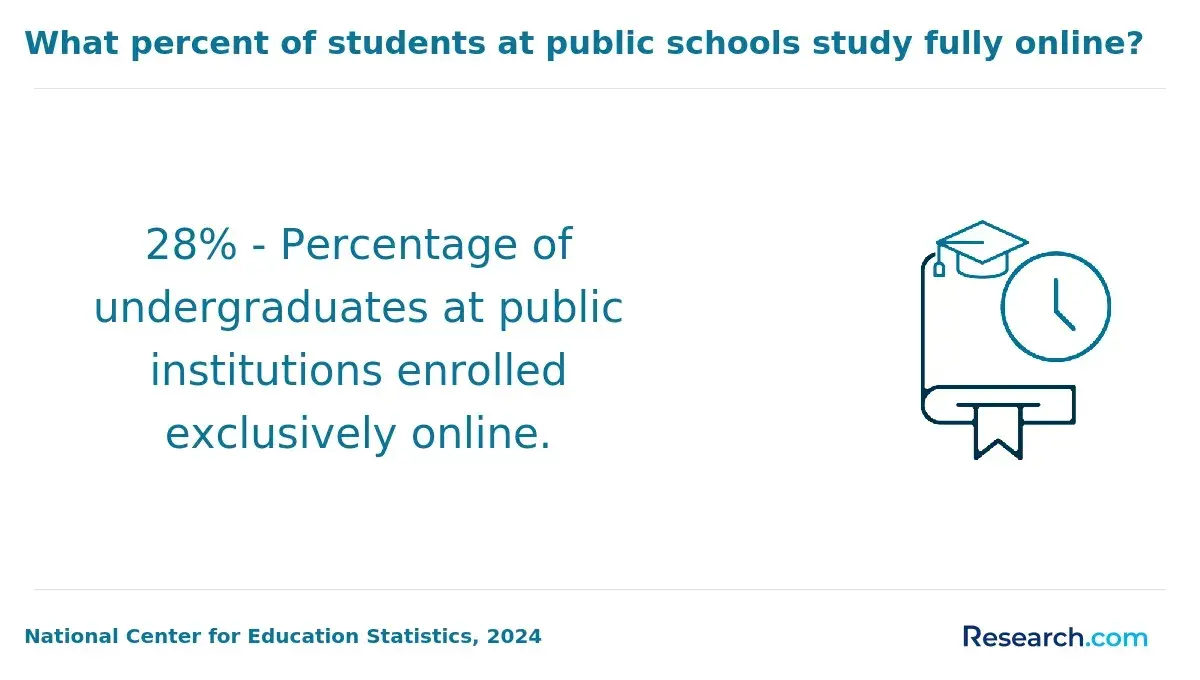
Technical professionals transitioning into leadership roles often confront a gap between their specialized expertise and the essential project management skills needed to lead cross-functional teams effectively. Missing formal project management training can delay promotions or lead to costly misaligned priorities. Compounding this, a 2024 National Center for Education Statistics report revealed a 15% surge over two years in working adults enrolling in flexible online project management programs, highlighting the rising demand for accessible credentials adapted to irregular schedules.
This shift reflects growing workforce pressure to balance continuous learning with immediate leadership demands. This article addresses how emerging project management roles require targeted educational choices to bridge these critical skill gaps and accelerate leadership readiness.
Key Things You Should Know
- Despite a 15% salary premium for project managers with leadership experience per PMI 2024 workforce data, initial roles demand balancing technical delivery focus against nascent managerial accountability, creating risk for early career overload.
- Employers report 68% prioritize communication competency over certification for technical professionals entering project management leadership, increasing pressure on candidates to develop cross-functional influence rather than solely credentials.
- The average cost of PMI-ACP and CAPM certifications exceeds $3,000 including prep courses, delaying entry for mid-career professionals; this tradeoff disproportionately affects underrepresented groups striving for fast-tracked advancement.
What are common first project management roles for technical professionals moving into leadership?
Technical professionals entering project management in the US often begin with roles like project coordinator, technical project lead, or junior project manager. These positions balance leveraging technical expertise with developing leadership skills, essential for meeting employer expectations in entry level project management positions for technical leaders. For example, a software engineer promoted to technical project lead must manage timelines and coordinate teams, necessitating a shift from hands-on tasks to strategic oversight.
Industries such as construction or manufacturing typically require new project managers to first navigate resource allocation and compliance monitoring before taking on entire project phases. This staged progression addresses challenges related to mastering project management methodologies and stakeholder communication, areas less emphasized in purely technical roles. Adapting to frameworks like Agile, Scrum, or PMI standards is increasingly demanded and shapes early career success.
The growing demand for project managers-with 2.3 million new roles to fill annually through 2030 according to the Project Management Institute-raises the standard for technical professionals pivoting into this field. Employers emphasize practical skills in budgeting, risk assessment, and stakeholder alignment over abstract technical prowess. Graduates who first demonstrate capability through smaller-scale projects gain a crucial advantage, avoiding common pitfalls related to balancing technical detail with business objectives.
Given these dynamics, pursuing project management education alongside technical skills is advisable. Those exploring their options can consider hospitality management courses online as a model for focused, applied training that blends sector-specific knowledge with management fundamentals, illustrating alternative pathways to expand leadership capacity within technical domains.
What skills do technical specialists need to succeed in an entry-level project management position?
Technical skills for entry-level project management roles extend beyond basic familiarity with tools or methodologies; they require the ability to translate complex technical concepts into clear, actionable tasks for diverse teams. Failure to master this translation can lead to costly misunderstandings, especially in dynamic fields like software development or IT infrastructure upgrades where schedules and priorities shift rapidly. New managers also face the practical challenge of balancing deliverable timelines against budget constraints and stakeholder expectations-a foundational competency rooted in solid budgeting and timeline management.
Essential leadership qualities for new project managers include risk assessment and stakeholder navigation. For example, in healthcare technology projects, leaders must account for regulatory constraints and effectively communicate these to non-technical stakeholders to maintain project viability. This stakeholder management often demands balancing technical team needs with client or upper management perspectives, a tension common in sectors with complex compliance environments.
Decision-making grounded in data analysis sharpens practical problem-solving. Entry-level project managers must regularly assess progress metrics and resource availability to adjust project direction proactively. According to the U.S. Bureau of Labor Statistics, the demand for project management specialists is expected to grow 6% from 2024 to 2034, with about 78,200 annual openings. This demand underscores a shift toward valuing professionals who combine technical domain expertise with leadership and oversight skills.
For those exploring educational paths, an MBA for entrepreneurs can provide strategic insight beyond technical knowledge, integrating project management with leadership and financial acumen.
How do first project management roles differ from technical lead or senior engineer positions?
First project management roles sharply contrast with technical lead responsibilities in scope and required skill sets. Senior engineers target technical execution and solution design, while project managers prioritize coordination, stakeholder communication, timeline adherence, and risk mitigation. For instance, a senior engineer optimizes code architecture, but a project manager ensures that cross-team collaboration meets launch deadlines and budget limits. This pivot demands proficiency in resource allocation and interpersonal dynamics not emphasized in senior engineering tracks, highlighting key differences between senior engineer and project management positions.
Project managers must align outcomes with business objectives by monitoring evolving requirements and arbitrating conflicts between competing priorities. Unlike technical leads who focus on mentoring engineers, project managers engage more closely with clients, vendors, and executives, navigating scope changes and diverse stakeholder expectations. This external focus requires negotiation skills and strategic diplomacy far beyond typical engineering tasks.
The labor market reflects this shift: Ceipal's 2026 jobs report ranks Project Manager as the most sought-after position, with roles combining Project Manager and Business Analyst responsibilities making up over 25% of top job postings. This workforce data signals strong employer demand for hybrid professionals adept at both technical and organizational leadership.
Transitioning engineers must quickly grasp project frameworks such as Agile or Waterfall alongside cost control and status reporting, abandoning hands-on coding in favor of driving measurable business value through team coordination. Prospective candidates aiming to facilitate such pivots might explore programs like those listed among the cheapest online business degree options to balance cost, learning agility, and career advancement.
Which degrees, certificates, or bootcamps best prepare technical professionals for project management?
Technical professionals aiming for leadership roles in project management face distinct educational tradeoffs. While bachelor's degrees in engineering, computer science, or information technology provide core expertise, they fall short without targeted project management certifications such as PMP or CAPM. These certifications fill critical gaps in knowledge areas like scope control, risk mitigation, and stakeholder engagement, which employers prioritize amid a predicted 33% labor force growth by 2027 across project-centric industries.
Bootcamps focusing on agile methodologies and business analysis offer accelerated skill acquisition but present mixed employer recognition and often lack strategic depth found in formal credentials. For example, healthcare or aerospace sectors demand certifications combined with domain-specific expertise to satisfy regulatory compliance and audit requirements. Conversely, software development roles emphasize agile certifications alongside demonstrated technical leadership.
Employers increasingly expect candidates to show proficiency with practical project management tools such as Microsoft Project, JIRA, or Smartsheet-skills typically emphasized in bootcamps but rarely covered comprehensively in degree programs. Given a looming shortfall of nearly 88 million project management positions by 2027, a hybrid approach blending technical degrees with accredited certifications maximizes employability.
Professionals actively evaluating the best degrees and bootcamps for technical professionals in project management should also consider affordability factors, which vary widely. For those comparing costs, resources like the construction management degree online cost can provide insight into financial investment aligned with program outcomes.
How do online project management programs compare to campus-based options for working technologists?
Opting for online project management programs offers professionals unmatched scheduling flexibility and accessibility, especially for technologists balancing full-time roles and family commitments. This modality lets learners maintain career momentum without sacrificing work experience, a crucial factor for fields like software development or IT infrastructure. However, online formats demand significant self-discipline and intentional networking efforts, as the lack of face-to-face interaction can limit spontaneous professional connections valued by many employers.
Campus-based programs compensate with structured, immersive environments, fostering direct mentorship, hands-on simulations, and peer collaboration that mirror workplace dynamics-elements often critical for those targeting leadership roles in operationally dense sectors like manufacturing. For instance, a technologist seeking to transition into a supervisory position at a factory might find hybrid or on-campus formats more aligned with such practical requirements.
Financial considerations play an important role:
- Online programs generally reduce costs related to commuting and relocation but vary widely in curriculum quality and employer recognition.
- Campus programs tend to involve higher tuition and indirect expenses but offer clearer pathways to networking and applied skills development.
Employers increasingly weigh credentials alongside demonstrated team leadership and relevant experience. According to U.S. Bureau of Labor Statistics data, project management specialists earned a median annual wage of $100,750 in May 2024, reinforcing the strategic value of choosing a program that balances employability with leadership preparedness.
Working professionals should evaluate program formats by how effectively they support career goals, practical skill acquisition, and networking opportunities, matching their learning style to the demands of their targeted industry and role.
What should technical professionals look for in an accredited project management program in the U.S.?
Accreditation aligned with the Project Management Institute's (PMI) standards remains a decisive factor when selecting a U.S.-based project management program. Accreditation ensures curriculum rigor and employer recognition-critical when industry benchmarks demand direct PMP certification preparation, which correlates with a 20-25% salary increase versus non-certified professionals, as reported in the PMI Salary Survey referenced in Birjob.
Real-world applicability varies greatly by industry. For example, software developers benefit substantially from Agile-focused training emphasizing iterative delivery, while construction managers require skills in resource allocation and compliance frameworks. Flexibility is also paramount; programs offering hybrid or part-time formats better accommodate professionals balancing current employment with upskilling.
Employer feedback and graduate outcomes provide concrete evaluation metrics. Programs incorporating mentorship, capstone projects, and mastery of tools such as MS Project, JIRA, or Primavera not only sharpen technical skills but also prepare candidates for leadership hurdles like stakeholder negotiation and risk management-common challenges in initial leadership roles.
Cost-to-benefit analysis must include how programs support PMP eligibility hours and reduce exam retakes, which directly lowers total expenses. Non-aligned certifications often inflate costs with negligible impact on credibility or earnings, delaying career pivots. The practical decision to invest should thus reflect program relevance to one's industry context and employment trajectory.
What coursework and tools are typically covered in early-career project management training?
The demand for project management professionals is rapidly increasing, with an estimated 30 million new roles globally by 2035, creating an urgent need for effective early-career training. Foundational courses focus on both technical skills-such as scheduling via Microsoft Project, Agile task management using Jira, and collaborative tools like Smartsheet-and essential soft skills including conflict resolution and team leadership. This combination addresses employer demands for managing complex workflows and minimizing team disruptions.
Practical training emphasizes real-world application, blending methodologies like Waterfall and Agile with certification preparation (e.g., CAPM and Agile Certified Practitioner). However, tradeoffs emerge depending on industry context: construction project managers require deeper knowledge in regulatory compliance and contract administration, while technology fields prioritize iterative delivery and continuous integration compatibility.
Students should weigh how certification pathways and tool proficiencies align with their target industry, as these factors affect employability and initial productivity. Mastery of widely used platforms ensures rapid adaptation to evolving project scopes and cross-functional coordination.
- Technical training includes budgeting, cost control, and resource allocation to develop realistic plans.
- Soft skills training reduces team disruptions and supports leadership effectiveness.
- Context-specific curricula address varying industry compliance and delivery models.
What are typical titles, responsibilities, and salary ranges for first-time project managers in tech?
Early project managers in tech commonly hold titles like Associate Project Manager or Junior Project Manager, where their role oscillates between administrative coordination and emerging leadership demands. Their daily tasks vary significantly by domain: software-focused roles prioritize bridging engineering and product teams for timely feature releases, whereas hardware or infrastructure projects demand more vendor and logistics oversight. This operational difference affects the competencies valued early on and influences career development.
Salary benchmarks for these entry roles adjust according to geographic and industry contexts, generally ranging from $65,000 to $95,000 annually. Major tech centers like San Francisco push compensation toward the higher end, reflecting market competition and cost of living. Comparatively, specialized technical roles, such as AI/ML engineers, start substantially higher-according to Robert Half's 2026 tech salary guide, their salaries span $134,000 to $193,250-highlighting the premium on deep technical expertise that new project managers facilitate but do not initially possess.
Practical advancement hinges on mastering tools like Jira, Confluence, or Microsoft Project and understanding methodologies such as Agile and Waterfall. Failed tool proficiency hinders coordination effectiveness and limits strategic growth. Early-stage project managers often face a tradeoff between hands-on technical involvement and evolving leadership duties, necessitating certifications such as CAPM or PMP within two years to progress. This progression path requires balancing immediate operational tasks with emergent strategic responsibilities to align with employer expectations and achieve meaningful career growth.
How strong is the job outlook for project managers with technical backgrounds across U.S. industries?
The demand for project managers with technical expertise across U.S. industries reflects the need for leadership capable of integrating engineering, IT, and business operations. While the Bureau of Labor Statistics forecasts a 9% increase in management roles by 2032, this aggregation masks significant variation in sector-specific requirements and compensation based on experience.
For instance, in software development, project managers who understand coding frameworks can significantly improve sprint efficiency and reduce risks, while construction project managers with technical know-how better handle engineering revisions and regulatory compliance, directly influencing budgets and deadlines. These practical skills often determine whether a candidate rises above competition.
Entry-level professionals with less than three years' experience confront fierce competition and comparatively lower salaries. Data from Zoeta Talent Solutions reveals those with over 20 years in project management earn approximately 59% more, illustrating the premium placed on sustained technical leadership and complex problem-solving capabilities.
Key considerations for aspiring project managers include:
- Focusing on industry-relevant certifications over generic credentials
- Balancing leadership development with ongoing technical skill acquisition
- Targeting innovative sectors responsive to digital tools such as AI-driven project tracking and remote coordination platforms
These factors influence employability and long-term salary progression, emphasizing a deliberate approach to education and skill-building aligned with evolving workforce demands.
Which industry certifications help technical professionals land their first formal project management role?
Choosing between PMP, CAPM, and PMI-ACP certifications requires a clear understanding of how each aligns with industry demands and personal experience. PMP targets seasoned professionals with 3-5 years of project leadership, emphasizing traditional waterfall methods. This suits sectors with strict compliance and risk management, such as aerospace or healthcare technology integration. In contrast, CAPM offers a lower barrier to entry, appealing to those transitioning from technical roles without formal leadership but comes with less credential weight.
For professionals in fast-evolving tech environments, particularly software development or cloud services, PMI-ACP provides practical knowledge of Agile frameworks that match iterative workflows. For instance, a software engineer stepping into a Technical Program Manager role at a top cloud firm benefits more from PMI-ACP's flexible approach than PMP's rigid structure.
Cost, preparation time, and employer expectations are critical factors. PMP demands 35 hours of formal education and passing a challenging exam, which may deter early-career candidates. CAPM requires fewer prerequisites but offers limited industry impact. Certifications do not replace hands-on project leadership opportunities, often secured through internal assignments or cross-functional roles.
Technical program manager compensation in leading tech companies ranges between $200,000 to $400,000+, illustrating the premium on combined technical and project management expertise. Candidates should strategically select certifications aligned with their target sectors and organizational project methodologies to maximize return on investment.
Other Things You Should Know About Project Management
Early project management roles require moving away from deep hands-on technical tasks toward coordinating teams and managing timelines. Professionals must consciously prioritize delegation and communication over direct technical problem-solving to be effective. Holding onto technical duties too tightly dilutes leadership focus and can reduce stakeholder confidence in managing project scope and risk. The recommendation is to gradually reduce direct technical involvement to allocate time for planning, cross-team alignment, and conflict resolution.
New project managers often underestimate the volume of coordination and administrative tasks compared to technical work. The need to synthesize information from diverse stakeholders and maintain up-to-date status reporting can exceed expectations, leading to time management challenges. Avoiding micromanagement by empowering team members and using structured project tools helps manage workload. Prioritizing clear communication and realistic scheduling upfront prevents burnout and supports sustained project momentum.
Project management roles provide leadership experience but may represent a reduction in hands-on technical specialization, impacting future technical career options. Candidates should evaluate employer expectations for career pathways-whether project management is a stepping stone to senior leadership or a parallel track. Assessing the degree of strategic decision-making authority and exposure to cross-functional operations determines whether the role advances broader management skills or remains operational. Choosing roles that offer diverse stakeholder engagement increases long-term leadership potential.
References
- Top 5 Must Have Project Management Training Courses for Every Project Manager https://zoetalentsolutions.com/top-5-must-project-management-training-courses-every-project-manager/
- Job Outlook for IT Project Managers | CompTIA Blog https://www.comptia.org/en/blog/job-outlook-for-it-project-managers/
- The 9 Best Project Management Qualifications in 2025 | Project Management https://www.icslearn.co.uk/blog/management/the-9-best-project-management-qualifications/
- How To Become a Project Manager in 2025: Steps and Education https://productive.io/blog/how-to-become-a-project-manager/
- Technical Project Manager Salary https://www.akkodis.com/en/blog/voices-and-path/salary-for-technical-project-managers-in-2023
- Technical Project Manager Certifications: Best Credentials to Advance Your Career | Teal https://www.tealhq.com/career-paths/technical-project-manager-certifications
- How to land your first job as an entry-level project manager https://www.ziplines.com/blog/how-to-land-your-first-job-as-an-entry-level-project-manager
- How to become a project manager in Australia + salary guide | Monarch https://www.monarch.edu.au/blog/how-to-become-a-project-manager
- 10 Must-Have Project Management Skills to Succeed | Atlassian https://www.atlassian.com/agile/project-management/skills
- Technical Project Manager Skills You Must Know https://www.simpliaxis.com/resources/technical-project-manager-skills