2026 Best Online Bachelor's in Project Management for First-Time Project Professionals

Co-Founder and Chief Data Scientist
Balancing a full-time job while pursuing an online bachelor's in project management often means navigating inflexible course schedules and limited enrollment windows, which can derail timely graduation and delay critical career advancement. According to the National Center for Education Statistics, over 40% of undergraduate students now combine work with study, underscoring the urgent need for programs that accommodate adult learners' variable availability without sacrificing academic rigor or employer-recognized credentials.
This shift demands careful evaluation of program formats, pacing options, and cohort models that genuinely support first-time project professionals aiming to break into competitive roles. This article assesses top-quality online bachelor's in project management programs based on accessibility, practical curriculum, and career-readiness to guide strategic enrollment decisions.
Key Things You Should Know
- Recent labor data from the U.S. Bureau of Labor Statistics shows a 12% projected growth in project management roles through 2031, pressuring first-time professionals to prioritize accredited programs with PMP exam alignment despite higher tuition costs.
- Employers increasingly demand demonstrated practical competencies; graduates from programs integrating real-world case studies and software tools report 27% faster job placement, indicating a gap in traditional academic-only curricula.
- Average time-to-degree completion for online bachelor's in project management is 3.8 years, with significant variation based on part-time enrollment, affecting opportunity cost and delaying workforce entry for career changers.
What is an online bachelor's in project management and who is it best suited for?
Online bachelor's in project management programs for beginners often fill a distinct skills gap between theoretical business knowledge and the operational realities of coordinating complex projects. For instance, a recent graduate entering an IT project coordinator position gains essential exposure to agile and waterfall methods, which traditional business degrees typically omit.
This specificity enhances employability in sectors like construction, IT, healthcare, and manufacturing, where managing cross-disciplinary teams and timelines with standardized practices is critical. The best online project management degree for first-time professionals aligns tightly with labor market demand.
Median U.S. salaries hover near $103,000, supported by a forecasted 14% job growth through 2024 and a projected 4.12 million jobs, according to Lightcast labor data referenced by the University of Kansas. These figures emphasize the steady need for project professionals who can reliably deliver outcomes amid organizational complexity.
Pragmatic challenges arise from the program's remote format, requiring disciplined time management to complete simulations and real-time collaborative assignments. Unlike more theoretical curricula, these programs integrate software tools and realistic case studies that prepare graduates for immediate workplace contribution as roles such as construction project scheduler or healthcare program manager assistant.
Additionally, building a professional network virtually presents hurdles absent on traditional campuses. Success depends on proactive participation in online forums, internships, and certification paths like CAPM or PMP that bolster the degree's value. Candidates weighing costs should also consider resources on online construction management degree cost as a comparative financial benchmark.
How do online project management bachelor's programs compare to campus-based options?
Choosing between online project management bachelor's degree vs campus programs involves weighing tradeoffs around networking, skill development, and practical experience. Online programs provide essential scheduling flexibility for full-time workers and caregivers but often lack the immersive environment that fosters soft skills critical in client-facing industries like healthcare or construction.
Students pursuing online paths need to proactively secure internships or part-time roles to supplement reduced in-person collaboration. Campus degrees offer access to faculty mentorship, team-based projects, and localized career services, often yielding faster entry into competitive sectors such as tech or government contracting.
These programs facilitate connections with local employers, granting a practical advantage absent in many online models. However, on-campus attendance brings higher costs and logistical hurdles, potentially limiting who can enroll and remain engaged. Given the US is projected to add 700,000 project management jobs in the next decade, employers prioritize adaptable candidates with demonstrable project experience over purely academic credentials.
Consequently, aligning any degree - online or traditional - with certifications like CAPM or PMP and relevant internships significantly enhances employability. Students evaluating differences between online and traditional project management bachelor's degrees should consider personal circumstances and industry demands carefully. For a detailed overview of these educational pathways and their workforce implications, review project management degrees.
Which schools offer the best accredited online bachelor's in project management for new professionals?
Employers in sectors like IT and construction consistently favor graduates from best accredited online bachelor's in project management programs that hold recognized accreditation, such as from the Project Management Institute's Global Accreditation Center or regional bodies like the Higher Learning Commission. This validation not only signals current alignment with industry frameworks but also ensures workforce readiness grounded in practical methodologies like Agile and Scrum.
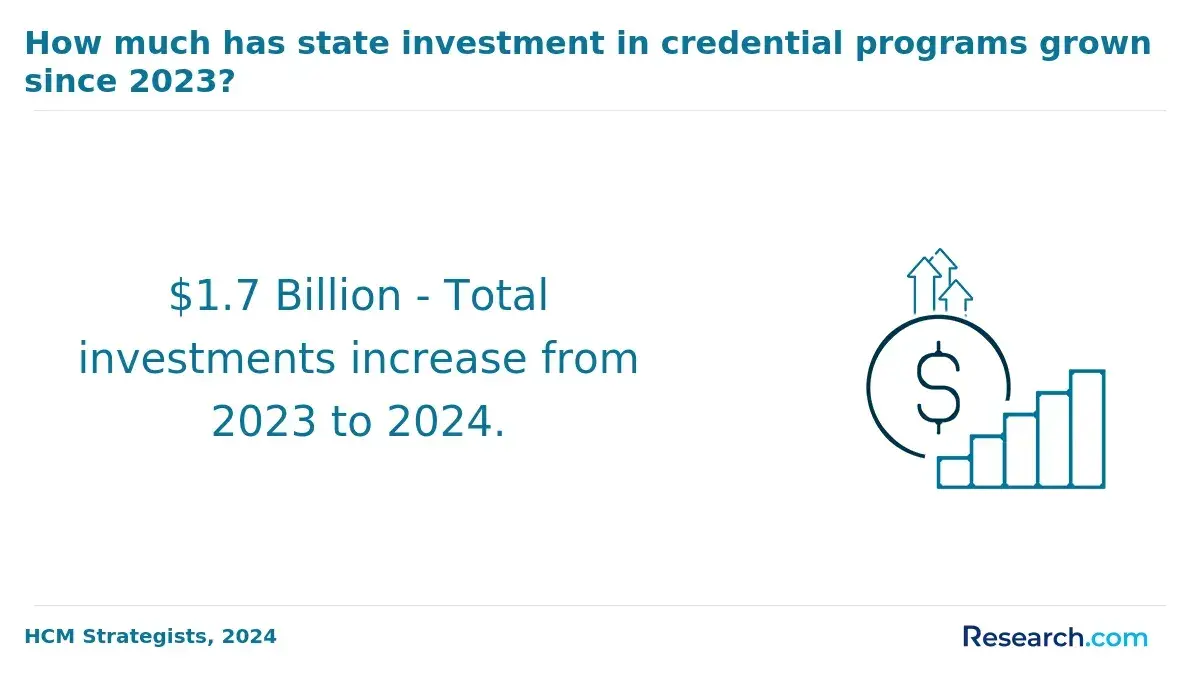
Average tuition for online project management credits sits higher than general bachelor's degrees, reflecting specialized content around project control, risk, and leadership. For example, the $595 average per credit contrasts with $490 for other bachelor's majors, underscoring a premium on targeted skill sets essential for entry-level roles that demand immediate applicability.
Program flexibility often distinguishes offerings for working adults. Schools such as Bellevue University provide accelerated formats with year-round starts, assisting students who need a faster pathway into the workforce, while Southern New Hampshire University emphasizes asynchronous learning to accommodate unpredictable schedules. Practical experience is emphasized through capstone projects connected to real organizational challenges-critical for translating coursework into tangible employer value.
Graduates frequently pursue certifications like the Certified Associate in Project Management (CAPM), making programs that integrate certification prep more economically and logistically efficient. Those weighing options on cost, accreditation, and delivery models should also review resources on affordable online project management degrees to realistically balance investment with outcomes when targeting top online schools for project management degrees.
What accreditation and quality standards should online project management degrees meet?
Accreditation for online project management degrees is a critical factor that employers and hiring managers scrutinize, especially when candidates seek roles tied closely to PMP certification requirements. Without recognized regional accreditation and alignment with the Project Management Institute's (PMI) Global Accreditation Center standards, graduates risk entering the workforce underprepared or facing additional certification hurdles that lengthen their time to meaningful employment.
This alignment ensures curricula address core competencies such as risk management, scheduling, and stakeholder communication, which are indispensable in industries like construction and technology. Quality criteria for project management bachelor's programs online include practical, PMI-based case studies rather than generic business theory, directly reflecting workplace challenges professionals face across different sectors.
For example, a tech project manager needs training that integrates real-world domain scenarios rather than abstract frameworks, enabling a more seamless transition into project leadership roles. Financial investment varies widely with notable differences in return on investment. According to OnlineU's 2026 ranking, Southern New Hampshire University Online charges $9,900 annually with median alumni earnings of $70,857, whereas City University of Seattle demands $12,750 but boasts a median salary of $88,228 placing it in the top 6% nationally.
These figures underscore that accreditation alone does not guarantee high ROI; the practical relevance of curricula, alumni networks, and career services are equally pivotal for job market traction. Those also considering career options beyond project management may benefit from comparison with degrees such as an online masters in human resource management to assess relative outcomes and professional fit.
What courses and specializations are typically included in an online project management major?
Project management education often demands nuanced distinctions in how operational skills apply across industries. For instance, a construction project manager places heavier emphasis on risk mitigation and precise scheduling, whereas an IT project manager depends more on Agile methodologies and digital collaboration tools.
This variation signals a practical need for programs to blend core courses-such as budgeting, risk assessment, stakeholder communication, and quality control-with sector-specific applications. In addition to foundational knowledge like project integration and procurement, real-world simulations and capstone projects develop proficiency using planning software under time and resource constraints.
Such hands-on experiences are vital since employers overwhelmingly favor candidates with both technical software skills and demonstrable, applied experience-68% according to recent data from the National Center for Education Statistics. Cost considerations factor significantly for many learners.
For example, Columbia Southern University's online bachelor's in project management offers an annual tuition of $8,340 including textbooks, presenting an accessible option without sacrificing essential curriculum depth. However, online students face challenges gaining practical exposure unless they actively seek internships or relevant project roles to complement coursework, which remains crucial for tackling industry-specific complexities post-graduation.
What are the typical admission requirements for online bachelor's in project management programs?
Admission criteria for online bachelor's in project management programs reflect distinct tradeoffs between accessibility and workforce readiness. While a U.S. high school diploma or equivalent and a minimum GPA around 2.5 to 3.0 are standard, applicants lacking foundational skills in English and mathematics risk falling behind, especially in sectors like engineering or IT where analytical ability is non-negotiable.
For example, an applicant without requisite quantitative skills may face remedial coursework, extending time and cost before entering a growing but competitive labor market. Standardized test scores such as SAT or ACT are increasingly optional, yet submitting them can strengthen candidacy for selective programs or stateside employers emphasizing academic rigor.
Beyond transcripts and residency proof, some schools ask for career-goal essays. Letters of recommendation and interviews are rarely required but could distinguish candidates with professional experience or certifications like CAPM, which some programs accept for credit, streamlining entry for career changers.
Given the median salaries varying from $58,526 in marketing to nearly $89,000 in engineering project management (source: The BestColleges.org 2024), applicants must align their pre-college preparation with the demands of targeted industries. Neglecting prerequisites or quantitative readiness can stall career momentum despite degree completion, adding hidden opportunity costs.
Practical advice for prospective students includes early preparation of all official documents and proactive upskilling in analytical areas. This approach minimizes delays and positions the learner closer to sector-specific employment opportunities after graduation.
How long do online project management bachelor's programs take, and what do they cost?
Choosing between an accelerated or traditional online bachelor's program in project management involves balancing time, cost, and personal capacity for sustained focus. Full-time, standard-paced programs usually span 3 to 4 years, totaling about 37 months, with tuition averaging $36,000. These longer programs distribute workload and expenses over an extended period, offering manageable pacing for working professionals but delaying credential acquisition and potential salary gains.
Conversely, accelerated pathways-such as competency-based models allowing progression upon skill mastery-can compress degree completion to roughly 12 months, reducing tuition to approximately $12,875. This option demands intense dedication upfront but caters to those aiming to swiftly re-enter the workforce or secure promotions, especially in fast-moving sectors like IT or construction.
Employers tend to value demonstrated practical ability, meaning that accelerated completion can signal both discipline and relevant expertise. When deciding, professionals should weigh:
- Their current workload and ability to commit concentrated study time.
- Their financial flexibility and tolerance for upfront cost versus prolonged payments.
- The importance of rapid credentialing relative to paced skill development.
Making this choice impacts not only educational trajectory but also real-world employability and readiness to handle project challenges effectively, shaping long-term career progression in project management.
What entry-level careers can a bachelor's in project management prepare you for?
Entry-level roles in project management typically demand a blend of practical skills in scheduling, resource allocation, and stakeholder communication rather than just theoretical knowledge. For instance, a project coordinator in construction must continuously adjust timelines in response to supplier delays, while an IT junior project manager handles defect resolution workflows across multiple teams.
These situations require integrating scheduling tools with ongoing risk assessment and adaptive problem-solving. Project management graduates can also transition into adjacent roles like operations management or healthcare analytics, where process optimization and compliance tracking are central. These cross-functional opportunities highlight the importance of analytical rigor beyond standard project frameworks.
Employers expect demonstrable proficiency in software such as Microsoft Project or Smartsheet alongside foundational theory. Programs with strong completion and retention rates, like Columbia Southern University's online bachelor's with a 78% graduation rate, provide an important signal of real-world readiness and reduced student attrition.
However, translating academic knowledge into industry-specific application remains a frequent hurdle, especially in budget management and communication across diverse teams. Prospective students should critically assess whether a program's curriculum and graduation outcomes align with practical workforce demands to avoid early career stagnation or skill gaps. Hands-on internships and experiential learning are often decisive factors in developing these competencies.
What is the salary potential and job outlook for graduates in project management roles?
The salary entry point for graduates holding an online bachelor's in project management exceeds $84,000, outpacing most comparable online programs assessed by Forbes Advisor. This wage premium results from employer demand for candidates who blend theoretical insight with hands-on skills tailored to complex sector demands like supply chain logistics in manufacturing or compliance nuances in healthcare.
However, starting roles and salary trajectories vary notably by industry and prior experience. For instance, an IT-focused graduate might secure a project coordinator position near the median salary, while construction sector entrants often begin as assistant project managers with different compensation but similar advancement prospects.
The labor market outlook projects a 7% growth rate for management occupations through 2032, with project management roles growing in response to digital transformation and multi-stakeholder project complexity especially in IT, finance, and construction. Yet, this growth is accompanied by rising expectations for certification credentials such as PMP or CAPM, which many employers demand alongside proven soft skills like stakeholder communication and conflict resolution.
Practical realities include geographic flexibility and potential contract work early in careers, necessary for building a measurable track record. Navigating these factors realistically can accelerate integration but requires candidates to assess tradeoffs between immediate stability and longer-term portfolio development.
How do professional certifications like CAPM support first-time project professionals after graduation?
Entry-level project professionals benefit from CAPM certification primarily because it standardizes foundational knowledge in a way employers recognize as immediately relevant. In sectors such as construction or IT, where onboarding speed and operational consistency affect team productivity, a CAPM credential reduces supervised training time and sets clear expectations around project management terminology and process adherence.
Holding CAPM also strategically positions graduates for higher credentials like PMP, which require documented hours of project experience. This credential signals serious commitment when competing for roles that increasingly demand validated skills rather than just academic credentials. Particularly for students investing in mid-tier tuition programs-like Northeastern University's online BS in Project Management, which hovers near $560 per credit-the CAPM can provide measurable ROI by shortening the time to qualifying for advanced certifications and expanding job eligibility.
For those facing limited practical experience early in their careers, CAPM serves as a credential bridge into regulated or compliance-heavy industries such as healthcare and manufacturing. It demonstrates baseline project literacy that supports foundational responsibilities while encouraging disciplined study of methodologies that complement academic training. This practical credential enables professionals to overcome gaps between theory and actual workflows where direct experience is scarce.
Other Things You Should Know About Project Management
Many online bachelor's in project management programs balance theory with applied skills, but the ratio varies widely by school. Programs that emphasize case studies, simulations, and software tools better prepare students for entry-level roles than those focused mainly on theory. When selecting a program, prioritize those with strong experiential components and opportunities for project collaboration to build workplace readiness.
Combining project management with fields like business analytics, information technology, or engineering increases versatility and appeal to employers in specialized industries. Pure project management degrees can limit initial career options to generic roles. For students targeting industries such as IT or construction, dual majors or minors aligned with project management learning are a practical investment in future job placement and salary growth.
The workload in project management programs tends to be heavier in group projects, deadline-driven assignments, and software-based tasks. Time management skills are essential, especially for students balancing work and study. Unlike some other online degrees that emphasize individual research papers, project management programs require consistent engagement, team coordination, and application of tools that simulate real projects.
Graduates of 2027 online bachelor's programs in project management can anticipate enhanced career prospects, such as entry into leadership roles, greater salary potential, and the acquisition of versatile skills applicable across industries, all of which significantly bolster long-term career advancement.
References
- Top Entry Level Project Manager Requirements - Techcanvass https://techcanvass.com/blogs/entry-level-project-manager-requirements
- Diverse Applications and Careers With a Degree in Project Management https://www.ucumberlands.edu/blog/diverse-careers-with-a-degree-in-project-management
- How to land your first job as an entry-level project manager https://www.ziplines.com/blog/how-to-land-your-first-job-as-an-entry-level-project-manager
- Project Management Employment Statistics in Europe https://zoetalentsolutions.com/project-management-employment-statistics-in-europe/
- PMI Accreditation – What It Means and Why It Matters - Online Masters Project & Programme Management https://projectmanagement-ul.ie/pmi-accreditation-means-matters/
- 5 Things You Should Know About Studying a Project Management Degree. MANCOSA https://www.mancosa.co.za/blog/5-things-you-should-know-about-studying-a-project-management-degree/
- Project Management Job Market Report (UK) - May 2026 https://www.learningpeople.com/uk/career-insights/job-market-insights/project-management/
- IPM Certification https://projectmanagement.ie/ipm-certification/
- The 18 Best Project Management Universities - 2025 Updated List https://blog.masterofproject.com/best-project-management-universities/
- PMP Certified Project Manager | Master Successful Project Management https://www.oxfordhomestudy.com/OHSC-Blog/pmp-certified-project-manager