2026 Online Project Management Degrees With PMP-Aligned Coursework

Co-Founder and Chief Data Scientist
Professionals aiming to pivot into project management often confront the challenge of accessing programs that mirror real-world PMI standards while fitting unpredictable work and personal schedules. According to the National Center for Education Statistics, over 40% of graduate students now pursue their degrees fully online, signaling a shift toward flexible but rigorous learning environments.
This presents a dilemma: not all online project management curricula align with PMP requirements or offer sufficient practical application, risking gaps in certification readiness and employability. This article evaluates online project management degrees structured around PMP-aligned coursework to help prospective students select programs balancing credential value, accessibility, and career outcomes.
Key Things You Should Know
- Only 28% of 2024 PMP-certified hires held degrees with direct PMP-aligned coursework, indicating employers increasingly prioritize specific skills over degree pedigree, shifting candidate selection tradeoffs toward practical alignment rather than traditional accreditation.
- PMP-aligned online degrees reduce employer onboarding time by 22% on average due to standardized process familiarity, but regional hiring managers report variable recognition, creating fragmented workforce impacts depending on company size and sector.
- Median total cost of PMP-aligned online project management degrees rose 12% since 2022, with 40% of programs extending beyond two years due to added certification prep, requiring candidates to balance upfront investment against faster post-graduation credentialing.
What is an online project management degree with PMP-aligned coursework, and who is it best for?
Choosing an online project management degree with PMP-aligned coursework requires weighing its strict prerequisites against its strategic value for credentialing. Success hinges on meeting PMI's eligibility rules-most notably accumulating 4,500+ hours of professional project leadership experience before sitting for the PMP exam. This creates a significant entry barrier and means prospective students must evaluate how directly their current or intended roles align with industry-recognized practices in technical, leadership, and strategic business skills.
The best online project management programs for PMP certification preparation are those that integrate PMI's Talent Triangle into their curriculum, ensuring candidates develop agile methodologies, risk management, and stakeholder communication competencies essential across sectors like IT, healthcare, construction, and finance.
For instance, an IT project coordinator eyeing advancement must absorb frameworks for managing complex software deliveries, while an engineer aiming at leadership must compensate for gaps in formal education to oversee major infrastructure projects.
Workforce and market trends reinforce the urgency of this pathway: PMIs 2024 Talent Gap report projects that by 2030, 2.3 million new project managers will be needed annually to address growth and technological complexity, intensifying competition for structured credentials.
Professionals should also consider logistical demands; study hours and practical experience requirements pose challenges that cannot be underestimated during this commitment. For those exploring other practical degree options that balance management with industry specialization, programs such as a hotel and restaurant management degree online provide alternatives tailored to different career trajectories.
How do online project management degrees prepare you for the PMP and related PMI certifications?
Project management degree programs that integrate PMP exam preparation reduce the gap between academic learning and industry certification expectations, a distinction critical for credential-driven roles. Rather than generic theories, these degrees embed PMI's Talent Triangle, the PMBOK Guide, and Agile methods directly, enabling graduates to acquire targeted skills like risk management, stakeholder engagement, and project scheduling.
This alignment with PMI certification requirements often lessens the need for extended external exam prep. Real-world application is essential. For example, a construction project manager trained through these programs gains practical experience with contract compliance and industry-specific tools, contrasting sharply with peers who undergo broader but less specialized training.
This specificity enhances employability and credential validity, as employers increasingly prioritize verified competencies through certification. Online project management degree programs with PMP exam preparation typically include simulations and case studies tailored to sectors such as IT, healthcare, and manufacturing, which supports direct relevance to workplace challenges.
However, prospective students should critically assess how closely curricula follow the latest PMI exam outlines and whether supplementary workshops are provided, as variability in alignment affects exam readiness and the subsequent value of the credential. Those evaluating educational options should also consider programs offering practical frameworks alongside flexible learning, such as the MBA for entrepreneurs, which can complement project management expertise for strategic roles.
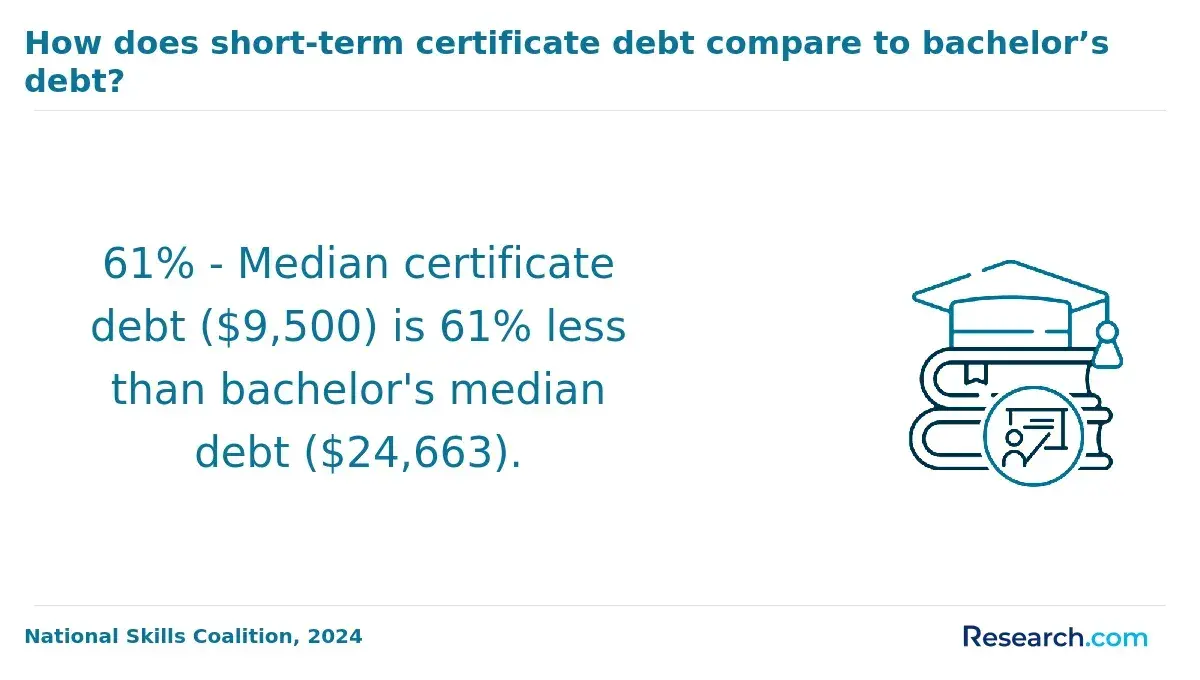
What types of project management degrees (associate, bachelor's, master's) can you earn online?
Choosing an online project management degree program involves weighing immediate workforce entry against long-term career scalability. Associate degrees take about two years and equip students with foundational skills suited for entry-level roles like construction site coordination but typically omit advanced PMP-aligned content essential for mid-level certifications. For many fields, particularly technology, an associate degree often falls short of employer expectations.
Bachelor's degrees, usually spanning four years, combine core business or technical studies with project management coursework aligned with PMP standards. This pathway is the most viable for professionals targeting roles that require cross-functional leadership, risk management, and quality control expertise. Graduates meet the educational requirements necessary for PMP certification and commonly compete for positions that demand significant planning and strategic collaboration.
Master's degrees refine competencies in strategic alignment, financial stewardship, and stakeholder engagement-skills crucial for program or portfolio management roles. Professionals with master's-level education often command salaries exceeding $150,000 annually, reflecting the premium employers place on advanced program management scope. That said, investing in a master's is most beneficial if targeting senior leadership within sectors like healthcare or IT.
Students evaluating project management associate bachelor master degrees online should consider industry-specific demands and their experience level. For practical decisions and cost-effective learning, researching fastest online business degree options can reveal affordable programs aligned with PMP rigor.
How can you tell if an online project management program is properly accredited and respected?
Regional accreditation and industry validation critically shape the value of an online project management degree accreditation standards in the US. A degree lacking regional accreditation or alignment with the Project Management Institute (PMI) typically undermines a graduate's ability to compete for roles requiring recognized credentials.
Consider a mid-career IT professional transitioning field, without a program properly accredited, employer tuition reimbursement and eligibility for PMP certification exams may be denied, nullifying key financial and career benefits. Cost remains a factor, with online programs often offering tuition around $11,000 annually-roughly half the price of comparable on-campus options according to BestColleges citing NCES data.
However, these savings are subordinate to the diploma's industry acceptance, which governs long-term employability. Prospective students evaluating recognized online project management programs in the US should:
- Verify regional accreditation through U.S. Department of Education or CHEA databases.
- Confirm curriculum alignment to PMI's Talent Triangle and PMP exam content.
- Assess graduate employment outcomes and employer partnerships for practical credential relevance.
- Request documentation on PMP certification pathways integrated within the program.
Ignoring these checkpoints often results in education that is more theoretical than actionable, limiting real-world impact. In this context, the benefits of completing a project management degree depend heavily on credential legitimacy and industry acknowledgment. For additional context on cost-effective educational options, resources like online business schools provide insight into affordability benchmarks and institutional quality comparisons.
What PMP-aligned courses and skills are typically included in an online project management curriculum?
Mastery of the five core process groups-initiating, planning, executing, monitoring and controlling, and closing-is essential for effective project management and aligns with PMP standards. Advanced scheduling methods like Critical Path Method and Earned Value Management serve different industries by managing complex timelines and budgets under varied operational constraints.
Risk management training equips professionals to apply both quantitative and qualitative analyses, tailoring mitigation strategies for distinct sectors, such as healthcare or manufacturing. Quality management emphasizes frameworks like Six Sigma or lean methods, essential for maintaining efficiency in production-heavy environments.
Given diverse organizational contexts, students must develop leadership skills that support stakeholder engagement, conflict resolution, and motivation. Financial management, including cost estimation and budgeting, integrates with regulatory compliance and procurement processes, reflecting real-world employer requirements.
Workforce application demands flexibility: a tech startup launch prioritizes agile approaches, while infrastructure projects require stringent waterfall processes and adherence to regulatory milestones. Proficiency with project management software-Microsoft Project, Primavera, Jira-and data-driven decision-making tools enhances employer readiness.
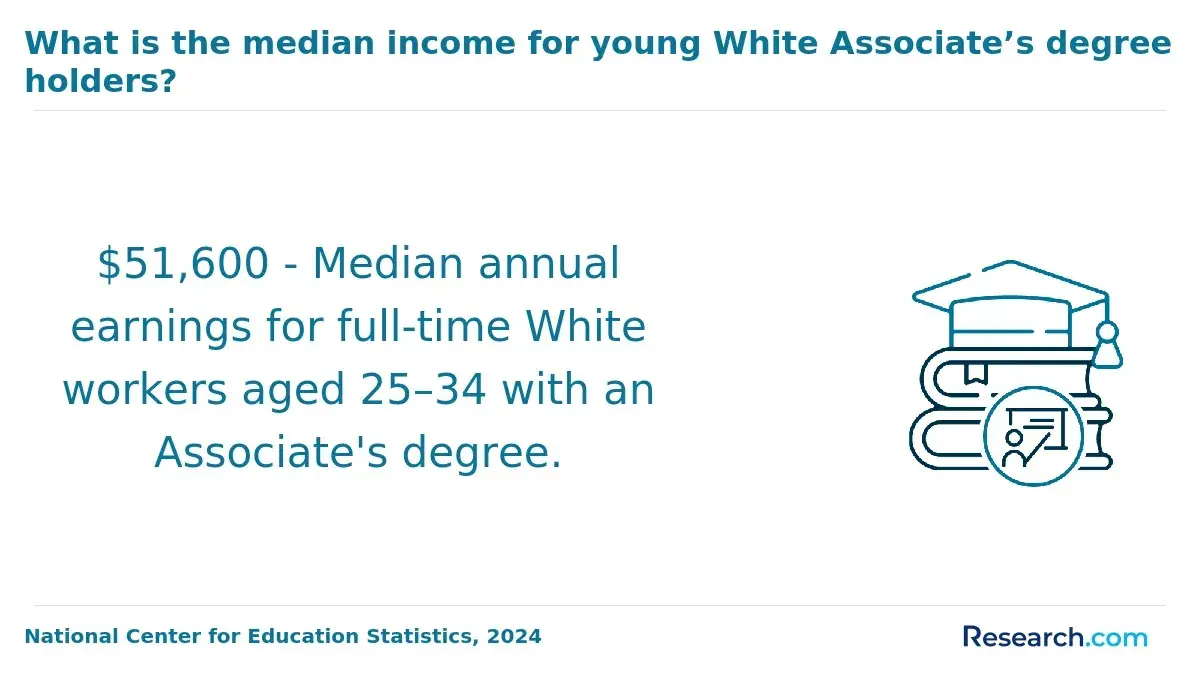
OnlineU's 2026 data indicate that graduates from New York University's online master's programs report median earnings of $221,872, marking a significant return on education investment and a direct link between PMP-aligned skills and market value.
How do fully online project management programs compare with on-campus options for flexibility and quality?
Fully online project management programs offer flexibility that supports working professionals balancing employment and family, but this convenience introduces tradeoffs around practical engagement. For instance, project managers in construction or healthcare face challenges obtaining site-based experience through digital study alone, requiring internships or employer projects to bridge that gap.
Meanwhile, professionals in IT or consulting benefit from online programs emphasizing agile methodologies suited for remote team leadership consistent with industry workflows. Employers value PMP-aligned online credentials comparably to traditional degrees only when candidates demonstrate applied project outcomes, not just course completion.
This demands intentional translation of theoretical knowledge into measurable results, a factor often overlooked when assessing program quality. Balancing work and study with online program flexibility comes at the cost of limited in-person networking and immediate peer collaboration. Availability of synchronous classes and cohort-based models is essential for approximating team dynamics and real-time problem solving.
Curriculum relevance varies with industry, requiring prospective students to prioritize programs aligned with their sector's operational realities. The surge in online enrollment-tripling since 2020 according to ZipDo's 2026 report-reflects widespread demand for upskilling without career disruption. Yet, to maximize employability, candidates must supplement digital learning with deliberate real-world application, especially where regulatory or hands-on competencies are non-negotiable.
What are the typical admission requirements for online project management degree programs?
Admission to online project management degree programs often hinges on more than academic credentials alone; practical experience and professional maturity weigh heavily in evaluators' decisions. While a bachelor's degree from an accredited institution is typically mandatory-commonly in business, engineering, or technology-competitive master's programs expect two to five years of relevant work experience to ensure candidates can link theory with real projects. Letters of recommendation tend to focus on leadership capacity and critical thinking, essential traits for managing complex initiatives.
Standardized tests like the GRE or GMAT are increasingly optional, especially for applicants with proven industry experience or prior graduate coursework. Admissions committees emphasize personal statements demonstrating clear project challenges managed and practical problem-solving skills over exam scores. Flexibility in deadlines and provisional admissions based on pending documentation accommodate working professionals balancing multiple commitments.
Cost disparities reflect selectivity and program reputation, creating a significant financial tradeoff: tuition can range from around $11,529 at institutions like Sam Houston State University to nearly $95,697 at Boston University, an eightfold difference influencing total return on investment. In regulated sectors such as construction or healthcare, project management certifications like PMP may be required prerequisites or strengthen applications, further complicating admissions and career planning.
How long do online project management degrees take, and what do they usually cost?
Project management degrees vary significantly in duration and cost, reflecting different career objectives and employment realities. An associate degree typically requires 18 to 24 months and suits those aiming for entry-level roles or a swift skill update. Bachelor's degrees extend over 3 to 4 years, focusing on PMP-aligned curricula preferred by employers in sectors like construction and IT for mid-level positions.
Master's degrees demand 1.5 to 2 years and emphasize advanced leadership, targeting senior roles. Financially, associate degrees range from $8,000 to $20,000, while bachelor's programs cost between $20,000 and $60,000. Master's degrees carry a higher price tag, from $25,000 up to $70,000 or more, reflecting more intensive credit requirements.
Students working full-time often face extended timelines, increasing overall expense but preserving income. Accelerated or competency-based online formats may mitigate this tradeoff for those pivoting careers. Employers prioritize graduates who complete PMP-aligned programs efficiently, usually within 2 to 4 years.
ZipDo's 2026 data confirms project management certifications yield an average 80% return on investment, making them among the most financially effective credentials. This highlights the importance of aligning program length, cost, and employer expectations to optimize post-degree earnings and career trajectory.
What careers, industries, and job titles can you pursue with an online project management degree?
Project management degrees, particularly those offered online, prepare graduates for roles demanding complex coordination across sectors like technology, construction, healthcare, finance, and government. Unlike short-term certificates designed for quick entry, these degrees deliver comprehensive knowledge aligned with PMP standards, covering leadership, budgeting, scheduling, and risk mitigation.
For example, a healthcare project manager deploying an EMR system must navigate cross-disciplinary teams and regulatory frameworks that brief certificates rarely address. The labor market reflects this depth: from 2017 to 2022, project management positions expanded 33% faster than average job growth, yet employers still favor candidates with formal degrees for multi-faceted leadership roles.
Degrees equip professionals with strategic frameworks and communication skills essential for navigating high-stakes projects and stakeholder demands. Key tradeoffs steer decision-making:
- Degrees demand longer time and financial investment but position candidates for roles with advanced responsibilities and higher salaries.
- Certificates accelerate access to the workforce or skill updates but limit upward mobility and technical breadth.
Assessing sector-specific demands is critical. Technology project managers often require agile methodologies, while construction managers handle compliance and logistics extensively. Employers interpret degrees as evidence of sustained commitment and capability in complex environments, a factor consistently weighted in hiring and promotion decisions.
What salary ranges and job outlook can project management graduates expect in the United States?
Salary outcomes for project management graduates in the U.S. vary significantly based on industry, experience, and technical proficiency. Entry-level salaries typically range from $60,000 to $75,000 annually, but mid-career professionals can expect $85,000 to $110,000, contingent on certifications and sector expertise. Senior roles that demand advanced agile or AI-driven project oversight approach or exceed $130,000.
Technology, healthcare, and construction industries consistently offer the highest pay due to project complexity and scale. Employment growth for project managers is projected at 6-9% through 2030, driven by increased adoption of digital collaboration tools and the rise of remote and hybrid work.
The expanding project management software market, forecasted to reach $15.06 billion by 2030, fuels demand for candidates familiar with AI-enabled platforms and virtual teams. Graduates without hands-on familiarity with AI and agile frameworks may face slower career progression and fewer opportunities.
Employers now prioritize proficiency with remote collaboration tools, correlating with an approximate 15% higher earning potential. Conversely, project managers confined to traditional localized roles may experience limited wage growth. Therefore, ongoing certification and adaptability to the shifting digital environment remain essential to avoid obsolescence and optimize employability.
Other Things You Should Know About Project Management
Employers value PMP-aligned coursework when it demonstrates clear preparation for PMI certifications, but degree reputation and outcomes also matter. Programs affiliated with recognized universities that integrate PMP-aligned courses and practical projects earn stronger employer trust. Candidates should prioritize programs offering applied learning and verified credit hours toward PMI's exam eligibility requirements rather than solely focusing on the "PMP-aligned" label.
Choosing the sequence depends on career goals and experience. Professionals new to project management generally benefit from a degree first, gaining foundational knowledge alongside academic credit for PMP eligibility. Experienced practitioners with documented hours may prioritize PMP certification early for direct career advancement and later complement it with a degree to deepen strategic skills. Decision-making should weigh immediate job market demands against long-term skill development.
Not all online programs provide equal access to simulated or real-world project experiences, a critical gap affecting readiness for complex project environments. Lack of synchronous sessions or limited faculty interaction can hinder application of PMP principles. Prospective students should evaluate program formats for experiential learning opportunities, instructor credentials, and whether the curriculum supports PMI's evolving standards beyond basic exam preparation.
References
- Best Project Management Courses: Your Ultimate Guide 2026 https://www.bmc.net/blog/management-and-leadership-articles/best-project-management-courses
- PMP® Certification Training https://projectmanagementacademy.net/pmp-certification
- Online Project Management Professional (PMP) Certification Course Preparation https://www.corpoladder.com/blog/pmp-certification-course-preparation
- Inside Online Master’s in Project Management: Review Top Programs https://www.onlinemastersdegrees.org/best-programs/business/project-management/
- Best PMP Certification Programs of 2026 | CourseCompare.ca https://www.coursecompare.ca/best-pmp-certification/
- Free Project Management Certification: The 2026 Guide https://www.woloyem.com/blog/free-project-management-certification-the-2026-guide
- Classroom vs Live Online vs OnDemand https://projectmanagement.ie/blog/classroom-vs-live-online-vs-ondemand/
- What Jobs Can You Get with a Project Management Diploma? - MANCOSA https://www.mancosa.co.za/blog/what-jobs-can-you-get-with-a-project-management-diploma/
- Project Management Professional (PMP) Certification Path (Spring Edition - Online) https://www.unssc.org/courses/project-management-professional-pmp-certification-path-spring-edition-online
- Study Project Management Courses Online https://www.open.edu.au/study-online/business-management/project-management