2026 Online Project Management Degrees With Strong PMO and Governance Training

Co-Founder and Chief Data Scientist
Facing pressure to lead complex, compliance-heavy projects without formal training in PMO structures or governance frameworks, many professionals risk operational failure and stalled advancement. This challenge escalates as employers increasingly expect mastery in governance alongside core project skills-yet fewer programs offer robust coverage of these critical areas online.
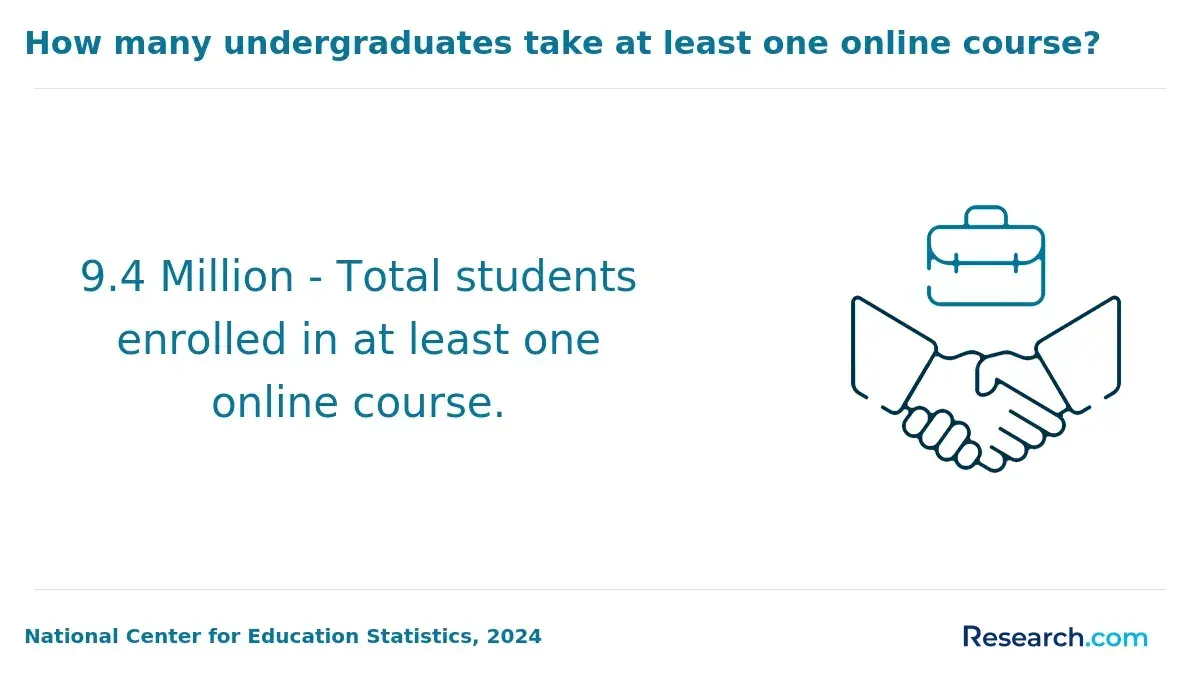
A 2024 National Center for Education Statistics report shows a 17% rise in adult enrollment for online graduate degrees, signaling a shift toward flexible learning but also amplifying the need to scrutinize program rigor and practical applicability. This article compares online project management degrees with strong PMO and governance emphasis to guide strategic enrollment choices that avoid skill gaps and maximize career mobility.
Key Things You Should Know
- Programs emphasizing PMO and governance often extend graduation timelines by 20%-30% due to added compliance and strategic oversight coursework, impacting total cost and delaying workforce reentry, per National Center for Education Statistics 2024 data.
- Employers now prioritize candidates with integrated governance training, correlating with 40% higher promotion rates in PM roles, according to a 2024 PMI workforce survey, pressuring students to choose curricula aligned with governance frameworks.
- Tradeoffs persist between specialized PMO governance depth and broader project management versatility, forcing candidates to prioritize either niche strategic roles or flexible operational positions as highlighted by the 2024 Bureau of Labor forecast.
What is an online project management degree with PMO and governance training?
An online project management degree with PMO focus targets the practical integration of governance frameworks with project delivery, addressing employer demand for professionals who navigate complex organizational structures efficiently. For instance, healthcare project managers trained in this field align cross-departmental work with regulatory compliance, while construction managers emphasize resource distribution and risk oversight across multiple contractors. This distinction underscores a shift from generic project management toward specialized governance and infrastructure understanding.
Graduates must be equipped to tackle challenges such as stakeholder communication, compliance audits, and prioritization of project investments. Such governance and project management training programs prioritize standards like PMBOK and ISO, enhancing readiness for audit and accountability demands. Evaluating program accreditation and the depth of PMO methodologies is critical to ensure alignment with real-world expectations.
Workforce trends reinforce this focus: the U.S. Bureau of Labor Statistics reports a median annual wage of $102,240 for project management specialists, with projected employment growth to 1.3 million by 2032, signaling a preference for candidates with specialized governance skills. Prospective students should also assess how an online format incorporates interactive case studies and tools to simulate practical governance decision-making.
Those considering this pathway may find value in comparing offerings through resources like the best online business degree rankings, which often include project management concentrations optimized for workforce demands.
How do online project management degrees compare with campus programs for PMO-focused study?
Online project management degrees with PMO specialization offer flexibility but lack the embedded practical immersion and network access of campus programs, which often provide internships and direct engagement with enterprise-level PMOs. This difference affects readiness for governance and portfolio oversight roles, as campus students gain hands-on experience through co-located team projects and institutional mentorship-elements online formats struggle to replicate.
A 2025 monday.com analysis reveals only 37% of organizations express satisfaction with their project management maturity, while 45% remain dissatisfied, indicating a persistent governance and PMO capability gap. Graduates who can demonstrate applied governance skills or real PMO leadership stand out in this environment.
Industry recruiters in healthcare and government particularly value candidates with documented PMO experience, often acquired via campus internships. Online learners must compensate by seeking external PMO roles or utilizing virtual simulations, or risk their credentials being viewed as theoretical rather than operational. Working professionals pursuing online options benefit from integrating coursework with current job tasks but must actively pursue capstone projects or synchronous cohort collaborations to build practical governance skills.
Ultimately, the choice between campus versus online project management programs for governance training hinges on career stage and market expectations: early-career individuals gain from campus immersion, while mid-career professionals leverage online degrees for real-time application, provided they supplement education with hands-on project roles.
Those interested in specialized healthcare project management pathways might explore the MBA in healthcare as a complementary credential.
What types of project management degrees best prepare students for PMO leadership roles?
Project management degrees focused on PMO leadership must go beyond basic scheduling and cost control to include advanced governance, strategic portfolio alignment, and cross-functional oversight. Graduates who lack integrated governance training often struggle to transition from tactical project execution to strategic portfolio leadership roles, limiting their career trajectory.
Online project management programs with governance training offer necessary exposure to both agile and traditional methodologies while emphasizing enterprise PMO frameworks. In technology organizations, for example, PMO leaders translate complex project data into actionable business strategies, managing diverse stakeholders under regulatory constraints. Without training aligned to these demands, professionals risk underperformance in audit scenarios and stakeholder communications.
Employers increasingly prioritize certifications linked to these degree pathways. According to the Career and Salary ROI of Advanced PM / PMO Credentials report by ZipDo, certified project managers earn 33% more than non-certified peers, with PMP holders specifically earning 22% more than those without PMP designation. This demonstrates how education paired with credential alignment enhances employability and salary potential.
When evaluating programs, prospective students should seek curricula with governance modules, enterprise portfolio case studies, and mentorship opportunities tailored to PMO leadership challenges. For individuals balancing work and study, an accelerated online finance degree may also provide complementary financial acumen beneficial in portfolio oversight roles.
How can students verify accreditation and program quality for online project management degrees?
Accreditation significantly shapes the employability and relevance of online project management degrees. Programs must hold regional or national institutional accreditation to guarantee fundamental educational standards recognized by employers and essential for credit transfer. Beyond this, specialized accreditation such as the Project Management Institute's Global Accreditation Center (PMI-GAC) affirms that the curriculum aligns with industry-specific requirements and evolving governance practices. This evaluation of program quality and accreditation of online project management courses ensures candidates are prepared for practical workforce demands.
Given that 61% of project management professionals engage in remote work at least part-time, programs lacking updated governance and remote delivery methods risk producing graduates out of sync with current workforce structures. For instance, someone entering heavily regulated sectors like healthcare must prioritize degrees with governance training compliant with specific regulatory frameworks to meet employer expectations and legal requirements.
Verification should also emphasize measurable outcomes such as graduate employment rates in project management roles, average salary increases post-graduation, and PMI certification pass rates linked to the program. These data points, available through accredited institutions or third-party sources, distinguish programs with proven success.
Practical steps to verify accreditation and quality include:
- Consulting the U.S. Department of Education's Database of Accredited Postsecondary Institutions and Programs for institutional legitimacy.
- Confirming program-specific accreditation via PMI-GAC or recognized authorities.
- Reviewing curricula for integration of governance and remote project delivery strategies aligned with workforce trends.
- Seeking third-party data on graduate employment and certification success rates.
Those evaluating different fields may also compare pathways; for example, individuals interested in management but considering a related route can explore programs like the hospitality management degree online.
What PMO, governance, and portfolio management courses are typically included in the curriculum?
Programs focused on PMO, governance, and portfolio management must equip students to handle the operational realities of aligning multiple projects within complex organizational frameworks. Governance courses concentrate on defining decision rights, roles, and risk controls critical for regulatory compliance and effective oversight. Without these clear structures, organizations often struggle to mitigate risk consistently-an issue evidenced by over one-third of projects lacking reliable risk governance.
Portfolio management training emphasizes balancing constrained resources and competing priorities, with techniques like earned value management offering measurable insights into project performance. For instance, healthcare governance prioritizes patient safety and strict regulatory adherence, whereas tech-oriented portfolios demand agility and adaptable resource deployment. These distinctions affect workflow design and risk communication across industries.
Practical learning involves scenario-based exercises rooted in industry specifics, ensuring graduates can engage stakeholder communication and escalation pathways effectively. Accredited curricula also cover PMO setup and maturity models, including the development of metrics dashboards that inform governance and portfolio control effectiveness. According to Wellingtone's 2024 State of Project Management report, 64% of project managers actively work in risk management, highlighting an ongoing workforce demand for these skills.
Graduates who master risk assessment and governance processes hold a distinct advantage, as employers seek measurable governance outcomes amid increasing project complexity and regulatory pressures. This specialized skill set positions graduates to improve or establish PMO functions that deliver sustained organizational value.
What are the usual admission requirements for online project management bachelor's and master's programs?
Admission criteria for bachelor's and master's programs in project management reflect significant tradeoffs between academic readiness and practical experience. Bachelor's entry generally demands a high school diploma or GED with GPAs around 2.5 to 3.0, sometimes alongside test scores depending on test-optional policies. Master's programs, however, expect a completed bachelor's degree with stronger GPA thresholds near 3.0 and often prioritize applicants who have relevant professional project experience-typically two to five years. This experience prerequisite acknowledges that employers increasingly need graduates who grasp operational nuances shaped by AI-enabled project environments and data-driven frameworks.
Applicants without direct professional experience often face either longer academic pathways or additional bridge coursework in areas such as statistics and risk management-components critical to mastering project governance and PMO leadership roles. Test requirements vary widely, with many professional master's tracks foregoing GRE or GMAT in favor of demonstrated work history. International candidates must meet TOEFL or IELTS minimums, ensuring language proficiency for demanding project communication contexts.
Programs also differ in their accommodation of working professionals, with some requiring proof of ongoing employment to access remote learning options and flexible pacing-factors that materially affect completion and application strategy. The decision to enter early with limited experience versus delaying admission to develop stronger credentials shapes hiring outcomes, as employers prize candidates adept at integrating AI and advanced tools into project workflows.
How long do online project management degrees take and what do they typically cost?
For professionals targeting roles in regulated environments like healthcare or construction, shorter certificate programs integrating PMO governance modules offer targeted skills with significantly less time and financial investment than full degrees. In contrast, technology and consulting sectors typically require the deeper competencies gained through master's degrees, despite their longer duration and higher costs. This tradeoff directly affects both earning potential and employability, as master's graduates tend to report higher mid-career salaries but face a substantial upfront commitment.
Bachelor's programs usually take about four years, while master's degrees require one to two years, depending on enrollment status. Certificate programs generally last 6 to 12 months, enabling faster workforce entry but with narrower scope. Tuition varies greatly: bachelor's degrees range from $15,000 to $40,000, master's from $20,000 to $60,000, and certificates between $2,000 and $5,000.
Employers increasingly prioritize candidates with formal project management framework mastery, correlating with a 73% project success rate compared to 58% without structured methods, according to Celoxis' 2026 PMO guide. Mature PMOs also drive 15% higher organizational goal completion, reflecting real business impact and individual career trajectories.
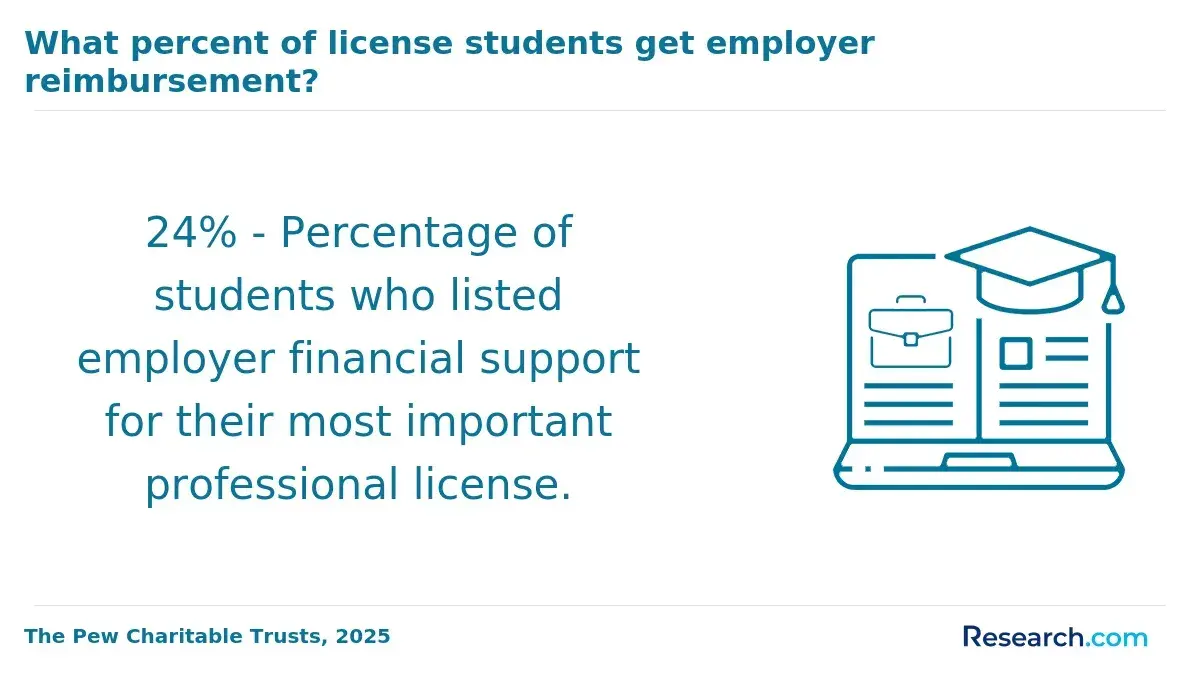
Working students should weigh asynchronous learning options and employer tuition assistance carefully, as these can reduce time-to-completion and net costs while maintaining relevance in competitive labor markets.
Which project management careers and PMO roles can these degrees help you pursue?
Degrees centered on PMO and governance equip candidates with the dual capacity to manage detailed project tasks and enforce compliance frameworks that meet complex regulatory demands. For instance, a healthcare portfolio manager leverages this expertise to juggle shifting regulations while allocating resources across multiple initiatives, contrasting with a PMO analyst in IT who drives continuous process enhancements through data analytics. These programs prepare graduates for roles requiring alignment between project execution and strategic governance, a balance critical to organizational resilience.
Employers face a pronounced shortage of capable project management professionals, with ZipDo citing that 88% of organizations report gaps and anticipate 88 million individuals needing formal training by 2027. This shortage, paired with increasing regulatory oversight in sectors like finance and government, elevates the practical value of degrees that integrate governance competencies. Yet, entry to senior PMO roles usually demands certification or demonstrable experience-degrees alone open doors primarily into foundational positions emphasizing technical controls and compliance adherence.
Successful preparation demands curriculum design incorporating scenario-based governance challenges and case studies mirroring regulated environments. Graduates gain the ability to:
- Navigate multi-layered stakeholder interests with strategic insight
- Mitigate risks while maintaining project timelines and budgets
- Translate governance frameworks into operational project controls
Such nuanced preparation addresses acute workforce deficits while furnishing professionals with pragmatic skills that transcend entry-level roles, optimizing both employability and adaptability across industries.
What salary ranges and job outlook can graduates with PMO-focused training expect?
Salary expectations for graduates with PMO-focused training vary widely by sector and experience, typically ranging from $75,000 to over $130,000 annually. Entry-level positions such as PMO coordinators or analysts usually start between $70,000 and $85,000, while seasoned professionals with over five years in governance and portfolio oversight - particularly in technology, finance, and healthcare - can command salaries exceeding $120,000. This salary stratification reflects the premium employers place on expertise in enforcing project governance frameworks and regulatory compliance, as confirmed by federal labor data and industry reports.
Job growth projections for project management roles anticipate increases between 10% and 16% through 2030, outpacing average occupation growth. The demand is driven by organizations prioritizing robust governance amid digital transformation and tighter compliance environments. According to ZipDo's 2026 report on Cost, Value, and ROI of Online PM / PMO Education, organizations report an average 80% ROI on certification investments, with 92% of professionals acknowledging improved career prospects post-certification.
Practical tradeoffs arise when selecting PMO programs with hands-on governance training tailored to specific industries. For example, manufacturing professionals must balance compliance with operational efficiency, while those in software firms often focus on Agile governance frameworks. For federal contracting careers, education aligned with government PM standards enhances advancement opportunities, highlighting the necessity of matching program content to employer expectations and sector-specific demands.
How do online programs support preparation for PMP and other project management certifications?
Aligning online project management programs with PMP and other certifications involves embedding PMI's Talent Triangle competencies, yet not all curricula translate equally into real-world readiness. For instance, healthcare-focused courses emphasize governance amid regulatory demands, whereas IT tracks prioritize agile and hybrid methods reflective of industry shifts. This disparity matters because 89% of organizations now adopt hybrid approaches, requiring graduates to master dual-method governance to remain competitive.
Many programs meet the 35 contact-hour requirement for PMP eligibility, but few integrate experiential elements like portfolio simulations or case studies essential for navigating multi-stakeholder environments. Without these, candidates risk theoretical knowledge gaps, especially when facing situational exam questions or complex portfolio-level decisions, which 8 in 10 project managers deem crucial for business success and employability.
Flexible online platforms offering verified practice exams and peer collaboration address adult learners' time constraints. However, prospective students must verify explicit alignment with PMI global standards and ongoing credential maintenance guidance (PDUs). The choice of program should weigh practical exposure against convenience, recognizing the tradeoff between online flexibility and immersive, scenario-based learning that better prepares professionals for actual project complexities.
Other Things You Should Know About Project Management
Choosing a program with a strong focus on PMO and governance equips students with direct tools and frameworks applied in portfolio and program oversight roles. While broader business training adds context on organizational strategy, it often dilutes time spent mastering PMO-specific methodologies. For those targeting PMO leadership, prioritizing specialization provides clearer pathways to practical competencies employers demand over a generalist curriculum.
Programs that integrate real-world simulations, case studies, or capstone projects tied to PMO governance enhance readiness for actual workplace complexity. Without hands-on components, graduates may struggle with applying theoretical knowledge to dynamic organizational environments, which can limit immediate employability. When evaluating programs, prioritize those embedding applied exercises that mirror governance challenges and cross-functional decision-making.
A 2027 online project management degree with a strong PMO and governance focus offers flexibility, allowing working professionals to study at their own pace. It provides specialized training on advanced project management methods and governance structures, equipping students to effectively lead projects and ensure strategic alignment in organizations.
These programs often require significant time investment due to complex case analyses, regulatory content, and portfolio management exercises. Working professionals should prepare for a workload that demands disciplined time management and may impact job-life balance temporarily. Prioritize programs offering flexible pacing and asynchronous formats that still maintain rigorous standards, ensuring progression without compromising professional obligations.
References
- Pass the PMP Exam on Your First Try https://projectmanagementacademy.net/
- onlinepmcourses.com: Verifying that you are not a robot... https://onlinepmcourses.com/project-governance-101-a-guide-to-the-governance-of-projects/
- Project, Programme & Portfolio Management | Adding Value Consulting https://www.addingvalue.nu/courses/project-programme-and-portfolio-management
- Project Management Officer Career Guide : missions, training, and salary https://www.iscparis.com/en/program/career-guides-project-management-officer/
- Project Management Certifications - Starting Only $49 - Affordable Certifications, Free Books! 50% Off Until Early Next Week! https://www.io4pm.org/Accredited_Project_Quality_Manager_Certification_APQM_Program.php
- IPM Certification https://projectmanagement.ie/ipm-certification/
- Project Management Courses - Project Management Training https://www.knowledgetrain.co.uk/project-management/project-management-courses
- Governance And The Management Of Portfolios And Programmes - Millpond https://millpond.group/course-catalogue/15-governance-and-the-management-of-portfolios-and-programmes/region-NZ/
- How to get a PMP certification https://ppi2pass.com/resources/project-management-professional/how-to-get-pmp-certification
- Certified Project Manager Academy Institute MPM Accredited Institute Project Management Certifications ACAPM ® Certified Project Manager https://www.americanacademyofprojectmanagement.com/