2026 Best States for Project Management Career Growth

Co-Founder and Chief Data Scientist
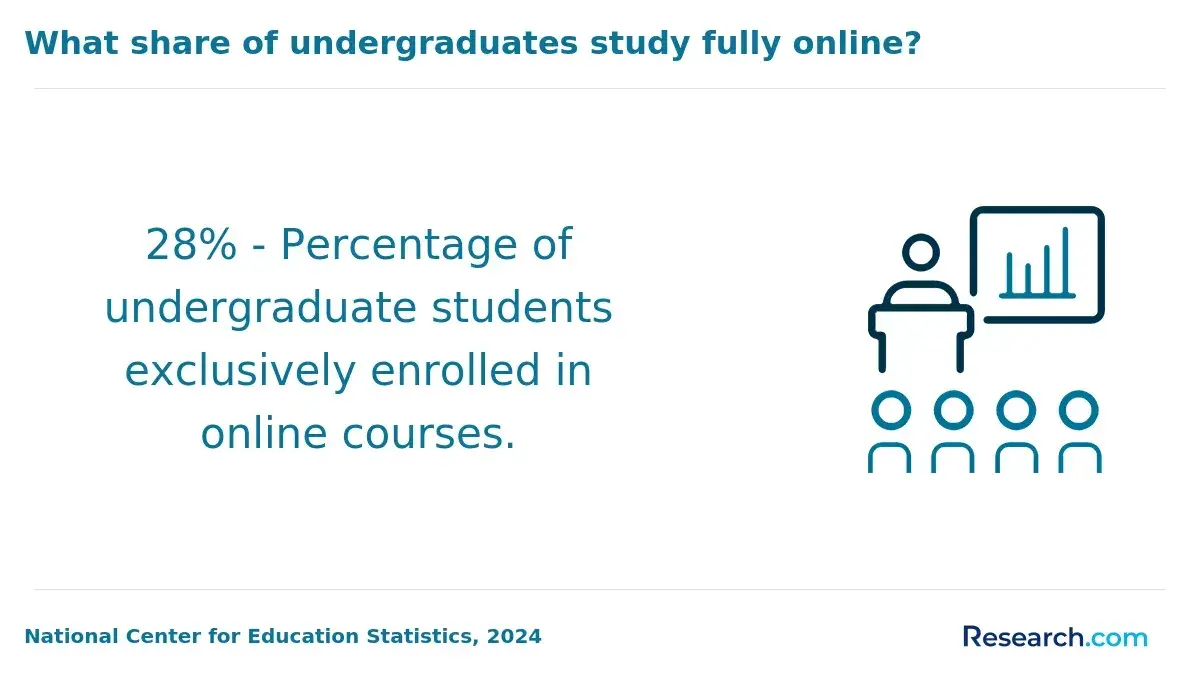
Choosing where to build a project management career often hinges on nuanced factors like regional industry growth, employer demand, and educational accessibility-not merely salary averages. For professionals juggling work and study, the fact that 65% of adult learners now pursue online or hybrid education, according to the National Center for Education Statistics, signals shifting enrollment patterns that affect how quickly credentials can translate to real opportunities.
This fluid educational landscape intersects with state-specific workforce needs, creating distinct advantages and barriers for career mobility. This article evaluates the top states where project management professionals can maximize growth potential, educational flexibility, and long-term career returns.
Key Things You Should Know
- States with above-average PMI-certified project manager densities-such as Virginia and Colorado-offer employers proven experience benchmarks but often demand 20% higher entry salaries, pressuring early-career professionals' cost-benefit calculations.
- Regions with robust federal and defense contracting sectors, notably Maryland and California, prioritize security clearance and domain-specific certifications, which narrows applicant pools and biases hiring toward incumbents familiar with compliance-intensive workflows.
- Lower tuition public university systems in Texas enable accelerated credential attainment in project management, yet extended program durations correlate with 15% lower initial salary offers versus bootcamp-trained candidates entering faster, highlighting a timing versus compensation tradeoff.
What are the best states for project management career growth?
States leading in project management career growth balance economic diversity with sector-specific demands. California's tech and entertainment hubs such as San Francisco and Los Angeles offer numerous high-paying roles but come with elevated living costs that can constrain net gains. Texas presents a contrasting profile with opportunities spanning energy, healthcare, and infrastructure-all within a lower tax and housing-cost environment, appealing to those prioritizing economic equilibrium over metropolitan prestige. New York City focuses on finance and corporate services, requiring project managers adept at navigating compliance and rapid operational shifts in high-pressure settings.
Less heralded but impactful are Virginia and Colorado, which leverage government contracting and technology growth respectively. Virginia's demand favors candidates with security clearance-ready credentials to handle federal compliance-heavy projects. Colorado's expanding renewable energy and aerospace markets call for expertise aligned with innovation and regulatory challenges. These states illustrate that the best states for project management career growth depend on industry alignment and readiness to meet specific credentialing or clearance barriers.
National projections indicate a steady 6% employment increase for project management specialists from 2024 to 2034, yielding roughly 78,200 annual openings. This supply-demand balance underscores the value of sophisticated, sector-tuned skills focused on cost management, deadlines, and regulation adherence. Prospective candidates need to weigh local industry maturity and certification pathways realistically; for instance, healthcare infrastructure specialists might find better returns in Texas while those targeting finance sectors should accept New York's higher expenses.
For those weighing educational routes, selecting a business management degree online can provide flexible access to foundational knowledge that supports entry or advancement in project management roles, particularly in geographically competitive states offering varied opportunities.
How does project management job demand vary by state?
Project management job growth by state reveals complex tradeoffs between nominal salaries and cost of living that significantly affect effective earnings. States such as Oklahoma offer the highest real pay-approximately $131,679 after adjusting for expenses-due to strong wages combined with affordable living costs. In contrast, high-paying states like Hawaii and California show diminished take-home value once housing and daily expenses are factored in, with Hawaii's adjusted salary dropping over $50,000. This creates a wide gap in regional demand for project management careers when factoring financial feasibility beyond surface salary figures.
For professionals pursuing relocation or certification, the key decision involves balancing a higher nominal salary in expensive metros like San Francisco or New York against substantially greater living costs reducing disposable income. Meanwhile, states with lower overall wages but cheaper living and robust industry presence in sectors like energy, aerospace, or government contracting can offer stronger real income and stability. Employers in states with reduced labor costs may prioritize project management roles relative to other positions, amplifying demand and opening career development channels.
For individuals evaluating formal preparation, aligning educational investments with regional market realities is critical. Those considering an online administration degree should assess how sector demand varies by state and tailor specialization efforts accordingly. Researching local industry dynamics sharpens focus on which certifications and skills maximize employability in targeted labor markets.
Which states pay the highest project management salaries?
California leads the nation in highest project management salaries by state due to its large, specialized labor market of approximately 227,470 project management professionals. This workforce size nearly doubles that of Texas and more than doubles Florida's, reinforcing California's dominant position. Employers in sectors like technology and advanced manufacturing seek senior project managers with niche certifications and deep experience, which drives pay significantly above the national median.
However, this premium pay comes with tradeoffs. Cities such as San Francisco and Los Angeles have high living costs that diminish net income gains, forcing professionals to balance salary with housing and commuting expenses. By contrast, states like Texas and Florida offer states with top project management pay but also provide more affordable living and growing opportunities in industries such as energy, healthcare, and logistics. For example, a project manager moving from California to Austin might accept a 10-15% salary reduction but gain a better quality of life.
These dynamics illustrate how project managers must weigh salary scales against lifestyle and industry priorities when planning a career path. Employers in Texas, often valuing flexibility across project types, contrast with California's emphasis on specialization, influencing necessary skill development choices.
For those considering educational preparation in this field, pursuing an operations management degree can offer a strategic foundation aligned with evolving workforce demands.
What education do project managers need in the United States?
Hiring managers across U.S. industries expect project managers to hold at least a bachelor's degree in business, engineering, information technology, or related fields to meet baseline competencies in budgeting, scheduling, and team leadership. The project management education requirements in the United States vary by sector: for instance, tech employers often demand candidates with IT or computer science degrees coupled with certifications due to the technical nuance of software projects. Without these, misinterpretation of complex project timelines and requirements can jeopardize outcomes.
Certifications like the Project Management Professional (PMP) credential typically influence employability and compensation more than academic degrees alone. According to the U.S. Bureau of Labor Statistics, project management specialists earned a median annual wage of $100,750 in May 2024, signaling strong market demand for experience-backed skills. Mid-career professionals pursuing mastery of Agile or Lean Six Sigma methodologies often rely on targeted certifications or advanced degrees to stay competitive in workflow-sensitive environments such as manufacturing and finance.
Balancing education costs and career impact presents a practical challenge. Full-time workers benefit from flexible, often online formats like an accelerated online business degree program, which minimizes career disruptions. Entry-level applicants, however, should prioritize comprehensive degree plans integrating real-world project exposure to align with employer expectations.
Understanding the best degrees for project management careers in the US requires weighing industry-specific skill demands against program accessibility and practical application, steering learners toward a tailored education path rather than a one-size-fits-all model.
Which project management degrees are most valuable for careers?
Degrees in business administration, information technology, or engineering serve as the most practical foundation for a career in project management by combining technical knowledge with leadership and organizational skills. Specialized degrees in project management, whether bachelor's or master's, offer targeted instruction on methodologies, risk management, and resource allocation, but may narrow industry flexibility. Employers typically expect candidates to demonstrate both domain expertise and formal project management education to contribute effectively from day one.
For example, a construction project manager paired with an engineering degree and project management certification can more competently balance technical requirements and scheduling logistics. In IT, degrees incorporating agile practices alongside project management prepare managers to handle software development lifecycles efficiently. Professional certifications like PMP or PRINCE2, while distinct from academic degrees, notably enhance both employability and compensation when combined with formal education.
Deciding between a broad-based degree or a focused project management program involves tradeoffs: broad degrees allow easier career pivots but may demand additional project management training; focused degrees deepen expertise but can restrict industry options. Programs that integrate internships or co-op placements significantly reduce workforce onboarding time by providing real-world exposure. Considering employer preference for practical experience alongside credentials is critical when selecting an educational path.
- Bachelor's in business, IT, or engineering build dual competencies
- Specialized project management degrees limit crossover but deepen skills
- Certifications like PMP boost marketability beyond degrees
- Internships improve readiness and reduce early-career friction
How do online and campus project management programs compare?
Choosing between online and campus project management programs hinges on accessibility and the nature of skill development in each format. Campus programs typically embed students in collaborative environments, fostering live communication and leadership under pressure-advantages for sectors requiring intense team interaction, such as government contracting hubs in Washington, DC. In contrast, online programs offer the scheduling flexibility that mid-career professionals in tech-heavy regions like Seattle or San Jose need to balance work with education without relocating.
Employers increasingly demand credentials that validate applied skills amid projected growth of 22 million project manager jobs worldwide in five years, per Noble Desktop. This demand is most intense in U.S. tech and government centers, pressuring candidates to demonstrate practical competence beyond theoretical credentials.
Tradeoffs include:
- Campus programs involve higher upfront costs but better suit early-career professionals targeting hands-on, interdisciplinary exposure, such as Boston's biotech market.
- Online credentials appeal to experienced IT managers in cities like Austin who require immediate application of learning to active projects, with more affordable and flexible access.
Increasingly, online offerings integrate interactive case studies to partially mitigate the lack of immersive group experiences, yet these cannot fully replicate the dynamic pressures campus programs simulate.
Deciding factors often revolve around industry expectations for formal degrees versus certification prioritization, the student's career stage, and the practical ability to integrate learning with current professional demands.
What should accredited project management programs include?
Project management education that fails to align technical skills with leadership and real-world industry applications limits graduates' employability, especially in high-stakes sectors like construction, IT, and healthcare. For instance, construction managers in New Jersey earn an average of $145,400, markedly above the national average of $91,370, illustrating how geographic and sector-specific expertise influences earning potential and career trajectory. Programs should therefore embed not only scope definition and risk mitigation but also tools like Primavera or MS Project, alongside financial controls necessary for immediate operational impact.
Soft skills such as conflict resolution, negotiation, and ethical decision-making are often undervalued but are essential for effective cross-functional team leadership. Aligning coursework with PMI's Talent Triangle ensures a curriculum integrates technical project management with leadership and strategic business acumen, preparing students for certifications like PMP or CAPM.
Practical components such as internships or real-world case studies are critical for bridging theory and applied skills-without these, graduates risk underperformance when confronted with nuanced operational challenges in sectors with stringent compliance and fast evolution, including remote coordination and sustainability standards.
Focused training in emerging areas like data analytics and remote team management helps maintain relevancy amid shifting market demands, but students must weigh these advances against program cost, time investment, and immediate marketability.
What coursework is common in project management degree programs?
Project management degree programs center on skills that directly influence an organization's ability to deliver projects within scope, time, and budget constraints. Students gain expertise in risk assessment and scheduling techniques, including Gantt charts and Critical Path Method, essential for navigating complex project environments such as software development cycles where rapid changes and uncertainty are constant. Financial modules targeting budgeting and resource optimization respond to employer demands for leaders who can balance cost control with return on investment.
Leadership training within these programs addresses interpersonal challenges found in multinational or virtual teams, emphasizing conflict resolution and stakeholder communication. Real-world application comes through case studies and simulations that mirror scenarios like synchronizing software releases under regulatory deadlines, demonstrating the tension between compliance requirements and agile delivery.
Complementary coursework in business analytics equips students to interpret performance data and make evidence-based adjustments, while adherence to standards such as PMI's PMBOK or Agile methodologies prepares candidates for industry certifications increasingly valued in IT project leadership roles.
Given the U.S. labor market outlook, where information technology project manager roles are described as "very likely" to expand nationwide, these programs are best suited for those prioritizing both technical and managerial acumen. However, aspirants should be aware that academic credentials alone are insufficient without hands-on experience navigating the unpredictability and stakeholder complexity inherent in technology-driven projects.
Which certifications help project management careers most?
Project management certifications remain critical but must be aligned with realistic job demands and career contexts. The Project Management Professional (PMP) credential is often the benchmark in regulated sectors such as government, aerospace, and finance where documented leadership experience is non-negotiable. However, simply holding the PMP without tangible project outcomes rarely advances a candidate's standing. This distinction is key: employers expect proven results, not just credentials.
For early-career professionals, the Certified Associate in Project Management (CAPM) facilitates entry by emphasizing foundational knowledge without stringent experience requirements. Yet, its recognition typically falls short in senior roles and often serves better within government or nonprofit hiring frameworks than in private industry.
The Agile Certified Practitioner (PMI-ACP) addresses the needs of dynamic fields like software development and startups, where adaptive methodologies trump traditional waterfall processes. Practical application of agile principles carries weight here, differentiating candidates in fast-paced environments.
Income data from the U.S. Bureau of Labor Statistics reveal a wide salary gap: while average project managers make about $104,920 annually, PMP-certified professionals in the top decile can earn around $163,051, underscoring the financial incentive tied to both certification and experience.
Strategic credentialing should reflect target industries and roles, balancing time invested in meeting certification prerequisites against actual leadership opportunities and market demand.
How do you choose a reputable project management school?
Accreditation and curriculum alignment with recognized standards such as PMI's PMBOK framework remain essential indicators of a program's capacity to prepare students for complex project management roles. Employers expect graduates who can contribute immediately, often prioritizing those with hands-on experience from capstone projects, internships, or case studies reflecting real IT, construction, or healthcare challenges.
The U.S. labor market projects sustained demand with roughly 77,000-78,200 annual openings for project management specialists, underscoring the importance of choosing schools connected to employer networks and strong career services. Candidates benefit from programs that emphasize stakeholder communication, risk mitigation, and interview preparation specific to project management roles.
Differences in curricular focus affect readiness for sector-specific challenges: manufacturing managers need supply chain expertise, while software project managers require deep agile knowledge. Students must weigh the tradeoffs between online, hybrid, or in-person formats-part-time or hybrid models offer flexibility but generally extend time to completion, which can impact workforce entry or advancement timelines.
Requesting detailed alumni employment data and assessing faculty with recent industry leadership enhances understanding of current workforce relevance. Programs limited to narrow certification prep risk omitting critical leadership and budgeting skills increasingly valued by employers in dynamic sectors.
Other Things You Should Know About Project Management
In 2027, states like California, Texas, and New York are projected to offer the best growth opportunities for project managers due to their robust economies, diverse industries, and increased demand for skilled professionals in technology and construction sectors.
Employers often value practical experience more than certifications at entry-level roles, especially in industries with complex, real-world projects. Certifications matter more once you aim for leadership roles or specialized project management tracks, but without demonstrated hands-on experience, their value is limited. Starting with project coordinator or assistant roles that build direct exposure is a better strategic move before investing heavily in certifications.
Workload intensity varies significantly: technology and construction sectors typically demand longer hours and tight deadlines, while government or non-profit project management may offer steadier workloads with less overtime. Choosing an industry should align with your willingness to handle variable pace and stress levels. Evaluating your tolerance for fast turnaround versus stability will help determine where your project management skills fit best for sustainable career growth.
Employers expect project managers to understand at least one methodology deeply-such as Agile, Waterfall, or Lean-because projects require strict adherence to frameworks. However, versatility across multiple methodologies increases your adaptability and marketability in dynamic environments. Starting with a focus on one methodology for depth and later expanding your skillset offers a balanced approach to long-term career advancement.
References
- Choosing a project management course https://projectmanagementsa.co.za/blog/course-information/choosing-a-project-management-course
- Project Management Employment Statistics in the US https://zoetalentsolutions.com/project-management-employment-statistics-in-the-us/
- Trending Project Management Roles in 2026 https://www.icertglobal.com/blog/trending-project-management-roles-in-2026-expert-guide
- Project Manager Job in USA: Roles, Responsibilities, Requirements https://pmoglobalinstitute.org/project-manager-job-in-usa/
- What is the Best Project Management Certification (2026)? https://www.knowledgetrain.co.uk/project-management/project-management-courses/what-is-the-best-project-management-certification
- How to Pick the Best Project Management Training https://projectmanagementacademy.net/resources/blog/how-to-pick-the-best-project-management-training/
- Top 5 Universities Offering Online Project Management Courses https://project-management.com/top-5-universities-offering-online-project-management-courses/
- PMP Certification Requirements - Velopi https://www.velopi.com/pmp-certification-requirements/
- What Are The Requirements For A PMP Certification? | UMBC TC https://www.umbctraining.com/what-are-the-requirements-for-a-pmp-certification/
- Diverse Applications and Careers With a Degree in Project Management https://www.ucumberlands.edu/blog/diverse-careers-with-a-degree-in-project-management