2026 First Project Management Roles for Coordinators Seeking Delivery Growth

Co-Founder and Chief Data Scientist
Coordinators pursuing their first project management role often confront a paradox: employers demand demonstrated delivery experience, yet entry-level openings rarely specify clear pathways to acquire that experience. The dilemma intensifies given that 62% of adult learners in postsecondary education enroll part-time or online, as reported by the National Center for Education Statistics in 2024, revealing a significant preference for flexible learning but also potential challenges in gaining hands-on project delivery exposure.
This disparity complicates timing and enrollment strategy for professionals seeking career mobility without sacrificing current employment. This article examines practical strategies and educational models that enable coordinators to secure foundational project management delivery roles efficiently and purposefully.
Key Things You Should Know
- Entry-level coordinator roles offer a 12% average salary increase over administrative support but require 1,200+ formal study hours or verified microcredentials, limiting rapid entry despite growing demand per US BLS data.
- Employers prioritize demonstrable agile familiarity and cross-functional communication skills, with 68% of hiring managers in PMI's 2024 talent report discounting candidates without hands-on scenario experience.
- Transition timing hinges on balancing costly certification paths with employer-recognized experiential learning; delaying certification can increase initial job placement by 15%, though at the risk of slower overall career progression.
What are first project management roles for coordinators?
Entry level project management coordinator roles in the US often center on balancing task tracking, stakeholder communication, and risk monitoring under senior oversight. These positions, commonly titled Project Coordinator or Junior Project Manager, demand practical engagement without full project ownership. For example, in software development, coordinators manage sprint timelines and act as liaisons between developers and clients, while construction coordinators focus on vendor coordination and compliance controls.
Employers value candidates with strong organizational skills, proficiency in project management tools, and foundational budgeting knowledge. Familiarity with methodologies such as Agile or Waterfall is usually expected. Advancement to project manager depends on demonstrating the ability to forecast risks and synthesize complex project data. About 75% of coordinators advancing have certifications like CAPM or PMP within two years, increasing their scope of responsibility.
Workforce data indicates that global project professionals will grow from 40 million today to 70 million by 2035, intensifying competition but also expanding options. Practical challenges include managing competing priorities without formal authority and quickly mastering financial controls. Education pathways that incorporate real project exposure and simulation-based learning shorten adjustment periods. Prospective students seeking a strategic pivot should consider these realities alongside flexible options such as online MBA programs healthcare management that support skill diversification.
Key responsibilities in project management coordinator positions for delivery growth also highlight the necessity of cross-industry adaptability and precision in stakeholder communication to navigate evolving operational demands.
What education do project coordinators need for project management?
Project coordinators aiming to transition into project management roles face a critical intersection of education and practical experience. The US labor market anticipates around 78,200 openings annually for project management specialists from 2024 to 2034, emphasizing the importance of robust foundational skills in business processes, communication, and analysis. These essential skills and certifications for US project management coordinators often stem from associate or bachelor's degrees in business administration, management, or related fields, paired with certifications like CAPM, which supplement rather than replace formal education.
Different sectors demand tailored educational approaches. For example, coordinators in construction or IT benefit from programs integrating methodologies like Agile or Waterfall with technical literacy, while healthcare coordinators require knowledge of compliance and regulatory frameworks alongside core project fundamentals. Without immersive components such as internships or capstone projects, students risk delayed advancement due to insufficient experiential learning, despite certification.
Employers expect a blend of academic credentials and hands-on exposure, which influences promotion prospects. Students should balance cost, program duration, and curriculum relevance, prioritizing degrees that cover both soft skills-like stakeholder communication-and hard skills, including scheduling software. This pragmatic combination correlates strongly with faster career progression from coordinator to project manager.
Prospective students seeking accelerated pathways must consider providers offering a scope beyond theory to applied project management education requirements for coordinators in the US, ensuring market readiness. Resources like the online project management degree accelerated guide can provide critical insights into feasible program options.
Is project management accreditation important for career growth?
Project management certification benefits for coordinators in the US are tangible, often marking the difference between stalled progression and access to delivery leadership roles. Employers typically use credentials such as PMP or CAPM as initial hiring filters, prioritizing verified expertise over mere experience. By 2028-2030, coordinators who attain accredited project management certification can anticipate median total pay nearing $136,000, reflecting employer demand in industries where structured methodologies reduce risk and ensure consistent delivery outcomes.
Without formal credentials, coordinators face practical barriers advancing beyond support roles, especially in competitive sectors like construction, IT, and healthcare. Accredited training not only standardizes knowledge-covering Agile and PMI's PMBOK frameworks-but also facilitates smoother transitions between sectors. For example, coordinators shifting from nonprofit program support to corporate project teams benefit from accreditation as a common professional language, easing verification of transferable skills.
Decisions regarding certification investment must weigh upfront costs and time against direct employer demands and regional industry norms. Some sectors emphasize documented results over formal credentials, making accreditation a strategic advantage mainly in regulated or larger markets. Candidates should consider these tradeoffs carefully in their project management accreditation for career advancement in project delivery.
Those exploring broader educational options to enhance career pivots might also find value in related fields; for instance, some pursue accelerated finance degrees to complement project oversight roles.
Which project management certifications help coordinators advance?
Among the project management certifications for coordinators in the US aiming for delivery growth, the Project Management Professional (PMP) stands out as the most decisive credential for advancing into midlevel roles. Employers frequently use PMP certification as a threshold, ensuring candidates possess verified skills in complex project leadership, risk management, and stakeholder communication-competencies non-negotiable in sectors like construction, IT, and healthcare. PMP holders earn approximately 23% more than uncertified peers, illustrating tangible wage premiums that influence hiring and promotion decisions.
For those early in their careers or lacking formal project experience, the Certified Associate in Project Management (CAPM) provides foundational knowledge but falls short in affecting salary or upward mobility, especially in competitive markets. Agile certifications like PMI-ACP or Certified ScrumMaster (CSM) add specialized value in tech and product development but rarely substitute for core project management credentials when organizational governance is prioritized.
Timing certification attempts also matters. PMP requires 3-5 years' relevant experience and 35 contact hours, making premature pursuit potentially counterproductive. Coordinators should consider industry demands and their current responsibilities, as strategic credential sequencing can balance investment with employability. For those needing formal education, combining certifications with a project management bachelor degree online can reinforce both theoretical and practical competence.
In navigating the best project management certification paths for delivery growth, practical alignment with job market realities and employer expectations remains essential to maximize both advancement and compensation potential.
Should you choose an online or campus project management program?
Choosing between online and campus project management programs hinges on how quickly students need hands-on AI risk management experience and the nature of their work environment. By 2026, over half of project managers apply AI tools for risk mitigation, making immediate familiarity critical. Online programs tend to adjust curricula faster, integrating AI-driven analytics and cloud-based tools that appeal to professionals balancing multiple commitments or shifting careers. These programs allow asynchronous study and emphasize skills practical for AI-enabled workflows.
Campus-based education offers in-person networking and immersive simulation environments, which better suit recent graduates or those targeting fields like construction or healthcare where on-site coordination remains essential. However, slower curriculum updates can delay inclusion of evolving AI risk analysis modules, potentially leaving some graduates less prepared for employer expectations in AI proficiency.
Prospective students should weigh logistical and experiential tradeoffs:
- Online learning demands disciplined engagement and strong digital literacy to handle evolving AI software commonly used in project settings.
- Campus programs require relocation or commuting, which may postpone workforce entry and reduce flexibility.
Ultimately, decision-makers must align program mode with their current job responsibilities and industry demands. Prioritizing programs that deliver practical AI risk management exposure from day one fulfills labor market needs and supports smoother transitions into AI-integrated project management roles, reinforcing the necessity of hands-on competence over theoretical familiarity alone.
What courses are in a project management degree or certificate?
Project management programs emphasize actionable skills that align directly with employer expectations, focusing on measurable outcomes like delivery optimization and risk mitigation. Essential coursework covers scope definition, scheduling, resource allocation, cost estimation, and quality assurance-core competencies that shape a coordinator's ability to influence project success within constrained budgets and timelines.
Remote work has expanded the demand for proficiency in virtual collaboration and digital project management tools, as approximately an 11% rise in remote project managers indicates. This shift necessitates training in platforms like Microsoft Project and Jira, which expedite onboarding and increase operational efficiency across industries.
Curricula intentionally balance methodologies such as Agile, Scrum, and Waterfall, recognizing their varied applicability-Agile favors IT projects with fast iterations, whereas Waterfall suits construction's linear processes.
Financial literacy and legal compliance include tradeoffs between cost control and scope management, underscoring the tension students must navigate. For example, a healthcare coordinator prioritizes risk assessment and regulatory adherence, while manufacturing coordinators focus more heavily on supply chain dynamics and quality assurance.
Advanced study in portfolio management and strategic alignment is available for those targeting leadership. Students should critically evaluate these options against industry demands and personal skill gaps to avoid misaligned investments that delay workforce entry or stagnate career progression.
- Practical integration of leadership and stakeholder communication skills
- Emphasis on digital tools relevant to remote and distributed teams
- Methodological diversity to accommodate different project environments
- Financial and legal frameworks tailored to industry-specific coordination challenges
What admission requirements do project management programs usually have?
Admission into project management programs often hinges on a nuanced balance between academic credentials and verifiable professional experience. While a high school diploma or its equivalent suffices for many entry-level courses, programs targeting bachelor's and graduate-level credentials usually expect applicants to possess relevant degrees or substantial industry exposure. This distinction matters for professionals seeking to pivot into specialized roles, such as digital delivery coordination, where experience managing technology-driven projects carries significant weight given market forecasts projecting sector growth from $5.6 billion in 2023 to $11.4 billion by 2032 according to Market.us Scoop, 2026.
Applicants typically must document professional experience measured in thousands of hours across core project phases-initiation, planning, execution, and closure-ranging roughly from 1,000 to 4,500 hours depending on credential intensity. This requirement aligns with employer preferences for credentials underpinned by recognized standards such as PMI's PMP or CAPM certifications, integrating practical ability with academic rigor.
For candidates lacking formal education, competency-based admissions and prior learning assessments provide an alternate pathway. Such pathways favor detailed evidence of project roles and successful deliverables over traditional transcripts, facilitating faster market entry but demanding precise documentation. Supplemental components like letters of recommendation, personal statements on project involvement, and assessments of organizational and communication skills further shape selection, reflecting the evolving employer focus on practical readiness rather than degree alone.
How long does project management training take and what does it cost?
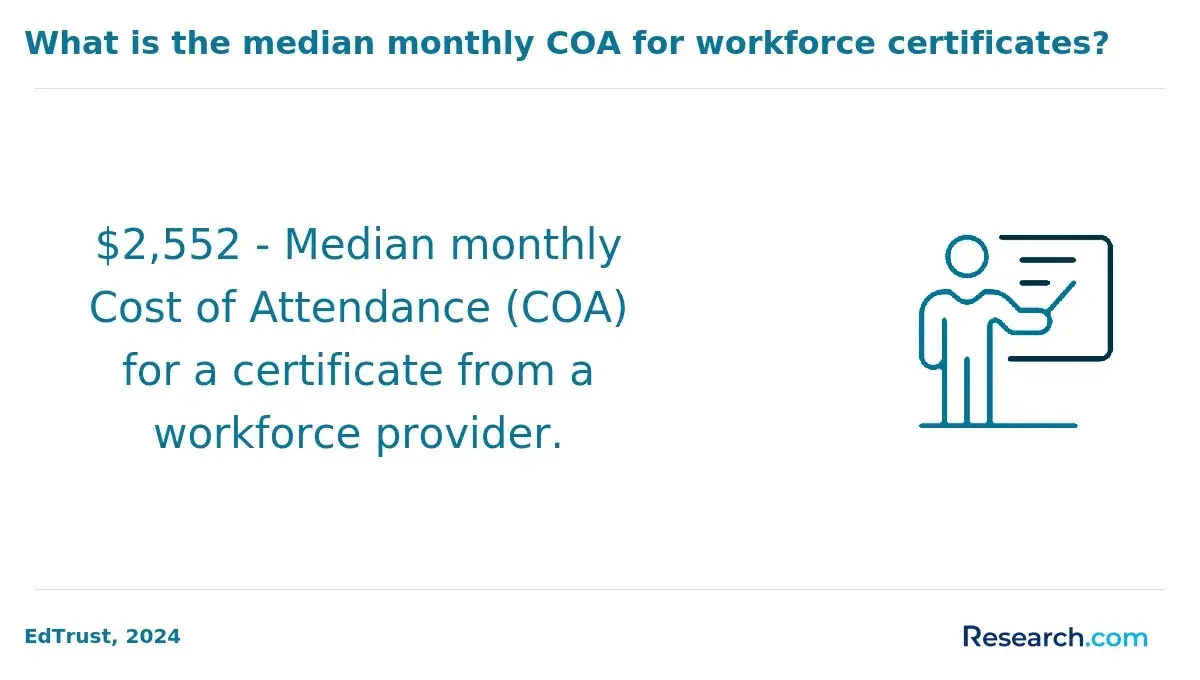
Project management training demands a nuanced balance of time, cost, and experience to meaningfully impact employment prospects. Entry-level certifications like Certified Associate in Project Management (CAPM) generally require 3 to 6 months of part-time study, while the more advanced Project Management Professional (PMP) credential, with its experience prerequisites and rigorous exam content, often necessitates 6 to 9 months of preparation. Costs vary substantially: exam fees alone run from $300 to $800, but comprehensive training including coursework and instructor-led sessions can bring total expenses to between $1,000 and $3,000. Enterprise-specific programs with additional workshops or PMI memberships may push these costs beyond $5,000.
Prospective candidates should factor in the real-world challenge of balancing study demands with ongoing job responsibilities. Accelerated courses typically require significant time investment during evenings or weekends. Employers in sectors such as healthcare, construction, and IT frequently expect project coordinators to blend certification with 1 to 3 years of delivery experience before advancement.
Practically speaking, consider these tradeoffs:
- Faster, cheaper courses offer quicker certification but may limit salary gains.
- Lengthier, more expensive credentials can unlock higher earnings but demand substantial upfront investment.
- Workforce data reveal a persistent 35% gender pay gap exceeding £63,000, highlighting additional hurdles women face beyond certification.
- Stacking credentials alongside relevant experience often yields the most sustainable career progression in project management.
What jobs can coordinators get after project management training?
Project management training positions coordinators for roles that demand more than theoretical knowledge, emphasizing practical competence in navigating complex workplace dynamics. For instance, in IT, transitioning from coordinator to scrum master requires blending agile methodology with leadership in fast-paced sprints, while in construction, moving into assistant project manager roles entails supervising subcontractors and tightly monitoring schedules.
Employers prioritize candidates who independently interpret project scopes, budgets, and timelines while proficiently using tools such as MS Project, Jira, or Primavera. Certification alone rarely suffices; hands-on experience demonstrating ownership significantly influences whether a candidate advances beyond administrative tasks.
The global need for 25 million new project management professionals by 2030 creates notable opportunity but also intense competition. Coordinators who fail to develop conflict resolution, resource management, and cross-functional team adaptation skills risk stagnation. Realistically, these competencies are seldom covered comprehensively in training and must be acquired through hybrid roles or internships integrating theory with applied leadership.
- Roles typically include junior project manager, project analyst, and delivery associate across IT, healthcare, finance, and construction sectors.
- Success depends on practical experience, software proficiency, and a capacity to navigate stakeholder communication complexities.
- Bridging training gaps requires deliberate pursuit of hybrid work experiences or internships to confront real-world challenges.
What salary and job outlook can project coordinators expect?
Project coordinator salaries in 2026 vary notably based on role complexity and industry. While median annual pay ranges from $55,000 to $75,000, coordinators who acquire advanced delivery ownership and risk management skills can exceed $85,000, notably in technology and healthcare sectors. Without expanding beyond administrative scheduling and meeting duties, coordinators face stagnant wages and limited job security.
Data from the U.S. Bureau of Labor Statistics and industry surveys confirm that coordinators without strategic capabilities contend with a market where project success rates hover around 35-50%, as reported by Harvard Business Review and analyzed by Ravetree and Plaky. This environment reinforces a pressing need for coordinators to pivot toward integrated delivery roles that emphasize operational risk mitigation, budget discipline, and stakeholder engagement.
For example, a construction coordinator stepping into owner and risk oversight roles often secures higher salaries and steadier employment compared to peers focused solely on administrative functions. Employers expect proficiency in financial forecasting, risk registers, and cross-functional leadership-skills that are indispensable for maintaining competitiveness and advancing career trajectories.
Failure to obtain relevant certifications and technical know-how typically confines coordinators to lower-tier administrative roles despite steady overall demand for skilled project delivery professionals.
Other Things You Should Know About Project Management
Project coordinators transitioning toward project management roles must prioritize mastering stakeholder communication and risk identification before attempting to manage complex scopes independently. Taking on too many responsibilities too quickly often leads to missed deadlines and reduced delivery quality. A clear focus on process consistency, early issue escalation, and realistic timeline management will protect project outcomes better than trying to cover all tasks without sufficient authority or experience. Prioritizing competency in coordination and reporting tasks builds a necessary foundation to maintain quality as responsibility grows.
Workload generally shifts from task execution to decision-making and resource allocation, increasing cognitive demands rather than just hours worked. New project managers face more frequent interruptions and must handle multiple stakeholders with conflicting priorities, requiring strong prioritization skills. Expect less defined daily routines and more responsibility for direct outcome accountability. Coordinators must develop capacity to handle ambiguity and proactively manage tradeoffs across scope, time, and budget constraints as their workload evolves.
Smaller projects offer faster cycles and clearer end-to-end ownership, which improves learning speed and confidence in decision-making. Larger projects expose a coordinator to broader program complexity but risk overwhelming early career practitioners with diffuse responsibilities and politics. To accelerate growth in delivery capability, target smaller or medium-sized projects that still require full lifecycle engagement. This approach enables practical judgment development and visible impact without the overhead that slows decision-making typical in very large programs.
References
- Compare project coordinators and project managers | edX https://www.edx.org/resources/project-coordinator-vs-project-manager
- How to get a PMP certification https://ppi2pass.com/resources/project-management-professional/how-to-get-pmp-certification
- How to Become a Project Manager | CourseCompare.ca https://www.coursecompare.ca/how-to-become-a-project-manager/
- 9 Best Alternative Careers for Project Managers (2026 Guide) https://www.wishupcareers.co/blog/career-alternatives-for-project-managers/
- project coordinator https://www.randstadusa.com/job-seeker/career-advice/job-profiles/project-coordinator/
- Exploring the Value of a Project Management Degree https://xmind.com/blog/project-management-degree
- Trending Project Management Roles in 2026 https://www.icertglobal.com/blog/trending-project-management-roles-in-2026-expert-guide
- How To Become a Project Manager in 2025: Steps and Education https://productive.io/blog/how-to-become-a-project-manager/
- Learn job-ready skills with Google Career Certificates https://grow.google/certificates/project-management/
- CourseCareers https://coursecareers.com/blog-posts/construction-project-coordination-roles-for-beginners