2026 Construction Project Roles You Can Target With a Project Management Degree

Co-Founder and Chief Data Scientist
Facing complex construction projects, many professionals struggle to navigate evolving roles that demand both technical expertise and managerial acumen. According to the National Center for Education Statistics, enrollment in part-time and online project management programs surged by over 18% since 2022, reflecting a growing need for flexible learning amid workforce shifts. This trend highlights how accessibility shapes candidate readiness, especially for adult learners balancing career transitions with education.
Understanding these shifting landscapes is vital when choosing which construction roles align with a project management degree's strengths and limitations. This article outlines key construction project roles suited to project management graduates, helping candidates make informed career pivots.
Key Things You Should Know
- Construction-specific project management roles show a 12% wage premium over generic construction supervision, per the U.S. Bureau of Labor Statistics 2024, necessitating targeted credentials but limiting lateral entry for generalist PM graduates.
- Employers increasingly demand integrated risk analysis and BIM coordination expertise, with 68% of 2024 industry hiring managers prioritizing candidates demonstrating these skills, shifting recruitment toward technically specialized PM roles.
- Average degree-to-employment lag for project management graduates in construction extends to 7 months, per the National Center for Education Statistics 2024, imposing opportunity costs that necessitate accelerated, experience-heavy pathways for timely career impact.
What construction project roles can you qualify for with a project management degree?
Construction project roles for project management degree holders require practical balancing of complex demands such as managing fluctuating workloads, safety issues, and regulatory compliance. Construction managers lead comprehensive project execution-coordinating schedules, budgets, and resources across diverse build types while earning a median annual wage of $106,980, according to the U.S. Bureau of Labor Statistics, which also notes 45,800 annual openings reflecting steady market needs.
Assistant project managers primarily facilitate subcontractor coordination and compliance tracking on-site, making internship experience or smaller projects vital for entry. Project coordinators, generally less field-focused, manage scheduling and reporting, fitting those with organizational aptitude but limited construction exposure. Specialized areas arise by combining the degree with certifications or technical niche knowledge; for instance, expertise in green building standards expands opportunities in sustainable construction, while proficiency in safety protocols and union relations matters in heavy civil sectors.
Career opportunities in construction project management often hinge on candidates' ability to adapt construction-specific software and terminology, especially for those pivoting from non-technical fields. For professionals seeking accelerated pathways, researching the best online construction management degree options can reveal programs emphasizing practical readiness.
How does a project management degree translate into day-to-day work on construction sites?
A project management degree trains graduates to handle complex construction project management roles on site with precision, translating theoretical methods into actionable scheduling, resource prioritization, and workflow adjustments. For instance, commercial construction managers apply critical path techniques and resource allocation to balance subcontractor schedules and supply deliveries against tight deadlines, reacting swiftly to disruptions like weather or material shortages. Such operational demands require a firm grasp of risk assessment to avert costly downtime and maintain productivity, which aligns closely with employer expectations.
The day to day responsibilities of project managers in construction extend beyond technical planning to include managing documentation, coordinating communication with diverse teams, and enforcing safety compliance onsite. Graduates use regulatory knowledge to train crews and monitor hazard controls, minimizing risks while ensuring clear progress reporting for stakeholders.
Employers weigh technical skills against soft skills such as negotiation and conflict resolution, critical for maintaining team cohesion amid unpredictable site disruptions. This tradeoff means project managers must exercise flexibility, proactive decision-making, and continuous reassessment of resource tradeoffs to avoid costly rework or delays. Project management specialists are forecasted to grow 6% through 2034 with substantial job openings, underscoring the value of degrees emphasizing hands-on problem-solving and technology-driven scheduling tools applicable in real-world construction contexts.
Those assessing educational pathways may consider vetted programs as a strategic option; comprehensive lists of construction management degrees provide insight into program characteristics aligned with workforce demands.
What level of project management education is best for construction careers: certificate, bachelor's, or master's?
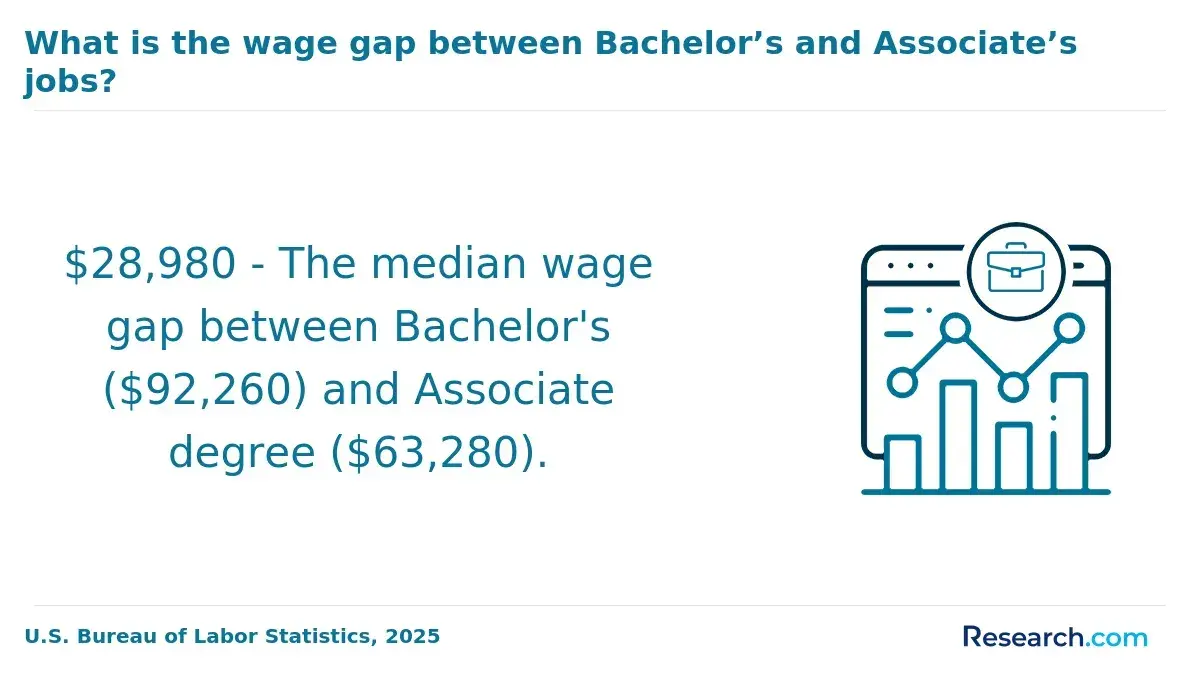
The bachelor's degree in project management remains the most practical credential for construction careers, balancing foundational theory with applied skills that employers expect. This credential surpasses a certificate in depth, covering essential construction methods, cost controls, legal issues, and communication frameworks integral to managing complex projects where average salaries can reach $121,000, according to Texas A&M's 2024 analysis.
Certificates may expedite entry into the field or supplement skills but generally lack the comprehensive preparation needed for mid-tier to senior roles. Hiring managers routinely list a bachelor's as the baseline for positions requiring cost estimating, contract administration, and regulatory compliance expertise. In contrast, a master's degree suits professionals aiming for senior leadership or specialized roles within large infrastructure firms, demanding advanced risk assessment and strategic coordination.
However, pursuing a construction management masters involves significant time and financial investment, potentially delaying earnings and presenting heightened competition for elite roles. A project manager leading a multimillion-dollar highway project, for example, benefits from the strategic and technological skills acquired in a master's program but may find these skills unnecessary in many mid-level positions.
Deciding between certificate vs bachelor's vs master's in project management for construction hinges on one's current experience, career goals, and sector demands. The bachelor's degree delivers broad market acceptance and practical versatility that neither certificates nor master's programs uniformly provide.
Which construction-focused courses and skills should a project management program include?
Construction project management courses that neglect core technical competencies risk producing graduates unprepared for onsite realities and regulatory complexity. Essential skills for construction project management include mastery of building codes, cost estimation, and adherence to site safety standards-foundations without which compliance failures or budget overruns become common. Integrating scheduling software training, such as Primavera P6 or Microsoft Project, directly translates into sharper timeline control and fewer costly delays, vital in projects with tight deadlines and high stakes.
Effective programs go beyond technical content, embedding risk management and contract administration to address legal and hazard challenges routinely encountered on construction sites. Resource allocation training operates as a critical lever for optimizing labor and equipment, directly influencing profitability and operational efficiency. Graduates proficient in these areas handle multimillion-dollar projects with the financial acumen to manage cash flow and prepare competitive bids.
Employers also expect familiarity with technologies like Building Information Modeling (BIM), which ties together diverse stakeholders in complex commercial or infrastructure projects. Strong communication and leadership skills complement these technical capacities to manage diverse teams under pressure. Given the median pay of $110,000 for a construction superintendent, missing any of these integrated disciplines, especially scheduling software or risk management, leaves significant gaps.
Working professionals exploring this pathway should evaluate how these construction project management courses align with practical workforce demands. Those aiming for leadership roles may consider pairing such technical expertise with broader credentials, such as an MBA for entrepreneurs, to strengthen business and strategic decision-making foundations.
How do online project management programs compare with campus-based options for construction careers?
Choosing between online and campus-based project management programs in construction hinges on access to experiential learning and immediate workforce entry. Campus programs offer tangible advantages through direct mentorship and embedded industry networks, which facilitate internships, site visits, and practicums essential for building a competitive portfolio. For instance, a campus student typically secures placement opportunities yielding entry-level salaries between $57,804 and $75,000, reflecting ConstructionPlacements' 2025-2026 compensation insights.
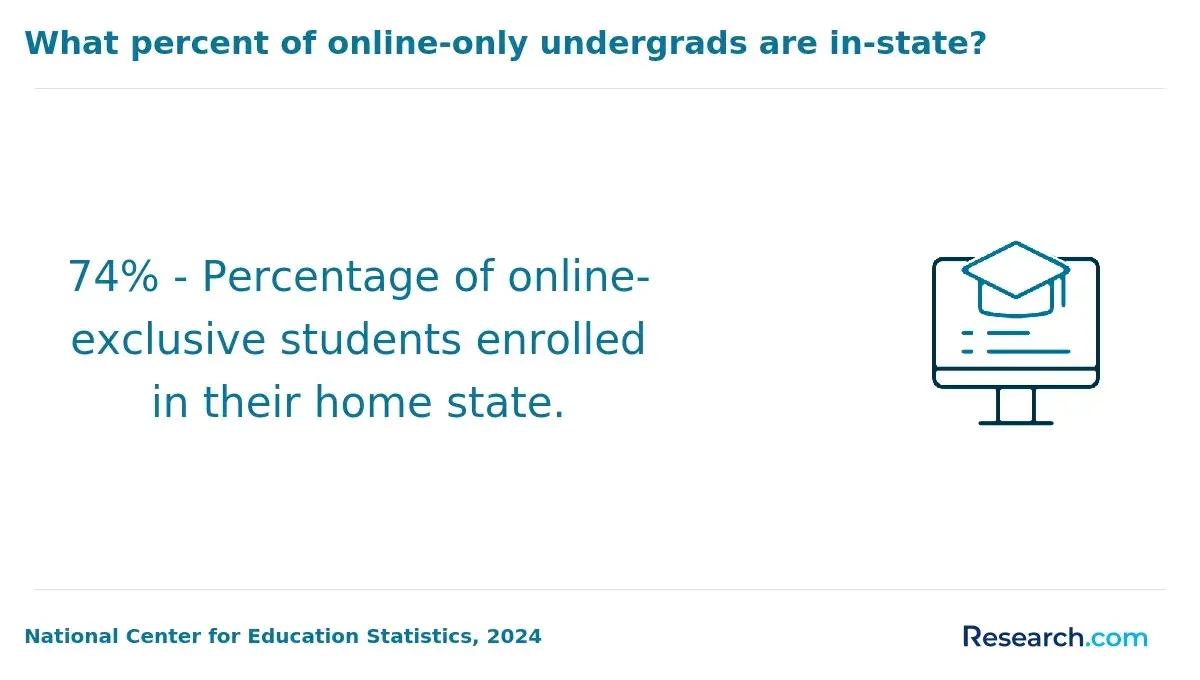
In contrast, online formats prioritize flexibility, allowing working professionals to continue employment while advancing credentials. This model suits those balancing career pivots or geographic constraints but demands intentional effort to supplement practical experience through employer training or local industry connections. Without this, graduates risk slower readiness for roles requiring hands-on site supervision and interpersonal coordination.
Both pathways align with PMI and ABET accreditation standards, ensuring curriculum rigor. Still, the onus falls on online learners to compensate for reduced immersion by proactively securing relevant internships or partnerships to meet employer expectations. Deciding the optimal format involves weighing immediate career goals against logistical realities, where:
- Campus programs favor candidates targeting rapid transition into project management roles with construction firms.
- Online options benefit those needing to maintain income and flexibility amid role changes or remote living situations.
What accreditation and industry affiliations should construction-oriented project management programs have?
Accreditation and industry connections are decisive factors when selecting construction-oriented project management programs, directly influencing employability and salary outcomes. Programs accredited by bodies like ACBSP or PMI GAC provide verifiable skills in project control, cost estimation, and risk management-areas where errors can lead to costly delays and contractual disputes in construction projects.
Employers typically require candidates for mid-level project roles to have credentials from accredited programs, as unaccredited graduates often face skepticism over their ability to manage complex projects despite practical site experience. For example, mid-career project managers in the sector earn between $83,599 and $106,711 according to ConstructionPlacements' 2025-2026 salary data, but this advantage hinges on recognized qualifications.
Active industry affiliations with groups such as the Construction Management Association of America (CMAA) or the Associated General Contractors of America (AGC) open doors to mentorship and internships, essential for gaining compliance and site coordination experience that academic certificates alone cannot provide. Without these ties, students miss critical exposure to real-world workflows and local contractor practices, weakening their competitive edge.
Prospective students should assess whether programs maintain partnerships with regional contractors or unions, as these pragmatically enhance job readiness. Programs lacking both accreditation and industry linkage risk limiting graduates to lower entry-level salaries and slower advancement, despite any prior hands-on work in construction.
What are typical admissions requirements for project management degrees leading to construction roles?
Candidates pursuing project management degrees focused on construction must assess how admission criteria align with their professional experience and academic background. For undergraduates, the minimum requirement centers on a high school diploma or GED, but competitive programs emphasize strong math and English skills due to their direct relevance in budgeting and scheduling tasks. Applicants with prior postsecondary credits, such as associate degrees, can substantially reduce degree completion time through transfer policies.
Graduate degrees often demand not only a relevant bachelor's degree-commonly in construction management, engineering, or business-but also tangible project experience within construction or related sectors. This experiential prerequisite affects both comprehension of complex coursework and access to internships, shaping workforce readiness.
Certification readiness is a critical program feature since industry employers value credentials like PMP, which increase salary prospects significantly. Students should prioritize programs that either require or support prerequisite courses in construction law, project fundamentals, or contractual practices, as these subjects address real workplace challenges.
Practical tradeoffs arise for working professionals, who may depend on part-time or online formats. However, the value of such programs hinges on accreditation and employer ties, particularly through internships that facilitate applied learning and job pipelines. Without this, students risk investing time without meaningful career advancement opportunities.
- Strong academic foundation in math and English is essential for undergraduate admissions.
- Relevant bachelor's degree and project experience shape graduate admissions and employability.
- Certification alignment impacts salary and job market positioning.
- Program delivery format must balance flexibility with recognized accreditation and industry integration.
How long do project management programs take, and what do they cost for construction students?
Choosing between construction project management programs requires prioritizing real-world outcomes over convenience or cost alone. Certificate courses, lasting a few months and priced between $1,500 and $5,500, deliver core competencies like scheduling, budgeting, and risk assessment, but typically limit graduates to mid-level supervisory roles with capped earning potential. In contrast, associate and bachelor's degrees, ranging from $10,000 to $40,000, encompass broader subjects such as contract law and advanced project delivery methods, preparing students for complex projects and leadership positions.
Employers evaluate candidates based on their ability to manage financial risks and regulatory complexities, especially for high-stakes bids. For example, Texas A&M's BLS-based data shows construction managers in the lowest 10% earn around $65,000, while the top 10% earn close to $176,000, a gap largely driven by mastery of delivery intricacies taught in longer programs.
Working professionals often trade off time and cost through part-time or online formats, completing studies in 12 to 24 months without pausing their careers. However, accelerated programs may escalate expense and stress, narrowing access. Sector-specific goals influence choice: commercial construction favors extensive training, while residential projects lean toward hands-on experience supported by shorter certifications.
- Certificate programs focus on immediate supervisory skills with quicker workforce entry but salary ceilings.
- Associate and bachelor's degrees build comprehensive expertise for leadership roles and tackle complex regulations.
- Time, cost, and industry sector alignment are critical for strategic decisions affecting employability and long-term trajectory.
What are the salary ranges and advancement paths for construction project management roles?
Salary ranges for construction project management roles typically span $70,000 to $130,000 annually, with median figures near $95,000, according to the U.S. Bureau of Labor Statistics. Entry-level roles often appear in lower-budget residential or commercial projects, while mid-level managers overseeing multi-million-dollar infrastructure frequently earn above $100,000. This split highlights how project scale and responsibility directly impact compensation.
Advancement usually progresses from assistant project manager to project manager and then to senior or program manager. Beyond senior roles, positions like director of construction or portfolio manager demand extensive field experience paired with certifications such as PMP or CAPM. These credentials signal proficiency in managing workflow complexities and mitigating risk, crucial for large-scale or high-stakes projects.
For example, a project manager working in commercial retail development may accelerate career growth by effectively managing subcontractor negotiations and supply chain issues. In contrast, infrastructure project managers must emphasize regulatory compliance and contingency strategies. Employers prioritize demonstrated cost control and schedule adherence over formal education, reflecting real-world operational priorities.
The projected 9% growth in construction management from 2024 to 2034, supported by the U.S. Bureau of Labor Statistics and 2026 guide, confirms steady demand but also the necessity of combining project management degrees with practical experience. Navigating this career path requires sustained focus on technical knowledge, leadership capabilities, and regulatory navigation to remain competitive in evolving construction environments.
Which professional certifications strengthen your prospects in construction project management?
Certifications such as the PMP (Project Management Professional), CMAA Certified Construction Manager, and OSHA Safety Certification serve distinct yet complementary roles within construction project management, shaping candidate viability according to project type and employer priorities. For large infrastructure projects with complex budgets and subcontractor networks, PMP holders are often the baseline requirement, demonstrating advanced mastery in scope and risk control.
The CMAA credential focuses more narrowly on construction-specific leadership tasks-contract administration, quality assurance-that become critical when managing multiple concurrent projects or stepping into directorial roles. Combining PMP and CMAA certifications can significantly enhance a candidate's ability to reach the highest salary tiers, typically between $140,000 and $200,000 annually in senior roles, according to the Birm Group's 2026 career guide.
OSHA safety credentials address a different but equally essential dimension: regulatory compliance to prevent costly shutdowns. Project managers in sectors with elevated safety risks, such as oil and gas or commercial construction, often require OSHA certification to maintain operational continuity.
- Focusing on PMP and CMAA suits professionals targeting public-sector infrastructure projects.
- Emphasizing OSHA is critical for roles in hazardous or regulated environments.
- Balancing certification costs and time investment against specific career targets is necessary to optimize return on investment.
The practical outcome is that certifications should not be viewed as generic credentials but rather tactical tools aligned with employer demand and project context to overcome hiring filters emphasizing both experience and documented expertise.
Other Things You Should Know About Project Management
Transitioning into construction project management solely through a degree is feasible but requires targeted experience or internships to bridge industry-specific gaps. Employers prioritize demonstrated knowledge of construction workflows, safety regulations, and vendor coordination alongside academic credentials. A degree alone often results in entry-level roles unless supplemented with construction-related internships, apprenticeships, or relevant certification.
For professionals with substantial field experience, a project management degree adds value only if it improves understanding of formal methodologies, budgeting, and leadership. It can accelerate advancement into supervisory or coordinator roles by formalizing skills employers recognize. However, if practical experience already covers these areas and continuing education is too time-consuming or costly, targeted certifications might be a more efficient choice.
Employers favor candidates with construction-focused project management education because these programs integrate industry-specific standards, software, and regulations. General project management degrees provide broad frameworks but may leave graduates unprepared for unique construction challenges like compliance or subcontractor management. When your goal is a construction role, prioritize programs with curricula tailored to the sector to enhance employability.
In 2027, project management degree programs are highly sought after for construction roles due to the industry's continued expansion. These programs equip students with essential skills in risk management, budgeting, and team leadership, making them ideal candidates for positions such as Construction Manager, Project Coordinator, and Site Engineer.
References
- Online Project Management Courses | University of Phoenix https://www.phoenix.edu/online-courses/project-management.html
- Trending Project Management Roles in 2026 https://www.icertglobal.com/blog/trending-project-management-roles-in-2026-expert-guide
- PMP Certification vs. Master’s Degree in Project Management: Which Path is Right for You? https://www.techademy.com/pmp-certification-vs-master-project-management
- Site Manager vs Project Manager: Which Construction Career Path Pays More in 2025? - JWS Construction Recruitment | Jobs With Skills https://jobswithskills.com/site-manager-vs-project-manager-which-construction-career-path-pays-more-in-2025/
- Project Management Degree Vs Certification: Which is Best for You? https://pmoglobalinstitute.org/project-management-degree-vs-certification/
- The Top 10 Certifications for Project Managers — MIGSO-PCUBED https://www.migso-pcubed.com/blog/project-management-certifications/the-top-10-certifications-for-project-managers/
- CourseCareers https://coursecareers.com/blog-posts/start-construction-project-management
- 20 Essential Construction Certifications to Advance Your Career in 2024 https://dozr.com/blog/essential-construction-certifications
- How To Become a Project Manager in 2025: Steps and Education https://productive.io/blog/how-to-become-a-project-manager/
- Certified Construction Manager | Construction Management Association of America https://www.cmaanet.org/certification/ccm