2026 Best Online Project Management Degrees for Consulting Project Careers

Co-Founder and Chief Data Scientist
Facing the challenge of balancing full-time work, family commitments, and professional development, many consulting professionals find traditional degree programs impractical. The U.S. Department of Education reports a 15% year-over-year rise in enrollment for fully online project management degrees, signaling a clear shift towards flexible learning to accommodate working adults navigating career transitions. This surge reflects the need for programs that not only fit diverse schedules but also align with evolving employer demands for verified skills in agile methodologies and strategic planning.
Choosing an effective online degree requires understanding tradeoffs in curriculum depth, accreditation, and industry recognition to ensure tangible career mobility. This article evaluates top online project management degree options tailored for consulting careers, focusing on program flexibility, outcome metrics, and alignment with market realities to help readers make informed decisions amid complex scheduling and professional advancement constraints.
Key Things You Should Know
- Graduates of online project management degrees face a median salary 15% lower than in-person peers within the first three years, per 2024 Bureau of Labor Statistics data, requiring strategic networking to offset competitive gaps.
- Employers prioritize certifications like PMP over degree prestige, with 68% of top consulting firms in 2024 favoring candidates whose education integrates credential prep alongside core curriculum, influencing program selection.
- Programs priced above $30,000 often correlate with longer completion times exceeding two years, creating opportunity costs for mid-career professionals balancing accelerated career transitions and earning capacity.
What is an online project management degree and how does it prepare you for consulting?
The value of an online project management degree benefits for consulting careers is best assessed through its practical orientation toward real-world project challenges rather than theoretical concepts alone. Candidates learn to apply methodologies like Agile and Waterfall while navigating the complexities of consulting environments, where shifting stakeholder demands and resource constraints are the norm.
For instance, online curricula frequently simulate scenarios requiring rapid adaptation to scope changes-preparing graduates to manage dynamic client expectations effectively. Unlike broader business degrees, these programs emphasize operational proficiency, including hands-on experience with tools such as Microsoft Project and JIRA. This technical preparation aligns with employer expectations for consultants who must integrate technology with leadership to drive projects forward.
Online project management programs prepare consultants by fostering skills in risk assessment, client negotiation, and cross-functional team coordination, essential in consulting roles requiring rapid alignment of project goals with diverse organizational cultures. Graduates emerge ready to convert strategic business objectives into actionable plans amid competing priorities.
Employment data confirms that project management specialists have a favorable outlook, with median wages around $100,750 and faster than average job growth over the next decade. This pathway also accommodates working professionals by offering flexible pacing and competency-based education, which helps balance ongoing income needs with the upskilling demands of consulting careers. For more information, see the detailed project management degree review.
Which online project management degrees are best for launching a consulting project career?
Choosing the best online project management degrees for consulting careers in the US requires a focus on curricula that combine agile methodologies with stakeholder communication and business strategy. This blend addresses consulting's unique demands, such as adapting frameworks to diverse industries and managing client expectations efficiently.
Programs emphasizing PMP exam preparation, risk management, and experiential learning rather than just theory provide a distinct advantage in preparing candidates for the fast-paced, high-responsibility consulting environment. Employers increasingly prioritize graduates from programs with established connections to the Project Management Institute (PMI), as these credentials align with industry standards and support rapid deployment on client projects.
PMI's 2025 Talent Gap study forecasts significant growth in the global project manager workforce. Working professionals evaluating top online project management programs for launching consulting careers should weigh program flexibility and practical tool training, including platforms like Jira and MS Project. Part-time or asynchronous options allow for skill application concurrent with employment, supporting seamless career pivots.
Tradeoffs often arise between program cost and depth of consulting practice integration; accelerated degrees may compromise nuanced, real-world readiness. Therefore, candidates benefit most from courses integrating hands-on consulting scenarios. Additionally, for those interested in healthcare-related project roles, exploring CAHIIM-accredited health information management programs online may expand relevant opportunities in niche fields.
How do online project management degrees compare with on-campus programs for consulting roles?
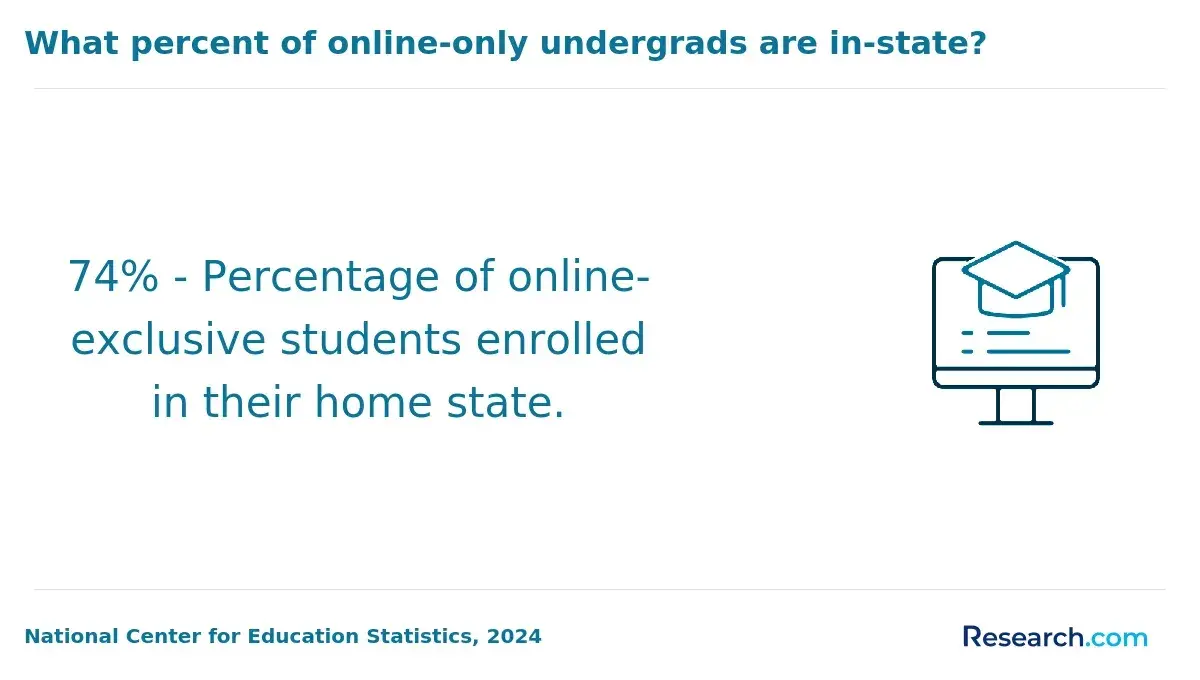
Online project management degrees versus traditional on-campus programs for consulting careers present a decisive tradeoff between flexibility and structured immersion. Working consultants often find online degrees enable continuation of current roles and income while immediately applying new methodologies in real consulting settings, which recruiters value highly. However, this pathway requires deliberate effort to access virtual networking, internships, and live case collaborations to offset limited spontaneous interaction.
Graduates of leading online programs report median earnings exceeding $220,000, confirming economic competitiveness when combined with certifications like PMP and a robust consulting portfolio. Despite this, on-campus options maintain an edge in delivering direct mentorship and access to recruiting pipelines crucial for early-career consultants seeking industry footholds.
Differences between online and on-campus project management education for consultants hinge on experiential learning formats; asynchronous coursework must be balanced with synchronous simulations or team projects to cultivate stakeholder management and risk mitigation skills effectively. Prospective students need to assess these program features critically with respect to workforce demands.
Decisions about choosing an online or traditional route often reflect individual context: those requiring stability and immediate job relevance lean toward online options, while recent graduates prioritize immersive campus environments for competitive positioning. For planners seeking alternatives, a recognized sport management degree online provides a comparative example of balancing academic rigor with flexible access in practice.
What accreditation and program quality standards should online project management degrees meet?
Employers in consulting and related fields often favor candidates from online project management degree programs that meet rigorous accreditation standards, such as regional accreditation recognized by the U.S. Department of Education and program-specific credentials from the Project Management Institute's Global Accreditation Center (PMI GAC). These accreditations ensure alignment with industry expectations.
Beyond credentials, practical training markedly influences employability. Programs that emphasize case studies, hands-on simulations, and proficiency with software like Microsoft Project or Agile tools better equip graduates for immediate contribution. For instance, construction consulting demands knowledge in risk management and regulatory compliance, while IT consulting prioritizes agile methodologies and stakeholder communication.
Candidates lacking these domain-specific skills risk being relegated to entry-level roles or facing the need for costly certifications. Cost considerations further affect decision-making. The average annual price for an online master's in project management stands near $11,000, roughly half the typical in-person program cost. This affordability can facilitate timely career pivots without significant income disruption.
However, programs low in cost but missing proper accreditation may reduce a graduate's market value and hamper advancement. Prospective students exploring online human resource management master's programs may find parallels in evaluating factors like accreditation, cost, and practical content, which similarly shape long-term workforce outcomes.
What courses and skills do online project management programs teach for consulting success?
Mastering online project management programs demands balancing technical skills with strategic adaptability, a necessity reflected in varied industry applications. For example, consultants working on healthcare IT projects must navigate complex regulatory environments, while those in software rollout roles prioritize agile frameworks and change management. These sector-specific emphases shape the relevance and practicality of program content.
Core curriculum elements often include tools such as Microsoft Project, Primavera, and cloud-based collaboration platforms, which form the operational backbone for managing timelines, resources, and communication channels. Yet, the true differentiator lies in mastering data-driven decision-making through budgeting, earned value management, and project analytics-capabilities that employers increasingly quantify in performance metrics.
Leadership and negotiation modules also constitute critical training, preparing candidates to manage stakeholder conflicts and diverse team dynamics inherent in consulting environments. Programs incorporating internships or simulation projects materially enhance job readiness by providing applied experience, a factor that purely theoretical models often lack.
Financially, median alumni earnings reported by OnlineU at $70,857 contrast with an average annual tuition near $9,900, suggesting a reasonable return on investment when graduates successfully translate learned skills into market value. Prospective students should weigh program structure, practical exposure, and certification alignment carefully against their career context and hiring market demands.
What are the typical admissions requirements for online project management bachelor's and master's programs?
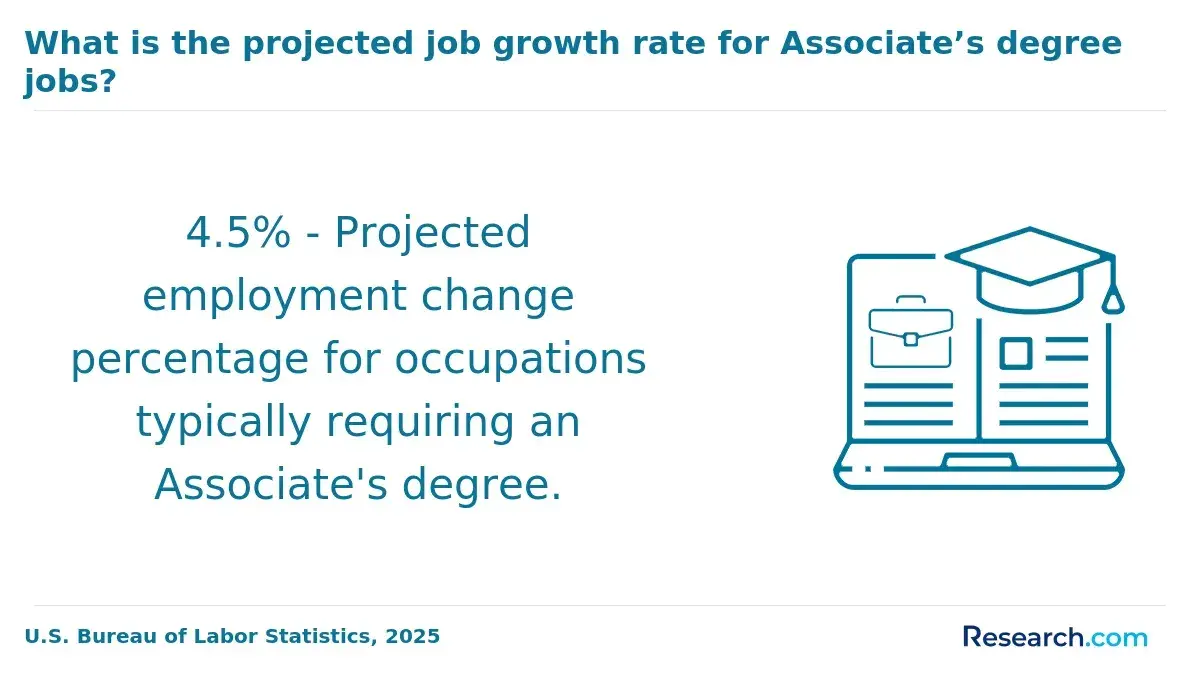
Admissions for bachelor's degrees in online project management prioritize measurable quantitative and communication skills over broad academic credentials. Applicants with professional experience often bypass SAT or ACT requirements, yet programs consistently request detailed transcripts and focused personal statements evidencing leadership or organizational capacity. Letters of recommendation remain a differentiator, signaling applicants' strategic aptitude to admissions committees.
Master's programs demand a completed bachelor's degree and generally enforce a 3.0 GPA minimum, emphasizing prior coursework in business or related disciplines. Experience in project-focused roles over two to five years is typically mandatory for executive or accelerated tracks, directly tied to the substantial salary gains seen among graduates-ranging from $94,314 to $221,872 annually according to OnlineU's 2026 data.
These programs also require resumes and employer recommendations reflecting advanced leadership and project delivery skills. International applicants face added verification through TOEFL/IELTS scores and credential evaluations, which lengthen admissions timelines. Candidates with strong work histories but limited academic background may find flexible entry routes or bridge courses critical for meeting employer expectations of strategic leadership in consulting.
Timely submission of comprehensive application materials is vital; vague work experience descriptions often cause delays, especially for professionals seeking swift entry into project-oriented consulting roles.
How long do online project management degrees take and what do they typically cost?
Effective online project management graduate programs balance duration, cost, and workforce relevance to suit mid-career professionals aiming for measurable impact rather than generic credentialing. Most master's degrees range from 18 to 24 months, with accelerated options near 12 months, allowing those in consulting or similar environments to limit time away from billable work.
Choosing shorter, rigorous programs helps mitigate opportunity costs and maintain income flow during study. Graduate tuition can vary significantly, but data from MBA Schools' 2026 review notes AACSB-accredited project management programs averaging around $16,632 in total costs. Median graduate debt is reported near $12,188-substantially lower than typical MBA burdens exceeding $50,000, reflecting a more accessible financial entry point.
These figures matter when evaluating long-term ROI, particularly for professionals without prior project management credentials who seek a feasible pivot. Additional expenses such as textbooks, software licenses, and exam fees for relevant certifications like PMP typically add between $1,000 and $3,000 to the total outlay.
Employers place high value on the combined effect of practical experience, certification, and degree completion within a reasonable timeframe without excessive debt.
- Duration: 12-24 months, depending on full- or part-time status
- Tuition: ~$16,632 on average for accredited programs
- Additional costs: $1,000-$3,000 for materials and certification fees
What consulting job titles, industries, and career paths can a project management degree support?
A project management degree often serves as a foundational step toward consulting roles that demand both technical expertise and strategic leadership, spanning sectors from IT to government contracting. For instance, IT project managers coordinate Agile or Scrum teams, while construction managers concentrate on budget control and regulatory compliance. These distinctions underline how industry context dictates the specific skill set and certifications required.
Advancement typically requires more than a degree alone. Relevant certifications like PMP and Agile/Scrum have become baseline expectations, particularly for senior roles overseeing high-stakes initiatives. Lacking these credentials often restricts professionals to mid-level positions, highlighting the necessity of combining academic credentials with recognized industry certifications.
Candidates should consider the ongoing demands of balancing certification maintenance, stakeholder communication, and high-pressure project timelines. The choice of industry also shapes which frameworks and certifications carry the most weight-for example, PMP is often mandatory in defense and government contracts, whereas tech firms prioritize Agile-related qualifications.
Project management graduates aiming for consulting careers must weigh programs offering experiential learning and networking advantages, as practical access to industry contacts can significantly influence entry points into competitive markets dominated by credentialed experts.
What salaries and job outlook can project management graduates expect in consulting fields?
Starting salaries for project management graduates entering consulting typically range from $70,000 to $95,000 annually, with mid-career professionals earning $95,000 to $130,000 depending on specialization and geography. Positions in technology, finance, or healthcare consulting command the highest pay, reflecting project complexity and sector scale.
For instance, managing a digital transformation at a financial firm can push earnings beyond $120,000, whereas roles in smaller or less technical firms usually start near $70,000. Employment growth for project management specialists remains steady, with the U.S. Bureau of Labor Statistics projecting about 78,200 annual job openings from 2024 to 2034. This demand stems largely from retirements and industry evolution across IT, construction, and business services.
However, hiring is competitive, favoring those holding certifications such as PMP and experience in Agile or Scrum methodologies. Salary progression typically depends more on demonstrated ability to deliver complex, multi-stakeholder projects under pressure than on educational credentials alone. Graduates who combine project management education with sector-specific knowledge and adapt to challenges-like hybrid team coordination and regulatory compliance-have improved job stability and faster promotion trajectories.
Practical decisions such as pursuing targeted internships, advanced credentials, and industry expertise address common barriers entry-level consultants face. Recognizing these trade-offs helps align effort toward meaningful skill development rather than relying solely on formal education credentials.
Which certifications help online project management graduates stand out for consulting projects?
Project management certifications directly influence hiring outcomes in consulting by signaling the ability to manage complex, deadline-driven projects under diverse stakeholder demands. The PMP credential remains the most recognized for its stringent criteria and emphasis on applying PMI standards in leadership roles, providing a clear advantage for consultants handling multifaceted engagements.
For consultants navigating agile environments-common in technology and product sectors-the PMI-ACP offers complementary validation of agile expertise, proving essential for aligning with fast-iterating teams. In contrast, sectors like healthcare and infrastructure place more value on certifications such as CAPM or Lean Six Sigma Green Belt, which indicate foundational project knowledge and process optimization mechanics tied to efficiency and regulatory compliance.
Decision-making around certification investment must consider tuition costs reported by Intelligent.com-an average of $14,688 for undergraduate and $20,513 for graduate studies-against the long-term credential ROI, avoiding superficial credential stacking with little employer impact. Consulting recruiters prioritize certifications backed by documented project success and renewal requirements as proof of sustained performance, which reduces project risk.
Practical role distinctions include technical professionals who need Agile or Scrum certs to prove cross-functional leadership, while traditional consultancies lean heavily on PMP or CAPM for established workflows. Aligning certification paths with industry-specific hiring data helps candidates avoid costly mismatches and target client portfolios requiring particular methodologies.
- PMP: recognized global standard for large-scale project leadership
- PMI-ACP: agile proficiency for dynamic consulting sectors
- CAPM and Lean Six Sigma: foundational credentials for efficiency-driven industries
- Tuition costs vary, emphasizing long-term strategic credentialing over quick certification accrual
Other Things You Should Know About Project Management
Given the increasing adoption of agile and digital tools in consulting projects, programs emphasizing these competencies offer better alignment with employer needs. Traditional waterfall-focused curricula still have value in specific industries, but students targeting consultancy roles in technology or innovation sectors should prioritize agile training to improve employability and job readiness. Assess curricula carefully to ensure appropriate methodological coverage.
The asynchronous design common in many online programs offers flexibility but can limit real-time interaction and networking, which are important for building client relationships and peer connections in consulting. Programs incorporating synchronous sessions, group projects, or live case workshops yield stronger collaboration skills and professional networks. Candidates should weigh convenience against networking value when selecting an online degree.
Employer recognition depends less on institution prestige and more on demonstrated skills, certifications, and project experience. Degrees from lesser-known online schools may require candidates to supplement credentials with recognized certifications or practical portfolios. Focus on program outcomes and employer feedback rather than brand names to gauge real-world value.
References
- Project management degrees: Do you need one and what you can do with it https://rebelsguidetopm.com/what-can-i-do-with-a-degree-in-project-management/
- Certified Project Manager Academy Institute MPM Accredited Institute Project Management Certifications ACAPM ® Certified Project Manager - Academy of Project Management Institute http://americanacademyofprojectmanagement.com/uk.html
- Master of Science (MSc) in Digital Business Project Management & Consulting https://escp.eu/programmes/specialised-masters-MSc/MSc-in-digital-project-management-and-consulting
- How Long Is a Project Management Course Online? - Skills Academy https://www.skillsacademy.co.za/how-long-is-a-project-management-course-online/
- Inside Online Master’s in Project Management: Review Top Programs https://www.onlinemastersdegrees.org/best-programs/business/project-management/
- What is the Best Project Management Certification (2026)? https://www.knowledgetrain.co.uk/project-management/project-management-courses/what-is-the-best-project-management-certification
- Does Project Management Training Boost Your Career? https://lbtc.co.uk/project-management/does-project-management-training-boost-your-career/
- PMI Accreditation – What It Means and Why It Matters - Online Masters Project & Programme Management https://projectmanagement-ul.ie/pmi-accreditation-means-matters/
- Project Management Course: Take your skills to a new level! https://www.xpmconsulting.com/en/course/project-management/
- The 18 Best Project Management Universities - 2025 Updated List https://blog.masterofproject.com/best-project-management-universities/