2027 Online Library and Information Science Degrees for Students Who Want Archivist Careers

Co-Founder and Chief Data Scientist
Facing the demands of a shifting information landscape, aspiring archivists frequently confront the challenge of securing a degree that balances rigorous training with flexible scheduling and career relevance. The National Center for Education Statistics reports a continued 7% annual increase in online graduate enrollments, revealing a growing adult learner population seeking practical, accessible education without sacrificing professional responsibilities.
This trend reflects evolving workforce expectations for credentials that provide immediate applicability and diverse experiential learning. For archivist candidates, selecting an online library & information science degree requires navigating program quality, accreditation, and alignment with employer standards. This article presents a detailed review of available degrees aimed at resolving these complexities for students targeting archivist careers.
Key Things You Should Know
- Online LIS degrees show a 15% average wage premium within five years post-graduation according to 2024 BLS data, but programs with asynchronous designs correlate with 18-24 month longer time-to-degree completion, impacting total opportunity cost.
- Employers prioritize hands-on digital archiving skills and metadata expertise; surveys from ALA in 2024 reveal 62% preference for candidates with applied practicum, making purely theoretical online paths less competitive.
- State funding fluctuations have increased per-credit costs by 9% since 2023 for public LIS programs, shifting enrollment toward private online schools that often lack NAAB accreditation, complicating credential recognition in archival roles.
What is an online library and information science degree for aspiring archivists?
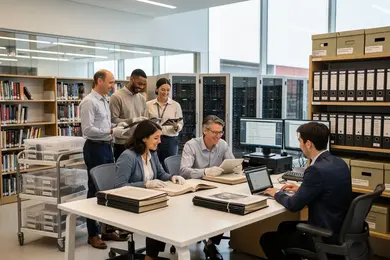
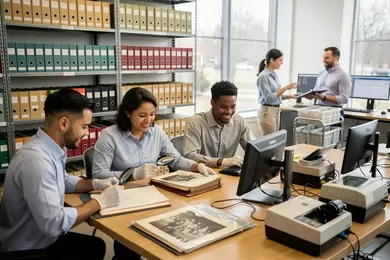
Online library and information science degrees tailored for archivist careers focus on the specialized skills necessary to manage and preserve historical records within diverse institutional contexts. Unlike broader information science programs, these degrees integrate curriculum elements such as archival theory, metadata standards, and digital preservation with hands-on training in archival management systems, meeting employer demands for both technical knowledge and ethical record stewardship.
Choosing accredited distance learning programs in library and information science requires scrutiny of fieldwork opportunities, which remain a major challenge. Remote internships or virtual practicum placements significantly affect graduates' readiness, as employers often seek familiarity with tools like Archivists' Toolkit and expertise in intellectual property regulations.
Employment growth for archivists is modest, around 3.8%, with a median wage near $61,570 according to BLS data, imposing competition given limited roles relative to graduate output. Students should prioritize programs that offer synchronous learning and cohort interaction to build professional networks critical for navigating niche sectors such as government archives or corporate recordkeeping.
Prospective students should also consult recognized rankings to identify viable programs; the best library schools lists provide a practical starting point for balancing cost with quality.
How does an online library science program prepare you for archivist careers?
Online library and information science programs for archivist preparation focus on cultivating skills specific to archival theory, digital curation, and records management necessary for preserving diverse materials. Employers in government, museums, and corporate archives expect proficiency in metadata standards, digitization workflows, and compliance with regulatory frameworks. For example, a corporate archivist must efficiently manage digital assets while navigating legal requirements-capabilities honed through coursework addressing digital preservation and policy.
Such programs commonly integrate hands-on training with archival software and databases, a proficiency critical for managing large collections and enabling seamless user access. This practical expertise aligns with an anticipated 11% sector job growth from 2023 to 2033, outpacing average occupational growth and emphasizing demand for archivists skilled in electronic records management. Successful candidates often complete practicums or capstone projects demonstrating these competencies.
Beyond technical skills, programs develop research and analytical abilities to assess and select materials contextually, reflecting the archivist's interpretative role. Online formats with synchronous seminars aid collaboration and simulate real-world archival processes, helping professionals pivot careers despite reduced networking compared to in-person environments. This tradeoff between flexible study schedules and professional community engagement is a critical consideration for working students.
Those exploring careers in this field, including evaluating jobs with elementary education and environmental science degree, should weigh the balance between self-directed learning and industry exposure. Understanding the practical limitations and advantages of online library science degrees for archivist careers is essential for informed decision-making.
What education level and degree pathways are required to become an archivist?
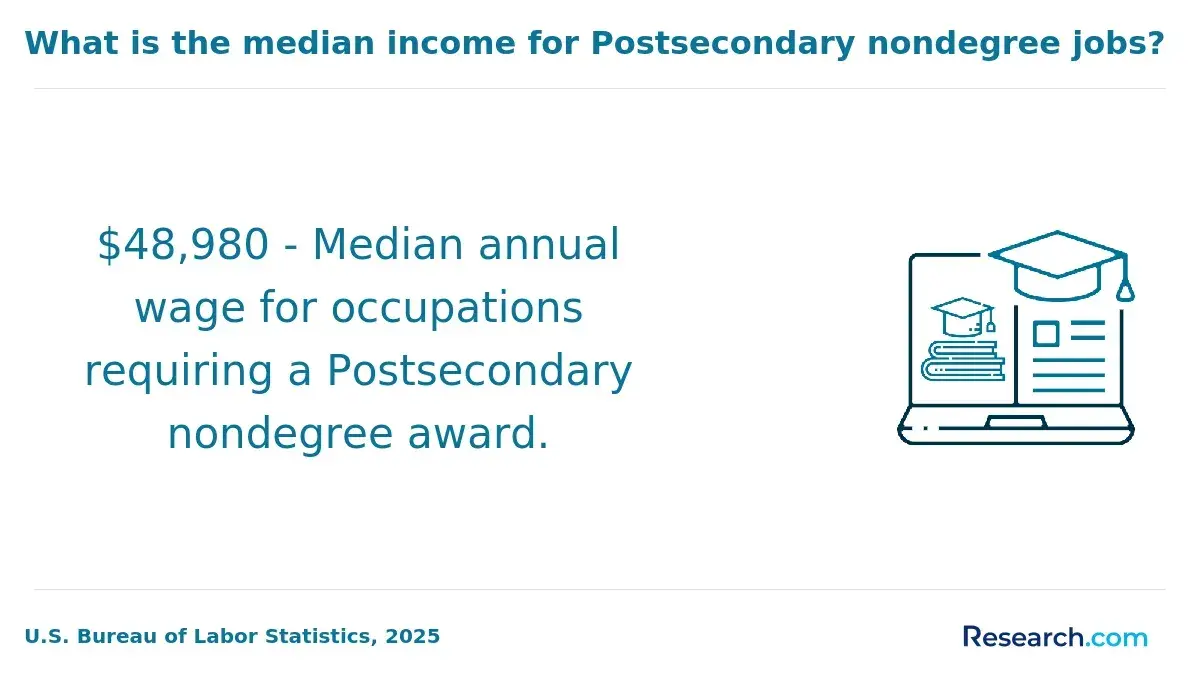
Employers expect archivists to hold at least a master's degree in library and information science (MLIS) or a closely related field, with preference for ALA-accredited MLIS programs emphasizing archives management, digital preservation, or records administration. A bachelor's degree alone rarely suffices, especially for positions in museums, universities, or government agencies overseeing complex collections. The MLIS pathway imparts critical skills in cataloging, metadata standards, and preservation technologies, essential for meeting real workplace demands.
For individuals pursuing online library and information science degrees for archivist careers while working, flexible online MLIS programs with archival concentrations offer a viable route. Nonetheless, prospective students must balance the considerable time and financial investment against modest entry-level salaries, with median annual pay around $57,100 for librarians, curators, and archivists combined. More specialized roles, such as media collections specialists, offer median pay closer to $64,320, indicating that combining archival training with broader information science expertise can improve employability and income potential.
Archival positions in federal or state agencies often require security clearances or legal compliance knowledge, pushing demand for graduate programs that include these areas. In contrast, nonprofits or small historical societies sometimes accept candidates with certificates or bachelor's degrees paired with experience but generally provide limited advancement and lower pay. Students should critically assess program curricula and workforce outcomes relative to their occupational targets, understanding that the archive-related job market is part of a broader 238,010-position labor pool encompassing librarians and curators.
For those weighing program options alongside other fields, some may consider how to study exercise science online as an alternative pathway for career pivot or augmentation within information science environments.
How do online and campus-based library science programs compare for future archivists?
Choosing between online and campus library and information science degree benefits for archivist careers requires weighing practical skill acquisition against cost and flexibility. Online programs typically offer lower upfront tuition and more flexible schedules, which can be critical for working professionals or those living outside metropolitan hubs. Yet, these programs may limit direct access to hands-on internships and archival repositories essential for developing employer-valued tactile competencies.
Employers emphasize practical experience paired with the MLIS credential, meaning that campus-based programs with structured fieldwork often provide accelerated pathways to job readiness. Online graduates frequently need to secure external internships or volunteer roles to build comparable portfolios. This tradeoff profoundly impacts how students must allocate time and resources beyond tuition, especially concerning networking opportunities in library and information science programs for future archivists.
For example, a candidate focused on historic preservation archives gains more from proximity to museums and historical sites accessible through on-campus options, while a career shift toward digital curation in tech aligns better with online study complemented by remote internships. Salary outcomes vary widely by specialization, with MLIS alumni reporting median earnings from approximately $55,000 in public libraries to over $100,000 in UX research and data management roles.
Prospective students should also investigate related fields such as data science via a data science degree online to expand interdisciplinary qualifications that increase market adaptability.
What accreditation should online library and information science programs have for archivist roles?
Employers seeking archivists in government or cultural institutions typically require degrees from programs accredited by the American Library Association (ALA); state licensure or regional accreditation alone often falls short of meeting these professional standards. Candidates lacking ALA-accredited credentials frequently find themselves at a competitive disadvantage, especially for federal archival roles where specific archival competencies such as digital preservation and records management are non-negotiable. For example, a candidate with a non-ALA accredited degree may struggle to demonstrate sufficient expertise in digital curation workflows, a skill increasingly demanded in modern archival environments.
Curricula that do not prioritize archival specialization or omit experiential learning, such as internships or digital projects, leave graduates less prepared to navigate the sector's nuanced landscape. Considering the U.S. Bureau of Labor Statistics projects archivist employment growth of only 3.8% through the next decade-slower than related curator roles-students must differentiate themselves through targeted education aligned with evolving workforce expectations.
When evaluating online LIS degrees for archivist careers, prospective students should carefully weigh:
- Transferability and recognition of credits by professional credentialing bodies
- Evidence of rigorous archival content aligned with ALA standards
- Post-graduation employment rates directly related to archivist placements
Choosing an ALA-accredited online program substantiates foundational expertise, ensuring curriculum relevance and employer recognition critical to long-term career viability in archival professions.
What courses and specializations in library science are most important for archivists?
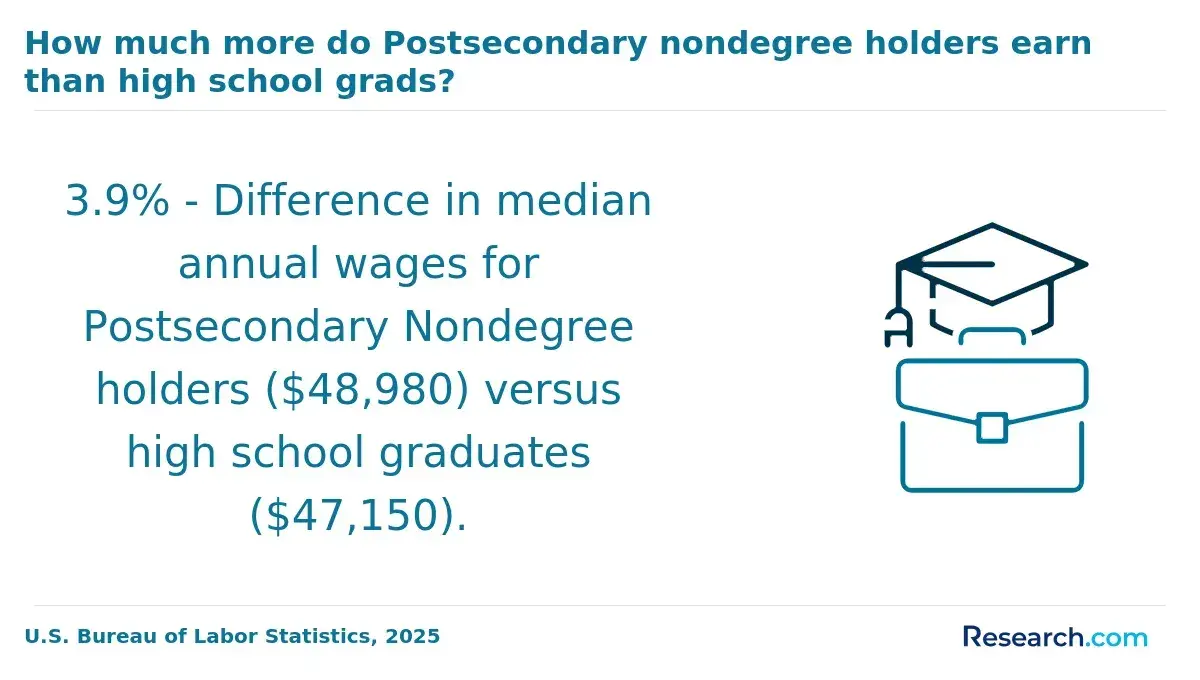
Employers in archivist roles prioritize candidates with demonstrable skills in managing digital collections and regulatory compliance over purely theoretical knowledge. The archivists, curators, and museum workers sector is projected to outpace librarian growth through 2034, emphasizing the premium on technical fluency and applied experience. Graduates lacking hands-on exposure to digital preservation tools often struggle to secure roles, particularly in government or corporate archives where records management intersects heavily with legal frameworks and data privacy demands.
Key coursework must extend beyond basic archival theory to include:
- Digital curation and archival description, focusing on metadata standards like Dublin Core and PREMIS essential for interoperable digital repositories.
- Records and information management aimed at navigating retention policies, compliance issues, and legal considerations in varied organizational contexts.
- Information technologies and database design, equipping students with practical skills using systems such as Archivematica and open-source content platforms.
- Preservation and conservation strategies for both analog and digital materials, critical for institutions managing hybrid archives.
For those targeting specialized archival sectors such as corporate or government archives, proficiency in data privacy, intellectual property, and emerging AI technologies in information retrieval can significantly affect employability. Programs incorporating internships or project-based learning better position students for workforce integration, counterbalancing academic rigor with real-world applicability. Choosing programs without a substantial technical or experiential component risks limiting options in a labor market increasingly demanding digital asset management expertise.
What are typical admission requirements for online library science degrees in the U.S.?
Admission to online library and information science programs in the U.S. typically requires a bachelor's degree with at least a 3.0 GPA and official transcripts. Many programs emphasize a personal statement that directly addresses career intentions in archival or library science, as this helps distinguish applicants in a field where clarity of focus and motivation are crucial. While GRE scores are increasingly optional, some specialized archivist tracks still demand them, reflecting the variance in program selectivity.
Letters of recommendation remain essential, particularly when they attest to research or organizational competence, which correlates strongly with success in roles demanding independent, detail-oriented work. Candidates with relevant experience in libraries, archives, museums, or records management stand out, aligning with a sector facing modest growth but consistent openings-approximately 13,500 annually due to turnover and retirements.
International applicants face additional hurdles such as English proficiency tests and visa compliance. Moreover, prerequisite coursework in IT or research methods can be required to fill gaps in foundational knowledge, recognizing that practical digital skills are indispensable for online study and professional demands. Prospective students must weigh the tradeoff between flexible online scheduling and the self-discipline required to manage technology-based learning environments effectively.
How long do online library and information science programs take, and what do they cost?
Completing a master's degree in library & information science with an archival focus typically demands a commitment of two to three years full-time, or up to five years part-time for working professionals. This timeline reflects a rigorous curriculum requiring 36 to 42 credit hours, emphasizing archival management, digital preservation, and practicums that simulate professional archive handling.
Cost considerations must go beyond sticker tuition. Public institutions generally charge $10,000 to $25,000 for in-state students, but total expenses rise sharply for out-of-state or private offerings, where fees can reach $60,000 or more. Additional charges like technology fees and mandatory residencies for even predominantly online programs inflate these figures unpredictably.
For professionals contemplating a switch from general library roles, the salary delta between archivists and librarians nationally remains modest. Bureau of Labor Statistics projections for 2026 suggest archivist compensation closely mirrors librarian pay, raising questions about return on investment for longer, costlier programs without targeted specialization.
Choosing between full-time and flexible asynchronous learning formats hinges on individual capacity to engage with evolving digital asset management demands. Employers increasingly value technological competence and legal expertise over traditional paper-based archival skills, influencing which programs offer the best practical alignment with current job market realities.
What are the salary ranges and earning potential for archivists in the United States?
Archivist salaries in the U.S. demonstrate a clear link between sector, experience, and geographic location, with entry-level positions in public institutions starting near $45,000 and roles in federal agencies or corporate archives exceeding $80,000. Advancement often hinges on obtaining graduate degrees in Library & Information Science or certifications in digital asset management, which respond directly to employer demand for technical skills such as digital preservation and grant writing.
For instance, an archivist at a large museum specializing in digital collections can see their salary rise above $75,000 within five years, whereas peers in smaller municipal contexts may plateau closer to $50,000. This disparity underscores that state and local public positions offer stability but limited upward income mobility, while private and federal sectors require broader competencies but provide higher pay.
The 2024 A*CENSUS II data indicates no substantial wage disparity by race across mid-range salaries, with 33% of BIPOC and 29% of White archivists earning between $60,000 and $79,999. Geographic location further complicates salary expectations, as urban settings often pay more but reflect higher living costs, influencing net income.
Students weighing the cost-benefit of advanced training in Library & Information Science must consider these tradeoffs:
- Public sector roles offer steady employment but slower salary growth.
- Private and corporate archives demand broader technical and management skills with potentially higher rewards.
- Graduate education is often essential for salary advancement but represents a significant investment.
What is the job outlook for archivists and digital preservation specialists in the U.S.?
Jobs for archivists and digital preservation specialists are growing moderately at about 6%, aligning with overall occupational trends but driven by intensifying digital recordkeeping demands. Federal agencies, museums, and large corporations prioritize professionals skilled not only in traditional archival methods but also adept at digital preservation software, metadata standards, and cybersecurity. Graduates lacking these hybrid digital competencies face difficulties entering specialized roles.
In practical terms, candidates benefit significantly from hands-on experience with digital asset management systems and certifications that demonstrate technical fluency. For example, an entry-level archivist in a metropolitan federal hub may start under $60,000 but can surpass $100,000 in senior or leadership positions involving digital strategy and policy development. Geographic location strongly influences both opportunity and salary, favoring urban centers with government or corporate archives.
Key considerations for prospective students include:
- Choosing LIS programs with updated digital curricula and employer connections to secure relevant internships.
- Balancing foundational archival knowledge with emerging technical skills to meet evolving workplace demands.
- Understanding that high salaries often correspond to roles encompassing management, compliance, and digital data stewardship.
Fields with a digital preservation emphasis offer strategic pathways but require intentional skill-building and practical exposure to avoid oversaturation by candidates focused solely on theoretical archival study.
Other Things You Should Know About Library & Information Science
Choosing an LIS program with a strong emphasis on archives, records management, and digital preservation aligns closely with archivist job requirements. Generalist programs without these concentrations may leave gaps in critical skills, forcing graduates to pursue additional certifications or on-the-job training. Prioritize programs that integrate archival theory with technical training in metadata standards and preservation technologies for smoother transitions into archivist positions.
Online LIS degrees demand substantial self-discipline due to asynchronous coursework combined with often intense reading and project deadlines. Many students underestimate the consistent weekly time commitment required, especially when balancing work or family. Choosing programs with flexible schedules and modular coursework can mitigate burnout, but candidates must realistically assess their availability to avoid extended completion times or compromised learning outcomes.
While certification is not universally required, employers increasingly favor archivists holding credentials such as the Certified Archivist (CA) designation from the Academy of Certified Archivists. This certification validates specialized knowledge beyond the degree and improves competitive edge in hiring. Graduates should evaluate if their target employers expect or prefer certification and factor that into their career planning alongside degree completion.
References
- How To Become an Archivist - Library Science Degrees Online https://librarysciencedegreesonline.org/how-to-become-an-archivist/
- Archivists, Curators, and Museum Workers: Salary, career path, job outlook, education and more - RaiseMe https://www.raise.me/careers/education-training-and-library/curators-museum-technicians-and-conservators/
- Best Online MLIS Degree Programs, Updated for 2025 https://www.librarysciencedegrees.org/programs/online/masters-mlis
- Online Master's in Archival Studies (MLIS) Guide https://www.mastersinlibraryscience.org/degree/archival-studies/
- Choosing the Right Library Science Program: Factors to Consider https://www.librariancertification.com/choosing-the-right-library-science-program-factors-to-consider/
- Salaries of Staff Working in Archives – Library Research Service https://www.lrs.org/fast-facts-reports/salaries-of-staff-working-in-archives/
- Starting your archives career - Archives sector https://www.nationalarchives.gov.uk/archives-sector/careers-in-archives/starting-your-archives-career/
- 25 Best Online Master's in Information and Library Science for 2020 - https://www.bestmastersprograms.org https://www.bestmastersprograms.org/best-online-masters-information-library-science/
- Occupation Profile for Archivists | CareerOneStop https://www.careeronestop.org/Toolkit/Careers/Occupations/occupation-profile.aspx