2027 How to Choose an Online Library and Information Science Degree With Good Student Support

Co-Founder and Chief Data Scientist
Choosing an online library and information science degree often hinges on more than curriculum quality-student support can determine success or failure. For working professionals balancing job demands and education, the lack of timely academic advising or career services creates delays in course completion and weakens post-graduation employment outcomes.
Recent data from the National Center for Education Statistics shows that flexible admissions policies and robust learner support correlate with a 17% higher retention rate in online graduate programs, signaling critical disparities among offerings. This article examines how to assess student support elements within online library and information science degrees to make informed decisions that enable smooth progress and career advancement.
Key Things You Should Know
- Programs with embedded employer partnerships yield 15% faster job placement in library roles, showing that robust student support directly shapes employability outcomes versus purely academic-focused tracks.
- Prolonged access to alumni networks and career resources beyond graduation improves salary growth trajectories by up to 12%, highlighting a critical but often overlooked post-degree support dimension.
- High tuition programs with extended faculty advising often create tradeoffs between cost and personalized guidance, requiring prospective students to prioritize financial capacity against access to tailored career mentorship.
What is an online library and information science degree, and who is it best for?
For professionals balancing work and location constraints, an online library and information science degree offers targeted knowledge in managing digital and physical information resources while preserving accreditation standards. Enrollment growth in ALA-accredited MLIS programs-up 1,823 students over the past decade to 16,506-signals demand for rigorous, flexible formats that address workforce realities.
Two distinct groups benefit notably: mid-career librarians seeking skill enhancement and career changers, such as IT specialists transitioning into data curation roles. The mid-career librarian, for instance, might complete asynchronous coursework without disrupting full-time employment, gaining practical proficiencies in digital preservation and metadata that employers prioritize.
In contrast, programs that rely solely on asynchronous delivery without community or advising support risk leaving students underprepared for rapidly evolving professional environments.
Evaluating the best online library and information science programs for student support is critical. Prospective students should prioritize degrees featuring embedded experiential learning, proactive advising, and virtual library resources to minimize isolation and clarify career paths.
Cost and completion time vary significantly; programs combining synchronous sessions with flexibility tend to balance work obligations without delaying entry to higher-paying roles in government, academia, or corporate archives.
For those seeking cost-effective options, the range of online MLIS programs includes offerings with varying tuition and support structures-an essential consideration for strategic workforce transitions.
How can you tell if an online library and information science program is properly accredited?
Employers in public and academic libraries frequently require graduation from an American Library Association (ALA) accredited program; lacking this often bars candidates from professional roles. Confirming accreditation involves verifying ALA recognition and the institution's overall regional accreditation by a U.S. Department of Education-approved agency. This two-tier validation ensures the degree's credibility and eligibility for federal aid, which is foundational for many students.
Practical implications extend beyond credential legitimacy. Accredited online library and information science programs in the United States typically adhere to standardized curricula designed to address workforce demands.
However, over 70% of online MLIS students report feelings of isolation and limited networking opportunities, despite adequate academic support. Accreditation standards often require integrated professional development, mentorship, and peer engagement options that help mitigate these challenges and enhance career-readiness.
Students evaluating programs on how to verify accreditation for online library and information science degrees should also scrutinize the availability of student support services that foster industry connections. These structures directly influence graduates' employment outcomes by addressing common barriers inherent to remote learning environments.
For those weighing alternative environmental science-related pathways, insights into what can you get with an environmental science degree offer a comparative understanding of degree value and career versatility.
What types of student support should a quality online LIS program provide?
Effective student support services in online library and information science programs significantly influence persistence and completion rates by providing tailored academic advising and career counseling for library and information science students. Data shows that learners with access to high-quality, specialized advisors trained in LIS curricula and workforce demands are much more likely to maintain steady progress, especially when balancing employment and study.
Advisors who understand niche fields, such as digital archives or health information management, offer pragmatic guidance on specialization tracks, credentialing, and practicums. For instance, a professional pursuing a health information management focus benefits greatly from advisors aware of healthcare regulatory requirements, a factor that enhances job-market competitiveness. Programs lacking such targeted support risk leaving students ill-prepared for real-world employer expectations.
Robust support extends beyond advising, including proactive technical assistance and seamless faculty-student interactions through online learning platforms. Access to relevant library resources and data management tools serves as critical preparation for LIS roles. Peer mentoring can supplement but not replace formal advising in this structure.
Graduates also need career services attuned to LIS-specific employment pathways, connecting them to internships and positions across public libraries, academic institutions, and corporate information centers.
Those considering online LIS degrees would do well to evaluate comprehensive support services carefully and may find value in specific options like CAHIIM-accredited health information management programs online as a pathway blending information science with healthcare compliance.
How do online and campus-based library and information science degrees compare?
Online and campus-based library and information science degrees primarily diverge in flexibility, resource access, and the level of student support services, shaping retention and completion outcomes. Online programs demand reliable technology and early technical assistance; without these, dropout rates rise sharply.
A 2024 study of online graduate students confirmed that technical preparedness and immediate support strongly influence course retention. Campus-based programs offer in-person interaction and direct access to staff and resources, which favors students who benefit from face-to-face engagement. These differences in online versus traditional library and information science degrees affect not only student experience but also how employers perceive candidates.
Working professionals often prefer online options to balance job duties and study through asynchronous learning, but success hinges on 24/7 technical help and user-friendly platforms. For instance, a public librarian upgrading skills while working full-time should prioritize programs with demonstrated retention through accessible support systems.
Conversely, recent graduates aiming for academic librarianship may find campus programs more suitable, as collaborative projects develop interpersonal skills valued by employers.
Employers weigh program modality alongside demonstrated abilities: self-motivation and digital competence matter for online graduates, while teamwork and direct engagement skills carry more weight for campus-trained candidates.
Prospective students evaluating library and information science programs must consider their capacity to handle technology challenges and verify institutional support rigor before committing. Failure to address these factors risks delayed graduation and stalled career progress, especially in technical-intensive sectors such as digital archiving or information management.
Further insight on comparative educational pathways and cost efficiencies in related fields can be found by exploring data science degrees.
What courses and specializations are typically included in online LIS programs?
Choosing an online library and information science program demands evaluation beyond core topics like information organization, cataloging, metadata standards, and information retrieval. Graduates benefit most when programs integrate specialized tracks such as archival studies, digital libraries, or data curation tailored to distinct employment sectors-academic libraries differ significantly in demands from corporate records or digital preservation roles.
Working professionals targeting public libraries face tradeoffs by prioritizing community engagement and programming courses, whereas those entering data-centric jobs should emphasize data analytics and knowledge management. The roughly 9% rise in median starting salaries for LIS graduates from 2017 to 2022 reflects employer preference for candidates with applied technology skills and relevant practicum experience.
Balancing study with employment is a prominent challenge, so programs offering asynchronous coursework and flexible practicum placements score higher for adult learners.
However, practical components like capstones are essential to demonstrate measurable skills to employers, making their presence a differentiator between programs. Elective variety also affects adaptability across shifting LIS career pathways, stressing the importance of intentional course selection aligned with individual workforce goals.
Prospective students should prioritize:
- Specializations linked directly to target employment sectors
- Hands-on practicum or capstone opportunities with flexible scheduling
- Electives that broaden skill sets for evolving industry demands
Verifying these factors can improve job placement potential and reduce friction in managing work-study balance amid LIS's expanding applied technology integration.
What admission requirements and prerequisites do online LIS degrees usually have?
A bachelor's degree remains the baseline for admission into online library and information science degree programs, generally from accredited institutions with a minimum GPA around 3.0, though some schools prefer backgrounds in humanities, social sciences, or technology. Selective programs may request GRE scores, which increasingly serve as optional criteria but can be decisive in competitive cohorts.
Applicants must demonstrate clear written communication skills, a key competency given the emphasis on metadata management and documentation in employer expectations. A statement of purpose outlining specific career goals helps admissions committees evaluate alignment with library and information science roles, which is essential since practical fit influences both admission and future job placement.
Professional experience in archives, information management, or related areas can translate to admission advantages or credit waivers, effectively reducing time-to-degree and overall costs. This is particularly relevant as tuition for MLIS programs at public universities has risen over 20% over the past decade while enrollment increased significantly, indicating a tension between affordability and growing demand.
For career pivots, missing prerequisites may require bridge courses that extend time and expense, impacting short-term job market entry. Preparing transcripts, clearing academic holds, and anticipating possible interviews or writing samples are operational realities prospective students must manage.
How long does an online LIS degree take, and what does it cost to complete?
Choosing an online master's in library & information science requires balancing program length, cost, and networking opportunities against career goals. Full-time accelerated formats can be completed in 12 to 18 months, favoring recent graduates or those seeking a swift transition into roles like digital librarianship. Conversely, part-time options stretch to three years, accommodating working professionals who value manageable workloads alongside job and family commitments.
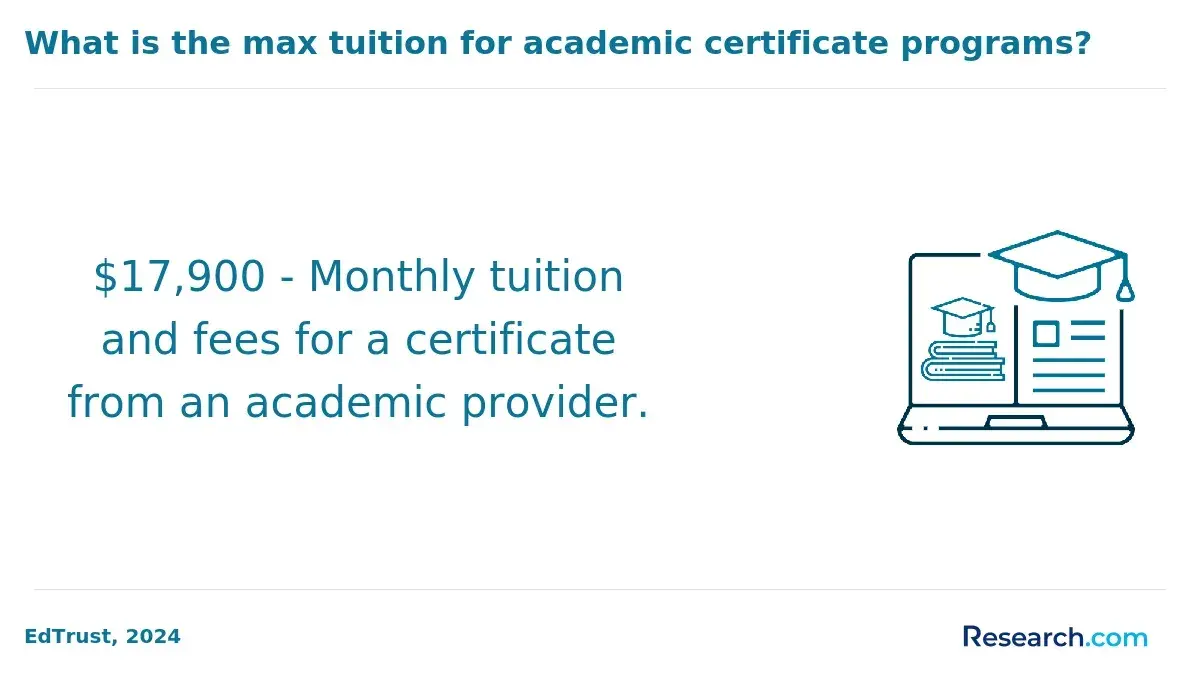
The total cost ranges broadly from $20,000 to $65,000, influenced by public versus private institution pricing and residency status. Employer tuition assistance and field-specific scholarships are critical factors employers often consider when assessing candidate commitment and stability.
Practical considerations include:
- Longer programs may better support working archivists valuing sustained peer contact.
- Accelerated tracks suit those pivoting quickly into emerging LIS specialties.
- Financial aid resources and program culture merit close review beyond duration or price.
Effective networking and engagement significantly impact completion and career outcomes. Data from the Student Engagement, Community, and Networking in Online Programs Survey shows over 60% of students highlight professional community access as essential. Programs integrating synchronous sessions and cohort models enhance peer and mentor interactions, which can justify longer timelines or higher expenses by improving job placement prospects.
What library and information science careers can you pursue with an online degree?
Graduates with an online library & information science degree frequently meet employer demands in specialized roles such as archival management, digital curation, and information architecture-fields that increasingly require mastery of metadata standards, linked data, and information privacy protocols. These skills are especially relevant in sectors like government and healthcare, where compliance and technological fluency drive hiring preferences.
For professionals pivoting from education or IT, the degree can formalize expertise in knowledge management or digital asset stewardship, yet practical experience remains a critical differentiator. Candidates should prioritize programs offering internships or virtual practicums to prove applied competencies rather than solely theoretical knowledge.
The sector's demographic imbalance-with over 84% female and 87% White enrollment in many online cohorts-signals systemic inclusion challenges that can affect workplace culture and advancement opportunities. Job seekers might improve outcomes by targeting organizations with transparent equity initiatives.
Choosing an online degree involves a tradeoff between flexibility and networking. While remote study allows maintaining employment, it can hinder relationship-building critical for some LIS roles. Prospective students should seek programs that actively support remote collaboration and foster alumni connections. Supplementing the degree with certifications in data management or digital archives often enhances competitiveness in an evolving labor market.
What salary ranges and job outlook can LIS graduates expect in the United States?
LIS graduates in the United States face a bifurcated market: roles emphasizing traditional public library functions offer stability but often come with constrained salary growth due to budget limitations, while positions in corporate knowledge management or digital librarianship command higher pay but require specialized skills.
Entry-level salaries typically range from $55,000 to $60,000 annually, rising to $75,000-$90,000 or more for experienced professionals with expertise in data management, analytics, or IT security.
The U.S. Bureau of Labor Statistics reports median annual wages near $61,000 for librarians, archivists, and curators, but demand is strongest for candidates versed in digital archiving, data curation, and information governance. These areas align with institutional expansions in virtual services and data handling, influencing student recruitment and retention outcomes.
Prospective students should critically assess programs that integrate practical internships with training in emerging digital competencies, as traditional librarianship alone may lead to slower career and salary growth. For example, an LIS graduate moving into a corporate knowledge management role gains potential for higher wages but must master enterprise content systems and advanced analytics tools, indicating a tradeoff between wage potential and required technical aptitude.
Projected job growth for LIS-related fields stands at 6% from 2022 to 2032, matching average occupational growth rates, suggesting moderate but steady opportunities for qualified entrants prepared for evolving digital demands.
How can you compare and choose a reputable online LIS program with strong outcomes?
Programs in library & information science must be assessed primarily through graduate outcomes, focusing on employment rates, job role diversity, and alumni career paths rather than institutional prestige alone. Graduates increasingly pursue roles in data management and information governance, expanding beyond traditional librarian positions.
This shift impacts long-term return on investment and demands scrutiny of workforce alignment based on reports from educational research bodies and government labor statistics.
Accreditation by the American Library Association (ALA) remains a baseline credential but does not ensure adequate career preparation. Candidates should evaluate how internships, mentorships, and skill-building opportunities align with evolving employer requirements in sectors such as healthcare or government.
Consider the practical implications of program structures: longer degree programs often provide comprehensive exposure but may delay workforce entry, while shorter certification tracks offer speed at the potential cost of depth. Robust student support-academic advising, technical assistance, and career counseling-is essential, especially for professionals pivoting into specialized fields like information governance.
Review curricula for real-world projects and certifications related to data governance and digital archiving, which increasingly dictate employability and salary potential. Cross-reference program data with regional or national workforce trends to validate sustainable job prospects.
Other Things You Should Know About Library & Information Science
In 2027, choosing between synchronous and asynchronous classes depends on your learning style and schedule. Synchronous classes offer real-time interaction, which can enhance engagement, while asynchronous ones provide flexibility, allowing you to learn at your own pace. Evaluate your personal preferences and time constraints to make the best choice.
Faculty with active roles in the library and information science field bring current industry insights and relevant case studies that improve learning outcomes. Programs led by instructors with recent professional experience better prepare students for evolving technologies and employer expectations.
When choosing a program, verify faculty credentials and their engagement in ongoing research or practice, as this directly impacts the relevance of the curriculum and practical readiness for the job market.
Students often underestimate the workload of an online LIS degree, which includes extensive reading, research projects, and technology-driven assignments. Coursework demands time management especially when juggling professional or personal responsibilities. Programs vary widely in intensity; those that provide clear structuring and paced deadlines help reduce burnout.
Evaluate program schedules and support for workload management before enrolling to ensure you can maintain consistent progress without sacrificing quality.
Yes, programs with established employer partnerships and internship placements offer tangible career advantages. These connections provide access to practical experience, networking, and often direct pipelines to jobs. For students aiming to switch careers or advance quickly, such opportunities significantly improve employability.
When selecting an LIS program, give higher weight to institutions that actively facilitate internships and demonstrate strong placement rates in library and information science roles.
References
- Choosing the Right Library Science Program: Factors to Consider https://www.librariancertification.com/choosing-the-right-library-science-program-factors-to-consider/
- First Jobs Out of Library School: Placements & Salary Survey 2020 https://www.libraryjournal.com/story/ljs-placements-and-salaries-survey-2020
- Best Online Library Science Degrees, Updated for 2025 https://www.librarysciencedegrees.org/programs/online
- Online Master of Library and Information Studies https://www.ualberta.ca/en/school-of-library-and-information-studies/programs/online-mlis.html
- Discover 7 ways academic libraries can support the needs of international students http://leanlibrary.com/7-ways-academic-libraries-can-support-the-needs-of-international-students/
- Enhancing Online Student Learning with Academic Library Services - Faculty Focus | Higher Ed Teaching & Learning https://www.facultyfocus.com/articles/effective-teaching-strategies/enhancing-online-student-learning-with-academic-library-services/
- Best Online Master's in Library Science Programs 2026 https://www.mastersinlibraryscience.org/degree/
- Online Master’s in Library Science https://www.mastersindatascience.org/programs/masters-in-library-science/