2027 Online Data Science Degrees That Help Build SQL Skills

Co-Founder and Chief Data Scientist
Choosing an online data science degree is harder when every program claims to teach "analytics," but not all build the SQL depth employers expect. The U.S. Bureau of Labor Statistics reported a May 2024 median pay of $112,590 for data scientists, showing why practical database skills matter for career mobility.
This guide is for prospective bachelor's, master's, and career-changing students who want a degree that teaches SQL through real datasets, projects, and analytics workflows. You will learn how to compare programs, costs, admissions, curriculum, and career outcomes before enrolling.
Key Things You Should Know
- Strong SQL training in a data science degree should go beyond SELECT statements and include joins, relational modeling, query optimization, data warehousing, cloud databases, and portfolio projects using real or realistic datasets.
- Online formats can be as effective as campus programs for SQL if they include live or well-supported labs, access to database environments, graded projects, instructor feedback, and career-aligned capstones.
- BLS data shows strong U.S. demand for data talent, with data scientist employment projected to grow 34% from 2024 to 2034, but salary outcomes vary by role, region, experience, industry, and portfolio quality.
What is an online data science degree, and how does it build SQL skills?
An online data science degree is a college program delivered primarily through distance learning that teaches students how to collect, organize, analyze, model, and communicate data. Programs may be offered at the bachelor's or master's level, and many combine statistics, programming, machine learning, data visualization, ethics, and database systems.
SQL, or Structured Query Language, is the standard language used to retrieve and manipulate data stored in relational databases. While Python and R often get more attention in data science, SQL is the tool many professionals use first because business data usually lives in databases before it reaches a dashboard, model, or machine learning pipeline.
A strong online data science program builds SQL skills in layers. Students typically start with querying tables, filtering records, aggregating data, and joining datasets. More advanced coursework may cover database design, indexing, transaction concepts, data warehouses, cloud platforms, and performance tuning.
The best programs connect these topics to practical work, such as cleaning customer records, building a reporting database, or preparing structured data for a predictive model.
This matters because SQL is not just a technical checklist item. It is a way of thinking about data quality, relationships, business rules, and reproducible analysis. A graduate who can write efficient SQL and explain why a query answers a business question is usually better prepared for analyst, data engineering, business intelligence, and applied data science roles.
Which accredited online data science programs are best for learning SQL?
The best accredited online data science programs for SQL are not always the programs with the most impressive marketing language. They are the ones that make database work visible in the curriculum, require hands-on projects, and support students with structured technical feedback.
Accreditation matters because it helps verify that the institution meets recognized academic standards and may affect transfer credit, employer recognition, and federal financial aid eligibility.
Students comparing an online MS data science should look beyond the program title and read course descriptions carefully. A program that mentions data management, database systems, data warehousing, business intelligence, or cloud data platforms is more likely to provide meaningful SQL exposure than one focused almost entirely on theory or machine learning.
The table below summarizes common online data science program types and how well they usually fit different SQL-learning goals. Use it to narrow your search before requesting syllabi or speaking with admissions advisors.
| Program type | Best fit | SQL training to look for | Possible limitation |
| Online bachelor's in data science | Students seeking an entry-level foundation and a full undergraduate credential | Introductory programming, databases, statistics, data visualization, and applied projects | May spend less time on advanced data engineering than a specialized graduate program |
| Online master's in data science | Career changers or working professionals who already have a bachelor's degree | Advanced analytics, data systems, machine learning, cloud databases, and capstone work | Can move quickly, especially for students without programming or statistics preparation |
| Online analytics or business analytics degree | Students aiming for business intelligence, reporting, product analytics, or operations roles | SQL for reporting, dashboards, data modeling, and business decision support | May include less machine learning depth than a data science degree |
| Online computer science program with data concentration | Students who want stronger software, systems, or data engineering preparation | Relational databases, algorithms, distributed systems, data pipelines, and back-end development | May be more technical and less business-oriented than analytics programs |
Before deciding that a program is "best," ask whether SQL appears in required courses or only as an optional elective. Required SQL-related coursework is usually a stronger signal because every graduate completes it, while electives can be unavailable in some terms or difficult to fit into a degree plan.
How do online data science degrees compare to campus programs for SQL training?
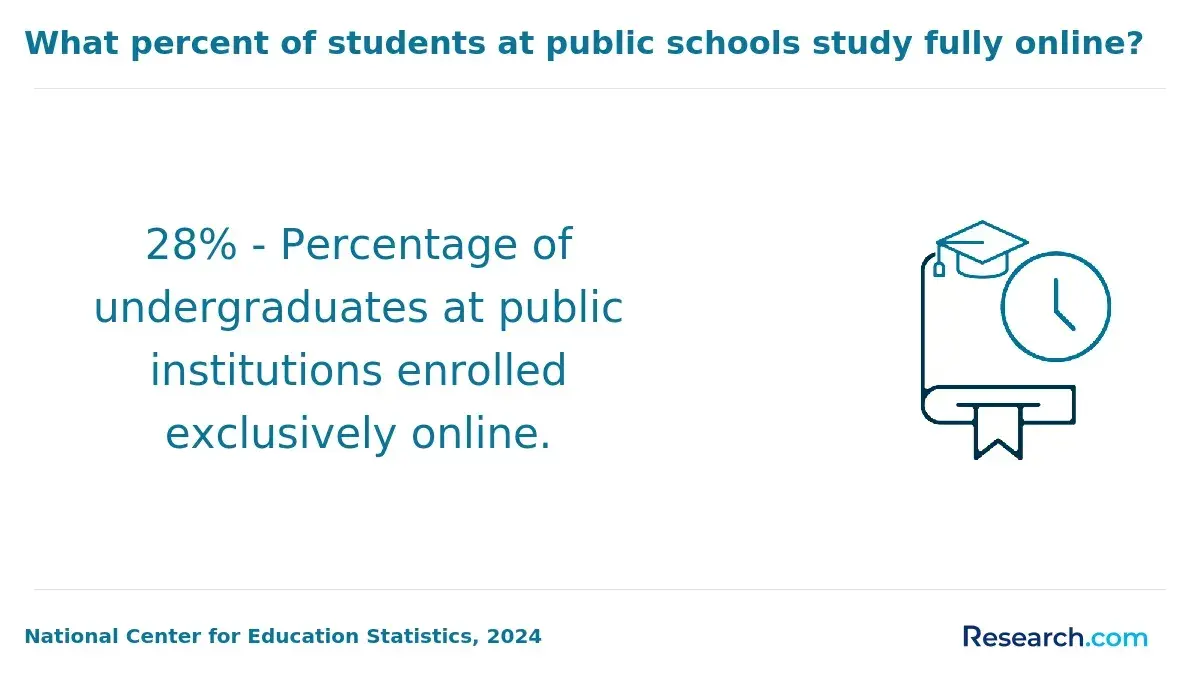
Online and campus data science degrees can both build strong SQL skills, but they do it differently. SQL is particularly well suited to online learning because students can practice queries in cloud labs, virtual machines, browser-based database tools, and structured coding assignments without needing a physical classroom.
The main difference is not whether the program is online or on campus. It is whether the program gives students enough guided practice, feedback, collaboration, and access to realistic database environments. The table below compares the trade-offs that matter most for SQL learning:
| Factor | Online data science degree | Campus data science degree | Decision point |
| SQL practice | Often delivered through virtual labs, auto-graded assignments, and cloud tools | Often delivered through computer labs, in-person workshops, and class exercises | Choose the format with more graded, hands-on database work |
| Schedule flexibility | Usually better for working adults and caregivers | Usually better for students who want fixed class routines | Flexibility helps only if you can maintain consistent practice time |
| Instructor access | May include office hours, discussion boards, chat, or recorded feedback | May include in-person office hours and immediate classroom interaction | Ask how quickly technical questions are answered |
| Peer collaboration | Often asynchronous, though some programs use live sessions or group projects | More likely to include face-to-face teamwork | SQL improves faster when students review and troubleshoot queries together |
| Career networking | May rely on virtual career services, alumni platforms, and employer projects | May offer easier access to campus recruiting and local employer events | Check whether online students receive the same career support as campus students |
Online programs make the most sense for students who need schedule control and are comfortable learning technical skills through structured digital tools. Campus programs may be better for students who learn best through in-person discussion, need a highly supervised environment, or want access to local labs, clubs, and recruiting events.
A common mistake is assuming that an online program is automatically easier. In practice, SQL-heavy online courses can be demanding because students must troubleshoot errors independently, manage deadlines, and practice outside of lectures. A good online program should reduce that risk with clear lab instructions, instructor support, and realistic pacing.
What SQL-focused courses and projects are typically included in data science curricula?
SQL may appear under several course names, so students should not search only for a class literally titled "SQL." In many data science degrees, SQL is embedded in database systems, data management, analytics engineering, business intelligence, and capstone courses.
The most useful curricula usually combine technical syntax with applied data judgment. Look for coursework and projects that help you move from writing simple queries to building analysis-ready datasets.
- Database systems: Introduces relational databases, tables, keys, normalization, joins, constraints, and basic query design.
- Data management for analytics: Teaches how to acquire, clean, merge, validate, and document structured data for analysis.
- Business intelligence and reporting: Uses SQL to create metrics, reporting tables, dashboards, and recurring decision-support outputs.
- Data warehousing: Covers dimensional modeling, fact and dimension tables, ETL or ELT concepts, and analytical database design.
- Cloud data platforms: May introduce managed database services, scalable warehouses, permissions, and cost-aware querying.
- Capstone or practicum: Requires students to define a problem, prepare data, analyze results, and communicate findings to a technical or business audience.
Projects are especially important because employers often want evidence that students can use SQL in messy, realistic settings. A course that only tests syntax is less valuable than one that asks students to investigate missing values, document assumptions, join multiple data sources, and explain limitations.
Strong SQL portfolio projects may include building a customer churn dataset, analyzing hospital readmission patterns from de-identified data, creating an inventory dashboard, designing a small data warehouse, or preparing training data for a machine learning model. The goal is not just to show correct code; it is to show that you can turn raw structured data into an answer someone can use.
What admission requirements do online data science programs with strong SQL training have?
Admission requirements vary by school and degree level, but SQL-focused data science programs usually look for evidence that applicants can handle quantitative and technical coursework. Bachelor's programs typically require a high school diploma or equivalent, transcripts, and general education readiness. Master's programs usually require a bachelor's degree, transcripts, a resume, and sometimes prerequisite coursework in statistics, programming, calculus, or linear algebra.
Students from nontechnical fields can still be competitive if they show analytical motivation and complete prerequisites before enrolling. For example, someone with a healthcare, business, social science, or nutrition degree online may be able to transition into data science if they build foundational programming and statistics skills.
Applicants should review requirements carefully because the same "data science" label can hide very different expectations. These are the items most likely to affect admission or early success in a SQL-heavy program:
- Prior math preparation: Programs may expect college algebra, statistics, calculus, or linear algebra depending on degree level and technical depth.
- Programming readiness: Some programs teach programming from the beginning, while others expect prior experience with Python, R, Java, or similar languages.
- Database exposure: SQL is not always required for admission, but introductory SQL practice before enrollment can reduce early frustration.
- Professional experience: Master's programs may value experience in analytics, IT, finance, healthcare, operations, research, or another data-rich field.
- Bridge courses: Some schools offer prerequisite or foundational courses for students who need to strengthen math, coding, or statistics before core classes.
GRE requirements are less universal than they once were, especially for professional online master's programs, but policies vary. Students should verify whether test scores are required, optional, waived with work experience, or not considered.
A useful preparation plan is to complete an introductory SQL course, refresh statistics, and learn basic Python before the first term. This does not replace degree coursework, but it helps students spend less time on syntax and more time understanding data problems.
How long do online data science degrees take, and what do they cost?
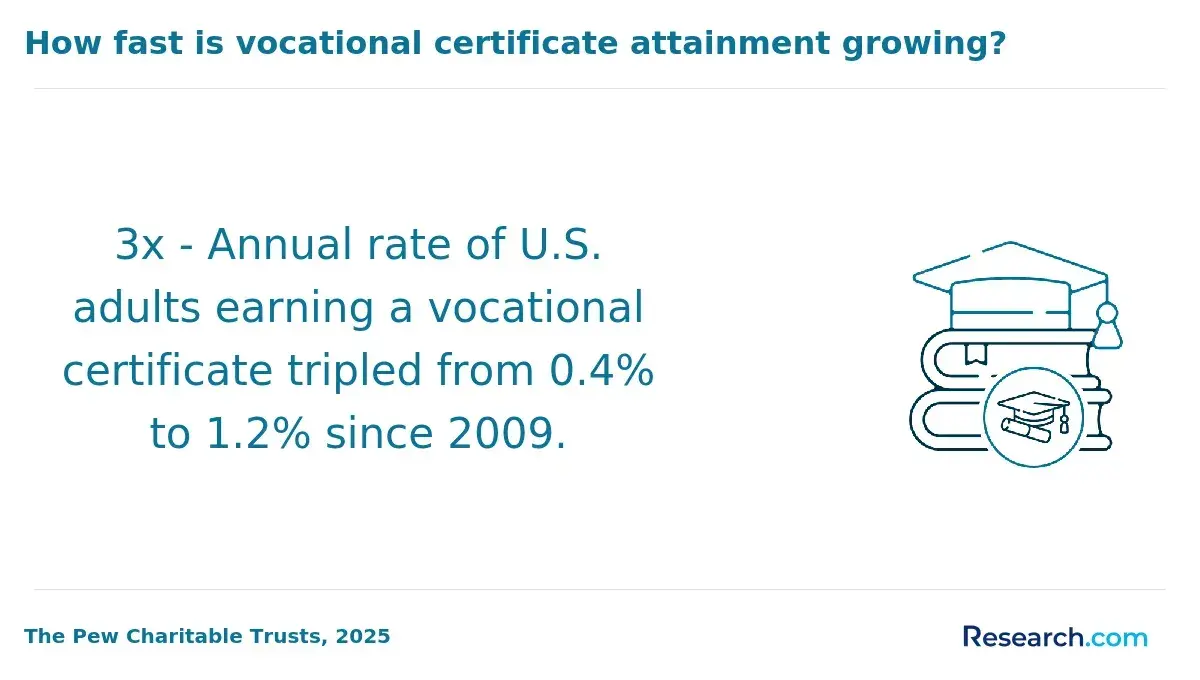
Program length depends on degree level, enrollment pace, transfer credits, prerequisites, and whether the school uses traditional semesters or shorter accelerated terms. A bachelor's degree commonly requires about 120 credits, while many master's degrees require roughly 30 to 36 credits. Part-time students often take longer, but that may be the better choice for working adults who need time to practice SQL and complete projects well.
Cost is more variable than duration because schools may charge by credit, term, or program; may price online students differently; and may add technology, platform, graduation, or lab fees. NCES data released through recent federal education datasets shows that average graduate tuition and required fees differ substantially by institution type, with public institutions generally lower than private nonprofit institutions. For students, the practical takeaway is to compare total program cost rather than tuition per credit alone.
The table below outlines the cost and timeline factors that most often change the final price of an online data science degree. It is designed to help you ask schools for comparable numbers before making an enrollment decision.
| Factor | How it affects timeline or cost | What to verify |
| Transfer credits | Can shorten a bachelor's program or reduce repeated coursework | Maximum transferable credits, minimum grade rules, and residency requirements |
| Prerequisite courses | Can add time before or during the program | Whether math, programming, or statistics prerequisites count toward the degree |
| Enrollment pace | Full-time study can shorten completion time; part-time study can improve work-school balance | Minimum and maximum course loads per term |
| Tuition model | Per-credit, flat-rate, and subscription models can produce different totals | Total estimated tuition for the full degree, not just one term |
| Technology and lab fees | May add recurring costs for online platforms, proctoring, or software | Required fees and whether database tools are included |
| Financial aid and employer support | Can reduce out-of-pocket cost but may come with eligibility rules | FAFSA eligibility, scholarships, assistantships, military benefits, and tuition reimbursement policies |
Students should avoid choosing the cheapest program automatically. A lower-cost degree may be a strong value if it is accredited, well supported, and project-based. It may be a poor value if it has weak technical coursework, limited instructor access, or no meaningful career support.
To estimate return on investment, compare total cost against your target role, current income, time to completion, and risk tolerance. A student already working in analytics may benefit quickly from a master's credential, while a beginner may need more time to build a portfolio and move into a first data role.
What data science and analytics careers rely most on SQL skills?
SQL is most important in roles that work directly with structured business, operational, financial, product, healthcare, or customer data. Even when a job title emphasizes machine learning or AI, professionals often use SQL to retrieve the data that feeds models and dashboards.
Some career paths require SQL every day, while others use it as one tool among many. The table below explains where SQL tends to matter most and how a data science degree supports each path:
| Career path | How SQL is used | Additional skills that matter |
| Data analyst | Extracts, joins, filters, and summarizes data for reports and business questions | Spreadsheets, dashboards, statistics, storytelling, and domain knowledge |
| Business intelligence analyst | Builds reporting tables, dashboards, metrics definitions, and recurring analyses | Visualization tools, stakeholder communication, data modeling, and documentation |
| Data scientist | Prepares structured datasets for modeling, experimentation, segmentation, and forecasting | Python or R, statistics, machine learning, experiment design, and communication |
| Analytics engineer | Transforms raw warehouse data into reliable datasets for analysts and decision-makers | Data modeling, version control, testing, documentation, and warehouse tools |
| Data engineer | Designs pipelines, databases, and storage systems that move and organize data | Programming, cloud platforms, orchestration, distributed systems, and security |
| Database administrator or architect | Designs, secures, optimizes, and maintains database environments | Database administration, performance tuning, backups, security, and systems knowledge |
Industry also affects how SQL is used. Finance teams may focus on risk, fraud, and transaction data. Healthcare analytics teams may focus on quality, utilization, and patient operations. Retail and product teams may analyze customer behavior. Technology firms may use SQL with product telemetry and experimentation data.
Students interested in emerging finance, digital assets, or Web3 analytics may also compare data science programs with a blockchain degree, especially if they want a curriculum that connects databases, cryptographic systems, financial technology, and transaction analysis. The better choice depends on whether the student wants broad data science flexibility or a more specialized fintech pathway.
What salary ranges can graduates with data science degrees and SQL expertise expect?
SQL expertise can support well-paid roles, but salaries depend on job title, region, industry, experience, degree level, technical portfolio, and whether the role includes advanced modeling, engineering, or leadership responsibilities. A degree can help qualify candidates, but it does not guarantee a specific wage.
The most reliable way to understand salary context is to compare target roles using federal labor data. The table below uses May 2024 BLS median annual wage figures for U.S. occupations closely related to data science and SQL-heavy work.
| Role or occupation category | May 2024 median annual wage | How SQL expertise affects competitiveness |
| Data scientists | $112,590 | SQL helps candidates prepare modeling datasets, validate source data, and communicate findings from structured systems |
| Database administrators and architects | $123,100 | Advanced SQL, database design, optimization, and security knowledge are central to the work |
| Operations research analysts | $91,290 | SQL supports data extraction and scenario analysis for logistics, staffing, pricing, and resource decisions |
| Market research analysts | $76,950 | SQL can improve access to customer, product, campaign, and survey-linked datasets |
| Computer and information research scientists | $140,910 | SQL may be one part of a broader research toolkit that includes algorithms, experimentation, and advanced computing |
These medians should be used as benchmarks, not promises. Entry-level data analysts may earn less than the median for data scientists, while experienced data engineers, database architects, or machine learning professionals in high-cost metro areas may earn more.
The strongest salary case usually comes from combining SQL with Python, statistics, cloud tools, visualization, and a portfolio that shows business impact.
Students should also consider opportunity cost. A full-time degree may reduce current earnings during study, while a part-time online program may preserve income but extend the timeline. The best financial choice depends on whether the program helps the student reach a realistic next role.
How is the job outlook for data professionals with advanced SQL and data science skills?
The U.S. job outlook for data professionals remains strong, especially for roles that combine technical analytics with business problem solving. BLS projects employment for data scientists to grow 34% from 2024 to 2034, much faster than the average for all occupations. For prospective students, that signals broad demand, but it also means competition may be strongest for roles that attract many applicants.
Advanced SQL remains relevant despite rapid AI adoption. AI tools can draft queries, summarize code, and speed up exploration, but employers still need professionals who understand data definitions, privacy constraints, join logic, data quality, and whether an output makes sense. Poor SQL can create misleading dashboards or flawed models, even when the final analysis uses advanced machine learning.
Current employer expectations increasingly favor hybrid skill sets. Candidates who can only write simple queries may struggle to stand out, while candidates who can connect SQL to analytics engineering, cloud data warehouses, visualization, experimentation, or machine learning are better positioned for growth-oriented roles.
Students should prepare for a market where job postings may ask for more than one tool. A practical skill stack often includes SQL, Python, statistics, a visualization platform, Git, and familiarity with at least one cloud or warehouse environment. Soft skills also matter because data professionals often translate messy questions into measurable definitions.
A common mistake is assuming AI will make database skills optional. In reality, AI may raise expectations. If routine query writing becomes easier, employers may place more value on people who can design trustworthy data models, detect flawed assumptions, control access, and explain results to nontechnical decision makers.
How can students evaluate and choose reputable online data science programs for SQL?
Students should evaluate online data science programs the way employers evaluate candidates: by looking for evidence. A reputable program should be accredited, transparent about cost, clear about curriculum, realistic about outcomes, and specific about the technical tools students will use.
Start with accreditation and institutional credibility, then move into curriculum details. Regional or institutional accreditation is especially important for degree programs because it can affect financial aid, credit transfer, graduate school admission, and employer acceptance.
Programmatic accreditation is less common in data science than in fields such as nursing or engineering, so students should not reject a program solely because it lacks a data science-specific accreditor.
Use the following steps to compare programs before applying. They are designed to uncover whether SQL is deeply integrated or only lightly mentioned.
- Confirm the institution's accreditation through recognized federal or accreditor databases, not only the school's marketing pages.
- Request or review syllabi for database, data management, analytics, and capstone courses to see where SQL is taught and assessed.
- Ask whether students use real database environments, cloud warehouses, or only simplified browser exercises.
- Check whether SQL projects produce portfolio artifacts that can be discussed in interviews without violating data privacy rules.
- Compare total program cost, fees, transfer credit policies, and financial aid options before focusing on rankings.
- Ask whether online students receive the same tutoring, library access, career advising, employer events, and alumni support as campus students.
- Review graduate outcomes carefully, including how the school defines placement, which roles are included, and whether outcomes apply specifically to online students.
Red flags include vague course descriptions, no required database coursework, unclear faculty access, unusually aggressive admissions pressure, unrealistic salary claims, and refusal to provide total cost estimates. Students should also be cautious when a program teaches trendy tools but does not cover durable fundamentals such as relational data modeling, statistics, and data ethics.
It is also important to choose the right kind of credential for the career goal. If a student's primary interest is healthcare administration rather than analytics, researching accredited medical billing and coding schools online may be more relevant than a full data science degree. If the goal is analytics, however, the better program is usually the one that combines SQL depth with statistics, programming, visualization, and applied projects.
The best final choice is the program that fits your target role, budget, schedule, starting skill level, and preferred learning format. A prestigious program that is too expensive or too theoretical may be less useful than a well-supported, accredited program with strong SQL labs and career-aligned projects.
Other Things You Should Know About Data Science
Yes, if you have time. Learning basic SELECT statements, joins, grouping, and filtering before enrollment can make early coursework easier and help you focus on data reasoning instead of syntax.
Online data science degrees in 2027 typically offer a balanced curriculum, incorporating both SQL and Python as essential tools. SQL is crucial for database management and querying, while Python is widely used for data analysis and machine learning. Programs often provide comprehensive training in both to ensure students are well-rounded in their skill sets.
Many 2027 online data science degrees require a capstone in the final term, and SQL is often used to query, clean, and analyze project data. Programs commonly ask for a 3-credit capstone or thesis, plus documented code, a written report, and a presentation.
A bootcamp may be enough for targeted upskilling or some entry-level analytics goals, but a degree may be better for students who need a broader academic foundation, financial aid eligibility, or long-term credential value.
References
- Data Science Courses & Tutorials | Codecademy https://www.codecademy.com/catalog/subject/data-science
- Data Science Course Syllabus & Subjects [Updated 2025] - GeeksforGeeks https://www.geeksforgeeks.org/data-science/data-science-course-syllabus-subjects/
- What is Data Science? Complete Guide to Learn Data Science | Walbrook https://www.walbrook.ac.uk/subjects/data-science/data-science-degree-study-guide/
- SQL For Data Science Free Course Online (2026) - Great Learning https://www.mygreatlearning.com/academy/learn-for-free/courses/sql-for-data-science
- Best Online Data Science Masters Programs (2026 Guide) https://skillifysolutions.com/blogs/data-science/best-online-data-science-masters/
- Top 6 Universities Offering a Fully Online MSc in Data Science - Toolshero https://www.toolshero.com/featured-posts/top-6-universities-data-science/
- Data Science Course vs. University – Which path is better in 2026? https://www.wbscodingschool.com/blog/data-science-course-vs-university/
- Top Core Subjects You’ll Study in a Data Science Course (2026 Guide) https://amityonline.com/blog/core-subjects-in-data-science-course
- Top 7 Online Data Science Courses — 2025 Guide & Reviews https://www.learndatasci.com/best-data-science-online-courses/
- The Future of Data Science: Job Market Trends 2025 – 365 Data Science https://365datascience.com/career-advice/the-future-of-data-science/