2027 Online Biology Degrees With Anatomy and Physiology Coursework

Co-Founder and Chief Data Scientist
Professionals seeking to specialize in anatomy and physiology often confront scheduling conflicts that hinder enrollment in traditional biology degree programs, especially when balancing employment or caregiving responsibilities. The U. S. Department of Education reports that online enrollment in undergraduate science programs increased by 27% from 2022 to 2024, reflecting growing demand for flexible education models among adult learners.
This shift challenges prospective students to assess the rigor and comprehensiveness of online offerings, ensuring they meet industry standards and support career progression. This article examines online biology degrees featuring anatomy and physiology coursework, offering guidance to optimize educational investment for workforce readiness and advancement.
Key Things You Should Know
- Only 42% of accredited online biology degrees include lab-intensive anatomy and physiology, limiting hands-on skill acquisition critical for clinical roles, forcing students to consider costly or time-consuming hybrid options.
- Employers in biomedical and healthcare sectors increasingly prioritize graduates with verified anatomy coursework completion-LinkedIn labor data shows 27% higher job placement rates for such candidates within 12 months post-graduation.
- Programs with integrated anatomy and physiology often extend degree duration by 1-2 semesters due to prerequisite sequencing; students face a reported 15-20% tuition premium, disproportionately impacting nontraditional and working learners.
What is an online biology degree with anatomy and physiology coursework?
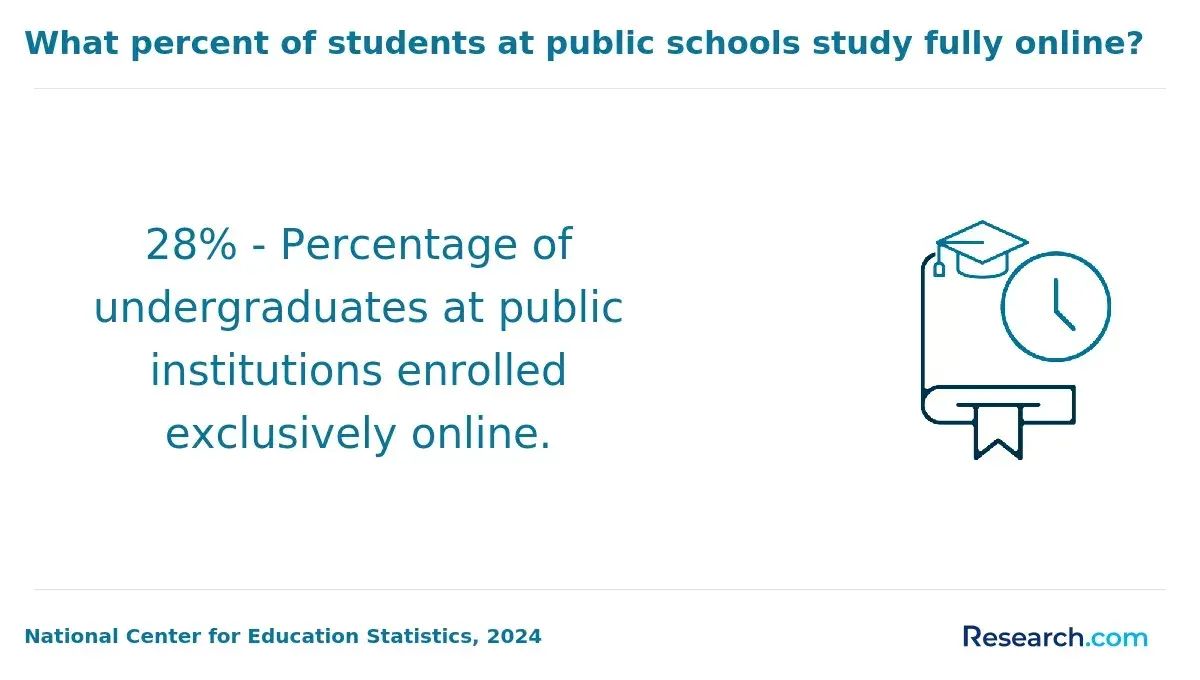
An online biology degree with anatomy and physiology coursework presents a nuanced challenge: while it offers theoretical grounding accessible through digital platforms, essential hands-on lab skills remain difficult to replicate remotely. Nearly half of undergraduate biology labs at public institutions incorporate online or hybrid elements, but this model risks insufficient manual training necessary for roles requiring direct clinical or research proficiency.
For working professionals or career changers targeting healthcare, biomedical research, or education roles, verifying that a chosen program includes hybrid residencies or partnerships facilitating in-person labs is critical.
Many certification boards and employers expect demonstrable competency from supervised, face-to-face laboratory practice, not just virtual simulations. Without such validation, online degrees risk limiting employability in fields dependent on anatomical and physiological expertise.
Students balancing work and study also face logistical hurdles in coordinating on-site lab sessions alongside remote learning, demanding strong time management and technological adaptability. Transparency about lab format and credential acceptance is vital to avoid investing in online biology degree programs with anatomy and physiology coursework that lack marketplace value. Those interested in how biology degrees align with career options might find practical insights by exploring bioinformatics major jobs, which illustrate real workforce pathways linked to biology education variants.
Are online biology degrees with anatomy and physiology respected and accredited?
Online biology degrees with anatomy and physiology accreditation are validated only when issued by regionally accredited institutions recognized by the U.S. Department of Education or the Council for Higher Education Accreditation. This distinction matters because employers and graduate programs scrutinize accreditation before accepting credentials, particularly in healthcare and research roles.
Without regional accreditation and verifiable practical components, such as lab work or clinical placements, candidates risk exclusion from licensure paths and competitive job markets. For positions requiring hands-on skills-like clinical laboratory technician or physical therapy aide-the integration of in-person or locally supervised labs is non-negotiable.
Fully remote programs lacking this validation limit graduates' employability in regulated healthcare fields. Between fall 2019 and fall 2024, online bachelor's enrollments in biological and biomedical sciences surged 64%, reflecting increased acceptance but also increased competition among graduates who must differentiate their credentials by program rigor and experiential learning.
Students should consider how their chosen online biology programs address anatomy coursework and training in practical settings to avoid credential credibility issues impacting long-term employment or certification. Confirming these factors aligns a degree with real-world expectations and reduces risk of employers dismissing qualifications during screening. Academic pathways should be assessed alongside alternatives such as computer science degrees online, which may offer differing but relevant career trajectories.
How do online biology programs compare to campus-based options for anatomy and physiology?
Online biology degrees with anatomy and physiology coursework can effectively deliver theoretical knowledge, but they often fall short in providing the essential hands-on lab experience that campus-based programs integrate by default. This difference directly impacts skill acquisition necessary for roles demanding meticulous physical interaction, such as biomedical research or clinical lab work.
Practical lab proficiency is frequently a decisive factor for hiring managers who value verified, supervised experience usually available through hybrid or in-person modalities. Comparing campus versus online biology programs anatomy and physiology shows a critical tradeoff: online options offer flexibility convenient for working adults and remote learners, yet they require supplementing with local internships or hybrid modules to match the employability value of campus-based training.
In contrast, campus programs embed labs systematically, facilitating direct skill application but with increased costs and less scheduling freedom. Biological technicians engaged in anatomy-heavy functions earn median salaries around $55,120 annually, with top earners exceeding $71,000-figures that underscore the market premium on hands-on capability.
Thus, a strategic approach for students pursuing an online path includes verifying access to supervised lab hours to improve career prospects significantly. For deeper insight into related program options suited for flexible learners, consider online exercise science programs that blend practical and theoretical components while maintaining accessibility.
What anatomy and physiology courses are typically included in online biology degrees?
Employers in healthcare and biomedical research increasingly expect graduates from online biology degrees with anatomy and physiology coursework to possess applied, practical skills rather than solely theoretical knowledge. Typical coursework for online biology degrees with anatomy and physiology includes foundational classes like Human Anatomy, Human Physiology, and combined Anatomy and Physiology I and II.
These courses focus on major organ systems and cellular structures, supported by virtual labs or at-home experiments to bridge the gap created by remote learning environments. Electives such as Neuroanatomy, Pathophysiology, and Comparative Anatomy deepen understanding essential for specialized roles but often require balancing flexible course sequencing with rigorous assessment standards aligned with on-campus programs.
For working adults, this structure demands disciplined time management without sacrificing the depth of content needed for competent practice. Cost is a critical factor: affordable online biology bachelor's programs average $200-$350 per credit, with total expenses ranging widely-from approximately $22,475 for in-state learners to over $53,700 for nonresidents-affecting long-term return on investment, especially when additional certification is required for competitive healthcare roles.
Graduates must demonstrate the ability to interpret diagnostic images or understand pharmacological effects on organ systems to meet employer expectations. Budgeting for supplemental resources like tutoring or lab kits is necessary, as not all affordable options include these essentials.
Prospective students evaluating educational pathways with anatomy and physiology courses in online biology degrees should consider both practical skills development and financial planning to avoid gaps in competency and career progression. For professionals exploring other affordable graduate options, the library science masters programs present a parallel model of cost-conscious online education with focused skill-building.
What are the admission requirements for online biology degrees focused on anatomy and physiology?
Admission criteria for online biology degrees emphasizing anatomy and physiology represent a pragmatic balance between academic readiness and practical lab competence. A baseline GPA of 2.5 to 3.0 is common, aiming to meet employer standards and graduate program rigor.
Beyond transcripts confirming biology, chemistry, and algebra coursework, applicants confront varied expectations around standardized exams, with some institutions increasingly waiving SAT/ACT scores. The shift toward virtual or at-home lab kits-utilized by 73% of U.S. accredited online programs offering anatomy and physiology labs-reflects an operational challenge for candidates lacking hands-on laboratory experience.
For example, a working adult returning to study must quickly adapt to simulated dissections and physiological measurements digitally, a tradeoff that affects learning curves and program completion. Admission processes frequently incorporate motivational statements or interviews to assess genuine commitment to navigating complex life sciences content.
Working professionals pivoting careers might also encounter technical assessments designed to ensure capacity for scientific data interpretation and methodical analysis. Successful candidates typically secure reliable technology and appropriate workspace to accommodate lab kits, balancing these demands with work or personal responsibilities. Prospective students should evaluate the availability of technical support and flexible scheduling since these factors directly influence persistence and job readiness post-graduation.
How long do online biology programs with anatomy and physiology usually take to complete?
Online biology programs with anatomy and physiology components typically require two to four years, yet actual timelines depend heavily on practical constraints and student context. For example, an associate degree often takes two years, while a bachelor's requires approximately four.
However, working professionals balancing part-time study with employment may extend their timelines to five years or more, emphasizing a tradeoff between income stability and accelerated completion. Employer and graduate program expectations align closely with these conventional durations.
Notably, by 2024, 31% of first-year U.S. medical students had completed at least one prerequisite online, nearly doubling the percentage from 2019. This shift signals growing acceptance but also underscores the importance of coursework quality and synchronous lab requirements, which can complicate scheduling.
Practical demands, such as local attendance for labs or clinical sessions, frequently introduce delays. Scheduling conflicts, travel time, and balancing clinical placements with work or family obligations impact completion rates and readiness for workforce entry.
How much do online biology degrees with anatomy and physiology cost, and what aid is available?
The cost of online biology degrees with anatomy and physiology courses varies widely, often between $15,000 and $40,000 for a bachelor's degree. Public institutions and community colleges typically offer more affordable tuition-usually $15,000 to $25,000 for in-state students-while private colleges tend toward the higher end of that range.
Students should anticipate additional expenses beyond tuition, including mandatory lab kits or infrequent on-site lab sessions that may add $500 to $2,000, affecting overall affordability. Financial aid is a significant factor influencing net costs. Federal Pell Grants and Direct Loans are standard options, but institutional scholarships and work-study programs also affect affordability.
Employer tuition assistance programs present meaningful opportunities for working adults shifting into biology fields that demand strong anatomy and physiology knowledge, though these programs remain underutilized. Choosing an online format does more than reduce some costs; it can improve employment outcomes.
The 2024 WICHE study revealed biology majors completing at least 50% of credits online were 19% more likely to secure full-time STEM roles within six months post-graduation compared to fully on-campus peers, even when accounting for GPA and institution type. This statistic underscores an important tradeoff: while online formats offer flexibility and potential cost savings, students must verify total out-of-pocket expenses and program requirements for lab competencies to meet employer standards effectively.
What careers can you pursue with a biology degree emphasizing anatomy and physiology?
A biology degree focused on anatomy and physiology offers practical preparation primarily for roles demanding applied knowledge of human body systems. Graduates often enter fields like clinical laboratory technology, where detailed tissue and function expertise informs diagnostic accuracy, or radiologic technology, which pairs anatomy with imaging interpretation to support medical decisions.
Such degrees also serve as foundational knowledge for pharmaceutical sales and medical device consulting, where explaining complex biological mechanisms to healthcare providers requires more than general science literacy. Employer hiring patterns demonstrate a clear preference for candidates with verified lab competence rather than simply theoretical coursework.
For example, the Society for Human Resource Management surveyed 600 hiring managers and found 84% showed no bias between regionally accredited online versus campus degrees if hands-on labs were completed, placing measurable lab experience at the center of employability. Other career paths extend to physical therapy assistance, forensic science, and research science roles where interpreting experimental physiological data hinges on practical lab exposure.
However, certification or graduate-level study is often necessary beyond the degree to access higher-responsibility jobs such as physician assistant or occupational therapist. Students should critically evaluate programs to ensure meaningful lab components are included, since employers may regard degrees lacking this as insufficient preparation. Aligning educational choices with accreditation standards and field expectations reduces obstacles during job search and licensure processes in healthcare and related sectors.
What salary ranges and job outlook can graduates in anatomy and physiology-related roles expect?
Salaries for graduates with anatomy and physiology credentials vary significantly based on role, industry, and geography, ranging from median annual wages of approximately $45,000 for entry-level anatomical technologists or clinical laboratory technicians to between $95,000 and $115,000 for physician assistants applying this knowledge. The rapid expansion of ACE-recommended online anatomy and physiology courses-up 41% since 2020-has made college-credit options more accessible for remote learners aiming to pivot or upskill in biotech and healthcare support fields.
This access, however, carries implicit employer demands for hands-on experience. Online course completers without supplemental clinical hours or internships often find their opportunities limited.
Roles such as physical therapy assistants or medical imaging specialists require verified practicum experience beyond academic theory, impacting employability and initial salary growth. In contrast, positions in health informatics or pharmaceutical sales tend to prioritize coursework as foundational, enabling quicker entry with moderate salary gains but often capped advancement without additional credentials.
How can students choose a reputable online biology program with strong anatomy and physiology training?
Accreditation by recognized agencies such as the Southern Association of Colleges and Schools Commission on Colleges (SACSCOC) is critical when evaluating anatomy and physiology programs, as it ensures curricula meet employer and industry expectations. Particularly, lab components-whether virtual simulations or on-campus practicums-significantly affect skill acquisition and hiring competitiveness in clinical and research settings.
Analyzing program outcome data like graduation rates, licensure pass rates, and employment figures is essential. Candidates should prioritize programs demonstrating clear links to healthcare and biomedical research sectors, where anatomy and physiology expertise directly translates to higher employability and salary advantages.
Interdisciplinary programs combining anatomy and physiology with fields such as bioinformatics or health sciences align with employer demands for versatile professionals. For example, biotechnology companies increasingly seek individuals who can manage physiology concepts alongside data analytics.
Financial returns must be assessed through tuition costs balanced against medium- and long-term earning potential. Research from the Georgetown University Center on Education and the Workforce shows biology degrees emphasizing anatomy and physiology yield a median 10-year net benefit around $197,000 and deliver 20-28% higher lifetime earnings compared to non-STEM fields.
Flexibility in delivery-like asynchronous coursework or part-time enrollment-is vital for students juggling work or caregiving, though these options must preserve essential hands-on training. Failure to maintain this balance can extend degree completion times and reduce immediate readiness for demanding work environments.
Other Things You Should Know About Biology
Online biology degrees that include anatomy and physiology provide solid theoretical knowledge but often lack the direct, supervised lab or clinical experience required for hands-on careers such as medical technology or physical therapy. Prospective students targeting these fields should ensure programs offer hybrid models or affiliated in-person practicum opportunities. Without sufficient practical training components, graduates may struggle to meet certification or licensing requirements critical to employment in these applied roles.
The workload in online biology degrees with anatomy and physiology coursework tends to be equally demanding but structured differently, emphasizing independent study and frequent virtual assessments. Students must be disciplined to manage time effectively, as lab components may require separate scheduling or remote virtual labs that are less hands-on. This format can challenge those requiring more direct mentorship or collaborative lab work, potentially impacting mastery of complex concepts linked to anatomy and physiology.
Yes, prioritizing accredited programs that maintain verified lab partnerships or clinical affiliations is essential for ensuring that anatomy and physiology training meets professional standards. Employers and certification bodies often require proof of hands-on competency that strictly online-only courses cannot provide. Choosing programs with recognized external lab components strengthens graduate readiness, supports licensure eligibility, and enhances long-term career prospects in biology-related healthcare and science fields.
References
- Careers in Biology https://www.aibs.org/careers/
- Online Biology Course: Complete Guide to Flexible Science Education [2025] - Prereqcourses https://www.prereqcourses.com/online-biology-course/
- Health Science Anatomy & Physiology https://ibclc-commission.org/step-1-prepare-for-ibclc-certification/health-sciences-education-2/health-sciences-summary/health-science-anatomy-physiology/
- Certificate of Human Anatomy and Physiology – Online Course https://australianonlinecourses.com.au/courses/certificate-of-human-biology-anatomy-and-physiology/
- Associate of Science in Biology https://www.salemu.edu/degrees/associate-biology
- Anatomy And Physiology Jobs (with Salaries) - SEEK https://au.seek.com/anatomy-and-physiology-jobs
- Anatomy And Physiology I https://online.une.edu/science-prerequisites/anatomy-and-physiology-i/
- Discover Pre-College Online Biology and A&P Courses to Take in High School https://precollegeprograms.org/pre-med-resources/discover-pre-college-online-biology-and-ap-courses-to-take-in-high-school
- Available Anatomy + Physiology Online Courses https://mayvillestate.edu/msu-online/programs/online-science-lab-classes/anatomy-and-physiology-classes/
- Biomedical Science vs Human Biology: Complete Degree Comparison Guide 2026 https://pathologylabtraining.co.uk/biomedical-sciences/biomedical-science-vs-human-biology