2027 The University of Arizona Global Campus Online Degree Costs Compared: Which Programs Are Most Affordable?

Co-Founder and Chief Data Scientist
Navigating the varying tuition rates and hidden fees of online degree programs can overwhelm prospective students. A learner considering The University of Arizona Global Campus must unpack complex cost structures that include digital fees and financial aid impacts. This challenge is common as national trends show online program pricing differs significantly, with average net prices often obscured by assorted institutional surcharges. The Federal Reserve highlights that graduates from more affordable online programs tend to carry less debt relative to earnings, emphasizing the importance of cost-efficiency in distance education choices.
This article analyzes tuition and fee data across The University of Arizona Global Campus online degrees. It clarifies which programs offer the greatest affordability and value. Readers will gain insight into practical pricing comparisons that support informed decisions aligned with both budgets and career outcomes.
Key Points About The University of Arizona Global Campus Online Degree Costs and Affordability
- The University of Arizona Global Campus charges distance education tuition per credit hour, with business and healthcare programs costing more than liberal arts, impacting discipline-based affordability and total program expenses.
- Total tuition averages $37,387, while the cost of attendance is around $30,866, suggesting significant financial aid, fee variations, or residency-related adjustments affect the net price students pay.
- Books and supplies add roughly $1,150, an often-overlooked cost that increases overall investment; prospective students should factor this into budget planning alongside tuition and program-specific fees.
How Much Does an Online Degree Cost at The University of Arizona Global Campus?
The University of Arizona Global Campus charges a uniform tuition rate regardless of residency, simplifying budgeting but eliminating in-state discounts available at many public universities. Tuition averages $410 per credit hour for undergraduates and $600 for graduate programs, with minimal additional fees. This pricing places it below many private nonprofit online providers, which often have higher per-credit costs and more variable fee structures.
For example, a working adult seeking a business bachelor's degree might value The University of Arizona Global Campus for its asynchronous courses and straightforward tuition, especially when transfer credits reduce required coursework. This flexibility lessens indirect costs like lost wages or commuting. However, the steady tuition inflation of around 3.2% annually for online programs nationwide raises the stakes for timely completion to avoid escalating costs.
When assessing value, the university's accreditation and career-relevant curriculum justify the price for students prioritizing flexible access. Yet, compared to public alternatives offering potential in-state tuition breaks or more comprehensive financial aid packages, the overall return depends on the learner's ability to leverage institutional support and complete efficiently. Cost-conscious students should weigh total degree expenses against available aid and career benefits to judge investment sustainability.
Which Online Degree Programs at The University of Arizona Global Campus Are the Most Affordable?
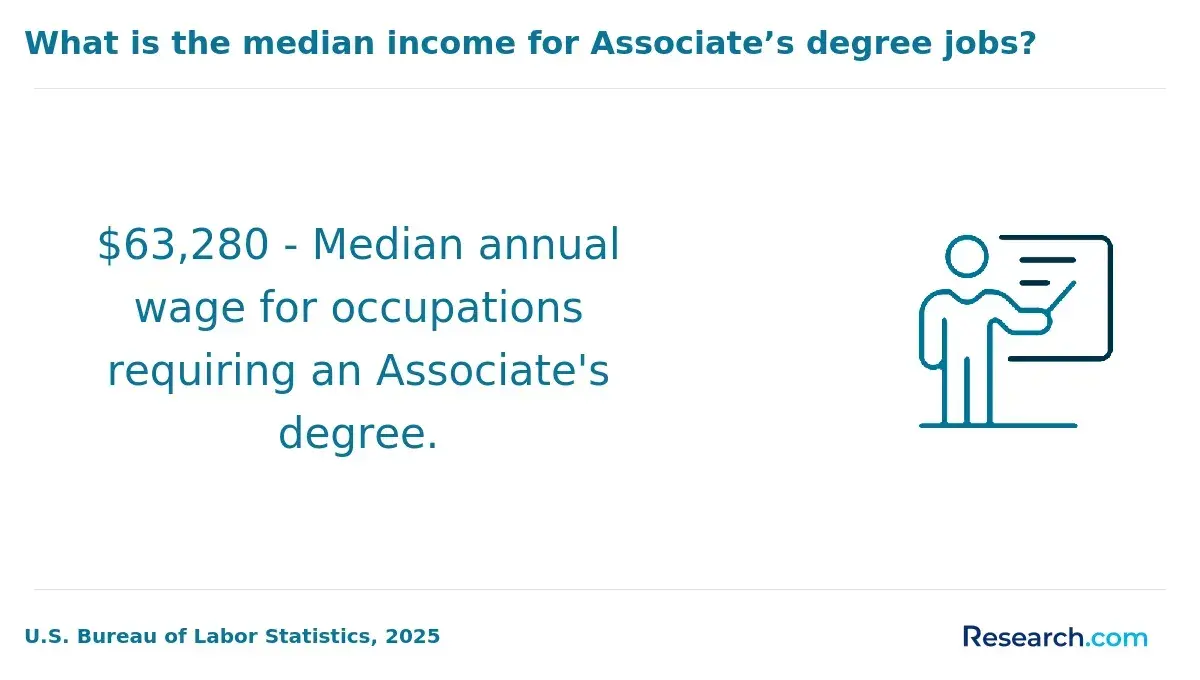
The most affordable online degree programs at The University of Arizona Global Campus are associate degrees in business administration and healthcare. These programs cost roughly $370 per credit, significantly lower than bachelor's rates exceeding $450 per credit. Given the 60-credit requirement, total tuition expenses remain considerably less than bachelor's degrees demanding nearly double the credits.
Consider a student aiming to enter the workforce quickly with minimal debt. Choosing an associate degree here can reduce upfront tuition by thousands compared to a bachelor's. Institutional discounts and specific financial aid for these lower-division programs further lower the overall cost, making these options viable for budget-conscious learners focused on return on investment and time to employment.
Conversely, high-demand digital fields such as information technology command higher tuition rates nearer to $520 per credit, reflecting industry demand and curriculum rigor. A UPCEA report highlights this median, framing The University of Arizona Global Campus's IT pricing as moderate. Students balancing employability and cost might prefer foundational associate programs before pursuing higher-level technology degrees.
Ultimately, affordability judgments must weigh tuition against educational quality, support services, and career relevance. Lower upfront costs do not guarantee the best long-term value if program flexibility or employer recognition is limited. For many, the associate degrees offer practical, cost-effective pathways tailored to specific career goals without incurring the heavier debt burden of bachelor's programs.
How Do Online Bachelor's, Master's, and Doctoral Program Costs Compare at The University of Arizona Global Campus?
The University of Arizona Global Campus sets distinct tuition rates for online bachelor's, master's, and doctoral degrees, reflecting their varying program demands and outcomes. Bachelor's programs offer the most affordable per-credit rates, generally between $350 and $370. This makes them accessible to learners seeking foundational qualifications or career shifts without incurring high upfront expenses. Master's programs carry a higher per-credit cost, close to $425, matching their advanced curriculum. Doctoral programs command the steepest per-credit rates, above $500, partly due to additional professional fees for residencies and comprehensive exams.
Despite bachelor's programs having lower per-credit tuition, their total cost can grow due to credit hour requirements often exceeding 120. In contrast, master's degrees typically require only 30 to 40 credits, making them a practical investment for many students balancing cost and credential value. Doctoral candidates face higher overall tuition plus extra fees tied to dissertation work and specialized assessments. Importantly, The University of Arizona Global Campus applies uniform tuition regardless of student location, unlike institutions with differential in-state or out-of-state pricing.
A 2024 analysis of IPEDS data reveals that graduate-level online programs nationally carry a 20%-30% price premium compared to undergraduate online programs. This trend aligns with The University of Arizona Global Campus's pricing structure and highlights the broader market recognition of graduate degrees' greater career impact and employer expectations. Prospective students should focus on how these tuition differences play into their long-term professional and financial goals, beyond just sticker price.
For those weighing options among affordable online degree programs at The University of Arizona Global Campus, here are key tuition and cost factors to consider:
- Bachelor's Program Tuition: With the lowest per-credit rates, bachelor's degrees offer initial affordability but require more credits overall, increasing total cost for those seeking broad foundational skills.
- Master's Program Credit Cost: Higher per-credit fees reflect specialized content, yet fewer required credits make masters degrees cost-effective for targeted career advancement in fields demanding credentials.
- Doctoral Program Fees: Doctoral students encounter both high per-credit rates and additional mandatory professional fees, which raise the total financial commitment significantly.
- Uniform Tuition Rates: The consistent per-credit pricing across student locations at The University of Arizona Global Campus simplifies budgeting but contrasts with other schools that adjust pricing by residency.
- Program Length Impact: The length of study-measured in total credits-directly affects overall costs, meaning that longer bachelor's programs may surpass shorter graduate degrees in total expenses despite lower tuition rates.
For students evaluating online program options, understanding these cost components in relation to career goals is essential. Choosing a pathway aligned with market demand and potential earnings uplift, such as those highlighted in the best majors for the future, ensures that tuition dollars translate into meaningful long-term value.
What Is the Cost Per Credit Hour for Online Programs at The University of Arizona Global Campus?
The cost per credit hour at The University of Arizona Global Campus plays a decisive role in affordability for prospective online learners, especially when comparing programs. The university charges a uniform fee for residents and non-residents, unlike many institutions that increase costs for out-of-state students. This consistency offers predictable budgeting but positions tuition slightly above the national average online undergraduate rate, reported near $355 per credit hour by the CHLOE report of 2024. Students must consider not just tuition but additional fees and enrollment intensity to fully grasp typical student costs to attend The University of Arizona Global Campus online. Below are key cost factors across different categories to explain how tuition and fees accumulate depending on program type and student status.
- Undergraduate Online Tuition: Tuition is approximately $372 per credit hour. Mandatory fees of $15 to $25 per credit raise the effective cost but keeping fees modest supports affordability, especially for part-time students who do not face a tuition premium.
- Graduate-Level Online Courses: These courses cost near $400 per credit hour, reflecting advanced instruction and credentials. Students aiming for specialized fields might justify this upfront expense, though it impacts total program cost significantly.
- Business and General Education Programs: These undergraduate degrees often have the lowest per-credit costs, making them economical choices for students focused on foundational skills and seeking a accelerated online bachelor's degree.
- Residency Status Impact: Tuition does not vary between in-state and out-of-state students, eliminating common geographic cost disparities and simplifying financial planning across regions.
- Tuition Cap Per Term: Heavier course loads benefit from a term-based tuition cap, preventing excessive charges for students taking multiple credits and incentivizing steady progress without escalating costs.
Part-time and full-time enrollment pay the same per-credit rate, which helps flexible schedules but can require students to balance affordability against course load. The university has not adopted competency-based education pricing models that adjust cost according to skills demonstrated, remaining steady per credit. Understanding these dynamics is critical to evaluating the average net price for The University of Arizona Global Campus students and determining the best programs matching both financial and career goals.
What Additional Fees and Expenses Should Online Students Expect at The University of Arizona Global Campus?
Online degree affordability at The University of Arizona Global Campus extends well beyond tuition figures. Many students underestimate how mandatory fees and material costs reshape the practical financial commitment required. For instance, a student budgeting tuition alone might assume a certain total, only to find that ancillary charges like technology fees and proctored exam costs push the actual out-of-pocket expenses significantly higher. This reality matters most when comparing programs with similar tuition but differing fee structures, as these supplemental costs can alter which option represents true economic value. Below is an outline of the main additional fees and expenses that students must consider when calculating their total investment.
- Books and Supplies: Beyond tuition, students should expect roughly $1,150 in expenses for textbooks and course materials. Digital textbooks, particularly proprietary content, may drive costs higher due to a 12% inflation increase in digital course materials reported by the National Digital Learning Consortium. Choosing alternatives or sharing resources can sometimes mitigate these expenses.
- Technology Fee: This fee supports essential online learning infrastructure, including technical support and digital platforms. It tends to be consistent but varies slightly by program. While unavoidable, understanding when and how often it applies helps students plan financially.
- Administrative Fees: Charged to cover online program management and system upkeep, these fees are among the lowest compared to others but consistently apply each term. They are generally fixed and non-negotiable.
- Proctored Exam Fees: Students must budget for exam supervision costs that range from $50 to $100 per test. Multiple exams per course can accumulate quickly. Some programs or scholarship options might waive these fees, but confirmation is necessary before enrollment.
- Graduation and Capstone Project Fees: These are often the largest single non-tuition charges outside of coursework, applied near program completion. Planning ahead is critical, as these cannot be avoided and must be settled before degree conferral.
Does The University of Arizona Global Campus Offer Financial Aid, Scholarships, and Tuition Discounts for Online Students?
The University of Arizona Global Campus provides meaningful financial aid options for online students, including FAFSA-based federal grants, institutional scholarships, and military or employer tuition discounts. Online learners typically access the same aid programs as on-campus students, although award amounts depend on enrollment status and residency. These aid sources help mitigate what can otherwise be substantial tuition bills.
For instance, a working adult leveraging employer tuition reimbursement alongside Pell Grants might offset most tuition costs, converting a $5,744 average aid amount into significant savings. Conversely, part-time students or those without employer support may see less reduction, making upfront cost analysis critical. Institutional scholarships add another layer, but often require maintaining specific academic progress and timely FAFSA submission.
A 2024 study from the National Center for Education Statistics shows rising Pell Grant use among distance learners, signaling federal efforts to improve affordability for lower-income students. This trend increases the potential for eligible online students at The University of Arizona Global Campus to reduce net out-of-pocket expenses through a diverse aid mix, balancing realistic funding expectations with personal and professional obligations.
Prospective students should verify aid eligibility, adhere to FAFSA deadlines, and understand renewal criteria. Checking total net price calculations before enrollment is essential to avoid unexpected financial burdens and to align education costs with personal budgeting constraints.
One graduate shared, "I almost dropped out because the software licensing fee wasn't in the brochure, and tuition felt overwhelming until my employer's tuition benefit kicked in. Combining that with a Pell Grant and the school's scholarship made continuing feasible. I kept close tabs on deadlines and academic requirements to keep the aid flowing."
Do In-State and Out-of-State Students Pay Different Online Tuition Rates at The University of Arizona Global Campus?
The University of Arizona Global Campus charges a flat online tuition rate of $37,387 for all degree programs. This means there is no pricing difference between in-state and out-of-state online students, unlike many institutions where nonresidents pay higher fees. This consistent residency-neutral pricing simplifies budgeting and contrasts with public or private universities that often apply variable rates based on location.
This uniform tuition benefits military personnel, transfer students, and working adults who seek predictable expenses regardless of their residence. The lack of residency-based premiums can make The University of Arizona Global Campus more affordable compared to schools with differential online tuition. However, students should consider additional factors like transfer credits, tuition discounts, and the broad availability of financial aid, received by 100% of students, which can substantially lower the effective cost.
Studies show that residency-neutral tuition policies have gained traction nationally, supported by frameworks such as the State Authorization Reciprocity Agreement (SARA). According to a recent analysis from the National Center for Education Statistics, the gap in online tuition between in-state and out-of-state students has shrunk by over 15%, reflecting the shift toward equitable pricing across online education markets.
Students comparing in-state versus out-of-state online tuition at The University of Arizona Global Campus should verify residency requirements, hidden fees, and aid eligibility carefully. Factoring in total program cost and outcomes alongside cost predictability is essential. For those considering an associates degree, these considerations become critical to making informed enrollment decisions.
How Does The University of Arizona Global Campus Compare to Other Universities for Online Degree Affordability?
Comparing The University of Arizona Global Campus to other online degree providers reveals a nuanced picture of affordability and value that hinges on financial aid access, tuition structure, and career relevance. UAGC stands out by delivering consistent net costs to working adults and military students due to its comprehensive financial aid coverage, which contrasts with public universities that charge distinct in-state and out-of-state tuition rates. This model appeals especially to prospective students juggling employment and family obligations who require clear cost predictability. The typical online tuition nationally is about 15% higher than in-person public options, according to a 2024 study by the National Center for Education Statistics, underscoring the importance of evaluating financial aid and institutional support rather than just sticker prices when assessing value. Below are key factors reflecting UAGC's relative online degree affordability and practical outcomes.
- Financial Aid Penetration: Nearly all students receive some aid, softening the upfront sticker price. This extensive coverage helps normalize costs against less generous institutions, improving net affordability and reducing potential debt stress.
- Flat Tuition Model: UAGC avoids in-state/out-of-state distinctions common in public universities, which simplifies budgeting for students relocating or serving in the military. However, this can mean pricing slightly above local public rates for some students.
- Flexible Credit Loads: Students can adjust course intensity each term, spreading expenses over time and aligning payments with personal cash flow. The variability requires individual diligence to avoid prolonging total program duration and costs.
- Target Student Population: The focus on adult learners, veterans, and transfer students who benefit from discounts or grants creates a competitive niche. This specialization contrasts with some nonprofit private colleges that offer less targeted aid for these groups.
- Program Relevance and Career Pathways: Affordability gains are less valuable if programs lack employer recognition or job alignment. UAGC programs vary, so students must weigh total cost against likelihood of improved employment prospects and salary gains.
- Institutional Fee Structures: Additional fees can push overall costs above competitors who bundle fees into tuition. Transparency about these fees is critical for realistic financial planning.
- National Tuition Benchmark: As the 15% premium for online education over in-person public offerings suggests, cost competitiveness must be evaluated in conjunction with student supports like advising and military benefits UAGC provides.
One graduate recalled starting their search hesitant due to the overwhelming number of options and unclear total costs. They almost dropped out when unexpected software licensing fees appeared after enrollment at a different school. Choosing The University of Arizona Global Campus finally brought peace of mind with predictable net tuition after aid and direct access to military discounts. "I never felt blindsided by hidden costs, which made me focus fully on finishing my degree." After graduation, they secured a stable position in healthcare administration, attributing their decision to balance affordability and quality as key to avoiding crippling debt while gaining real workplace skills.
Which Online Degrees at The University of Arizona Global Campus Offer the Best Value for Money?
The University of Arizona Global Campus offers online degrees that strike a practical balance between affordability, flexibility, academic quality, and career relevance. Programs vary widely in length and credit requirements, which directly influence total tuition costs. Transfer credits are commonly accepted, reducing time to completion and overall expenses. Workforce outcomes also differ significantly, making it essential to consider median alumni salaries alongside cost. For example, students aiming for technical or business fields often gain stronger earnings potential, improving their return on investment. The following key factors illuminate which programs deliver the best value for money among University of Arizona Global Campus affordable online degree programs.
- Educational/Instructional Media Design Salaries: Graduates earn average salaries of $59,651, reflecting robust employer demand for media and instructional design skills. This higher income potential offsets program costs, benefiting students targeting creative technology roles.
- Management Information Systems Alumni Pay: Program completers average $56,178, combining moderate credit requirements with valuable tech-industry connections. Career-focused learners in IT find this a cost-effective pathway.
- Lower Salary Fields: Degrees in Educational Assessment, Evaluation, and Research or Linguistic Studies yield significantly lower median earnings (around $22,858 and $21,627, respectively). These may pose affordability challenges despite lower tuition.
- Transfer Credits and Program Length: Many online bachelor's degrees allow substantial transfer credits, decreasing time and cost. Students with prior credit or experience gain a clear advantage in affordability and faster completion.
- Earnings-to-Debt Ratio: Graduates show an earnings-to-debt ratio near 1.13x, aligning with recent findings that online STEM and technical programs deliver superior long-term value. This ratio highlights the importance of selecting degrees with proven ROI.
- Financial Aid and Support: Comprehensive aid options and student services help mitigate sticker shock, especially for programs with higher upfront costs but strong market outcomes.
- Business and Finance Programs: Degrees focusing on business administration and finance combine moderate credit demands with strong employer recognition, offering balanced affordability and reliable career payoff for cost-conscious learners.
Prospective students are encouraged to explore what masters degrees are worth it to further understand how program choices translate into employability and earnings potential after graduation.
What Is the Return on Investment of an Online Degree From The University of Arizona Global Campus?
The return on investment for an online degree from The University of Arizona Global Campus balances moderate tuition costs against median graduate earnings of $35,404, yielding an earnings-to-debt ratio of 1.13x. This suggests the financial burden of student debt generally aligns with early-career income, making the investment reasonable but not exceptional compared to traditional or alternative digital learning models.
Alumni typically secure entry-level roles within their fields, but accelerated progress often depends on continued experience or additional credentials. Certain high-yield majors improve this ROI edge, particularly those aligned with labor market demand. The total program cost includes tuition, fees, and completion expenses, which can significantly decrease with transfer credits and faster degree completion.
A Georgetown CEW study shows online degrees tend to offer a positive lifetime earnings premium, especially bachelor's degrees completed with limited debt in growing industries. This underlines the financial value of choosing affordable programs like those at The University of Arizona Global Campus within a broader career strategy. Individual program selection and financial aid use remain critical in optimizing cost effectiveness of online programs at The University of Arizona Global Campus.
Prospective students should also consider options for easy bachelor degrees that accelerate time-to-degree and reduce total costs, thereby improving net returns. Evaluating wage-premium and debt-to-income metrics offers a clearer picture of which programs deliver the best value over a career span.
What Do Graduates Say About the Cost and Value of The University of Arizona Global Campus Online Degrees?
- Camila: "When I was researching online degree programs at The University of Arizona Global Campus, I quickly realized that the sticker price wasn't the full story. The tuition per credit seemed affordable, but once I factored in mandatory fees, the cost of textbooks, and the sequencing of required courses-which extended my program length-it pushed the total cost higher than I initially planned for. However, I found the school's transfer credit policy very helpful, as it allowed me to bring in enough credits from my previous college to shorten my time and lessen costs. Graduating with this degree really helped me transition into a management role faster than I expected."
- Brittany: "Comparing costs across different programs at The University of Arizona Global Campus, I appreciated having detailed breakdowns of tuition and fees upfront. I was cautious about programs that advertised low tuition but had extra fees or accelerated schedules that would be difficult to keep pace with while working part-time. For me, financial aid availability and flexible course schedules ended up weighing heavier in the affordability equation than simply cost per credit. The practical academic support and accreditation comforted me knowing the degree would hold value when I entered the workforce as a project coordinator."
- Aisha: "My approach was quite pragmatic; I looked beyond just the tuition rate and factored in all costs including fees, textbooks, and potential extra charges for online courses at The University of Arizona Global Campus. The transfer credit policy was a major factor-it allowed me to reduce total credits and avoid extra costs. I also considered how residency requirements didn't restrict me, which was crucial since I moved states midway through the degree. While the total cost was higher than I originally budgeted, the outcome was worth it because I secured a better-paying job in data analysis, which wouldn't have been possible without this degree."
Other Things You Should Know About The University of Arizona Global Campus Degrees
The University of Arizona Global Campus runs many online courses on an accelerated schedule, often around eight weeks long. While this can reduce the total time to degree completion and lower some living expenses, it may also increase weekly workload intensity, requiring strong time management skills. Students should weigh whether the faster pace offsets the cost benefits or if a less compressed schedule would better support retaining material and balancing work or family commitments.
Despite being a fully online institution, The University of Arizona Global Campus degrees generally hold similar recognition among employers as those from traditional universities, but this can vary by industry. More affordable programs in less technical or specialized fields might not carry the same weight in competitive job markets, so students should prioritize programs aligned with their career goals rather than just lower costs. Investing in programs with clear employer alignment often yields better long-term returns despite slightly higher tuition.
Online students at The University of Arizona Global Campus should anticipate costs beyond tuition such as reliable internet, up-to-date computers, and software specific to some programs. These expenses can subtly increase the total financial burden and vary by program requirements and student location. Prospective students should factor in their existing technology setup when evaluating overall affordability rather than viewing sticker tuition as the full picture.
References
- University of Arizona Global Campus shouldn't get federal student aid after court ruling, groups say https://www.highereddive.com/news/university-of-arizona-global-campus-shouldnt-get-federal-student-aid-after/621778/
- University of Arizona Global Campus Ad Spend https://www.onlineeducation.com/features/university-of-arizona-global-campus-ad-spend
- The University of Arizona Global Campus Reviews https://www.onlineu.com/online-reviews/the-university-of-arizona-global-campus
- Does College Pay Off? A Comprehensive Return On Investment Analysis - FREOPP https://freopp.org/whitepapers/does-college-pay-off-a-comprehensive-return-on-investment-analysis/
- University of Arizona Global Campus - Gila Community College https://gilacc.org/academics/transfers/university-of-arizona-global-campus/
- UAGC tuition changes spark student concerns and confusion https://news.azpm.org/p/azpmnews/2024/2/15/219137-uagc-tuition-changes-spark-student-concerns-and-confusion/