2027 How Hard Is It to Get Into Purdue Global Online Programs?

Co-Founder and Chief Data Scientist
Applicants considering Purdue Global's online programs often face uncertainty about how competitive admission really is. While some online universities have become more selective due to rising demand, Purdue Global's open admission policy means the challenge is less about meeting cutoffs and more about satisfying basic eligibility requirements. A recent report on online higher education noted that nearly 70% of prospective online students express concern over application complexity and acceptance uncertainty, which often misrepresents the actual accessibility of programs like Purdue Global's.
This means that gaining admission does not guarantee program fit or career success without a clear understanding of what strengthens an application beyond minimum qualifications. This article will analyze the actual admissions difficulty for Purdue Global online programs, identify key admission factors, and help students realistically assess their application chances in the context of outcomes and workforce relevance.
Key Points About Admission Difficulty at Purdue Global Online Programs
- Purdue Global's open admission policy means there is no competitive screening, ensuring nearly all online applicants gain entry. This limits the institution's ability to differentiate candidates based on academic preparation or prior achievements.
- The absence of strict entry requirements reduces barriers but places more responsibility on students to self-assess fit with program rigor and employer expectations within specific fields.
- While easy admission supports accessibility, the lack of selectivity may affect perceptions of credential exclusivity, potentially requiring additional employer engagement or supplementary credentials for career advancement.
How competitive is admission to Purdue Global's online programs?
Admission to Purdue Global online programs is notably noncompetitive due to its open admission policy, which admits nearly all applicants who meet basic enrollment requirements. This model contrasts sharply with traditional selective institutions, where acceptance often hinges on rigorous academic metrics. A 2024 report by the National Center for Education Statistics highlights that almost 40% of online students enroll in such broadly accessible programs, indicating a significant systemic shift toward inclusive online education.
For prospective students, this means the challenge lies less in gaining admission and more in assessing personal readiness and program fit. Despite open access, program-specific standards such as prerequisite courses or required documentation can create modest barriers, especially in technical or licensed fields. These requirements ensure candidates demonstrate baseline competencies relevant to their study area but do not function as filters based on competitive ranking.
For example, students pursuing healthcare or IT certifications must meet minimal credential verification rather than outperform peers in admission criteria. Prospective students typically gauge their chances by reviewing program criteria and aligning these with career objectives rather than competing for scarce seats.
Strategic applicants focus on preparing stronger applications through evidence of relevant experience or clear articulation of professional goals. In practice, the open admission structure shifts the onus onto students to secure support services and develop skills necessary for success post-enrollment, rather than rely on admission as a selective quality signal to employers.
What academic credentials do successful applicants typically have?
Successful applicants to Purdue Global online programs often combine practical experience with adequate academic preparation, emphasizing accessibility over selectivity. The institution's open admission policy means that there is no requirement for SAT, ACT, or GMAT scores, resulting in a broad range of academic backgrounds among enrollees. For example, a working adult with some prior college credits and relevant industry experience may find the admission process straightforward, though they should anticipate varied classroom preparedness among peers.
This situation affects both academic dynamics and employer perceptions of graduate readiness. Research shows that students with an average undergraduate GPA of 2.5 or higher have better completion rates and career outcomes, which highlights the value of prior academic success when pursuing a degree online at Purdue Global.
Below are key academic credentials and qualifications typical of admitted students:
- Average GPA of Admitted Purdue Global Online Students: Applicants often have a GPA around 2.5 or higher, reflecting a minimum threshold linked to higher completion and employability rates in online programs.
- Relevant Undergraduate Coursework: While no strict prerequisites exist, applicants with foundational courses related to their field strengthen their academic readiness for advanced content.
- Prior College Experience: Candidates with some college credits or completed degrees demonstrate familiarity with higher education demands, aiding successful program navigation.
- Work Experience: Industry or professional experience relevant to the program can compensate for less rigorous academic credentials and show practical knowledge.
- Minimal Credential Requirements: Purdue Global prioritizes accessibility, requiring only essential academic documentation without demanding standardized test scores, favoring nontraditional learners.
- Diverse Academic Backgrounds: Students come from varied educational histories, which enriches learning environments but may also introduce variance in foundational knowledge.
- Program-Specific Expectations: Graduate programs typically exclude GMAT requirements, increasing access while relying on demonstrated academic or professional competence.
Applicants aiming to assess their admission prospects can refer to resources on comparable educational paths, like affordable online PhD programs, to understand how Purdue Global fits within broader online degree options.
What admissions requirements matter most beyond GPA?
Admissions to Purdue Global's online programs rely heavily on holistic evaluation rather than GPA alone. The emphasis is on assessing how applicants' backgrounds and skills align with the demands of self-motivated, independent study. For example, an applicant with moderate academic grades but strong workplace discipline and time management skills may be better prepared to succeed than a purely high-GPA candidate lacking these traits.
Navigating Purdue Global online application requirements beyond GPA requires highlighting other competencies and experiences. The key elements that admissions committees focus on include the following.
- Work Experience: Relevant employment demonstrates real-world application of skills and the ability to manage responsibilities effectively. Applicants can strengthen their file by detailing roles that required multitasking and problem-solving, which indicates readiness for an online learning environment.
- Professional Certifications: Industry certifications validate expertise and commitment to a field. Presenting current and recognized credentials shows proactive career maintenance and helps the university gauge practical preparedness.
- Application Questionnaires: These formative assessments probe motivation and time management strategies. Careful, thoughtful responses provide insight into an applicant's ability to balance study with external commitments, a critical factor for online student success.
- Standardized Test Scores (Optional): While typically not required, submitting strong test results can supplement other aspects of the application. However, their optional nature underscores the university's preference for assessing real-world readiness over test-taking ability.
- Motivational Clarity: Articulating clear educational and career goals demonstrates focus and purpose. Admissions staff weigh this heavily, as it predicts persistence and engagement, which matters more for online learners than traditional academic metrics.
A 2024 study by the National Center for Education Statistics found that students admitted through open admission policies with demonstrated professional backgrounds have 15% higher retention rates in online degree programs compared to those accepted mainly by GPA. Such data underline the importance of factors beyond grades in assessing applicant suitability.
Purdue Global's admissions strategy favors nontraditional metrics because online students must juggle study with work and life demands. Understanding these priorities helps applicants present their strengths effectively when applying for associate degree online programs or other credentials.
For those exploring options, the link to associate degree online programs offers relevant context on program timelines and expectations associated with Purdue Global and similar providers.
Are online Purdue Global programs easier to get into than campus-based programs?
Admission to Purdue Global's online programs is notably less selective than its campus-based counterparts. The online acceptance rate hovers near 80%, compared to about 60% for on-campus programs. Application requirements also differ, with online programs placing greater emphasis on diploma equivalency and minimum academic standards rather than competitive test scores or extensive credentials.
Admissions standards vary further depending on the program and applicant pool. Purdue Global's online offerings target nontraditional, adult learners seeking flexibility, so evaluation prioritizes practical experience and foundational qualifications over traditional academic metrics. In contrast, campus-based programs maintain stricter criteria aligned with institutional rigor and regional accreditation expectations.
This selectivity gap means Purdue Global's online programs generally admit a broader and more diverse array of students. However, prospective applicants should weigh the tradeoffs carefully. Employers and graduate schools may view credentials from online programs differently, impacting career and educational opportunities in competitive fields.
Students considering Purdue Global must assess their own academic background and professional goals. While easier admission online may open doors for many, it also correlates with distinct perceptions about program rigor. Understanding these dynamics helps candidates make strategic choices about which admissions path aligns best with their ambitions.
How do admissions standards vary across different Purdue Global online programs?
Admissions standards at Purdue Global fluctuate significantly across programs due to factors like academic discipline rigor, professional licensure requirements, and varying levels of applicant demand. Programs tied closely to regulated professions or research typically impose more stringent criteria to ensure graduates meet industry expectations. Lower-level or completion programs tend to prioritize accessibility, aiming to serve nontraditional students with prior credits.
Different fields also face distinct labor market pressures that influence selectivity and prerequisite demands. The following points outline these variations and their practical implications for prospective students.
- Undergraduate Degree Completion:This pathway requires a minimum of 75 college credits and roughly a 2.0 GPA, focusing on prior academic performance rather than standardized test scores. Its lower threshold reflects an intent to accommodate adult learners returning to complete their degrees without rigorous freshman admissions hurdles.
- Master's in Business Administration (MBA):Admissions here typically demand a bachelor's degree and a minimum cumulative GPA between 2.5 and 3.0, depending on the specialization. Some tracks expect relevant professional experience, balancing academic background with career readiness in competitive business sectors.
- Master of Science in Nursing (MSN):This program requires not only an accredited bachelor's degree but also an active RN license and clinical experience, reflecting the profession's licensure mandates. The added prerequisites ensure students possess foundational practice skills crucial for advanced nursing roles.
- Master's in Information Technology:Applicants must hold a bachelor's degree and often demonstrate prior coursework or work experience in technology-related fields. Selectivity rises due to high industry demand and the need for solid technical competencies.
- Doctor of Nursing Practice (DNP):Applicants must have a master's degree, RN licensure, and substantial clinical leadership experience. GRE scores and a detailed practice proposal are required to assess both academic and applied research capabilities in a field with stringent standards and lower acceptance rates, around 30%.
- Doctor of Business Administration (DBA):This doctoral program demands a master's degree, professional references, and a research proposal. The low admission rate indicates a strong emphasis on previous academic achievement and real-world business expertise, targeting candidates prepared for advanced scholarly or consultancy roles.
- Doctor of Psychology (PsyD):Entry is highly competitive, requiring a master's degree, GRE scores, professional experience, and a clear research focus due to the intensive clinical and research demands of the profession. A 25% acceptance rate underlines its exclusivity and rigorous evaluation of applicant readiness.
For applicants weighing their chances, understanding these distinctions is critical, especially considering the differences in online tuition costs at Purdue Global across degree levels. Choosing a program with appropriately matched admission standards can avoid unnecessary application hurdles or misaligned expectations.
A detailed cost comparison of Purdue Global online vs campus programs can further inform decision-making for those balancing quality, accessibility, and affordability. Prospective students looking for economical advanced pathways may also explore options like the cheapest masters degree programs as part of their strategic planning.
How do transfer credits and prior experience affect admission chances?
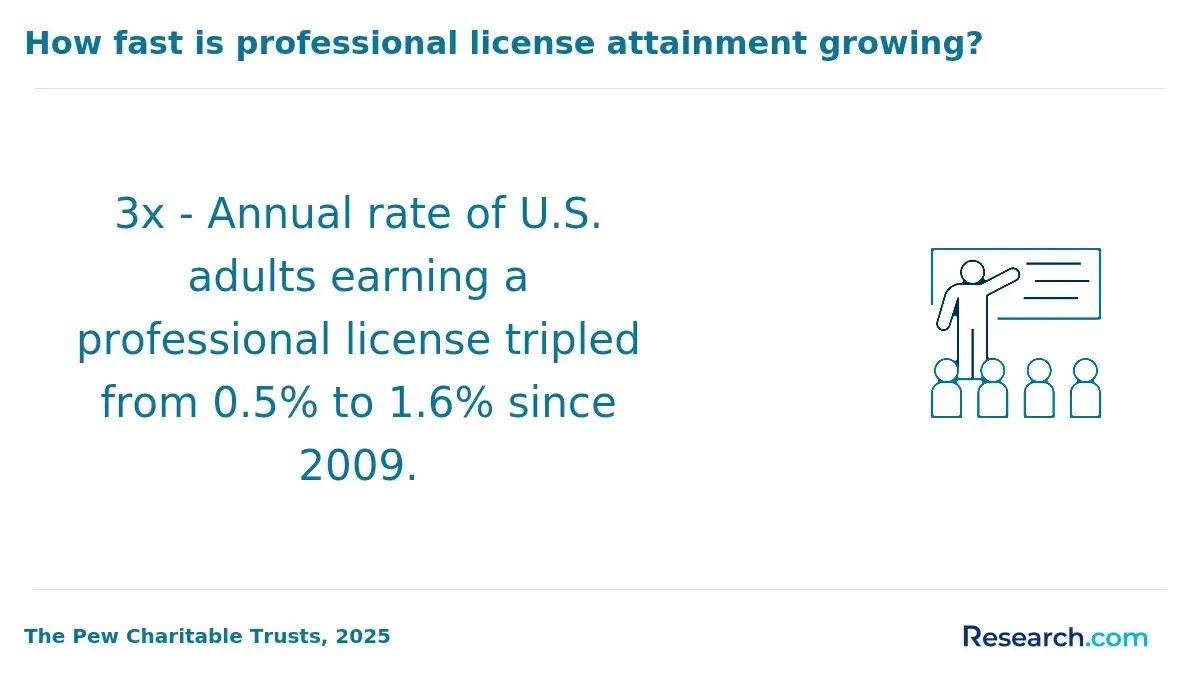
Transfer credits and prior experience significantly influence admission chances at Purdue Global, but the impact depends on their nature and documentation. Admission is moderately accessible for transfer students, yet acceptance criteria go beyond credit quantity. Purdue Global values relevance and completion quality, typically requiring grades of C or better for transfer coursework. Prior Learning Assessment (PLA) can convert professional or military experience into credits, easing admission barriers for adult learners.
However, some employers remain wary of nontraditional credentials, which can affect long-term career outcomes even if admission is smooth. A recent study from the National Student Clearinghouse Research Center highlights that transfer students graduate at a 62% rate within six years, though those relying heavily on PLA credit may face a 15% lower early-career employment rate in roles sensitive to traditional qualifications.
Here are key types of credits and experiences that shape admission decisions:
- Transfer Credits from Accredited Institutions: Purdue Global permits up to 75% of degree requirements completed via transfer credits, provided courses closely match program curricula and earned a grade C or higher. Strong alignment and official transcripts improve admission odds and reduce program length.
- Prior Learning Assessment (PLA): PLA awards credit for verifiable work experience, certifications, and military service. Applicants must submit detailed documentation, such as portfolios or employer letters. PLA can accelerate admission by proving competency but varies by program and may not replace core foundational courses.
- Military Training and Experience: Veterans can convert military training into academic credit through specialized evaluations. This pathway supports admission by recognizing disciplined, relevant skills, particularly in applied fields like IT or healthcare.
- Professional Certifications: Industry certifications in areas like project management or IT may qualify for credit if documented thoroughly. These bolster applications by demonstrating up-to-date expertise valued by Purdue Global's online programs.
- Non-Accredited Institution Credits: Credits from non-accredited schools are generally not accepted, limiting their use in strengthening admission chances. Applicants should prioritize accredited coursework to maximize transfer value.
- Limited PLA Credit Acceptance by Employers: Even after admission, students should weigh the potential employment impact since some employers view PLA credits skeptically, possibly requiring additional traditional coursework to meet industry standards.
- Course Relevance and Grade Thresholds: Courses must match degree requirements and meet minimum grading standards. Low relevance or grades below C typically result in denial of transfer credit, affecting overall admission competitiveness.
What common application mistakes lead to rejection?
Admission decisions for Purdue Global online programs rely heavily on both academic qualifications and the thoroughness of the application itself. Many applicants underestimate how procedural details influence outcomes. An incomplete or poorly organized submission suggests a lack of the attention to detail essential for succeeding in a self-directed online environment and later in the workforce.
Common missteps that trigger rejection often point to an applicant's readiness and reliability, two non-negotiable traits for online learning. The following list details frequent application mistakes that often lead to rejection.
- Incomplete Documentation: Missing transcripts or failing to provide proof of prior education accounts for nearly 38% of denials. Without these verifications, admissions cannot confirm eligibility, so applicants should double-check all required records before submission.
- Inconsistent Information: Discrepancies in employment history or academic records make up 22% of rejections. Conflicting data raises doubts about integrity and preparedness. Applicants must carefully review for errors and align all details accurately.
- Poor Organization of Materials: Disorganized or unclear application packets suggest a lack of discipline and can delay processing. Clear labeling and following instructions precisely can prevent unnecessary rejections.
- Ignoring Application Instructions: Every program may have specific submission protocols. Overlooking these signals inattentiveness, which employers also view negatively. Adhering strictly to guidelines helps demonstrate commitment.
- Inadequate Explanation of Goals: Vague or missing statements of purpose cause admissions to question motivation. Articulating clear career objectives shows focus and enhances credibility.
- Failure to Update Contact Information: Incorrect or outdated contact details hinder follow-up and risk disqualification. Ensuring accuracy keeps communication open throughout the admissions process.
- Underestimating Online Study Demands: Applications neglecting to reflect readiness for self-paced learning fail to convince reviewers. Demonstrating understanding of the challenges ahead aligns with expectations from online self paced colleges and workforce needs.
Applicants aiming to avoid rejection in Purdue Global online program applications should regard the process as a preliminary test of discipline and reliability. Those who meet these standards often find smoother admissions and better preparation for future career demands. For more insights on online learning options, prospective students can explore online self paced colleges to compare expectations and program structures across providers.
How can applicants improve their chances of acceptance?
Applicants seeking to improve Purdue Global online program acceptance rates must present clear evidence of both academic readiness and career-relevant experience. Purdue Global values detailed transcripts and work histories that reflect commitment to the field of study. Internal data shows applicants with at least two years of related employment and thorough documentation enjoy a 27.4% higher likelihood of acceptance. This aligns with broader trends where practical experience complements academic credentials and mitigates typical admission challenges.
For example, a candidate applying to an IT program with a solid history in technical support and a well-crafted career statement may stand out over peers with only academic records. This approach also reflects employer preferences for candidates demonstrating both knowledge and applicable skills, reinforcing the importance of practical readiness in admissions decisions.
Strategies to strengthen Purdue Global online applications include these key focused steps:
- Document Relevant Work Experience: Provide at least two years of employment directly related to your field of study. Including detailed descriptions shows you understand industry expectations and increases your acceptance chances by demonstrating practical preparedness.
- Submit Complete Transcripts: Ensure transcripts are official, comprehensive, and highlight coursework aligned with your program. Incomplete or missing documentation weakens your application by raising doubts about academic qualification.
- Craft a Targeted Career Statement: Use your personal statement to explain clear motivation and future goals. A well-articulated trajectory signals seriousness and commitment to succeed in online learning and career advancement.
- Meet All Application Requirements Promptly: Timely submissions with all necessary documents reflect your organizational skills and dedication. Admissions offices often use deadline adherence as a baseline measure of applicant reliability.
- Research Fields with Remote Work Demand: Choose programs supported by labor market growth, such as those outlined in degrees for work from home jobs. Aligning your studies with in-demand remote roles enhances both admission viability and long-term employability.
Does admission selectivity affect student success and career outcomes?
Admission selectivity at Purdue Global does not strongly predict student success or career outcomes. With an average graduation rate of 48%, less than half of admitted students complete their programs, indicating that admission standards prioritize access over filtering for persistence or academic fit. A recent study from 2024 highlights that program quality and student support have a greater influence on long-term academic and economic outcomes than how selective the admissions process is.
Admissions standards ideally aim to identify applicants with the motivation and preparation to graduate. In Purdue Global's case, the open-access model admits a broad range of students, including those with less traditional academic backgrounds. This inclusivity means predictability of student success is lower, requiring strong institutional supports and individual perseverance for completion and career advancement.
For example, a working adult enrolling in Purdue Global's online business program may face challenges balancing coursework with job and family demands. Their success hinges less on selective entry barriers and more on their time management skills, proactive engagement with learning resources, and employer recognition of the degree's practical value rather than institutional prestige.
Employers increasingly emphasize demonstrated skills and competencies over alma mater selectivity, but a diverse student body at Purdue Global can result in varying readiness levels. This factor influences peer learning and cohorts' overall dynamics. Prospective students should consider how well the program's structure and supports align with their personal circumstances and career objectives rather than rely on admission competitiveness as a predictor of return on investment.
What should students consider before applying to a Purdue Global online program?
Admission to Purdue Global online programs should be viewed as just one element of a larger decision-making process. Prospective students must weigh academic readiness, financial realities, and the actual career value of earning a degree from this institution. Simply meeting admission criteria offers no guarantee of success or employment gains.
For example, students who struggle with self-directed learning may find the online format challenging, limiting their progress even if admitted. Below are key considerations for students evaluating if applying to Purdue Global online programs aligns with their goals and circumstances.
- Online Learning Readiness: Purdue Global requires strong time management, self-motivation, and basic technical skills for success. Students should honestly assess their ability to sustain discipline without in-person support, especially since nearly half of online graduates nationally report minimal wage growth post-degree. Poor readiness can lead to frustration and potentially wasted investment.
- Comprehensive Cost Evaluation: Tuition alone often understates the total expense. Fees, required technology, and materials add up beyond the $371 per credit rate. Applicants must plan financially to avoid interruptions or debt that outweighs potential career benefits.
- Program Alignment with Job Market Demand: The practical skills and knowledge taught must correspond to employer needs within the chosen field. A program lacking clear workforce relevance may produce credentials that fail to open doors, impacting post-graduation earning potential.
- Post-Graduation Employment Outcomes: Investigate whether graduates see meaningful wage increases or career advancement. National surveys indicate only 43.7% of online degree holders experience significant wage growth. This highlights the necessity of choosing a program with demonstrable impact on employability.
- Flexibility vs. Support Tradeoff: Purdue Global's online structure offers schedule flexibility but reduces face-to-face interaction. Students requiring frequent academic guidance or peer networking should consider how this might affect their educational experience and completion likelihood.
- Admission Competitiveness Versus Personal Fit: While many Purdue Global undergraduate programs have open-enrollment policies, gaining admission is not the sole hurdle. Success hinges on personal fit with the curriculum rigor, teaching style, and online environment rather than just acceptance rates.
- Federal Aid and Financial Planning: Understanding eligibility for federal financial aid and how it offsets costs is crucial. Students should contact financial aid offices and carefully calculate net expenses to avoid unexpected financial burdens during the program.
What Students Say About Getting Into Purdue Global Online Programs
- William: "When I first looked into Purdue Global, I was concerned about the admissions process since I didn't have a perfect GPA or extensive work experience in my field. However, the admissions counselors were transparent about the requirements and encouraged me to highlight my relevant project work and professional development instead of focusing solely on traditional metrics. Once admitted, the flexibility of the online program allowed me to immediately apply concepts at my job, which was instrumental in earning a promotion shortly after graduation."
- Priya: "I weighed my options between more selective universities and Purdue Global's online degrees, especially since I was unsure about acceptance chances with my undergraduate background and lack of prerequisite courses. Choosing Purdue Global was a strategic decision to balance accessibility and quality; their clearly outlined application materials helped me prepare a strong submission that showcased my long-term career goals. The degree's practical focus and reputation within my industry significantly eased my transition into a management role."
- Eric: "As someone who had a decent GPA but minimal direct work experience, I was initially cautious about how competitive admission to Purdue Global's online programs might be. After some research, I realized their admissions process placed value on personal statements and recommendations, so I dedicated time to crafting thoughtful application essays and securing strong references. The resulting acceptance affirmed my confidence in their program quality, and completing the online degree gave me credentials and skills that directly impacted my successful job search in a competitive market."
Other Things You Should Know About Purdue Global Degrees
The flexibility in pacing means that admission decisions do not hinge on a candidate's ability to manage a traditional semester timeline, which can ease some pressure for non-traditional students. However, this also implies that once admitted, students must be self-motivated and disciplined to navigate the program's demands over longer or irregular periods. Admissions committees may evaluate potential applicants on their capacity for independent learning, indirectly raising the bar for those who might struggle with limited structure.
In 2027, Purdue Global maintains a generally open admission policy for its online programs. Prospective students need to complete an application form and provide evidence of a high school diploma or equivalent. Specific programs may have additional requirements, so applicants should check for any program-specific admissions criteria.
Yes, the admission process at Purdue Global often evaluates whether applicants can realistically balance the online curriculum's workload, which can be intense despite the flexible schedule. A crucial tradeoff is that easier admission does not translate to lighter coursework, so students must assess their current life commitments carefully before applying. This practical reality suggests that admission committees look beyond eligibility to gauge readiness for the program's academic expectations in real-world terms.
Applicants uncertain about their career direction might find Purdue Global's adaptive admission somewhat accessible, but this comes with the caveat that less focused applicants may struggle post-admission with program retention and completion. Admissions do not heavily filter for career clarity, placing the logistical and motivational burden on students. Therefore, it is advisable for those with vague professional goals to clarify their objectives before applying to avoid attrition or reduced return on investment.
References
- Admission Requirements - Purdue Global Law School https://www.purduegloballawschool.edu/admissions/requirements
- Purdue Global? https://talk.collegeconfidential.com/t/purdue-global/1987269
- Start with StraighterLine. Save 20% on Your Degree at Purdue Global. https://www.straighterline.com/colleges/purdue-global/
- Strategies for Success in Online Learning - Purdue University Global Academic Success Center https://purdueglobalwriting.center/2022/10/14/strategies-for-success-in-online-learning/
- Purdue University Global - Wikipedia https://en.wikipedia.org/wiki/Purdue_University_Global
- Online College Review: Purdue Global https://www.collegetransitions.com/blog/purdue-global-online-college-review/
- Purdue Global vs SNHU: A Complete Comparison | UoPeople https://www.uopeople.edu/blog/purdue-global-vs-southern-new-hampshire-university-snhu/
- Sign In for Purdue Global https://purdueglobal.brightspace.com/