2027 Southern New Hampshire University Online BS in Criminal Justice - Homeland Security & Counterterrorism: Cost, Curriculum, Admissions, and Career Outcomes

Co-Founder and Chief Data Scientist
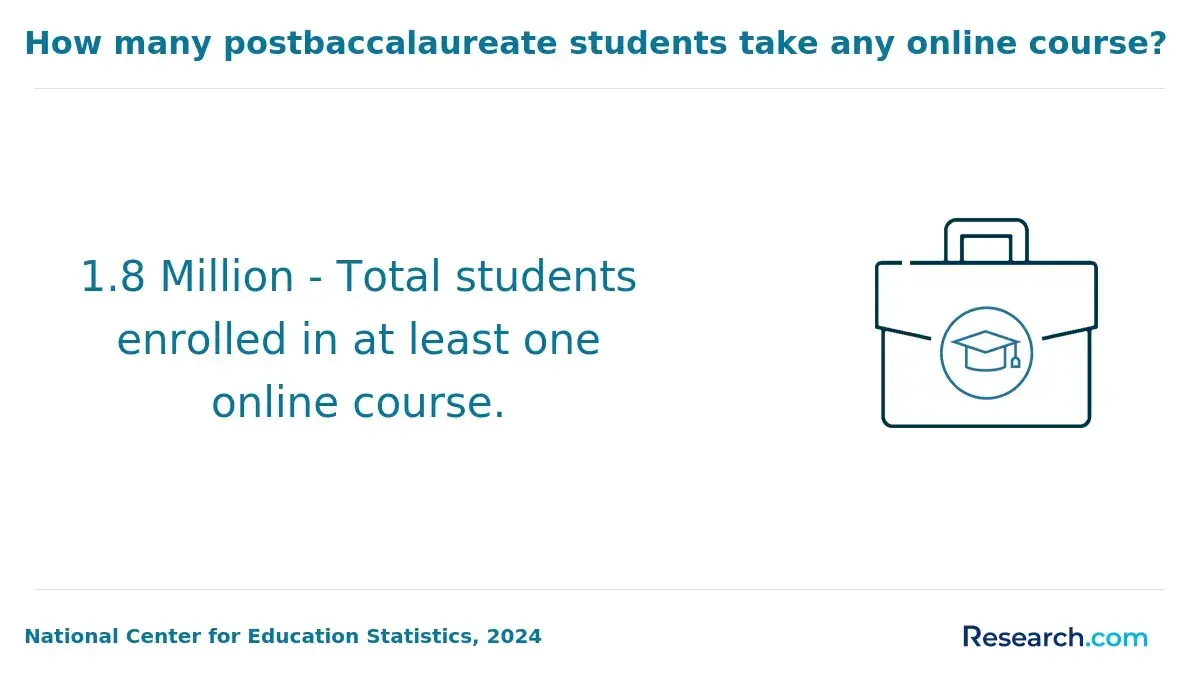
Choosing an online BS in Criminal Justice - Homeland Security & Counterterrorism demands careful consideration of how well a program fits one's career ambitions and learning needs. The rising enrollment of adult learners in flexible online programs reflects a shift toward education that accommodates work and personal commitments, as shown by the National Center for Education Statistics reporting a 15% increase in online postsecondary education enrollment in 2023.
This trend highlights the importance of program accessibility and relevance, especially for fields demanding timely expertise like homeland security. Evaluating Southern New Hampshire University's program involves examining cost, curriculum, admissions, and career outcomes to determine its alignment with professional goals. This article explores these key factors to guide prospective students in making informed decisions.
Key Points About Southern New Hampshire University's BS in Criminal Justice - Homeland Security & Counterterrorism Program
- Southern New Hampshire University's acceptance rate at 96% indicates moderate selectivity, suggesting students should assess personal readiness against a curriculum with some admission barriers but reasonable accessibility.
- Regional accreditation and faculty expertise provide a foundation valued by employers, yet career advancement depends on how well graduates leverage specialized homeland security and counterterrorism knowledge in real-world roles.
- The total tuition cost of $51,392 requires weighing return on investment carefully, as financial commitment is substantial relative to typical starting salaries in this sector.
What can students expect from Southern New Hampshire University's online BS in Criminal Justice - Homeland Security & Counterterrorism curriculum?
Students pursuing Southern New Hampshire University's online BS in Criminal Justice - Homeland Security & Counterterrorism should anticipate a curriculum that aligns closely with national standards while emphasizing practical skills applicable to pressing security challenges. For example, a graduate tasked with evaluating emergency response protocols after a security breach will benefit from coursework that integrates policy analysis with tactical threat assessment-an approach typical in this program's structure.
The program's design reflects established US benchmarks for criminal justice programs with a homeland security emphasis, balancing foundational theory with applied learning. Below is an outline highlighting key curriculum components:
- Criminal Justice Foundations: This portion covers core topics like criminal law, ethics, and procedure, ensuring students understand the legal frameworks and operational roles within law enforcement and judicial systems critical for any homeland security role.
- Specialized Security Studies: Coursework addresses terrorism, intelligence gathering, risk analysis, and cybersecurity, requiring students to develop analytical skills essential in identifying and mitigating evolving threats.
- Policy and Leadership Development: Students engage with leadership theories and policy evaluation, preparing them to navigate complex administrative and legal challenges inherent in counterterrorism careers and public safety management.
This curriculum incorporates case studies and scenario-based learning, enhancing critical thinking and decision-making under realistic conditions-a necessity given the unpredictable nature of homeland security work. Designed for online delivery, it allows flexibility but also demands self-motivation to master content relevant to both entry-level employment and opportunities for further certifications or graduate study.
Prospective students evaluating Southern New Hampshire University's offerings should consider how this structure fits their career goals, especially when comparing it with other programs ranking among the most affordable PhD programs that build on foundational undergraduate study in the field.
What are Southern New Hampshire University's admission requirements for online BS in Criminal Justice - Homeland Security & Counterterrorism program?
Gaining admission to Southern New Hampshire University's online BS in Criminal Justice - Homeland Security & Counterterrorism program involves more selective qualifications than a simple open enrollment. For a prospective student, this means preparing a robust application that demonstrates a foundation of academic readiness and language proficiency, which can be decisive during competitive admissions.
Imagine an applicant who completed high school abroad and seeks to prove their preparation beyond transcripts; they must also confront language hurdles and standardized testing recommendations that influence decisions without being absolute barriers. Below are the primary admission requirements for this program.
- Educational Background: Applicants must have completed high school or hold a GED, supported by secondary school transcripts showing completion of a college-preparatory program. While there is no stated minimum GPA requirement, academic records are essential to demonstrate readiness.
- Language Proficiency: Non-native English speakers are required to submit TOEFL scores to verify adequate language skills, reflecting the program's need for effective communication abilities in complex security and justice contexts.
- Standardized Testing: Although SAT or ACT scores are recommended for evaluating applicants, they are not mandatory. Other tests like the Wonderlic or WISC-III may be submitted but are optional, allowing some flexibility depending on prior educational experiences.
- Recommendations and Formal Evaluations: Submitted letters of recommendation and formal demonstrations of competencies play an important role in assessing candidate suitability, emphasizing evaluation beyond academic transcripts.
- Transfer Credits: Transfer students must provide college transcripts for credit assessment. Advanced placement and life experience credits are recognized, but no dual credit policy is applied, and specific transfer GPA or credit minimums are not explicitly defined.
Is it difficult to get admitted to Southern New Hampshire University's online BS in Criminal Justice - Homeland Security & Counterterrorism program?
Admission to a BS in Criminal Justice - Homeland Security & Counterterrorism program varies widely in selectivity, with many schools maintaining moderate to high competition due to the growing demand for security professionals. Programs that require standardized test scores or have limited seats typically face more rigorous applicant screening, influencing workforce entry timelines and candidate pool quality.
Southern New Hampshire University's online BS in Criminal Justice - Homeland Security & Counterterrorism, by contrast, offers less restrictive entry with a 96% acceptance rate from a pool exceeding 45,000 applicants annually, reflecting broad accessibility. The program's moderate overall admission difficulty and lack of SAT or ACT requirements lower barriers, allowing applicants with diverse backgrounds quicker access to specialized training in counterterrorism and homeland security fields.
While some employers may weigh institution selectivity when reviewing candidates, the ease of getting admitted here supports timely educational progression without protracted application hurdles, a factor critical for those balancing work or personal obligations alongside studies.
What is the cost of attending an online BS in Criminal Justice - Homeland Security & Counterterrorism program at Southern New Hampshire University?
Tuition at Southern New Hampshire University for the online bachelor of science in criminal justice - homeland security & counterterrorism is set at a flat rate of $16,450 annually, distinctively consistent regardless of whether the student is in-state or out-of-state. Yet, this figure does not capture additional expenses such as approximately $1,800 per year for books and supplies, or other living costs that can sharply affect a student's overall financial commitment.
For instance, a student balancing work and study must realistically account for these extra expenditures, which can influence their ability to sustain uninterrupted progress in the program. When evaluating tuition rates for Southern New Hampshire University online homeland security and counterterrorism degree programs against other institutions, the cost tends to be competitive but varies widely depending on factors like program delivery and institutional overheads.
The university's approach to a uniform online tuition rate removes geographic disparities but necessitates careful budgeting for resource access and incidental fees that other institutions may bundle differently. Many students considering this program may also compare how total cost of attendance, including room and board or campus fees if applicable, shapes the decision to pursue online studies.
Federal data estimating $37,524 for in-state students living on campus highlights the stark cost variation between online and traditional attendance modes. This distinction matters for practical decision-making, especially for those weighing educational debt against possible workforce entry in security and counterterrorism fields.
For those exploring alternate pathways, investigating options like online associate degree programs might present different cost structures and entry points into criminal justice careers. This comparative perspective is essential when aligning educational investment with anticipated job market outcomes and career trajectories.
Are there financial aid options for online BS in Criminal Justice - Homeland Security & Counterterrorism students at Southern New Hampshire University?
Financial aid availability at southern New Hampshire University for students enrolled in the online BS in criminal justice - homeland security & counterterrorism reflects a mix of institutional support and external funding options, but accessing these resources requires strategic navigation. Many students balance work with study, making employer tuition reimbursement a practical route to reduce direct expenses.
Military-affiliated students also gain notable leverage through veteran benefits, which can substantially offset costs when combined with institutional aid. However, reliance on federal student loans introduces long-term repayment obligations that should be weighed carefully against potential post-graduate earnings in security-related roles. Understanding these dynamics helps students make informed decisions about financing their education effectively.
The following key financial aid options illustrate the typical pathways and requirements for funding this program:
- Institutional Scholarships: Awarded based on academic performance, leadership qualities, and sometimes financial need. These scholarships do not usually target the homeland security specialization explicitly but are accessible to all SNHU undergraduates and vary in amount.
- Employer Tuition Reimbursement: Available to working professionals whose employers offer educational benefits. Students must coordinate with their employer's HR department, and funds typically cover a portion of tuition after course completion.
- Military Benefits: Active-duty service members and veterans can use programs like the GI Bill or Tuition Assistance, which often cover significant tuition portions. Eligibility and application processes depend on service status and benefit utilization rules.
- Federal Student Loans: Require FAFSA completion and are subject to eligibility criteria including citizenship and enrollment status. Loans provide flexible repayment but entail debt that can impact financial stability post-graduation.
- University Financial Aid Advising: SNHU advisors assist in combining different aid streams and planning, helping students maximize available resources while avoiding overlapping or conflicting funding sources.

What learning resources are available to online BS in Criminal Justice - Homeland Security & Counterterrorism students at Southern New Hampshire University?
Effective access to learning resources can make or break the success of students pursuing an online BS in Criminal Justice - Homeland Security & Counterterrorism, especially given the field's demand for timely, practical knowledge and skills. For many working adults balancing jobs or family obligations alongside their studies, the ability to troubleshoot technical issues promptly can prevent falling behind on critical coursework or missing synchronous learning opportunities.
Equally, specialized academic supports help students navigate the program's complex content, which spans legal frameworks, threat analysis, and interagency collaboration-skills central to employability in homeland security roles. Below are key resources that students in this program can utilize to sustain academic progression and workforce readiness.
- 24/7 Technical Support: Continuous technical assistance ensures students resolve access or software problems immediately, minimizing disruptions and maintaining steady engagement with virtual coursework and resources.
- Personalized Tutoring: Tailored academic help addresses individual challenges, from understanding legal doctrines to applying counterterrorism tactics, thereby reinforcing comprehension of core program concepts.
- Academic Advising: Advisors provide strategic education planning, helping students manage course loads and align their studies with career objectives within criminal justice domains.
- Digital Libraries and Research Databases: Extensive access to specialized sources supports research and professional standards, enabling students to deepen subject matter expertise beyond foundational textbooks.
- Career Services and Networking: Support for internship placement, job search, and industry connections offers practical pathways to transition from study to employment in competitive homeland security sectors.
Does Southern New Hampshire University's online BS in Criminal Justice - Homeland Security & Counterterrorism program have in-person clinicals or practicums?
The absence of mandatory in-person clinicals or practicums in Southern New Hampshire University's online BS in Criminal Justice - Homeland Security & Counterterrorism program represents a significant departure from typical industry expectations for hands-on experience. Many criminal justice programs require supervised fieldwork with law enforcement agencies or emergency management offices to build practical skills directly in professional environments.
This requirement often poses barriers for online students balancing work, location constraints, or family obligations. In the context of Southern New Hampshire University criminal justice counterterrorism clinical requirements, this program eliminates those on-site obligations. Instead, students engage in applied learning through case studies, simulations, and project-based assignments designed to develop analytical and operational competencies without the logistical challenges of physical practicums.
While some peers in the field might view this as a limitation when competing for roles that prioritize demonstrable real-world exposure, the flexibility offers a pragmatic tradeoff for many working adults or geographically distant learners. Students are encouraged, but not mandated, to pursue optional internships or volunteer opportunities locally for additional practical experience, which can supplement their resume and professional network.
This structure aligns with a broader trend in accessible online education but requires students to proactively seek real-world exposure to meet employer expectations. For those comparing similar pathways or seeking more comprehensive options, consulting guides like online affordable master's programs can provide insight into programs that integrate more robust experiential learning components alongside flexible delivery models.
What careers can graduates of online BS in Criminal Justice - Homeland Security & Counterterrorism at Southern New Hampshire University secure?
Graduates of the online BS in criminal justice - homeland security & counterterrorism program at Southern New Hampshire University often gain access to roles where actionable expertise in threat assessment and crisis response directly impacts public safety outcomes. Navigating the practical demands of homeland security-related employment, especially within New England contexts, requires adaptability to evolving federal standards and interagency collaboration.
This degree's value is measured by how well graduates transition into operational roles that balance investigative rigor with policy implementation. With a job market shaped by ongoing threats and governmental priorities, graduates must align skills with employer expectations for intelligence analysis, emergency management, and law enforcement.
A nuanced consideration is the competitive nature of federal positions, which often require additional certifications beyond the undergraduate curriculum. For those exploring fast track programs, this pathway can streamline foundational knowledge but should be supplemented by real-world experience and continuous professional development.
- Homeland Security Specialist: Protects critical infrastructure through threat assessment and oversees counterterrorism programs. This role demands strong analytical skills and familiarity with federal security protocols, typically offering salaries ranging from mid to upper five-figures.
- Federal Law Enforcement Officer: Enforces national security laws by investigating terrorism-linked activities and conducting apprehensions. Pay varies by agency but often includes comprehensive benefits and advancement opportunities.
- Emergency Management Coordinator: Develops and implements disaster response plans, coordinating multi-agency efforts to improve community resilience. These professionals work closely with local and federal entities, with salaries dependent on government level and experience.
- Intelligence Analyst: Gathers and interprets data to identify emerging security threats and inform policymaking. This position requires critical thinking and communication skills, with compensation reflecting the complexity and sector of employment.
What is the salary outlook for online BS in Criminal Justice - Homeland Security & Counterterrorism graduates?
The salary outlook for graduates with an online BS in Criminal Justice - Homeland Security & Counterterrorism from Southern New Hampshire University reflects the typical financial realities of entry to mid-level roles within law enforcement, homeland security, and counterterrorism fields. These positions often begin with median salaries near $40,917, consistent with criminal justice alumni averages but notably below overall median earnings for all disciplines combined.
This gap indicates tradeoffs between specialized public safety roles and broader career paths in terms of initial financial reward. For those assessing career earnings for Southern New Hampshire University criminal justice graduates, the median salary of approximately $40,917 demonstrates moderate short-term earning potential. While this surpasses average outcomes in some humanities and social sciences such as English Language and Literature or Political Science, it remains lower than fields like healthcare or technology.
Graduates should weigh whether stability in public safety roles aligns with their financial goals and readiness to start at local or federal levels where compensation may differ significantly. Considering long-term prospects, the program offers an informed pathway for students focused on national security careers but demands awareness of market variability.
Salaries may increase with federal positions in counterterrorism or law enforcement, though they rarely reach the heights of technical sectors. Exploring competency-based masters and similar avenues can supplement foundational skills and expand earnings potential-resources like competency based masters provide relevant options.
How do you know if Southern New Hampshire University's online BS in Criminal Justice - Homeland Security & Counterterrorism program is the right choice for you?
Determining whether Southern New Hampshire University's online BS in Criminal Justice - Homeland Security & Counterterrorism fits your needs requires assessing how the program's structure and content align with your career objectives and learning style. Recognizing these factors early helps avoid costly commitments to a degree that may not deliver the practical skills or flexibility you require.
Consider these key criteria to guide your decision:
- Curriculum Relevance: Analyze how specialized courses address current challenges in terrorism prevention and emergency management. Confirm if the program's applied focus matches the knowledge and competencies demanded by your target employers.
- Study Flexibility: Evaluate if the blend of asynchronous coursework and interactive elements suits your schedule and learning preferences, especially if balancing work or personal obligations is critical.
- Peer and Faculty Engagement: Investigate the extent of networking opportunities and instructor interaction, as these impact access to diverse perspectives and professional insights important in homeland security roles.
- Program Outcomes: Research graduate employment patterns and skill applicability to ensure the degree supports realistic career paths rather than theoretical study alone.
What Graduates Say About Southern New Hampshire University's BS in Criminal Justice - Homeland Security & Counterterrorism Program
- David: "Studying at Southern New Hampshire University gave me a solid foundation, especially in threat assessment and intelligence analysis. The program's focus on real-world scenarios helped me develop a portfolio that stood out during hiring-more crucial than just having certifications in this field. Although licensure isn't always necessary, I found that combining the degree with targeted internships really opened doors for me in federal agencies."
- Anika: "I appreciated the flexibility Southern New Hampshire University offered, allowing me to balance full-time work with coursework in the BS in Criminal Justice - Homeland Security & Counterterrorism program. The practical assignments gave me insights into cybersecurity protocols and emergency management that I now apply daily. Even though advancement can sometimes feel limited without further licensure, this degree made it possible to enter the sector quickly and explore remote consulting roles that weren't accessible otherwise."
- Adam: "Looking back, the curriculum at Southern New Hampshire University was rigorous and really prepared me for the complexities of counterterrorism work. I realized early on that employers valued hands-on experience just as much as academic credentials, so I focused on securing local internships during my studies. The degree helped me pivot from a general criminal justice background into specialized roles, though navigating competitive job markets required persistence and a readiness to continually update my skills."
Other Things You Should Know About Degrees
Yes, Southern New Hampshire University's online program in Criminal Justice - Homeland Security & Counterterrorism in 2027 offers a flexible learning format, designed to accommodate working professionals. Students can manage coursework around their schedules, ensuring they can balance both educational and work commitments effectively.
The program's emphasis on homeland security and counterterrorism narrows the curriculum toward federal, state, and local roles tied to those areas, which can be a double-edged sword. While graduates gain specialized knowledge valuable to agencies like the Department of Homeland Security, this focus may limit exposure to more general criminal justice fields such as corrections or community policing. If students aim for versatility in traditional criminal justice roles, they might need to supplement their degree with additional training or consider a less specialized criminal justice program.
The university offers career services such as resume reviews and job search assistance, but the level of specialized support for homeland security roles is limited compared to institutions with targeted government connections. Graduates may need to proactively seek networking opportunities within law enforcement or federal agencies outside of the university's resources. For those prioritizing career placement, evaluating the strength of SNHU's alumni network and relationships in homeland security sectors before enrolling is advisable.
Students should prepare for a rigorous workload that includes research projects, policy analysis, and case studies alongside multimedia coursework. Balancing content mastery in both criminal justice and homeland security elements requires advanced reading and critical thinking skills. The program's intensity can be higher than general criminal justice degrees due to added complexity and current events integration, so prospective students should plan for substantial weekly study time to maintain satisfactory progress without burnout.
References
- Homeland Security Degree Programs https://www.criminaljusticedegreeschools.com/degrees/homeland-security-degree/
- Checking your request. https://app.flow.firstsourceworld.com/search/13228-bachelor-of-science-justice-studies/
- Differences Between a Criminal Justice and Homeland Security Degree https://www.nec.edu/news/criminal-justice-vs-homeland-security-degree
- SNHU Transfer Courses from Sophia | Sophia Learning https://snhu.sophia.org/
- Providers: Southern New Hampshire University (SNHU) Early College |... https://opened.co/marketplace
- Homeland Security Jobs in New Hampshire - NH | Degree and Training for Homeland Security Careers in New Hampshire https://www.homelandsecurityedu.org/new-hampshire/
- Criminal Justice, Homeland Security & Terrorism, B.S. - Bluefield State University https://bluefieldstate.edu/degree/criminal-justice-administration-homeland-security-terrorism-concentration-b-s/
- What Can You Do With A Homeland Security Degree? https://www.criminaljusticeprograms.com/articles/what-can-you-do-with-a-homeland-security-degree/
- Homeland Security Requirements (Degrees, Jobs & Salary) https://www.allcriminaljusticeschools.com/federal-law-enforcement/homeland-security/