2027 Is Northwestern University Good for Online Students? Programs, Flexibility, and Value

Co-Founder and Chief Data Scientist
Determining whether Northwestern University supports online students effectively requires more than reviewing course lists. In 2024, over 40% of higher education learners preferred programs with flexible schedules, according to the National Center for Education Statistics. This reflects a shift toward prioritizing accessibility and balance amid work and life demands. Prospective students must assess if Northwestern's online offerings align with this demand while delivering outcomes valued by employers.
Evaluating program variety, the ability to adapt schedules, and institutional support is crucial to understanding if an online degree there makes practical sense for career advancement and skill development. This article examines Northwestern University's programs, flexibility, costs, and resources to provide a clear perspective for informed enrollment decisions.
Key Points About Studying at Northwestern University as an Online Student
- The total tuition cost at Northwestern University is $92,877, reflecting a significant financial commitment that requires careful consideration of long-term return on investment.
- Included in tuition are virtual libraries, tutoring services, and interactive platforms, which collectively aim to create a supportive online learning environment that fosters engagement.
- Students report strong satisfaction with these resources, indicating that the university's online structure supports persistence, which correlates with a 96% average graduation rate.
What online degree programs are available at Northwestern University?
Online degree options at Northwestern University are structured to balance rigorous academic content with the practical needs of working professionals seeking flexible learning arrangements. This approach acknowledges that students often juggle substantial responsibilities, so programs blend synchronous live sessions with asynchronous coursework to support diverse schedules and learning preferences. For example, a mid-career professional pursuing advancement in data science can engage in live discussions to clarify complex concepts while completing assignments on their own time, avoiding conflicts with work meetings. Below is a list of key online degree programs offered at Northwestern University reflecting this flexible online learning option.
- Master's in Artificial Intelligence: Designed for professionals aiming to integrate AI into business or research, this program combines live problem-solving workshops with self-paced lectures to accommodate varied work commitments.
- Master of Science in Data Science: This online program focuses on statistical methods, machine learning, and data management, delivered through a mix of scheduled real-time sessions and asynchronous study to foster practical skills applicable across industries.
- Master's in Strategic Communication: Emphasizing both theory and application, this degree offers interactive classes alongside flexible assignments. It targets professionals managing organizational communication in dynamic environments.
- Master of Science in Integrated Marketing Communications: Offered by the Medill School of Journalism, Media, Integrated Marketing Communications, this degree develops skills in data-driven marketing strategies through a curriculum that integrates live collaborative projects and self-directed coursework.
- Health Informatics Program: Through Feinberg School of Medicine, this program addresses health data management with a curriculum mixing live sessions to encourage collaboration and asynchronous materials for independent study-critical for healthcare professionals balancing clinical duties.
- Online PhD Options: Northwestern provides select pathways to doctoral studies enabling students to pursue advanced research while managing their work-life balance. These programs incorporate synchronous mentorship and asynchronous research activities. For details, see the online PhD resources.
The availability and structure of online degree programs at Northwestern University are particularly relevant for individuals evaluating flexible online learning options at Northwestern University, where schedule adaptability must be weighed against the demands of rigorous graduate education and real career impact.
Are admissions for online degrees at Northwestern University difficult?
Admission to online degree programs at Northwestern University remains as selective as its on-campus offerings, reflecting a consistently competitive environment. With an acceptance rate near 7%, candidates face rigorous scrutiny that surpasses many typical US institutions employing open or less restrictive policies. This level of selectivity demands strong academic performance and standardized test scores, such as SAT ranges of 730-770 in Verbal and 760-790 in Math or ACT scores between 33-35, underscoring the need to meet high benchmarks even for distance learners.
The application process requires documented proof of college-preparatory coursework, solid secondary school records, and formal recommendations, alongside demonstrated English proficiency via TOEFL for non-native speakers. Transfer applicants may find pathways limited despite credit acceptance, reflecting the institution's emphasis on academic readiness rather than experiential credits or open admission models found elsewhere. Such policies echo a broader trend among selective universities aiming to preserve academic rigor irrespective of delivery mode.
One graduate shared that navigating the admissions was "intimidating due to the narrow acceptance window," prompting early preparation and strategic test scheduling to align credentials. She felt a particular pressure to prove readiness despite pursuing the program remotely, noting that "securing recommendations from previous professors familiar with rigorous coursework was key to my application's success." Her experience highlights the operational demands applicants encounter when seeking entry into Northwestern's online offerings.
How flexible are the online degree programs are at Northwestern University?
Flexibility in online degree programs at Northwestern University is nuanced, reflecting a balance between asynchronous access and essential synchronous or in-person components. Most offerings emphasize asynchronous coursework, which accommodates students managing professional or personal responsibilities by allowing them to engage with materials on their own schedules. However, programs in health-related fields typically include required in-person elements such as clinicals or practicums. These components, while limited in frequency, present practical constraints that working students must consider, as they impact the learner's ability to study exclusively remotely.
The institution follows a quarter-based academic calendar, offering three main terms annually, which supports flexibility in pacing and start dates-beneficial for students needing to pause or accelerate their studies. For those weighing Northwestern University online learning flexibility options, this structure can accommodate shifting availability but requires careful planning around synchronous sessions and occasional on-site commitments. Prospective students targeting careers linked to credentials should note that this hybrid model fits many scenarios but may be less ideal for those seeking purely online pathways without any on-campus presence.
Considering these factors against evolving labor market demands and outcomes suggests that students might assess their field-specific requirements and examine alternative options alongside Northwestern's offerings. For professionals exploring credentials with practical value, tools such as certifications that pay well can complement online degrees to enhance employability within feasible scheduling frameworks.
Is it expensive to attend an online program at Northwestern University?
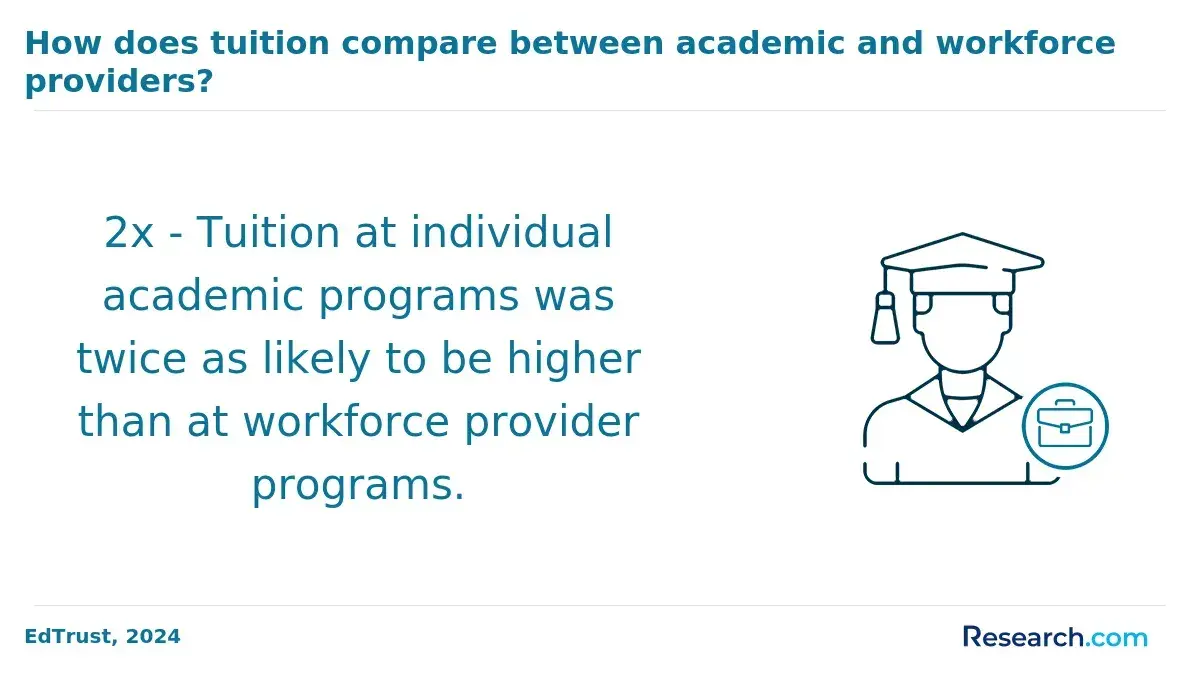
Northwestern University online program tuition is notably higher than the national average for online degree programs, with total annual costs reaching about $92,877 including tuition, fees, room, board, and supplies. Tuition and fees alone average $65,997, with an additional $1,539 budgeted for books and materials. This places Northwestern's online offerings at a premium, requiring students to carefully weigh the financial impact against expected career benefits.
Unlike some institutions that provide flat-rate tuition or distinct technology fees tailored for online students, Northwestern University does not offer in-state tuition discounts or flat-rate pricing regardless of location. Cost variability can occur depending on specific program requirements, but pricing generally remains high across offerings, limiting flexibility for cost-sensitive students evaluating online options.
Financial aid mitigates some of these expenses, with approximately 61% of students receiving assistance. Undergraduates see average aid packages around $57,927, significantly lowering net costs. Prospective students should assess their eligibility for aid and compare it to the overall investment to judge affordability realistically.
For professionals weighing Northwestern's online tuition, it's critical to consider if the premium aligns with personal career objectives, especially when more affordable choices exist. Those seeking structured, accelerated options may also explore alternatives like a 6 months masters degree online, which could offer better time-to-value ratios depending on industry and role.
What resources are included in the tuition cost at Northwestern University?
Access to comprehensive online learning resources is critical for sustaining academic momentum and overcoming the isolation that can accompany distance education. For an online student at Northwestern University, the range of included resources helps bridge the gap between remote study and on-campus experiences, enabling practical engagement, academic guidance, and career readiness as part of the tuition investment. Consider a working professional balancing a full-time job and coursework: having seamless access to timely academic advising and real-time communication tools directly affects their ability to stay on track and make informed decisions about course load and degree progression. Below is an overview of key resources embedded within Northwestern University's tuition that facilitate this support ecosystem for online learners.
- Digital Learning Platform: Northwestern University's advanced learning management system offers integrated video lectures, discussion forums, and synchronous communication features, which help replicate classroom interaction and foster peer collaboration regardless of geographical constraints.
- Personalized Academic Advising: Dedicated advisors assist online students with course selection, program planning, and degree roadmap adjustments. This targeted guidance helps mitigate risks of delayed graduation and supports alignment with evolving career objectives.
- Virtual Librarian Support: Alongside full access to extensive research databases and digital libraries, the availability of librarian consultation aids students in navigating complex academic resources, critical for research-heavy disciplines or professional certifications.
- Student Portal Access: An all-in-one hub for enrollment management, grade monitoring, financial aid processing, and faculty communication centralizes administrative tasks, reducing barriers often encountered in remote learning environments.
- Career Services Integration: Online learners benefit from virtual career fairs, skill-building workshops, and networking events connected to an active global alumni network. These resources are essential for transforming their academic credentials into tangible employment opportunities in competitive job markets.
Are the online degrees at Northwestern University ideal for working professionals?
Online degrees at Northwestern University are designed to help professionals balance demanding careers with academic advancement, enabling practical career mobility rather than just credential completion. For example, a mid-level manager in technology can leverage asynchronous coursework and flexible scheduling to upgrade skills without sacrificing job performance, positioning for leadership roles or strategic shifts. The university's structuring aligns with executive needs by combining industry-relevant curricula with formats that respect work-life constraints, while networking options link students to peers and potential employers. This creates a dynamic environment where academic progression directly supports career trajectories. Below are key elements illustrating why Northwestern's flexible online programs for working professionals offer distinct advantages:
- Flexible Scheduling and Coursework: Programs often utilize asynchronous lessons and adjustable deadlines, allowing learners across multiple time zones to integrate study with work obligations seamlessly.
- Industry-Aligned Curriculum: Courses focus on domains such as technology management, data science, and business administration, where content is tailored to current employer expectations and practical skill application.
- Corporate Tuition Partnerships: Collaborative agreements with employers facilitate tuition benefits or discounts, which can reduce financial barriers for working students committed to earning degrees.
- Practical Skill Emphasis: The coursework centers on real-world applications, enhancing immediate relevance to job responsibilities and increasing employability within existing or new roles.
- Networking Opportunities: Structured interactions with faculty and peers offer connections that extend professional circles beyond local environments.
- Part-Time, Career-Focused Formats: Designed with working professionals in mind, these structures accommodate career demands while maintaining steady academic progress.
- Employer Recognition: Degrees signal competencies aligned with evolving market needs, which is critical for managing professional pivots or climbing organizational ladders.
These aspects together underscore how Northwestern University's online degrees create a cohesive framework suitable for working professionals seeking meaningful upgrades in their skills and career potential. For those navigating the complexities of education alongside full-time employment, this approach provides significant operational advantages. Additionally, these pros weigh heavily when compared with other options such as online military colleges, which also emphasize flexibility but may differ in academic focus and employer integration.
How big is the online student community at Northwestern University?
The online student population at Northwestern University, though not often specified separately, plays a meaningful role within its total enrollment of 23,203 students. This suggests a considerable number of learners engage through distance options, accommodating those balancing professional and personal commitments who need academic flexibility. For instance, a working healthcare professional might rely on these programs to advance skills without interrupting their career trajectory.
Northwestern supports its online students with specialized groups and honor societies designed to bridge the physical divide. These program-specific organizations foster academic networking and peer collaboration, which are essential for maintaining motivation and deepening understanding-critical factors when in-person interaction is limited by geography.
Moreover, the university's digital communities extend to official social media groups and student-run forums. These platforms create spaces for knowledge exchange and peer support that can replicate many benefits of on-campus learning, positively influencing retention and engagement for online learners.
Such a blend of structured academic societies and informal networks helps mitigate the isolation often cited in online education, enhancing the overall practical value of Northwestern University's online credentials by sustaining ongoing student interaction.
Is there high online student satisfaction at Northwestern University?
Online students at Northwestern University generally report strong satisfaction, supported by a graduation rate nearing 96%, which suggests effective student support and academic structure. Many note that the program's flexibility, including asynchronous course formats and accommodating schedules, is crucial for balancing work and personal responsibilities while pursuing their degrees.
Faculty engagement frequently receives particular praise, with students valuing accessible instructors and interaction that extends beyond traditional lectures. The availability of extensive academic resources online further enhances learning and professional growth, making the programs relevant for those seeking practical application of skills in their careers.
Challenges arise primarily from intermittent technical issues within the learning platform and difficulties in replicating the peer networking common to in-person experiences. For example, a working professional might find it harder to create informal study groups or mentorship connections, a factor that can impact collaborative learning and professional networking opportunities.
Despite these drawbacks, the overall feedback from online learners at Northwestern University reflects a positive and rigorous academic environment. The balance of quality instruction, flexibility, and support underscores a student culture that generally meets expectations for online education's demands and outcomes.
What is the average salary for online degree graduates at Northwestern University?
The average salary for online degree graduates at Northwestern University highlights a notable divide based on discipline, reflecting workforce demand and industry compensation norms. For example, a graduate with a degree in Information Science/Studies can expect a substantially higher earning potential, around $94,536 annually, compared to those in more modestly compensated fields like Communication and Media Studies with salaries near $48,590. This disparity underscores the importance of carefully considering field choice when evaluating the financial return on an online degree, especially for professionals balancing work responsibilities and education.
The Northwestern University online programs graduate salary outcomes further reveal that technical and STEM fields dominate in income advantages. Alumni in Computer Science and Industrial Engineering earn roughly $84,000, with Mechanical and Chemical Engineering graduates slightly higher. These earnings align with job market trends where employers in technology, healthcare, finance, and consulting prioritize analytical and technical expertise from flexible, accredited online education. Conversely, degrees in liberal arts and biological sciences generally yield lower median salaries, signaling tradeoffs for those prioritizing career flexibility or personal enrichment over immediate financial gains.
For students evaluating online education opportunities, these patterns emphasize the need to match academic programs with long-term career strategies supported by reputable data. Those interested in degrees with practical remote work applications might explore work from home degrees as a complementary lens. Ultimately, the average salary of online degree graduates at Northwestern University signals a potential return on investment that varies widely by study area, reflecting both market realities and employer valuation of specific skill sets.
Does the ROI of an online degree from Northwestern University justify the cost?
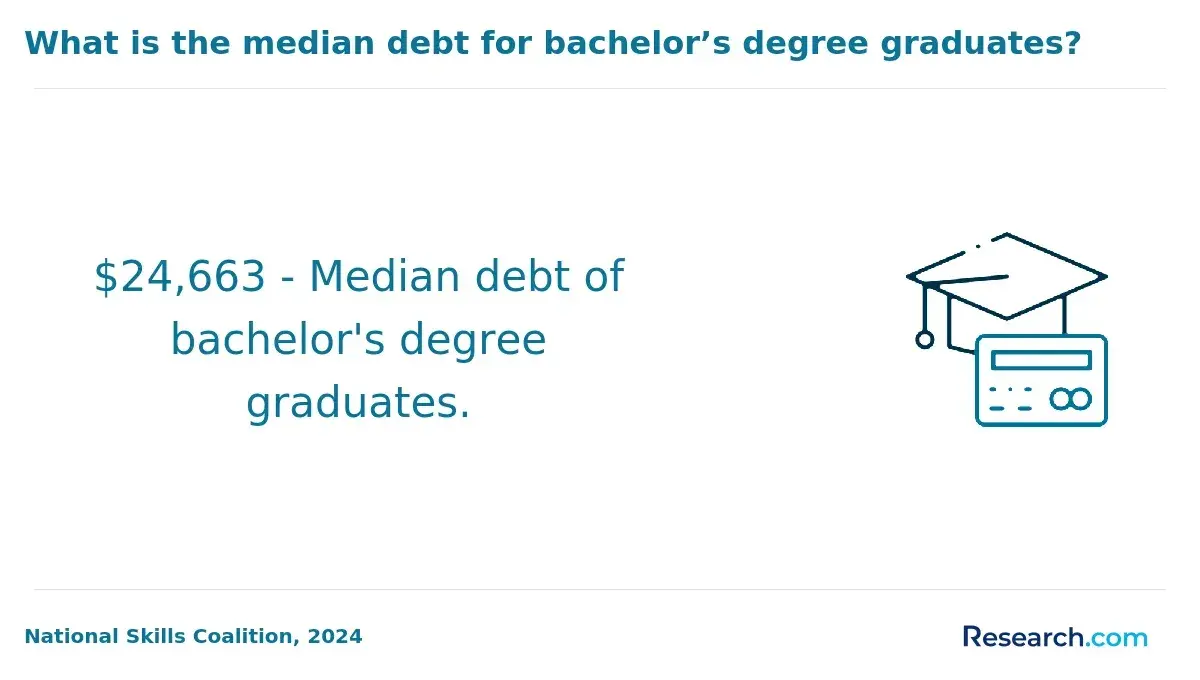
Investing in an online degree at Northwestern University involves significant upfront costs, but the long-term financial gains can often validate this expense. While the program's total tuition approaches $93,000, median graduate debt remains relatively contained around $15,000, indicating that many students secure supplementary funding through scholarships or grants to alleviate borrowing burdens.
The earnings-to-debt ratio near six times signals that alumni generally recover their investment within years of graduating, assuming stable employment aligned with their degree. This dynamic reflects Northwestern's capacity to enhance earning potential well beyond initial debt obligations, contributing to manageable loan repayment and financial resilience post-graduation.
Although the university doesn't advertise explicit tuition guarantees, its strong employment outcomes and low loan default rates underline consistency in graduate success and economic stability. For working professionals balancing responsibilities, the program's flexibility combined with vigorous career support can accelerate time to elevated income brackets, justifying the upfront financial commitment despite the steep sticker price.
For example, consider a mid-career professional pivoting industries who incurs roughly $15,000 in debt pursuing an online degree. With average graduate earnings boosting their salary substantially, they might feasibly repay loans within four to six years, factoring typical job market fluidity. This scenario illustrates how the degree's value is tightly connected to disciplined financial planning and leveraging Northwestern's network for career advancement.
One graduate I spoke with shared initial hesitation about undertaking the online program amid family and work pressures. They found relief in how the debt stayed manageable through targeted scholarships and appreciated the university's career resources, which facilitated a smoother transition into new leadership roles. "It didn't feel like just an expense," they said, "but an investment that started paying off once I could apply what I learned immediately and saw tangible changes in my job prospects."
What Graduates Say About Northwestern University's Online Degree Programs
- Harper: "Studying an online program at Northwestern University allowed me to balance work and family commitments while advancing my education. Entering the workforce, I noticed that the degree opened doors for remote roles that valued flexibility and demonstrated my commitment to continued learning. However, I also learned that employers in my field prioritized hands-on experience and certifications alongside the degree itself, so I made sure to focus on building a strong portfolio as well."
- Keiko: "The online degree I earned from Northwestern University was a practical choice given my busy schedule, and it gave me the technical foundation necessary to pivot careers efficiently. While salary growth has been steady, I've seen some limitations compared to colleagues with traditional degrees or licensures, which prompted me to pursue industry certifications concurrently. Overall, the program equipped me with relevant skills but entering the workforce required strategic networking and continuous upskilling to remain competitive."
- Kylie: "Choosing Northwestern University's online program was strategic, as it offered rigorous coursework that mirrored on-campus standards. When I transitioned to the workplace, I realized employers highly regarded my degree along with my internships, which ultimately mattered more than the degree alone. The flexibility of the online format helped me gain that real-world experience simultaneously, making the combination invaluable for career advancement in a competitive job market."
Other Things You Should Know About Northwestern University Degrees
The workload for online students at Northwestern University generally mirrors that of their on-campus counterparts, especially at the graduate level. Coursework often demands rigorous engagement, including substantial reading, projects, and participation in discussion forums. Prospective students should anticipate a time-intensive experience that requires disciplined schedule management, particularly since asynchronous formats still expect timely, high-quality submissions. This intensity may challenge those balancing full-time employment or family responsibilities, so careful planning is advised before enrollment.
Networking in online programs at Northwestern University is less spontaneous compared to traditional campus settings, which can limit informal connections and immediate face-to-face interactions. However, the university compensates through structured virtual networking events, alumni webinars, and industry-specific forums tailored for remote learners. Those who proactively engage with these platforms tend to benefit more, but if in-person networking is a high priority, the online format may require supplemental efforts like local professional group involvement to build strong career connections.
Yes, technical proficiency is a meaningful consideration for online students at Northwestern University because the online platforms used are sophisticated and assume a baseline comfort with digital tools. Students unfamiliar with learning management systems or video conferencing software might experience initial setbacks or increased stress. Investing time to build these skills before starting the program can enhance the learning experience and reduce avoidable frustration, thus maintaining focus on academic content rather than technology hurdles.
In 2027, Northwestern University enhances collaborative learning for online students through interactive platforms, virtual group projects, and regular live sessions. These tools foster active communication, allowing students to engage with peers and instructors effectively despite the physical distance.
References
- Northwestern graduates who received financial aid make nearly $30,000 over national median https://dailynorthwestern.com/2015/09/30/campus/northwestern-graduates-who-received-financial-aid-make-nearly-30000-over-national-average/
- Boost Your Career: Top Affordable Online Degrees with High ROI https://matchtocollege.com/blog/affordable-online-degrees-high-roi
- Anyone know if Northwestern's masters programs are good? https://talk.collegeconfidential.com/t/anyone-know-if-northwesterns-masters-programs-are-good/2084665
- Northwestern University: Online Masters Degree Programs - Great Learning https://www.mygreatlearning.com/universities/northwestern-university
- How to get into Northwestern: Admission Requirements 2023 https://www.collegeessayguy.com/blog/how-to-get-into-northwestern
- Enrollment https://nu.studentbenefitplans.com/bpg-enrollment/
- How to Get Into Northwestern: The Complete Admissions Guide https://orieladmissions.com/how-to-get-into-northwestern/
- Northwestern University - Wikipedia https://en.wikipedia.org/wiki/Northwestern_University
- NU Salaries - Evanston Wages https://www.academicjobs.com/employers/northwestern-university/3143/salaries
- FALL 2023 Enrollment Information and Link to Norris Box Office Website | The Alumnae of Northwestern University https://www.nualumnae.org/enrollment