2027 Southern New Hampshire University Online BA in Anthropology - Environmental Sustainability: Cost, Curriculum, Admissions, and Career Outcomes

Co-Founder and Chief Data Scientist
Determining whether an online BA in Anthropology - Environmental Sustainability at Southern New Hampshire University aligns with academic and career aspirations can be complex. Prospective students face challenges such as evaluating the practical relevance of the curriculum, understanding financial commitments, and assessing admissions flexibility amid rising online learning options.
The National Center for Education Statistics reports a continued annual growth rate of around 5% in fully online postsecondary enrollments as of 2024, reflecting increasing demand for adaptable education formats among adult learners balancing work and study. This trend highlights the importance of selecting programs that provide both accessibility and meaningful career pathways. The following discussion examines costs, curriculum details, admissions criteria, and career outcomes to help clarify if this program meets individual goals and expectations.
Key Points About Southern New Hampshire University's BA in Anthropology - Environmental Sustainability Program
- A 96% acceptance rate at Southern New Hampshire University's online BA in Anthropology - Environmental Sustainability lowers initial access barriers but may require students to proactively develop skills to stand out post-graduation.
- Regional accreditation and faculty focus on applied interdisciplinary methods provide graduates with practical skills valued in environmental and social sectors, enhancing job readiness despite unavailable graduation metrics.
- The program's recognition by employers suggests positive employability outcomes, yet students should consider variable market demand in environmental roles when estimating long-term career stability.
What can students expect from Southern New Hampshire University's online BA in Anthropology - Environmental Sustainability curriculum?
Employers and programs alike increasingly expect a blend of anthropological theory and environmental expertise to tackle today's complex sustainability challenges. Southern New Hampshire University's online BA in Anthropology - Environmental Sustainability curriculum aligns with national standards by combining core anthropological foundations with applied environmental study.
For instance, a student analyzing the cultural impacts of a regional conservation effort would need both ethnographic methods and environmental policy insight. The program's structure is representative of broader trends emphasizing interdisciplinary skills.
Below are key areas of coursework that reflect these demands:
- Core anthropology: Students engage with cultural anthropology, biological anthropology, archaeology, and ethnographic methods, developing a critical understanding of human diversity and social systems. This foundation is essential for interpreting human-environment dynamics with depth and nuance.
- Environmental sustainability: Specialized courses focus on ecological anthropology, sustainable development, and environmental justice. Students learn to evaluate policies and practices concerned with resource use and community impact, critical for roles in advocacy or policy-related careers.
- Research and applied skills: Coursework in research methods, data analysis, environmental policy, and natural resource management equips students to conduct empirical studies and communicate findings effectively, a key competency for workforce readiness in research-driven environments.
This BA in Anthropology - Environmental Sustainability curriculum at Southern New Hampshire University online endeavors to balance theory and practice through capstones and applied projects, preparing graduates for multifaceted career paths ranging from environmental advocacy to public education.
When weighing program value, prospective students should consider how such interdisciplinary training fits specific career goals and local job market realities, especially as employers in sustainability fields often seek demonstrated analytical and policy skills beyond broad academic credentials. Interested students may also want to compare this degree's emphasis and outcomes with other quick degree programs to assess time-to-employment and earning potential.
What are Southern New Hampshire University's admission requirements for online BA in Anthropology - Environmental Sustainability program?
Admission to Southern New Hampshire University's online BA in Anthropology - Environmental Sustainability program requires more than just meeting baseline credentials; it demands a demonstration of consistent academic preparation and readiness for upper-division study. For a working adult or a transfer student aiming to minimize credit loss, understanding these requirements helps anticipate additional documentation and possibly supplement previous education with preparatory coursework.
Below is an outline of key admission standards prospective students must satisfy to be considered for this program.
- High School Credential: Applicants must present a high school completion credential such as a GED certificate. This baseline verification affirms foundational knowledge and eligibility for collegiate-level coursework, filtering for minimum academic preparedness.
- Secondary School Records: Submission of transcripts is mandatory. They offer a detailed performance history, with a required secondary school GPA and a recommended secondary school rank to contextualize the applicant's academic standing relative to their peers.
- College-Preparatory Program: Completion of a preparatory curriculum is required, ensuring that students possess the necessary academic skills and knowledge before entering specialized environmental sustainability coursework.
- Recommendations: Letters of recommendation provide qualitative insight into the applicant's capabilities and readiness; these are compulsory, reflecting the program's focus on assessing applicant potential beyond scores.
- English Proficiency: For non-native speakers, submission of TOEFL scores is required to verify adequate language mastery. This requirement addresses communication challenges common in remote academic settings, critical for success in this online program.
Is it difficult to get admitted to Southern New Hampshire University's online BA in Anthropology - Environmental Sustainability program?
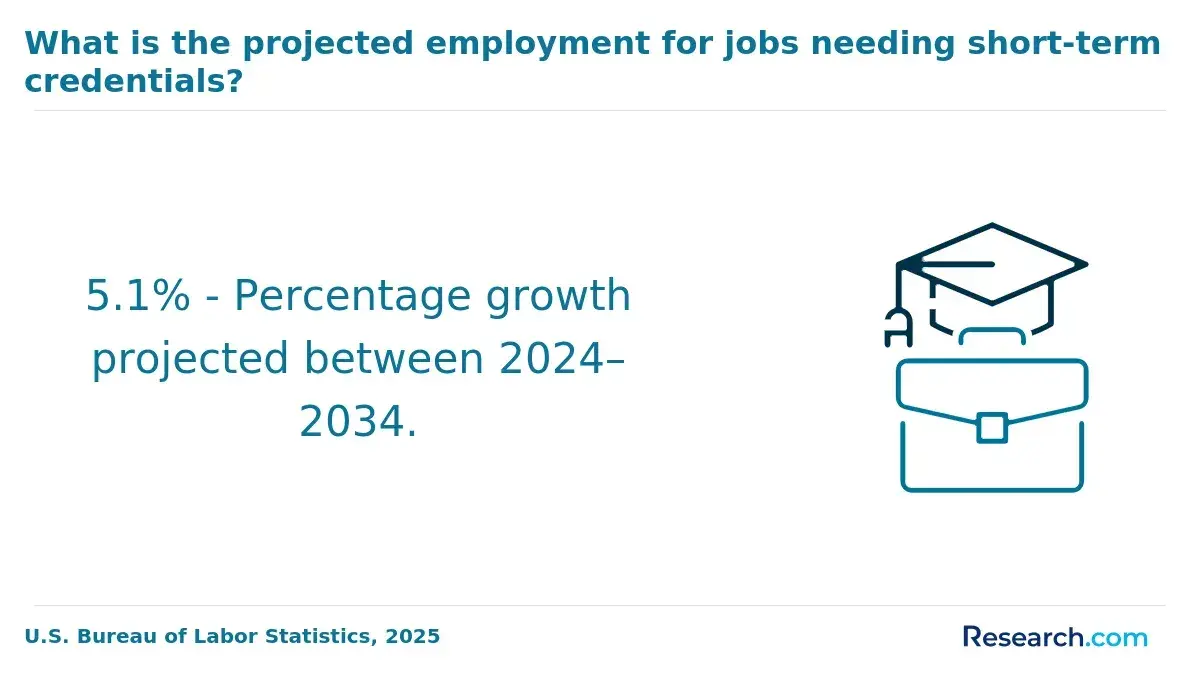
Admission to most online BA in Anthropology - Environmental Sustainability programs tends to be moderately competitive, influenced by the niche focus and increasing interest in environmental issues within anthropology. Many programs balance selectivity with accessibility, targeting students prepared to engage in interdisciplinary studies but not necessarily relying heavily on standardized test scores or traditional credentials. Compared to highly competitive majors, this field generally permits a wider range of academic backgrounds.
Southern New Hampshire University's online BA in Anthropology - Environmental Sustainability reflects this trend, with an acceptance rate of 96%, indicating relatively low entry barriers. The lack of SAT or ACT requirements lowers traditional hurdles and aligns with the university's wider admission rate, where about 43,377 of 45,127 applicants are admitted annually.
While the university overall is moderately selective, this specific program's steady acceptance supports accessibility for students who meet basic criteria, making it a practical option for those prioritizing flexibility and specialization over competitive admissions.
One recent graduate recalled feeling unsure about applying due to juggling work and family commitments. The straightforward application process, without pressure for test scores, alleviated much stress and allowed her to focus on crafting a personal statement highlighting relevant volunteer experiences.
This flexibility was crucial, as she needed to secure enrollment quickly to align with a job relocation, illustrating how program accessibility can directly impact real-life decisions beyond academic qualifications.
What is the cost of attending an online BA in Anthropology - Environmental Sustainability program at Southern New Hampshire University?
Tuition for an online BA in Anthropology - Environmental Sustainability at Southern New Hampshire University is set at $16,450 per year, exclusive of books and other expenses. Students should also account for about $1,800 annually in books and supplies, while room and board are not a factor for online learners, reducing overall costs compared to on-campus options. The absence of a separate technology fee and a flat-rate tuition regardless of location adds financial predictability, an important consideration for working adults balancing education with employment.
These costs stand in contrast to the federal scorecard's estimate of $37,524 for in-state students attending on campus, highlighting the potential savings associated with online study. However, prospective students need to evaluate these figures against their own living situations and professional commitments, as the total $51,392 annual cost cited includes several expenses more relevant to campus-based attendees. The flexibility to avoid relocation or commuting expenses is a practical tradeoff, often influencing decisions to pursue online degrees in environmental sustainability.
The Southern New Hampshire University online BA in Anthropology - Environmental Sustainability tuition fees compare favorably to similar programs nationwide, where total costs can be significantly higher due to on-campus housing and associated fees. This competitive pricing structure can make a difference for those prioritizing cost-efficiency without sacrificing the foundational knowledge expected in environmental and anthropological roles. Still, students should weigh tuition savings against the value of in-person networking and experiential learning opportunities.
For those exploring accelerated learning options, a growing share of students also consider an accelerated associate degree pathway as a stepping stone before enrolling in a bachelor's program, balancing time-to-degree with manageable financial investment. Such strategies can influence long-term labor market outcomes and employer perceptions of candidate commitment in sustainability-related fields.
Are there financial aid options for online BA in Anthropology - Environmental Sustainability students at Southern New Hampshire University?
Financial aid for students in the online BA in Anthropology - Environmental Sustainability at Southern New Hampshire University often requires strategic navigation, as relying solely on sticker price can obscure the true cost of attendance. In practice, students balancing work or military commitments may find the availability of diverse aid sources essential to making the degree viable without unsustainable debt.
Assessing these options is critical, since many employers applying tuition reimbursement expect job retention post-graduation, and veterans must understand eligibility nuances to optimize benefit usage. The following outlines core financial aid avenues frequently utilized by students in this program.
- Institutional Scholarships: Typically awarded based on academic merit or program-specific criteria, these scholarships aim to reduce costs for students showing strong commitment to environmental and social studies. Eligibility may require maintaining a minimum GPA and enrollment in the Anthropology - Environmental Sustainability program.
- Federal Grants and Loans: Students must complete the FAFSA to qualify for need-based federal aid, which includes grants that do not require repayment and loans that should be carefully evaluated due to future debt obligations. Enrollment status and satisfactory academic progress influence continued eligibility.
- Corporate Tuition Reimbursement: Working students may secure partial or full tuition coverage through employer programs, often contingent upon continued employment with the company after graduation. Awareness of reimbursement caps and application deadlines is key to maximizing this benefit.
- Veteran Benefits: Military-affiliated students can leverage GI Bill benefits or other veteran-specific aid, which can substantially offset tuition costs but require proper paperwork and compliance with service-related criteria.
- Program-Specific Grants: Occasionally available for students demonstrating significant financial need or academic achievement within specialized tracks, these grants supplement other aid but often come with stricter application protocols and documentation requirements.
What learning resources are available to online BA in Anthropology - Environmental Sustainability students at Southern New Hampshire University?
The availability and quality of learning resources significantly shape students' ability to navigate the complexities of studying anthropology with an environmental sustainability focus, especially in an online format where direct campus interaction is limited. Effective academic and technical support can reduce barriers common in remote learning, such as feeling disconnected from faculty or struggling with digital tools, which otherwise risk compromising mastery of interdisciplinary content and practical skills crucial for environmental and anthropological careers.
The following elements highlight key resources accessible within this program and their practical implications for student success and workforce readiness.
- Online Learning Platform: An integrated digital environment offers multimedia lectures, interactive discussion boards, and virtual classrooms that replicate real-time engagement. This supports critical dialogue and concept clarification, essential for fields relying on both qualitative analysis and collaborative problem-solving.
- IT Support Services: Dedicated technical assistance mitigates challenges such as software glitches or connectivity issues. Reliable IT support ensures that technological problems do not interrupt study patterns or delay coursework completion, which is vital for maintaining academic momentum.
- Academic Support: Personalized tutoring and writing help are available to strengthen research and communication skills, aligning with employer expectations for clear, evidence-based reporting and policy recommendation in environmental and anthropological roles.
- Library Access: Access to extensive digital academic resources facilitates deep engagement with current research and data sets. This is a critical advantage for students lacking physical library proximity but needing comprehensive materials to support assignments and thesis work.
- Career Services and Networking: Offerings such as resume reviews, interview coaching, and connections to industry job boards address a common gap in online programs by proactively aiding the transition from academic study to relevant employment sectors. These services help students navigate a competitive job market where specialized credentials often must be complemented by demonstrable practical experience.
Does Southern New Hampshire University's online BA in Anthropology - Environmental Sustainability program have in-person clinicals or practicums?
In-person practical experience often serves as a critical factor for employers evaluating anthropology and environmental sustainability graduates, as hands-on skills and fieldwork can demonstrate applied competency. However, many online programs adjust these expectations, tailoring curricula to accommodate remote students who lack access to traditional practicums.
The Southern New Hampshire University online anthropology practicum requirements reflect this emerging trend by omitting mandatory in-person clinical components, which can be a key consideration for students whose career paths rely heavily on field-based expertise.
Southern New Hampshire University's online BA in Anthropology - Environmental Sustainability program does not include in-person clinicals or practicum requirements. Instead, it focuses on virtual coursework, research assignments, and projects designed to simulate real-world environmental challenges.
This model prioritizes flexibility and accessibility, appealing to those balancing work or geographic limitations. However, students aiming for roles where direct fieldwork is standard might find the absence of on-site experience a disadvantage and should seek supplemental practical opportunities externally to bridge that gap.
Assessing the presence of in-person clinical components for snhu environmental sustainability degree students highlights this tradeoff between convenience and experiential learning. The program's remote format emphasizes digital analysis and case study methods rather than hands-on field engagement. Prospective students should weigh this structure's impact on employability in roles requiring applied field skills versus those valuing analytical and sustainability-focused expertise.
For those exploring easy associate degrees that pay well and related paths, supplementing such programs with practical experience can better align outcomes with employer expectations.
What careers can graduates of online BA in Anthropology - Environmental Sustainability at Southern New Hampshire University secure?
Graduates of the online BA in Anthropology - Environmental Sustainability program at Southern New Hampshire University face a competitive landscape where practical skills, interdisciplinary insight, and the ability to navigate both environmental and cultural factors determine job prospects. The program's real value emerges in how effectively it transitions graduates into roles that demand analytical, communication, and project management strengths.
Employers favor candidates who balance ecological knowledge with cultural awareness, a tradeoff essential in fields where environmental solutions must consider human communities. For those evaluating career opportunities for SNHU anthropology environmental sustainability graduates, real-world roles span diverse sectors, each with distinct challenges and salary ranges.
This diversity affects hiring and long-term advancement, especially in jobs in environmental sustainability anthropology in New Hampshire, where regional priorities shape demand. Relevant positions often require continuous learning to stay current on sustainable development policies and community engagement norms. Some aspiring students may also benefit from researching a university with free application fee to minimize initial enrollment costs. Key career paths include:
- Environmental Consultant: Evaluates project impacts on ecosystems and communities, advising stakeholders on minimizing harm. Median pay varies by location but generally starts in the midrange for environmental science roles.
- Conservation Specialist: Focuses on protecting natural resources while integrating cultural considerations, frequently working with agencies or nonprofits dedicated to sustainable management.
- Sustainability Coordinator: Develops corporate or nonprofit strategies to reduce ecological footprints, requiring skills in policy implementation and stakeholder collaboration.
- Environmental Educator: Uses anthropological insights to enhance public understanding of sustainability, influencing both policy and community practices with educational initiatives.
- Field Researcher/Data Analyst: Collects and interprets environmental and cultural data to support research and decision-making, combining scientific rigor with socio-environmental context.
What is the salary outlook for online BA in Anthropology - Environmental Sustainability graduates?
The salary prospects for graduates holding an online BA in Anthropology - Environmental Sustainability from Southern New Hampshire University reflect a specialized niche where expertise in human-environment interactions commands moderate but meaningful compensation.
For individuals weighing career pathways, this degree positions alumni above peers in related fields like Natural Resources Conservation, yet below earnings typical in high-demand STEM or healthcare sectors, illustrating tradeoffs between passion-driven roles and financial returns.
Career earnings after earning a BA in Anthropology - Environmental Sustainability from Southern New Hampshire University indicate a median alumni salary of $50,318. This median stands notably higher than the broader Social Sciences General group, whose average hovers near $33,311, and somewhat above sectors like Public Relations, Advertising, and Applied Communication, with median salaries around $40,928.
This suggests that graduates with this focused anthropology specialization can leverage their sustainability knowledge to access roles involving environmental management, policy advising, or community engagement, where demand increasingly aligns with regulatory and corporate sustainability initiatives.
While salary growth potential exists, especially as environmental awareness expands across industries, graduates should consider practical factors such as geographic market variance, employer preference for advanced qualifications, and the balance between vocational satisfaction versus monetary gain.
Those interested in broader or alternative pathways might explore options highlighted in resources addressing what is the best degree for a convicted felon, which provide further comparative insight into degree value and job placement challenges.
How do you know if Southern New Hampshire University's online BA in Anthropology - Environmental Sustainability program is the right choice for you?
Choosing whether Southern New Hampshire University's online BA in Anthropology - Environmental Sustainability fits your goals requires more than just reviewing course descriptions; it hinges on how well the program aligns with your learning style, career trajectory, and professional context. Making this evaluation helps avoid investing time and money in a pathway that may not deliver desired outcomes.
Consider the following essential factors to weigh in your decision-making process:
- Curriculum Breadth and Integration: Assess if the program balances anthropological theory with practical environmental sustainability topics. This matters because interdisciplinary synergy develops adaptable skills suited to evolving job markets, unlike programs with narrow or purely theoretical approaches.
- Flexibility and Learning Format: Evaluate how the fully online, self-paced structure fits your schedule and self-discipline. Flexibility supports working adults or those with caregiving duties, but it demands strong time management skills and motivation without in-person oversight.
- Community Engagement Opportunities: Determine whether the program fosters meaningful peer and faculty interaction through collaborative projects or discussion forums. These social learning elements can enhance understanding and boost professional networking, vital in fields where relationship-building impacts career success.
- Career Preparation and Outcomes: Investigate alumni career paths and how well the curriculum equips graduates for roles in environmental consulting, policy, or education. Understanding employer expectations for practical experience and interdisciplinary knowledge is key to confirming the program's applicability.
One former student shared how she debated between local campus offerings and the online BA in Anthropology - Environmental Sustainability at Southern New Hampshire University while managing a part-time job and family care. The program's flexibility appealed but she worried about isolation.
After starting, she found that engaging in discussion boards and group assignments helped compensate for the lack of physical presence, confirming that the format matched her independent work style. She emphasized needing to honestly assess personal motivation and how much structure she required before committing to an online degree path like this one.
What Graduates Say About Southern New Hampshire University's BA in Anthropology - Environmental Sustainability Program
- Lily: "Studying at Southern New Hampshire University gave me a pragmatic edge, especially with the BA in Anthropology - Environmental Sustainability program's focus on real-world applications. I found that employers often preferred hands-on experience and internships over formal certifications, so I made sure to build a solid portfolio during my studies. Although breaking into the field wasn't easy, the flexibility of the program helped me gain relevant remote internships, which eventually led to my current role in environmental consulting."
- Angelina: "The BA in Anthropology - Environmental Sustainability at Southern New Hampshire University was instrumental when I decided to pivot my career into environmental policy. The coursework offered a deep dive into sustainability issues combined with anthropological insights that employers value, but I quickly learned that salary growth could be limited without additional licensure. Despite this, the program's curriculum and online format allowed me to start working sooner and balance full-time job applications with my studies, which was crucial for me."
- Allison: "My experience studying anthropology with an environmental sustainability focus at Southern New Hampshire University was intellectually rewarding, but I also appreciated the candid career preparation it offered. The program made it clear that competing for certain roles often required more than just the degree-professional networking and relevant certifications made a big difference. Thanks to the online format, I could work part-time while learning, which allowed me to enter the workforce faster and steadily build my career in eco-research."
Other Things You Should Know About Degrees
The program is structured entirely online with asynchronous coursework, which provides significant scheduling flexibility for working adults. However, students should anticipate a steady weekly workload that requires disciplined time management since deadlines are strict and participation in some discussion components is mandatory. Those balancing full-time jobs should prioritize early planning to avoid last-minute cramming, as the course pace maintains academic rigor and the cumulative assignments demand consistent effort.
The curriculum emphasizes the intersection of anthropology with environmental studies, equipping students with theoretical frameworks and analytical skills applicable across disciplines. However, the program's online format limits informal networking and collaboration often found in traditional campus settings, which can be crucial for interdisciplinary engagement. Prospective students should actively pursue virtual networking and possibly local groups to enhance their capacity to work effectively in cross-sector settings.
The BA in Anthropology - Environmental Sustainability provides a solid academic foundation suited for pursuing graduate programs in anthropology, environmental science, or sustainability fields. Nonetheless, competitive graduate programs may expect research experience or specialized technical skills, which the online bachelor's might only partially deliver. For applicants planning further education, it's advisable to complement this degree with research internships or focused certifications to strengthen their credentials.
References
- Southern New Hampshire University Requirements for Admission https://www.prepscholar.com/sat/s/colleges/Southern-New-Hampshire-University-admission-requirements
- Anthropologist - Salary, How to Become, Job Description & Best Schools https://www.onlinedegree.com/careers/behavioral-science/anthropologist/
- Bachelor of Sustainability and Climate Change majoring in Anthropology Adelaide University https://www.hotcoursesabroad.com/india/course/australia/bachelor-of-sustainability-and-climate-change-majoring-anthropology/59010597/program.html
- SNHU Transfer Courses from Sophia | Sophia Learning https://snhu.sophia.org/
- BIOLA UNIVERSITY https://tes.collegesource.com/publicview/TES_publicview03_group_report.aspx
- Southern New Hampshire University: History, Programs, and Costs - https://collegestats.org/colleges/snhu/
- Providers: Southern New Hampshire University (SNHU) Early College |... https://opened.co/marketplace