2027 Is Unity Environmental University's Online Master of Professional Science in Animal Science and Behavior Worth It? Salary, Outcomes, and ROI

Co-Founder and Chief Data Scientist
Choosing an online master's program in animal science and behavior often hinges on balancing academic rigor with career relevance and flexible learning. With the Bureau of Labor Statistics projecting employment growth in biological science fields faster than average, candidates must assess whether the curriculum aligns with evolving industry demands and offers practical skills. Online programs vary widely in their integration of hands-on experience, research opportunities, and professional networking, affecting graduate employability.
For prospective students at Unity Environmental University, understanding these factors is crucial. This article evaluates whether Unity Environmental University's online Master of Professional Science in Animal Science and Behavior meets these key criteria and supports informed enrollment decisions.
Key Points About Unity Environmental University's Online Master of Professional Science in Animal Science and Behavior Program
- Unity Environmental University's online Master of Professional Science in Animal Science and Behavior accepts 82% of applicants, reflecting moderate selectivity but requiring careful consideration of applicant readiness.
- The total tuition is $23,960, balancing affordability with a median alumni salary of $37,852 and an earnings to debt ratio of 1.51x, which indicates practical financial outcomes post-graduation.
- Experienced faculty and a positive employer reputation enhance alumni prospects, linking program completion with increased success in animal science careers and related fields.
What makes Unity Environmental University's online Master of Professional Science in Animal Science and Behavior program stand out?
Choosing Unity Environmental University's online Master of Professional Science in Animal Science and Behavior involves balancing institutional scale with program flexibility. Its total enrollment of 6,359 and a staff of 550-including 169 full-time and 381 part-time faculty-indicates a substantial academic community that can support diverse student needs.
For working professionals, the online format allows progress at an individualized pace, which suits those balancing careers or family responsibilities. However, students must be prepared for moderate rigor reflected in a 57% graduation rate, suggesting the program demands consistent effort to complete.
The program's focus on practical professional science skills rather than heavily research-driven content offers advantages for those aiming to enter or advance in applied animal behavior roles, such as conservation organizations or animal management firms.
Digital resources like virtual labs and collaborative case studies replicate real-world challenges, easing the transition to workforce application. This practical orientation differentiates it from more theoretical programs, benefiting career-focused learners but possibly limiting appeal to those seeking academic research careers.
Is it difficult to get admitted to Unity Environmental University's online Master of Professional Science in Animal Science and Behavior program?
Admission to most master's programs in animal science and behavior typically involves moderate competition, reflecting the field's balanced demand and specialized skill requirements. Candidates often face selective hurdles tied to academic preparation, research experience, and relevant professional backgrounds, especially when standardized test scores are part of the criteria.
Unity Environmental University's online Master of Professional Science in Animal Science and Behavior program diverges from this norm with an acceptance rate of 82%. This means 7,252 of 8,865 applicants gain admission, indicating relatively low competitive pressure.
The absence of SAT or ACT requirements reduces barriers for nontraditional or working applicants, shifting admission focus toward academic and professional readiness rather than test-based filtering. This setup may appeal to students prioritizing entry feasibility without sacrificing curricular rigor.
However, a higher acceptance rate does not guarantee an easier academic pathway or assured career outcomes. Employers in fields integrating biological and behavioral sciences still assess candidates based on expertise and practical skills acquired, not just admission selectivity. Applicants should consider the tradeoff between streamlined access and the need to proactively demonstrate competencies valued in the workforce.
One graduate recounted applying late after hesitating between several programs and feeling uncertain about balancing work with studies. "I submitted my application just days before the deadline, relying on my professional experience rather than test scores," they recalled.
The quick turnaround from acceptance to enrollment gave little room for planning but ultimately allowed them to start without time lost. This experience underscores how Unity Environmental University's approach can benefit motivated applicants who align preparation with a clear timeline, even amid some initial uncertainty.
How does the curriculum of Unity Environmental University's online Master of Professional Science in Animal Science and Behavior program stay aligned with current industry trends?
The curriculum of Unity Environmental University's online Master of Professional Science in Animal Science and Behavior program reflects a deliberate effort to mirror employer expectations in a field increasingly driven by data proficiency and ethical treatment principles.
Graduates entering roles from conservation organizations to agricultural enterprises face demands for integrated scientific knowledge paired with applied skills, which this program attempts to address. The challenge remains ensuring the balance between theoretical rigor and experiential learning, a critical tradeoff influencing job readiness in animal science and behavior professions.
Key factors underpinning the program's alignment with industry trends are as follows:
- Scientific Expertise: Courses emphasizing animal physiology, behavioral ecology, and data-driven decision making equip students with foundational knowledge critical for understanding complex animal systems and interpreting behavioral data, meeting the increasing demand for analytical skills.
- Applied Learning: Embedding research projects and real-world case studies fosters experiential education, which many employers prioritize for its ability to translate theory into practice, enhancing workplace adaptability.
- Ethical and Sustainable Practices: Concentrating on animal welfare assessment and sustainable management prepares graduates to engage with contemporary ecological challenges, reflecting growing sector emphasis on responsible stewardship beyond traditional animal care.
Unity Environmental University's animal science and behavior online curriculum trends incorporate these elements to maintain relevance amid evolving professional standards. The program's integration of behavioral science with environmental sustainability aligns with core employer values, though prospective students should consider the extent of hands-on experience relative to competing programs.
For those weighing degree options, exploring affordable alternatives such as cheap PhD programs online may also be advisable depending on career goals and resources available.
How much does Unity Environmental University's online Master of Professional Science in Animal Science and Behavior program cost?
The base tuition and fees for the online Master of Professional Science in Animal Science and Behavior at Unity Environmental University stand at $12,640, but the total cost including books, supplies, room, and board can reach about $23,960 annually. For prospective students balancing tight budgets, this difference between base tuition and full cost highlights the additional financial planning required beyond tuition alone.
Financial aid availability is significant, with 86% of undergraduates receiving some type of aid averaging $3,528, yet details on aid packages specific to this online master's program remain unclear, so direct consultation with the university's financial aid office is essential.
When evaluating the cost of the Master of Professional Science in Animal Science and Behavior at Unity Environmental University online, it's important to note that no flat-rate tuition applies across all online learners; residency and other factors likely influence charges.
Unlike some institutions that impose explicit technology fees for online delivery, this university's data does not indicate notable additional online fees, which may slightly ease cost concerns but also means students must verify what indirect costs might arise.
For those comparing options, the federal scorecard estimates the in-state, on-campus total yearly attendance cost at $20,915, suggesting online students face comparable but differently structured expenses.
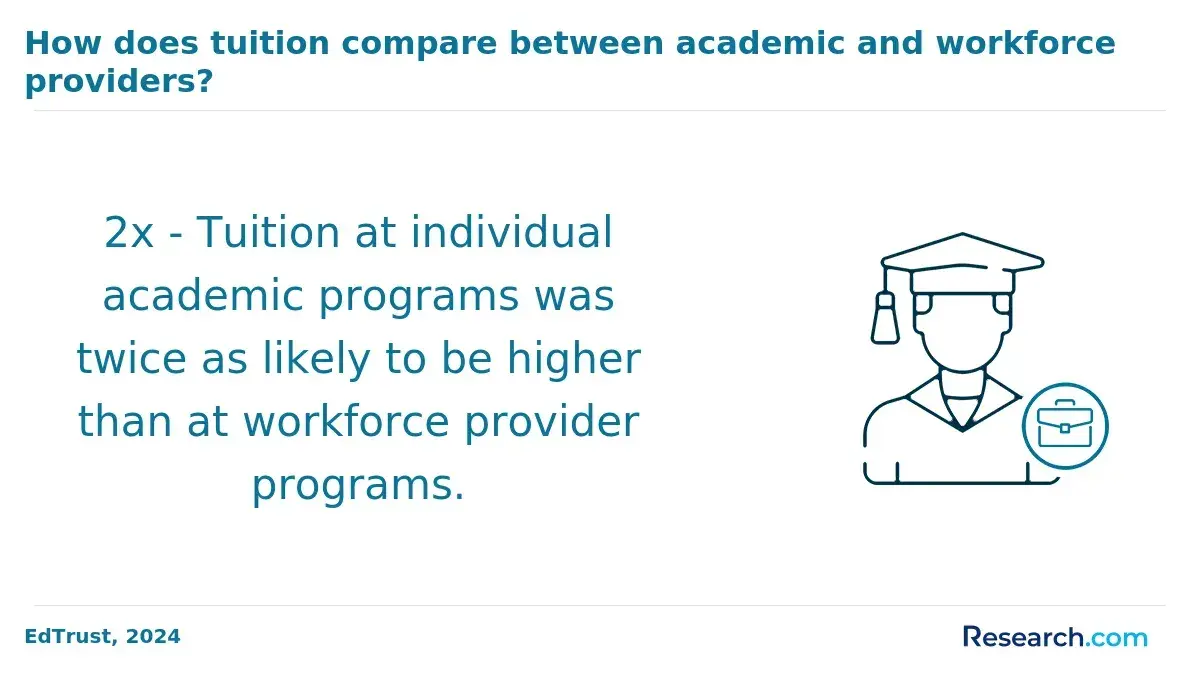
Nationally, tuition for master's programs focused on animal science and behavior varies widely depending on public versus private status and location. Unity Environmental University's tuition aligns with the mid-range for specialized online graduate programs, offering a competitive figure given the field's practical demands.
However, students should weigh these costs against program outcomes, considering how this financial investment relates to employment opportunities and career progression in animal science sectors, where employers value both specialized knowledge and practical experience alongside credentials.
For students aiming to enhance their credentials affordably without compromising employability, exploring additional funding or strategically choosing programs involves understanding broader industry trends in related fields.
Relevant certifications and supplementary qualifications, such as certain certifications that pay well, can meaningfully complement this master's degree in bolstering workforce readiness and salary potential in competitive job markets.
What are the admission requirements for Unity Environmental University's online Master of Professional Science in Animal Science and Behavior program?
Admission to Unity Environmental University's online Master of Professional Science in Animal Science and Behavior demands more than baseline qualifications, reflecting employers' expectations for graduate-level readiness.
Candidates should weigh the balance between academic credentials and additional documentation, as this process influences program accessibility and the potential transfer of previously earned credits. Familiarity with these requirements is crucial for prospective students navigating competitive graduate admissions. Key elements include:
- Educational Background: Applicants must hold a high school diploma or GED and provide a secondary school GPA, underscoring the need for a solid academic foundation before graduate study.
- Test Scores: While submission of Wonderlic or WISC-III scores is recommended, these are not compulsory. Non-native English speakers, however, must pass the TOEFL exam to verify English proficiency.
- Transfer Credits: The program generally accepts transfer credits from accredited sources and certain examination programs, although no fixed maximum is stated. Transfer credits can be applied across all academic terms.
- Additional Documentation: Graduate applicants typically need to submit a personal statement or letter of intent, recommendation letters, and a professional resume to demonstrate motivation and relevant experience.
- Entrance Exams and Portfolios: There is no formal entrance examination or portfolio submission requirement, simplifying application complexity compared to other graduate programs.
What is the ROI of attending Unity Environmental University's online Master of Professional Science in Animal Science and Behavior program?
The return on investment (ROI) for attending Unity Environmental University's online Master of Professional Science in Animal Science and Behavior program hinges on balancing the program's costs against the relatively modest earning potential in this specialized field.
With total annual expenses near $23,960, which exceeds the Federal Scorecard's $20,915 estimate for in-state students, prospective students must critically assess whether the starting median salary of $37,852 justifies this upfront investment.
Since median earnings remain stable over a decade rather than showing significant growth, students relying solely on salary gains to offset educational debt-averaging $25,000-may experience slower financial payoff. The graduate earnings-to-debt ratio at approximately 1.5x suggests that while graduates earn more than their debt annually, the margin is not substantial, especially when factoring in living costs and potential interest.
Scholarships, grants, and securing roles in higher-paying segments such as governmental wildlife agencies or environmental consulting can improve ROI. However, job placement typically aligns with research institutions or nonprofit sectors, where compensation tends to be moderate.
For those focused on steady income with a commitment to animal welfare or environmental management, the program offers practical career alignment but requires realistic expectations about financial advancement post-graduation.
Is there a high student satisfaction for Unity Environmental University's online Master of Professional Science in Animal Science and Behavior program?
Student satisfaction in Unity Environmental University's online Master of Professional Science in Animal Science and Behavior reflects a nuanced reality rather than unequivocal approval. While the program's flexibility is a pronounced advantage, especially for working professionals managing multifaceted responsibilities, the relatively moderate graduation rate signals potential challenges in sustained engagement and resource adequacy.
For students balancing demanding careers, the ability to access faculty support through a sizable contingent of full- and part-time instructors can partially offset the limitations inherent in an online format, yet some report difficulty reaching certain materials and services remotely, which can affect persistence and overall satisfaction.
The student culture appears less cohesive due to limited documented mentoring or student-led initiatives tailored specifically to the online cohort. Without a well-developed sense of community or robust peer interaction, students may experience a degree of isolation uncommon in traditional settings.
This tradeoff-between convenience and community-has practical implications for motivation and networking, factors often critical to both academic success and future employability in specialized fields like animal science and behavior.
One graduate shared that the program's design suited her need to work full-time while studying but recalled moments of uncertainty navigating the less interactive environment. She noted, "I appreciated not having to relocate or adjust my schedule drastically, but sometimes I wished there had been more structured check-ins or active online peer groups." Her experience underscores how flexibility can come at the cost of deeper engagement, though access to knowledgeable faculty helped her push through challenges and complete the degree.
How does Unity Environmental University help online Master of Professional Science in Animal Science and Behavior graduates secure employment?
Employment outcomes for graduates often hinge on the institutional support provided during and after their studies, and Unity Environmental University addresses this through targeted career services that improve placement probabilities.
Research shows that up to 70% of jobs in scientific and environmental sectors are secured through networking and alumni connections, a dynamic actively fostered by this university.
For students weighing the value of an online Master of Professional Science in Animal Science and Behavior program, understanding these tangible job placement avenues is crucial.
Below are some specific ways the university aids graduates in entering the workforce promptly:
- Virtual Job Fairs: Organized exclusively for online students, these events link them directly with employers in animal science, facilitating real-time recruitment before or immediately after graduation.
- Resume Workshops: Tailored sessions focus on highlighting expertise in animal behavior and practical science skills, enhancing candidates' competitiveness for specialized positions.
- Graduate Job Portal: An exclusive platform aggregates relevant employment opportunities, streamlining access to jobs aligned with the professional training received.
- Alumni Mentorship: A formal program connects students with experienced graduates, offering guidance and referrals that are vital in a competitive job market.
The career services for animal science and behavior master's degree graduates from Unity Environmental University function as integral components of employability, directly affecting how well graduates transition into roles that demand advanced expertise. This support complements efforts to earn an affordable online bachelor's degree as part of a strategic educational pathway into the sector.
What are the career outcomes for recent graduates of Unity Environmental University's online Master of Professional Science in Animal Science and Behavior?
Career outcomes critically affect whether an online Master of Professional Science in Animal Science and Behavior at Unity Environmental University justifies the time and financial investment. Choices made during the program shape employability in government agencies, environmental NGOs, or research institutions, where practical experience with conservation, policy, and animal research is often valued over degree prestige alone.
For example, those targeting roles in natural resources management may gain stronger salary prospects but also face demands for interdisciplinary skills and regulatory knowledge. Below are key job prospects for Unity Environmental University animal science graduates that illustrate the range of professional paths and compensation realities.
- Natural Resources Manager: Professionals in this role earn approximately $32,677 annually, focusing on resource planning, policy implementation, and sustainable ecosystem management within regulatory frameworks.
- Wildlife Biologist: Typically earning around $24,558, these specialists engage in fieldwork, habitat restoration, and population monitoring, often facing physically demanding schedules but contributing to conservation efforts directly.
- Animal Behaviorist: Earning closer to $21,178, graduates focusing on this career apply behavioral analysis in research or educational contexts, requiring strong scientific communication skills.
- Ecologist and Evolutionary Scientist: With average salaries near $22,365, roles in this area emphasize research into species dynamics and ecosystem interactions, demanding proficiency in data analysis and long-term project management.
Evaluating career outcomes from this degree involves balancing specialized skill development against specific job market demands. For prospective students considering if this degree is worth it, consulting resources from a recognized non profit university registry helps place these prospects within broader educational and labor market contexts.
How do I know if Unity Environmental University's online Master of Professional Science in Animal Science and Behavior program is the right fit for my goals?
Determining if Unity Environmental University online master animal science career goals align with your professional trajectory involves more than checking program descriptions. The worth of this online Master of Professional Science in Animal Science and Behavior program hinges on how closely its offerings match your specific career goals and the realities of the animal science labor market.
For example, a student aiming for research focused on animal welfare must verify the depth and rigor of related coursework compared to programs emphasizing wildlife management. Several factors shape whether this program fits your long-term aspirations and operational needs. Consider these critical dimensions:
- Curriculum Relevance: Assess if the courses provide advanced, specialized knowledge that directly supports your career path. Look specifically for practical applications and recent developments in animal behavior, as outdated or overly theoretical content may limit employability.
- Program Flexibility and Delivery: Examine the balance of synchronous versus asynchronous learning to see if it accommodates your schedule and learning style. Flexibility can affect your ability to maintain employment or manage other responsibilities during study.
- Student Support Services: Evaluate the accessibility of academic advising, career counseling, and networking opportunities, which significantly influence program completion rates and job placement success.
- Faculty Expertise: Investigate faculty backgrounds and their involvement in current research or industry projects, as mentorship quality directly impacts professional growth opportunities.
- Graduate Outcomes: Review data on alumni employment rates and success stories within the animal science field, considering whether this program's credentials are recognized and valued by employers.
When deciding if the online master of professional science animal behavior program is a good fit, it's essential to recognize that these criteria vary in importance depending on individual goals and circumstances.
For seniors or non-traditional students weighing options, examining programs alongside trends in degrees for older adults can clarify whether this degree aligns with realistic job prospects and ongoing professional development.
What Graduates Say About Unity Environmental University's Online Master of Professional Science in Animal Science and Behavior Program
- Brooklyn: "Studying at Unity Environmental University gave me the flexibility to balance work with advancing my education, which was crucial given my family commitments. The Master of Professional Science in Animal Science and Behavior program's emphasis on practical projects helped me build a portfolio that employers value more than just credentials. While I faced challenges competing for roles traditionally requiring licensure, this degree opened doors to remote consulting opportunities that I hadn't anticipated."
- Veronica: "The experience at Unity Environmental University was both rigorous and eye-opening, especially with its focus on applied animal behavior studies. I realized quickly after graduating that many employers put more weight on internships and field experience than the degree itself, which prompted me to seek additional certifications to complement my master's. Nevertheless, the program gave me a solid foundation that accelerated my ability to pivot into environmental advocacy roles where salary growth can be slow but impactful work is abundant."
- Monique: "My time in the Master of Professional Science in Animal Science and Behavior program at Unity Environmental University was fundamental in shaping my career trajectory. The coursework was challenging but relevant, and it prepared me for the complex realities of the job market, where licensure isn't always mandatory but hands-on experience is indispensable. I appreciated how the program's flexibility allowed me to enter the workforce faster, although I had to be strategic about taking on roles that offered advancement without formal veterinary credentials."
Other Things You Should Know About Degrees
Unity Environmental University's online Master of Professional Science in Animal Science and Behavior program offers asynchronous coursework, which helps accommodate busy schedules; however, some components like live seminars or group projects require fixed meeting times. This blend means students must carefully manage their time to meet both self-paced deadlines and synchronous sessions. Prospective students juggling significant outside commitments should prioritize their ability to engage during key live activities to avoid falling behind.
While designed as an online degree, the program incorporates practical learning through virtual simulations and case-based studies rather than in-person labs or direct animal handling. This limits tactile, real-world experience but emphasizes analytical and observational skills applicable in many professional contexts. Those who require extensive hands-on training may need supplemental fieldwork or internships outside the program, which is an important consideration in planning their educational path.
Networking in this online program is primarily facilitated through virtual discussion forums, instructor interactions, and occasional group projects, which can be less robust than face-to-face environments. Students who highly value professional connections may find these digital networks somewhat limited but still useful if actively engaged. It's advisable for candidates to supplement these opportunities with external professional associations or conferences to build a broader network in animal science and behavior fields.
References
- Home https://www.husson.edu/online/online-degrees/master-of-science-in-applied-animal-behavior-and-welfare
- Career Resources https://unity.edu/career-services/career-resources/
- Animal Science – Master of Science https://www.massey.ac.nz/study/all-qualifications-and-degrees/master-of-science-PMSCN/animal-science-PMSCN1SANSC1/
- Unity Environmental University https://graduateguide.com/school/unity_college_distance_education/
- Unity Environmental University https://www.princetonreview.com/college/unity-environmental-university-1023814